People ask this question more often than you might expect.
“Can I simply stick an RFID tag inside a metal toolbox?”
“Will an RFID tag still be readable if it’s inside a steel cabinet?”
From what I’ve seen in warehouse projects, this question usually appears after someone has already tested it—and discovered that the reader suddenly can’t detect the tag anymore.
The answer isn’t a simple yes or no.
In many situations, an RFID tag placed completely inside a sealed metal object will not work reliably. But that doesn’t mean RFID and metal cannot work together. Modern industrial RFID systems deal with metal every day. The trick is understanding why ordinary tags fail and what kind of tag should replace them.
The Short Answer: Usually No—But There Are Exceptions
Imagine putting your phone inside a thick steel safe.
The Wi-Fi signal becomes weak. Bluetooth struggles. Cellular reception almost disappears.
RFID experiences something very similar.
Metal reflects and absorbs radio frequency energy. When a passive RFID tag is enclosed by metal on multiple sides, the electromagnetic field from the reader simply can’t reach the tag efficiently.
That means:
The reader cannot power the passive tag.
The response signal becomes extremely weak.
Reading distance drops dramatically.
Sometimes the tag disappears completely.
Still, there are exceptions.
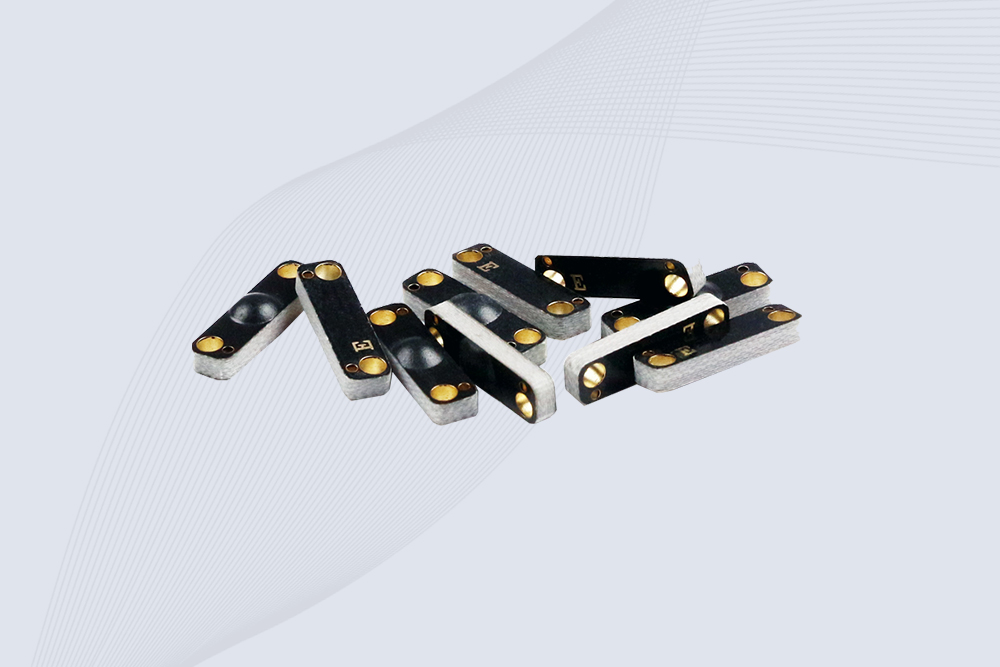
Some specially designed RFID tags continue working when mounted directly on metal surfaces, while others can even be embedded into certain metal products if enough engineering space has been reserved.
Why Metal Causes Problems for RFID Signals
Metal behaves almost like a mirror for radio waves.
Instead of allowing RF energy to pass through, it reflects much of it.
I remember visiting a manufacturing workshop where every pallet was steel. The team had attached ordinary paper RFID labels to the sides of the pallets and wondered why only half of them were detected.
Nothing was wrong with the reader.
Nothing was wrong with the software.
The tag itself was simply never designed for metal.
Passive UHF RFID tags rely on the reader’s electromagnetic field for power. When metal interrupts that field, the antenna inside the tag cannot resonate correctly.
It’s similar to trying to listen to someone through a thick concrete wall. Sometimes you hear something. Most of the time, you don’t.
Can RFID Tags Be Installed Inside Metal Objects?
The answer depends on the object.
Inside a Metal Toolbox
Usually not.
A closed steel toolbox acts almost like a shield, preventing RF signals from reaching the tag.
Inside a Metal Cabinet
Again, performance is usually very poor.
Unless openings or specially designed antenna locations exist, the reader may never detect the tag.
Inside Metal Pipes
This becomes even more difficult.
The curved metal surface changes the RF field, making standard RFID tags almost unusable.
Inside Shipping Containers
Interestingly, this is where many people get confused.
RFID systems are widely used with shipping containers—but the tags are almost never buried inside the steel walls.
Instead, rugged on-metal RFID tags are mounted outside the container where readers can easily communicate with them.
What Are On-Metal RFID Tags?
This is where industrial RFID becomes interesting.
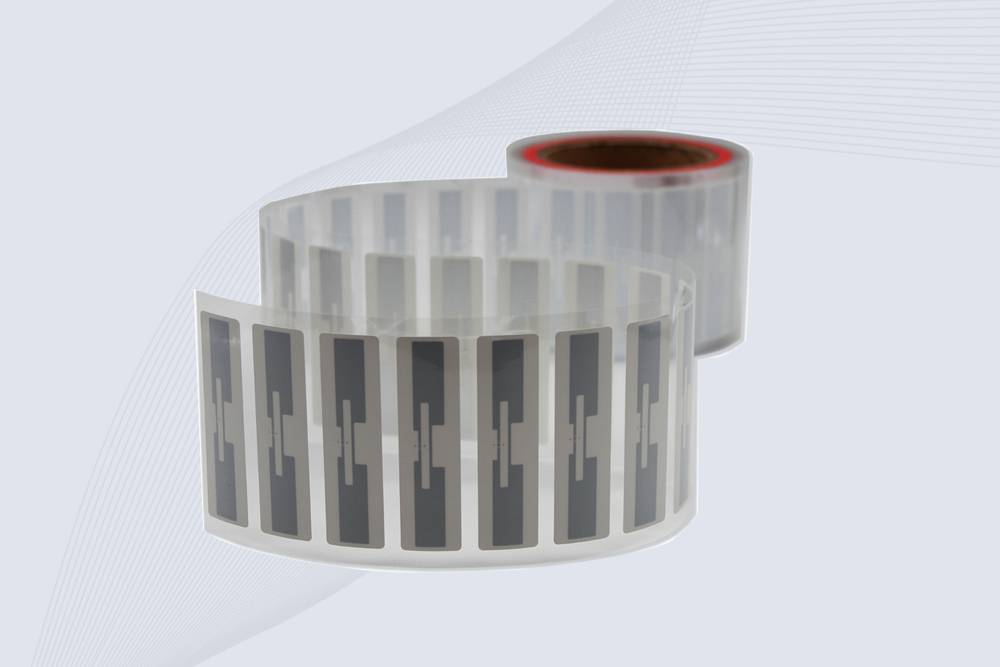
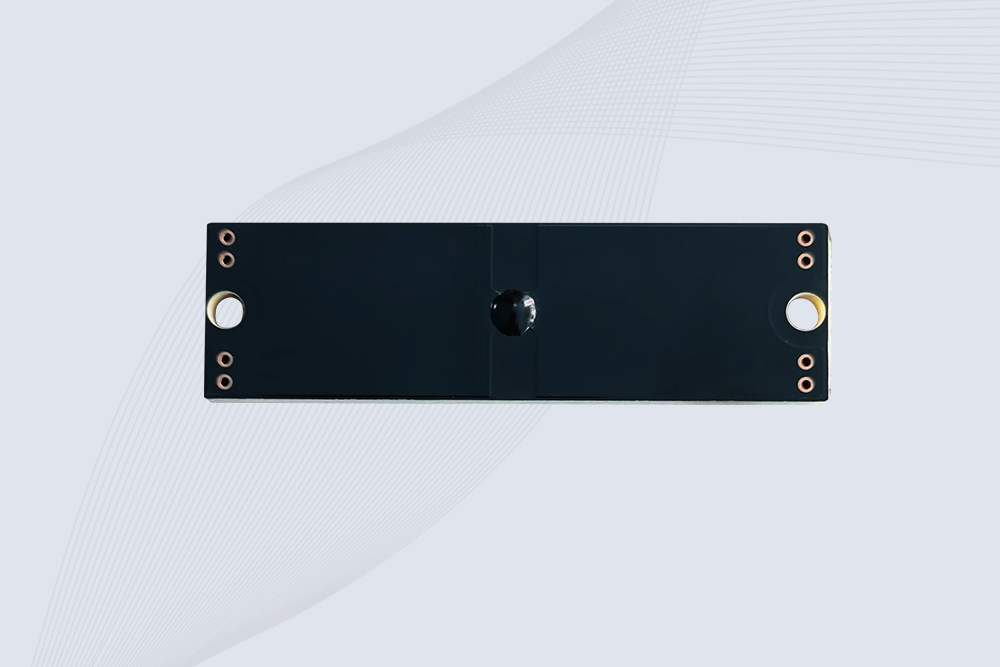
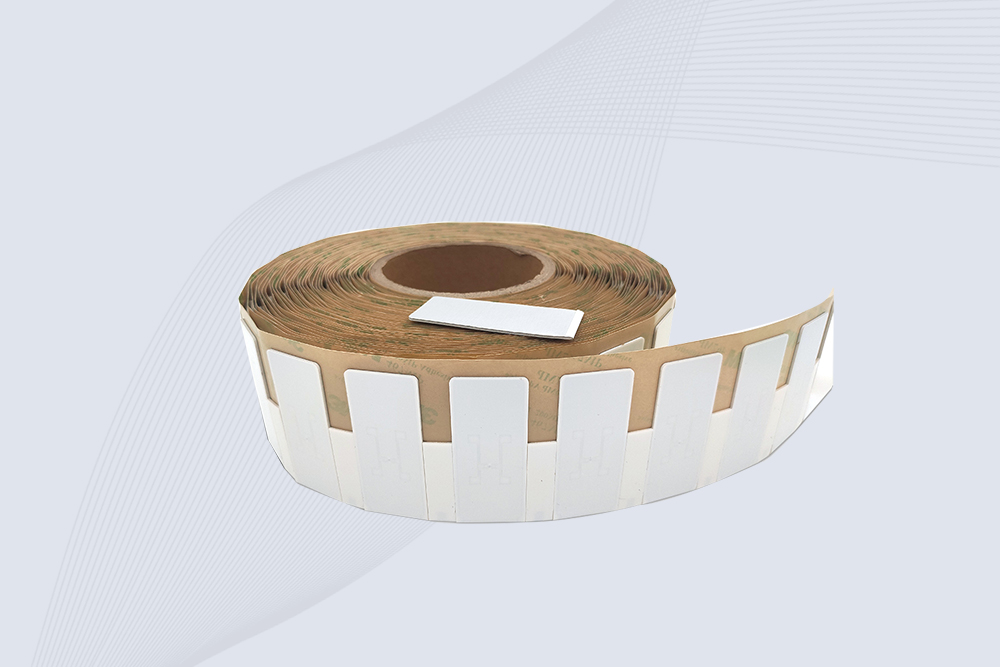
On-metal RFID tags look different from ordinary RFID labels because they’re built differently.
Instead of allowing metal to interfere with the antenna, engineers intentionally design a spacer or insulating layer between the antenna and the metal surface.
That small difference changes everything.
Good on-metal RFID tags can provide:
Read distances from several meters to over ten meters
Stable performance on steel equipment
Waterproof construction
UV resistance
High-temperature options
Long service life outdoors
They’re common in:
Manufacturing
Oil & gas
Tool management
Construction equipment
Medical asset tracking
Warehouse automation
Real Factory Examples Where RFID Works Around Metal
One automotive supplier wanted to track thousands of steel fixtures moving between production lines.
At first, they used ordinary adhesive RFID labels.
Read accuracy stayed around 50%.
Workers had to stop repeatedly to rescan equipment, slowing production.
After switching to industrial on-metal RFID tags mounted with screws, read rates climbed to well above 99%.
Nothing else changed.
Same readers.
Same software.
Same workflow.
Only the tag changed.
That’s something I see fairly often. People tend to upgrade readers first, when the tag is actually the weakest link.
How to Improve RFID Performance Near Metal
If your project involves metal equipment, a few practical adjustments can make a noticeable difference.
Choose RFID tags specifically designed for metal surfaces rather than standard paper labels.
Keep a small separation between the tag antenna and the metal whenever possible. Even a few millimeters can improve performance.
Test different mounting positions. Sometimes moving the tag just a few centimeters away from a corner or weld can noticeably improve readability.
Reader antenna placement also matters. In some warehouses, changing the antenna angle delivers better results than increasing transmission power.
Finally, don’t rely on catalog specifications alone. Actual reading distance depends on the tag, reader, mounting method, surrounding metal, and even nearby machinery.
Choosing the Right RFID Tag for Metal Applications
There isn’t a single “best” RFID tag for every metal project.
The right choice depends on your environment.
If you’re tracking tools, compact screw-mount tags may be enough.
Heavy industrial machinery often requires rugged encapsulated tags that survive vibration and impact.
Outdoor logistics projects usually need waterproof tags with UV protection.
High-temperature manufacturing may require ceramic RFID tags capable of surviving hundreds of degrees.
Selecting the wrong tag can reduce read distance from several meters to almost zero.
Selecting the right one often makes the system feel effortless.
OEM RFID Solutions for Industrial Projects
Large industrial deployments rarely use off-the-shelf RFID tags for every application.
OEM customers often request:
Custom housing materials
Company logo printing
EPC pre-encoding
Different mounting methods
Special antenna tuning
IP67/IP68 protection
Extreme temperature resistance
Customized dimensions for unique equipment
These adjustments help maximize reading performance while matching the physical constraints of real production environments.
Many engineers assume the reader is the problem when RFID tags stop responding around steel equipment. In reality, the issue is often the interaction between the tag antenna and the metal surface. If you’ve experienced inconsistent read distances or tags that suddenly “go silent,” our detailed guide on Why Your RFID Tags Go Silent and How to Fix It explains the underlying RF behavior, common installation mistakes, and practical solutions for improving performance on metal assets. It provides a deeper look at selecting the right on-metal RFID tags and optimizing real-world industrial deployments. Read more here: RFID on Metal: Why Your Tags Go Silent and How to Fix It
CYKEO Passive RFID Tags are made for wet and high-humidity environments where standard labels do not last. This rfid passive tag is often used around liquids, chemicals and temperature changes, providing stable reading distance and long data life for industrial tracking.
CYKEO CYKEO-PCB1504 Metal RFID Tags is a compact anti-metal UHF RFID solution built for direct mounting on metal surfaces. With stable 8-meter read range, Ucode-8 chip, and long data retention, this rfid metal tag fits tools, containers, automotive parts, and industrial asset tracking.
CYKEO CYKEO-PCB7020 On-Metal RFID Tags are designed for reliable tracking on steel and metal surfaces. Built with an FR4 epoxy body and industrial-grade chips, these On-Metal RFID Tags deliver stable performance, long data life, and chemical resistance, making them a dependable RFID anti-metal tag for harsh environments.
The CYKEO CYKEO-60-25 Anti-Metal RFID Tag is built for metal surfaces where standard tags fail. Designed for long-range performance, harsh environments, and stable data retention, this Anti-Metal RFID Tag is ideal for industrial assets, containers, and equipment tracking using on metal RFID tags.
The CYKEO RFID Laundry Tag is designed for long-term textile identification in harsh laundry environments. Built to withstand high heat, chemicals, and repeated washing, this RFID Laundry Tag delivers stable performance for hotels, hospitals, and industrial laundry operations using laundry rfid tags at scale.
The CYKEO CYKEO-125-7 RFID Book Tag is designed for reliable book and document tracking in libraries and archives. This RFID Book Tag delivers long read range, dense placement support, and stable performance on shelves, making it a practical rfid tag on books for library automation, file management, and archival systems.
CYKEO RFID tags in hospitals are designed for sterile environments where accuracy matters. These autoclavable RFID tags support long-term tracking of surgical tools, implants, and medications, helping hospitals improve visibility, compliance, and patient safety.
CYKEO RFID Cable Tie Tag is built for reliable identification on metal surfaces. This UHF RFID Cable Tie Tag is widely used in rfid tags for inventory systems, industrial asset management and Hospital RFID Tags, offering stable read performance, long service life and global EPC Gen2 compatibility.
CYKEO RFID Asset Tag is designed for stable identification of metal assets in industrial environments. This UHF RFID Asset Tag is commonly used for rfid tag asset tracking on equipment, tools and containers, providing reliable reads, long service life and ISO/IEC 18000-6C support.
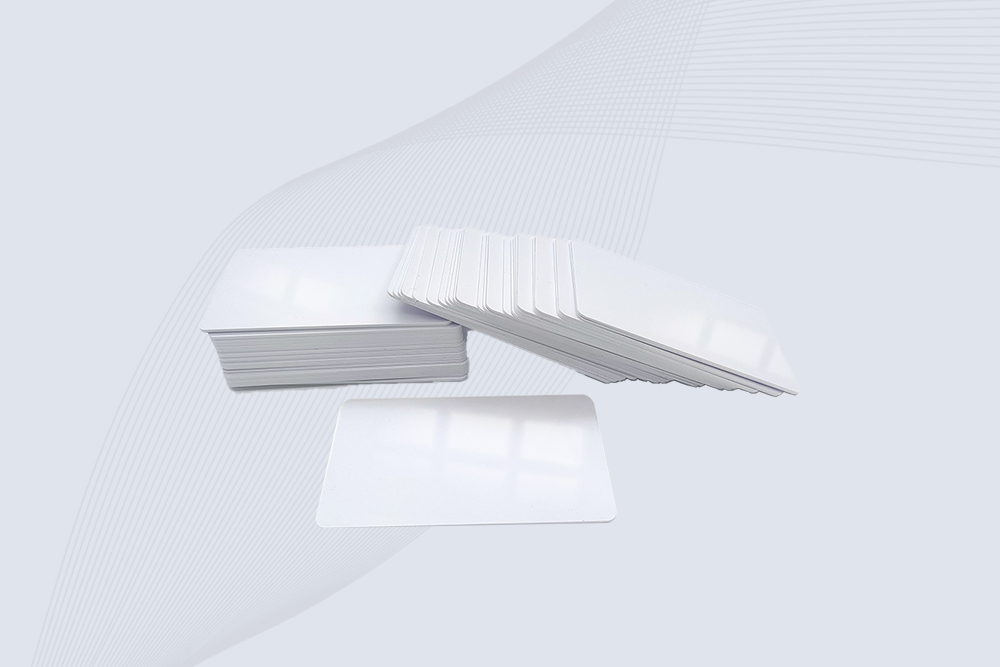
CYKEO UHF RFID Card is designed for fast identification and long-term use in industrial and commercial systems. Supporting ISO 18000-6C, this UHF RFID Card works at 860–960 MHz and is suitable for custom RFID cards used in asset tracking, access control and inventory management.
CYKEO HF RFID Cards are designed for secure and stable access control systems. These 13.56 MHz RFID key cards support ISO 14443-A, reliable rewriting and long service life, making HF RFID Cards suitable for offices, campuses, events and membership management.
CYKEO UHF RFID Tag is designed for reliable tracking of metal jewelry and high-value items. This Jewelry RFID Tag supports long-range reading up to 8 meters, anti-counterfeit protection and stable performance on metal, making it suitable for retail, inventory control and asset management.
RFID Industry Writer | IoT & Asset Tracking Analyst
James writes about RFID technology, asset tracking, and the practical challenges of digital transformation across warehousing, retail, manufacturing, and logistics.
His work focuses on how RFID is applied in real-world operations—improving inventory visibility, automating workflows, and helping businesses manage assets with greater accuracy and efficiency.
He regularly covers topics including UHF RFID, smart cabinets, RFID portals, tool tracking, warehouse automation, and industrial IoT trends..
This article explores the real-world applications and experiences of RFID technology in libraries — from speeding up book borrowing and returns, to inventory management, theft prevention, and privacy protection — offering a complete look at how it...
 Cykeo RFID IoT Solution Products R&D Manufacturer