 Cykeo RFID IoT Solution Products R&D Manufacturer
Working Principle: Coupling — How RFID Really Works
184Confused about RFID coupling? This plain-English guide explains inductive and backscatter coupling, how RFID tags get power, and why systems fail in real projects.
MoreAll RFID Product
We’ve all been there. You need to track expensive metal tools or server racks, so you order standard RFID labels. You stick one on a wrench or a server cabinet, wave the reader, and… nothing. Silence. It’s frustrating, but it’s not a defect—it’s physics. The solution isn’t a louder reader; it’s a completely different kind of tag built around a compact uhf rfid tag antenna design for metallic objects. Let’s break down why regular tags fail and how the right design turns a problem into a reliable data point.
First, understanding why RFID tags fail on metal is key. Think of a standard UHF tag antenna as a tiny, finely tuned harp. It’s designed to resonate and “sing” (broadcast its signal) in open air. When you place it directly against metal, that metal surface acts like a massive, disruptive soundboard. It reflects and scrambles the RF energy, completely detuning your delicate harp. The tag can’t establish the proper electromagnetic field to communicate. It’s not broken; it’s just being smothered.
A functional on-metal tag doesn’t just work despite the metal; it’s engineered to use it. The core of a compact uhf rfid tag antenna design for metallic objects involves two clever tricks:
The result is what you need: reliable metal mount RFID tag performance on drill presses, server blades, and medical carts.
Selecting RFID tags for metal surfaces is a practical decision. Here are best practices for metal mount rfid tags we’ve learned from deployments:
You use these when the asset is metal and the tracking needs to be bulletproof: in tool cribs for construction and aviation MRO, on data center hardware for automated inventory, on metal returnable transport items (RTIs) in automotive plants, and on surgical instrument trays that undergo sterilization.
So, when you need a compact uhf rfid tag antenna design for metallic objects, you’re not just buying a sticker. You’re investing in a purpose-built RF engineering solution that transforms a challenging surface into your most reliable tracking point.
If you’ve ever worked with RFID, you’ve probably heard the warning:
“RFID and metal don’t mix.”
It’s one of the most common statements in the industry, and for good reason. Metal can seriously affect RFID performance. It can shorten read range, distort signals, and sometimes make a tag appear completely invisible to a reader.
But that doesn’t mean RFID stops working whenever metal is involved.
For a deeper explanation, read:Can RFID Tags Work Inside Metal? The Truth About RFID Performance Around Metal Surfaces
Many readers also ask a more fundamental question before choosing an industrial RFID solution: can RFID tags work inside metal, or are they limited to external mounting? The answer depends on how radio waves interact with enclosed metal environments, the type of RFID tag being used, and the installation method. If you’re comparing these scenarios, our in-depth guide Can RFID Tags Work Inside Metal? explains when RFID can function inside or around metal objects, common limitations, and the best practices for achieving reliable read performance in industrial applications.
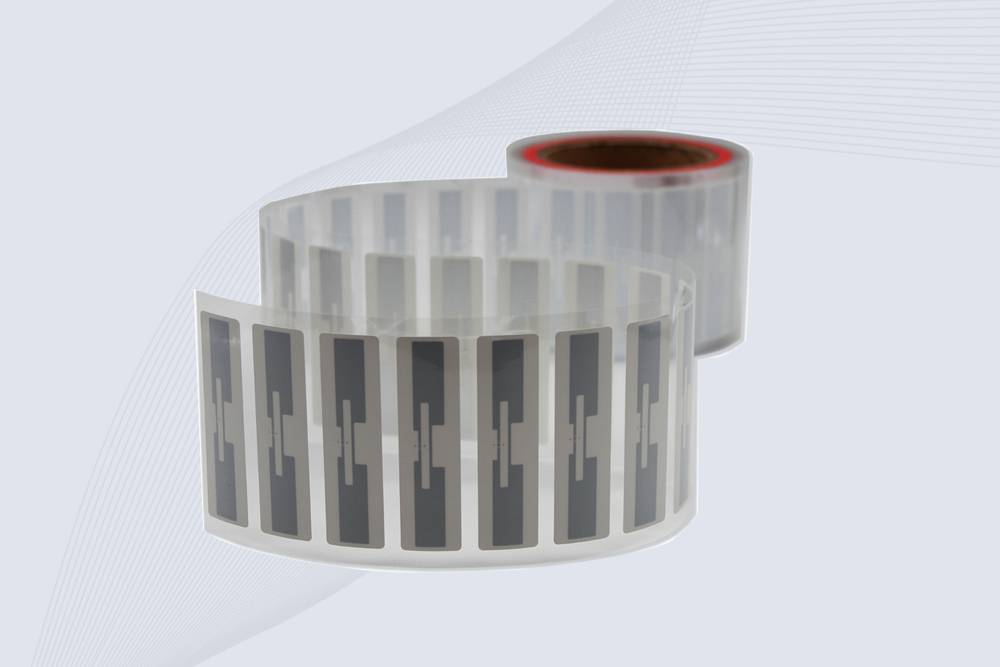
CYKEO Passive RFID Tags are made for wet and high-humidity environments where standard labels do not last. This rfid passive tag is often used around liquids, chemicals and temperature changes, providing stable reading distance and long data life for industrial tracking.
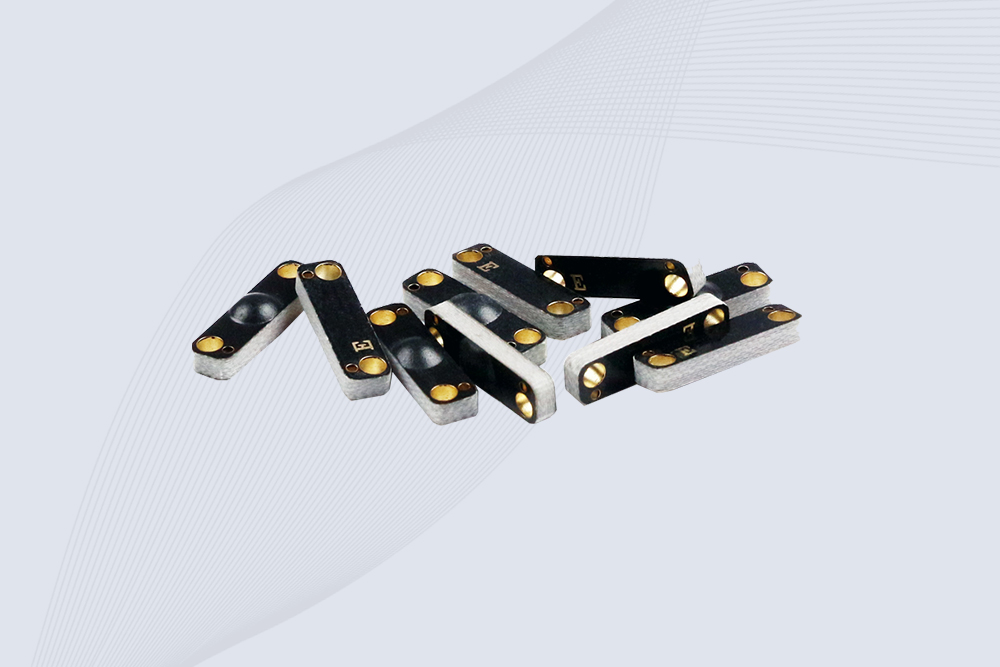
CYKEO CYKEO-PCB1504 Metal RFID Tags is a compact anti-metal UHF RFID solution built for direct mounting on metal surfaces. With stable 8-meter read range, Ucode-8 chip, and long data retention, this rfid metal tag fits tools, containers, automotive parts, and industrial asset tracking.
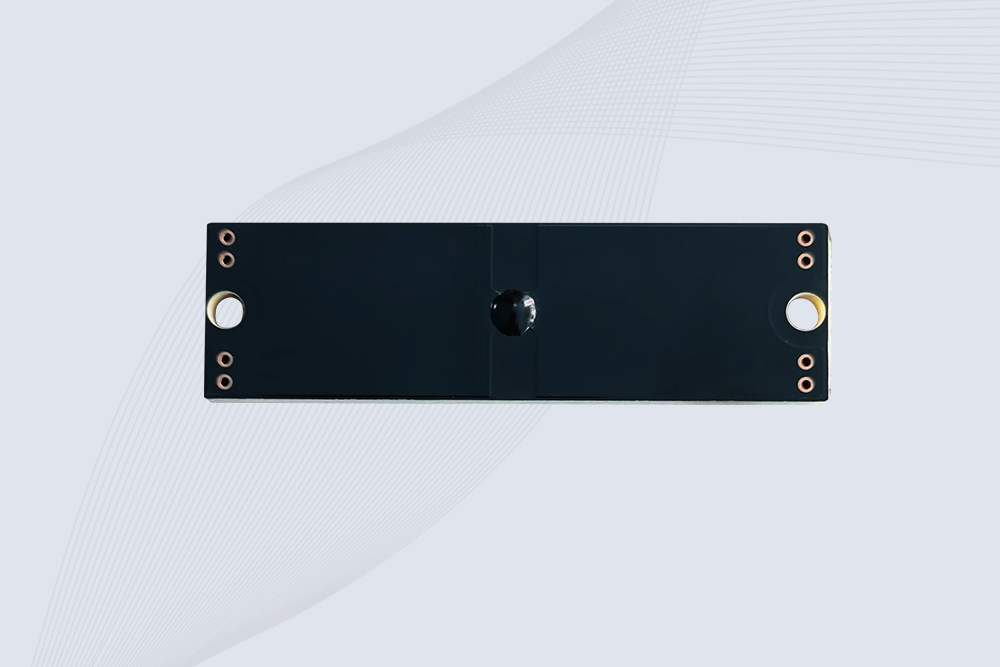
CYKEO CYKEO-PCB7020 On-Metal RFID Tags are designed for reliable tracking on steel and metal surfaces. Built with an FR4 epoxy body and industrial-grade chips, these On-Metal RFID Tags deliver stable performance, long data life, and chemical resistance, making them a dependable RFID anti-metal tag for harsh environments.
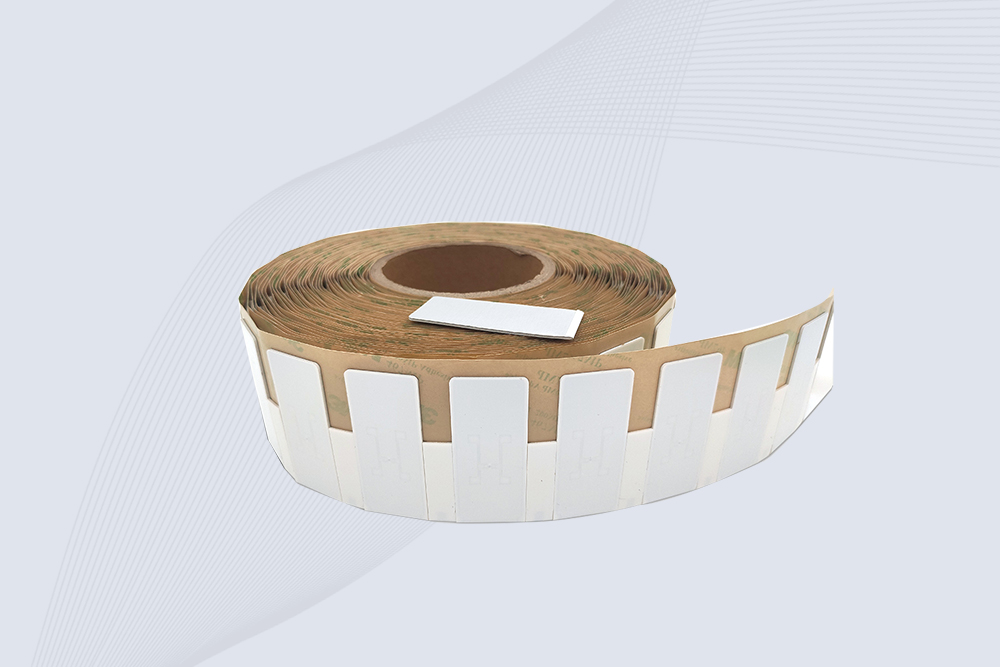
The CYKEO CYKEO-60-25 Anti-Metal RFID Tag is built for metal surfaces where standard tags fail. Designed for long-range performance, harsh environments, and stable data retention, this Anti-Metal RFID Tag is ideal for industrial assets, containers, and equipment tracking using on metal RFID tags.
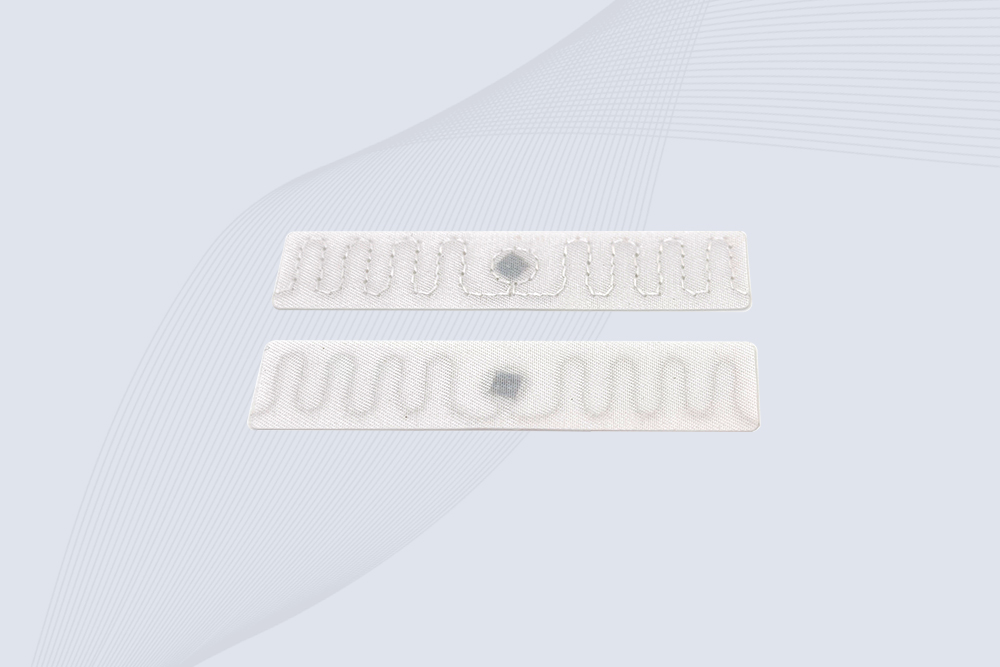
The CYKEO RFID Laundry Tag is designed for long-term textile identification in harsh laundry environments. Built to withstand high heat, chemicals, and repeated washing, this RFID Laundry Tag delivers stable performance for hotels, hospitals, and industrial laundry operations using laundry rfid tags at scale.
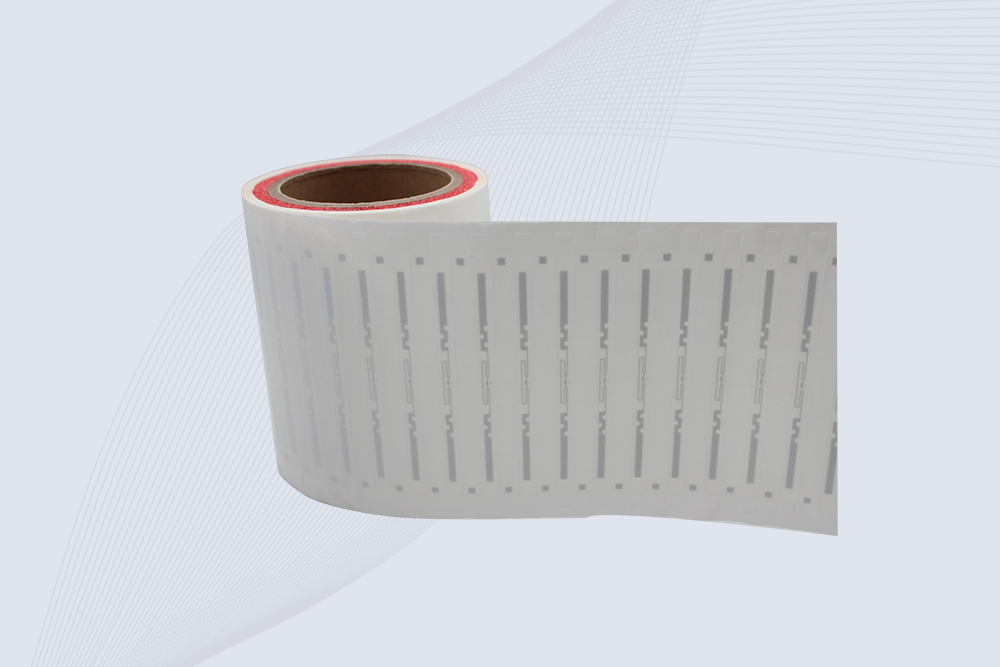
The CYKEO CYKEO-125-7 RFID Book Tag is designed for reliable book and document tracking in libraries and archives. This RFID Book Tag delivers long read range, dense placement support, and stable performance on shelves, making it a practical rfid tag on books for library automation, file management, and archival systems.
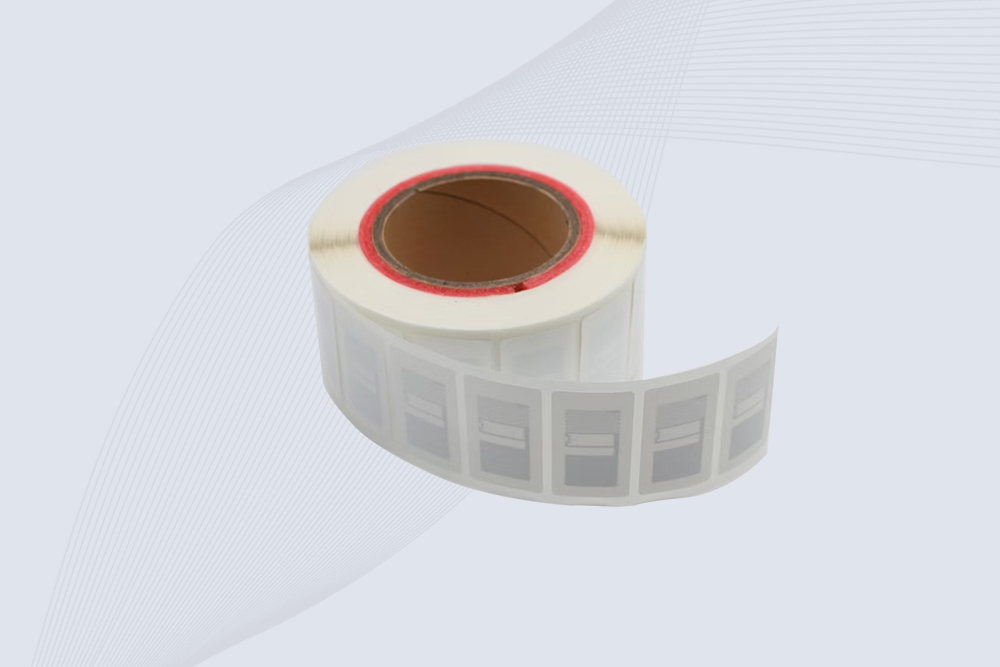
CYKEO RFID tags in hospitals are designed for sterile environments where accuracy matters. These autoclavable RFID tags support long-term tracking of surgical tools, implants, and medications, helping hospitals improve visibility, compliance, and patient safety.

CYKEO RFID Cable Tie Tag is built for reliable identification on metal surfaces. This UHF RFID Cable Tie Tag is widely used in rfid tags for inventory systems, industrial asset management and Hospital RFID Tags, offering stable read performance, long service life and global EPC Gen2 compatibility.
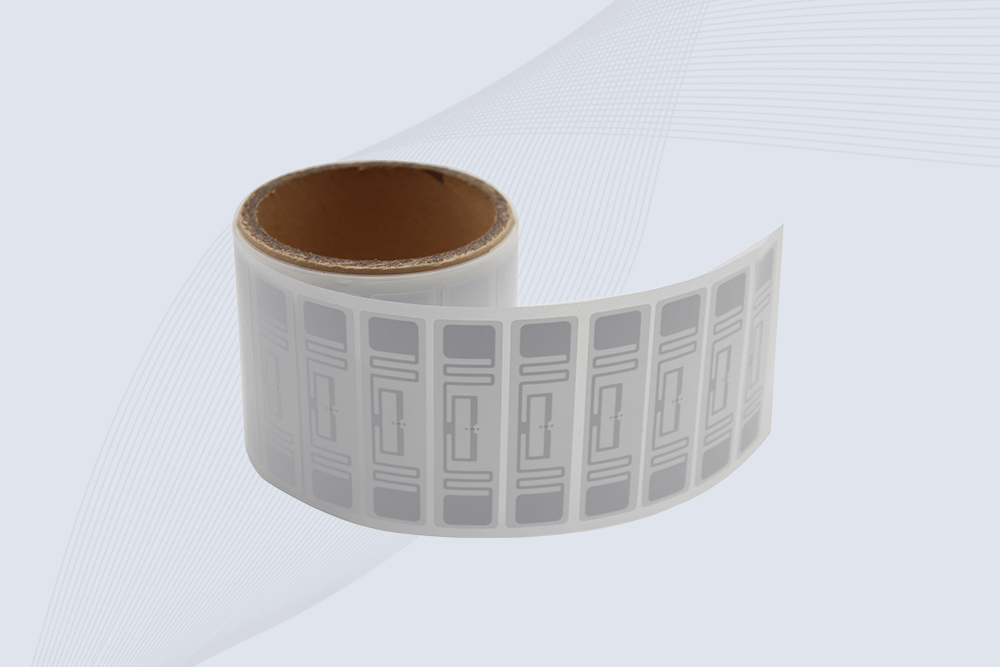
CYKEO RFID Asset Tag is designed for stable identification of metal assets in industrial environments. This UHF RFID Asset Tag is commonly used for rfid tag asset tracking on equipment, tools and containers, providing reliable reads, long service life and ISO/IEC 18000-6C support.

CYKEO UHF RFID Card is designed for fast identification and long-term use in industrial and commercial systems. Supporting ISO 18000-6C, this UHF RFID Card works at 860–960 MHz and is suitable for custom RFID cards used in asset tracking, access control and inventory management.
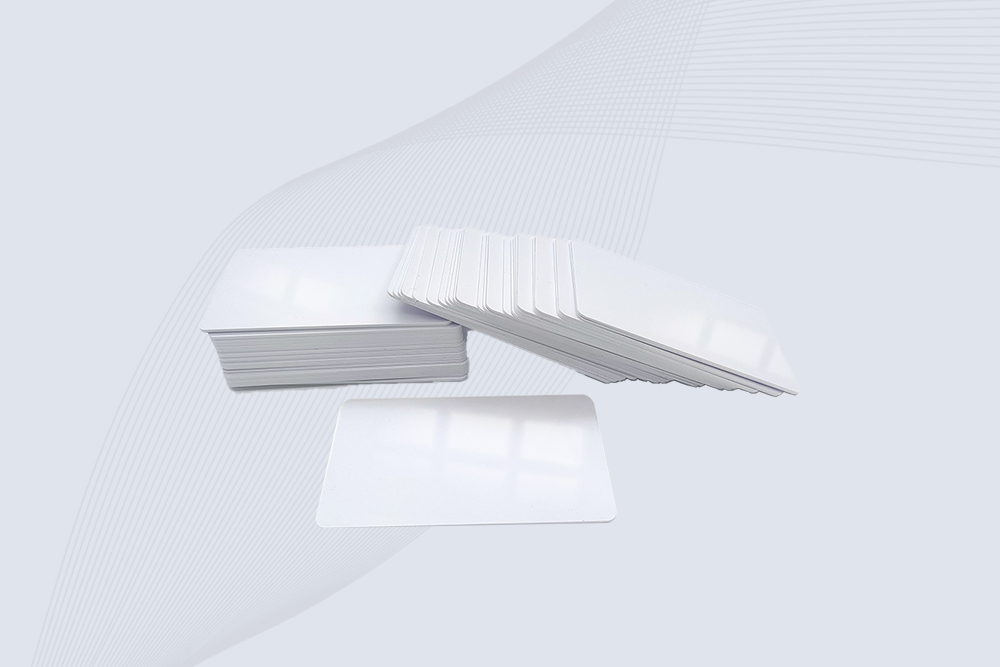
CYKEO HF RFID Cards are designed for secure and stable access control systems. These 13.56 MHz RFID key cards support ISO 14443-A, reliable rewriting and long service life, making HF RFID Cards suitable for offices, campuses, events and membership management.
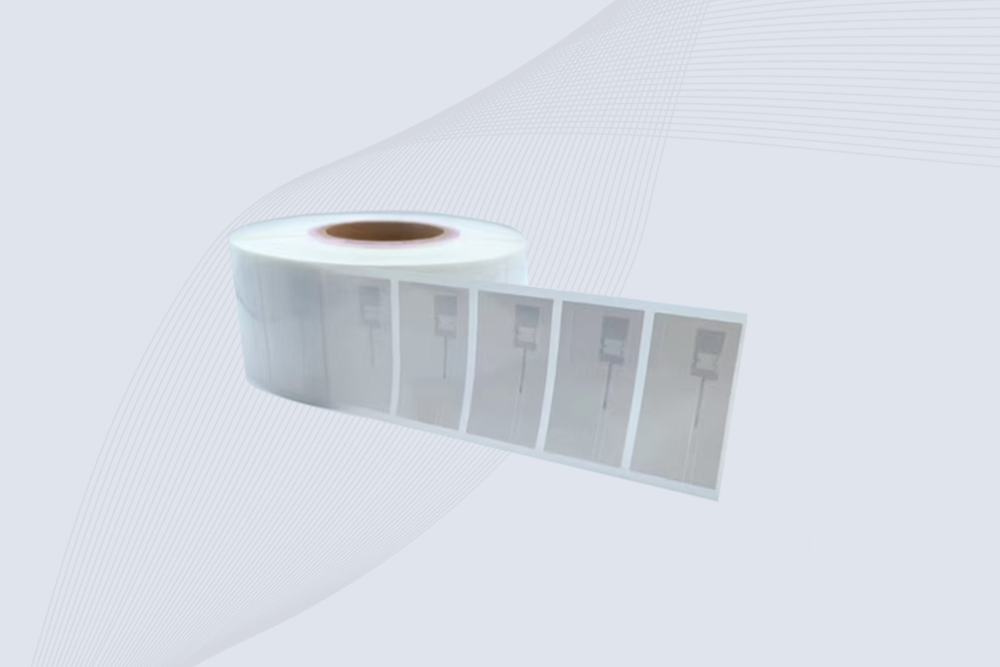
CYKEO UHF RFID Tag is designed for reliable tracking of metal jewelry and high-value items. This Jewelry RFID Tag supports long-range reading up to 8 meters, anti-counterfeit protection and stable performance on metal, making it suitable for retail, inventory control and asset management.
Confused about RFID coupling? This plain-English guide explains inductive and backscatter coupling, how RFID tags get power, and why systems fail in real projects.
More
RFID chip clothing explained from real apparel operations. See how brands track garments, where RFID helps, and where it doesn’t.
More
Looking for a long range RFID scanner for logistics centers? Learn how RFID scanners improve pallet tracking, dock door management, inventory visibility, and warehouse efficiency. Discover what matters before choosing an industrial RFID solution.
More
Discover why UHF RFID readers dominate industrial applications—long-range scans, high-speed data capture, and rugged reliability. Explore Cykeo’s role in this transformation.
More