 Cykeo RFID IoT Solution Products R&D Manufacturer

AI-Powered RFID: Can It Read 1000 Tags/Second?
1034Discover how AI-powered RFID systems achieve 1,000+ tags/second reads. Cykeo breaks down the tech, accuracy, and real-world applications for warehouses and retail.
MoreAll RFID Product
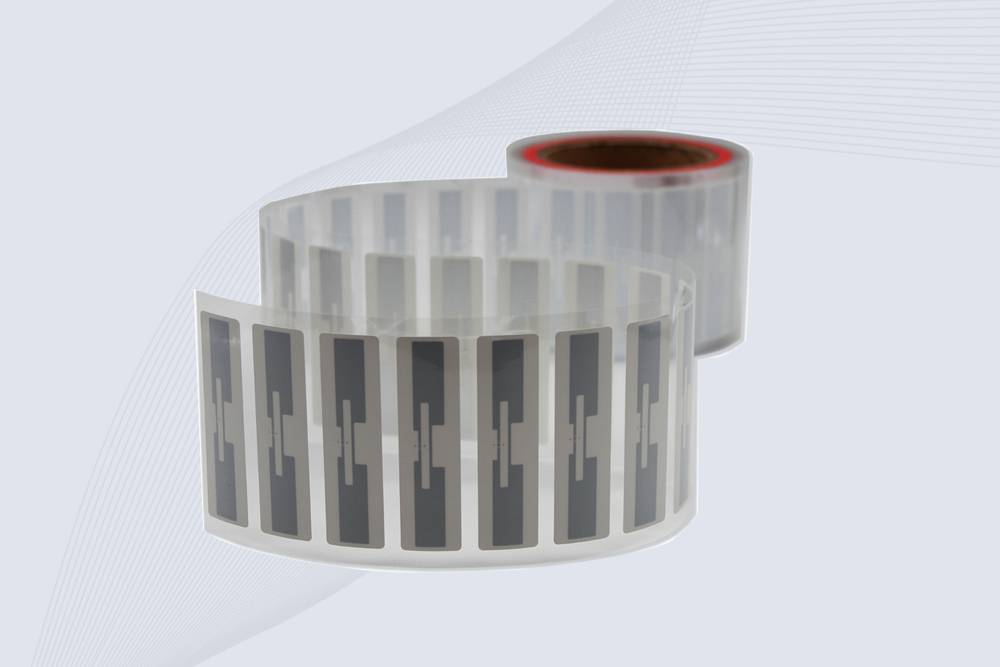
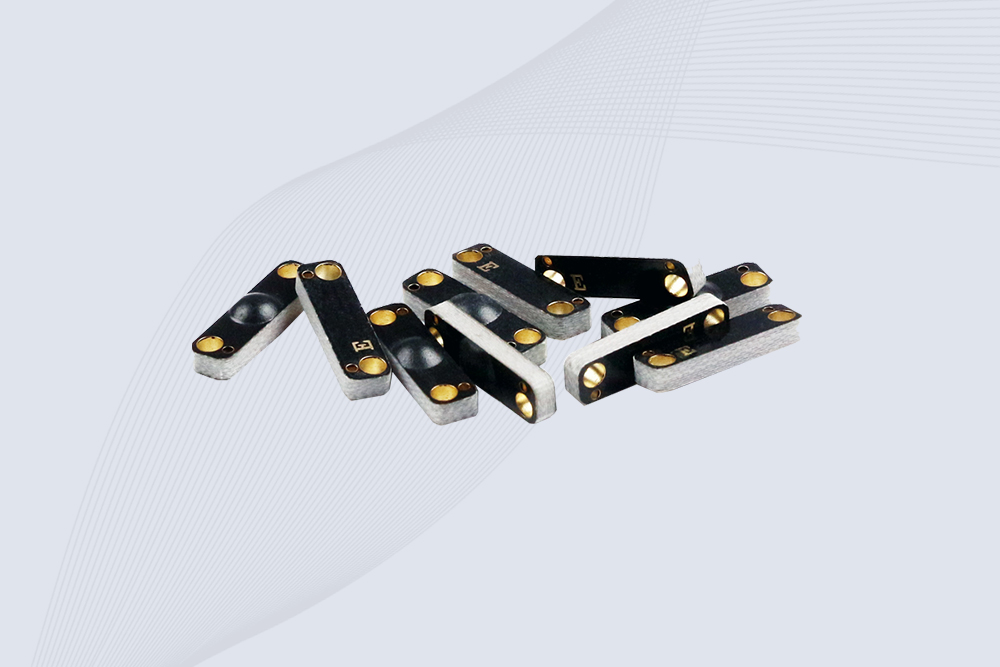
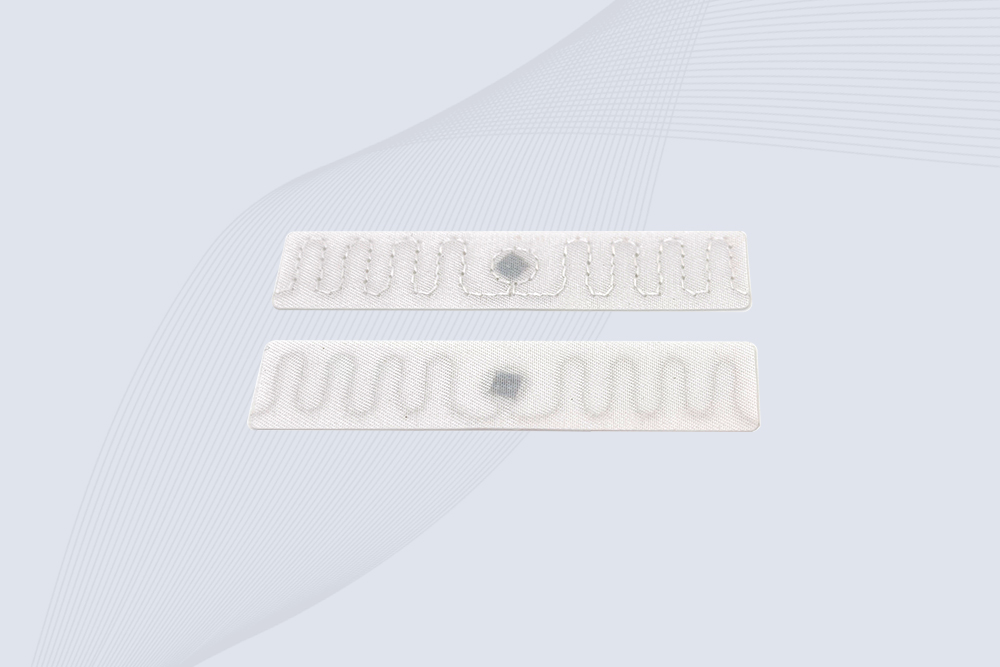
You know the problem: the asset you need to track is tiny, gets knocked around, and there’s simply no room for a standard RFID label. That’s where our work with a 2.45-GHz RFID tag with on-chip antenna comes in. It’s a different beast from what you’re probably used to, solving size and durability headaches in a clever way.
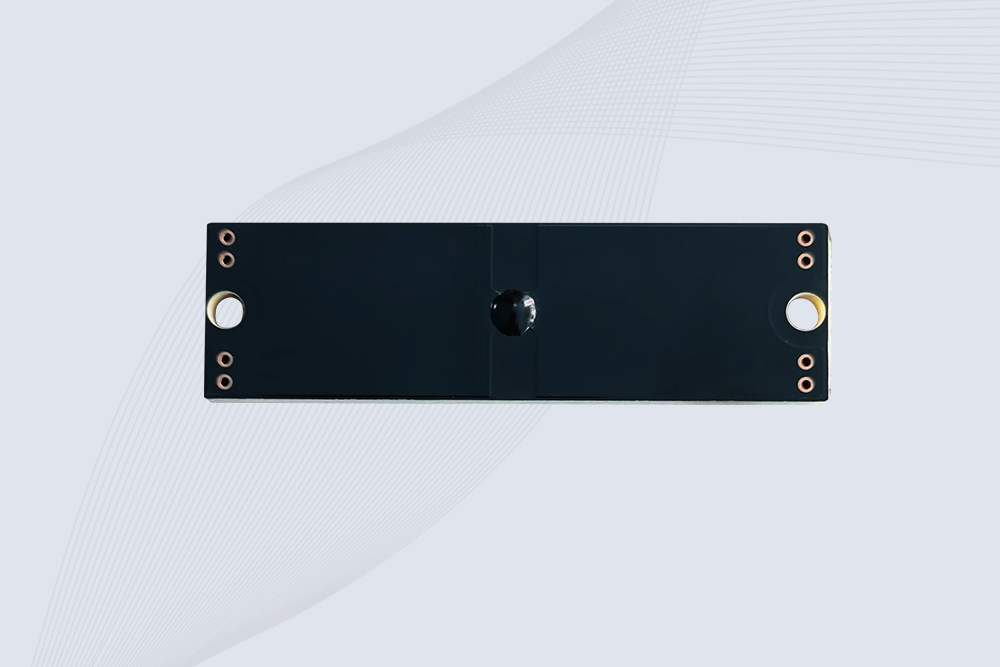
Forget the idea of a separate chip and a foil antenna. The magic of the on-chip antenna tag design is integration. Imagine the antenna—etched at a microscopic scale—right onto the same piece of silicon as the tag’s brain (the IC). We fuse them into a single, solid unit during fabrication. This kills two birds with one stone: it removes the fragile wire-bond connection (a classic failure point), and it shrinks the entire tag down to the size of a pinhead.
In our labs, handling these tags feels different. You’re not holding a flexible label; you’re holding a hardened, miniature component.
So, why go this route? In our field tests, the benefits of a 2.45ghz on-chip RFID tag become clear in specific, tough scenarios:
Talking about applications for 2.45ghz rfid tags is easier with examples from our clients:
It’s the solution when the item itself is the constraint.
A critical part of our job is guiding the 2.45ghz vs uhf rfid tags decision. Here’s the straight talk:
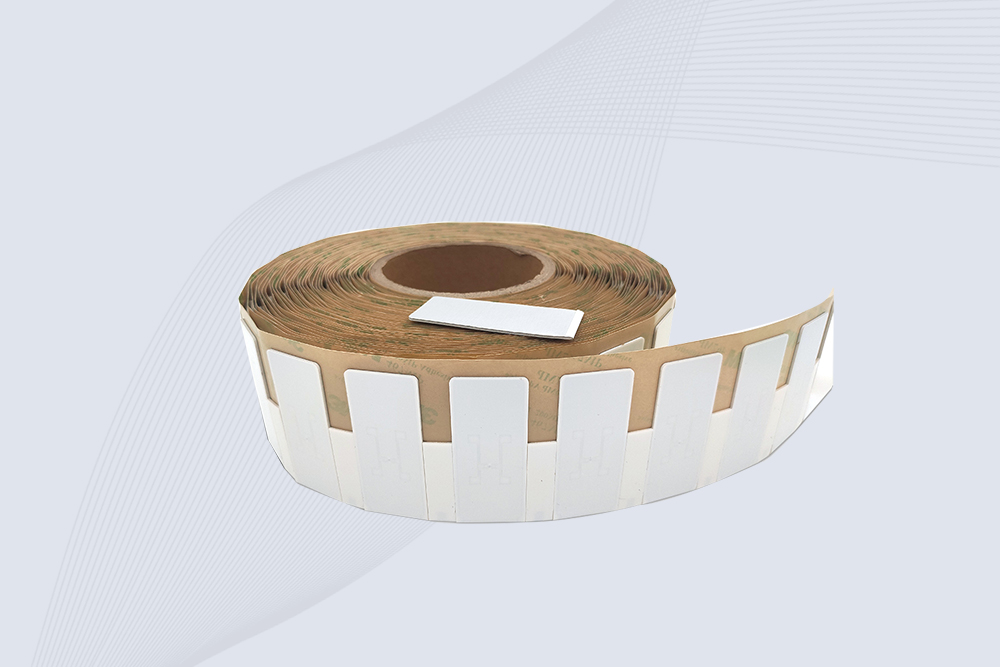
The on-chip 2.45GHz tag is a specialist—incredible at what it does. The standard UHF RFID tag is the versatile workhorse. UHF will generally give you longer read range (think warehouse dock doors) and a lower cost-per-tag for labelling boxes or pallets. If your challenge isn’t extreme miniaturization or brutal physical conditions, UHF is probably the more economical path.
Choosing a 2.45-GHz RFID tag with on-chip antenna means you’re prioritizing toughness and size over maximum range and lowest cost. It requires the right reader setup to match. For us at CYKEO, it’s about applying the right tool—this sophisticated, integrated tag—to the specific problems where it shines brightest.

Discover how AI-powered RFID systems achieve 1,000+ tags/second reads. Cykeo breaks down the tech, accuracy, and real-world applications for warehouses and retail.
More
how do RFID readers work, RFID reader explained, RFID system basics, passive RFID tags, RFID communication, handheld RFID reader, RFID tracking system, what is RFID reader, RFID vs barcode
More
Stuck setting up a USB RFID reader on Windows 11? Follow this no-nonsense guide to install drivers, troubleshoot errors, and scan tags in minutes.
More
How many RFID tags can a reader detect at once? Learn how anti-collision technology works and what affects multi-tag reading performance in warehouses and logistics.
More