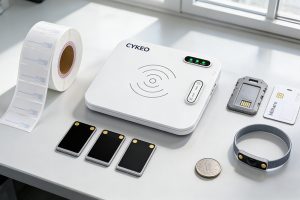
Why Warehouses Are Switching to RFID Handheld Readers
If you’ve ever done a full inventory count manually, you already know how inefficient it can be — slow, error-prone, and difficult to scale.
That’s where an RFID handheld reader writer starts to make a real difference.
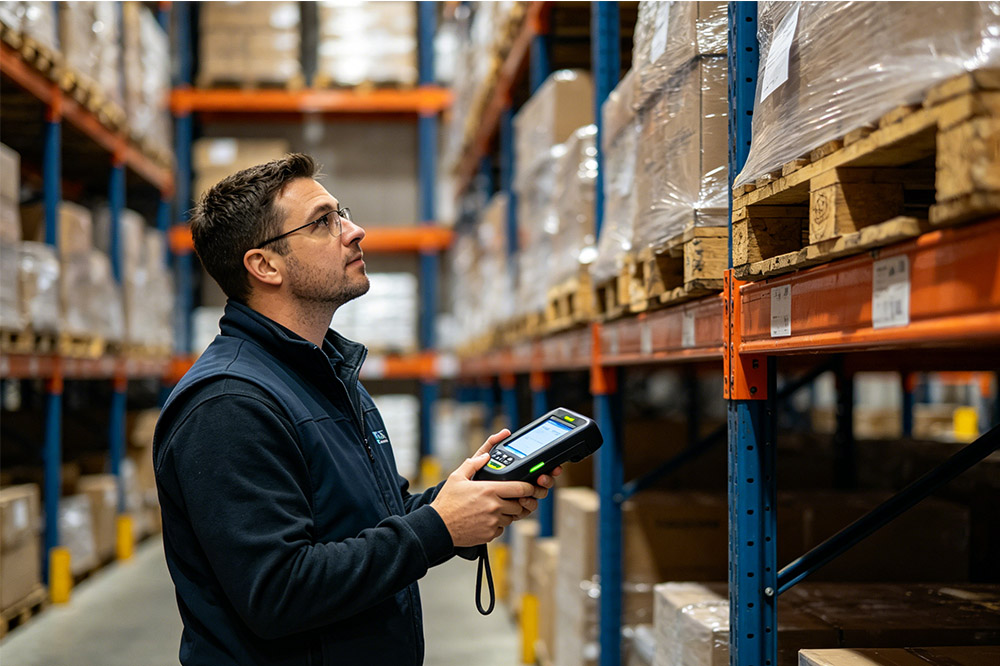
Instead of scanning one barcode at a time, RFID allows operators to read multiple tags simultaneously without direct line of sight. In a busy warehouse with high SKU turnover, this can dramatically reduce labor time and improve accuracy.Many companies don’t jump straight into full automation. They begin with handheld devices because they’re easier to deploy and allow real-world testing before scaling. If you’re still comparing options, it’s worth reviewing different models in our RFID handheld reader product category to understand what’s available across different configurations and application scenarios.
What Really Matters When Choosing a Handheld RFID Reader
On paper, many devices look similar. In actual warehouse use, the differences become obvious very quickly.
Here are the factors that actually matter.
1. Reading Range (Don’t Rely Only on Specs)
Most UHF RFID handheld reader writers advertise long read distances. In practice, performance depends on:
Tag quality
Warehouse environment (metal racks, liquids)
Antenna efficiency
In most warehouse scenarios, stable performance typically falls in the 3–8 meter range.
If you’re working with high shelving or pallet-level tracking, this becomes a key selection factor.
2. Multi-Tag Reading Capability
One of RFID’s biggest advantages is speed.
A reliable handheld should:
Capture multiple tags instantly
Maintain accuracy in dense tag environments
Minimize missed reads
For cycle counting and daily inventory checks, this directly translates into lower labor cost.
3. Battery Performance
Battery life is often overlooked during evaluation — until it becomes a problem on-site.
Look for:
Full-shift operation (8–12 hours)
Fast charging or replaceable batteries
For warehouses running multiple shifts, this is not optional.
4. Rugged Design for Real Warehouse Conditions
Warehouse environments are tough on equipment. Devices get dropped, exposed to dust, and used continuously.
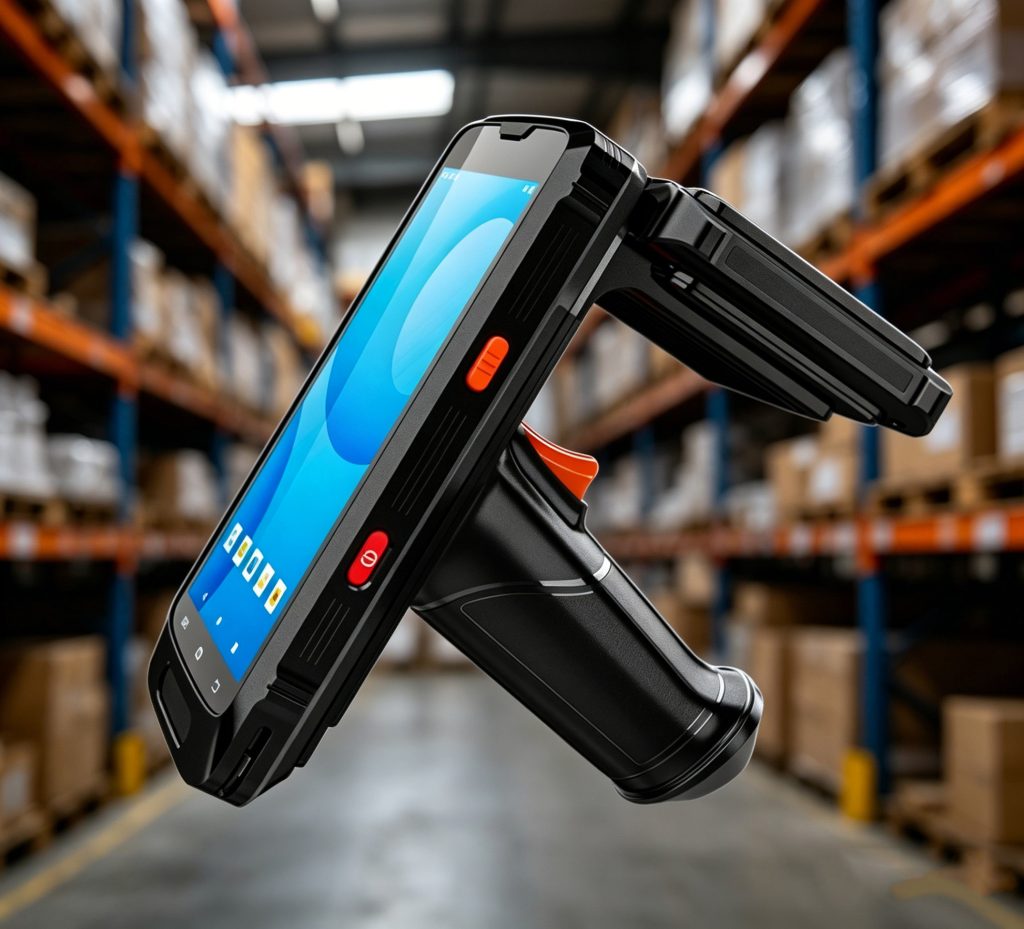
A rugged RFID handheld reader should include:
Drop resistance
Dust and water protection
Stable operation across temperature changes
If your team works in demanding conditions, choosing an industrial-grade device—such as this rugged RFID handheld reader writer designed for warehouse and field applications—can significantly reduce failure rates and maintenance costs over time.
5. System Compatibility (Critical for Implementation)
This is where many RFID projects run into trouble.
Before selecting a device, confirm:
Operating system (Android is widely used)
Availability of SDK or API
Compatibility with your WMS or ERP system
Without proper integration, even high-performance hardware won’t deliver practical value.
Typical Warehouse Applications
In real operations, RFID handheld readers are commonly used for:
Cycle counting – fast and frequent inventory checks
Inbound verification – confirming received goods
Order picking validation – reducing shipping errors
Asset tracking – managing tools and returnable items
Most warehouses start with one use case and expand after seeing measurable results.
Common Mistakes Buyers Make
Across different projects, a few common issues come up repeatedly:
Choosing based on price alone
Ignoring software integration requirements
Expecting maximum read range in all environments
Skipping real-world testing
Running a small pilot test in your own warehouse usually prevents these problems.
A Simple Way to Get Started
If you’re evaluating an RFID handheld reader writer, keep the process straightforward:
Define your primary use case
Test with actual tags in your environment
Verify system compatibility
Expand deployment after validation
Before You Request a Quote
Most suppliers will ask similar questions. Preparing these in advance speeds up the process:
What reading distance do you need?
How many tags per scan?
Will the device be used indoors or outdoors?
Do you require SDK for system integration?
Explore Available RFID Handheld Options
If you’re planning a warehouse RFID project, it helps to compare multiple configurations before making a decision.
You can browse different models in our RFID handheld reader solutions to see available options based on range, performance, and use cases.
Discover practical advice on selecting a UHF RFID reader for asset tracking projects. Learn from real deployment scenarios, avoid common mistakes, and understand what wholesale buyers and system integrators should evaluate before purchasing.
Ever tried to write an RFID card and hit a wall? Here’s a hands-on guide that mixes real-world experience with step-by-step tips for programming LF, HF, and UHF RFID tags.
Learn what radio frequency ID tags are, how they work, the different types (LF, HF, UHF), and their applications in supply chain, retail, and access control. Expert guidance from CYKEO engineers.
 Cykeo RFID IoT Solution Products R&D Manufacturer