A few years ago, RFID in hospitals was still seen as something “advanced”.
Used mainly in pilot projects or specific departments.
Now the situation is different.
More hospitals are no longer asking whether they should use RFID.
They’re asking where to start.
1. The Pressure Behind the Change
Hospitals are handling more equipment than ever.
At the same time:
Staff are working faster
Equipment is shared more frequently
Compliance requirements are getting stricter
Traditional tracking methods were not designed for this level of movement.
That gap is becoming harder to ignore.
2. What Manual Systems Can’t Keep Up With Anymore
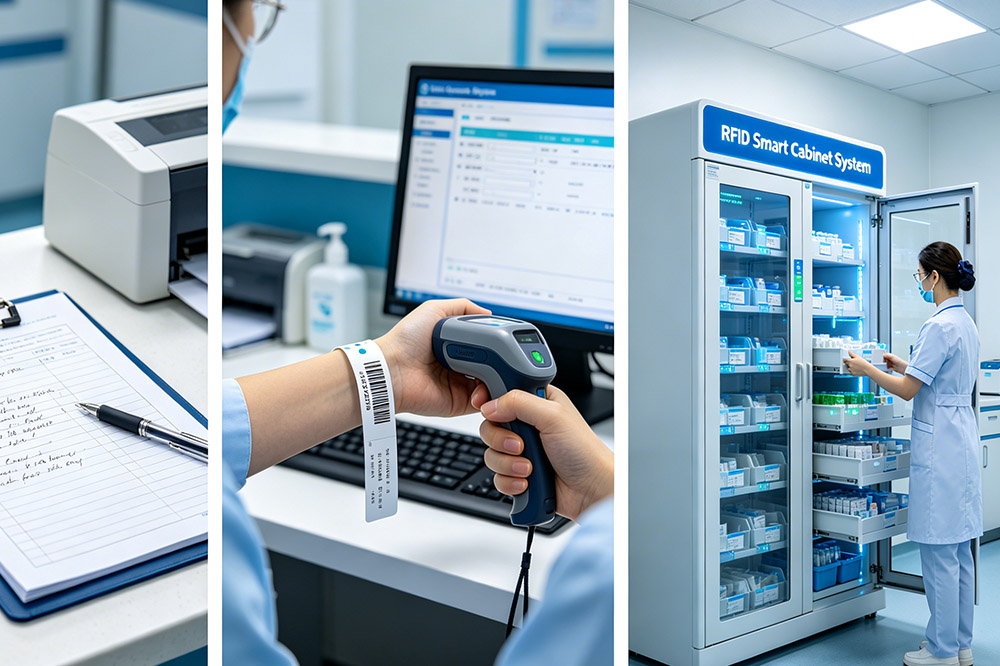
Most hospitals still rely on a mix of manual processes:
Sign-out sheets
Excel logs
Department-level tracking
These systems worked when operations were simpler.
But now:
Equipment moves too frequently
Records are often incomplete
Inventory data is always slightly behind reality
It’s not a failure of discipline—it’s a limitation of the system itself.
3. Why RFID Is Becoming the Default Choice
RFID changes one important thing:
It removes the need for manual recording.
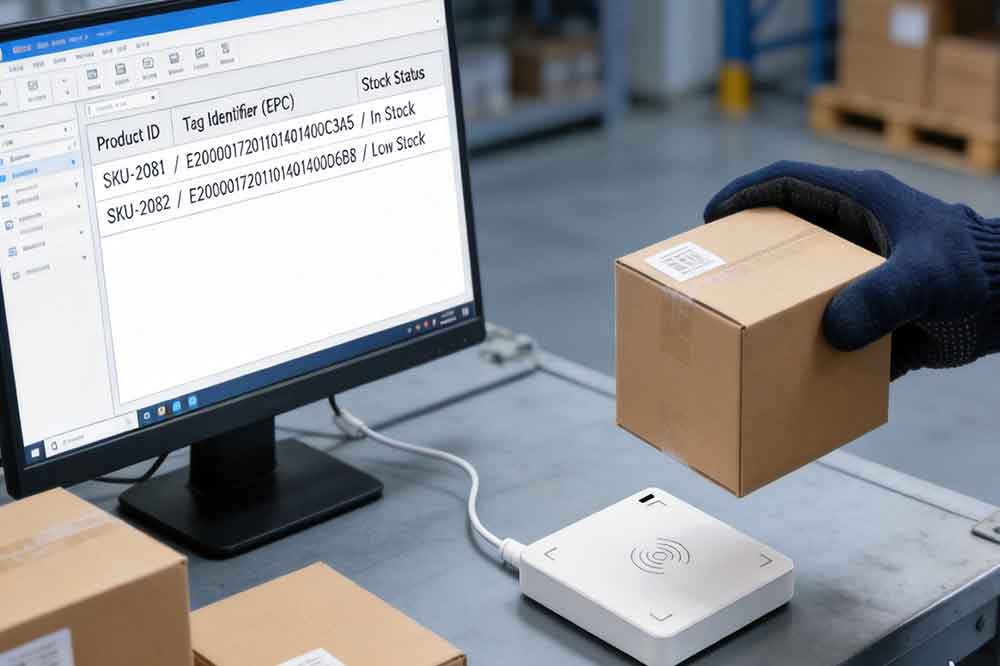
Instead of relying on staff to log usage, the system captures it automatically.
That means:
Equipment movement is visible
Usage history is traceable
Inventory updates in real time
There’s less guessing, and more clarity.
4. Where Hospitals Usually Start
Most hospitals don’t switch everything at once.
The typical starting points are:
High-value equipment
Frequently misplaced items
Controlled storage areas
This is where RFID medical cabinets are often introduced.
Example in Practice
An RFID medical cabinet is usually used for:
Surgical instruments
Controlled consumables
High-value medical supplies
Because these items require both access control and traceability.
5. What Actually Changes After Adoption
From real deployments, the changes are usually practical rather than dramatic:
Before RFID:
Staff spend time searching for items
Inventory checks are manual and slow
Data is often outdated
After RFID:
Equipment location is visible
Inventory updates automatically
Less time is spent on tracking
Accountability becomes clearer
6. It’s Not About Technology Anymore
At this stage, RFID is no longer seen as “new technology”.
It’s becoming part of basic hospital infrastructure.
Not because it is complex—but because it fits how modern hospitals operate.
7. The Real Reason Hospitals Adopt RFID
If you simplify all the reasons, it usually comes down to three things:
Visibility
Control
Efficiency
Not in theory—but in daily operation.
When equipment moves constantly, manual systems eventually stop being enough.
Final Thoughts
RFID doesn’t replace hospital staff or existing processes.
It reduces the parts that depend on memory, manual recording, or follow-up.
That’s why more hospitals are moving in this direction—not as an upgrade, but as a standard.
If you’re currently evaluating RFID for a hospital environment,
Where equipment gets lost
Which departments lack visibility
How inventory is currently managed
Once that’s clear, it becomes much easier to design a system that actually fits daily operations.
 Cykeo RFID IoT Solution Products R&D Manufacturer