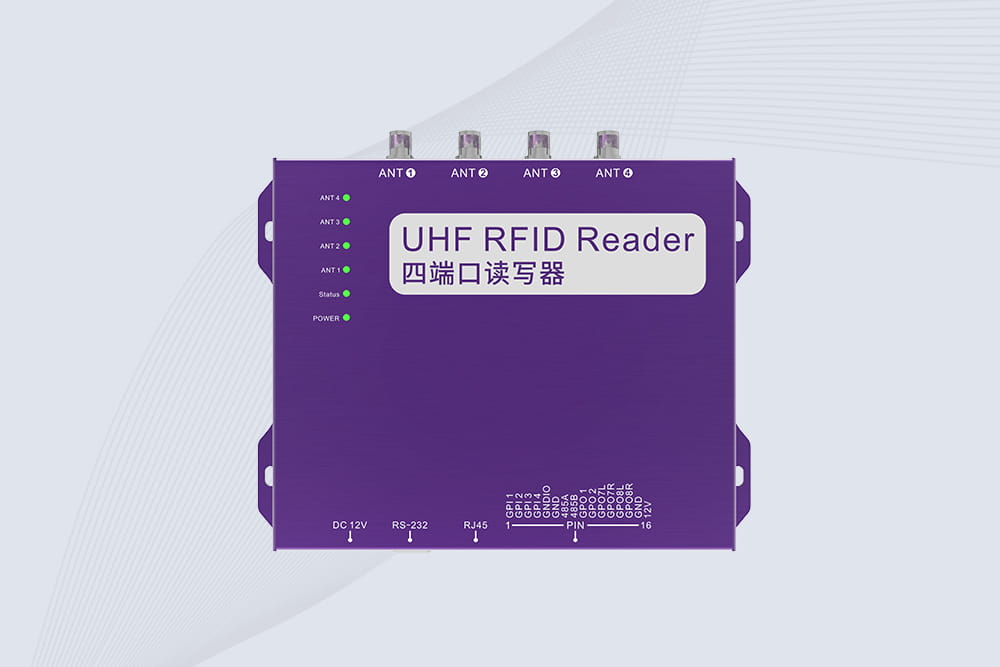
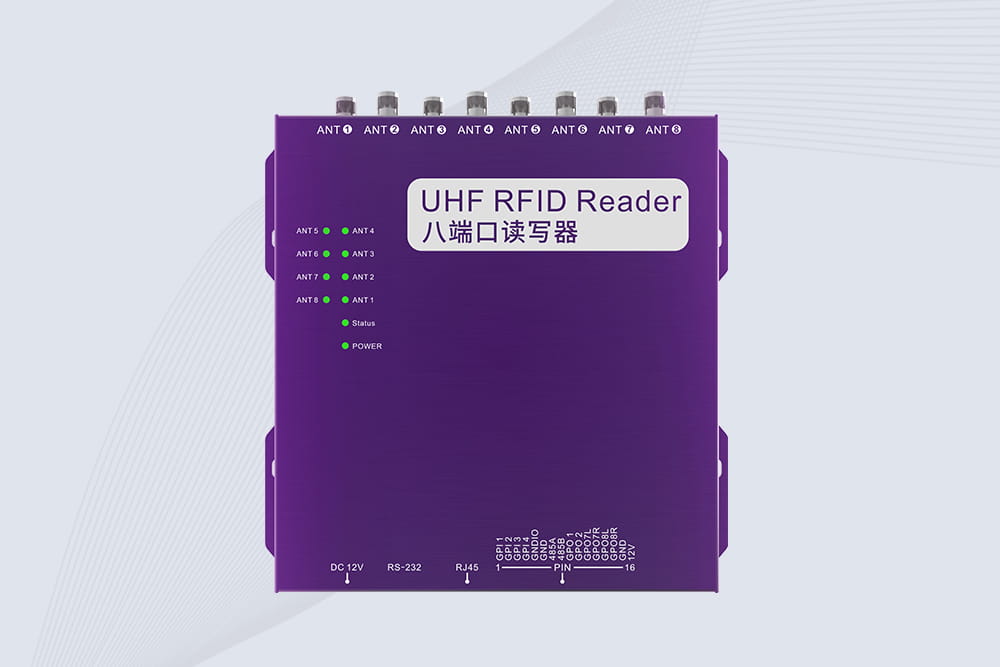
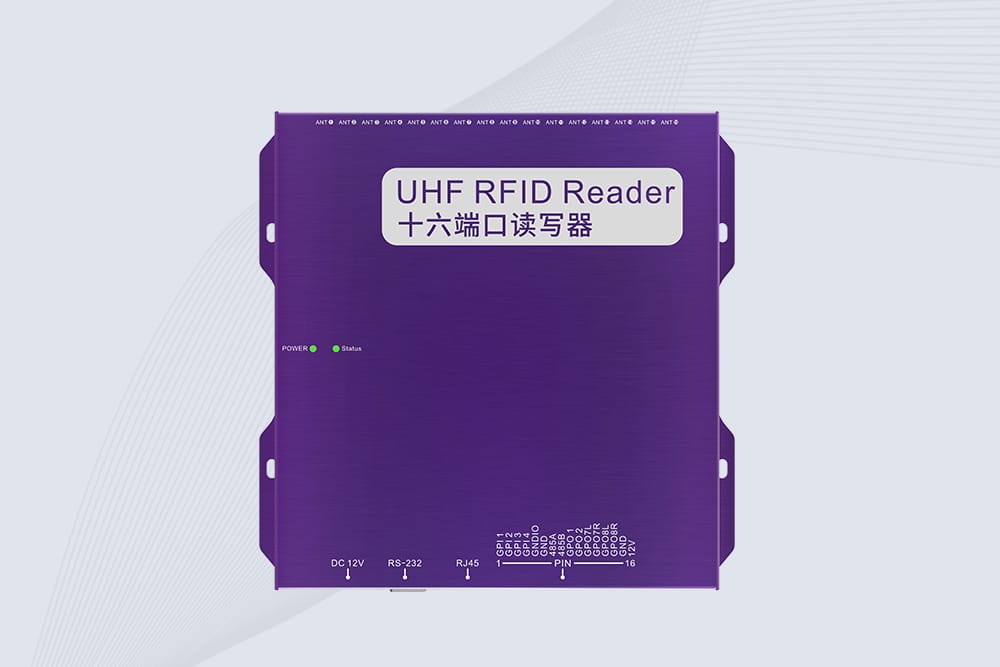
How to Secure Fixed RFID Readers from Cyber Threats?
Fixed RFID readers, especially in industrial or logistics settings, are vulnerable to cyber threats like data interception, unauthorized access, and malware. Cykeo’s enterprise-grade solutions and the following best practices can mitigate these risks while ensuring compliance with standards like GDPR and ISO 27001.
1. Firmware & Software Hardening
- Regular Updates:
- Enable automatic firmware updates via Cykeo’s Secure Update Portal to patch vulnerabilities.
- Validate firmware integrity using SHA-256 signatures to prevent tampering.
- Disable Unused Services:
- Turn off Telnet, FTP, or legacy protocols (e.g., HTTP) on Cykeo readers; use HTTPS/SSH exclusively.
2. Network Security Measures
- Network Segmentation:
- Isolate RFID readers on a separate VLAN to limit lateral movement in case of a breach.
- Use Cykeo’s Industrial Firewall to filter traffic between RFID systems and enterprise networks.
- Encryption:
- Encrypt RFID data transmissions with AES-256 and enforce TLS 1.3 for Cykeo’s management interfaces.
- VPN Tunneling:
- Connect remote Cykeo readers via IPsec VPNs to secure data over public networks.
3. Access Control & Authentication
- Multi-Factor Authentication (MFA):
- Require MFA (e.g., hardware tokens, biometrics) for accessing Cykeo’s configuration dashboards.
- Role-Based Access Control (RBAC):
- Assign permissions granularly (e.g., “read-only” for auditors, “admin” for IT staff).
- Certificate-Based Authentication:
- Use X.509 certificates for device-to-server communication, replacing password-based logins.
4. Physical Security & Monitoring
- Tamper-Proofing:
- Install Cykeo readers in locked enclosures with tamper-evident seals and alarms.
- Disable USB ports to prevent unauthorized firmware uploads.
- Real-Time Monitoring:
- Integrate Cykeo readers with SIEM tools (e.g., Splunk, IBM QRadar) to detect anomalies like:
- Unusual read volumes (e.g., 10,000+ tags/hour).
- Unauthorized configuration changes.
5. Compliance & Auditing
- Data Privacy:
- Pseudonymize RFID tag data in Cykeo’s databases to comply with GDPR/CCPA.
- Logging & Audits:
- Retain access logs for 12+ months and conduct quarterly penetration tests.
- Certifications:
- Ensure Cykeo devices meet IEC 62443 standards for industrial IoT security.
6. Employee Training & Incident Response
- Phishing Simulations:
- Train staff to recognize malicious emails targeting RFID system credentials.
- Incident Response Plan:
- Define protocols for isolating compromised readers and initiating Cykeo’s 24/7 Threat Response Service.
Case Study: Automotive Supplier Thwarts RFID Data Breach
- Challenge: A Tier-1 auto parts maker using Cykeo RFID systems detected unauthorized access attempts on assembly line readers.
- Solution:
- Segmented RFID network + enforced MFA.
- Deployed Cykeo’s encrypted firmware updates.
- Result:
- Zero breaches over 18 months; achieved ISO 27001 certification.
secure RFID readers from cyber attacks
 Cykeo RFID IoT Solution Products R&D Manufacturer