 Cykeo RFID IoT Solution Products R&D Manufacturer










High Temperature RFID Tags: Do They Really Survive Extreme Heat?
253High temperature RFID tags explained from real industrial use: heat limits, materials, failures, costs, and where heat-resistant RFID truly works.
MoreAll RFID Product
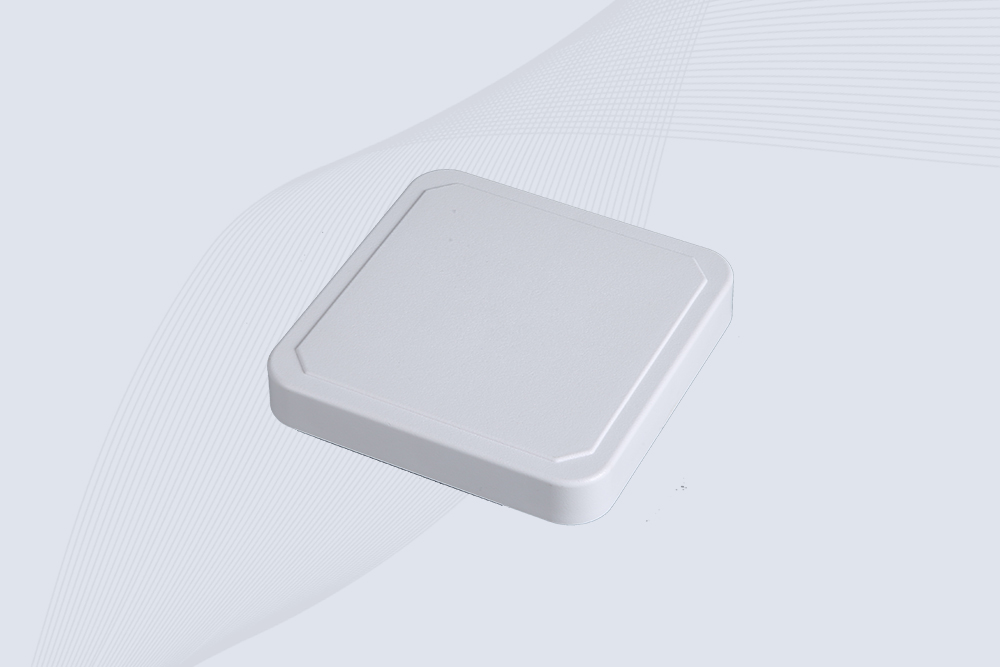
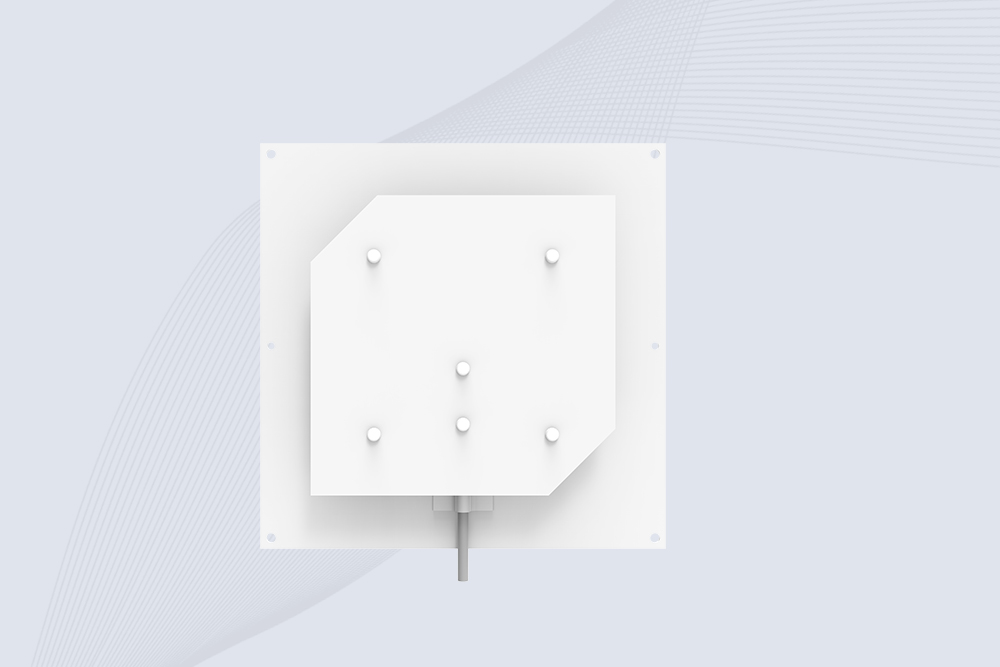
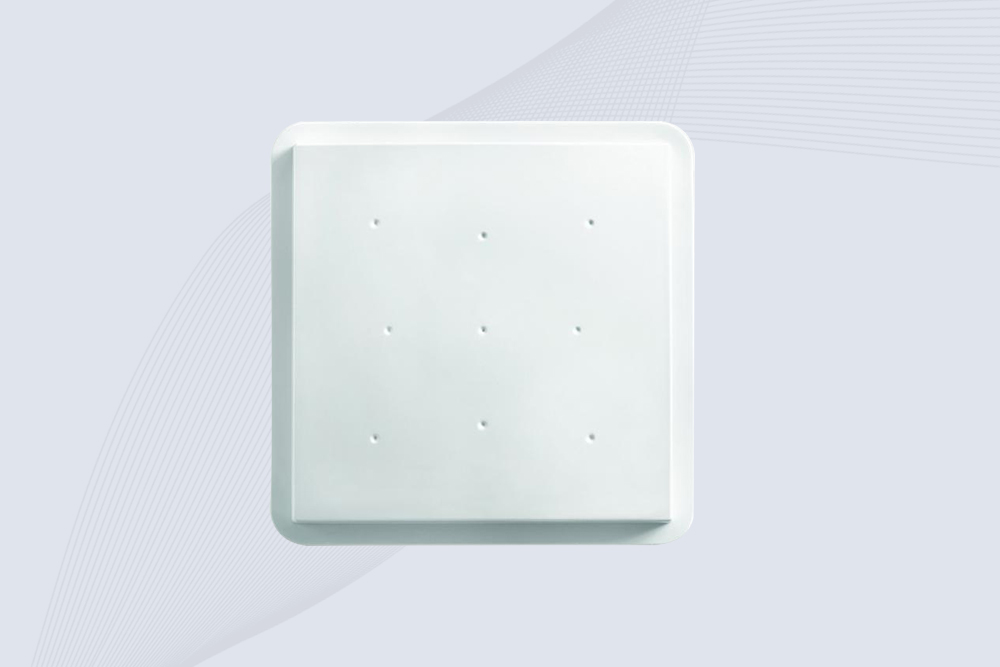
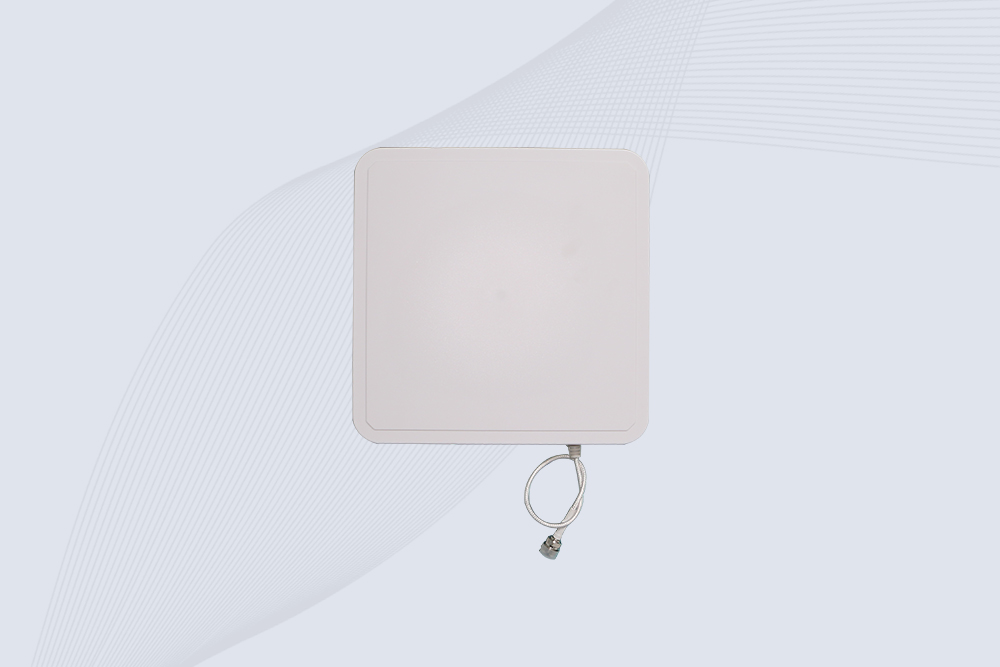
Here’s a common fight in RFID reader design: the mechanical team wants the device sleek and compact, but the RF engineers need enough real estate for an antenna that actually works well. Slap on a standard circular polarized patch antenna, and suddenly your handheld reader has a bulky protrusion. This push-and-pull is exactly where a fractal-based circularly polarized UHF RFID reader antenna enters the conversation. It’s an elegant workaround, using clever geometry to cheat the traditional size constraints.
You’ve seen fractals before—in snowflakes, ferns, or that classic spiral seashell. In antenna design, adopting a fractal shape (like a repeating Sierpinski gasket or a meandering Minkowski curve) isn’t for looks. It’s a functional hack. The core benefits of fractal geometry for antennas come from its “space-filling” property.
Imagine you need a wire 30 centimeters long to resonate at 915MHz. Laying it straight requires 30 cm of length. But if you fold and fractalize that wire into a complex, repeating pattern, you can fit the same electrical length into a square that’s only 10 cm per side. This miniaturization is the first and most obvious win for creating a compact UHF reader antenna solution. The antenna physically fits where a traditional one can’t.
But a small antenna that barely works is useless. The old rule was: smaller antenna, narrower bandwidth, worse performance. The fractal design breaks that rule in a useful way.
The intricate, self-similar structure of a fractal-based circularly polarized UHF RFID reader antenna allows currents to travel along multiple, slightly different paths. This creates not just one resonant frequency, but several close-together peaks. A good design merges these peaks into one fat, wide hump. The result is exceptionally wideband circular polarized antenna performance.
What does this mean on the factory floor? The antenna maintains a stable, well-matched impedance and clean circular polarization across the entire 860-960 MHz UHF band. Whether you’re operating in the US (902-928 MHz) or the EU (865-868 MHz), or dealing with frequency drift from temperature changes, the antenna just works. It’s inherently more robust.
You see this technology in products where every millimeter counts:
When selecting a fractal antenna, you’re not just buying a shape. You’re prioritizing a combination of compact size and forgiving, wideband operation. Check the gain pattern to ensure it covers your required zone, and as always, the housing should be tough enough for its environment.
At CYKEO, we’ve moved fractal antennas from a lab curiosity to a production solution. Testing their real-world performance showed us they weren’t just theoretically interesting. In one case, integrating a fractal antenna allowed us to reduce a portal profile by 40%, letting more truck clearance through while maintaining 100% read rates. It’s a clear example of how smarter geometry solves practical engineering headaches.

High temperature RFID tags explained from real industrial use: heat limits, materials, failures, costs, and where heat-resistant RFID truly works.
More
What is RFID means? Discover how RFID technology works, its industrial applications, tracking advantages, and real-world solutions from Cykeo RFID experts.
More
how long do led tennis court lights last meets asset tracking RFID insights. Learn real-world RFID asset tracking performance, ROI data, and deployment tips.
More
Discover the top RFID readers for warehouse automation. Learn how Cykeo’s advanced systems boost accuracy, speed, and scalability in logistics and inventory management.
More