 Cykeo RFID IoT Solution Products R&D Manufacturer
rfid medical: How RFID Transforms Healthcare Inventory Management
141Discover how rfid medical systems improve hospital inventory accuracy, enable real-time tracking, and reduce workload with smart RFID cabinets and automation.
MoreAll RFID Product
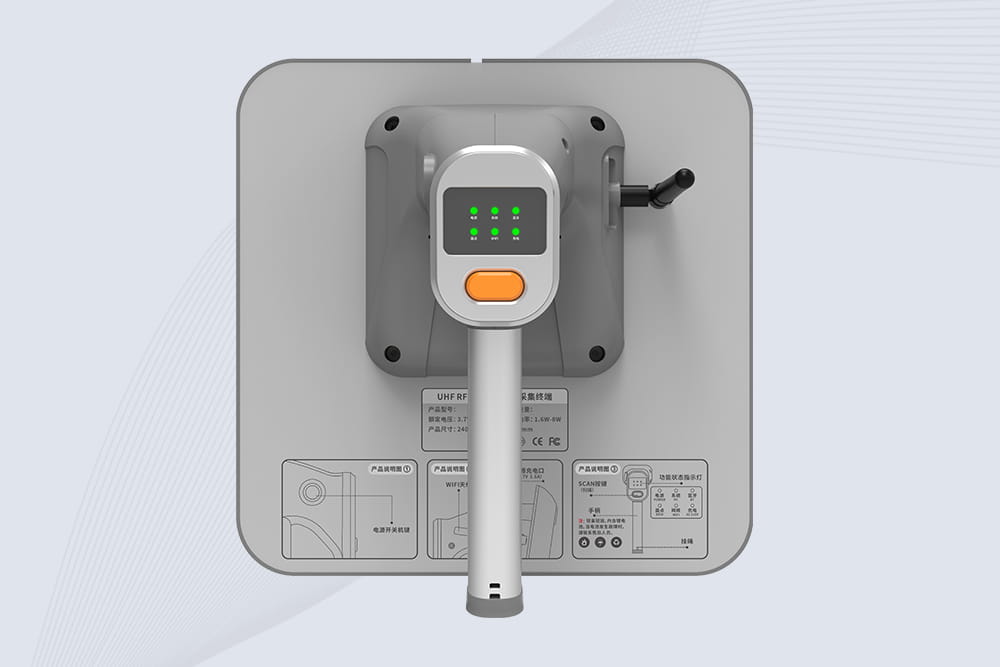
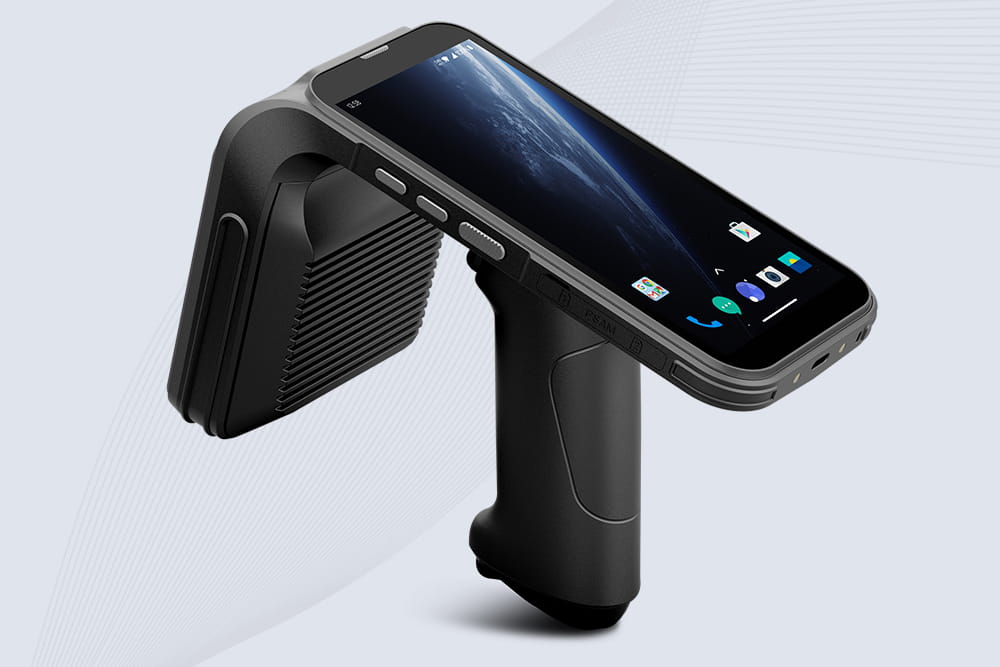
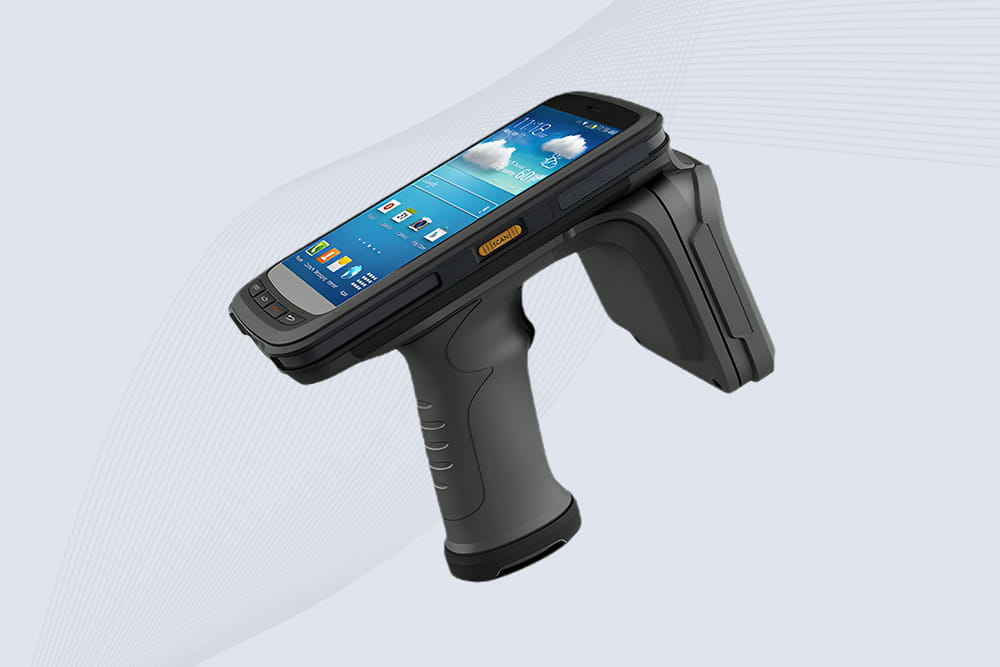
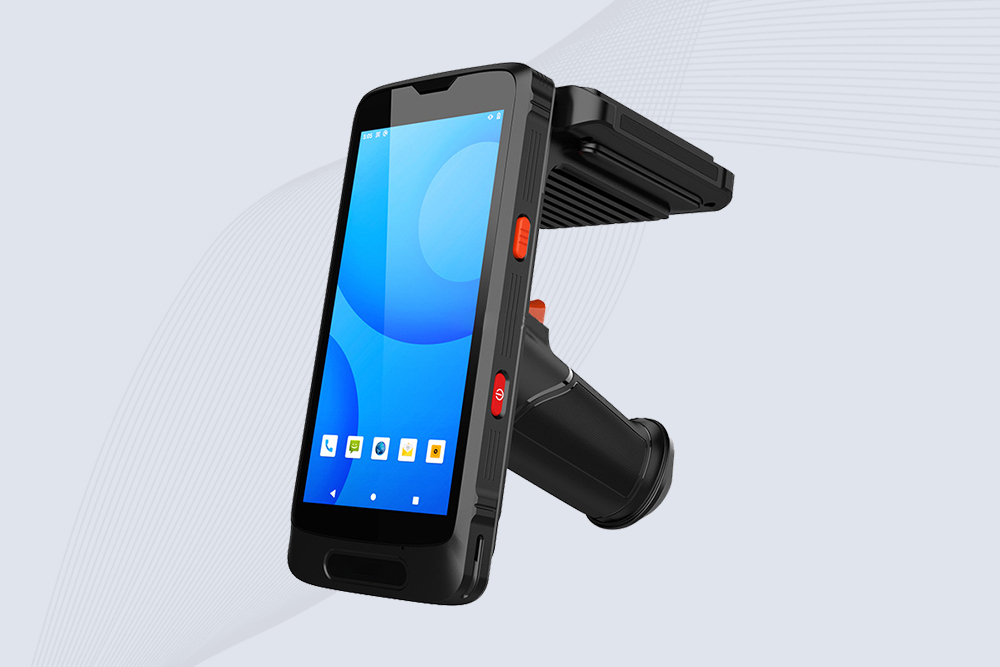
RFID scanners aren’t just for tech experts. They’re everyday tools for people in jobs you might not expect—retail clerks tracking jeans, nurses locating IV pumps, and even farmers managing livestock. But how exactly do these professionals use RFID technology? Let’s explore the human side of RFID scanners and the surprising ways they simplify work.
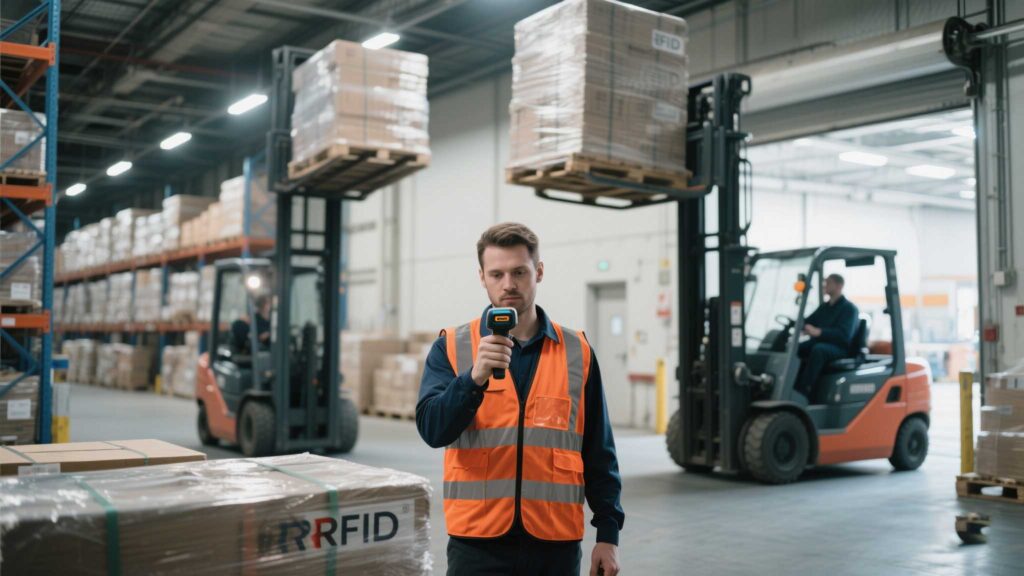
Warehouse teams rely on RFID scanners to handle the chaos of modern logistics:
Why RFID?
Unlike barcodes, RFID tags work through dust, plastic wrap, or uneven surfaces. Cykeo’s handheld scanners, for example, help warehouses process 300+ items per minute during peak seasons.
Key Users: Logistics coordinators, forklift operators, inventory clerks.
Retail workers use RFID to bridge the gap between shelves and shoppers:
Real-World Impact:
A major apparel chain using Cykeo’s RFID system reduced stockouts by 60% and improved customer satisfaction scores.
Key Users: Store associates, loss prevention officers, cashiers.
Nurses and technicians depend on RFID scanners for critical tasks:
Why It Matters:
Hospitals using RFID report 30% fewer delays in emergency rooms due to misplaced equipment.
Key Users: Nurses, lab technicians, biomedical engineers.

From concerts to conferences, RFID streamlines access:
Key Users: Security staff, ticketing teams, venue managers.
Even agriculture pros use RFID scanners to boost productivity:
Key Users: Ranchers, farmhands, agribusiness managers.
Takeaway: RFID scanners aren’t just tools—they’re problem-solvers for real people in demanding jobs. Whether it’s a nurse racing to find equipment or a farmer ensuring livestock health, Cykeo’s reliable technology empowers professionals to work smarter, faster, and safer.
Discover how rfid medical systems improve hospital inventory accuracy, enable real-time tracking, and reduce workload with smart RFID cabinets and automation.
More
Learn how RFID parking systems improve vehicle access control for hospitals, commercial buildings, and smart parking projects using long range RFID readers and automated gate management.
More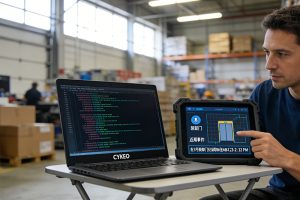
Learn how to read RFID data correctly. We detail the messy reality of raw data streams and the crucial steps to filter and use them in your business. Get the full process.
More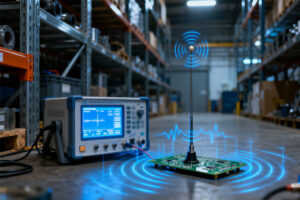
This article dives into rfid antenna design basics, key parameters, and hands-on tuning lessons, mixing theory with field experience for people who want to design or tweak RFID antenna systems.
More