Yes, tin foil can block or reduce some RFID signals, but its effectiveness depends on RFID frequency, foil coverage, and signal strength. Professional RFID systems require engineered shielding rather than simple household materials for reliable protection.
RFID blocking is often discussed in relation to wallets, passports, access cards, and contactless payment cards. The basic idea is simple: a conductive material such as aluminum foil can interfere with electromagnetic communication between an RFID tag and a reader. However, the real-world result is more complicated than wrapping an item with foil.
During RFID deployment projects, I have tested different shielding materials around HF and UHF RFID equipment in laboratories and warehouse environments. The difference is immediately visible: a thin foil layer may stop a nearby HF card reader, while a powerful UHF RFID reader operating in an industrial environment requires carefully designed shielding structures.
At Cykeo, our RFID engineers work with different frequency systems, including HF 13.56MHz and UHF 860–960MHz solutions. Understanding how materials affect radio transmission is essential when designing RFID cabinets, smart shelves, inventory gates, and tracking systems.
How Does Tin Foil Affect RFID Signals?
Tin foil, more accurately aluminum foil in most household applications, works because metal can reflect and absorb electromagnetic waves. RFID communication depends on radio-frequency energy transferring information between a reader and a tag.
When a metal barrier surrounds an RFID tag, several things can happen:
RFID Factor
Effect of Tin Foil
Signal reflection
Metal reflects part of the electromagnetic energy
Energy transfer
Passive RFID tags may receive insufficient power
Reader communication
Data exchange may become unstable or fail
Shielding consistency
Depends on coverage, thickness, and gaps
The key point is that does tin foil block rfid does not have a universal yes-or-no answer. The outcome depends on the RFID technology being used.
For example:
HF RFID (13.56MHz): Common in payment cards, NFC devices, and access cards. Aluminum foil can often reduce communication significantly when fully enclosed.
UHF RFID (860–960MHz): Used in logistics, inventory, and asset tracking. Shielding requirements are more complex because readers can operate at longer distances and higher power levels.
According to the GS1 EPC standards, UHF RFID systems are designed for supply chain applications with long-range identification capabilities, which is why industrial RFID protection usually relies on dedicated shielding designs rather than consumer materials.
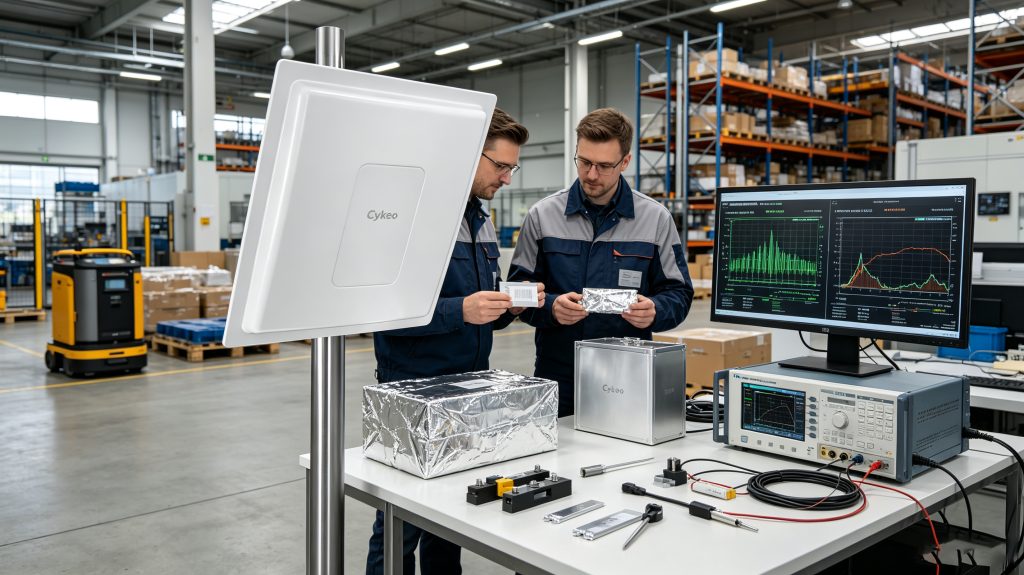
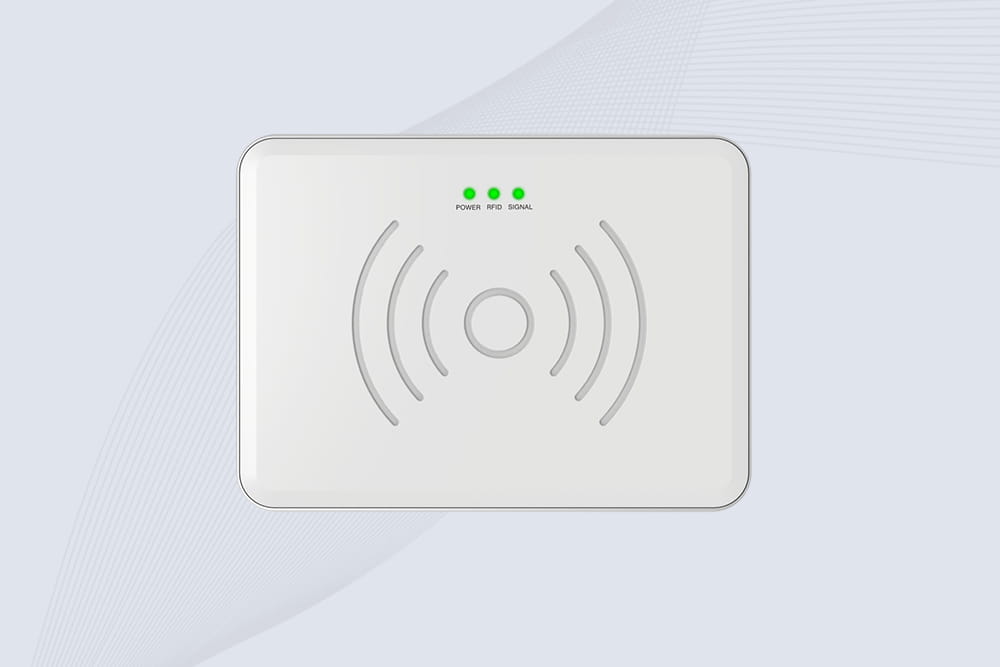
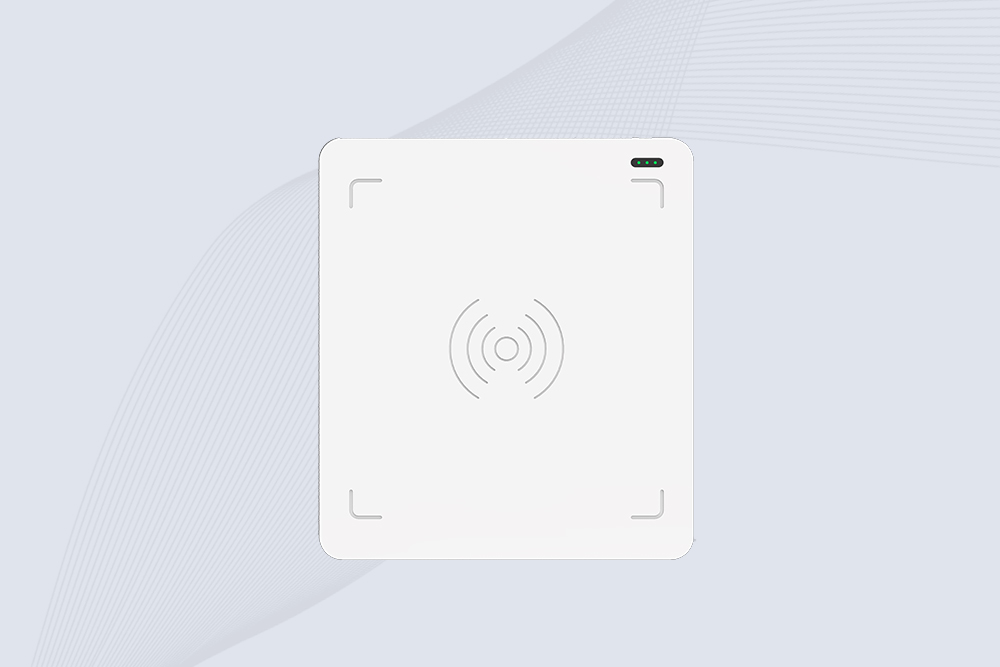
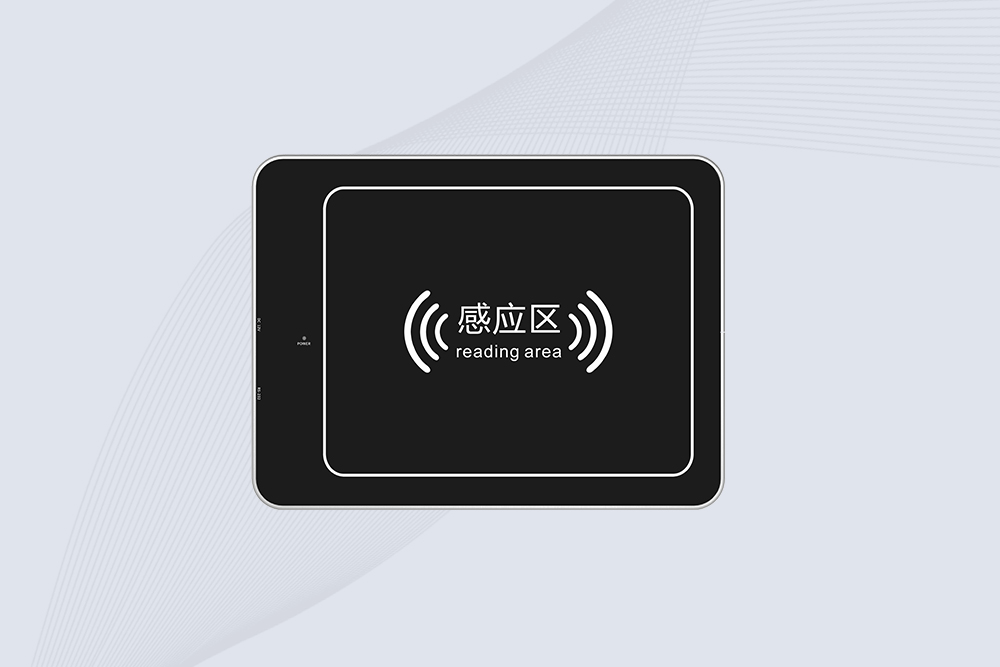
A practical demonstration showing how conductive materials influence RFID communication between tags and readers.
RFID Blocking Depends on Frequency and Application
One mistake I frequently see during RFID consultations is treating all RFID technologies as identical.
A customer once brought a box of RFID-tagged products to a test area and wrapped several tags with household foil. The HF tags stopped responding almost immediately. The UHF labels, however, showed inconsistent results depending on how tightly the foil was applied and whether any gaps existed.
That small test explains why RFID engineers evaluate shielding through:
Frequency range
Reader output power
Antenna design
Distance between reader and tag
Shielding material properties
HF RFID Blocking Example
HF RFID cards usually operate at 13.56MHz and communicate through near-field coupling. A conductive barrier placed around the card can interrupt the magnetic field interaction.
Common examples include:
RFID payment cards
Employee access badges
Library cards
NFC-enabled devices
For these applications, a properly designed RFID blocking sleeve can be more consistent than manually wrapping cards with foil.
UHF RFID Blocking Example
UHF RFID is widely used in industrial environments:
Warehouse inventory
Apparel tracking
Asset management
Manufacturing processes
A UHF RFID reader can identify hundreds of tagged items quickly. Cykeo UHF RFID systems, for example, are designed for applications where multiple tags must be recognized simultaneously while maintaining controlled reading zones.
In these environments, shielding is normally achieved through:
Metal enclosures
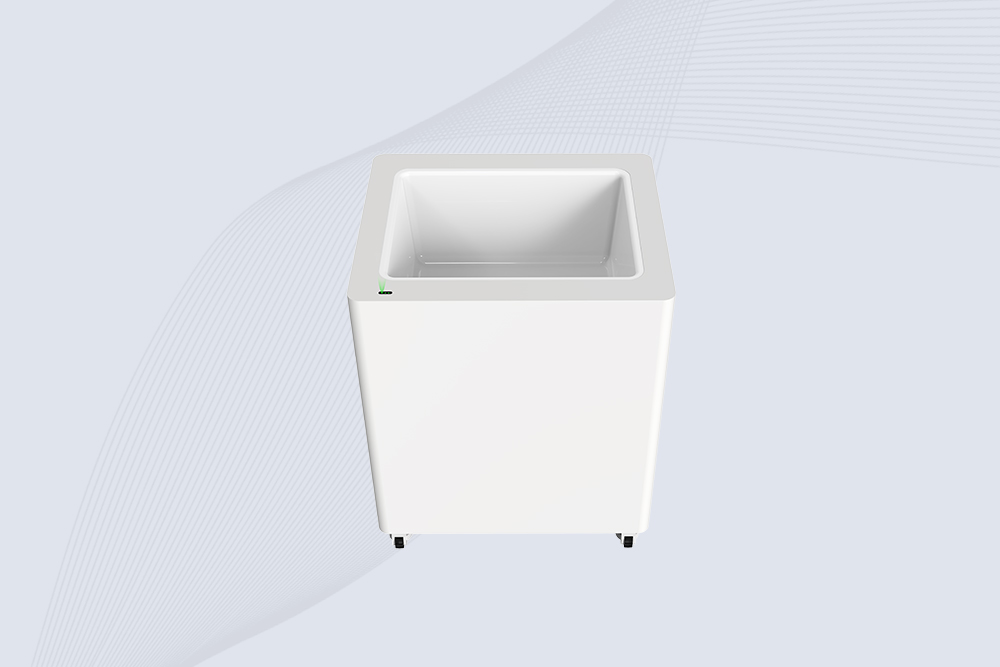
Shielded RFID cabinets
Controlled antenna layouts
RF isolation structures
Why Professional RFID Shielding Is Different from Tin Foil
Tin foil is useful for demonstrating the basic principle of electromagnetic shielding, but industrial RFID environments require predictable performance.
A professional RFID shielding solution considers:
1. Complete Signal Isolation
Small openings can allow RF energy leakage. Industrial RFID equipment uses carefully designed structures to prevent unintended reads.
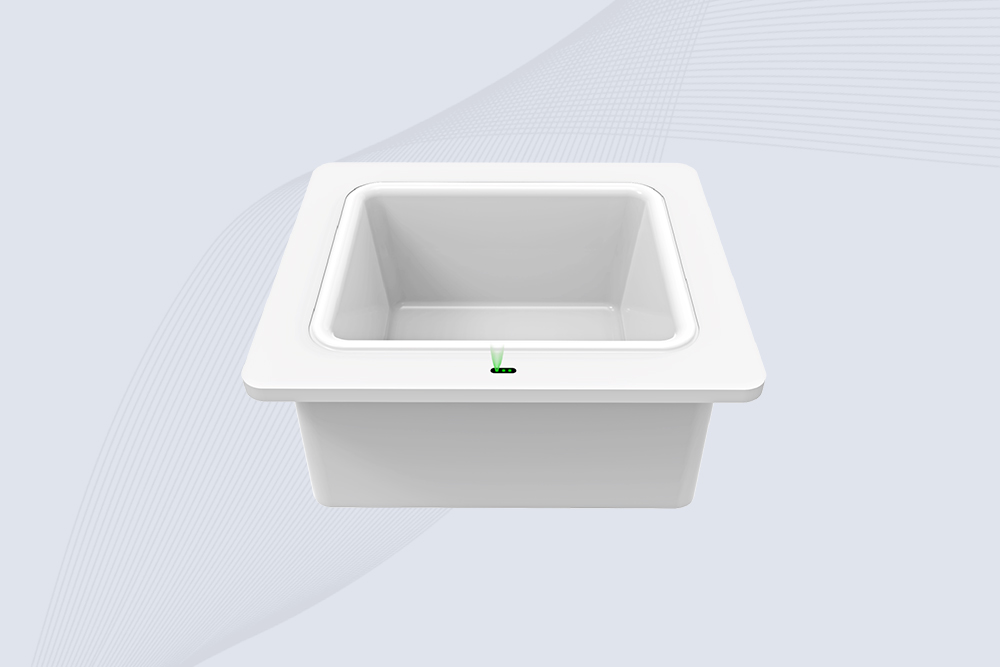
For example, Cykeo RFID inventory channels use shielding designs to reduce unwanted tag detection outside the reading area. This prevents nearby products from being accidentally scanned during warehouse operations.
2. Stable Reading Performance
RFID systems are not only about blocking signals. They must also read the correct tags at the correct time.
A poorly designed shield may:
Reduce reading accuracy
Create signal reflections
Cause inconsistent inventory results
3. Real Application Requirements
A warehouse handling thousands of products cannot rely on manually wrapped materials.
Modern RFID systems require:
Application
Recommended Solution
RFID card protection
RFID blocking sleeve or wallet
Warehouse inventory
Engineered RFID shielding zone
Smart cabinet
Metal enclosure with controlled antenna design
Production tracking
Industrial RFID isolation structure
What Materials Can Block RFID Signals?
Besides aluminum foil, other conductive materials may influence RFID communication:
Material
RFID Blocking Ability
Aluminum foil
Moderate, depends on coverage
Copper mesh
Strong shielding performance
Metal enclosure
High shielding capability
Conductive fabric
Used in specialized applications
The effectiveness depends on thickness, frequency, and design.
The National Institute of Standards and Technology has published research related to electromagnetic shielding effectiveness, highlighting that shielding performance depends on material properties, frequency, and enclosure design rather than simply the presence of metal.
Industrial RFID systems use engineered shielding designs to control signal areas, providing more reliable performance than temporary foil protection.
FAQ: Does Tin Foil Block RFID?
Can aluminum foil stop RFID card scanning?
Yes, aluminum foil can reduce RFID card communication when the card is completely covered. However, professionally manufactured RFID blocking products provide more reliable shielding.
Does tin foil block UHF RFID tags?
It can reduce UHF RFID signals, but the result depends on tag type, reader power, and shielding quality. Industrial UHF systems require engineered solutions.
Is RFID blocking necessary for every RFID product?
No. RFID blocking is mainly required when preventing unauthorized reads is important. Most industrial RFID applications focus on controlled identification rather than blocking.
How does Cykeo handle RFID signal control?
Cykeo designs RFID readers, desktop writers, inventory systems, and smart management equipment with controlled RF performance to ensure accurate identification in real business environments.
Expert Insight: RFID Blocking Is About Control, Not Just Blocking
After years working with RFID identification projects, I have found that the biggest misunderstanding is viewing RFID signals as something that should always be blocked.
In factories, warehouses, hospitals, and logistics centers, RFID success depends on controlling where signals work and where they do not.
A good RFID system creates a predictable environment:
Read the correct tag
Ignore unwanted tags
Maintain fast processing speed
Provide reliable data
That is why industrial RFID solutions use engineering methods instead of temporary household solutions.
Does tin foil block rfid? Yes, it can reduce RFID communication in certain situations. However, professional RFID applications require designed shielding systems to achieve stable and accurate signal control.
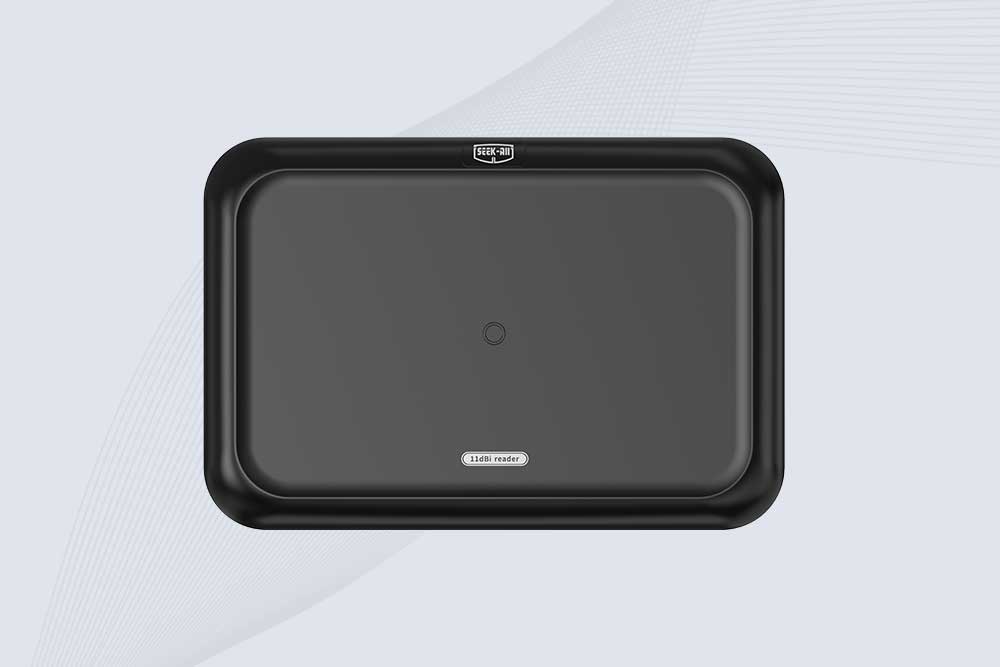
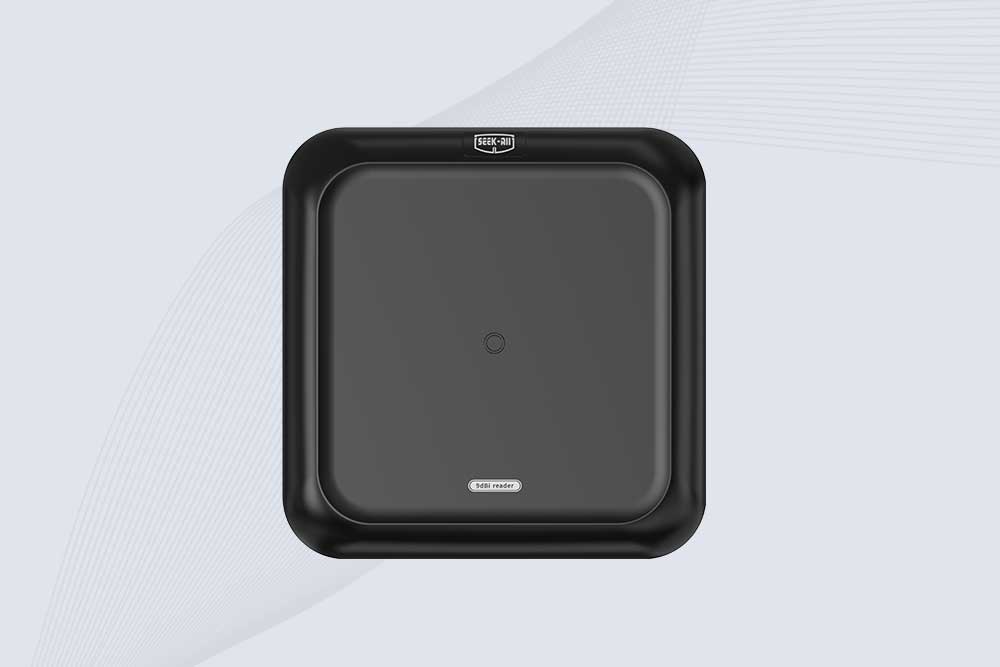
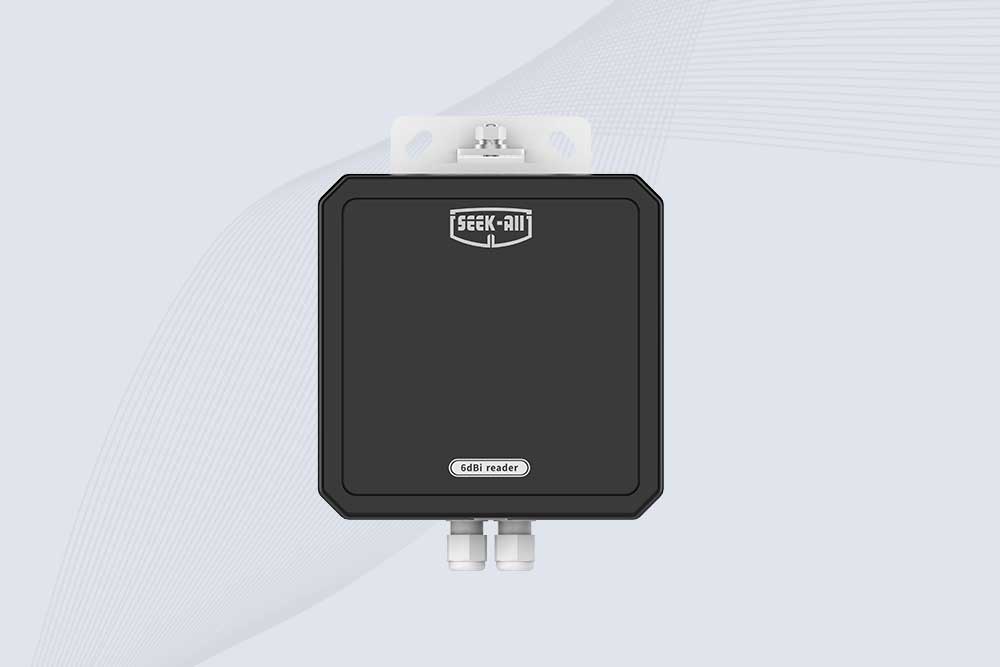
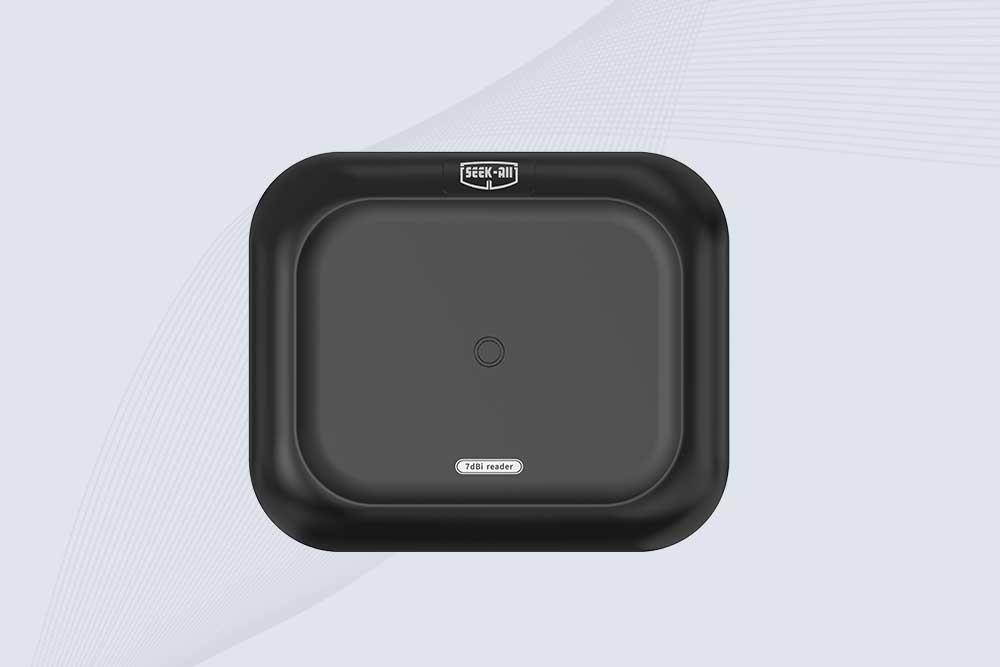
SSD-RA06L is an industrial UHF RFID reader with a built-in 6 dBi antenna, 3 m read range, 600+ tags/s, Ethernet, RS232, and optional Wi-Fi, 4G, and PoE.
SSD-RA07L industrial UHF RFID reader with integrated 7 dBi antenna, up to 6 m reading distance, over 600 tags/s, Ethernet, RS232, and optional Wi-Fi, 4G, and PoE.
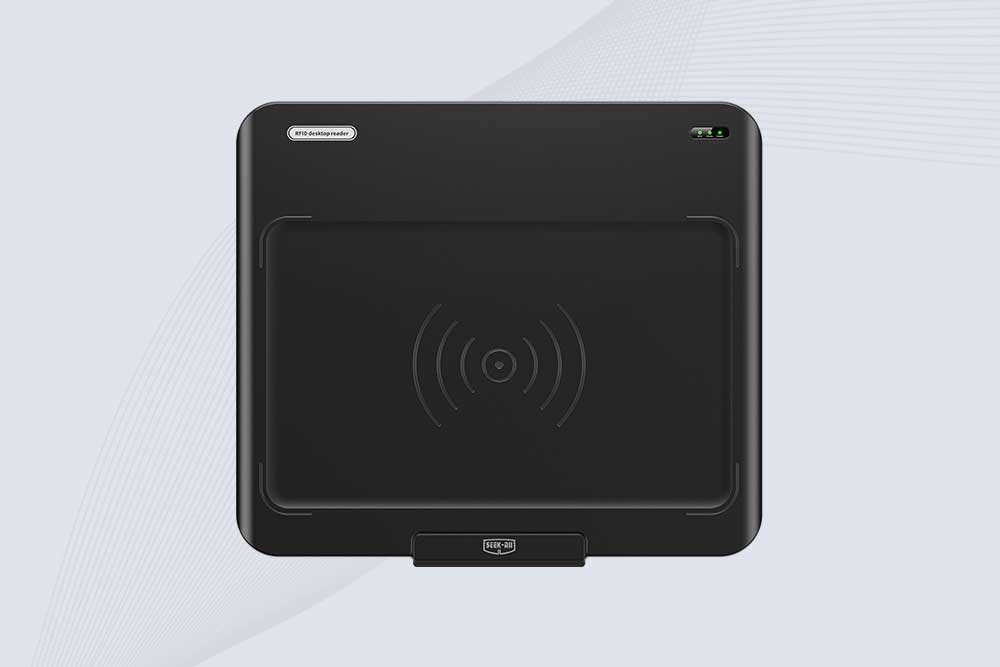
SSD-D3AL is a USB-HID UHF RFID reader with 0–30 cm reading, 0–15 cm writing, over 600 tags/s recognition, USB plug-and-play operation and OEM Logo customization.
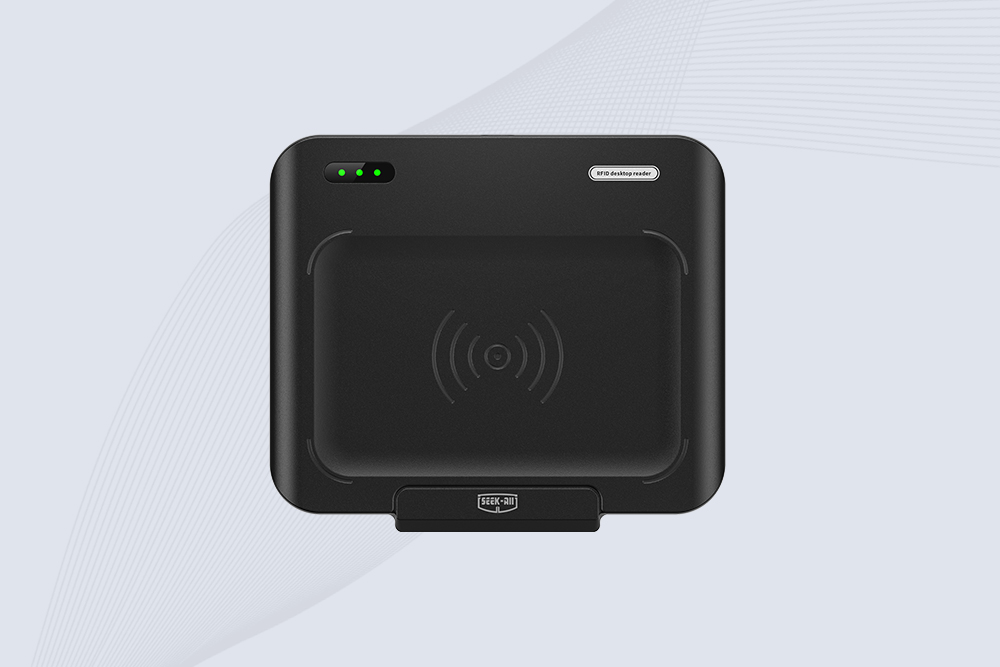
SSD-D1AL is a compact USB UHF RFID reader with Impinj E710/X3M1 chipset, USB-HID, 600+ tags/s recognition, 4/8/16 antenna support and plug-and-play USB power.
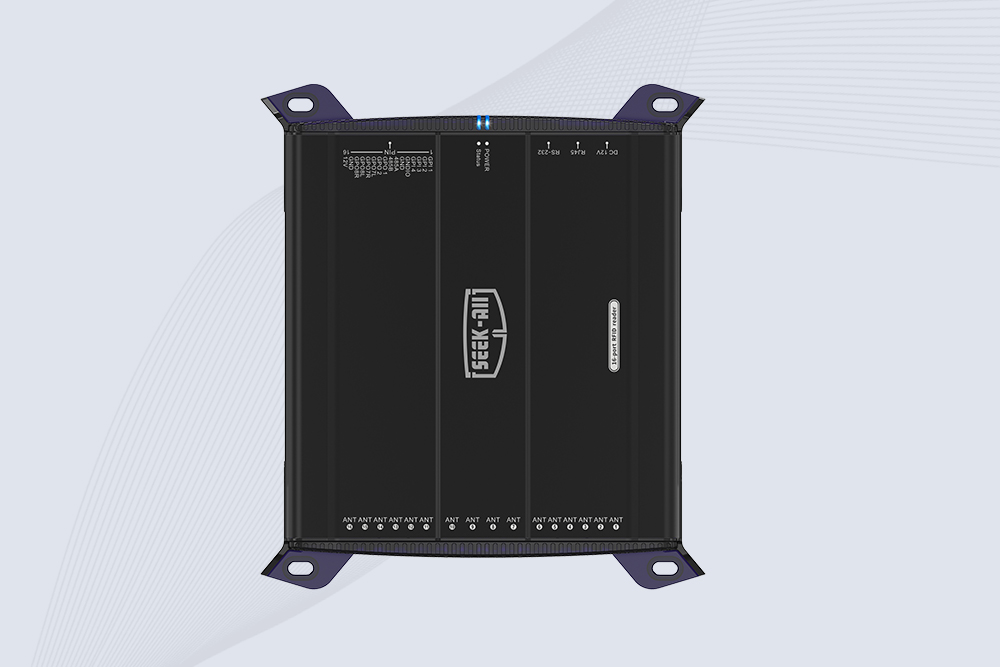
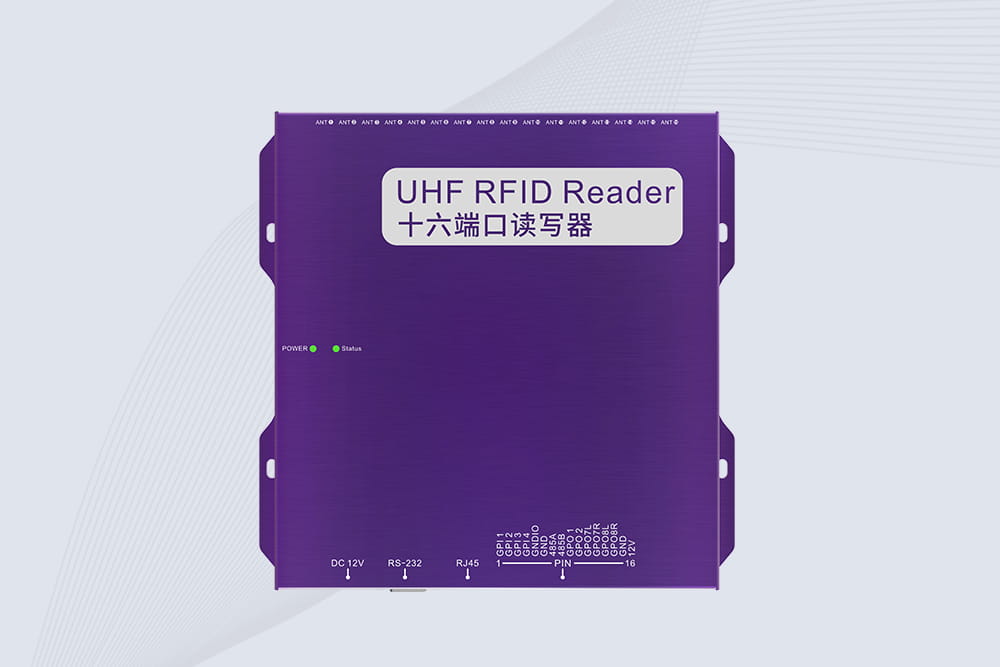
SSD-R16L Multi-Channel RFID Infrastructure for Automated Inventory Management ✔️ 16-Port High-Density RFID Reading Equipped with 16 SMA antenna ports, SSD-R16L supports multi-antenna deployment for warehouses, retail stores, logistics, production lines, and large-area RFID identification. ✔️ High-Speed & Long-Range Performance With up to 33…
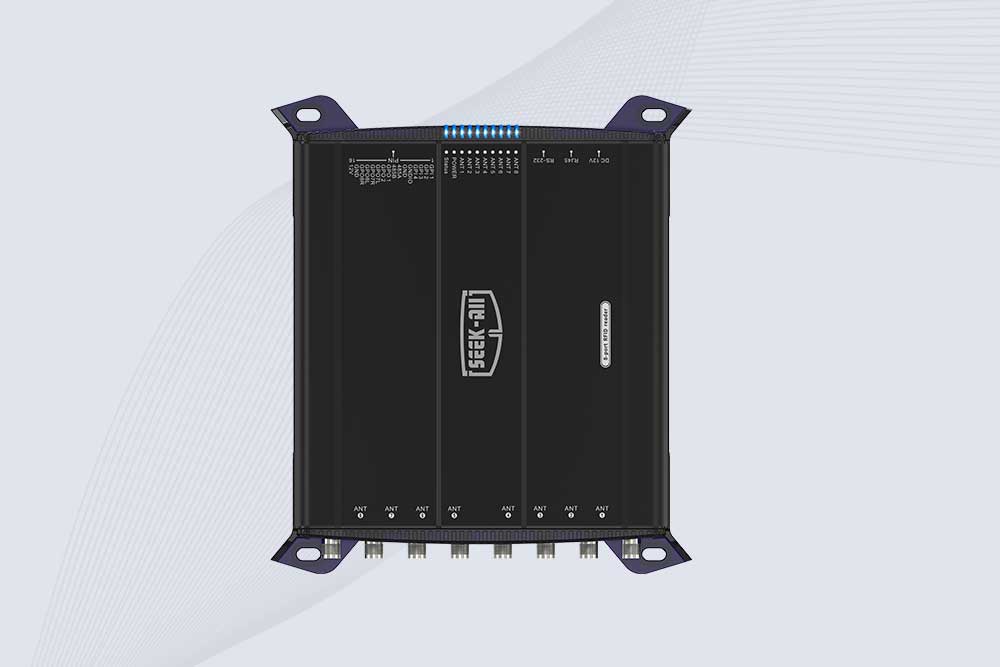
SSD-R8L 8-port UHF RFID reader with 33dBm output, up to 20m reading range and 600+ tags/s recognition. Ideal for warehouse, logistics, retail and asset tracking.
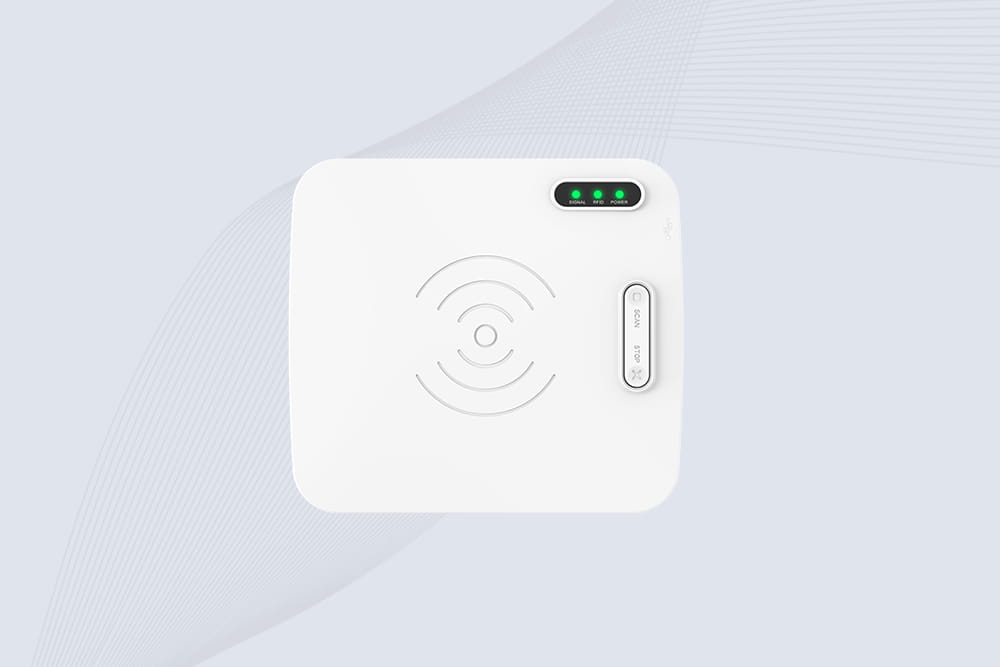
CYKEO CYKEO-D1LA USB RFID Reader is a compact desktop solution with near-field control for precise tag reading and encoding. Powered by USB, supporting ISO 18000-6C, and built for stable batch writing, this usb rfid tag reader fits retail, libraries, offices, and controlled RFID encoding tasks.
CYKEO CYKEO-D1L RFID scanner USB is a compact desktop UHF RFID scanner designed for short-range tag writing and verification. This usb rfid scanner supports batch encoding, stable 0–26 dBm output, and works across Windows, Linux, and Android systems.
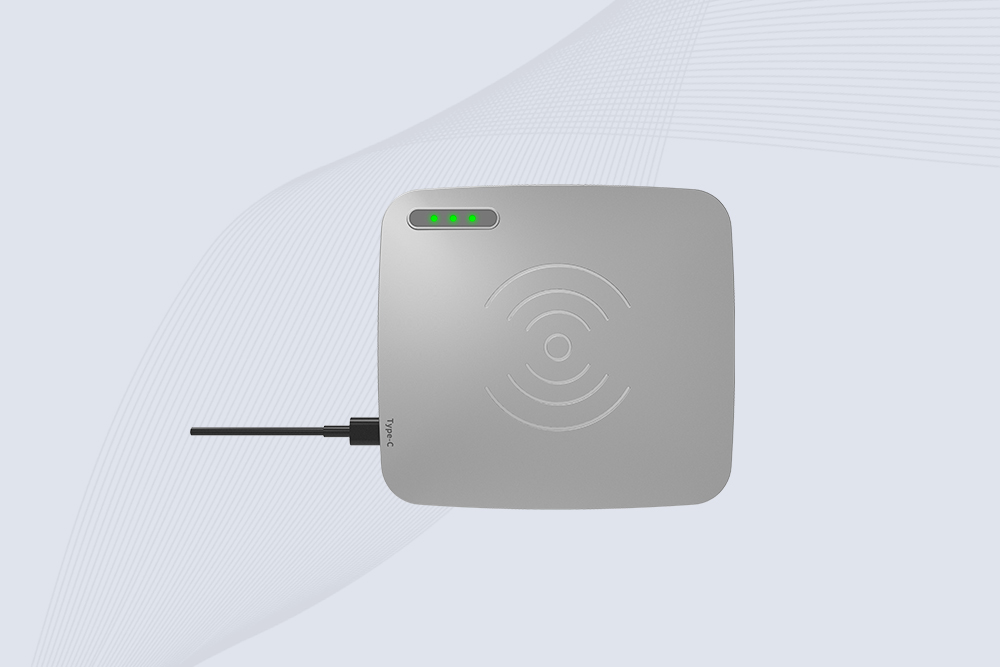
CYKEO CYKEO-D1C USB RFID Card Reader is a near-field UHF desktop writer designed for secure, short-range tag encoding. With USB-C connectivity and stable 26 dBm output, this rfid reader usb c is ideal for badge issuance, label encoding, and controlled desktop RFID workflows.
CYKEO CYKEO-D2L RFID Reader USB is a compact desktop encoder built on the Impinj R500 chip. With near-field control and stable USB power, this usb rfid card reader delivers precise tag writing for offices, retail counters, and small-scale logistics encoding tasks.
CYKEO CYKEO-D3L USB RFID Tag Reader delivers stable UHF tag reading and writing for daily desktop and light industrial tasks. Designed for controlled short-range operation, this USB RFID Tag Reader works reliably with rfid tag and reader systems in libraries, tool tracking, and inventory registration.
The CYKEO CYKEO-D4L UHF RFID Tag Reader is a stable Desktop RFID Reader designed for accurate tag registration, borrowing, and return workflows. Built with the Impinj R2000 chip, this UHF RFID Tag Reader delivers controlled short-range reads for libraries, asset tracking, and inventory management environments.
The CYKEO CYKEO-D5L Desktop RFID Card Reader is a stable UHF RFID Card Reader designed for controlled short-range reading and writing. Built for libraries, tool rooms, and asset desks, this UHF RFID Card Reader supports dense tag handling, secure data processing, and easy USB integration.
The CYKEO CYKEO-D6L RFID Reader Writer is a heavy-duty Desktop RFID Reader designed for short-range, high-accuracy tag programming. Built for libraries, labs, and asset desks, this RFID Reader Writer supports batch processing, stable 33dBm output, and seamless integration with existing management systems.
Cykeo CYKEO-D8A embedded RFID badge reader offers 30+ tags/sec scanning, 20cm anti-crosstalk precision, and DC 12V power for unmanned stores, warehouses, and smart inventory systems.
Cykeo’s CYKEO-D8C UHF RFID gate reader achieves 200-tag/batch scanning with adjustable power control, ideal for retail inventory and smart warehouse management.
Cykeo’s industrial long range RFID reader delivers 20-meter scanning, 500+ tags/sec speed, and IP67 waterproof design for automated warehouses, logistics, and harsh environment applications.
Cykeo’s CYKEO-RA6L industrial RFID long range reader features 20m read distance, 500 tags/sec speed, and IP67 protection. Ideal for warehouse automation, manufacturing WIP tracking, and smart logistics. Supports ISO 18000-6C/6B protocols.
CYKEO Long Range RFID Tag Reader built for outdoor and industrial operations. This Outdoor RFID Reader delivers 20m read distance, fast tag processing, and IP67 durability for wide-area tracking.
Cykeo CYKEO-RA12L industrial Long Range RFID Reader delivers 20m read range, 200+ tags/sec scanning, and IP67 protection for manufacturing/logistics applications. Supports ISO 18000-6C/GB protocols.
Cykeo CYKEO-C1 industrial Forklift RFID Reader features 20m read range, 600 tags/sec scanning, Impinj R2000 chipset, and IP67 rugged design. Ideal for warehouse logistics and manufacturing. Supports ISO 18000-6C/6B protocols.
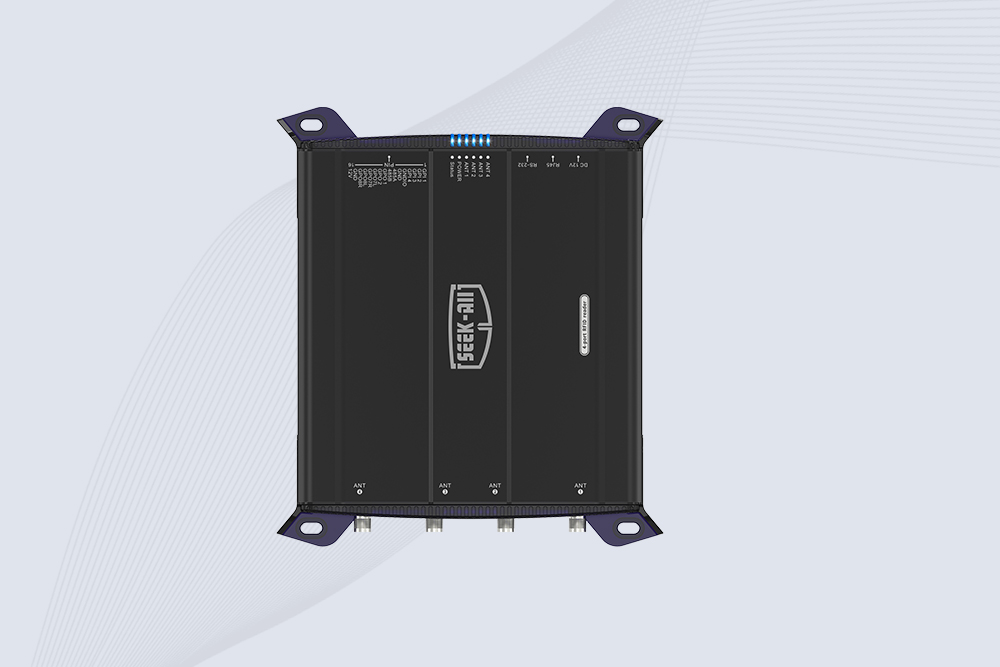
Cykeo CYKEO-R4 industrial UHF RFID Fixed Reader features 4 TNC ports, 400+ tags/sec speed, IP67 housing, and global frequency compliance for vehicle inspection, smart warehouse, and asset management systems.
CYKEO CYKEO-R8L Fixed RFID Reader with 8-port UHF design, Impinj-based RF core and up to 20m read range. An industrial Fixed RFID Reader for vehicle inspection, warehouse portals, smart manufacturing lines and secure access checkpoints.
RFID Fixed Reader from CYKEO – the CYKEO-R16L 16-port UHF fixed reader for warehouses, smart cabinets, and production lines. Long-range, multi-tag reading, stable performance for 24/7 industrial use.
A practical guide to RFID USB readers, focusing on real application scenarios, tag writing workflows, and how developers use USB RFID readers for testing, encoding, and system integration.
Discover how RFID laundry tracking systems help hotels, hospitals, industrial laundries, and uniform rental companies reduce linen loss, improve inventory accuracy, automate sorting, and gain real-time visibility across the entire textile lifecycle.
RFID multiple tag reading tested: Discover real-world speeds, interference solutions, and how Cykeo users scan pallets in seconds. No hype - just warehouse results.
Learn how RFID asset tracking works, its key components, and benefits for industries like healthcare, logistics, and manufacturing. Explore Cykeo’s tailored solutions.
 Cykeo RFID IoT Solution Products R&D Manufacturer