 Cykeo RFID IoT Solution Products R&D Manufacturer

What is rfid patient wristbands and how to improve patient tracking
162rfid patient wristbands improve UHF patient identification, healthcare tracking, and hospital safety. Discover Cykeo RFID solutions for medical automation.
MoreAll RFID Product
Walk into a commercial laundry facility at 6 a.m. and you’ll usually see the same scene.
Huge carts overflowing with sheets.
Towels stacked higher than employees.
Uniforms waiting for sorting.
And somewhere in the middle, people trying to count everything manually.
For years, that was simply how the industry worked.
But once a laundry operation starts handling thousands—or even hundreds of thousands—of textile items every week, manual processes begin creating expensive problems. Missing linens, inaccurate inventory records, delayed deliveries, customer disputes, and rising labor costs slowly become part of daily operations.
This is exactly why the laundry tracking system market has expanded so quickly over the last few years.
More operators are discovering that they don’t actually have a laundry problem.
They have a visibility problem.
Many facility managers focus on replacing lost linens.
What often goes unnoticed is the hidden cost behind those losses.
A missing towel isn’t just a missing towel.
It may trigger:
In hotels, staff frequently struggle to determine whether linens were lost during transportation, laundry processing, housekeeping operations, or simply discarded too early.
Hospitals face an even bigger challenge.
Patient gowns, surgical textiles, blankets, and scrubs move continuously between departments, laundry facilities, storage rooms, and patient care areas.
Without reliable tracking, no one really knows where losses occur.
Most organizations simply absorb the cost.
A laundry tracking system is a technology platform designed to monitor textile assets throughout their entire lifecycle.
Instead of treating linens and uniforms as disposable inventory, each item receives a unique identity.
The system records:
Modern systems typically use RFID technology because it can identify hundreds of items simultaneously without requiring line-of-sight scanning.
That single capability changes almost everything.
A lot of laundry operators start with barcodes.
At first, they seem practical.
They’re inexpensive.
Easy to print.
Simple to understand.
Then reality shows up.
Barcodes fade.
Labels peel off.
Employees forget to scan items.
Wet textiles damage printed codes.
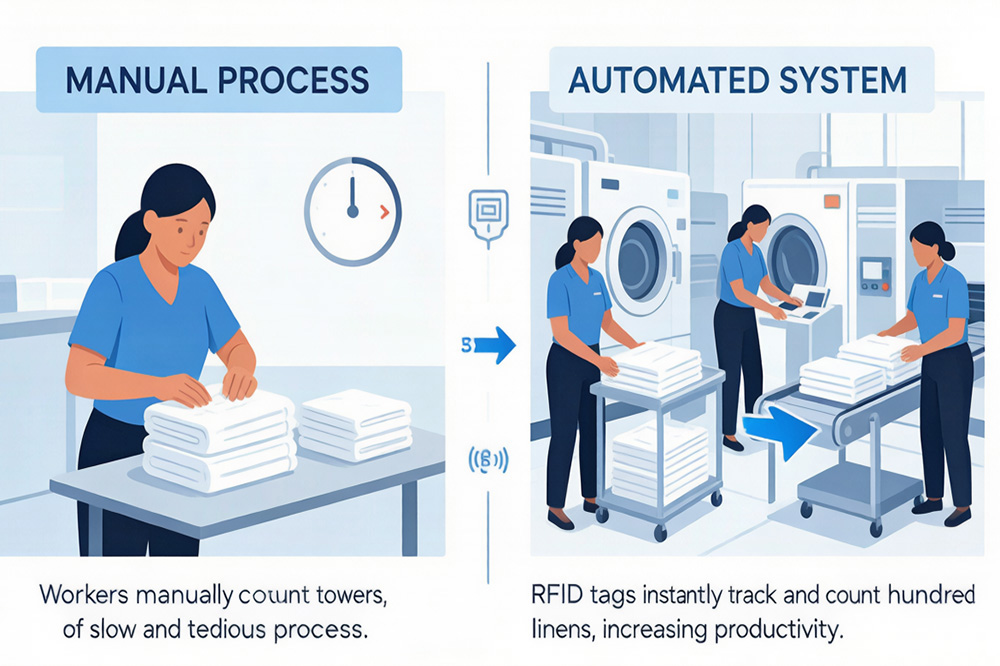
And perhaps most importantly, workers still need to scan items one at a time.
Imagine scanning 400 hotel towels individually.
Now imagine reading all 400 at once.
That’s where RFID begins making sense.
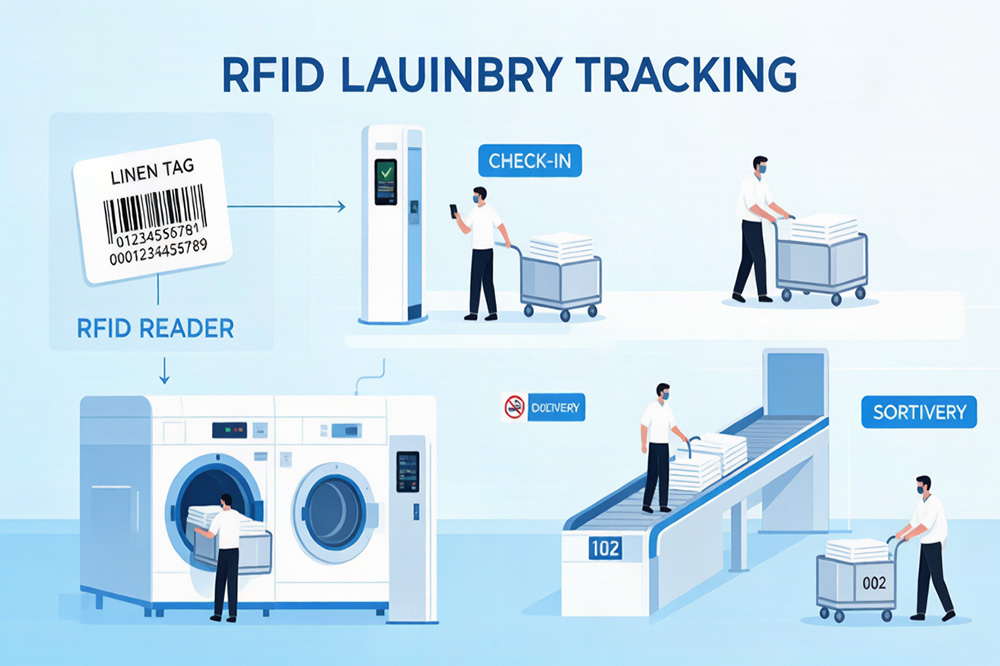
The process sounds complicated, but in practice it’s surprisingly straightforward.
Each linen, towel, garment, or uniform receives a washable RFID tag.
These tags are designed to survive:
Once tagged, every textile becomes digitally identifiable.
Readers are installed at key workflow points:
Items entering the laundry facility are automatically registered.
No manual counting required.
The system identifies item categories automatically.
Different textiles can be routed to appropriate washing processes.
Every wash cycle can be recorded.
Managers can see how many times an item has been processed.
Outgoing shipments are verified automatically before leaving the facility.
Returned items are reconciled instantly against delivery records.
Instead of asking, “Did we send 800 sheets or 850 sheets?”
The system already knows.
Interestingly, the biggest savings don’t usually come from technology.
They come from removing uncertainty.
Hotel groups often operate across multiple properties.
Linens move constantly between guestrooms, housekeeping, storage rooms, and off-site laundries.
RFID tracking helps answer questions such as:
Many operators are surprised by the amount of hidden shrinkage they discover.
Healthcare environments place much greater emphasis on accountability.
Patient gowns, surgical textiles, isolation garments, and bedding must be available when needed.
Inventory shortages can directly affect operations.
RFID provides visibility that manual systems simply cannot maintain at scale.
Uniform rental companies face a unique challenge.
Thousands of garments belong to specific employees.
If uniforms are misplaced, customers immediately notice.
RFID helps track garment movement between customers, collection points, laundry facilities, and distribution centers.
For outsourced laundry providers, disputes over quantities are common.
A customer claims 1,000 pieces were sent.
The laundry records 960.
Who is correct?
RFID creates an auditable digital record that removes much of the guesswork.
Many first-time buyers focus almost entirely on reader performance.
That’s understandable.
Readers look impressive during demonstrations.
But experienced operators usually pay closer attention to the tag.
Why?
Because tags endure the punishment.
If tags fail after 50 wash cycles, the entire tracking system becomes unreliable.
When evaluating suppliers, ask questions such as:
A durable tag often saves far more money than a cheaper alternative that fails prematurely.
Not every RFID laundry project succeeds immediately.
Some common mistakes include:
Many facilities attempt full deployment on day one.
A pilot area often works better.
Start with:
Then expand.
Technology alone rarely fixes operational issues.
Reader placement matters.
Process design matters.
Employee training matters.
This misconception still appears surprisingly often.
RFID is excellent for inventory visibility and workflow tracking.
It is not designed to show the exact location of a towel somewhere inside a building. Instead, it records movement through designated checkpoints.
Labor costs continue rising.
Customer expectations continue increasing.
At the same time, laundry operations are processing larger textile volumes than ever before.
Because of this, RFID laundry tracking is gradually moving from a competitive advantage to an operational requirement.
Five years ago, many operators viewed RFID as something only large hospital networks or major hotel chains could justify.
Today, even mid-sized laundries are adopting textile tracking systems because the economics have changed.
When you can automatically identify hundreds of items in seconds, reduce manual counting, improve inventory accuracy, and uncover where losses are happening, the conversation stops being about technology.
It becomes a business decision.
And for many commercial laundry operators, that decision is becoming easier every year.
If your laundry operation is still relying on handwritten counts, spreadsheets, or barcode-only workflows, the first step isn’t necessarily buying more equipment.
It’s understanding where visibility is being lost.
Once that becomes clear, an RFID-enabled laundry tracking system can transform textile management from a reactive process into a data-driven operation.
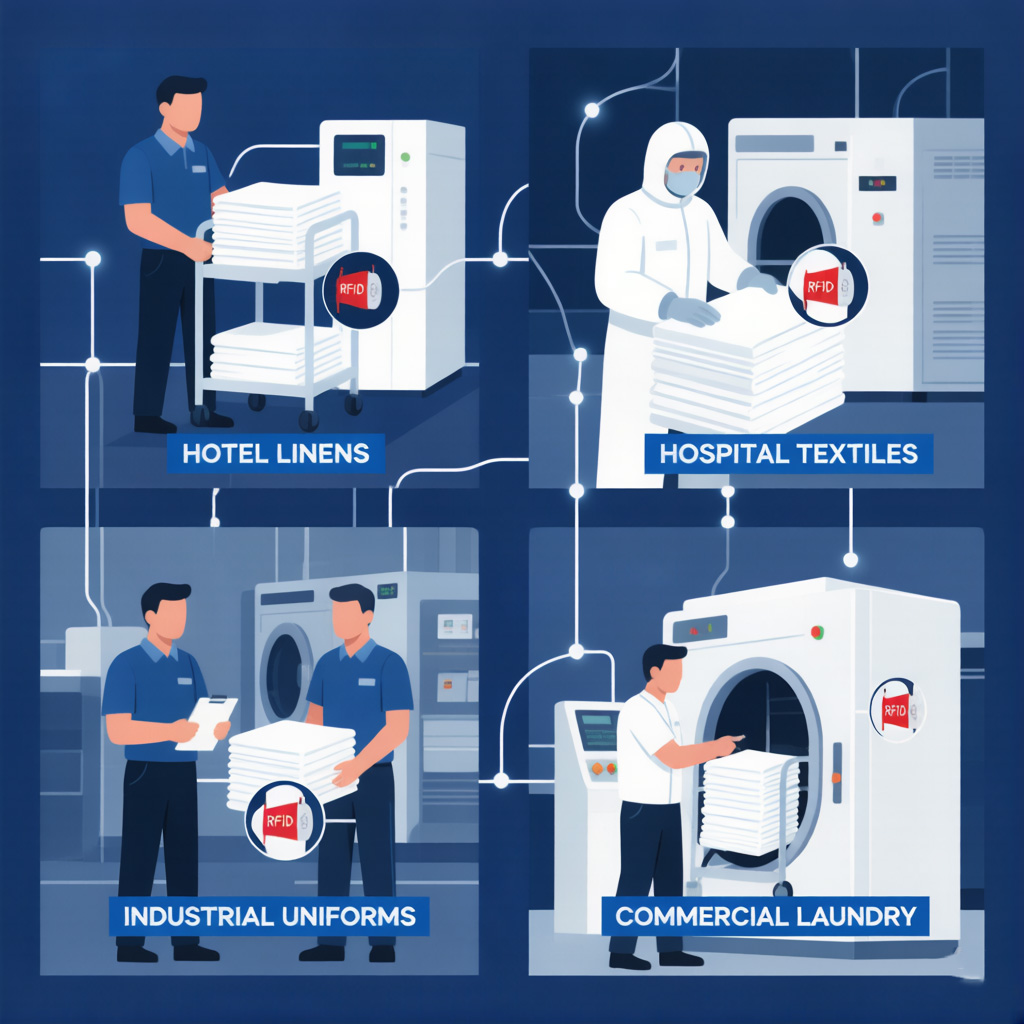
Whether you’re managing hotel linens, healthcare textiles, industrial uniforms, or commercial laundry services, better visibility almost always leads to lower costs, higher accuracy, and stronger customer retention.
CYKEO Passive RFID Tags are made for wet and high-humidity environments where standard labels do not last. This rfid passive tag is often used around liquids, chemicals and temperature changes, providing stable reading distance and long data life for industrial tracking.
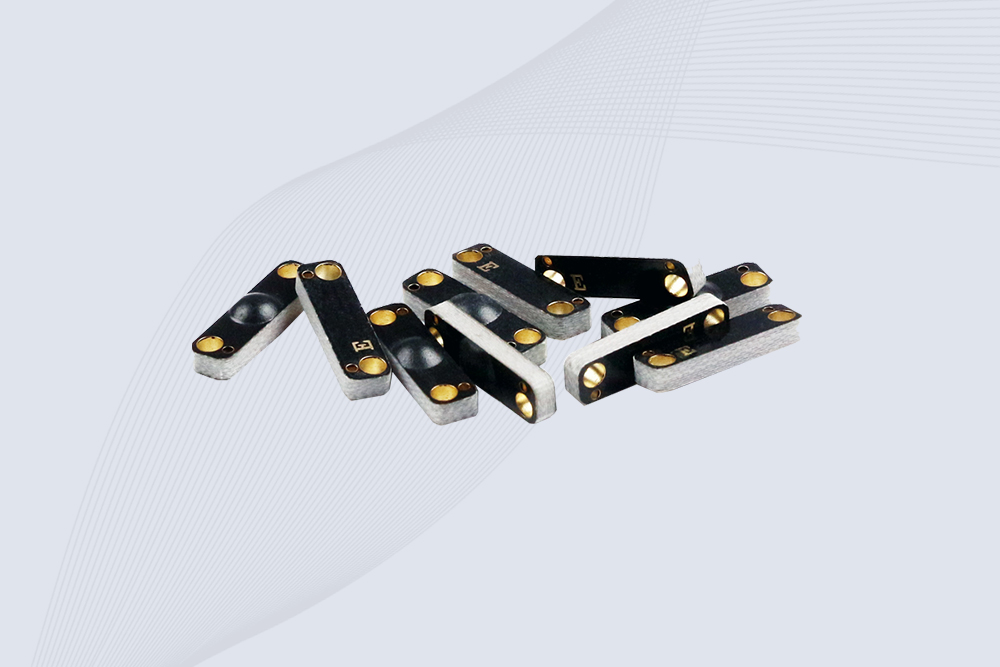
CYKEO CYKEO-PCB1504 Metal RFID Tags is a compact anti-metal UHF RFID solution built for direct mounting on metal surfaces. With stable 8-meter read range, Ucode-8 chip, and long data retention, this rfid metal tag fits tools, containers, automotive parts, and industrial asset tracking.
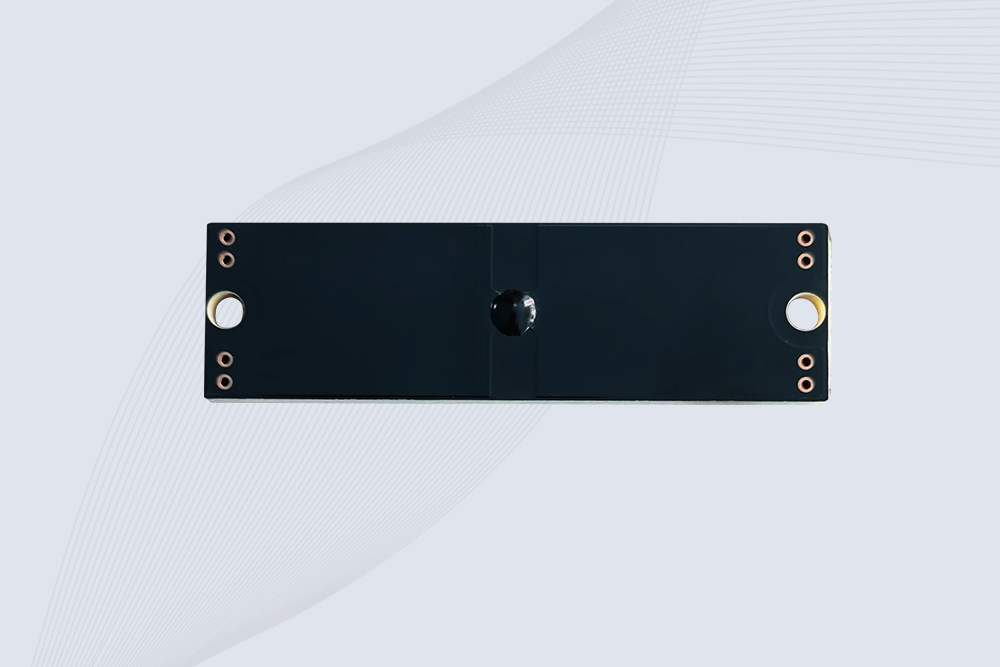
CYKEO CYKEO-PCB7020 On-Metal RFID Tags are designed for reliable tracking on steel and metal surfaces. Built with an FR4 epoxy body and industrial-grade chips, these On-Metal RFID Tags deliver stable performance, long data life, and chemical resistance, making them a dependable RFID anti-metal tag for harsh environments.
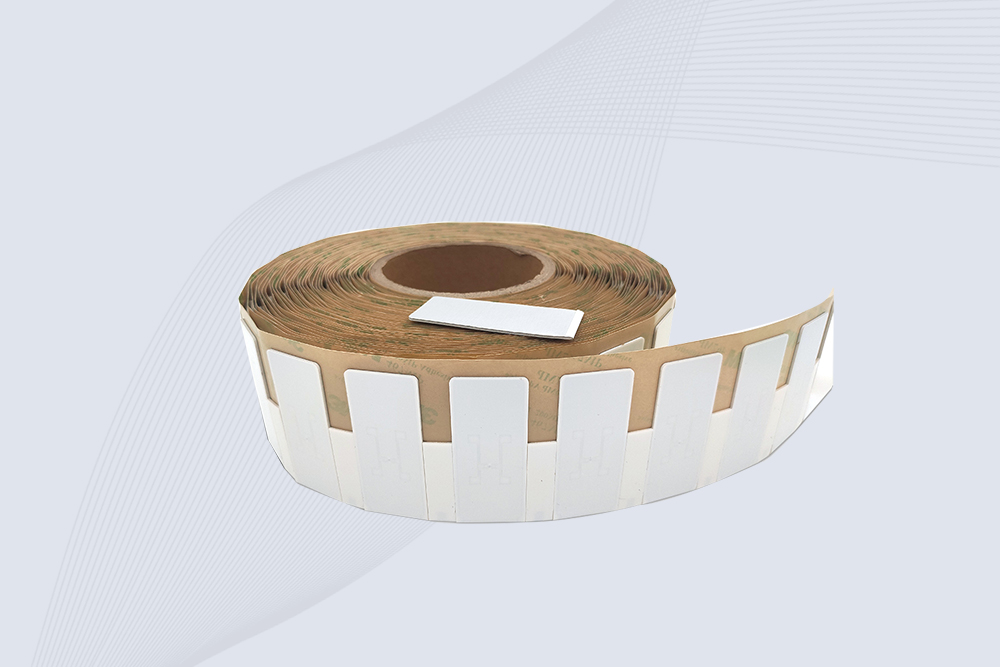
The CYKEO CYKEO-60-25 Anti-Metal RFID Tag is built for metal surfaces where standard tags fail. Designed for long-range performance, harsh environments, and stable data retention, this Anti-Metal RFID Tag is ideal for industrial assets, containers, and equipment tracking using on metal RFID tags.
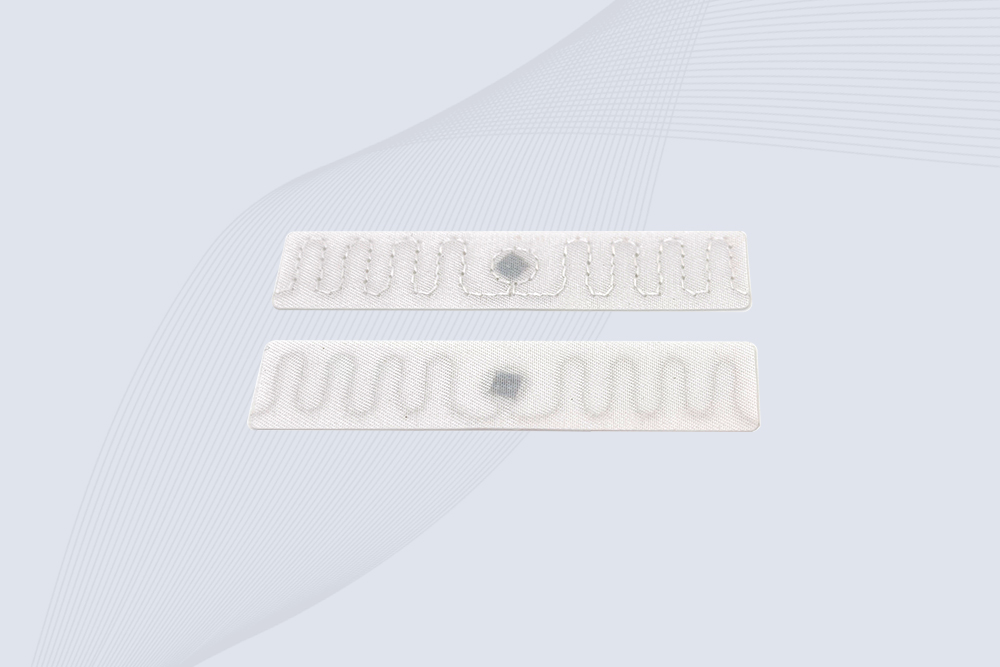
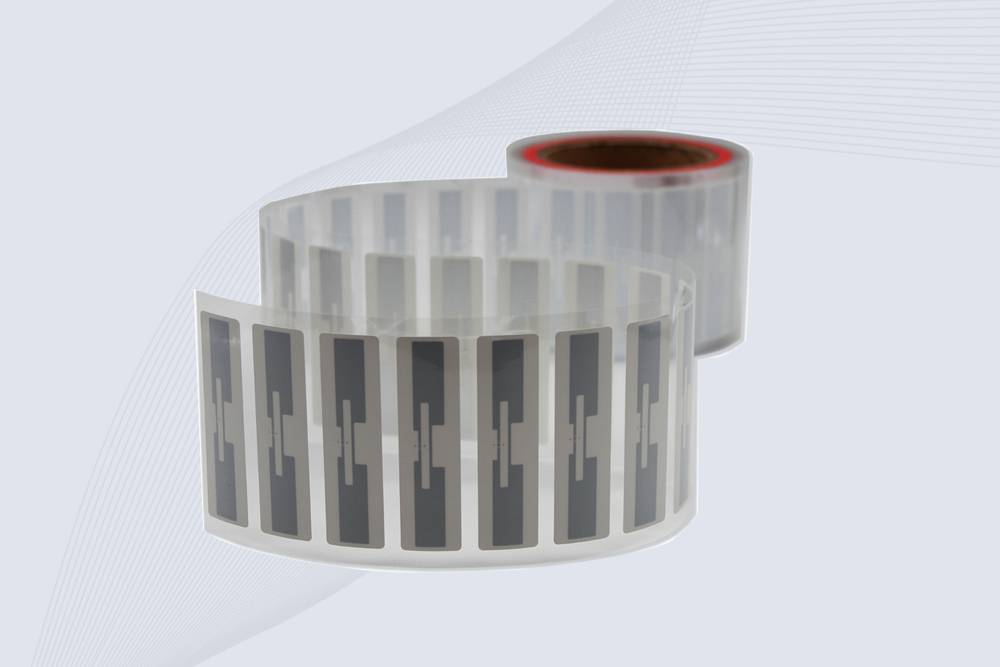
The CYKEO RFID Laundry Tag is designed for long-term textile identification in harsh laundry environments. Built to withstand high heat, chemicals, and repeated washing, this RFID Laundry Tag delivers stable performance for hotels, hospitals, and industrial laundry operations using laundry rfid tags at scale.
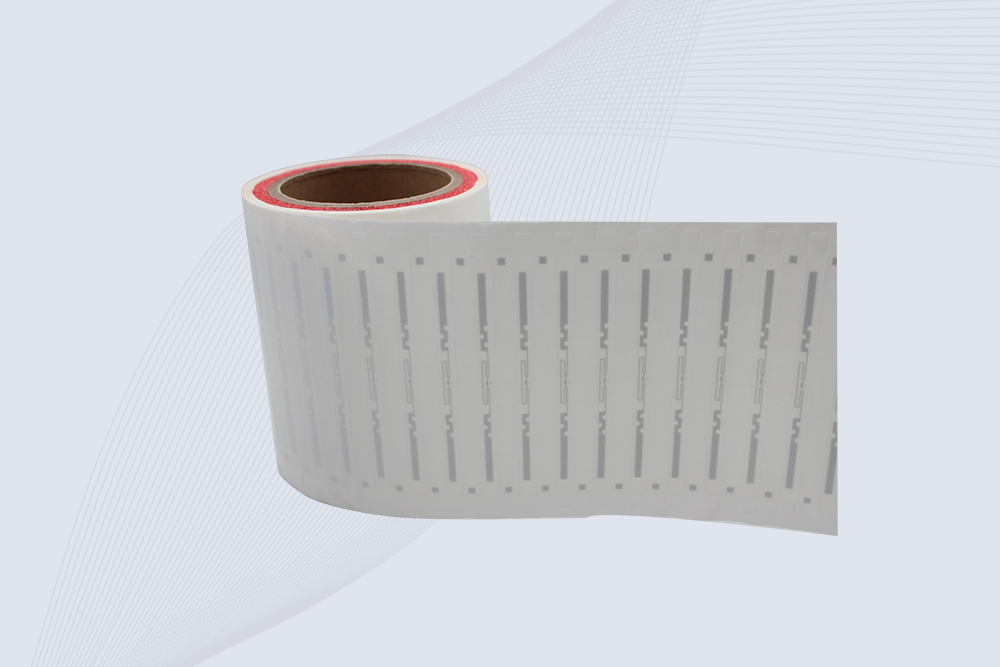
The CYKEO CYKEO-125-7 RFID Book Tag is designed for reliable book and document tracking in libraries and archives. This RFID Book Tag delivers long read range, dense placement support, and stable performance on shelves, making it a practical rfid tag on books for library automation, file management, and archival systems.
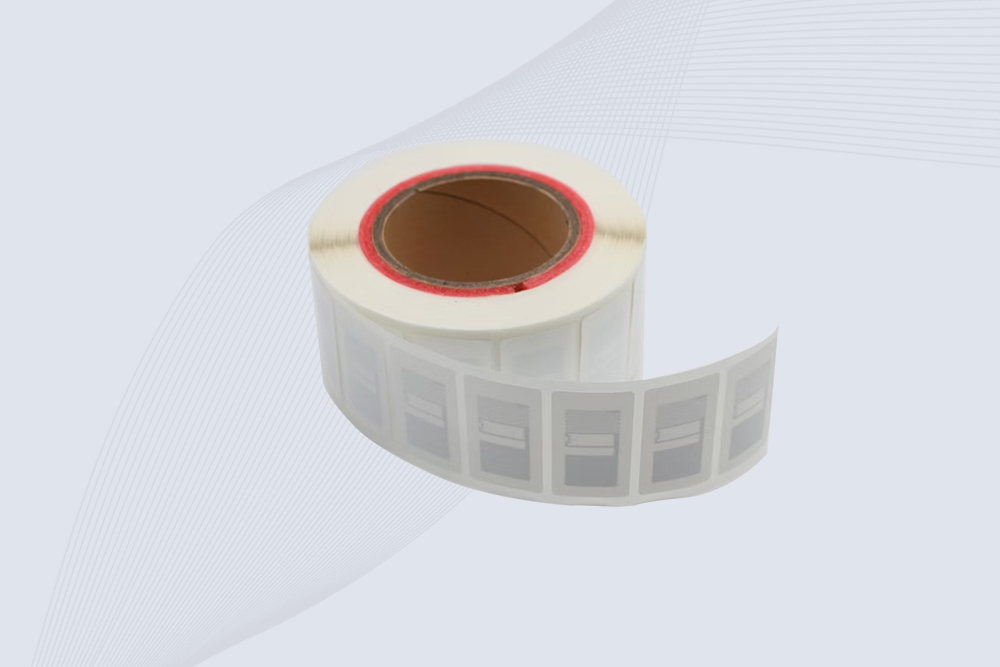
CYKEO RFID tags in hospitals are designed for sterile environments where accuracy matters. These autoclavable RFID tags support long-term tracking of surgical tools, implants, and medications, helping hospitals improve visibility, compliance, and patient safety.

CYKEO RFID Cable Tie Tag is built for reliable identification on metal surfaces. This UHF RFID Cable Tie Tag is widely used in rfid tags for inventory systems, industrial asset management and Hospital RFID Tags, offering stable read performance, long service life and global EPC Gen2 compatibility.
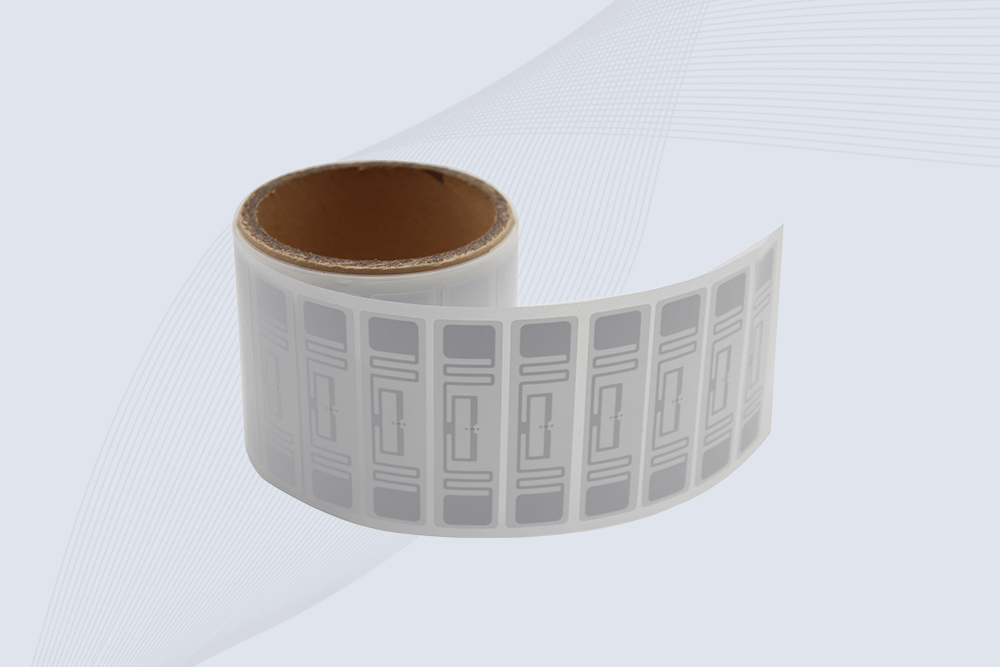
CYKEO RFID Asset Tag is designed for stable identification of metal assets in industrial environments. This UHF RFID Asset Tag is commonly used for rfid tag asset tracking on equipment, tools and containers, providing reliable reads, long service life and ISO/IEC 18000-6C support.

CYKEO UHF RFID Card is designed for fast identification and long-term use in industrial and commercial systems. Supporting ISO 18000-6C, this UHF RFID Card works at 860–960 MHz and is suitable for custom RFID cards used in asset tracking, access control and inventory management.
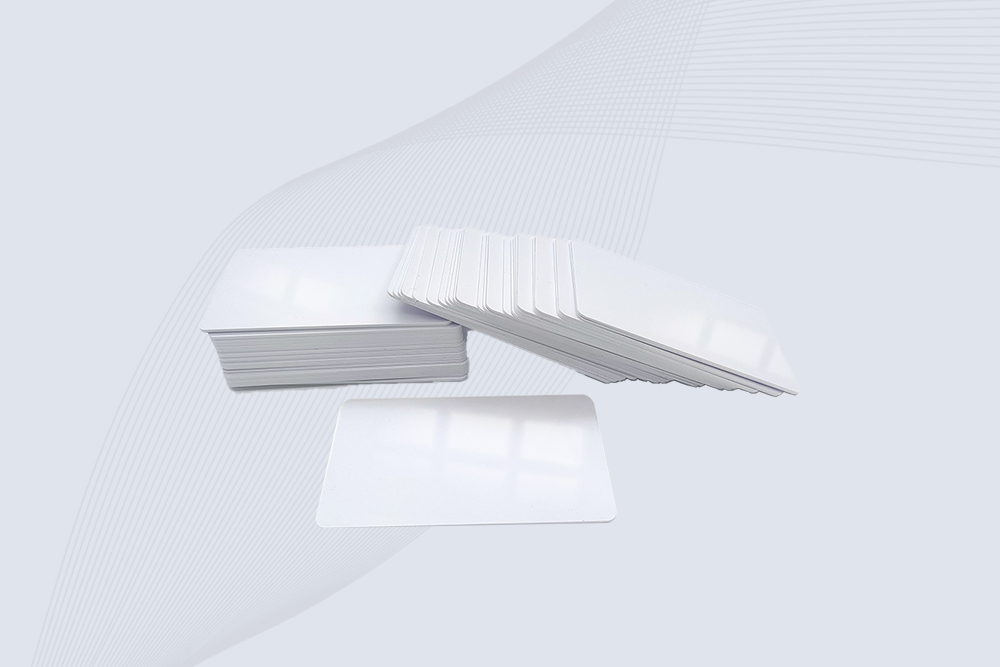
CYKEO HF RFID Cards are designed for secure and stable access control systems. These 13.56 MHz RFID key cards support ISO 14443-A, reliable rewriting and long service life, making HF RFID Cards suitable for offices, campuses, events and membership management.
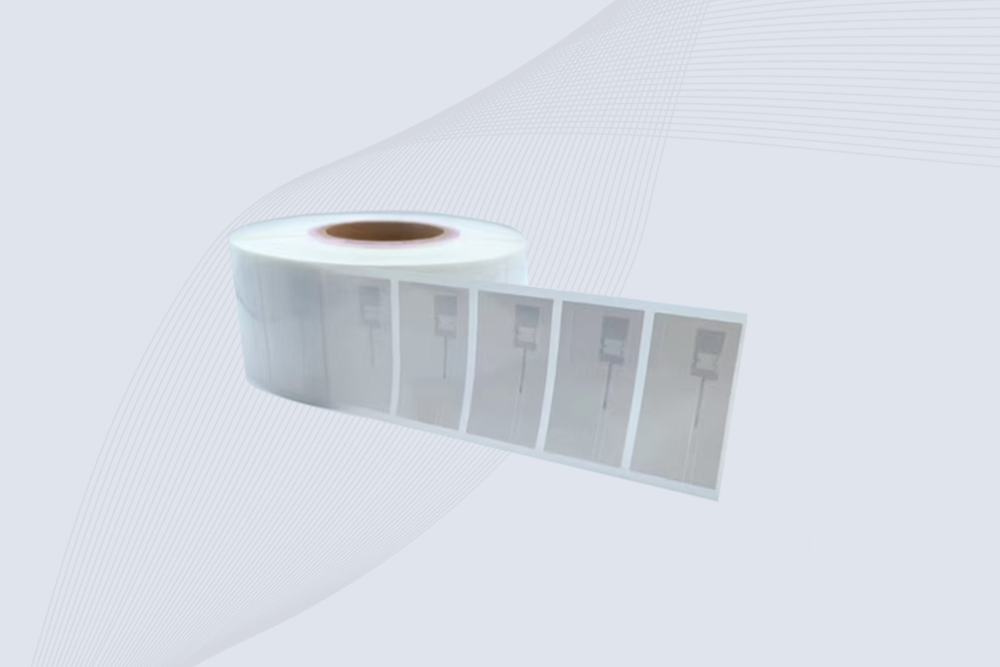
CYKEO UHF RFID Tag is designed for reliable tracking of metal jewelry and high-value items. This Jewelry RFID Tag supports long-range reading up to 8 meters, anti-counterfeit protection and stable performance on metal, making it suitable for retail, inventory control and asset management.
RFID Industry Writer | IoT & Asset Tracking Analyst
James writes about RFID technology, asset tracking, and the practical challenges of digital transformation across warehousing, retail, manufacturing, and logistics.
His work focuses on how RFID is applied in real-world operations—improving inventory visibility, automating workflows, and helping businesses manage assets with greater accuracy and efficiency.
He regularly covers topics including UHF RFID, smart cabinets, RFID portals, tool tracking, warehouse automation, and industrial IoT trends..

rfid patient wristbands improve UHF patient identification, healthcare tracking, and hospital safety. Discover Cykeo RFID solutions for medical automation.
More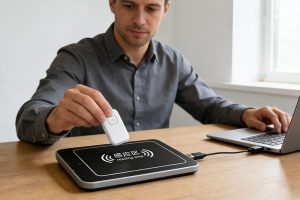
Looking for an RFID reader writer? CYKEO explains how these devices read and program tags, the difference between desktop and handheld units, and which one you need.
More
USB RFID tag reader connects RFID-tagged products or assets with a computer-based inventory system through USB. It can be a practical choice for desktop inve...
More
Understand passive RFID range capabilities across frequencies (LF, HF, UHF). Learn how to optimize read distances for inventory, assets, and access control with Cykeo solutio
More