 Cykeo RFID IoT Solution Products R&D Manufacturer
how to read an rfid tag
110An RFID tag is read by a compatible RFID reader through radio communication. The reader activates the tag, receives stored identification data, and sends inf...
MoreAll RFID Product
Walk into a clothing store on a Saturday afternoon. The fitting rooms are busy, the checkout lines are long, and a few customers are already sighing at the sight of twenty people waiting ahead. Now imagine walking to a self-checkout station, dropping your items into a tray, and watching the screen instantly list every piece—no barcode scanning, no line, no waiting. That’s the promise of RFID checkout.
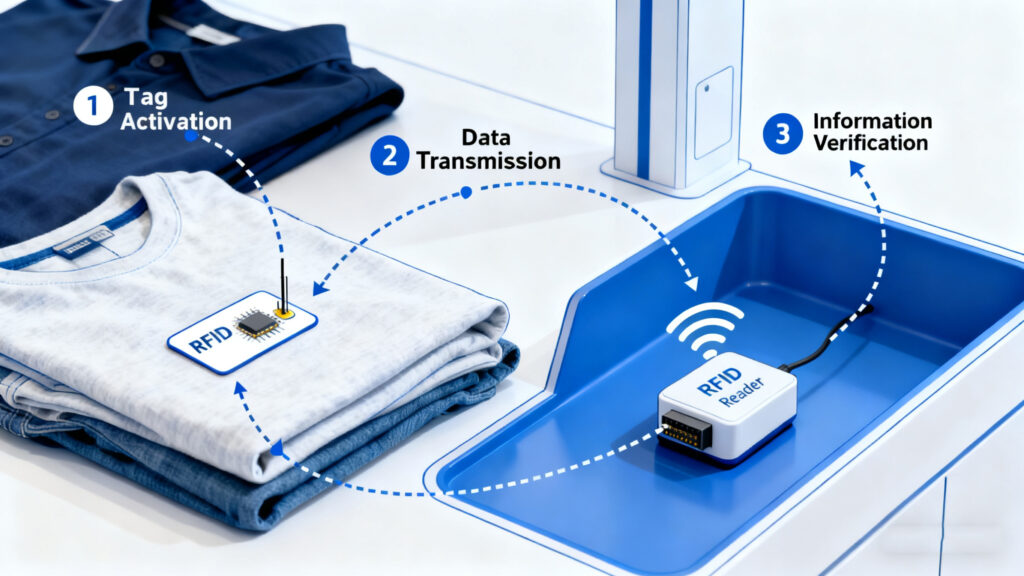
RFID, or Radio Frequency Identification, uses small electronic tags that communicate with readers via radio waves. In a retail checkout environment, each product carries a tiny RFID tag embedded in its label. When a shopper places their items in the checkout area, the reader detects all tags simultaneously, calculates the total, and connects to the payment system automatically.
It’s not futuristic—it’s already happening quietly in select retail stores around the world.
In most RFID checkout systems, the process looks something like this:
Unlike barcodes, RFID tags don’t require a direct line of sight. You can toss folded shirts, boxed items, or accessories into the reader area—everything is identified instantly.
RFID checkout performs best in environments where every item already carries a tag and products are relatively uniform—like fashion, electronics, or sporting goods stores.
A mid-size clothing retailer in Southeast Asia reported that average checkout time per customer dropped from 90 seconds to 45 seconds after switching to an RFID-based station. That may not sound dramatic, but multiplied over a day, it reduced waiting lines by nearly half and freed up staff to assist customers elsewhere.
Another benefit often overlooked is inventory synchronization. Since every tag update is recorded in real time, the system automatically adjusts stock levels. Staff can see what’s sold, what’s on the shelf, and what’s likely to run out—without manual counting.
Of course, it’s not all smooth sailing. As discussed in industry forums and pilot projects, RFID checkout still faces a few practical barriers:
A Reddit thread on this very topic once summed it up bluntly: “RFID checkout sounds easy until you realize someone has to tag every banana and soda can.”
That’s why most real-world RFID checkout deployments start small—focusing on specific product categories or store zones before expanding system-wide.
The best-known implementations of RFID checkout come from clothing retailers. In these stores, every price tag already includes an embedded RFID chip, allowing the system to recognize multiple garments at once. Customers drop their chosen items into a scanner bin; the screen flashes every piece and size, and they pay in seconds.
Store managers say this approach doesn’t just speed up lines—it also reduces “walkouts” where customers abandon purchases due to long waits. Moreover, theft prevention systems can integrate with RFID readers so that unpaid items trigger alerts at the exit.
In practice, the success of RFID checkout depends less on technology itself and more on store design, workflow, and staff training. Retailers that plan carefully—mapping customer movement, tag placement, and item flow—tend to see better results.
So, if RFID checkout is so efficient, why isn’t every store using it? The answer lies in economics and practicality.
For a high-margin fashion retailer, adding RFID tags is feasible and even beneficial for supply chain visibility. But for a convenience store selling low-cost daily goods, the cost of tagging every item outweighs the time saved at checkout.
Additionally, the reading environment matters: cluttered baskets, overlapping tags, or nearby metallic shelves can all interfere with scanning accuracy. It’s not a one-size-fits-all technology—it requires fine-tuning for each retail layout.
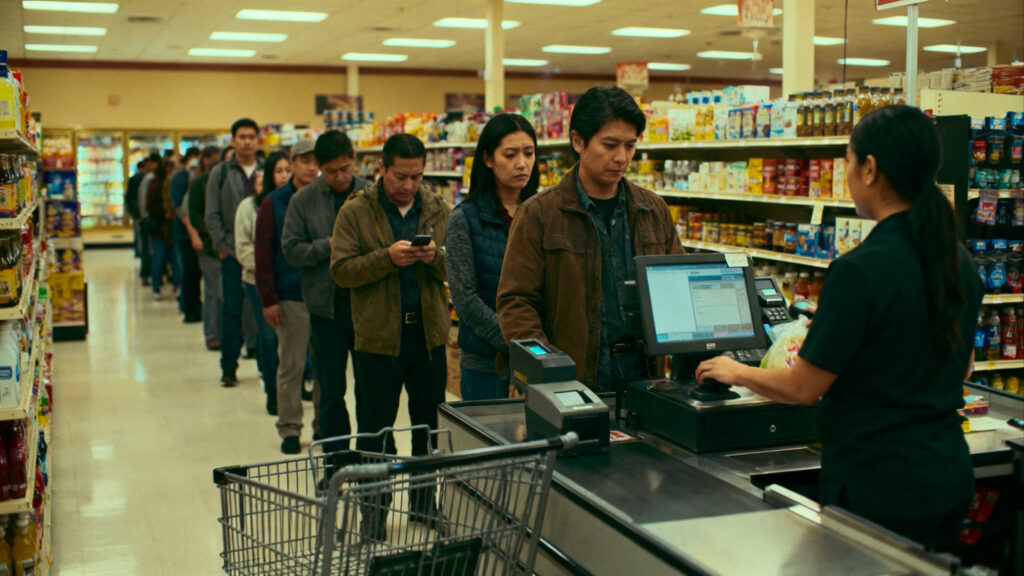
Still, momentum is building. RFID tags are getting cheaper, readers more compact, and integration with POS systems smoother. Forward-looking retailers are treating RFID checkout as part of a larger “connected store” ecosystem, where inventory, analytics, and customer interaction merge seamlessly.
In the next few years, we’re likely to see hybrid systems—RFID-assisted self-checkout stations where customers scan only items without tags, while tagged goods are read automatically. This approach balances practicality with speed, gradually preparing consumers and retailers for full automation.
RFID checkout isn’t just about speeding up payment—it’s about reimagining the retail flow from the warehouse to the shopping bag. When done right, it blends convenience for shoppers with operational efficiency for retailers.
But success won’t come from installing readers alone. It requires smart planning, realistic cost assessment, and a step-by-step rollout—starting where it makes sense, not everywhere at once.
As more stores experiment with contactless solutions, RFID checkout will quietly move from a niche innovation to an everyday expectation—one fast scan at a time.
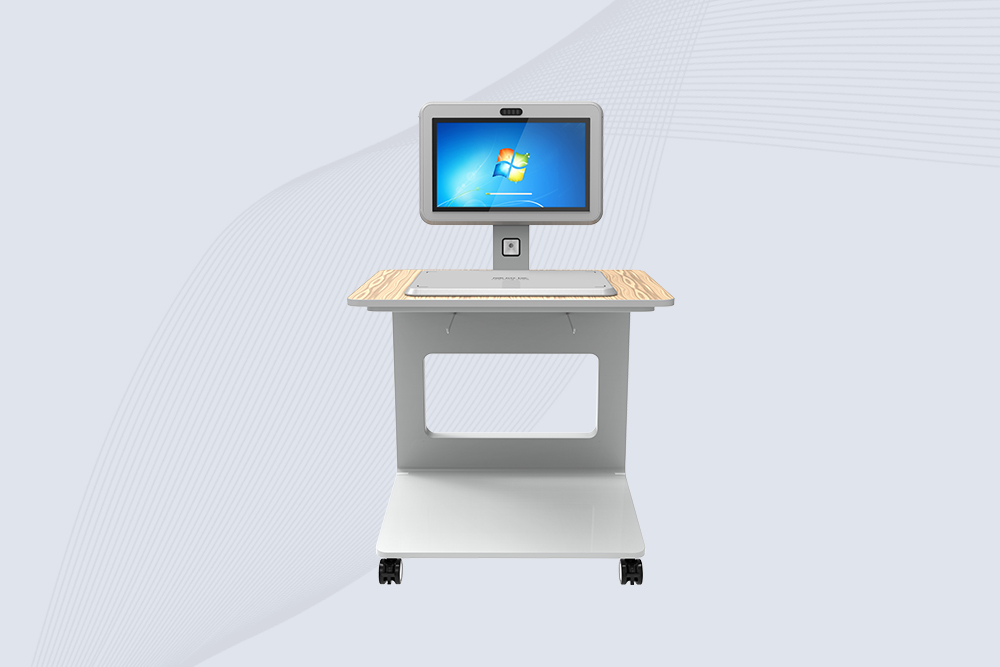
Cykeo’s CYKEO-DP11A RFID payment system combines UHF item recognition, facial authentication, and PCI-certified transactions for retail. Features Windows/Android dual OS, 4G connectivity, and SAP integration.
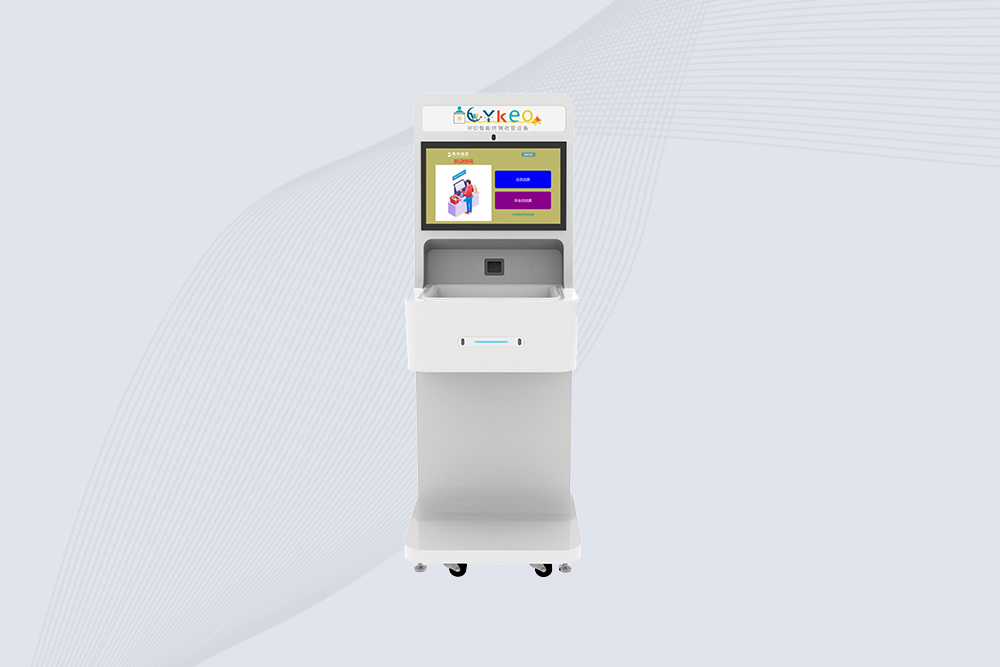
Cykeo CYKEO-DP11 UHF RFID Checkout Terminal streamlines bulk scanning operations with 5-tag/sec efficiency, dual OS compatibility (Windows/Android), and pharmacy-grade inventory management. Ideal for healthcare, retail, and unmanned stores, it ensures high-accuracy RFID bulk scanning with IP54 ruggedness and ISO 18000-6C compliance.
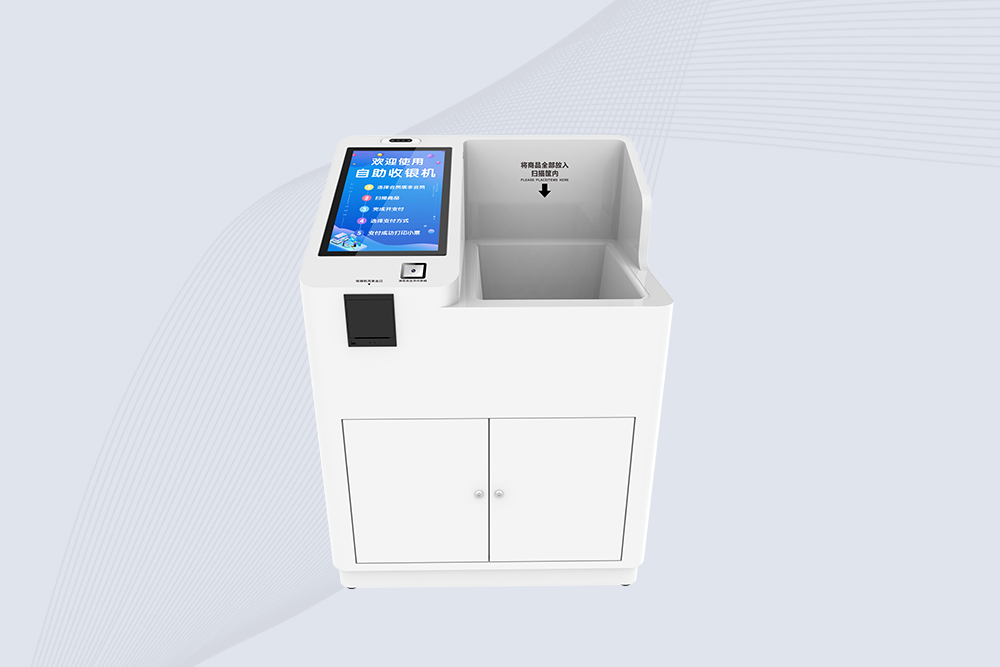
Cykeo’s unmanned RFID checkout Kiosk terminal enables 10-item bulk scanning in 3 seconds with 21.5″ touchscreen, anti-theft tag update, and POS integration for retail automation.
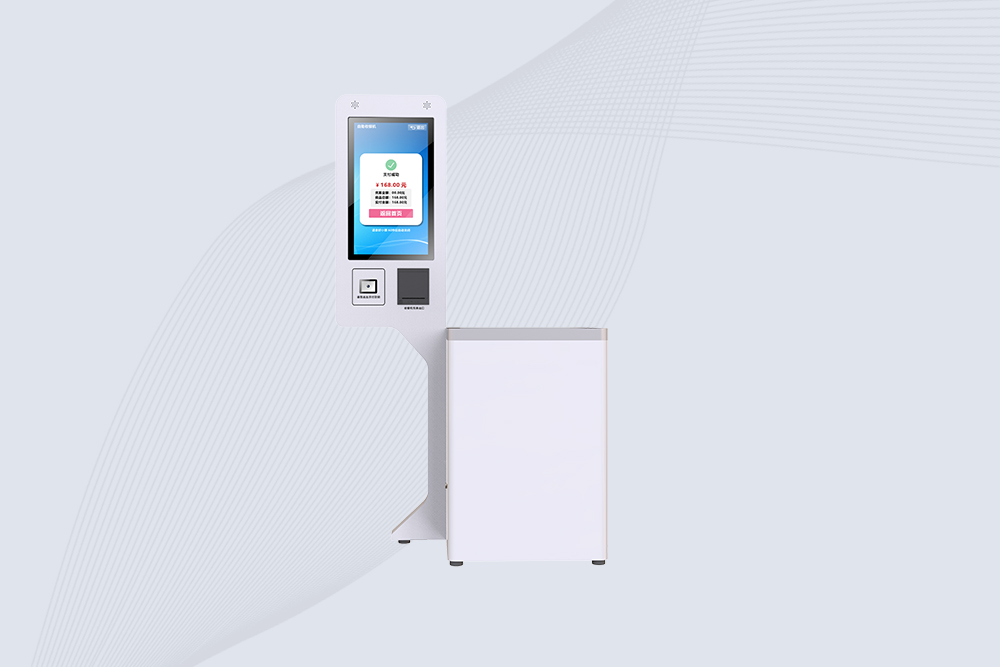
Cykeo’s CYKEO-DP11C UHF RFID self checkout kiosk enables unmanned retail with 10+ items/sec scanning, 21.5″ payment UI, and ISO 18000-6C compliance. Ideal for supermarkets and apparel stores.
An RFID tag is read by a compatible RFID reader through radio communication. The reader activates the tag, receives stored identification data, and sends inf...
More
Explore how rfid jobs improve tool tracking, workforce accountability, and inventory automation with Cykeo UHF RFID systems for industrial workplaces.
More
Discover how rfid flag tag technology improves UHF asset tracking, warehouse visibility, cable management, and inventory accuracy with Cykeo RFID solutions.
More
Discover how rfid tags labels improve inventory accuracy, asset visibility, and supply chain efficiency. Learn how to choose the right RFID labels with expert insights from Cykeo.
More