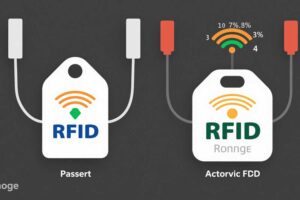
An RFID chip works by storing identification data and communicating wirelessly with an RFID reader through electromagnetic signals. The reader powers or activates the chip, collects data, and transfers information to connected systems for tracking and management.
An RFID chip may look like a tiny component hidden inside a label, card, or industrial tag, but the technology behind it involves precise interaction between semiconductor design, antenna engineering, and radio-frequency communication.
During RFID system testing projects, I have examined thousands of tag reads across manufacturing lines, warehouse checkpoints, and asset tracking environments. One detail becomes obvious quickly: the chip itself is only one part of the system. Performance depends on the relationship between the chip, antenna, reader power, frequency, and surrounding materials.
At Cykeo, our RFID engineering team develops and tests RFID readers, tag writing platforms, and identification solutions for industries including logistics, manufacturing, libraries, healthcare, and asset management. Understanding how an RFID chip works is the foundation for designing reliable RFID applications.
How Does an RFID Chip Work Inside an RFID Tag?
An RFID chip operates as the information-processing center of an RFID tag. It stores unique identification information and communicates with an RFID reader through radio-frequency signals.
When an RFID reader sends a radio signal, the antenna captures the energy. Depending on the tag type, this energy either powers the chip directly or activates communication between the chip and reader.
The chip then responds by sending stored information back through the antenna.
The communication process usually follows this sequence:
RFID reader emits a radio-frequency signal.
RFID chip receives energy or detects the signal.
Chip processes the reader command.
Stored data is transmitted back.
RFID software records and analyzes the information.
This happens within milliseconds, allowing modern RFID systems to identify multiple objects rapidly.
RFID Chip Working Principle: Passive, Active, and Semi-Passive Types
Not all RFID chips work in exactly the same way. The power source determines how the chip communicates.
Passive RFID Chips
Passive RFID chips are the most common type used in inventory and supply chain applications.
They do not contain their own battery. Instead, they receive energy from the RFID reader signal.
Common applications include:
Retail product tracking
Warehouse inventory
Library management
Tool tracking
Apparel identification
Passive RFID technology is widely used because tags are small, low-cost, and can operate for many years.
According to GS1, UHF RFID technology is widely adopted in supply chain environments because it enables automatic identification of items without requiring direct line-of-sight scanning.
Active RFID Chips
Active RFID chips include their own battery.
They can transmit signals over longer distances and are often used for:
Vehicle tracking
Large asset monitoring
Real-time location systems
Semi-Passive RFID Chips
Semi-passive RFID chips use a battery to support internal functions while still communicating through a reader signal.
They are used when additional sensing or longer operational capability is required.
An RFID chip stores identification data and exchanges information with RFID readers through radio-frequency communication.
What Information Is Stored on an RFID Chip?
An RFID chip does not usually store large amounts of information like a computer memory device. Instead, it stores specific identification data needed for automated recognition.
Typical stored information includes:
Data Type
Example
Unique Identifier
Product ID or asset number
Manufacturer Data
Brand or production information
Tracking Code
Inventory reference
User Data
Custom application information
For enterprise applications, RFID systems usually connect chip identifiers with databases.
For example:
A clothing manufacturer may attach RFID tags to garments. The RFID chip stores a unique identification number, while the inventory platform stores product size, production batch, location, and shipping status.
The chip becomes the connection point between a physical object and digital information.
How RFID Chips Transfer Data to Readers
The communication method depends on RFID frequency.
Frequency
Common Applications
Typical Range
LF RFID
Animal tracking, access control
Short range
HF RFID
Cards, NFC, libraries
Several centimeters
UHF RFID
Inventory, logistics, asset tracking
Several meters
Cykeo UHF RFID solutions use advanced signal processing algorithms to support multi-tag identification in industrial environments.
In warehouse applications, hundreds of tagged products may need to be identified simultaneously. The challenge is not only reading tags but avoiding interference, duplicate reads, and unwanted identification.
That is why industrial RFID systems require:
Accurate antenna design
Stable reader performance
Anti-collision algorithms
Controlled reading zones
Why RFID Chip Performance Matters in Industrial RFID Systems
A common misunderstanding is that all RFID chips provide the same performance. In practice, the chip is influenced by many external factors.
During a textile inventory deployment, our engineers found that identical RFID tags performed differently depending on fabric composition, tag placement, and reader position. A small change of several centimeters could affect read consistency.
Important factors include:
Material Environment
Metal and liquids can influence RFID communication.
Special RFID tags, including on-metal RFID tags, are designed for challenging environments.
Reader Compatibility
The RFID chip must match the reader frequency and protocol.
Common standards include:
ISO 18000-6C / EPC C1G2 for UHF RFID
ISO 15693 for HF applications
Application Design
The best RFID system is not simply the one with the strongest signal. It is the one that reads the correct information at the correct moment.
RFID chips exchange identification data with readers through wireless signals, enabling fast and accurate inventory tracking.
FAQ: How Does an RFID Chip Work?
Does an RFID chip need a battery?
Not always. Most RFID chips used in inventory systems are passive and receive power from the RFID reader signal.
Can RFID chips be rewritten?
Many RFID chips support rewriting. Cykeo RFID desktop writers can be used for tag registration, data updates, and batch writing applications.
How far can an RFID chip be read?
Reading distance depends on frequency, antenna design, reader power, and environment. UHF RFID systems can achieve several meters of reading distance in suitable conditions.
Are RFID chips the same as RFID tags?
No. The RFID chip is the electronic component inside an RFID tag. A complete RFID tag includes the chip, antenna, and protective material.
Expert Insight from Cykeo RFID Engineers
After years working with RFID identification systems, I consider the RFID chip the “memory point” of the physical world. It gives products, tools, documents, and assets a digital identity.
The difficult part is not making a chip respond once. The real engineering challenge is making thousands of chips communicate accurately in busy environments filled with metal shelves, moving products, and changing conditions.
That is where RFID system design matters.
How does an rfid chip work? It works by combining stored digital information, antenna communication, and reader technology to create automatic identification. From a single product tag to a complete industrial tracking system, the RFID chip connects physical objects with real-time data.
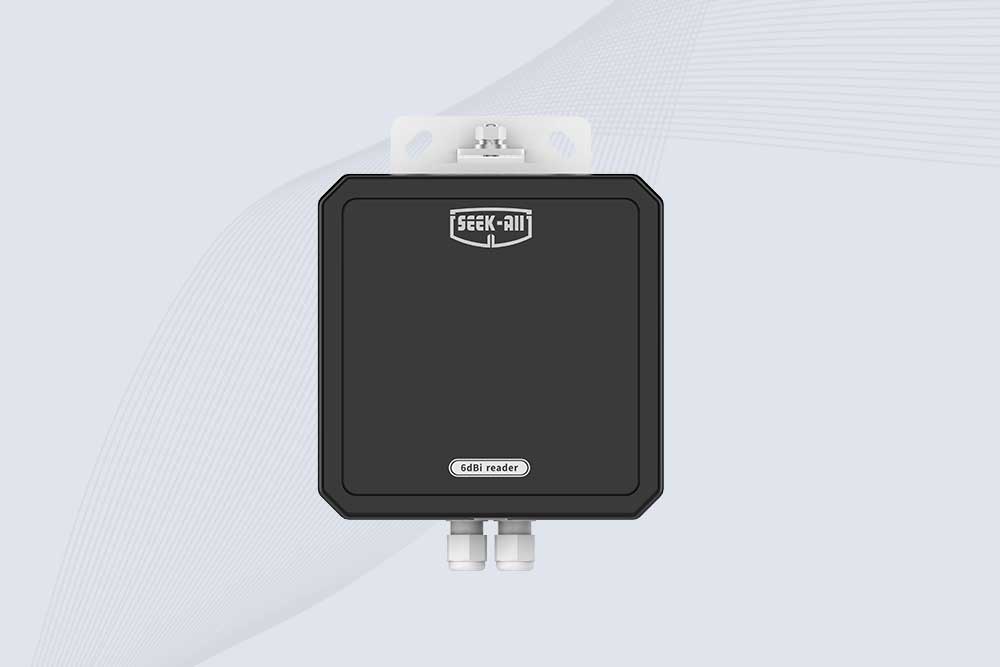
SSD-RA06L is an industrial UHF RFID reader with a built-in 6 dBi antenna, 3 m read range, 600+ tags/s, Ethernet, RS232, and optional Wi-Fi, 4G, and PoE.
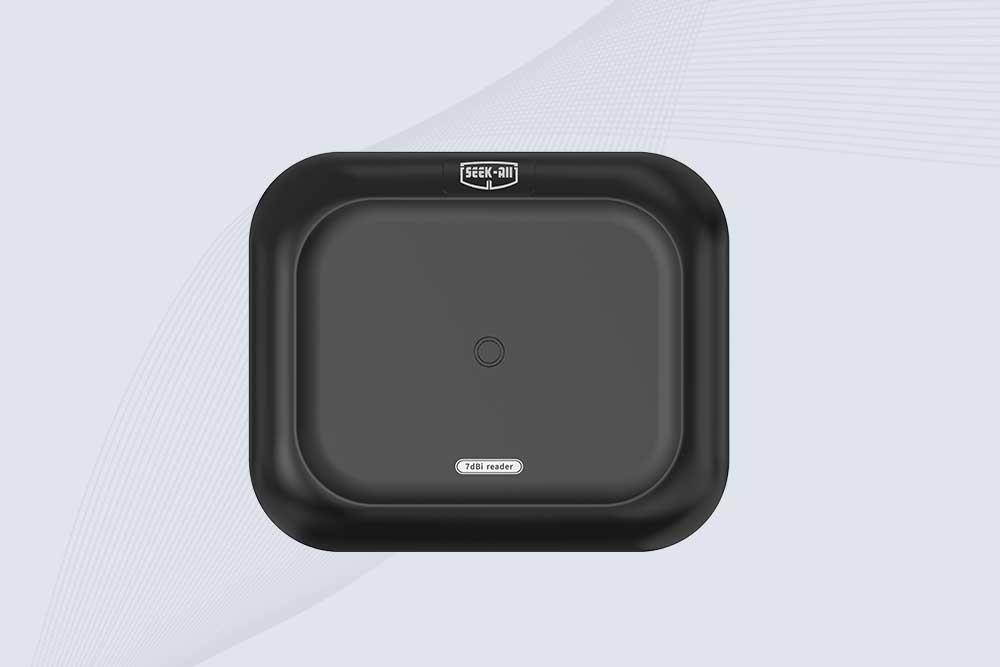
SSD-RA07L industrial UHF RFID reader with integrated 7 dBi antenna, up to 6 m reading distance, over 600 tags/s, Ethernet, RS232, and optional Wi-Fi, 4G, and PoE.
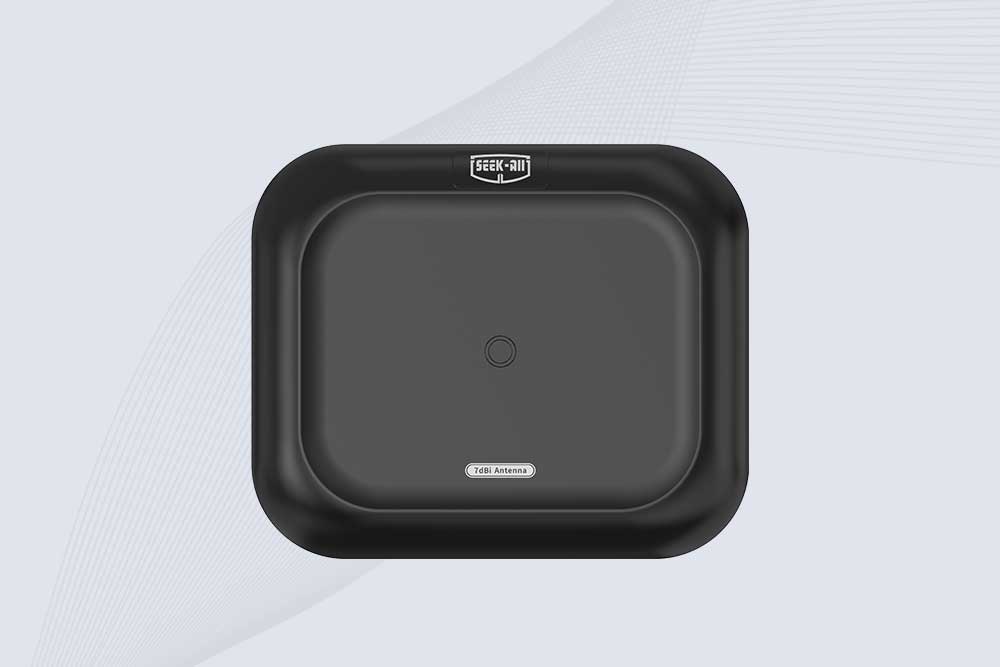
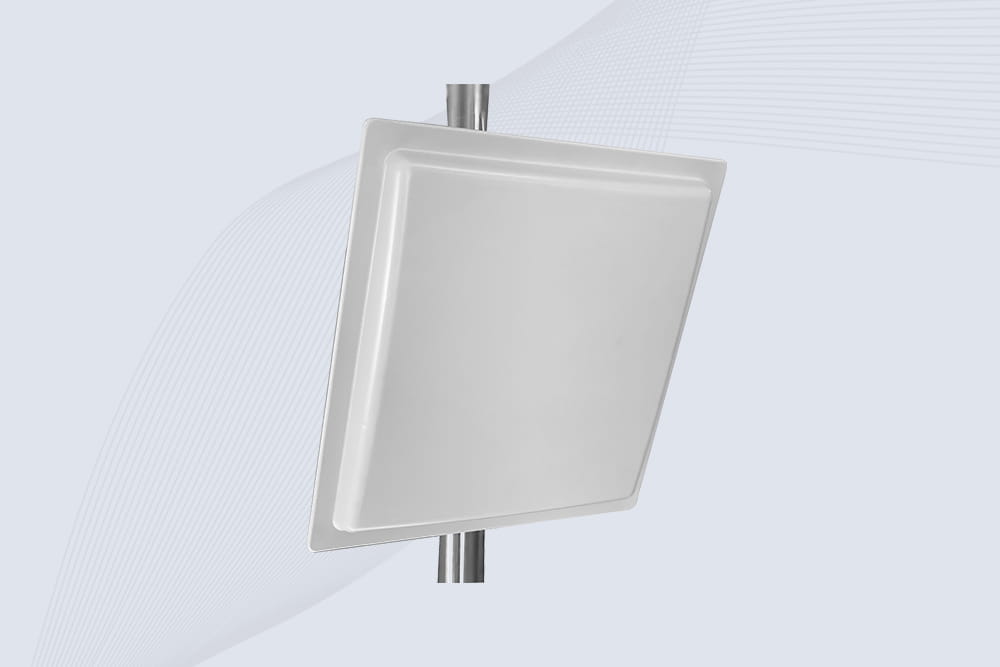
Explore the SSD-A07 UHF RFID antenna with 7 dBi gain, circular polarization, adjustable 840–960 MHz frequency, and 60°/75° beamwidth for stable RFID read/write performance.
SSD-A06 UHF RFID antenna with circular polarization, adjustable 840–960 MHz frequency, ≥4.5 dBi gain, and a compact directional design for RFID systems.
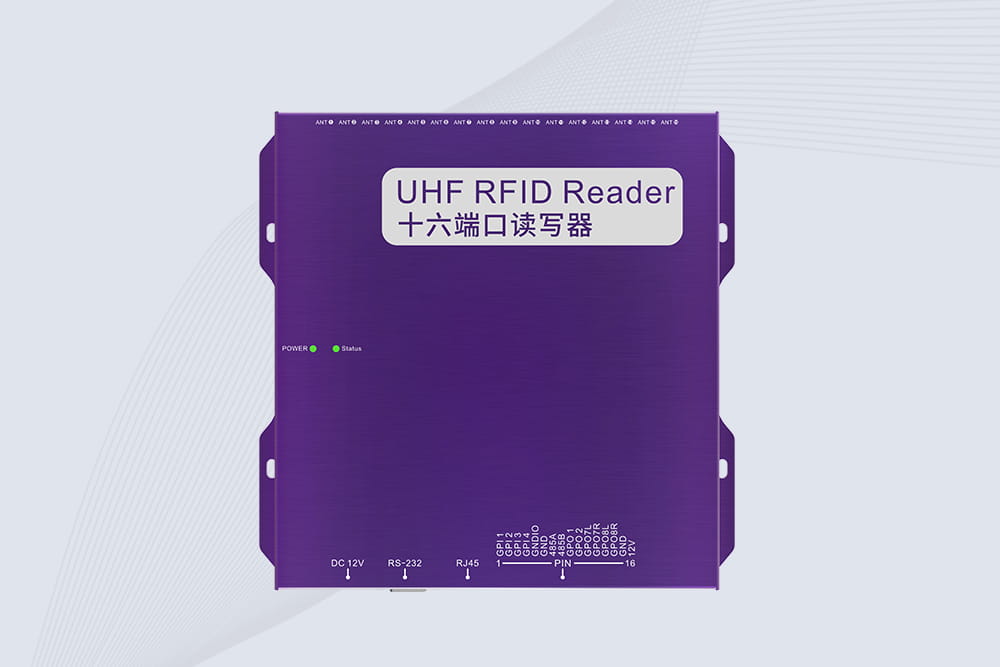
SSD-R16L Multi-Channel RFID Infrastructure for Automated Inventory Management ✔️ 16-Port High-Density RFID Reading Equipped with 16 SMA antenna ports, SSD-R16L supports multi-antenna deployment for warehouses, retail stores, logistics, production lines, and large-area RFID identification. ✔️ High-Speed & Long-Range Performance With up to 33…
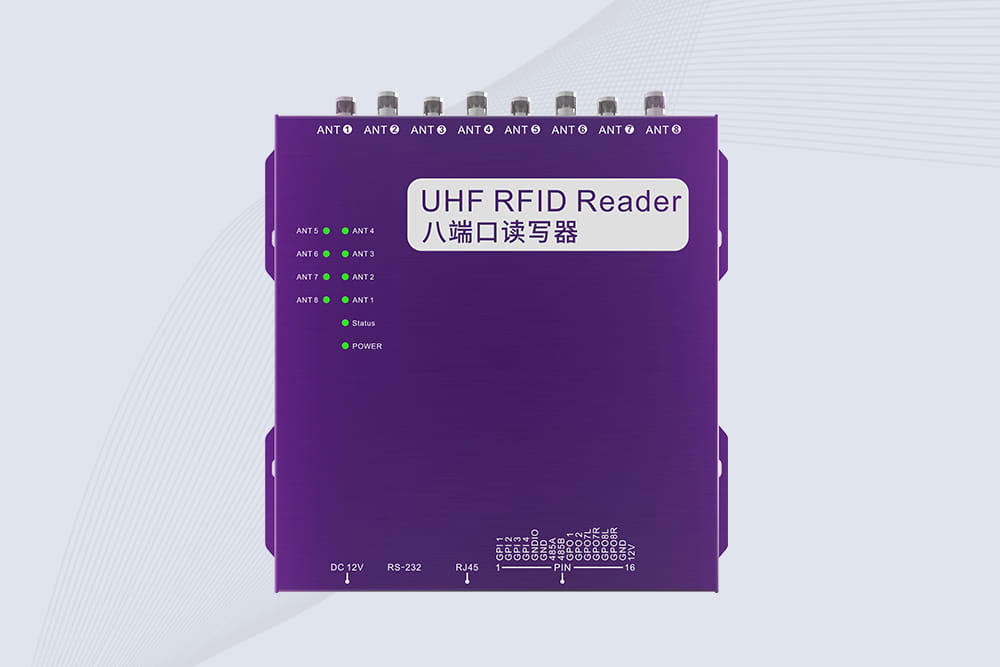
SSD-R8L 8-port UHF RFID reader with 33dBm output, up to 20m reading range and 600+ tags/s recognition. Ideal for warehouse, logistics, retail and asset tracking.
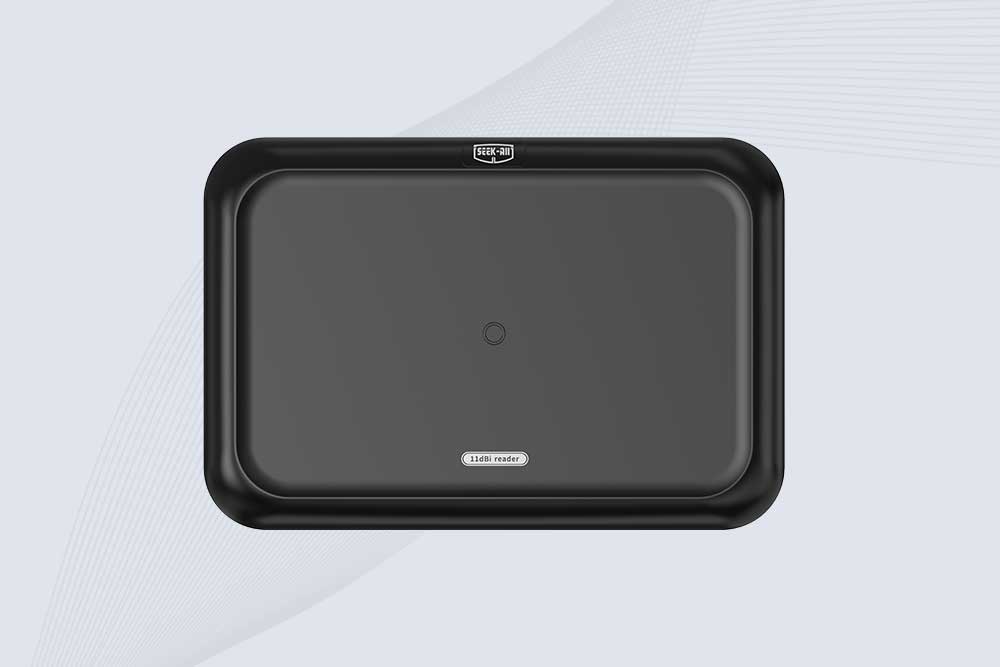
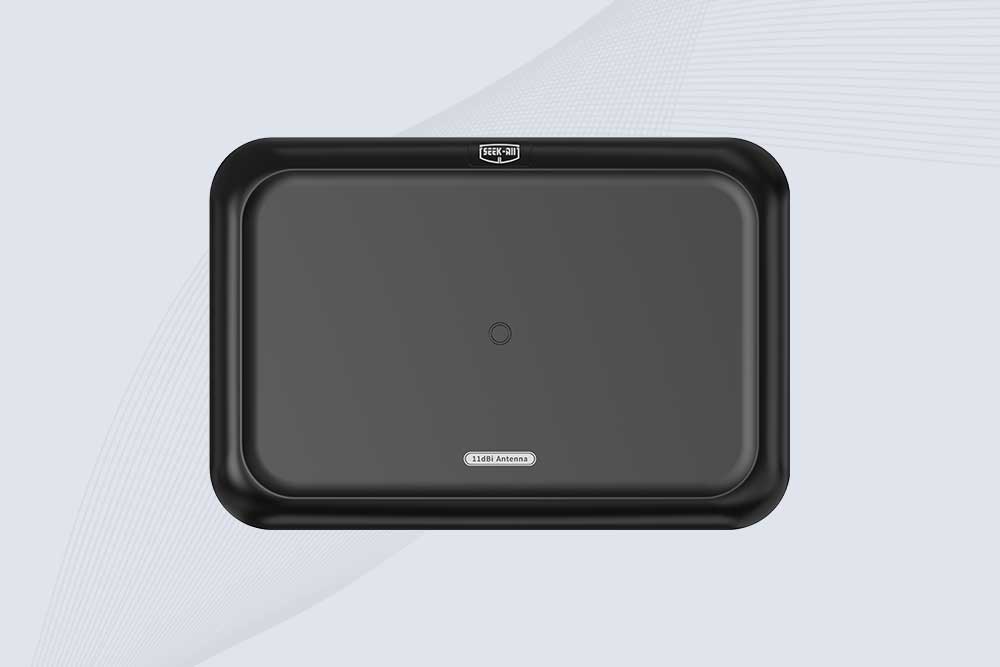
Cykeo CYKEO-A11 UHF RFID reader antenna delivers 11dBi gain, 840-960MHz frequency range, and IP65 ruggedness for retail, logistics, and industrial RFID systems. Features low VSWR and easy installation.
CYKEO Antenna RFID Reader delivers stable long-range UHF performance with a 10.5dBi directional design, built for warehouses, conveyor portals, and industrial RFID systems. This rfid reader antenna provides 20m+ read distance and rugged IP67 protection.
Cykeo CYKEO-A5B industrial Linear RFID Antenna delivers 5dBi gain, ≤1.5:1 VSWR, and IP65 rugged design for warehouse, production line, and logistics UHF systems.
Cykeo’s CYKEO-B12 Long Range RFID Antenna delivers 15m+ read range with 12dBi gain, IP65 rugged design, and global 840-960MHz UHF support. Ideal for warehouse/logistics asset tracking.
Cykeo CYKEO-B10 Long Distance RFID Antenna offers 10dBi gain, 840-960MHz frequency range, IP65 rating, and 20m+ coverage for logistics/warehousing/ETC systems. Low VSWR ensures stable signal transmission.
Cykeo CYKEO-A6 UHF RFID panel antenna features 6dBi gain, 840-960MHz broadband, IP65 metal-ready housing for logistics/smart retail. 18mm ultra-thin design with tool-free mounting.
Cykeo CK-A3 industrial antenna RFID UHF offers 5m+ tag detection, ≤1.3:1 VSWR, IP65 rugged design, and global UHF spectrum compatibility (840-960MHz) for warehouses, factories, and retail.
Cykeo CYKEO-B5 directional RFID antenna provides 5dBi gain with 60° narrow beamwidth for precise inventory tracking. IP65-rated, global UHF frequency support, and low VSWR.
Create your own high-performance DIY RFID antenna! 5dBi gain, 840-960MHz tunable, step-by-step guides. Compatible with Arduino, Raspberry Pi, and commercial UHF readers.
Cykeo CYKEO-A7 Flexible RFID Antenna features 840-960MHz wideband tuning, 7dBi gain, and IP68 rating for medical/retail/industrial curved surface deployments. 98% read accuracy with peel-and-stick installation.
Cykeo CYKEO-B5A industrial Passive RFID Antenna delivers 5dBi gain, 70° beamwidth, and -40°C~55°C operation for warehouses/smart cabinets. Compatible with Zebra/Impinj readers.
Cykeo’s CYKEO-A9B High Gain RFID Antenna delivers 15m+ read range with 9dBi amplification. Features IP54 rugged design, 840-960MHz bandwidth, and 80° beamwidth for warehouse/manufacturing RFID systems.
Cykeo’s enterprise-grade 8dbi Impinj RFID Antenna 10m+ read range with 840-960MHz tuning. Features IP65 housing, 1.4 VSWR, 35° beamwidth for retail/warehouse RFID systems.
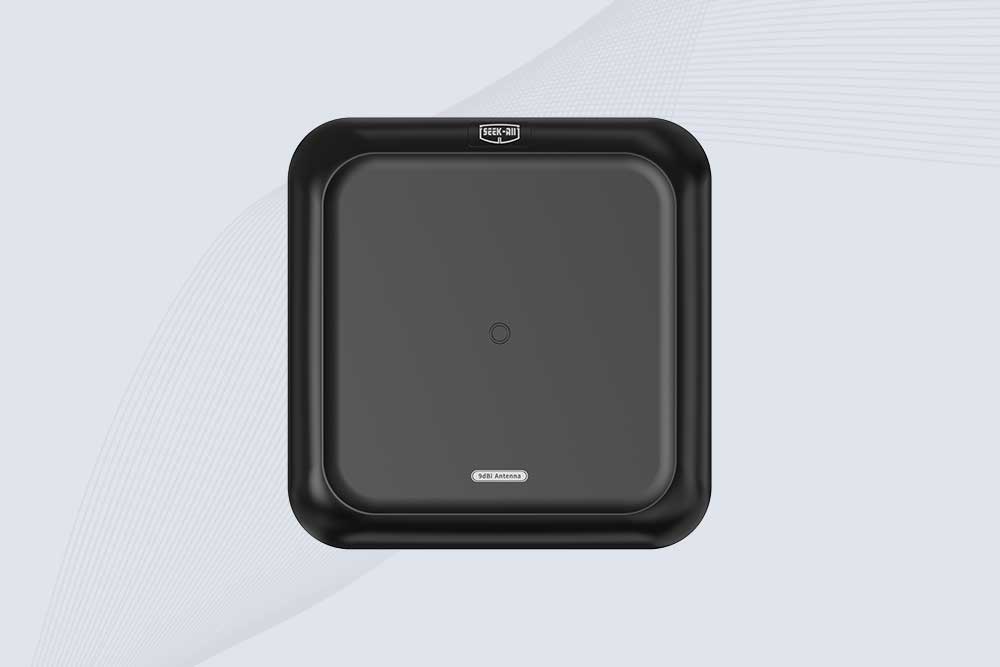
Cykeo CYKEO-A9 industrial UHF RFID antenna delivers 9dBi gain, 840-960MHz frequency range, and IP65 protection for warehouse/logistics/retail RFID systems. Features N-type connector and ≤1.3:1 VSWR.
CYKEO UHF RFID Antenna built for long-distance and industrial applications. This antenna rfid uhf delivers strong gain, outdoor durability, and reliable tag performance in warehouses, yards, and vehicle ID systems.
CYKEO Antenna RFID delivers reliable long-range UHF performance in warehouses, retail shelves, and cold-chain environments. This compact uhf rfid antenna provides stable reads with circular polarization and ultra-wide 840–960 MHz support, ideal for industrial tracking, smart shelves, and asset monitoring.
Cykeo’s CYKEO-C8 UHF RFID antennas delivers 8dBi gain, 840-960MHz full-band coverage, and IP65 ruggedness for manufacturing/warehouse RFID systems. Industrial RFID Antennas Features
Cykeo’s 8dBi UHF RFID antenna and reader kit delivers 10m+ range, 840-960MHz broadband, and IP65 ruggedness for factories, warehouses, and logistics. ISO 18000-6C & EPC Gen2 certified.
Cykeo’s CYKEO-A12C UHF Large RFID Antenna delivers 12dBi gain, 840-960MHz global frequency, IP65 ruggedness for logistics/warehousing/automotive. 40° beamwidth ensures stable 15m+ tag reads.
CYKEO Near Field RFID Antenna provides precise 5–30 cm reading for shelves, cabinets, and workstations. This compact rfid shelf antenna delivers stable short-range performance around metal and clutter, ideal for pharmacies, libraries, and electronics sorting.
Cykeo’s industrial long range RFID reader delivers 20-meter scanning, 500+ tags/sec speed, and IP67 waterproof design for automated warehouses, logistics, and harsh environment applications.
Cykeo’s CYKEO-RA6L industrial RFID long range reader features 20m read distance, 500 tags/sec speed, and IP67 protection. Ideal for warehouse automation, manufacturing WIP tracking, and smart logistics. Supports ISO 18000-6C/6B protocols.
CYKEO Long Range RFID Tag Reader built for outdoor and industrial operations. This Outdoor RFID Reader delivers 20m read distance, fast tag processing, and IP67 durability for wide-area tracking.
Cykeo CYKEO-RA12L industrial Long Range RFID Reader delivers 20m read range, 200+ tags/sec scanning, and IP67 protection for manufacturing/logistics applications. Supports ISO 18000-6C/GB protocols.
Cykeo CYKEO-C1 industrial Forklift RFID Reader features 20m read range, 600 tags/sec scanning, Impinj R2000 chipset, and IP67 rugged design. Ideal for warehouse logistics and manufacturing. Supports ISO 18000-6C/6B protocols.
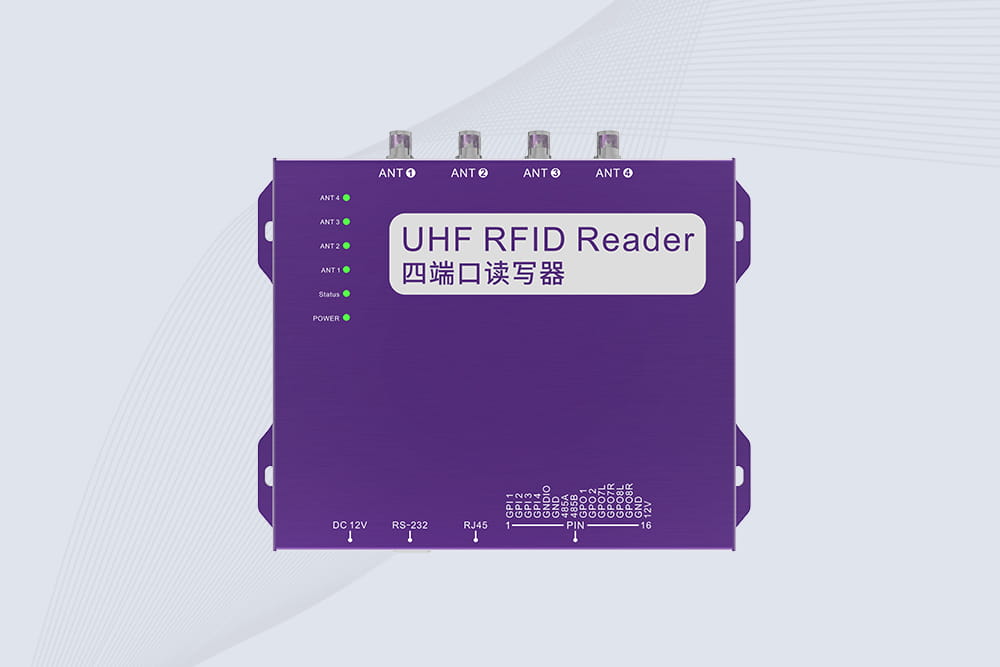
Cykeo CYKEO-R4 industrial UHF RFID Fixed Reader features 4 TNC ports, 400+ tags/sec speed, IP67 housing, and global frequency compliance for vehicle inspection, smart warehouse, and asset management systems.
CYKEO CYKEO-R8L Fixed RFID Reader with 8-port UHF design, Impinj-based RF core and up to 20m read range. An industrial Fixed RFID Reader for vehicle inspection, warehouse portals, smart manufacturing lines and secure access checkpoints.
RFID Fixed Reader from CYKEO – the CYKEO-R16L 16-port UHF fixed reader for warehouses, smart cabinets, and production lines. Long-range, multi-tag reading, stable performance for 24/7 industrial use.
Understand the key differences between passive and active RFID antennas, their pros and cons, and how to select the best option for industrial, retail, or logistics applications.
Learn what is rfid card technology, how RFID cards work, and how Cykeo RFID solutions support secure identification, smart access, and card management applications.
A practical developer-level breakdown of RFID tools tracking systems used in factories and workshops. Learn system architecture, RFID tool cabinets, edge data processing, and ERP integration for industrial asset management solutions. OEM and B2B i...
Learn how UHF RFID sled readers work, what to look for when selecting one, and how solution providers can choose the best model for logistics, warehousing, and asset management projects. A hands-on, experience-based guide — not marketing fluff.
 Cykeo RFID IoT Solution Products R&D Manufacturer