 Cykeo RFID IoT Solution Products R&D Manufacturer










RFID in Retail: How to Streamline Inventory and Enhance Customer Experience
1076Discover how RFID technology transforms retail operations—reduce stockouts, improve inventory accuracy, and deliver seamless customer experiences.
MoreAll RFID Product
RFID antennas are the unsung heroes of wireless tracking, but choosing between passive and active systems can feel like picking a fight between a bicycle and a sports car—both move you forward, but only one fits your terrain. Whether you’re tracking 10widgetsor10,000 assets, understanding these technologies’ strengths and limits is critical. Let’s break down the specs, costs, and real-world applications to help you decide.
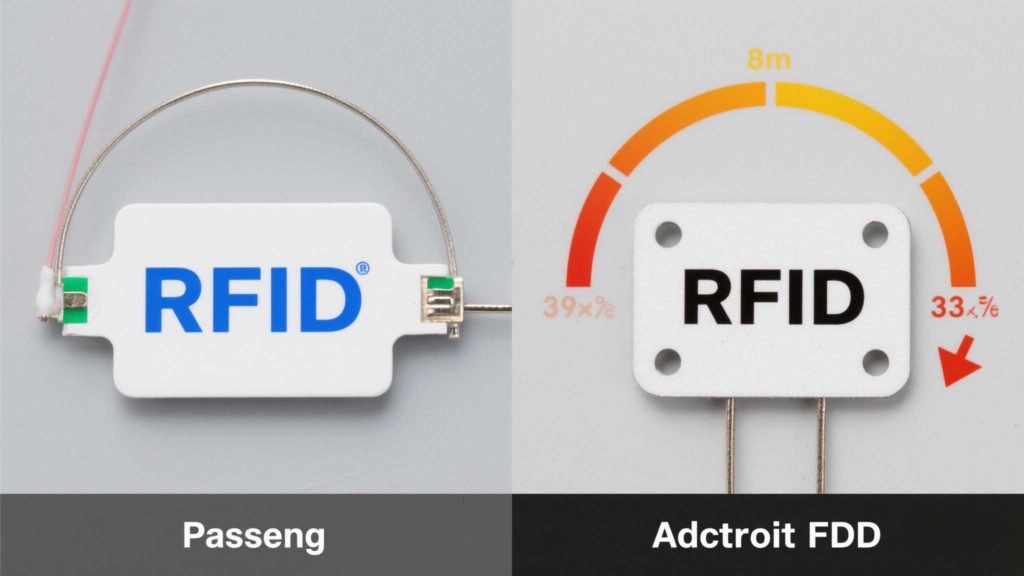
Passive RFID Antennas:
Active RFID Antennas:
Key Takeaway: Passive systems are “question-and-answer,” while active systems are “shout-and-listen.”
| Factor | Passive RFID | Active RFID |
|---|---|---|
| Lifespan | Unlimited (no battery) | 3–7 years (battery-dependent) |
| Data Capacity | 128 bits–4 KB | Up to 1 MB |
| Update Frequency | Reader-dependent | Real-time (e.g., every 5 seconds) |
| Durability | Weatherproof options available | Sensitive to extreme temperatures |
Break-Even Point: Active systems often justify costs when tracking 1,000+ high-value items or needing real-time updates.
Passive RFID Shines In:
Active RFID Dominates:
Cykeo Hybrid Solution: Cykeo’s dual-mode readers support both passive and active tags, letting warehouses scan pallets (passive) while monitoring forklifts (active).
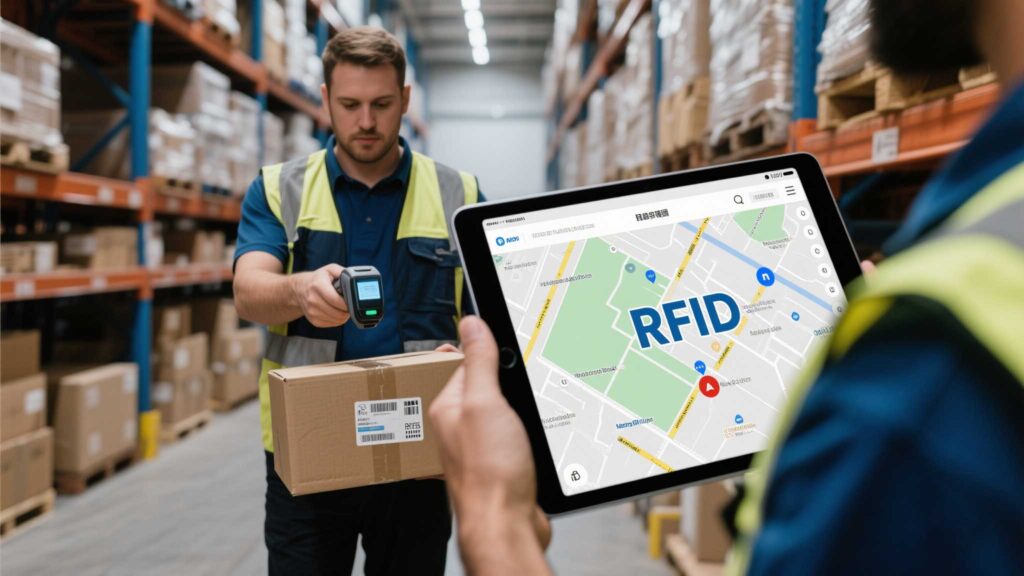
Fix for Passive: Use specialized tags (e.g., on-metal or ruggedized) and high-power readers.
Final Takeaway: Passive RFID is your go-to for cost-effective, high-volume tracking. Active RFID earns its keep when real-time visibility saves time, safety, or revenue. For many, a hybrid approach—using Cykeo’s adaptable systems—offers the best of both worlds without vendor lock-in.

Discover how RFID technology transforms retail operations—reduce stockouts, improve inventory accuracy, and deliver seamless customer experiences.
More
Learn how to streamline healthcare asset tracking with handheld RFID scanners. Discover best practices for inventory management, compliance, and reducing equipment loss.
More
Discover the differences between RFID and Beacon technologies, including how they work, ideal applications, and why businesses choose Cykeo for hybrid solutions.
More
RFID and healthcare solutions improve medical inventory accuracy, reduce manual workload, and enable real-time UHF tracking for surgical consumables and hospital assets.
More