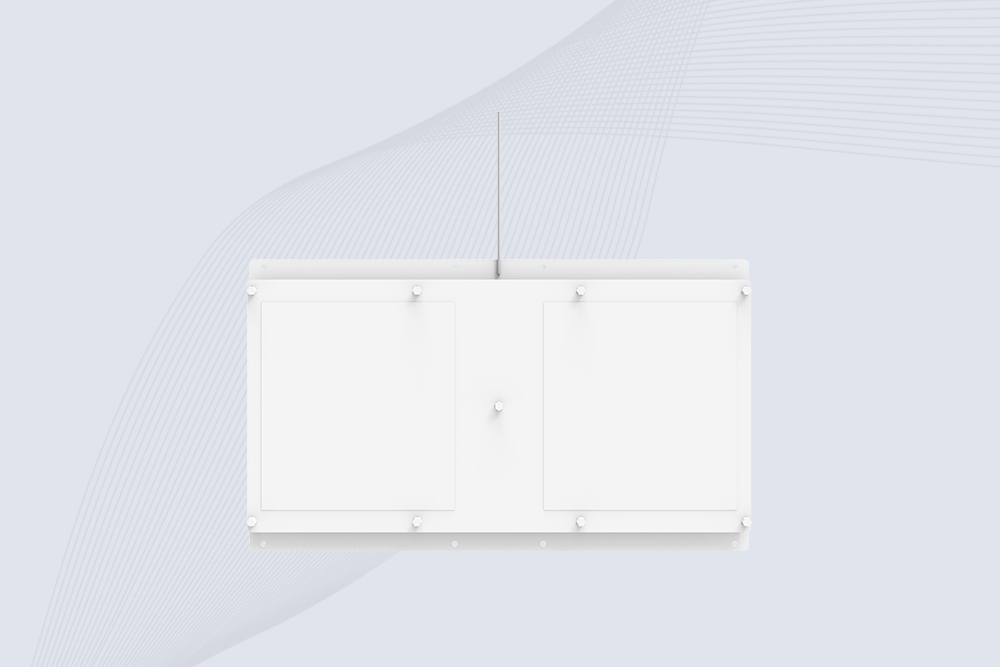
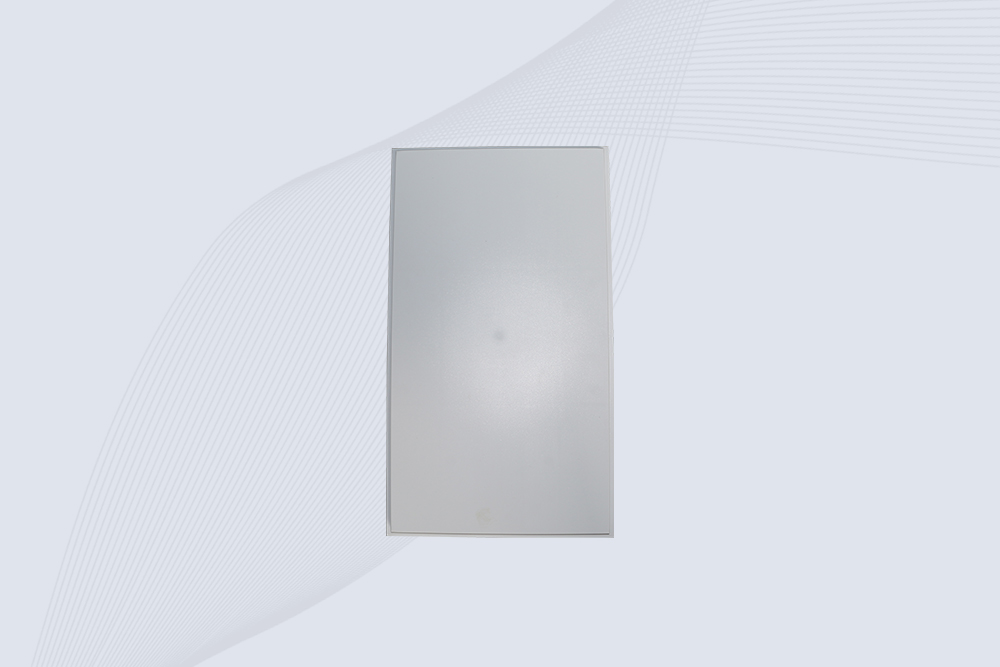
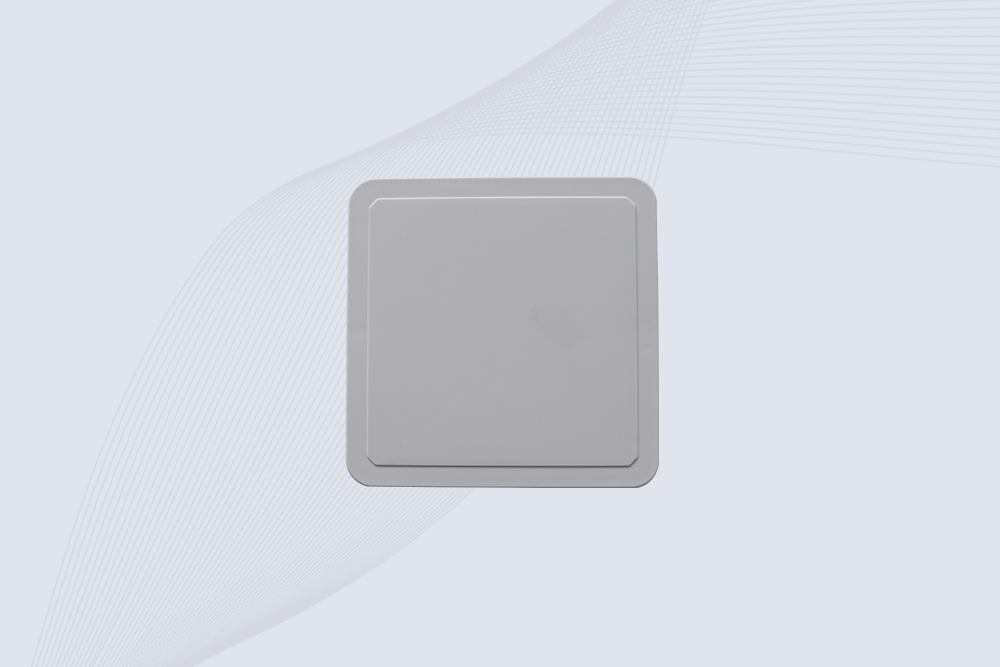
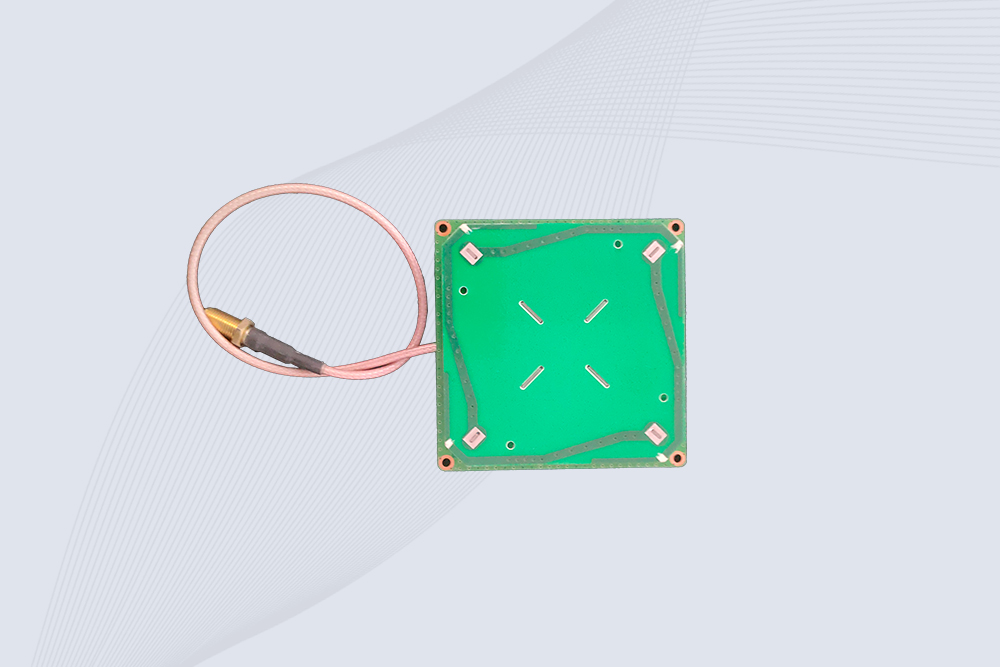
An RFID tag can look like a small adhesive label, plastic card, key fob, hard industrial tag, or compact embedded module. Its appearance depends on the RFID frequency, antenna design, mounting surface, application, and required reading performance.
The most important point is simple: there is no single physical appearance for an RFID tag.
Walk through a warehouse and an RFID tag may look almost identical to an ordinary shipping label. In a retail environment, it may be hidden inside a product label. Attached to steel equipment, it can become a thick, rigid plastic tag. On a badge, the RFID inlay may be completely concealed.
The visible shell is only part of the story.
Inside the tag are the RFID chip and antenna. GS1 describes an RFID tag, or transponder, as typically consisting of an integrated circuit connected to an antenna. The antenna receives energy and communicates with the reader, while the chip stores and processes identification information.
What Does an RFID Tag Actually Look Like?
The most common visual forms include:
RFID Tag Type
Typical Appearance
Common Application
RFID Label
Thin adhesive sticker
Inventory, cartons, retail
RFID Inlay
Flexible film structure
Embedded labels and packaging
RFID Card
Plastic card
Access, identification
Hard RFID Tag
Rigid plastic enclosure
Asset tracking
On-Metal RFID Tag
Thick, durable tag
Tools, machinery
Key Fob Tag
Small plastic fob
Access and identification
RFID Wristband
Flexible band
Events, healthcare
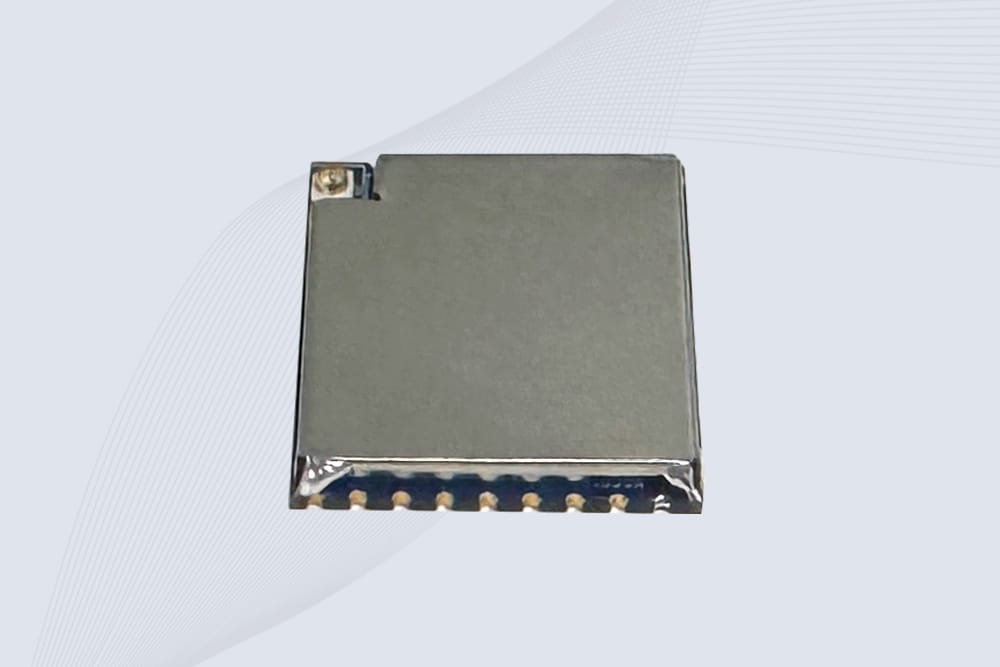
Embedded RFID Module
Compact electronic assembly
OEM equipment
The shape is determined by the job.
A label designed for a cardboard carton does not need the mechanical protection required by a tag mounted on a steel tool.
That distinction becomes obvious during real deployment.
RFID Labels
The familiar RFID label is probably the easiest tag to overlook.
It can resemble an ordinary barcode sticker, with printed information on the outside and an RFID inlay underneath.
GS1 notes that RAIN RFID tags can be integrated into labels and attached to individual trade items, cases, pallets, and other physical objects.
This is one reason RFID can be introduced without dramatically changing packaging.
The warehouse worker sees a label.
The RFID reader sees something else entirely.
UHF RFID Tags: The Shape Is Often Controlled by the Antenna
For UHF RFID, the antenna is a major factor in the tag’s physical design.
A label may contain a long, narrow antenna pattern. Another tag may use a compact folded geometry because the available mounting area is small.
The chip itself can be tiny.
The antenna usually determines much more of the visible or physical footprint.
GS1’s UHF RFID guidance identifies passive UHF RFID as a key technology for RAIN RFID applications and notes that performance depends on factors including tag design, orientation, reader power, and the surrounding environment.
That explains why two tags using the same general RFID technology can look completely different.
A Tag for Cardboard
A thin adhesive label is usually sufficient.
A Tag for Steel
The tag may need a spacer or specialized construction to separate the antenna from the conductive surface.
A Tag for Outdoor Equipment
The enclosure may be rigid, sealed, and mechanically protected.
Same basic identification principle.
Very different physical product.
Why Some RFID Tags Are Thick
A common question is why an RFID tag sometimes looks like a small plastic block rather than a sticker.
The answer is usually the environment.
When the tag must survive:
Outdoor exposure
Impact
Abrasion
Moisture
Industrial cleaning
Metal mounting
Repeated handling
a thin paper label may not survive long enough.
Industrial RFID tags can therefore use:
ABS or other engineering plastics
Encapsulated electronics
Reinforced housings
Industrial adhesives
Screw or rivet mounting
Specialized antenna structures
For example, a tag attached to a maintenance tool may be designed more like a small industrial component than a shipping label.
That physical difference is intentional.
What Does an On-Metal RFID Tag Look Like?
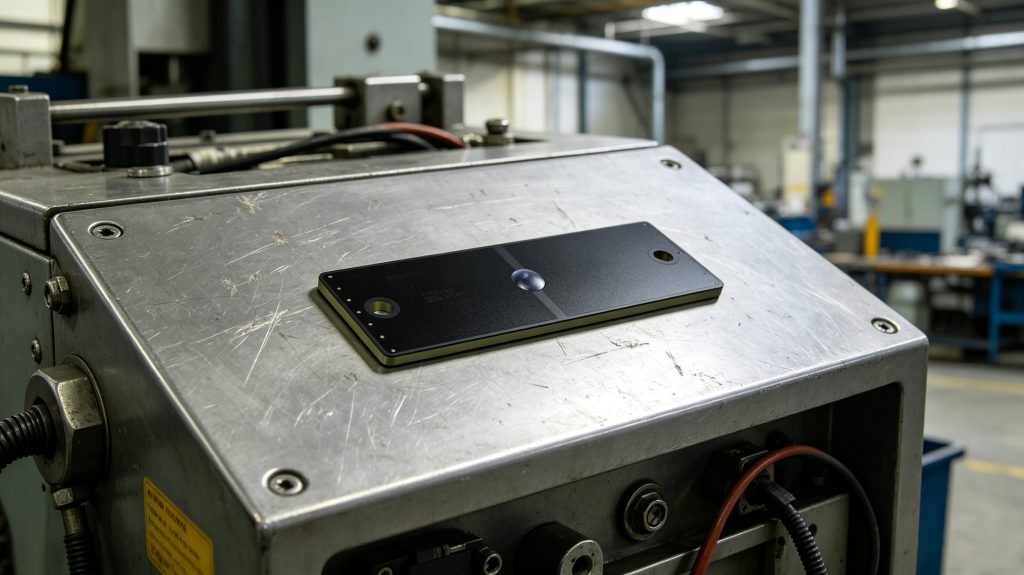
An on-metal RFID tag is often thicker than a conventional RFID label.
It may appear as:
A rectangular plastic block
A hard label with mounting holes
A screw-mounted tag
A rugged adhesive tag
A small industrial puck
The extra structure is related to RF behavior.
Metal can alter the electromagnetic environment around an RFID antenna. GS1 explains that metal can reflect and diffract electromagnetic waves and that specialized RFID tags are available for use on metal surfaces.
This is why simply sticking an ordinary UHF label onto a steel cabinet can produce disappointing results.
The tag may still look perfectly normal.
The RF performance may not be.
Field Observation
One of the easiest mistakes to make during an RFID pilot is to test the tag on a desk, confirm that it reads well, and then immediately attach it to the final asset.
That skips the most important physical variable.
The mounting surface.
A cardboard test surface tells you very little about how the same tag will behave against steel, aluminum, machinery, or a liquid-filled container.
RFID Tag Size Is Not Standardized
There is no universal RFID tag dimension.
Depending on the application, tags can be:
Smaller than a postage label
Similar to a shipping label
Credit-card sized
Key-fob sized
Several centimeters thick in rugged applications
Integrated directly into another product
The physical dimensions should be treated as an engineering constraint rather than a fixed RFID specification.
A small tag can be desirable when appearance matters.
A larger antenna can be preferable when reading performance is more important.
That trade-off is often visible before the electronics are.
RFID tags can take very different physical forms depending on the product, mounting surface, and operating environment.
RFID Frequency Also Changes the Tag’s Appearance
RFID tags should not all be visually grouped together because frequency changes the physical design and application environment.
LF RFID
Low-frequency RFID tags are commonly associated with applications such as animal identification and access-related systems.
HF RFID
High-frequency RFID tags are widely used in cards, tickets, documents, and NFC-related applications.
UHF RFID
UHF RFID tags are particularly common in:
Warehouses
Logistics
Retail inventory
Manufacturing
Asset management
Pallet tracking
GS1 identifies LF, HF, and UHF as distinct RFID frequency categories, each with different technical characteristics and application areas.
So when someone asks, “What does an RFID tag look like?” the technically correct answer begins with another question:
Which RFID technology and what physical object is being tagged?
The RFID Chip Is Usually Not the Whole Tag
Another common misconception is that the tiny visible chip is the RFID tag.
It is not.
The chip is one component of the tag.
A simplified UHF RFID tag consists of:
RFID IC + Antenna + Substrate/Carrier + Optional Protective Housing
The antenna can occupy most of the tag’s physical area.
This matters when selecting a tag for a product.
A tag may appear visually simple while its antenna geometry has been carefully designed around:
Frequency
Required read range
Polarization
Mounting material
Available surface area
Environmental conditions
GS1’s RFID architecture distinguishes the transponder from the reader and antenna system, emphasizing that the tag’s antenna and integrated circuit work together during communication.
What Should You Check Before Choosing an RFID Tag?
Don’t choose based on appearance alone.
Check these points:
RFID frequency
Protocol compatibility
Mounting surface
Required read range
Tag orientation
Environmental exposure
Mechanical durability
Required memory
Attachment method
Actual reader compatibility
For industrial projects, I normally treat the mounting surface as an early selection criterion rather than something to solve after purchasing the tags.
A tag that looks ideal in a product catalog can become the wrong tag the moment it meets a steel enclosure.
Cykeo RFID Tag Selection
Cykeo RFID solutions can be configured around different application requirements, including UHF RFID identification for inventory, logistics, manufacturing, tools, assets, and industrial equipment.
The important consideration is not whether a tag looks “RFID enough.”
It is whether its:
antenna + chip + housing + mounting method
match the environment where it will actually operate.
For UHF applications, Cykeo readers support widely used standards such as ISO 18000-6C / EPC C1G2, allowing compatible tags to be incorporated into broader identification systems.
In practice, the best tag is often the least noticeable one.
A shipping label should still look like a shipping label.
An industrial asset tag should survive the asset’s environment.
The RFID technology sits underneath that physical requirement.
What Does an RFID Tag Look Like in Practice?
A quick visual guide:
If You See…
It May Be…
Typical Use
Thin white sticker
RFID label
Cartons and products
Clear flexible film
RFID inlay
Embedded packaging
Credit-card shape
HF RFID card
Identification/access
Small plastic block
Hard RFID tag
Tools/assets
Thick tag on steel
On-metal RFID tag
Machinery
Small plastic loop
RFID key fob
Access/identification
Flexible wristband
RFID wristband
Events/healthcare
Protected industrial enclosure
Rugged RFID tag
Outdoor assets
The appearance tells you something about the application.
It does not, by itself, tell you how well the tag will perform.
That requires looking at the antenna, chip, reader, mounting surface, and RF environment together.
Authoritative Reference Data
GS1 explains that RFID tags typically contain an integrated circuit connected to an antenna and describes how passive tags receive energy from readers.
GS1 also explains how RAIN RFID tags can be used at item, case, and pallet levels across supply-chain applications.
For difficult surfaces, GS1 specifically discusses the effects of metal and water on RFID performance and the need for appropriately designed tags.
These references are more useful than generic claims about RFID tags being “small” because physical appearance and RF performance are not the same thing.
FAQ: RFID Tag Appearance
1. What does a typical RFID tag look like?
A typical RFID tag may look like a thin adhesive label with a concealed antenna and chip. However, RFID tags can also be cards, key fobs, wristbands, hard plastic tags, or rugged industrial tags.
2. Are all RFID tags the same size?
No. RFID tag dimensions vary according to frequency, antenna design, required performance, mounting surface, and application.
3. Can an RFID tag look like a barcode label?
Yes. Many UHF RFID labels are designed to look similar to conventional printed labels and may include both human-readable information and a barcode.
4. What does an on-metal RFID tag look like?
An on-metal RFID tag is often thicker and more rigid than a standard RFID label. It may have a plastic housing, mounting holes, adhesive backing, or another structure designed to maintain RF performance on metal.
5. Can an RFID tag be hidden?
Yes. RFID inlays can be incorporated into labels, packaging, cards, products, and other objects. The tag does not necessarily need to remain visibly exposed.
6. What is inside an RFID tag?
Most RFID tags contain an integrated circuit and antenna. Depending on the application, the assembly may also include a substrate, adhesive, protective layer, enclosure, or specialized mounting structure.
7. Does RFID tag appearance affect performance?
Indirectly, yes. Physical dimensions and antenna design affect RF behavior, while housing and mounting construction can influence performance on metal, near liquids, or in demanding environments.
How RFID Tag Construction Affects Its Appearance
The visible shape of an RFID tag is usually a consequence of its antenna, mounting surface, protection requirements, and application.
A thin retail label and a rugged industrial tag may use the same basic UHF RFID principle, yet look completely different.
For passive UHF RFID, the antenna is particularly important because it determines much of the tag’s physical footprint and RF behavior. NIST notes that higher-frequency RFID systems generally offer greater operating range and faster tag-reading capability, while antenna configuration directly affects coverage.
The RFID Inlay
Inside many adhesive RFID labels is an inlay.
The inlay normally combines:
RFID IC
Metal antenna
Substrate
Connection between chip and antenna
The finished label may then add:
Paper or synthetic face stock
Adhesive
Protective coating
Printed graphics
Barcode or human-readable text
So the white rectangle that a warehouse employee sees is not necessarily the RFID component itself.
It is the packaging around the inlay.
That distinction becomes important when a tag needs to be redesigned for a smaller surface, a different material, or a more demanding environment.
Why RFID Tags Have Different Shapes
There is no universal RFID tag shape.
The antenna needs to fit the physical object.
A long carton may accommodate a conventional rectangular inlay. A narrow tool may require a slim tag. A metal asset may need a rigid housing with a specific separation from the conductive surface.
The U.S. Federal Highway Administration notes that RFID tag size is directly related to antenna size and associated read range.
That gives a useful practical rule:
Smaller is not automatically better.
Reducing the tag footprint can impose constraints on antenna design and reading performance.
Common Shapes
Shape
Typical Tag Form
Suitable Application
Rectangle
Adhesive label
Cartons, products
Long narrow strip
Slim RFID label
Cables, narrow assets
Square
Hard or label tag
Equipment
Round
Industrial tag
Containers, tools
Card
HF RFID card
Access, identification
Key fob
Compact molded tag
Access control
Wristband
Flexible tag
Events, healthcare
Embedded module
Custom form
OEM equipment
The right shape is the one that fits the physical workflow without compromising RF performance.
Why On-Metal RFID Tags Look Different
Metal is one of the clearest reasons an RFID tag may become thicker.
A conventional UHF label is generally designed for non-metallic surfaces. When placed directly against metal, the electromagnetic behavior around the antenna changes.
GS1 explains that metallic objects reflect and diffract electromagnetic waves and can make conventional RFID tags inoperable. Specialized on-metal tags use different packaging and antenna designs to work on metallic objects.
An on-metal tag may therefore contain additional physical structure.
You may see:
A foam or spacer layer
A rigid plastic enclosure
A specialized antenna
A raised mounting surface
Screw holes
Industrial adhesive
Encapsulated electronics
It looks thicker because the RF problem is different.
On-metal RFID tags use specialized construction to maintain reliable RF performance when attached directly to conductive surfaces.
RFID Tags and Water-Based Products
Liquid creates a different RF challenge.
GS1 explains that water and liquids can absorb electromagnetic energy and detune RFID tags, reducing sensitivity and potentially reducing read performance. Dedicated antenna designs can mitigate some of these effects.
This matters for products such as:
Bottled beverages
Cosmetics
Medical fluids
Chemical containers
Food products
Liquid-filled industrial containers
A tag that works well on an empty cardboard box may behave differently when placed directly against a liquid-filled bottle.
The visual appearance may barely change.
The RF behavior can.
That is why application testing should use the actual product, not just a similar-looking test object.
Does a Larger RFID Tag Read Farther?
Not automatically, but physical size can matter.
The Federal Highway Administration states that RFID tag size directly relates to antenna size and associated read range.
A larger antenna can provide more design freedom, but performance still depends on:
Antenna geometry
Chip sensitivity
Frequency
Polarization
Reader power
Reader sensitivity
Tag orientation
Mounting material
Environmental interference
GS1 reports that RAIN RFID can capture identifiers at distances well beyond 10 meters in suitable applications, without line-of-sight contact.
That does not mean every small tag will reach that distance.
Nor does a large tag guarantee it.
The physical tag has to be matched to the complete RF system.
RFID Tag Appearance by Industry
Warehouse and Logistics
The most common appearance is a thin adhesive label.
It can be:
White
Printed
Barcode-compatible
Applied to cartons
Applied to pallets
Integrated into shipping labels
The tag is intentionally unobtrusive.
Retail
Retail RFID tags may be integrated into:
Garment labels
Price labels
Hang tags
Packaging
Product identification labels
The customer may never notice the RFID component.
Manufacturing
Industrial RFID tags tend to be more rugged.
You may see:
Hard plastic housings
On-metal tags
Screw-mounted tags
Heat-resistant tags
Chemical-resistant tags
The physical design follows the manufacturing environment.
Asset Management
Asset tags vary considerably.
A lightweight plastic asset may use an adhesive label.
A steel tool may require an on-metal tag.
A high-value outdoor asset may need a weather-resistant enclosure.
This is why “best RFID tag” is usually the wrong question.
The better question is:
Best RFID tag for what object, material, environment, and reading distance?
How Cykeo RFID Solutions Fit Different Tag Formats
Cykeo UHF RFID readers are designed to work with standardized UHF RFID tags rather than requiring one proprietary physical tag appearance.
Depending on the application, compatible tags can be used for:
Inventory management
Pallet tracking
Tool management
Manufacturing
Asset tracking
Logistics
Equipment identification
OEM integration
Cykeo readers supporting ISO 18000-6C / EPC C1G2 can be paired with appropriate UHF tags selected for the application.
The reader does not care whether the tag looks like a paper label or a rugged industrial block.
The RF interface and tag characteristics are what matter.
RFID Tag Selection: A Practical Checklist
Before ordering thousands of tags, check the following.
1. What Is the Surface?
Cardboard, plastic, glass, wood, steel, aluminum, or something else?
2. Does the Product Contain Liquid?
If yes, test the actual product configuration.
3. How Will the Tag Be Attached?
Adhesive, rivet, screw, embedded, sewn, or laminated?
4. How Fast Will the Object Move?
A stationary asset and a pallet moving through a portal impose different requirements.
5. What Reading Distance Is Required?
Do not specify a 10-meter tag when the real application only needs 1 meter—or assume a 1-meter laboratory test will work at a 10-meter dock.
6. How Long Must the Tag Survive?
Consider abrasion, moisture, temperature, chemicals, impact, and cleaning.
7. What Reader Will Be Used?
Tag and reader should be tested together.
8. What Happens in the Actual Environment?
NIST specifically identifies antenna placement and coverage as important RFID deployment considerations and notes that antennas can be configured for particular application areas.
What I Look for During RFID Tag Testing
In a real project, I would not evaluate only whether a tag reads once.
I want to know:
Does it read repeatedly?
Does it read from the required angle?
Does it work when attached to the actual object?
Does performance change when the object moves?
Does a nearby metal surface affect it?
Does a liquid-filled product change the result?
Can the reader distinguish the intended tag population?
Does the tag remain physically attached after repeated handling?
NIST’s RFID work on interference measures both tag-reading success rate and throughput, demonstrating why RFID testing needs measurable performance criteria rather than a simple yes/no reading test.
GS1 likewise recommends testing RFID solutions against the actual environment and notes that metal objects can create reflections that make reading difficult or cause the wrong object to be read.
That is the level at which tag selection becomes reliable.
Frequently Asked Questions
1. Can RFID tags be different shapes?
Yes. RFID tags can be rectangular, square, circular, card-shaped, flexible, key-fob shaped, or custom-designed. Their shape is primarily influenced by antenna geometry, mounting surface, application requirements, and durability.
2. Are RFID tags visible?
Sometimes. A conventional RFID label may be visible as a printed sticker, while the RFID inlay itself is hidden underneath. RFID components can also be embedded inside cards, packaging, labels, or products.
3. Why are some RFID tags thick?
Thicker RFID tags are often designed for difficult environments such as metal surfaces, outdoor assets, industrial equipment, or applications requiring mechanical protection. The additional housing can also support specialized antenna structures.
4. Can an RFID tag be placed on metal?
Yes, but a conventional RFID label may not perform properly when directly attached to metal. GS1 recommends specialized tag designs for metallic environments because metal can reflect and diffract RF energy.
5. Does RFID tag size affect read range?
It can. The Federal Highway Administration notes that tag size is directly related to antenna size and associated read range. However, read range also depends on reader power, antenna characteristics, tag sensitivity, orientation, and the surrounding environment.
6. Can RFID tags be hidden inside products?
Yes. RFID inlays can be integrated into labels, packaging, cards, and other products. The physical tag does not need to be externally visible as long as the RF design and mounting conditions allow reliable communication.
7. How do I choose the right RFID tag?
Start with the physical object rather than the tag catalog. Identify the material, mounting surface, required read distance, movement speed, environmental exposure, durability requirements, and reader platform. Then test the selected tag on the actual product.
SEO Conclusion
The answer to how does rfid tag look like is broader than a picture of a small electronic label.
An RFID tag can be almost invisible—a thin adhesive inlay beneath a printed label—or deliberately substantial, such as a rugged on-metal tag bolted to industrial equipment.
The physical appearance reflects the engineering problem.
Cardboard needs a different tag from steel. A retail garment needs a different construction from an outdoor machine. A compact asset tag has different constraints from a pallet label.
That is why experienced RFID deployment starts with the object, not the catalog photograph.
Cykeo RFID systems can support standardized UHF RFID deployments using compatible tag formats for inventory, logistics, manufacturing, tools, and asset management. The tag’s physical form can then be selected around the actual environment.
So, if someone asks how does rfid tag look like, the most accurate answer is:
It looks like whatever physical form the application requires—but inside that form are carefully engineered RF components designed to communicate reliably with the reader.
Explore the SSD-A07 UHF RFID antenna with 7 dBi gain, circular polarization, adjustable 840–960 MHz frequency, and 60°/75° beamwidth for stable RFID read/write performance.
SSD-A06 UHF RFID antenna with circular polarization, adjustable 840–960 MHz frequency, ≥4.5 dBi gain, and a compact directional design for RFID systems.
SSD-D3AL is a USB-HID UHF RFID reader with 0–30 cm reading, 0–15 cm writing, over 600 tags/s recognition, USB plug-and-play operation and OEM Logo customization.
SSD-D1AL is a compact USB UHF RFID reader with Impinj E710/X3M1 chipset, USB-HID, 600+ tags/s recognition, 4/8/16 antenna support and plug-and-play USB power.
SSD-R16L Multi-Channel RFID Infrastructure for Automated Inventory Management ✔️ 16-Port High-Density RFID Reading Equipped with 16 SMA antenna ports, SSD-R16L supports multi-antenna deployment for warehouses, retail stores, logistics, production lines, and large-area RFID identification. ✔️ High-Speed & Long-Range Performance With up to 33…
SSD-R8L 8-port UHF RFID reader with 33dBm output, up to 20m reading range and 600+ tags/s recognition. Ideal for warehouse, logistics, retail and asset tracking.
CYKEO CYKEO-D1LA USB RFID Reader is a compact desktop solution with near-field control for precise tag reading and encoding. Powered by USB, supporting ISO 18000-6C, and built for stable batch writing, this usb rfid tag reader fits retail, libraries, offices, and controlled RFID encoding tasks.
CYKEO CYKEO-D1L RFID scanner USB is a compact desktop UHF RFID scanner designed for short-range tag writing and verification. This usb rfid scanner supports batch encoding, stable 0–26 dBm output, and works across Windows, Linux, and Android systems.
CYKEO CYKEO-D1C USB RFID Card Reader is a near-field UHF desktop writer designed for secure, short-range tag encoding. With USB-C connectivity and stable 26 dBm output, this rfid reader usb c is ideal for badge issuance, label encoding, and controlled desktop RFID workflows.
CYKEO CYKEO-D2L RFID Reader USB is a compact desktop encoder built on the Impinj R500 chip. With near-field control and stable USB power, this usb rfid card reader delivers precise tag writing for offices, retail counters, and small-scale logistics encoding tasks.
CYKEO CYKEO-D3L USB RFID Tag Reader delivers stable UHF tag reading and writing for daily desktop and light industrial tasks. Designed for controlled short-range operation, this USB RFID Tag Reader works reliably with rfid tag and reader systems in libraries, tool tracking, and inventory registration.
The CYKEO CYKEO-D4L UHF RFID Tag Reader is a stable Desktop RFID Reader designed for accurate tag registration, borrowing, and return workflows. Built with the Impinj R2000 chip, this UHF RFID Tag Reader delivers controlled short-range reads for libraries, asset tracking, and inventory management environments.
The CYKEO CYKEO-D5L Desktop RFID Card Reader is a stable UHF RFID Card Reader designed for controlled short-range reading and writing. Built for libraries, tool rooms, and asset desks, this UHF RFID Card Reader supports dense tag handling, secure data processing, and easy USB integration.
The CYKEO CYKEO-D6L RFID Reader Writer is a heavy-duty Desktop RFID Reader designed for short-range, high-accuracy tag programming. Built for libraries, labs, and asset desks, this RFID Reader Writer supports batch processing, stable 33dBm output, and seamless integration with existing management systems.
Cykeo CYKEO-D8A embedded RFID badge reader offers 30+ tags/sec scanning, 20cm anti-crosstalk precision, and DC 12V power for unmanned stores, warehouses, and smart inventory systems.
Cykeo’s CYKEO-D8C UHF RFID gate reader achieves 200-tag/batch scanning with adjustable power control, ideal for retail inventory and smart warehouse management.
CYKEO Embedded RFID Modules are designed for compact industrial and IoT devices that require stable UHF performance. These UHF RFID Modules support global protocols, flexible power control, and reliable multi-tag reading for smart cabinets, production lines, and asset tracking systems.
CYKEO Embedded RFID Module is built for compact IoT and industrial devices that need stable UHF performance. This UHF module supports global protocols, low power operation, and reliable multi-tag reading for smart lockers, production lines, and always-on RFID systems.
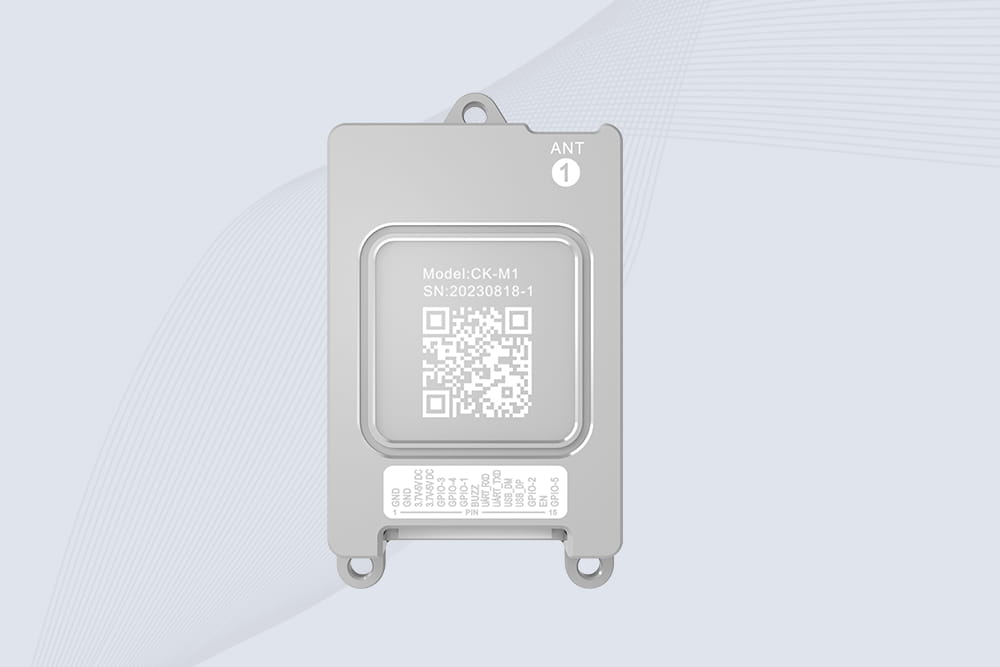
CYKEO CYKEO-M1 drone rfid module is a compact UHF RFID reader module designed for drones and UAV platforms. It supports long-range aerial scanning, fast multi-tag reading, and stable performance in wind, vibration, and outdoor environments.
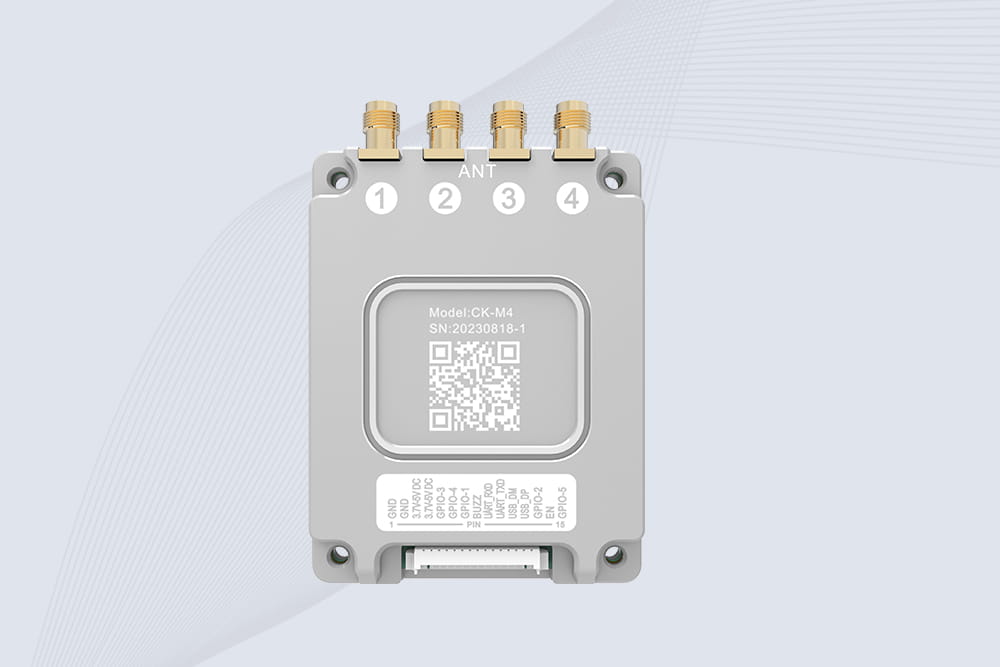
CYKEO CYKEO-M4 RC522 RFID Module is an industrial-grade UHF RFID reader with 4 ports, supporting ISO, EPC, and GB protocols. High-speed, accurate reading for IoT, automation, and warehouse applications.
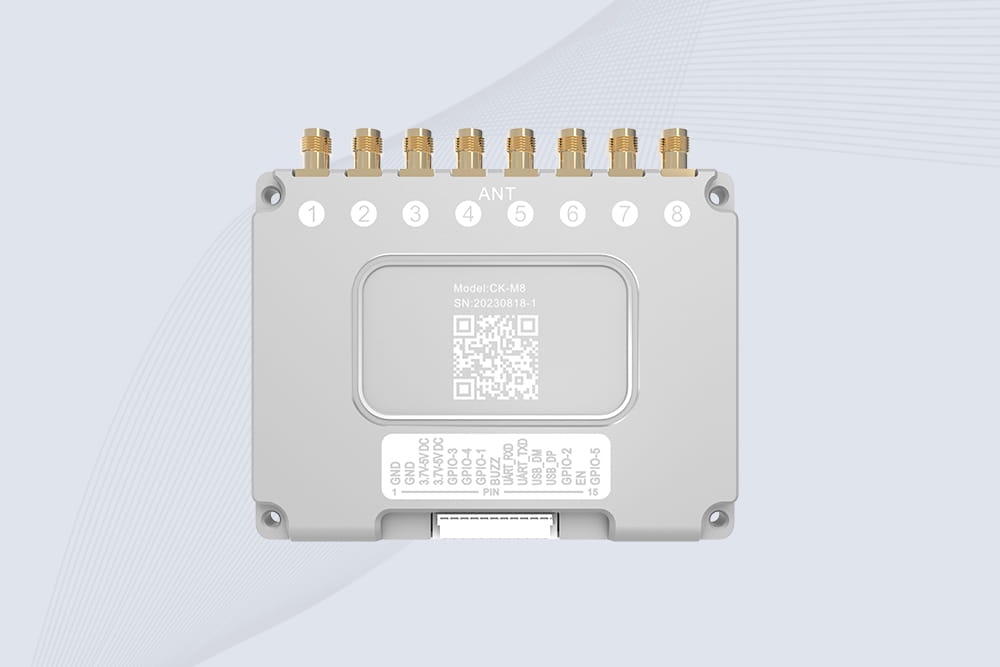
CYKEO CYKEO-M8 Module RFID is an 8-port UHF R2000 RFID Module designed for high-density, multi-tag environments. Stable 33dBm output, ISO & GB protocol support, ideal for warehouses, factories, and automated systems.
CYKEO CYKEO-M16 RFID Module is a 16-port UHF RFID reader module based on the R2000 chipset. Designed for dense tag environments, it supports ISO and GB standards and delivers stable multi-antenna control for industrial automation.
The CYKEO CYKEO-M16L RFID Reader Module is a 16-channel UHF RFID core designed for dense tag environments. With adjustable 33dBm output, multi-protocol support, and stable multi-antenna control, this RFID Tag Reader Module fits industrial automation, warehouse systems, and large-scale IoT deployments.
CYKEO CYKEO-M8L module RFID is a compact industrial UHF module built for dense tag and multi-antenna environments. With 8 RF ports, adjustable 33 dBm output, and ISO & GB protocol support, it is widely used in factories, warehouses, and automated tracking systems.
CYKEOCYKEO-M4L UHF RFID Module is a compact 4-channel RFID tag reader module designed for dense tag environments. Supporting ISO and GB protocols, it delivers stable reads up to 10 meters for industrial and IoT systems.
Cykeo CYKEO-A11 UHF RFID reader antenna delivers 11dBi gain, 840-960MHz frequency range, and IP65 ruggedness for retail, logistics, and industrial RFID systems. Features low VSWR and easy installation.
CYKEO Antenna RFID Reader delivers stable long-range UHF performance with a 10.5dBi directional design, built for warehouses, conveyor portals, and industrial RFID systems. This rfid reader antenna provides 20m+ read distance and rugged IP67 protection.
Cykeo CYKEO-A5B industrial Linear RFID Antenna delivers 5dBi gain, ≤1.5:1 VSWR, and IP65 rugged design for warehouse, production line, and logistics UHF systems.
Cykeo’s CYKEO-B12 Long Range RFID Antenna delivers 15m+ read range with 12dBi gain, IP65 rugged design, and global 840-960MHz UHF support. Ideal for warehouse/logistics asset tracking.
Cykeo CYKEO-B10 Long Distance RFID Antenna offers 10dBi gain, 840-960MHz frequency range, IP65 rating, and 20m+ coverage for logistics/warehousing/ETC systems. Low VSWR ensures stable signal transmission.
Cykeo CYKEO-A6 UHF RFID panel antenna features 6dBi gain, 840-960MHz broadband, IP65 metal-ready housing for logistics/smart retail. 18mm ultra-thin design with tool-free mounting.
Cykeo CK-A3 industrial antenna RFID UHF offers 5m+ tag detection, ≤1.3:1 VSWR, IP65 rugged design, and global UHF spectrum compatibility (840-960MHz) for warehouses, factories, and retail.
Cykeo CYKEO-B5 directional RFID antenna provides 5dBi gain with 60° narrow beamwidth for precise inventory tracking. IP65-rated, global UHF frequency support, and low VSWR.
Create your own high-performance DIY RFID antenna! 5dBi gain, 840-960MHz tunable, step-by-step guides. Compatible with Arduino, Raspberry Pi, and commercial UHF readers.
Cykeo CYKEO-A7 Flexible RFID Antenna features 840-960MHz wideband tuning, 7dBi gain, and IP68 rating for medical/retail/industrial curved surface deployments. 98% read accuracy with peel-and-stick installation.
Cykeo CYKEO-B5A industrial Passive RFID Antenna delivers 5dBi gain, 70° beamwidth, and -40°C~55°C operation for warehouses/smart cabinets. Compatible with Zebra/Impinj readers.
Cykeo’s CYKEO-A9B High Gain RFID Antenna delivers 15m+ read range with 9dBi amplification. Features IP54 rugged design, 840-960MHz bandwidth, and 80° beamwidth for warehouse/manufacturing RFID systems.
Cykeo’s enterprise-grade 8dbi Impinj RFID Antenna 10m+ read range with 840-960MHz tuning. Features IP65 housing, 1.4 VSWR, 35° beamwidth for retail/warehouse RFID systems.
Cykeo CYKEO-A9 industrial UHF RFID antenna delivers 9dBi gain, 840-960MHz frequency range, and IP65 protection for warehouse/logistics/retail RFID systems. Features N-type connector and ≤1.3:1 VSWR.
CYKEO UHF RFID Antenna built for long-distance and industrial applications. This antenna rfid uhf delivers strong gain, outdoor durability, and reliable tag performance in warehouses, yards, and vehicle ID systems.
CYKEO Antenna RFID delivers reliable long-range UHF performance in warehouses, retail shelves, and cold-chain environments. This compact uhf rfid antenna provides stable reads with circular polarization and ultra-wide 840–960 MHz support, ideal for industrial tracking, smart shelves, and asset monitoring.
Cykeo’s CYKEO-C8 UHF RFID antennas delivers 8dBi gain, 840-960MHz full-band coverage, and IP65 ruggedness for manufacturing/warehouse RFID systems. Industrial RFID Antennas Features
Cykeo’s 8dBi UHF RFID antenna and reader kit delivers 10m+ range, 840-960MHz broadband, and IP65 ruggedness for factories, warehouses, and logistics. ISO 18000-6C & EPC Gen2 certified.
As urbanization accelerates and living standards rise, waste management has become a growing concern. One of the key challenges is efficient waste sorting and recycling. RFID (Radio Frequency Identification) technology, as an advanced information ...
Compare RFID antenna gain, beam width, and polarization to choose the right UHF RFID antenna. Learn the real differences between 6dBi, 9dBi, and 12dBi antennas, plus circular vs linear polarization for warehouse, logistics, and industrial applicat...
Discover actionable strategies to extend your RFID reader’s scanning range. Optimize antenna placement, reduce interference, and boost efficiency with Cykeo’s expert insights.
Learn how to use RFID reader devices for fast, accurate scanning. Discover setup, operation, and optimization tips for desktop and handheld RFID systems.
 Cykeo RFID IoT Solution Products R&D Manufacturer