 Cykeo RFID IoT Solution Products R&D Manufacturer
RFID Fixed Reader vs Handheld Reader: Which One Should You Choose?
122Compare RFID fixed readers and handheld readers in terms of cost, efficiency, and applications. Find out which RFID solution is right for your project.
MoreAll RFID Product
RFID location tracking works by using RFID tags, readers, antennas, and positioning algorithms to identify where tagged objects are located and when they move through monitored areas. Unlike GPS-based tracking, RFID determines location through reader detection zones, signal characteristics, and system-level positioning logic.
During RFID deployments I have worked with, the most important discovery was that location accuracy does not come from the tag alone. The tag is only the identifier. The real intelligence comes from how readers are positioned, how antenna coverage is designed, and how software interprets every detection event.
A warehouse floor can look simple from a layout drawing, but once forklifts, metal racks, pallets, and moving workers enter the environment, radio behavior changes. RFID location tracking must be engineered around the actual movement path, not only the technical specifications listed on a product sheet.
RFID location tracking begins when an RFID tag attached to an item communicates with a reader.
The basic process includes:
The location method depends on the RFID system architecture.
Some systems determine location by identifying which reader detected the tag. For example, if a tagged medical cart is detected by the reader near Ward A, the software can associate that asset with that area.
More advanced systems combine multiple readers, antenna zones, signal strength analysis, and positioning algorithms to provide more precise location information.
RFID and GPS solve different tracking problems.
GPS relies on satellite positioning and works well for outdoor movement. RFID is designed for controlled environments such as warehouses, hospitals, factories, libraries, and retail facilities.
| Feature | RFID Location Tracking | GPS Tracking |
|---|---|---|
| Primary environment | Indoor and controlled areas | Outdoor environments |
| Power requirement | Passive tags can operate without batteries | Usually requires powered devices |
| Typical accuracy | Zone-level to several-meter accuracy depending on design | Outdoor positioning accuracy |
| Infrastructure | RFID readers and antennas | Satellites and GPS receivers |
| Best applications | Assets, inventory, tools, equipment | Vehicles, outdoor fleets |
For indoor asset management, RFID often provides better practical value because many facilities already have defined movement areas where readers can be strategically installed.
Fixed rfid readers are installed at important points such as:
When a tagged item passes through these zones, the reader records the event.
For example, a manufacturing facility may install RFID readers between production stages. When a tagged work-in-progress container moves from machining to inspection, the system records the transition automatically.
RFID portals create controlled detection zones.
A typical warehouse application uses readers around dock doors. When tagged pallets pass through the doorway, the system captures the movement event and updates inventory or asset location records.
This approach is common because the location logic is simple:
The challenge is controlling the read boundary. A reader that captures tags from neighboring areas can create inaccurate location records.

RFID location accuracy depends on several engineering factors.
Reader position directly affects location resolution.
A warehouse using only one reader may know that an item entered a building but cannot determine its exact storage location. Adding more readers creates additional detection zones.
Antennas control how radio signals spread.
Incorrect antenna direction can cause unwanted reads from nearby shelves. Proper antenna selection helps create predictable detection areas.
Different objects require different RFID tags.
Metal equipment, liquid containers, clothing, plastic products, and cardboard cartons all interact differently with RF signals. Industrial RFID deployments often require testing before large-scale installation.
The RFID reader provides detection data. The software converts those events into meaningful location information.
A professional RFID location system may include:
In practical projects, the question customers ask first is usually:
“Can RFID show the exact location of every item?”
The answer depends on the system design.
RFID is not magic indoor GPS. A well-designed RFID system provides reliable location awareness by creating intelligent detection zones. For many industrial applications, knowing that a tool is in Workshop A, a pallet is at Dock 3, or a medical device is on Floor 2 delivers more operational value than chasing centimeter-level positioning.
Cykeo focuses on this practical approach by combining UHF RFID readers, antenna design, adjustable RF parameters, and integration capability for real operational environments.
Cykeo RFID location tracking solutions are designed around one practical principle: location visibility depends on accurate RF event capture, not only the RFID tag itself.
In industrial environments, a location system must handle real conditions:
A reliable RFID location tracking architecture normally combines:
GS1 explains that RFID systems use radio waves to automatically capture identification data from tagged objects, including products, cartons, cases, and physical assets, creating visibility throughout their lifecycle.
Cykeo UHF RFID readers are developed for industrial scenarios where stable reading performance, communication flexibility, and integration capability are required. Depending on the application, readers can support:
The engineering focus is not simply increasing reading distance. A good location system needs predictable coverage.
A warehouse manager does not need a reader that detects every tag within the entire building. They need a system that can answer practical questions:
“Did this tool leave the maintenance room?”
“Did this pallet enter Dock 4?”
“Is this medical device still inside the authorized area?”
“Which production zone currently holds this container?”
That is the difference between RFID identification and RFID location tracking.
Asset tracking is one of the most common RFID location applications.
Factories, hospitals, laboratories, and transportation companies often manage thousands of movable assets. Manual searches consume labor and create unnecessary downtime.
RFID helps organizations monitor:
For example, in a hospital environment, RFID can help staff locate mobile equipment such as infusion pumps or wheelchairs. The value is not only knowing the location; it is reducing the time employees spend searching.
Warehouses use RFID location tracking to improve visibility of:
GS1 notes that RFID warehouse systems can automatically identify products entering, moving through, and leaving warehouse operations without requiring manual line-of-sight scanning.
A typical warehouse workflow may look like:
| Movement Event | RFID Location Result |
|---|---|
| Truck unloading | Item detected at receiving zone |
| Quality inspection | Inventory assigned to inspection area |
| Storage placement | Item location updated |
| Picking | Product movement recorded |
| Shipping | Outbound confirmation created |
Manufacturing environments often struggle with work-in-progress visibility.
A production container may move through:
Raw Material → Processing → Assembly → Testing → Packaging → Finished Goods
Without automatic identification, production managers often rely on manual updates.
RFID location tracking allows each movement event to become digital data.
This supports:
GS1’s traceability standards emphasize that serialized identification combined with visibility events provides higher traceability precision because an individual object can be associated with specific locations and process events.
One of the most misunderstood topics is RFID location accuracy.
RFID does not always mean centimeter-level positioning.
The achievable accuracy depends on the technology:
The simplest approach identifies the last reader that detected the tag.
Example:
If Reader B detects the tag, the system knows the item is inside that area.
Advanced systems combine multiple reader signals to estimate position.
Factors may include:
Research from NIST describes RFID localization approaches using signal strength information and notes challenges including interference and multipath effects.
Active RFID-based RTLS solutions can provide more continuous location information because powered tags periodically transmit signals.
The right architecture depends on the business requirement.
A warehouse tracking pallet zones may not require the same precision as tracking surgical equipment inside a hospital.
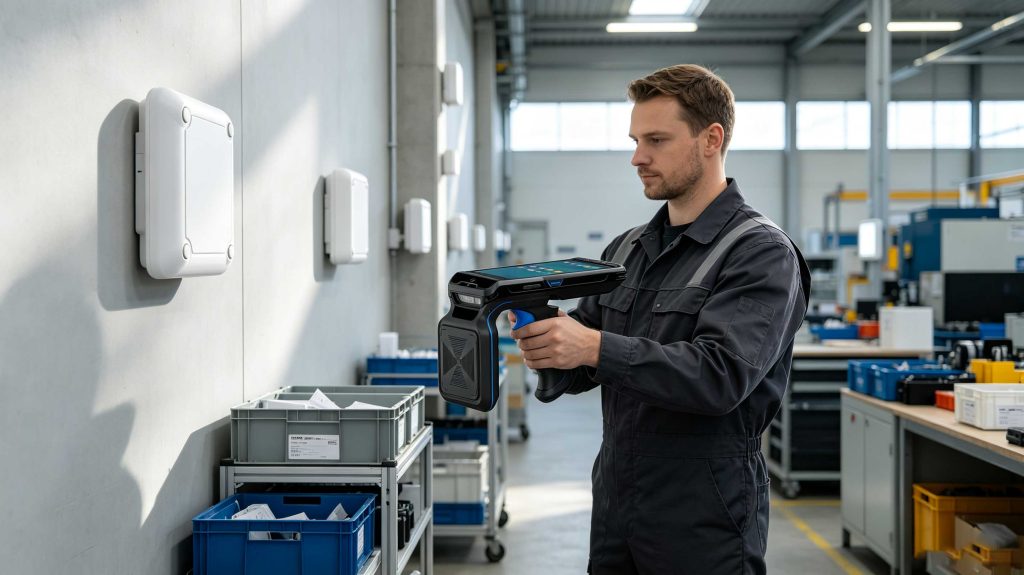
A successful RFID location project begins before hardware installation.
The first step is understanding the movement.
During deployment planning, engineers usually evaluate:
Questions include:
The physical environment affects performance.
Important factors include:
Different applications need different accuracy levels.
Examples:
RFID readers generate events.
The business system decides what those events mean.
Integration allows organizations to create functions such as:
RFID location tracking works by attaching RFID tags to objects and using readers, antennas, and software algorithms to determine where those tagged objects are located within monitored areas.
No. Traditional passive RFID usually provides zone-level identification rather than satellite-style positioning. More advanced RFID RTLS systems can provide more precise location information depending on the technology and environment.
A complete system normally includes RFID tags, readers, antennas, software platforms, databases, and integration interfaces.
Yes. RFID is widely used for indoor asset tracking in warehouses, hospitals, factories, and logistics facilities.
Accuracy depends on system design. Reader-zone systems provide area-level visibility, while advanced RTLS solutions can achieve much higher precision. Environmental factors strongly influence results.
Yes. RFID can record movement events when tagged objects pass through monitored zones such as doors, production stations, and warehouse checkpoints.
For location visibility, RFID provides advantages because tags can be detected automatically without direct scanning. Barcodes still remain useful for many identification tasks.
How does RFID location tracking work? RFID location tracking works by combining tagged objects, RFID readers, antennas, and software intelligence to create visibility into where assets and inventory move.
The strongest RFID systems are not built by simply selecting the longest-range reader. They are built by understanding movement patterns, controlling read zones, selecting suitable tags, and integrating reliable location data into operational systems.
Cykeo provides UHF RFID reader solutions designed for warehouses, manufacturing environments, asset tracking projects, and industrial automation scenarios. Through controlled RF design, flexible interfaces, and application-focused deployment, RFID location tracking becomes a practical tool for improving visibility, reducing searching time, and managing valuable assets more efficiently.
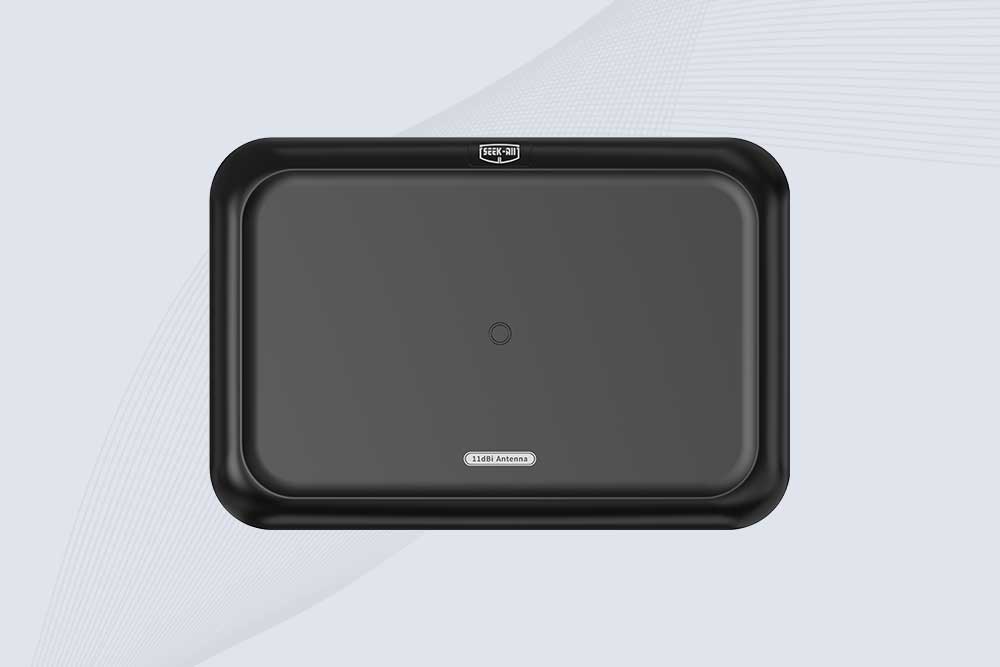
SSD-A11 UHF RFID antenna features 840–960 MHz adjustable frequency, ≥10.5 dBi gain, circular polarization and 50Ω impedance for fixed RFID systems.
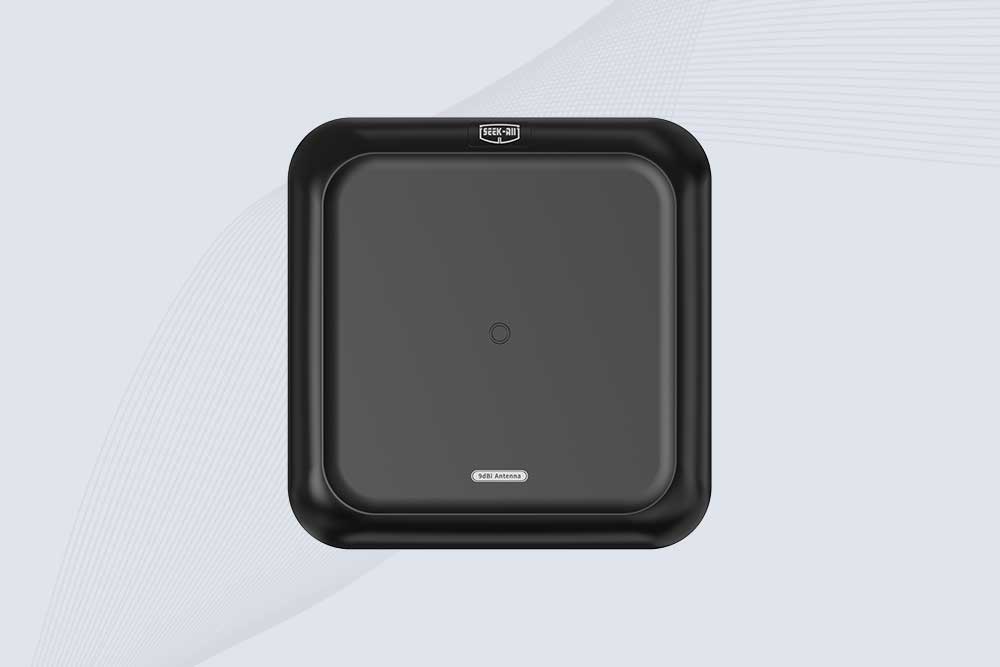
SSD-A09 is a 9 dBi UHF RFID antenna with 840–960 MHz adjustable frequency, circular polarization, 50Ω impedance and directional 60° × 60° coverage.
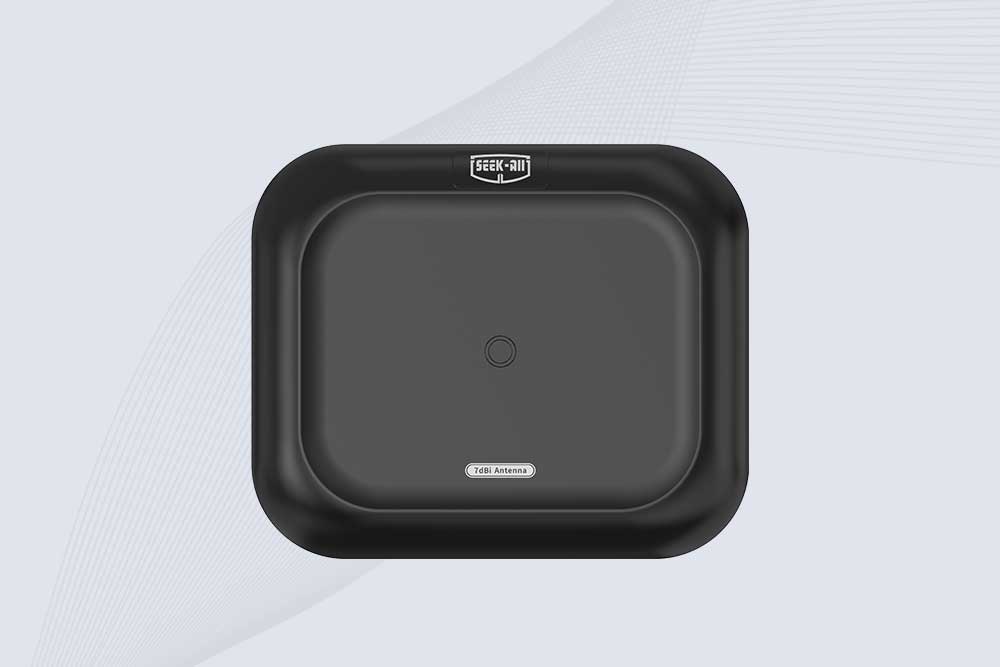
Explore the SSD-A07 UHF RFID antenna with 7 dBi gain, circular polarization, adjustable 840–960 MHz frequency, and 60°/75° beamwidth for stable RFID read/write performance.

SSD-A06 UHF RFID antenna with circular polarization, adjustable 840–960 MHz frequency, ≥4.5 dBi gain, and a compact directional design for RFID systems.

Discover SSD-D4AL, a USB-HID UHF RFID reader with 4/8/16 antenna options, Impinj E710/X3M1 chipset, plug-and-play USB power, and OEM customization.
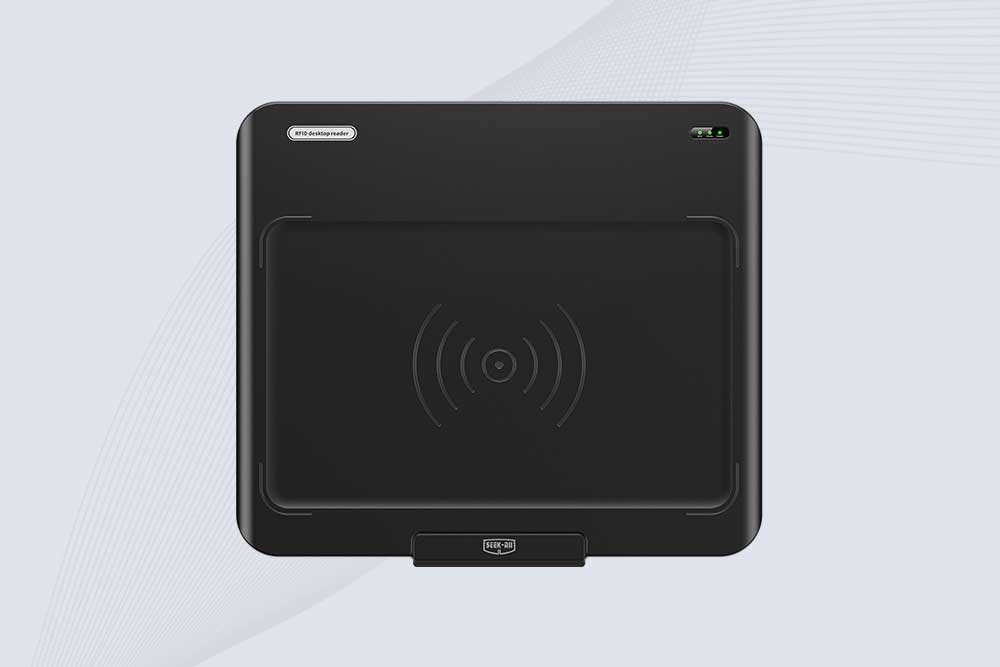
SSD-D3AL is a USB-HID UHF RFID reader with 0–30 cm reading, 0–15 cm writing, over 600 tags/s recognition, USB plug-and-play operation and OEM Logo customization.
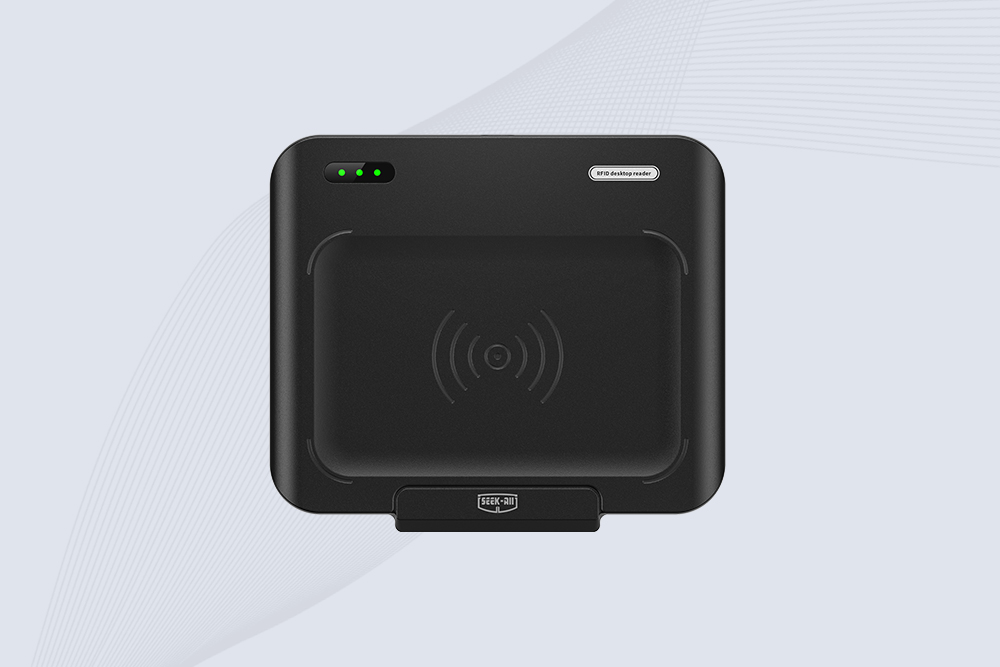
SSD-D1AL is a compact USB UHF RFID reader with Impinj E710/X3M1 chipset, USB-HID, 600+ tags/s recognition, 4/8/16 antenna support and plug-and-play USB power.
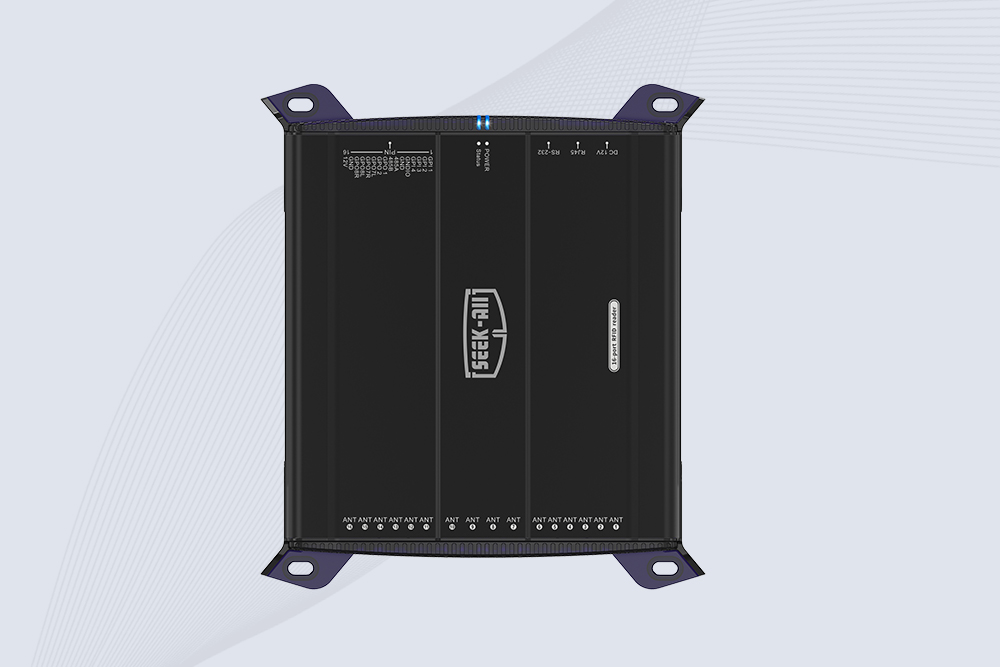
SSD-R16L Multi-Channel RFID Infrastructure for Automated Inventory Management ✔️ 16-Port High-Density RFID Reading Equipped with 16 SMA antenna ports, SSD-R16L supports multi-antenna deployment for warehouses, retail stores, logistics, production lines, and large-area RFID identification. ✔️ High-Speed & Long-Range Performance With up to 33…
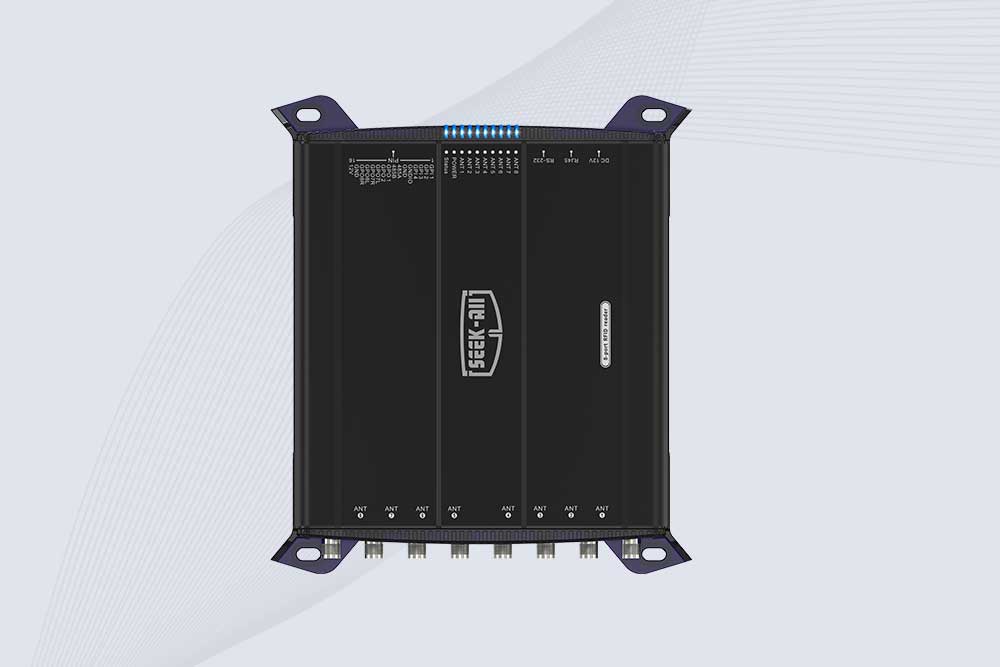
SSD-R8L 8-port UHF RFID reader with 33dBm output, up to 20m reading range and 600+ tags/s recognition. Ideal for warehouse, logistics, retail and asset tracking.
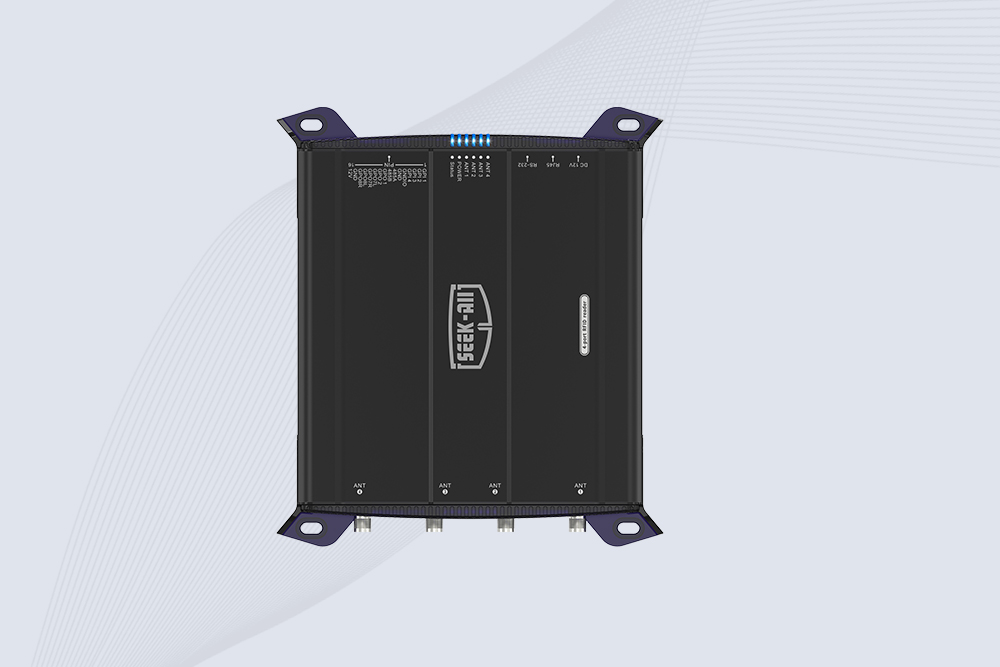
SSD-R4L is a 4-port UHF RFID fixed reader with 33dBm output power, up to 20m reading range, EPC C1G2 support and 600+ tags/s reading speed.

CYKEO CYKEO-D1LA USB RFID Reader is a compact desktop solution with near-field control for precise tag reading and encoding. Powered by USB, supporting ISO 18000-6C, and built for stable batch writing, this usb rfid tag reader fits retail, libraries, offices, and controlled RFID encoding tasks.
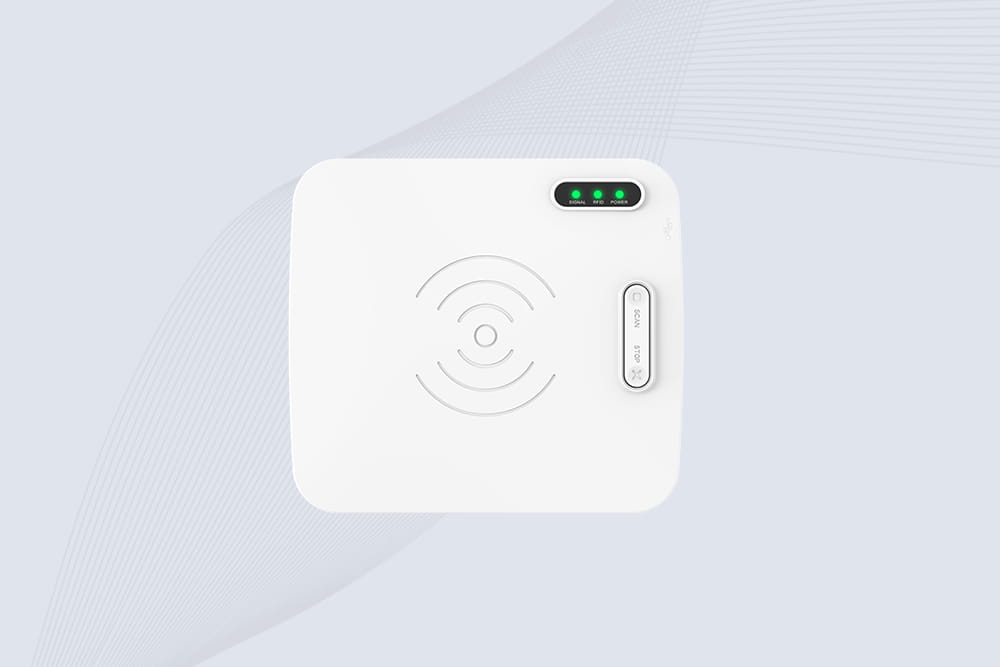
CYKEO CYKEO-D1L RFID scanner USB is a compact desktop UHF RFID scanner designed for short-range tag writing and verification. This usb rfid scanner supports batch encoding, stable 0–26 dBm output, and works across Windows, Linux, and Android systems.
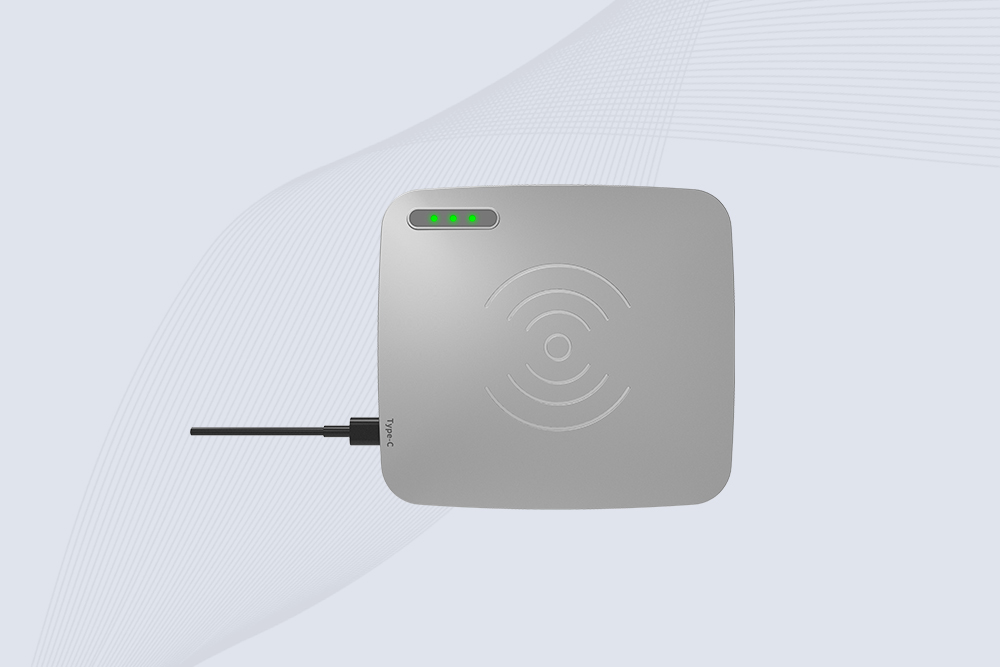
CYKEO CYKEO-D1C USB RFID Card Reader is a near-field UHF desktop writer designed for secure, short-range tag encoding. With USB-C connectivity and stable 26 dBm output, this rfid reader usb c is ideal for badge issuance, label encoding, and controlled desktop RFID workflows.
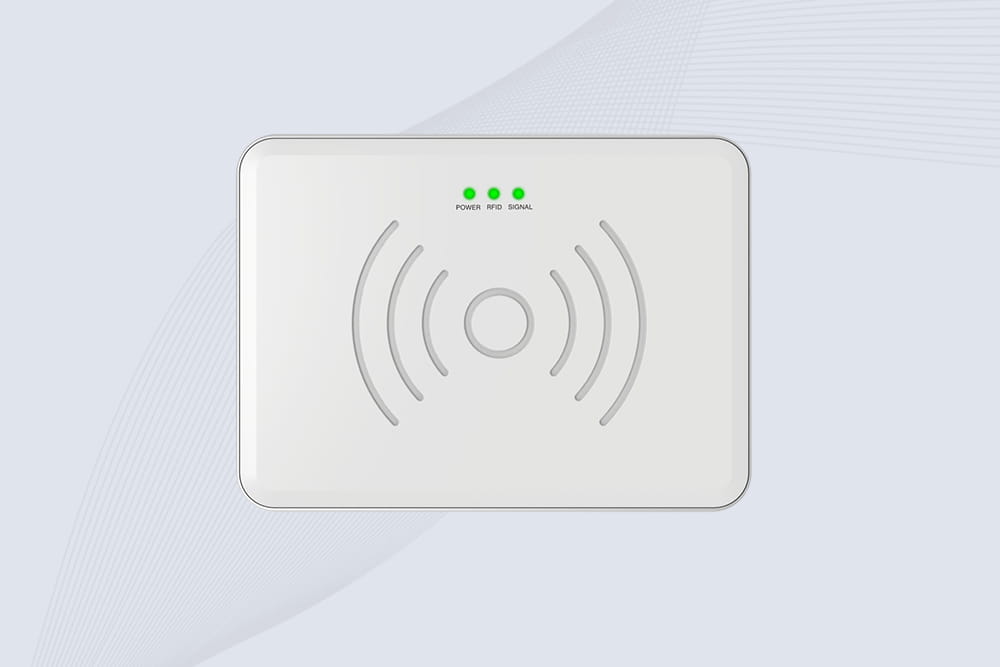
CYKEO CYKEO-D2L RFID Reader USB is a compact desktop encoder built on the Impinj R500 chip. With near-field control and stable USB power, this usb rfid card reader delivers precise tag writing for offices, retail counters, and small-scale logistics encoding tasks.
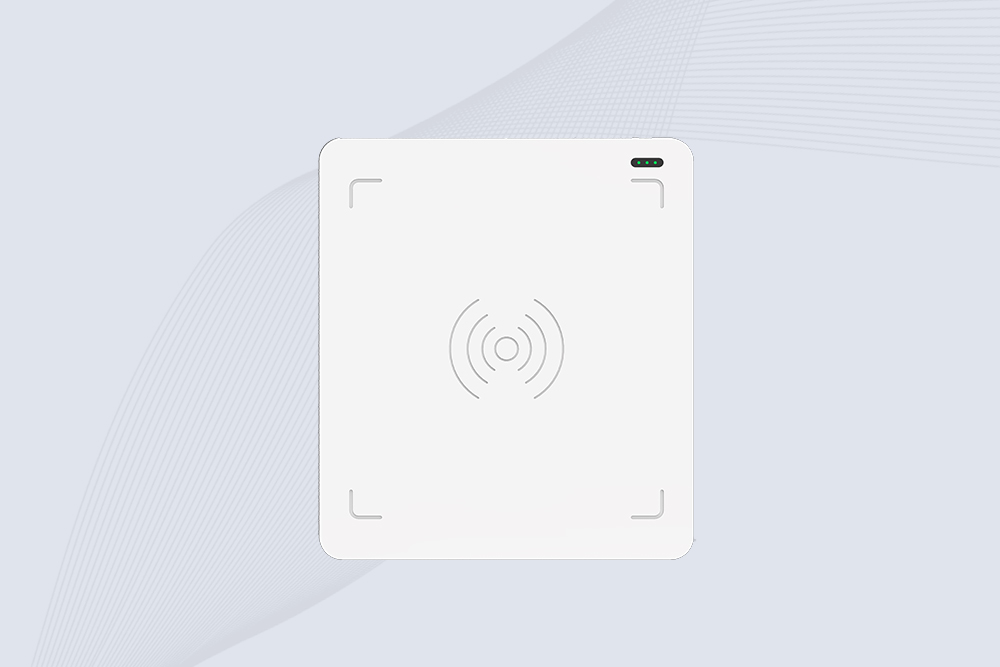
CYKEO CYKEO-D3L USB RFID Tag Reader delivers stable UHF tag reading and writing for daily desktop and light industrial tasks. Designed for controlled short-range operation, this USB RFID Tag Reader works reliably with rfid tag and reader systems in libraries, tool tracking, and inventory registration.
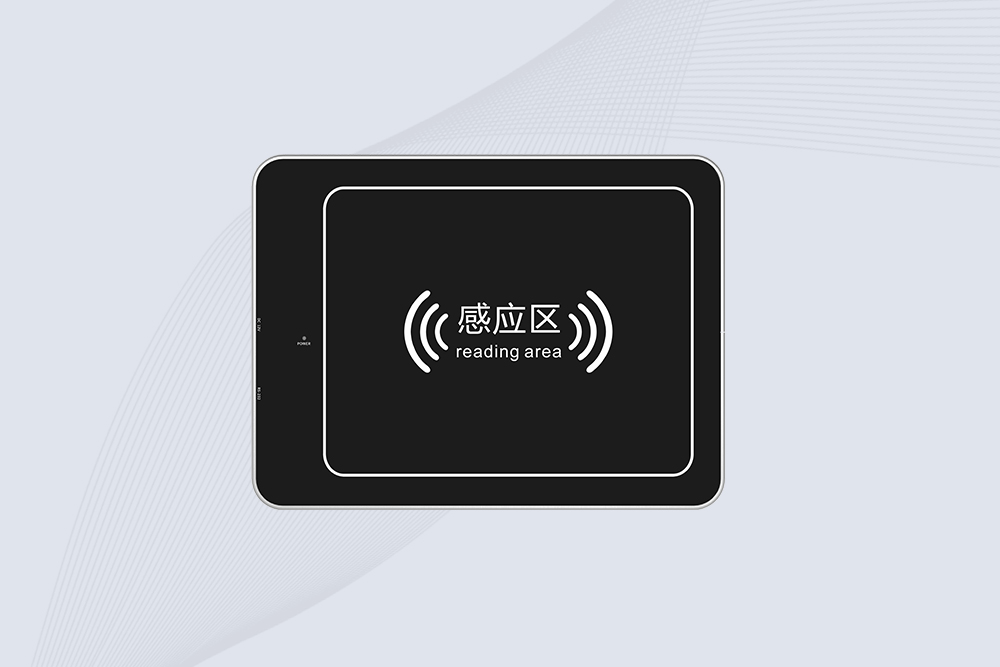
The CYKEO CYKEO-D4L UHF RFID Tag Reader is a stable Desktop RFID Reader designed for accurate tag registration, borrowing, and return workflows. Built with the Impinj R2000 chip, this UHF RFID Tag Reader delivers controlled short-range reads for libraries, asset tracking, and inventory management environments.
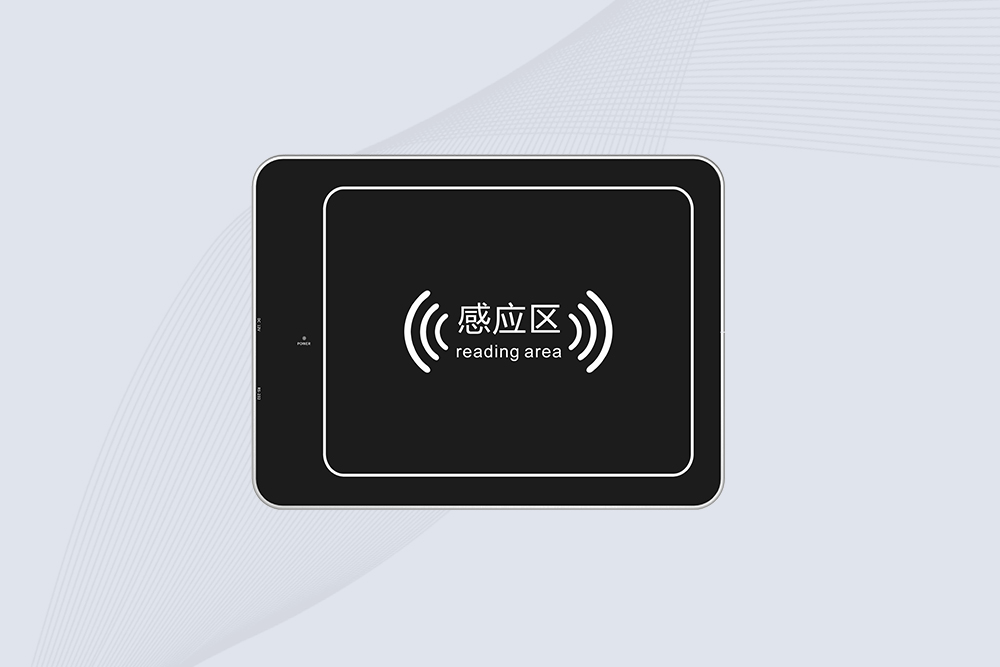
The CYKEO CYKEO-D5L Desktop RFID Card Reader is a stable UHF RFID Card Reader designed for controlled short-range reading and writing. Built for libraries, tool rooms, and asset desks, this UHF RFID Card Reader supports dense tag handling, secure data processing, and easy USB integration.
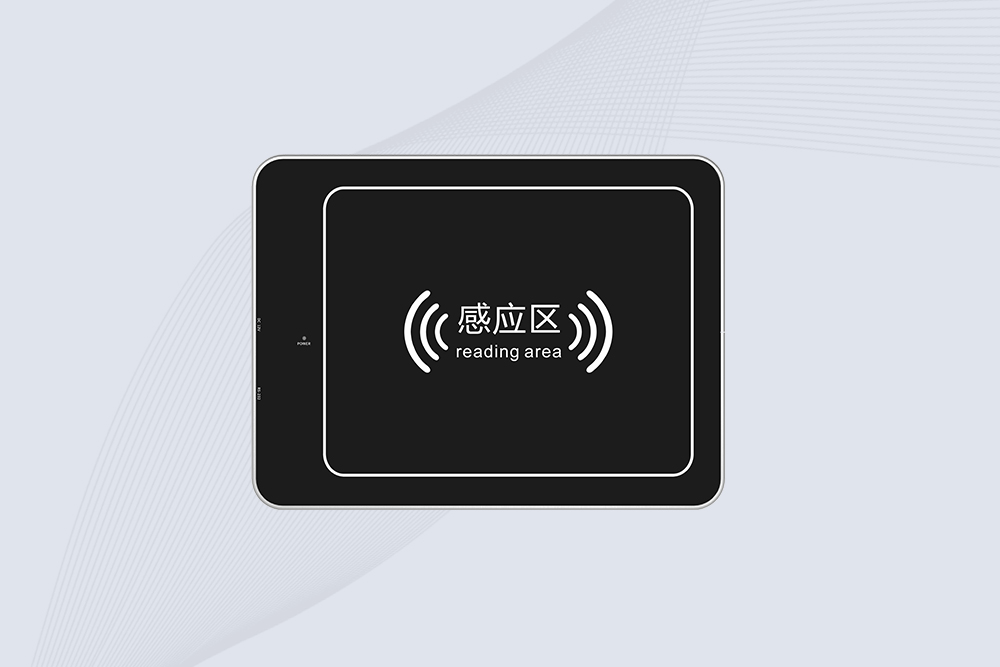
The CYKEO CYKEO-D6L RFID Reader Writer is a heavy-duty Desktop RFID Reader designed for short-range, high-accuracy tag programming. Built for libraries, labs, and asset desks, this RFID Reader Writer supports batch processing, stable 33dBm output, and seamless integration with existing management systems.
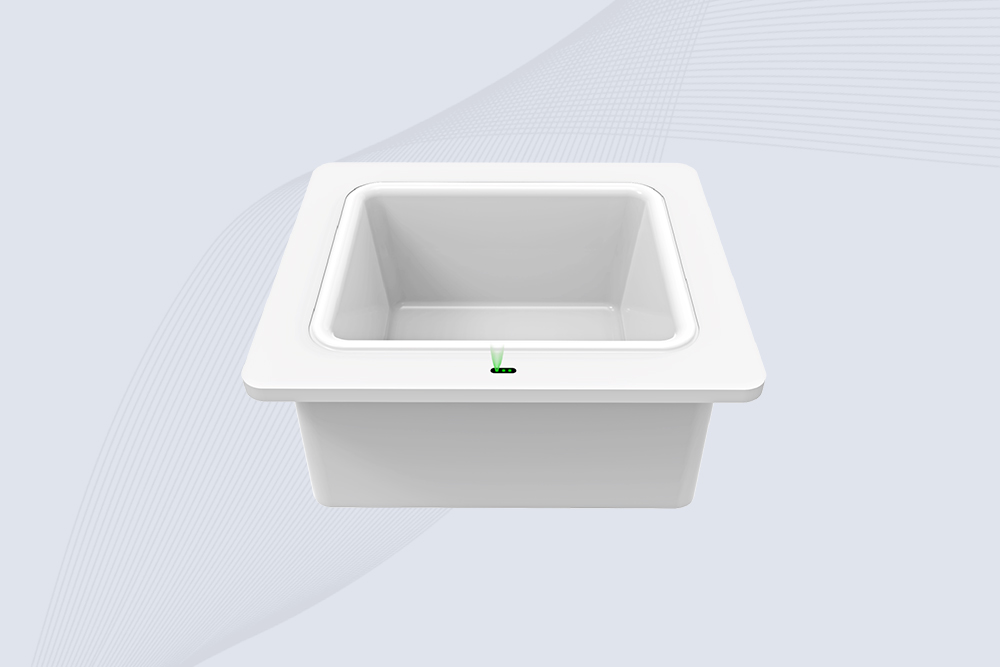
Cykeo CYKEO-D8B UHF RFID tunnel and RFID Desktop Reader features 30+ items batch reading,
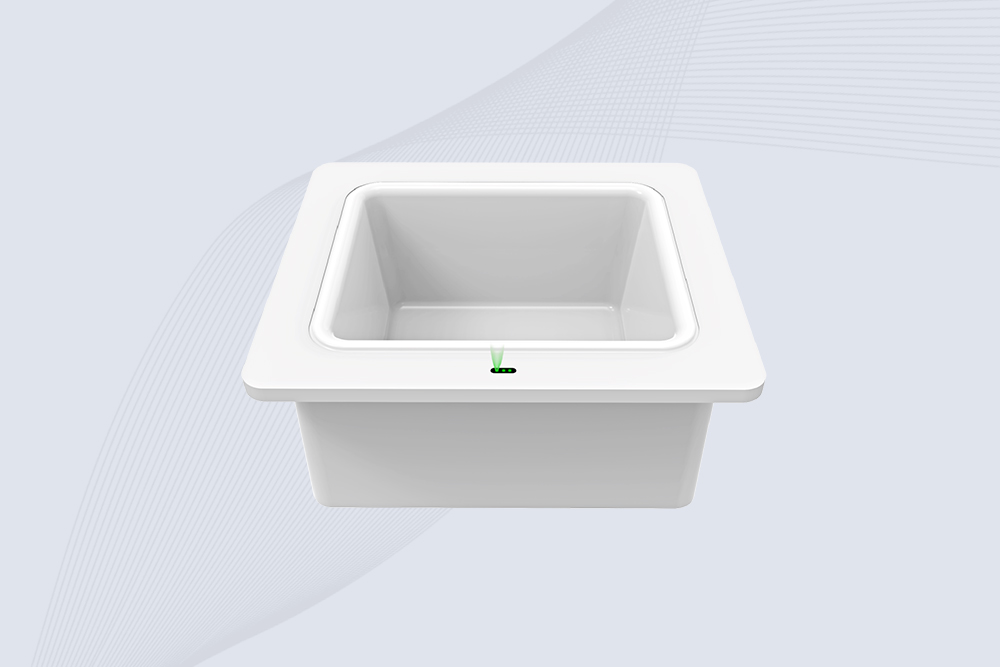
Cykeo CYKEO-D8A embedded RFID badge reader offers 30+ tags/sec scanning, 20cm anti-crosstalk precision, and DC 12V power for unmanned stores, warehouses, and smart inventory systems.
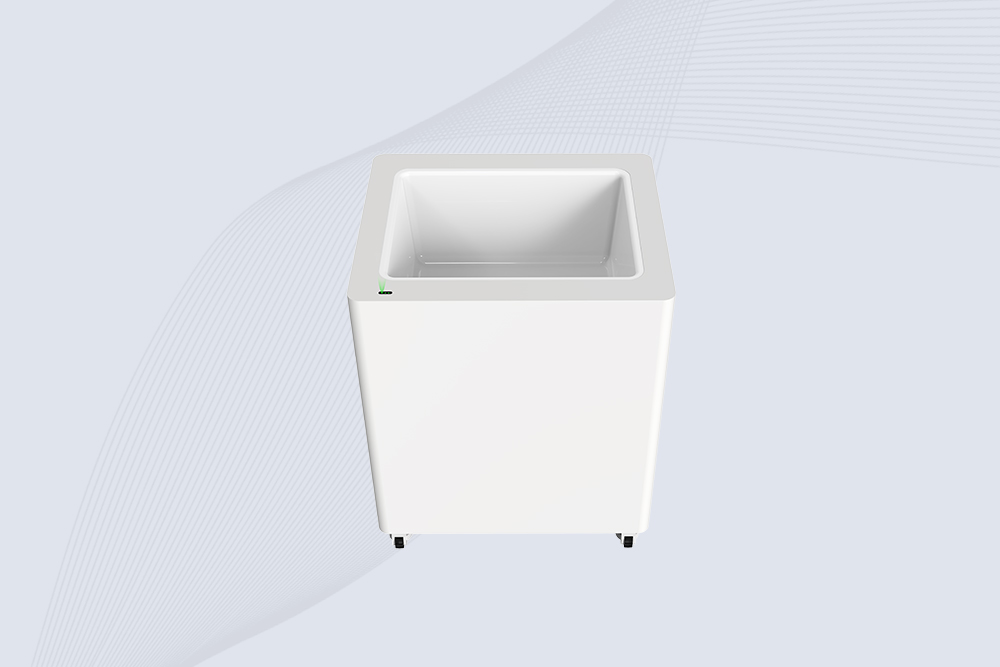
Cykeo’s CYKEO-D8C UHF RFID gate reader achieves 200-tag/batch scanning with adjustable power control, ideal for retail inventory and smart warehouse management.
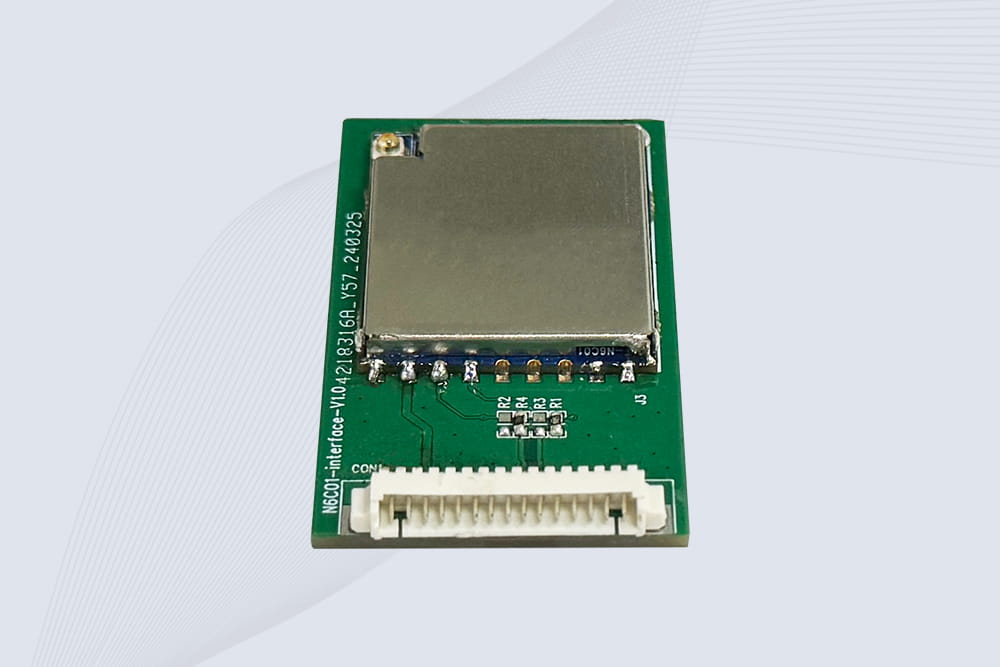
CYKEO Embedded RFID Modules are designed for compact industrial and IoT devices that require stable UHF performance. These UHF RFID Modules support global protocols, flexible power control, and reliable multi-tag reading for smart cabinets, production lines, and asset tracking systems.
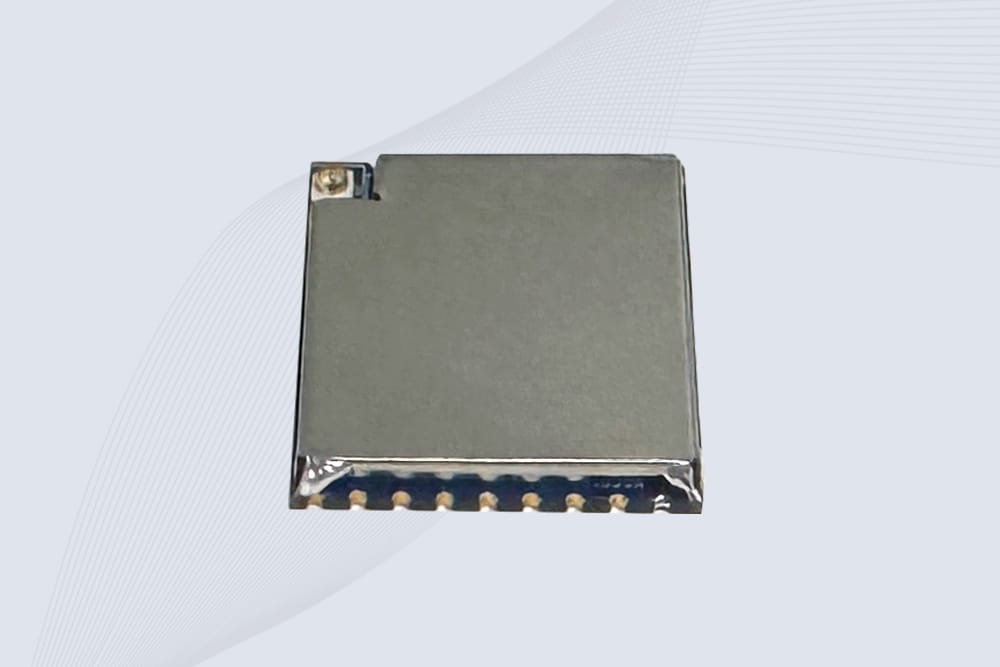
CYKEO Embedded RFID Module is built for compact IoT and industrial devices that need stable UHF performance. This UHF module supports global protocols, low power operation, and reliable multi-tag reading for smart lockers, production lines, and always-on RFID systems.
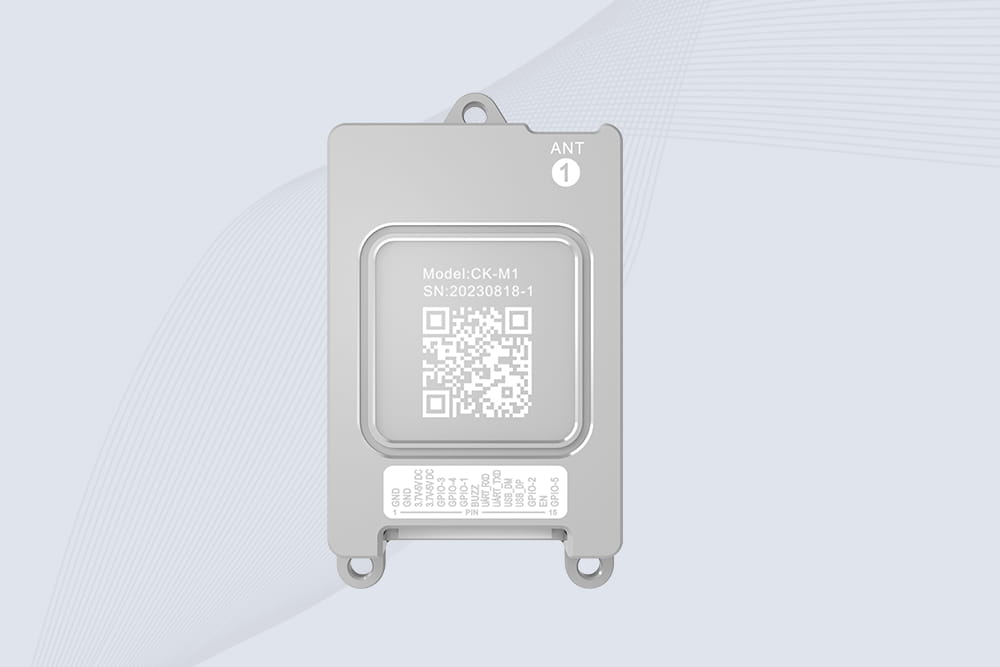
CYKEO CYKEO-M1 drone rfid module is a compact UHF RFID reader module designed for drones and UAV platforms. It supports long-range aerial scanning, fast multi-tag reading, and stable performance in wind, vibration, and outdoor environments.
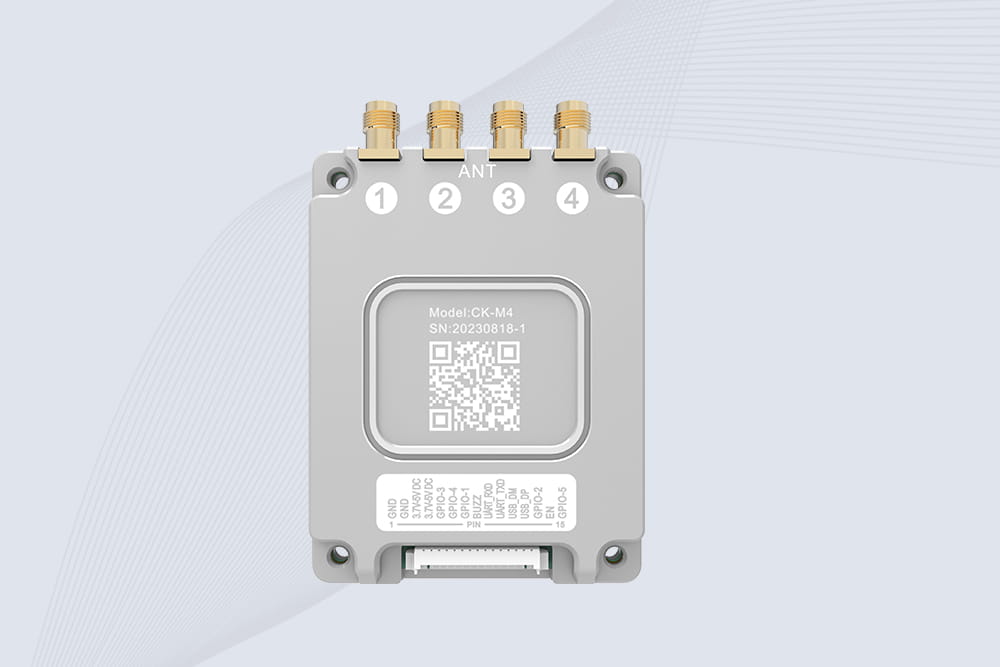
CYKEO CYKEO-M4 RC522 RFID Module is an industrial-grade UHF RFID reader with 4 ports, supporting ISO, EPC, and GB protocols. High-speed, accurate reading for IoT, automation, and warehouse applications.
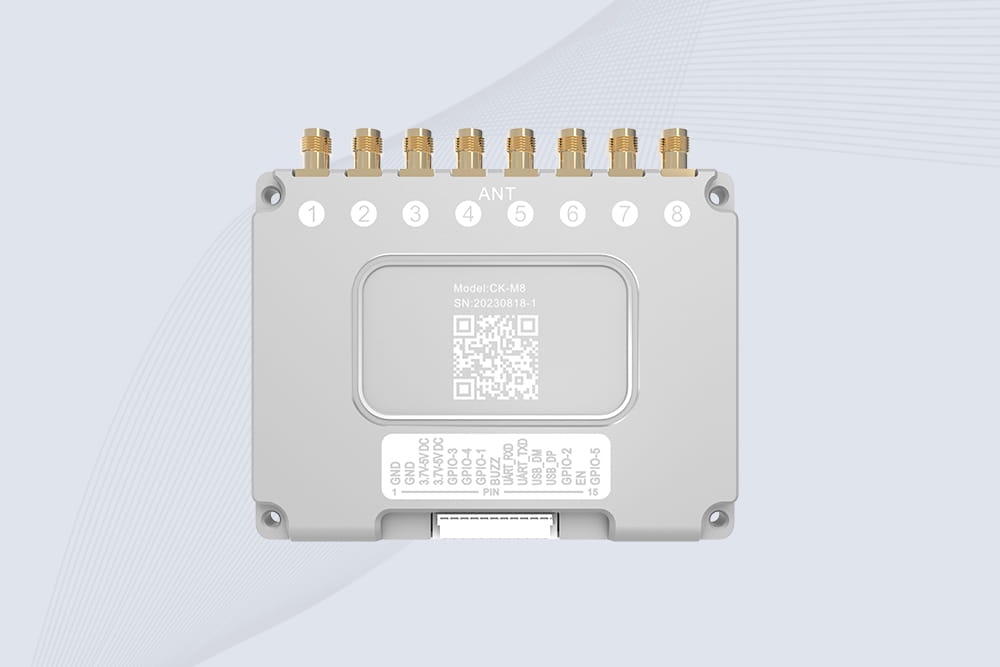
CYKEO CYKEO-M8 Module RFID is an 8-port UHF R2000 RFID Module designed for high-density, multi-tag environments. Stable 33dBm output, ISO & GB protocol support, ideal for warehouses, factories, and automated systems.
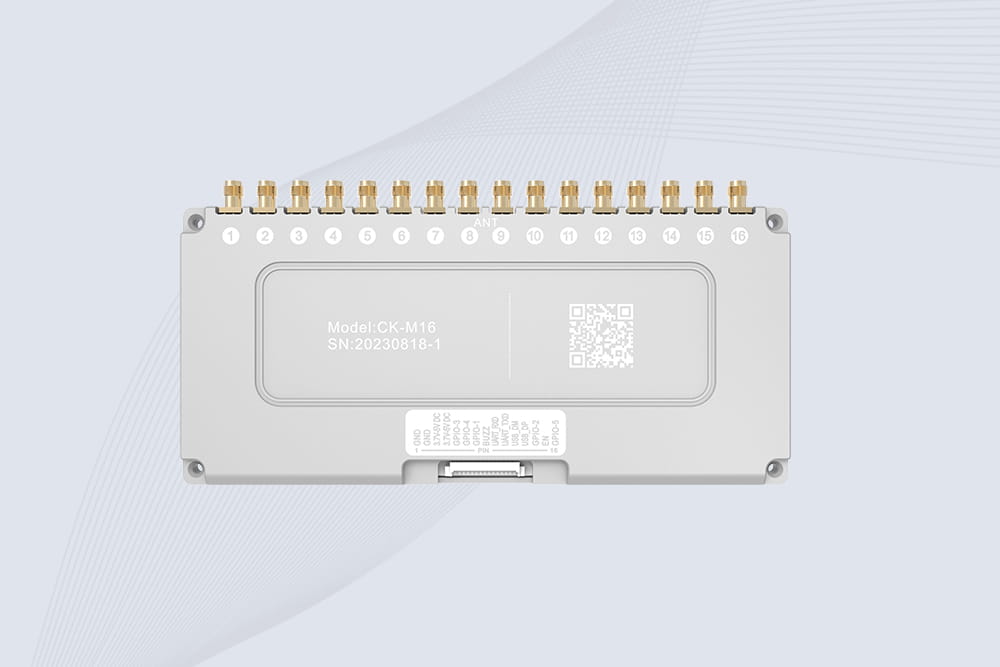
CYKEO CYKEO-M16 RFID Module is a 16-port UHF RFID reader module based on the R2000 chipset. Designed for dense tag environments, it supports ISO and GB standards and delivers stable multi-antenna control for industrial automation.
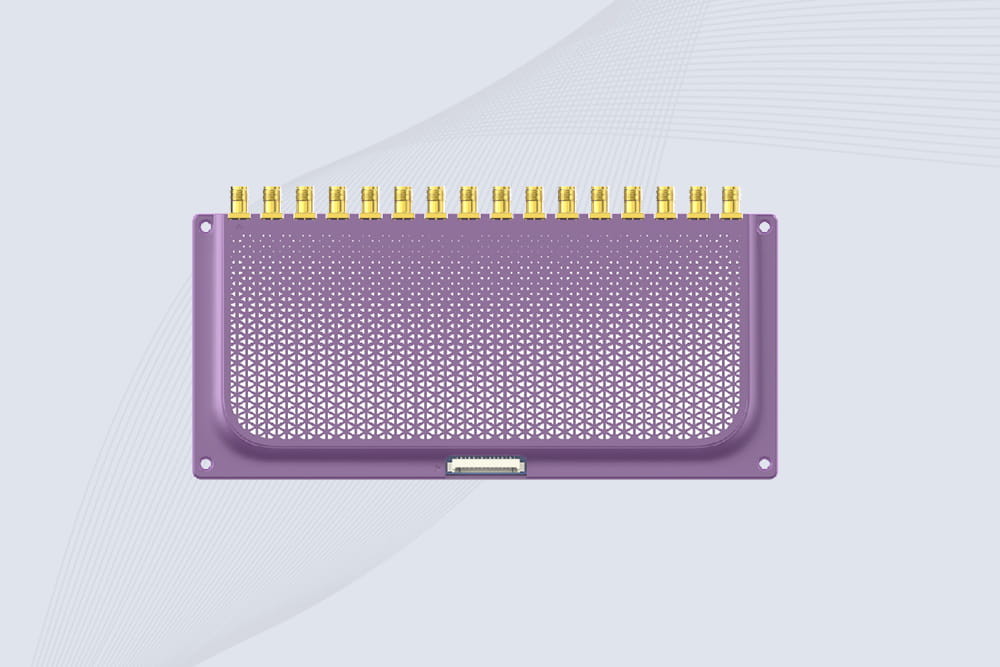
The CYKEO CYKEO-M16L RFID Reader Module is a 16-channel UHF RFID core designed for dense tag environments. With adjustable 33dBm output, multi-protocol support, and stable multi-antenna control, this RFID Tag Reader Module fits industrial automation, warehouse systems, and large-scale IoT deployments.
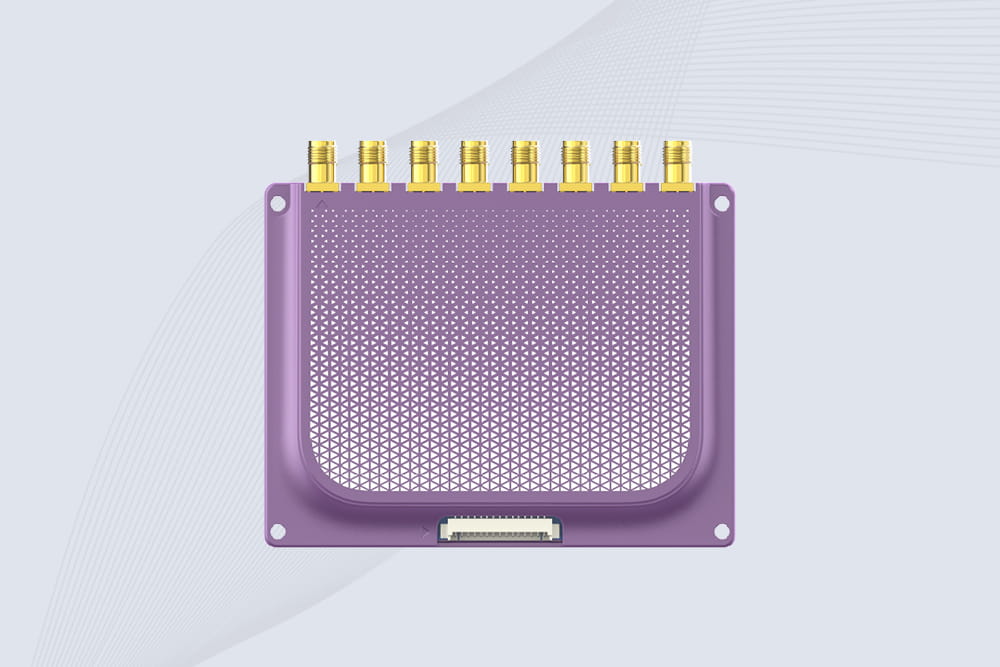
CYKEO CYKEO-M8L module RFID is a compact industrial UHF module built for dense tag and multi-antenna environments. With 8 RF ports, adjustable 33 dBm output, and ISO & GB protocol support, it is widely used in factories, warehouses, and automated tracking systems.
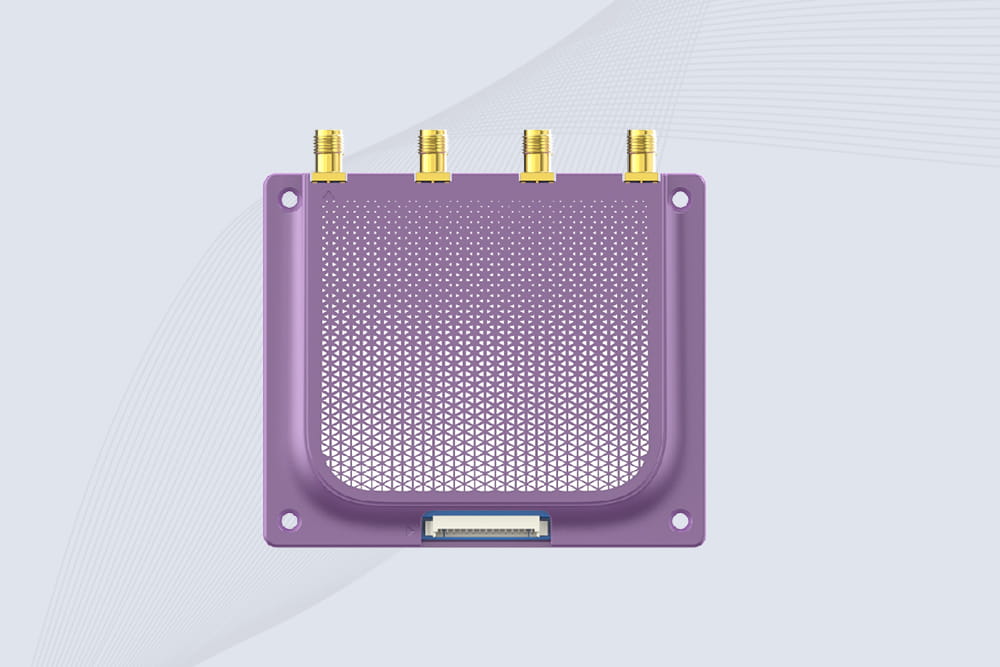
CYKEOCYKEO-M4L UHF RFID Module is a compact 4-channel RFID tag reader module designed for dense tag environments. Supporting ISO and GB protocols, it delivers stable reads up to 10 meters for industrial and IoT systems.
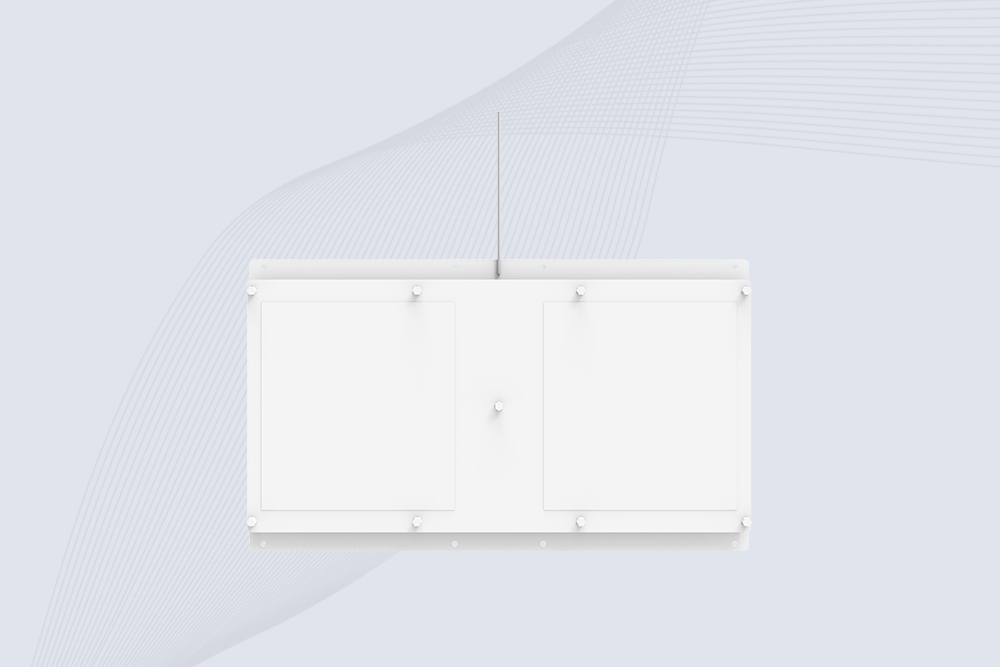
Cykeo CYKEO-A11 UHF RFID reader antenna delivers 11dBi gain, 840-960MHz frequency range, and IP65 ruggedness for retail, logistics, and industrial RFID systems. Features low VSWR and easy installation.

CYKEO Antenna RFID Reader delivers stable long-range UHF performance with a 10.5dBi directional design, built for warehouses, conveyor portals, and industrial RFID systems. This rfid reader antenna provides 20m+ read distance and rugged IP67 protection.

Cykeo CYKEO-PHF3 industrial HF RFID Antenna offers 24-point dynamic tracking, ISO 14443A/15693 protocols, metal-environment stability for archives/libraries/manufacturing.

Cykeo CYKEO-A5B industrial Linear RFID Antenna delivers 5dBi gain, ≤1.5:1 VSWR, and IP65 rugged design for warehouse, production line, and logistics UHF systems.

Cykeo’s CYKEO-B12 Long Range RFID Antenna delivers 15m+ read range with 12dBi gain, IP65 rugged design, and global 840-960MHz UHF support. Ideal for warehouse/logistics asset tracking.
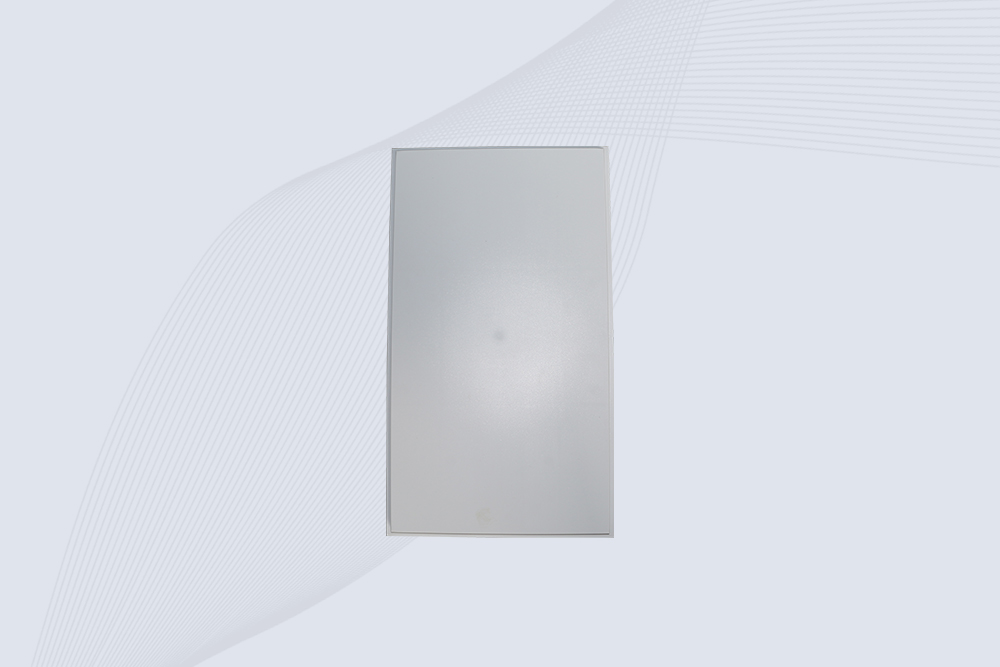
Cykeo CYKEO-B10 Long Distance RFID Antenna offers 10dBi gain, 840-960MHz frequency range, IP65 rating, and 20m+ coverage for logistics/warehousing/ETC systems. Low VSWR ensures stable signal transmission.
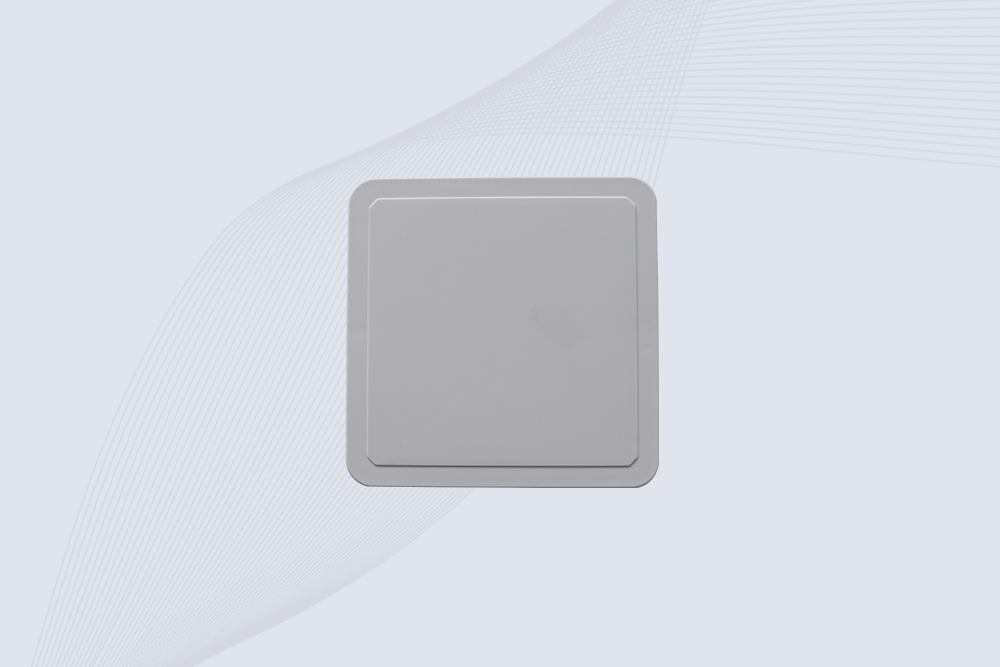
Cykeo CYKEO-A6 UHF RFID panel antenna features 6dBi gain, 840-960MHz broadband, IP65 metal-ready housing for logistics/smart retail. 18mm ultra-thin design with tool-free mounting.

Cykeo CK-A3 industrial antenna RFID UHF offers 5m+ tag detection, ≤1.3:1 VSWR, IP65 rugged design, and global UHF spectrum compatibility (840-960MHz) for warehouses, factories, and retail.
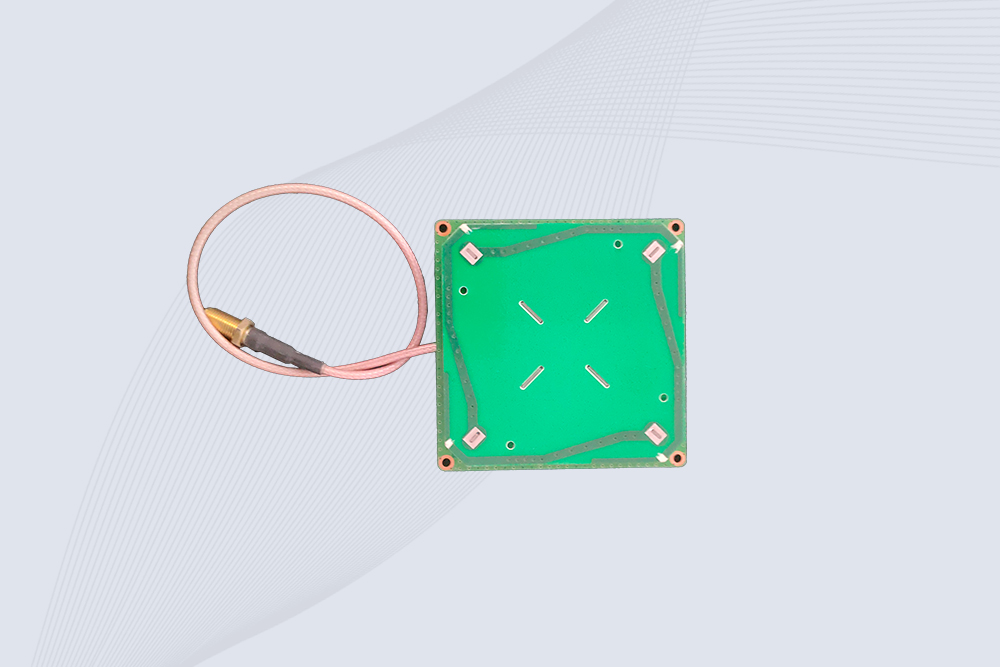
Cykeo CYKEO-B5 directional RFID antenna provides 5dBi gain with 60° narrow beamwidth for precise inventory tracking. IP65-rated, global UHF frequency support, and low VSWR.
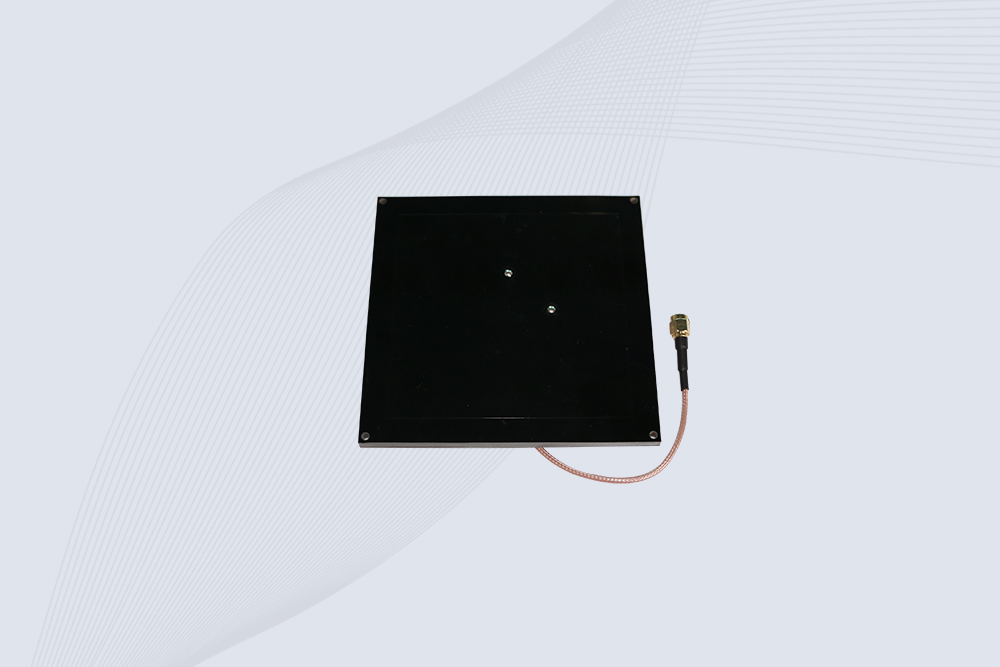
Create your own high-performance DIY RFID antenna! 5dBi gain, 840-960MHz tunable, step-by-step guides. Compatible with Arduino, Raspberry Pi, and commercial UHF readers.
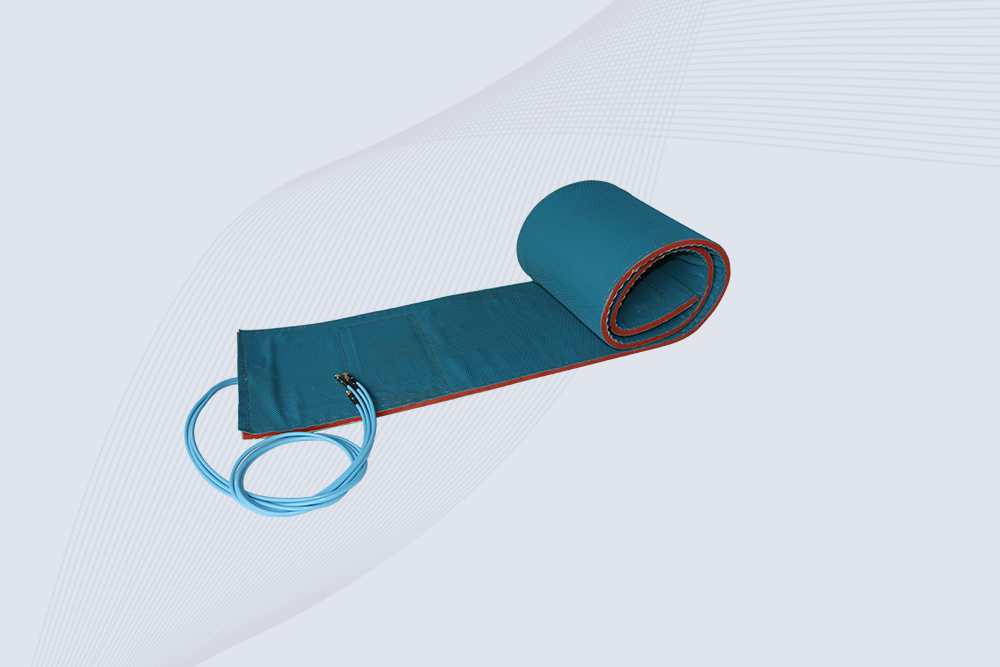
Cykeo CYKEO-A7 Flexible RFID Antenna features 840-960MHz wideband tuning, 7dBi gain, and IP68 rating for medical/retail/industrial curved surface deployments. 98% read accuracy with peel-and-stick installation.

Cykeo CYKEO-B5A industrial Passive RFID Antenna delivers 5dBi gain, 70° beamwidth, and -40°C~55°C operation for warehouses/smart cabinets. Compatible with Zebra/Impinj readers.
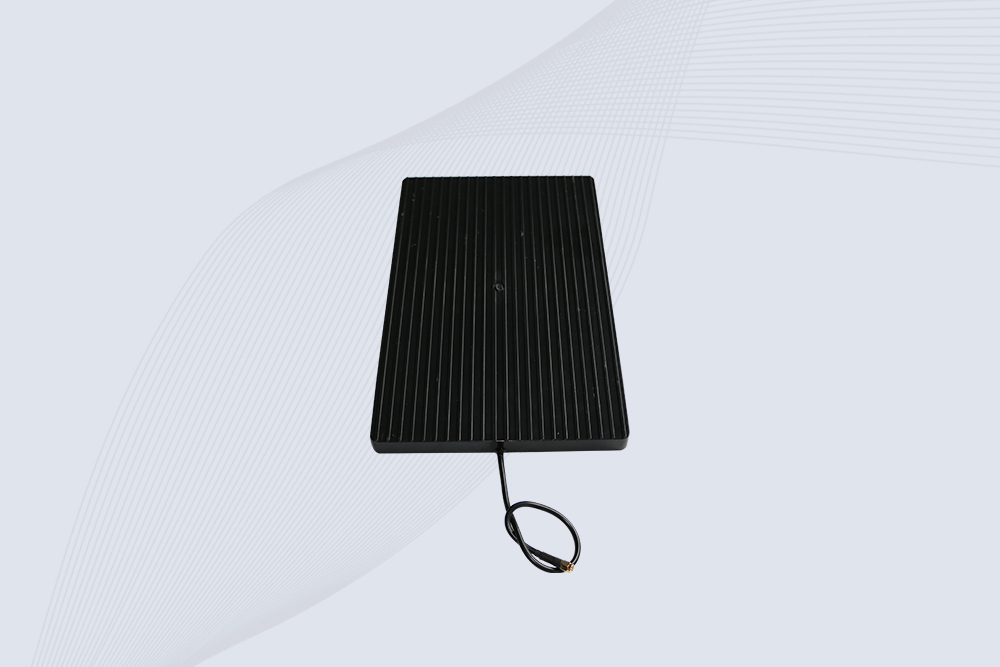
Cykeo’s CYKEO-A9B High Gain RFID Antenna delivers 15m+ read range with 9dBi amplification. Features IP54 rugged design, 840-960MHz bandwidth, and 80° beamwidth for warehouse/manufacturing RFID systems.

Cykeo’s enterprise-grade 8dbi Impinj RFID Antenna 10m+ read range with 840-960MHz tuning. Features IP65 housing, 1.4 VSWR, 35° beamwidth for retail/warehouse RFID systems.
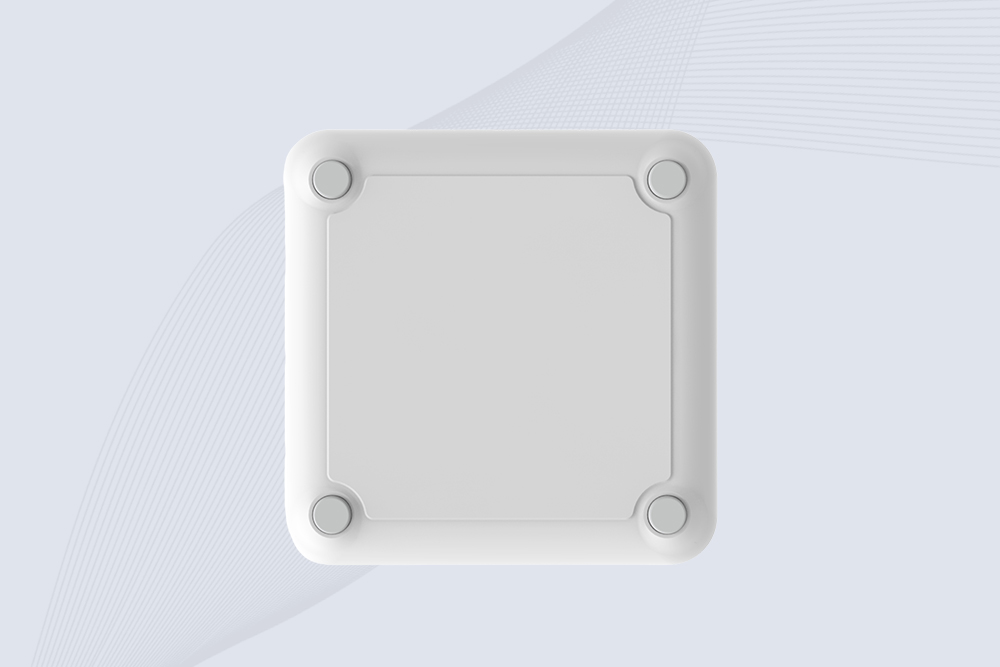
Cykeo CYKEO-A9 industrial UHF RFID antenna delivers 9dBi gain, 840-960MHz frequency range, and IP65 protection for warehouse/logistics/retail RFID systems. Features N-type connector and ≤1.3:1 VSWR.
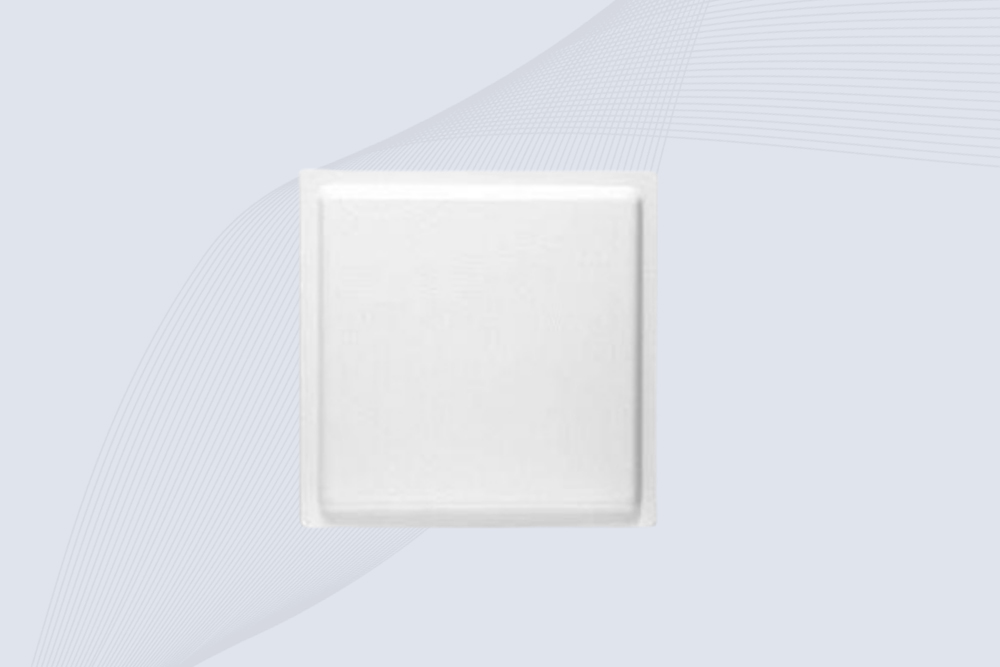
CYKEO UHF RFID Antenna built for long-distance and industrial applications. This antenna rfid uhf delivers strong gain, outdoor durability, and reliable tag performance in warehouses, yards, and vehicle ID systems.
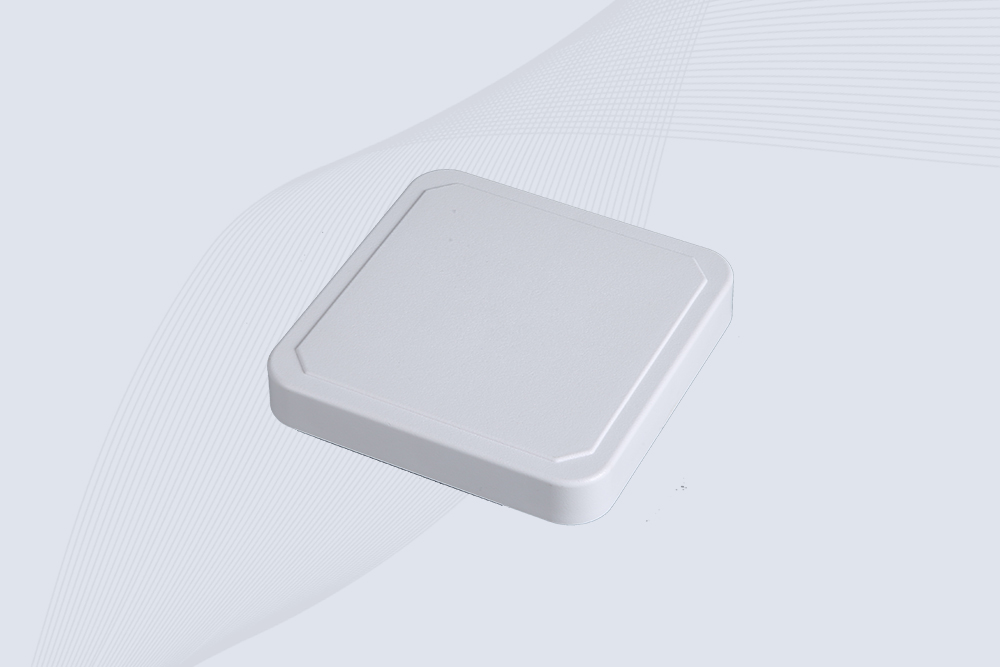
CYKEO Antenna RFID delivers reliable long-range UHF performance in warehouses, retail shelves, and cold-chain environments. This compact uhf rfid antenna provides stable reads with circular polarization and ultra-wide 840–960 MHz support, ideal for industrial tracking, smart shelves, and asset monitoring.
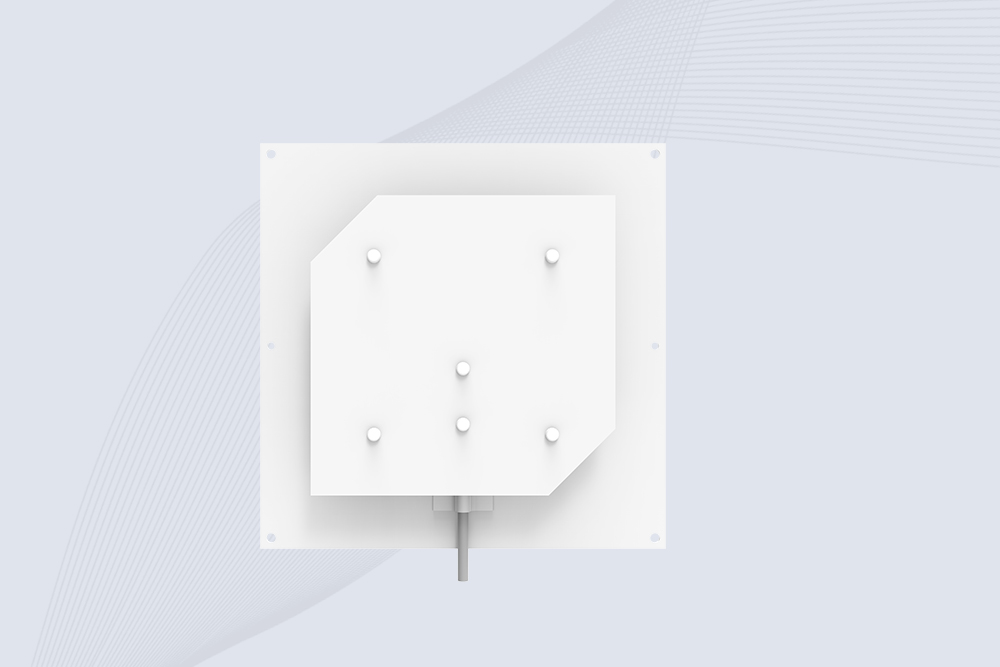
Cykeo’s CYKEO-C8 UHF RFID antennas delivers 8dBi gain, 840-960MHz full-band coverage, and IP65 ruggedness for manufacturing/warehouse RFID systems. Industrial RFID Antennas Features
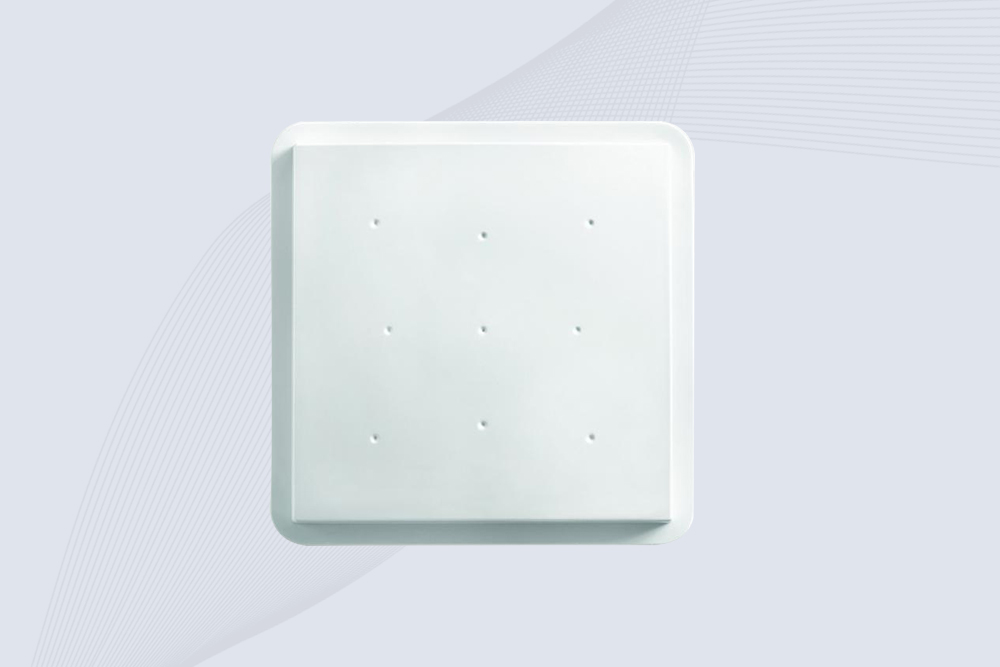
Cykeo’s 8dBi UHF RFID antenna and reader kit delivers 10m+ range, 840-960MHz broadband, and IP65 ruggedness for factories, warehouses, and logistics. ISO 18000-6C & EPC Gen2 certified.
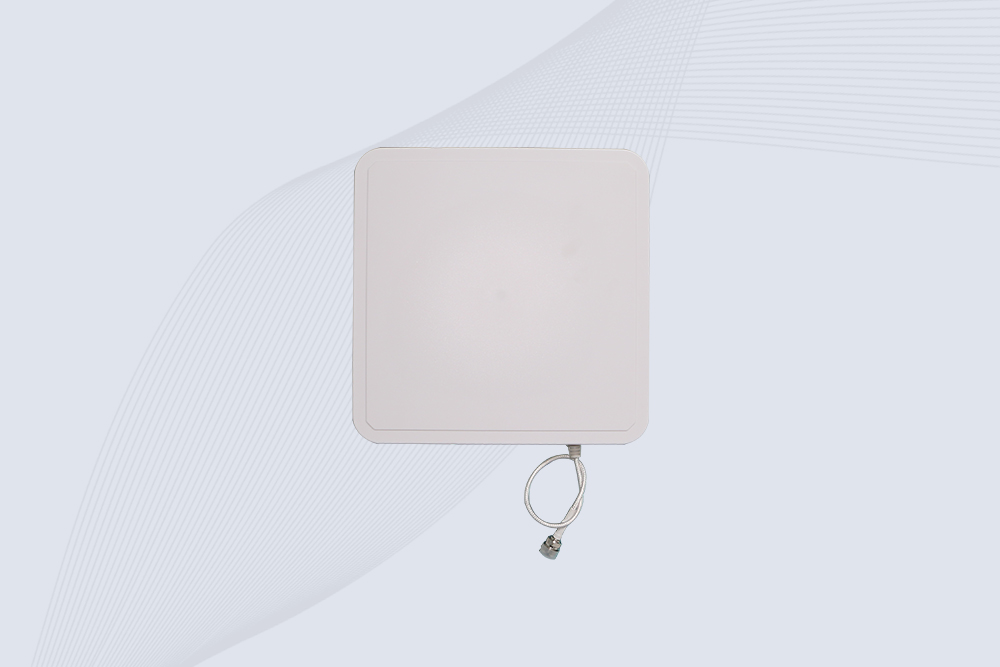
Cykeo CYKEO-A9A industrial UHF RFID reader and antenna kit delivers 10m range, 500 tags/sec, IP65 ruggedness for manufacturing/logistics. Supports EPC Gen2, ISO18000-6C.
Compare RFID fixed readers and handheld readers in terms of cost, efficiency, and applications. Find out which RFID solution is right for your project.
More
Learn how to select the best handheld RFID reader for warehouse inventory management. Compare UHF range, durability, software integration, and budget-friendly options.
More
Embeddable RFID tags are RFID transponders designed to be permanently integrated inside tools, equipment, products, or industrial assets, enabling automated identification, tracking, and lifecycle management without exposing the tag to external da...
More
Need to know how to get data from RFID reader in Java? We provide practical code examples, compare raw socket vs. SDK methods, and share tips for production-ready streams.
More