 Cykeo RFID IoT Solution Products R&D Manufacturer
Kiosk RFID,Things You Only Learn After Actually Using It
1967How kiosk RFID is used in self-checkout, smart vending, hospitals, and events. Real hands-on experience with its benefits, challenges, and lessons learned.
MoreAll RFID Product
How does RFID look like? RFID can look like a small adhesive label, plastic card, key fob, wristband, embedded chip, or industrial reader-and-antenna assembly, depending on the application. There is no single physical appearance for RFID. The tag is usually small and unobtrusive; the reader and antenna are the visible equipment that creates the reading system.
That distinction is easy to miss when RFID is discussed as one technology.
On a warehouse project, the RFID tag might be a paper-thin label fixed to a carton. On a metal tool, it may be a thicker rugged housing. In a retail store, it can be hidden inside a clothing label. At a dock door, the customer may never notice the tag at all—the visible equipment is the fixed reader and its antennas.
An RFID tag normally contains three basic elements:
The physical design changes considerably according to frequency, application, mounting surface, environmental requirements, and required read performance.
A passive UHF RFID inlay can be extremely thin. The antenna may appear as a metallic printed or etched pattern surrounding a tiny chip. Once converted into a finished label, however, the antenna is often hidden between layers of paper or synthetic material.
That is why someone looking at a warehouse carton may not immediately recognize that RFID is attached to it.
| RFID form | Typical appearance | Common application |
|---|---|---|
| RFID label | Thin adhesive label | Cartons, retail products, inventory |
| RFID card | Credit-card-like plastic card | Access, identification, membership |
| RFID key fob | Small plastic token | Access control, asset identification |
| RFID wristband | Flexible band | Events, healthcare, hospitality |
| On-metal RFID tag | Thick rugged label or enclosure | Tools, machinery, metal assets |
| RFID inlay | Thin antenna and chip structure | Embedded or converted tags |
| Laundry/textile tag | Sewn or flexible enclosure | Uniforms, linen, workwear |
| Industrial RFID tag | Rugged plastic or encapsulated housing | Outdoor assets, equipment |
The visible shape tells you very little about the RFID capability inside.
A tiny passive tag can identify an item without having its own battery. A larger industrial tag may be built primarily for mechanical protection, chemical resistance, or reliable operation on difficult materials.
The most familiar UHF RFID tag looks much like an ordinary product label.
The difference is inside.
A thin RFID label can contain an antenna connected to a semiconductor chip. In retail, the complete tag may be incorporated into a price label, hangtag, or adhesive label so that shoppers see little more than ordinary packaging.
GS1 describes EPC/RFID as a technology for identifying physical objects using radio communication between tags and readers, supporting item-level identification across supply-chain processes.
HF and LF RFID are commonly packaged as cards, badges, key fobs, or other compact identification devices.
A typical RFID card resembles a normal plastic access card. The antenna and chip are laminated inside the card body, so there may be no obvious electronic component visible from the outside.
This is one reason the question “how does rfid look like” cannot be answered with a single photograph.
Industrial RFID tags often look completely different.
An on-metal tag may be thicker because its internal construction is designed to maintain RF performance when attached directly to metal. The outer shell may be made from rugged plastic or another protective material.
A tag attached to a steel tool cabinet, engine component, or maintenance tool therefore tends to look more like a small industrial component than a paper label.
The RFID tag is only one part of the system.
A fixed UHF RFID reader typically resembles a compact industrial electronics enclosure. Depending on the model, it may have Ethernet, serial, USB, GPIO, or other communication interfaces.
The antenna is a separate component in many fixed-reader systems.
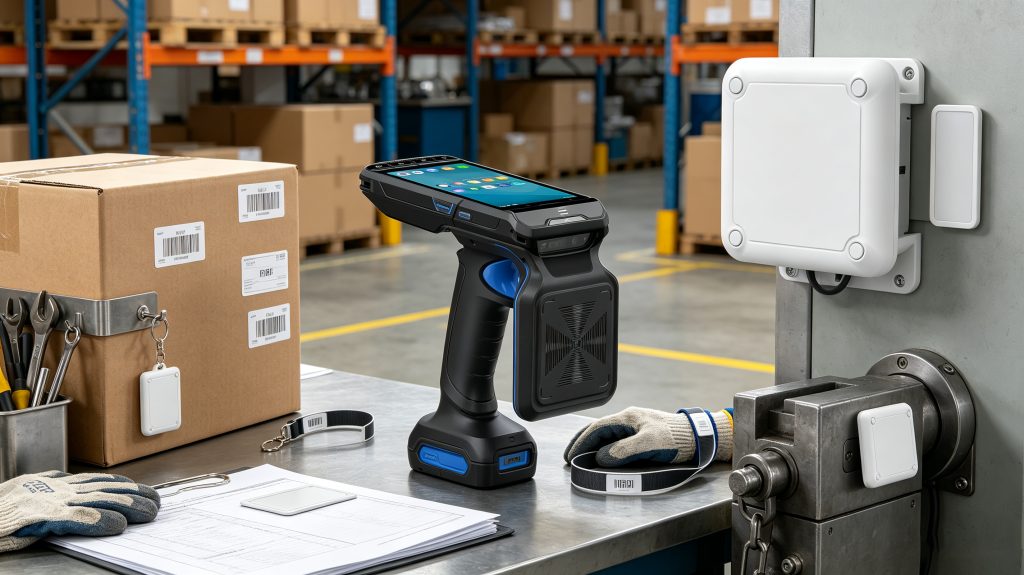
RFID is not one uniform hardware category.
The physical appearance is influenced by the operating frequency and intended environment.
LF RFID systems commonly use compact tags for applications such as animal identification, access systems, and specialized industrial applications.
HF RFID tags frequently appear as:
The tag may be completely enclosed inside the final product.
UHF RFID is widely used for longer-range item identification and logistics applications. Its antenna structure is often larger than that of a compact HF tag, although the finished tag can still be thin enough to resemble an ordinary adhesive label.
The GS1 EPC Gen2 / UHF ecosystem is particularly relevant to supply-chain and item-level identification.
A warehouse RFID installation can look surprisingly ordinary.
You may see:
There is usually no visible “RFID signal.”
That is important.
RFID works through radio communication, so the electromagnetic interaction is invisible to the human eye. The physical clues are the tag, reader, antenna, and installation hardware—not glowing waves around the products.
When inspecting an installation, I pay less attention to whether the equipment “looks like RFID” and more attention to whether the physical design matches the RF task.
A thin label on cardboard and a rugged tag on steel may both contain RFID chips, yet their antennas and construction can be completely different.
Likewise, two rfid antennas that look almost identical externally can behave differently once polarization, gain, mounting height, cable loss, and reader configuration are considered.
The appearance is the starting point.
The engineering is underneath it.
For someone new to RFID, the easiest mistake is searching for an image of “an RFID tag” and assuming every RFID product looks similar.
It does not.
The same underlying identification technology can be packaged as:
The application determines the package.
An RFID tag can look like a thin adhesive label, plastic card, key fob, wristband, embedded component, or rugged industrial housing depending on its frequency and application.
Sometimes, but usually not in a finished product. The chip is commonly attached to an antenna and enclosed inside a label, card, or protective housing.
A fixed UHF RFID reader usually looks like a compact industrial electronic enclosure, while a handheld reader resembles a rugged mobile terminal or scanner.
A fixed RFID antenna commonly looks like a flat rectangular panel, although antenna shape varies by frequency, polarization, gain, mounting method, and application.
No. RFID tag dimensions vary widely. A small identification tag and a rugged industrial on-metal tag may have substantially different dimensions and construction.
Yes. RFID inlays can be integrated into labels, cards, packaging, clothing labels, plastic products, and other objects when the material and RF design permit it.
No. The radio-frequency communication itself is invisible. What you can physically see is the tag, reader, antenna, and associated installation hardware.
The easiest way to understand how does rfid look like is to look beneath the finished label.
A typical passive UHF RFID inlay contains a microchip connected to an antenna on a substrate. The finished tag may then add paper, adhesive, plastic, foam, protective encapsulation, or another mounting structure around that inlay.
GS1 describes the RFID tag as a microchip attached to an antenna, with the antenna enabling communication between the chip and reader. In passive systems, the tag obtains operating energy from the reader’s RF field rather than from an internal battery.
1. RFID Chip
The chip is extremely small compared with the finished tag. It stores the identifier and, depending on the tag design, additional memory.
2. RFID Antenna
The antenna is the larger physical structure. Its shape, dimensions, material, and electrical characteristics are selected according to the operating frequency and application.
3. Substrate or Housing
The substrate supports the antenna and chip. An industrial housing can additionally protect the electronics from impact, moisture, chemicals, temperature variation, or difficult mounting surfaces.
This is why two tags with completely different appearances can perform the same basic identification function.
A fixed UHF RFID system generally has two pieces of visible hardware: the reader and the antenna.
The reader is the electronic controller. It generates and processes RF communication, handles tag responses, and passes identification data to the host application.
The antenna determines how the RF energy is distributed into the physical environment.
GS1 notes that a complete RFID system uses readers and tags, while the reader communicates with passive tags through RF energy and receives information through backscatter.
Antenna design becomes especially important in industrial installations. NIST guidance notes that RFID antennas have different coverage patterns and that antenna selection and placement should be matched to the required coverage area.
That is why an RFID reader mounted beside a warehouse door may look completely different from a handheld RFID reader used for cycle counting, even though both perform tag identification.
| RFID technology | Common physical appearance | Typical environment |
|---|---|---|
| LF RFID | Small coil-based tag, key fob, animal transponder | Access, animal identification |
| HF RFID | Card, ticket, label, wristband | Ticketing, cards, libraries |
| UHF RFID | Thin label, rugged tag, reader + panel antenna | Logistics, inventory, asset tracking |
| Active RFID | Larger battery-powered tag | RTLS and long-range tracking |
| NFC | Card, phone-compatible tag, sticker | Consumer devices, access, payments |
GS1 identifies LF, HF, and UHF as the main RFID frequency categories and notes that UHF/RAIN RFID is widely used for fast asset identification, inventory, and tracking.
For UHF passive RFID, GS1 states that typical read ranges can reach several meters, with performance depending strongly on the environment, antenna characteristics, polarization, and tag orientation.
A larger RFID tag is not automatically a better tag.
In one deployment, a compact tag may outperform a physically larger design because its antenna is better matched to the mounting surface. In another, a rugged on-metal tag may be necessary because the asset itself is made from steel.
This becomes obvious around machine shops.
A standard paper RFID label placed directly against a steel tool cabinet may have poor performance. An on-metal tag uses a different construction to maintain a workable RF environment between the antenna and conductive surface.
The external appearance is therefore a clue about the intended environment—not a simple measurement of quality.
Cykeo develops UHF RFID hardware for applications where the reader, antenna, tag, and software have to operate together.
Depending on the product configuration, Cykeo RFID equipment can support:
For example, a fixed industrial UHF reader is normally installed with external antennas around a defined reading area. A desktop RFID reader is physically smaller and is designed for controlled near-field operations such as tag registration, encoding, or item processing.
The distinction is visible in the hardware.
A dock-door reader needs coverage.
A tag-registration station needs control.
An inventory handheld needs mobility.
The reader should look different because the job is different.
RFID tags are commonly integrated into:
The finished tag can be almost indistinguishable from ordinary product labeling.
Warehouse RFID usually becomes more visible because the system can include:
GS1 notes that RAIN RFID can identify tagged objects without line-of-sight and is used to improve visibility across supply-chain operations.
Manufacturing tags are often more rugged.
You may see:
The tag housing may look more like a small industrial sensor than an ordinary RFID label.

If you are looking at an unfamiliar RFID installation, several visual clues help.
Look for:
Look for:
Look for:
But visual inspection alone cannot identify the exact RFID frequency or protocol. A tag that looks like a UHF label may have a different operating specification, and a reader’s external enclosure does not reveal all of its RF capabilities.
An RFID tag may look like a thin adhesive label, plastic card, wristband, key fob, embedded inlay, or rugged industrial tag. Its appearance depends on frequency, mounting surface, and application.
A passive UHF RFID tag commonly looks like a thin rectangular label with an antenna and chip embedded inside. Industrial UHF tags may use thicker plastic housings for metal mounting or environmental protection.
A fixed RFID reader usually looks like a compact industrial electronic enclosure, while a handheld reader resembles a rugged mobile computer or scanner. Desktop readers are typically compact units designed for controlled reading areas.
A UHF RFID antenna commonly appears as a flat rectangular panel, although its shape and construction vary according to frequency, polarization, gain, mounting position, and application.
Sometimes. A tag may be clearly visible as a label or plastic component, but RFID inlays can also be hidden inside packaging, cards, clothing labels, or other products.
RFID tags can be very small, but there is no universal minimum size. Antenna dimensions, operating frequency, read range, mounting material, and application requirements all affect the practical design.
Many commonly deployed UHF/RAIN RFID tags are passive and do not contain batteries. They receive energy from the reader’s RF field and communicate by backscatter. Active RFID tags, by contrast, use an internal power source.
How does RFID look like? RFID can look almost ordinary—a thin label on a carton, a plastic card in a wallet, a rugged tag on a metal tool, or a small reader connected to a flat antenna. The physical form changes because RFID is designed around the object and environment it must identify.
For Cykeo, the appearance of the hardware is only the visible part of the engineering. Tag construction, antenna geometry, reader power, frequency, polarization, mounting surface, and software integration determine how that hardware performs in the field.
That is why selecting RFID equipment should start with the application rather than a product photograph.
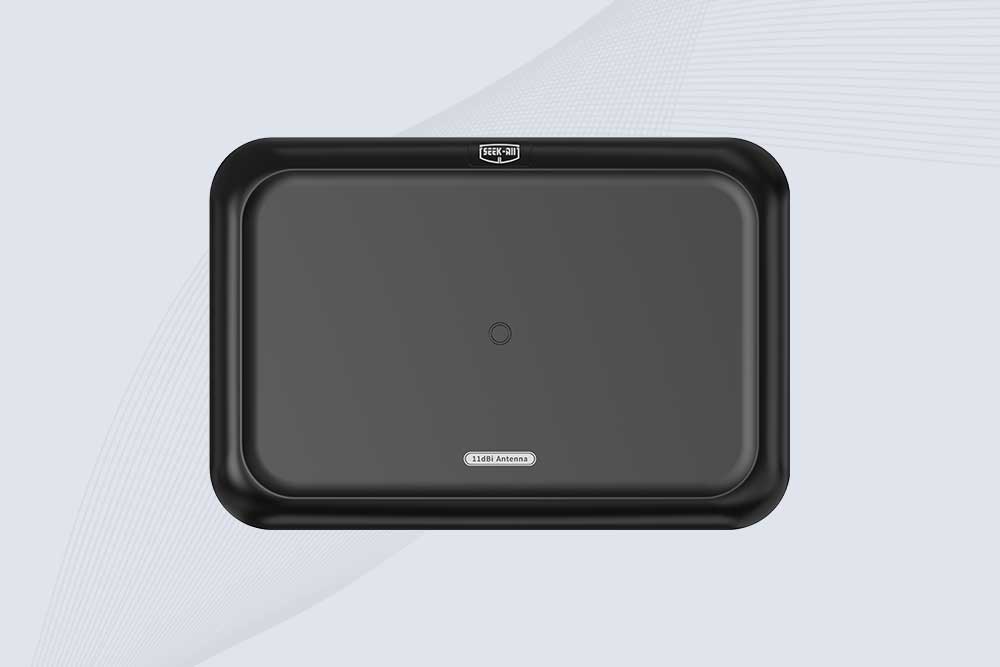
SSD-A11 UHF RFID antenna features 840–960 MHz adjustable frequency, ≥10.5 dBi gain, circular polarization and 50Ω impedance for fixed RFID systems.
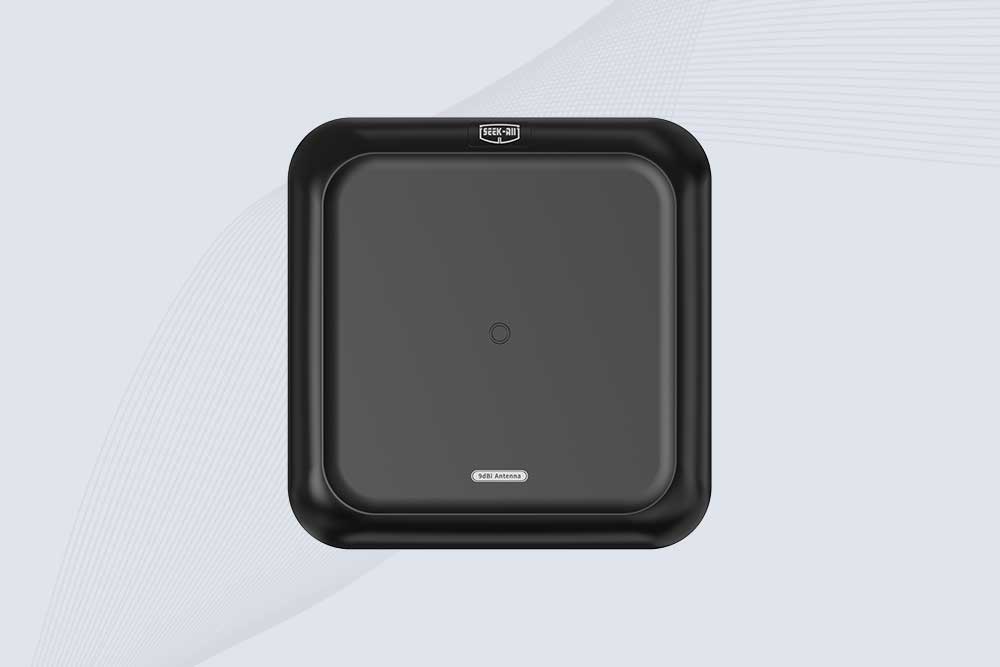
SSD-A09 is a 9 dBi UHF RFID antenna with 840–960 MHz adjustable frequency, circular polarization, 50Ω impedance and directional 60° × 60° coverage.
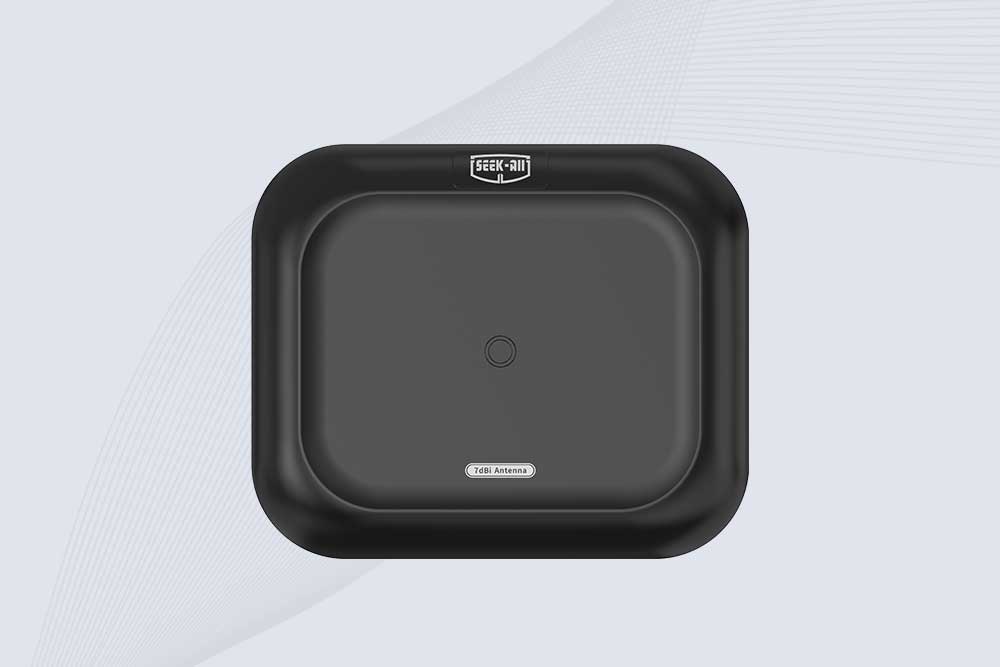
Explore the SSD-A07 UHF RFID antenna with 7 dBi gain, circular polarization, adjustable 840–960 MHz frequency, and 60°/75° beamwidth for stable RFID read/write performance.

SSD-A06 UHF RFID antenna with circular polarization, adjustable 840–960 MHz frequency, ≥4.5 dBi gain, and a compact directional design for RFID systems.

Discover SSD-D4AL, a USB-HID UHF RFID reader with 4/8/16 antenna options, Impinj E710/X3M1 chipset, plug-and-play USB power, and OEM customization.
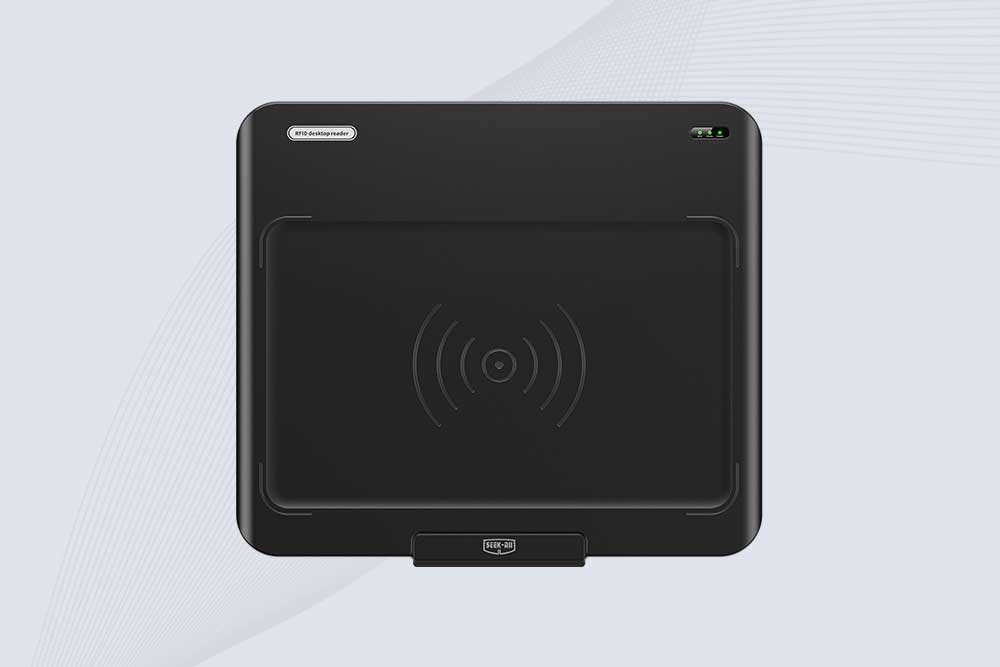
SSD-D3AL is a USB-HID UHF RFID reader with 0–30 cm reading, 0–15 cm writing, over 600 tags/s recognition, USB plug-and-play operation and OEM Logo customization.
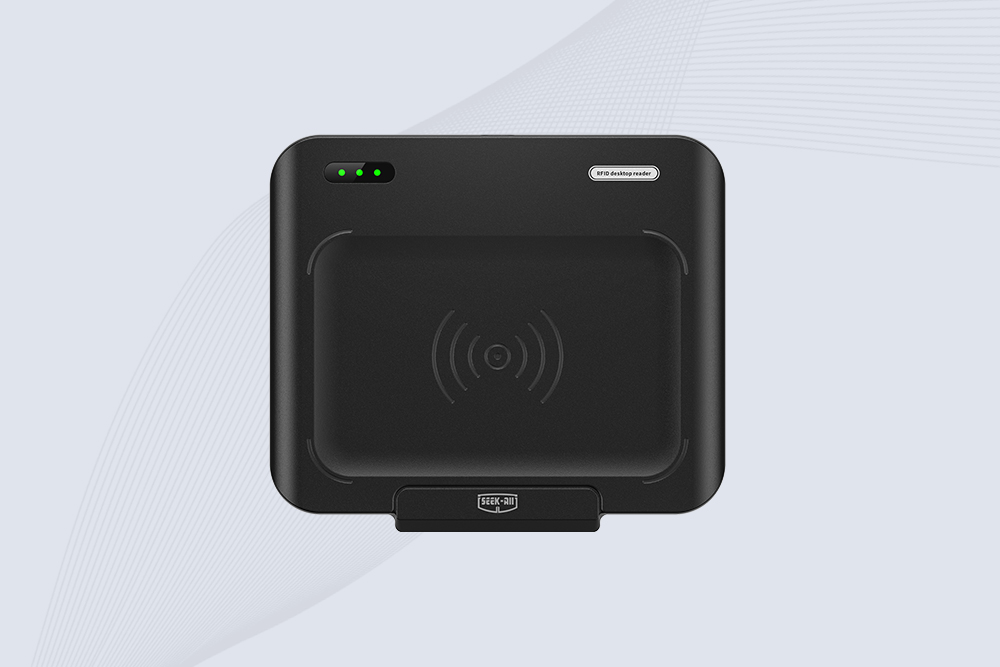
SSD-D1AL is a compact USB UHF RFID reader with Impinj E710/X3M1 chipset, USB-HID, 600+ tags/s recognition, 4/8/16 antenna support and plug-and-play USB power.

SSD-R16L Multi-Channel RFID Infrastructure for Automated Inventory Management ✔️ 16-Port High-Density RFID Reading Equipped with 16 SMA antenna ports, SSD-R16L supports multi-antenna deployment for warehouses, retail stores, logistics, production lines, and large-area RFID identification. ✔️ High-Speed & Long-Range Performance With up to 33…

SSD-R8L 8-port UHF RFID reader with 33dBm output, up to 20m reading range and 600+ tags/s recognition. Ideal for warehouse, logistics, retail and asset tracking.

SSD-R4L is a 4-port UHF RFID fixed reader with 33dBm output power, up to 20m reading range, EPC C1G2 support and 600+ tags/s reading speed.

CYKEO CYKEO-D1LA USB RFID Reader is a compact desktop solution with near-field control for precise tag reading and encoding. Powered by USB, supporting ISO 18000-6C, and built for stable batch writing, this usb rfid tag reader fits retail, libraries, offices, and controlled RFID encoding tasks.
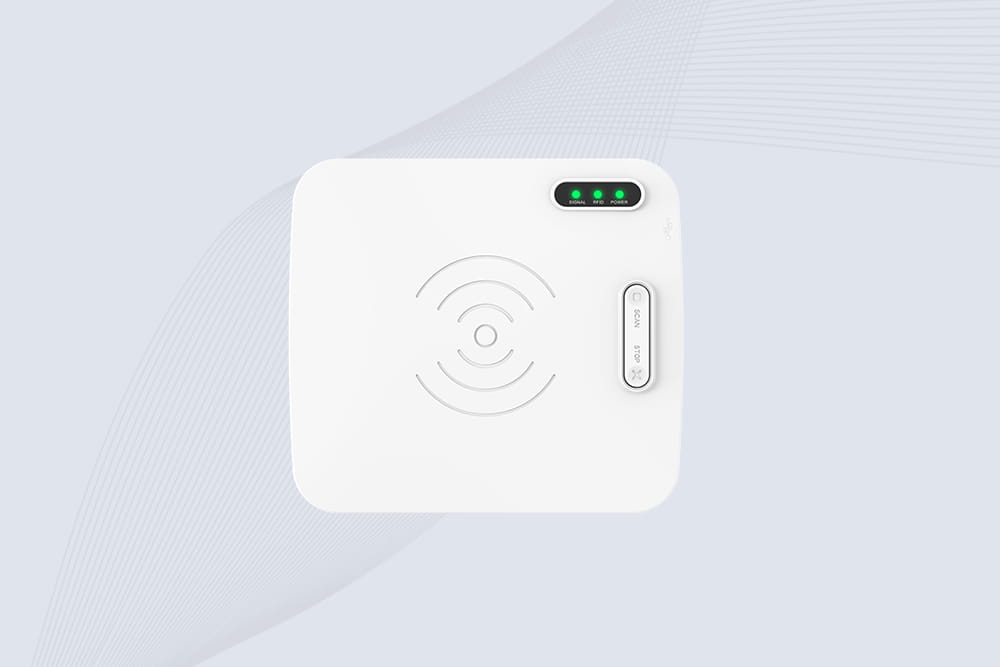
CYKEO CYKEO-D1L RFID scanner USB is a compact desktop UHF RFID scanner designed for short-range tag writing and verification. This usb rfid scanner supports batch encoding, stable 0–26 dBm output, and works across Windows, Linux, and Android systems.
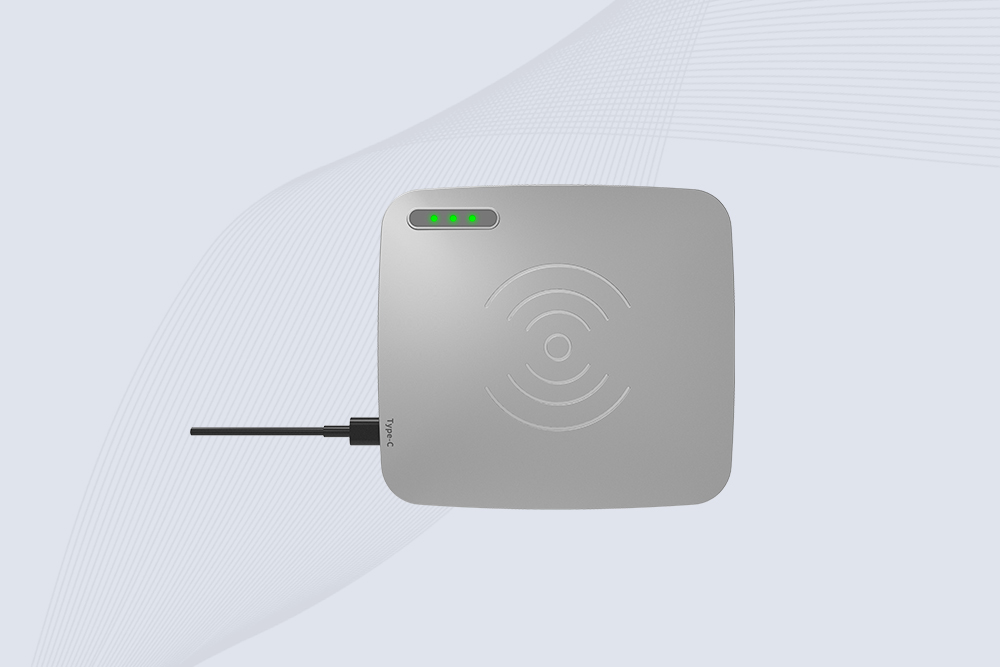
CYKEO CYKEO-D1C USB RFID Card Reader is a near-field UHF desktop writer designed for secure, short-range tag encoding. With USB-C connectivity and stable 26 dBm output, this rfid reader usb c is ideal for badge issuance, label encoding, and controlled desktop RFID workflows.
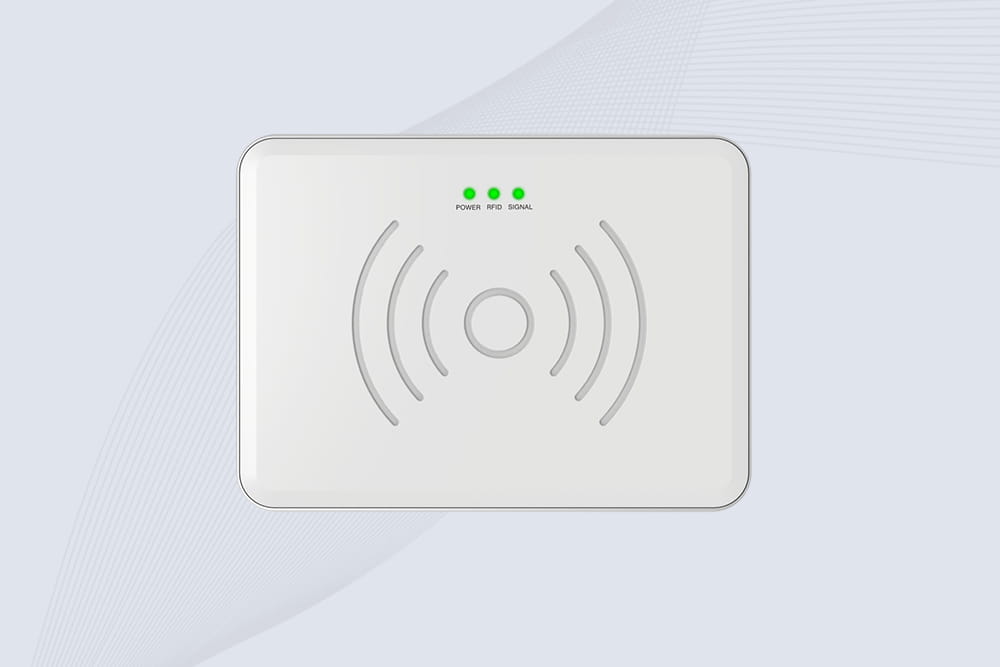
CYKEO CYKEO-D2L RFID Reader USB is a compact desktop encoder built on the Impinj R500 chip. With near-field control and stable USB power, this usb rfid card reader delivers precise tag writing for offices, retail counters, and small-scale logistics encoding tasks.
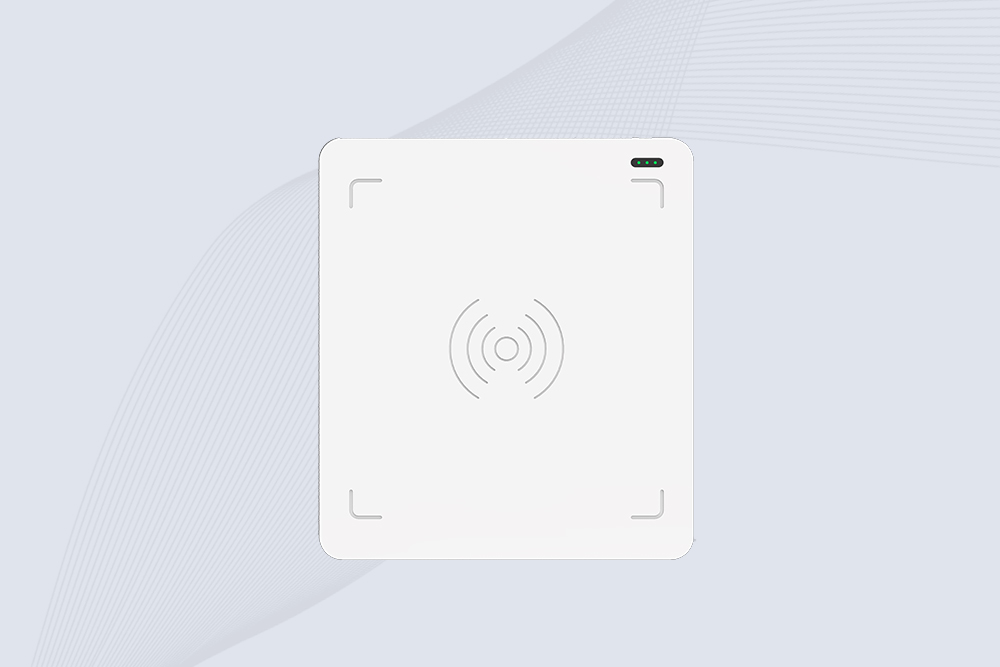
CYKEO CYKEO-D3L USB RFID Tag Reader delivers stable UHF tag reading and writing for daily desktop and light industrial tasks. Designed for controlled short-range operation, this USB RFID Tag Reader works reliably with rfid tag and reader systems in libraries, tool tracking, and inventory registration.
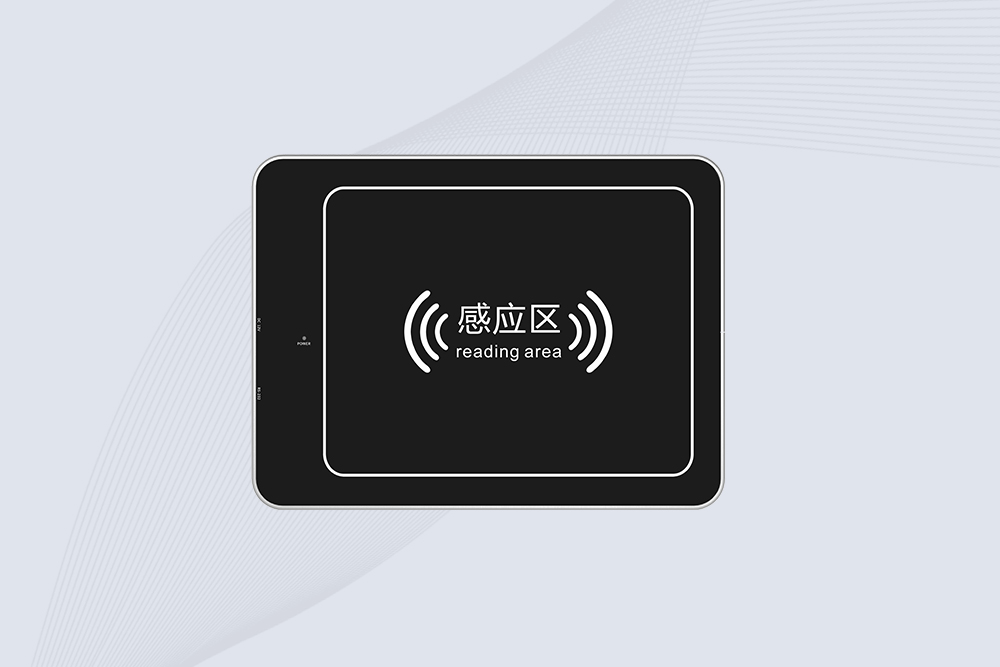
The CYKEO CYKEO-D4L UHF RFID Tag Reader is a stable Desktop RFID Reader designed for accurate tag registration, borrowing, and return workflows. Built with the Impinj R2000 chip, this UHF RFID Tag Reader delivers controlled short-range reads for libraries, asset tracking, and inventory management environments.
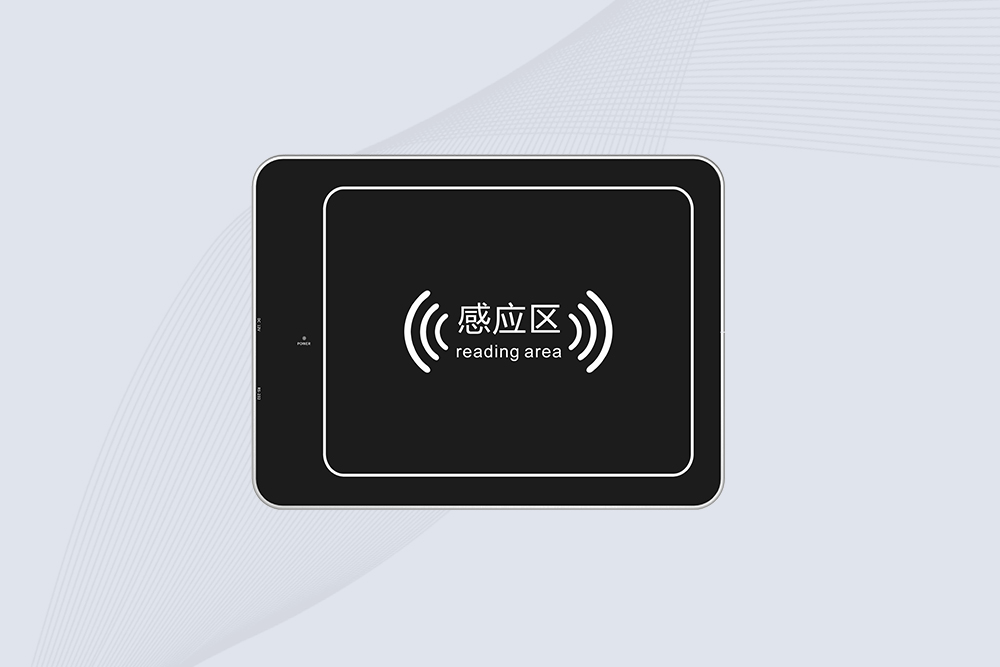
The CYKEO CYKEO-D5L Desktop RFID Card Reader is a stable UHF RFID Card Reader designed for controlled short-range reading and writing. Built for libraries, tool rooms, and asset desks, this UHF RFID Card Reader supports dense tag handling, secure data processing, and easy USB integration.
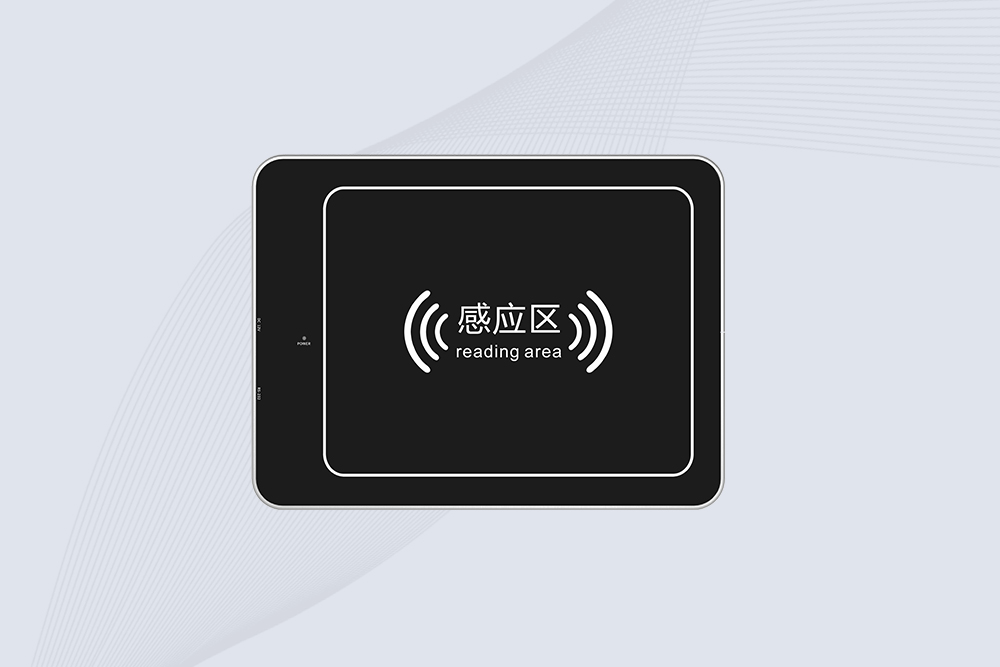
The CYKEO CYKEO-D6L RFID Reader Writer is a heavy-duty Desktop RFID Reader designed for short-range, high-accuracy tag programming. Built for libraries, labs, and asset desks, this RFID Reader Writer supports batch processing, stable 33dBm output, and seamless integration with existing management systems.
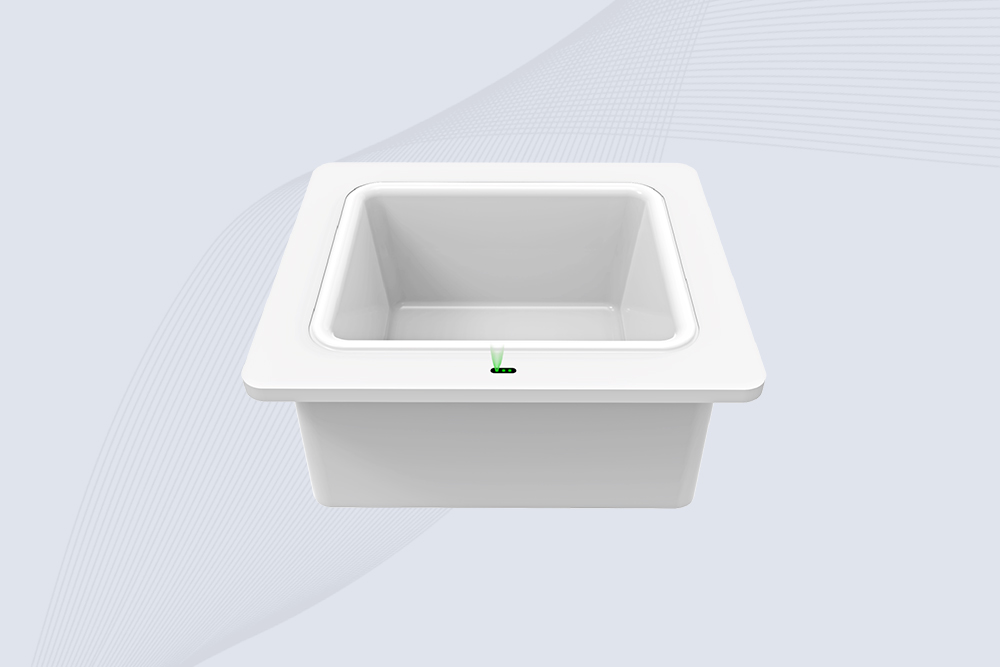
Cykeo CYKEO-D8B UHF RFID tunnel and RFID Desktop Reader features 30+ items batch reading,
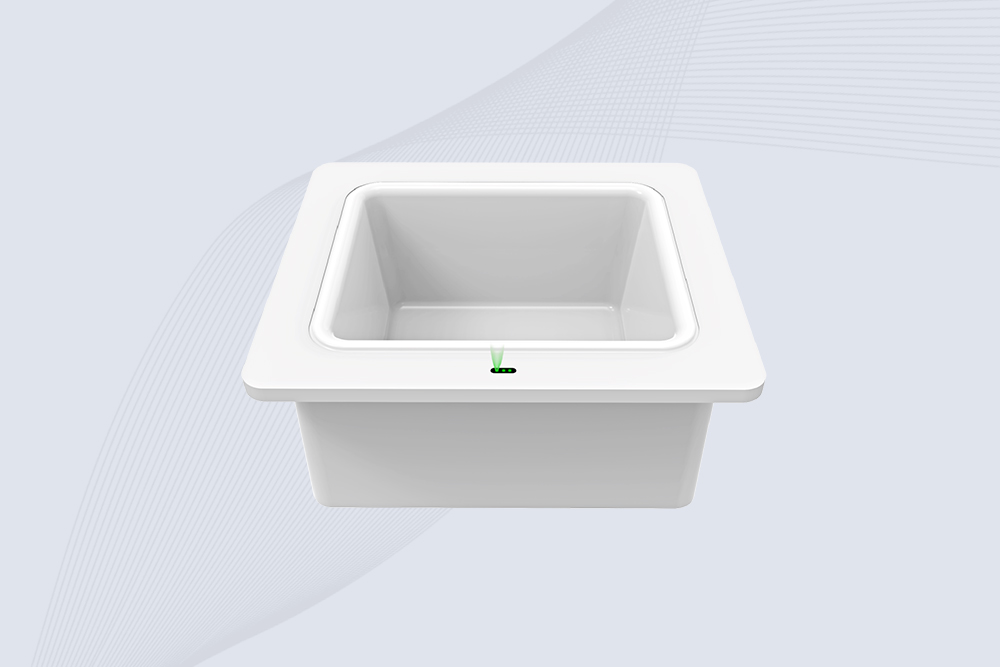
Cykeo CYKEO-D8A embedded RFID badge reader offers 30+ tags/sec scanning, 20cm anti-crosstalk precision, and DC 12V power for unmanned stores, warehouses, and smart inventory systems.
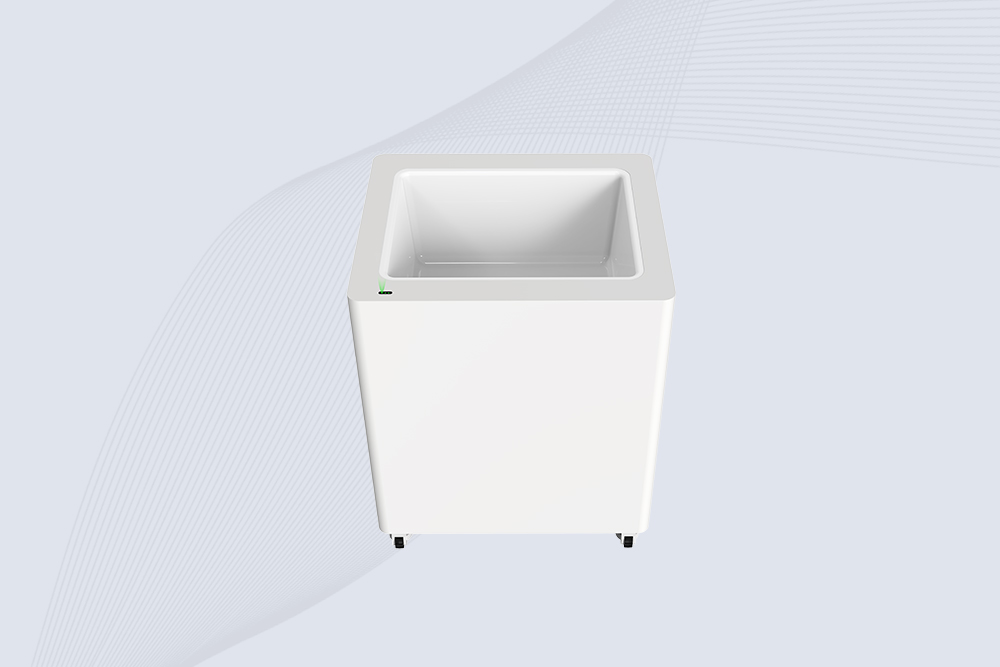
Cykeo’s CYKEO-D8C UHF RFID gate reader achieves 200-tag/batch scanning with adjustable power control, ideal for retail inventory and smart warehouse management.
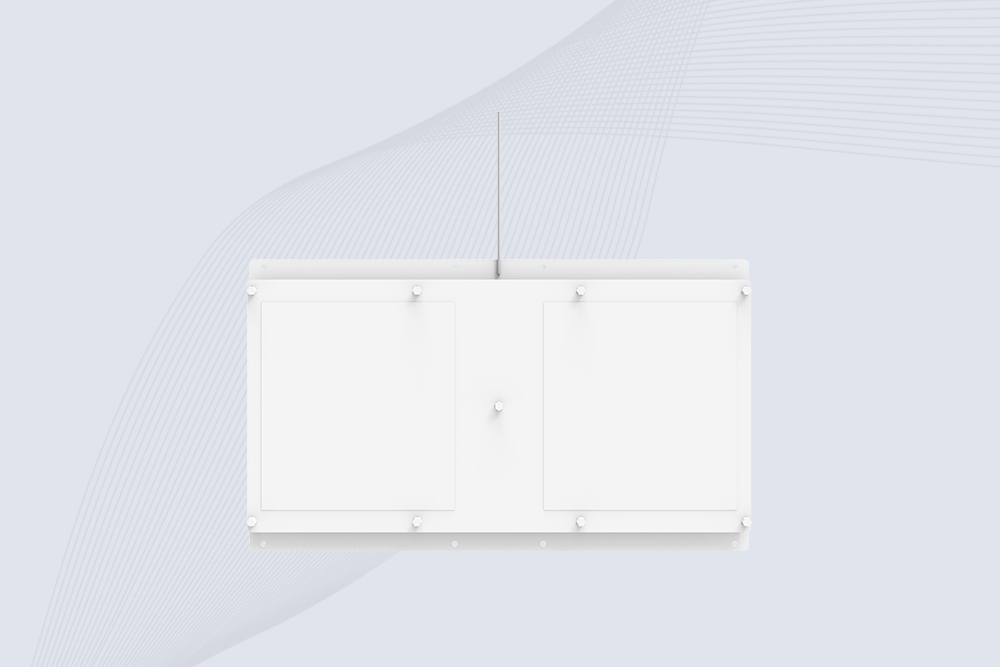
Cykeo CYKEO-A11 UHF RFID reader antenna delivers 11dBi gain, 840-960MHz frequency range, and IP65 ruggedness for retail, logistics, and industrial RFID systems. Features low VSWR and easy installation.

CYKEO Antenna RFID Reader delivers stable long-range UHF performance with a 10.5dBi directional design, built for warehouses, conveyor portals, and industrial RFID systems. This rfid reader antenna provides 20m+ read distance and rugged IP67 protection.

Cykeo CYKEO-PHF3 industrial HF RFID Antenna offers 24-point dynamic tracking, ISO 14443A/15693 protocols, metal-environment stability for archives/libraries/manufacturing.

Cykeo CYKEO-A5B industrial Linear RFID Antenna delivers 5dBi gain, ≤1.5:1 VSWR, and IP65 rugged design for warehouse, production line, and logistics UHF systems.

Cykeo’s CYKEO-B12 Long Range RFID Antenna delivers 15m+ read range with 12dBi gain, IP65 rugged design, and global 840-960MHz UHF support. Ideal for warehouse/logistics asset tracking.
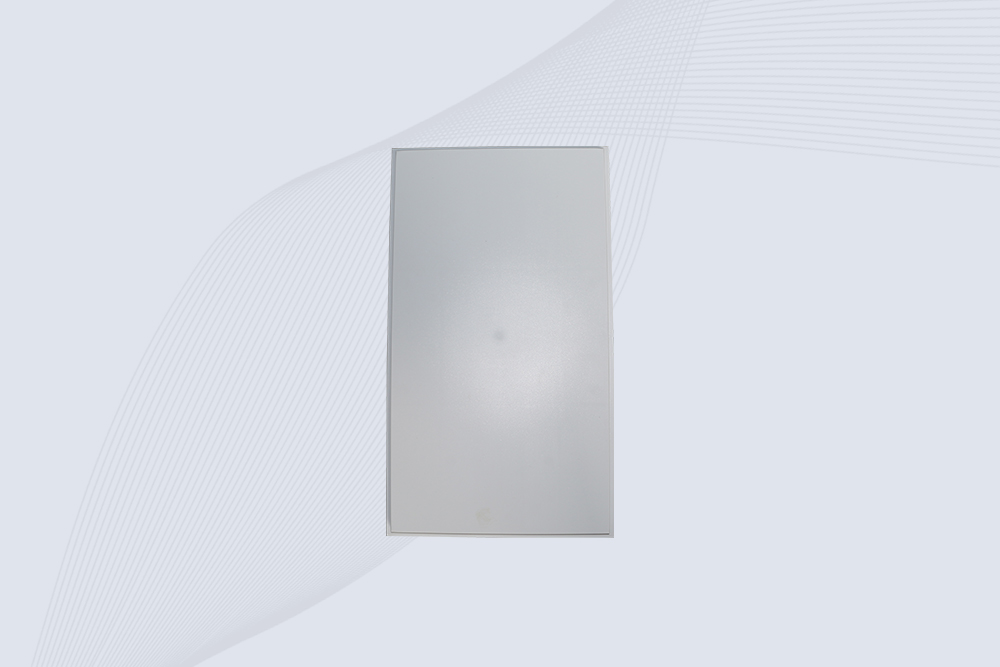
Cykeo CYKEO-B10 Long Distance RFID Antenna offers 10dBi gain, 840-960MHz frequency range, IP65 rating, and 20m+ coverage for logistics/warehousing/ETC systems. Low VSWR ensures stable signal transmission.
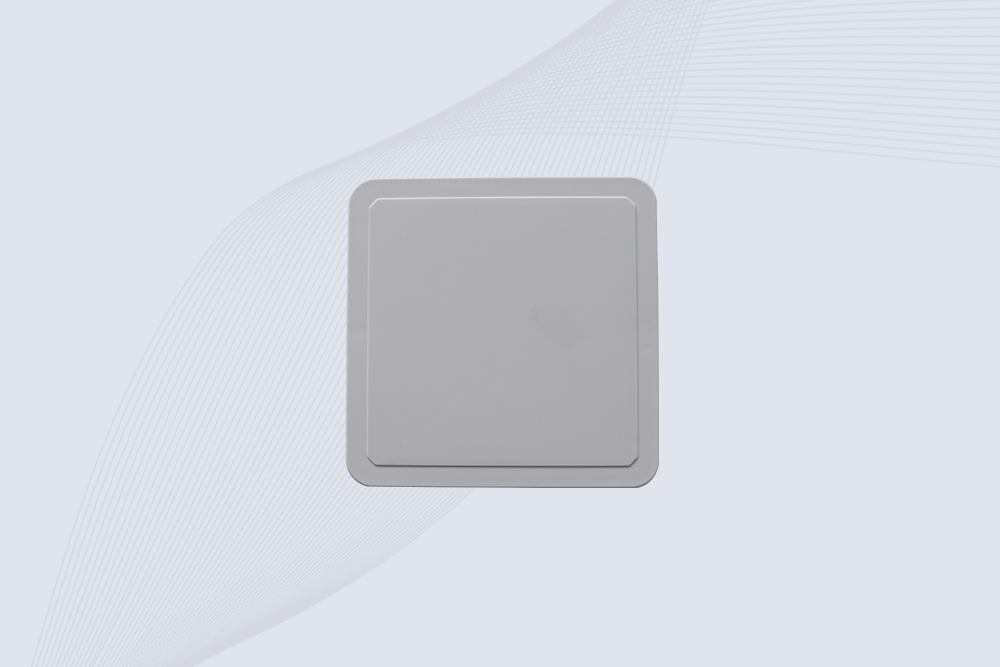
Cykeo CYKEO-A6 UHF RFID panel antenna features 6dBi gain, 840-960MHz broadband, IP65 metal-ready housing for logistics/smart retail. 18mm ultra-thin design with tool-free mounting.

Cykeo CK-A3 industrial antenna RFID UHF offers 5m+ tag detection, ≤1.3:1 VSWR, IP65 rugged design, and global UHF spectrum compatibility (840-960MHz) for warehouses, factories, and retail.
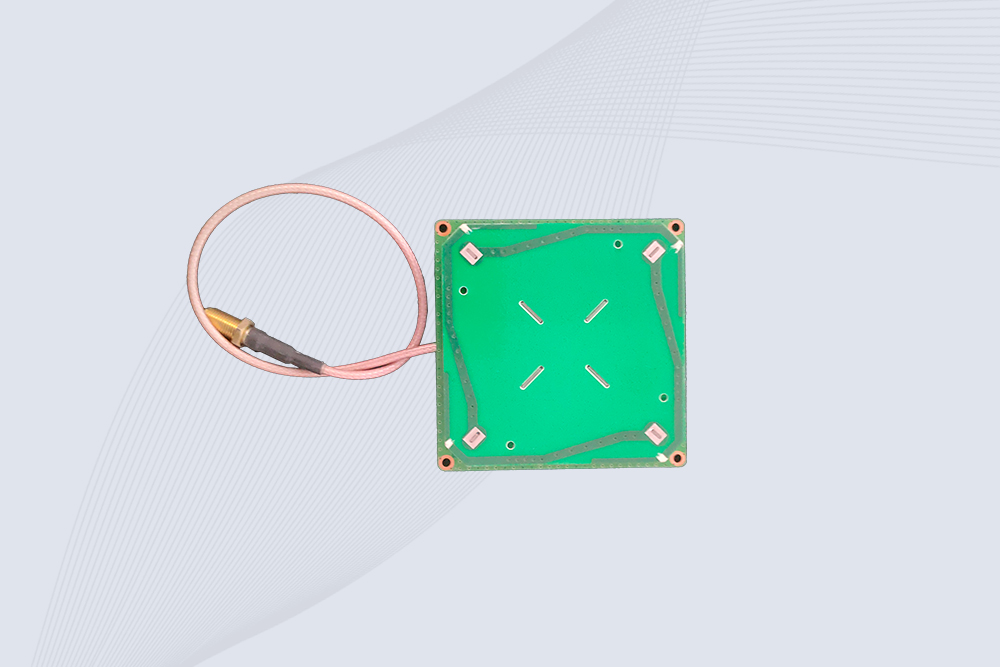
Cykeo CYKEO-B5 directional RFID antenna provides 5dBi gain with 60° narrow beamwidth for precise inventory tracking. IP65-rated, global UHF frequency support, and low VSWR.
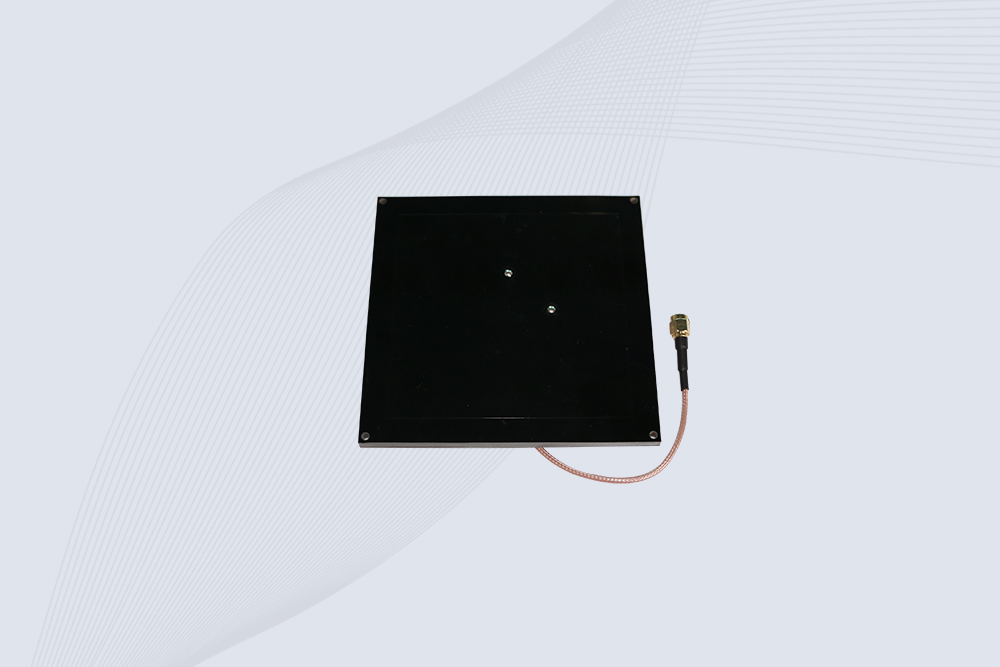
Create your own high-performance DIY RFID antenna! 5dBi gain, 840-960MHz tunable, step-by-step guides. Compatible with Arduino, Raspberry Pi, and commercial UHF readers.
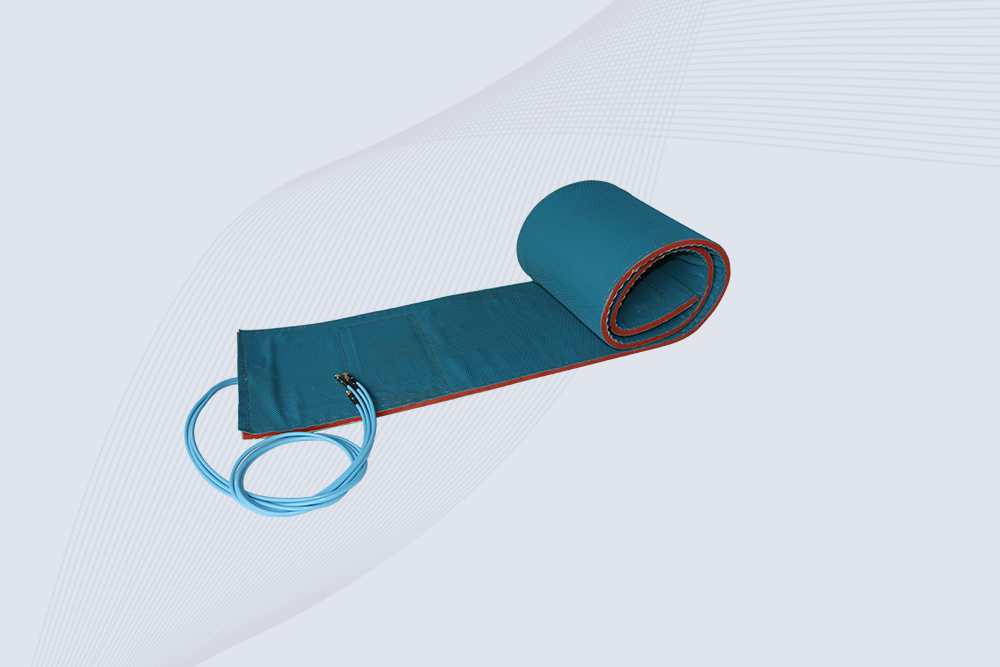
Cykeo CYKEO-A7 Flexible RFID Antenna features 840-960MHz wideband tuning, 7dBi gain, and IP68 rating for medical/retail/industrial curved surface deployments. 98% read accuracy with peel-and-stick installation.

Cykeo CYKEO-B5A industrial Passive RFID Antenna delivers 5dBi gain, 70° beamwidth, and -40°C~55°C operation for warehouses/smart cabinets. Compatible with Zebra/Impinj readers.
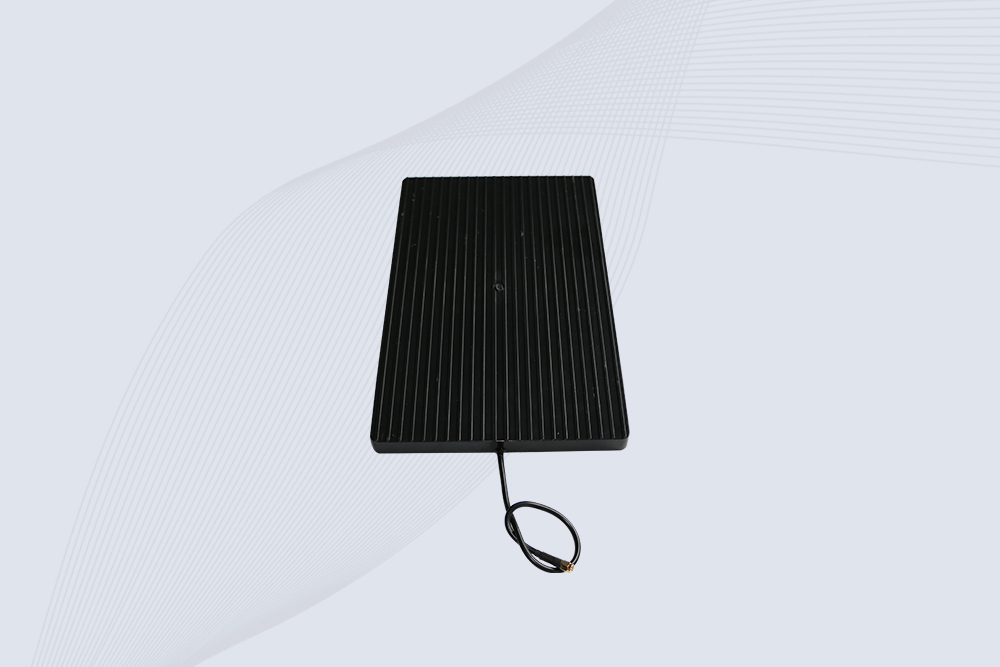
Cykeo’s CYKEO-A9B High Gain RFID Antenna delivers 15m+ read range with 9dBi amplification. Features IP54 rugged design, 840-960MHz bandwidth, and 80° beamwidth for warehouse/manufacturing RFID systems.

Cykeo’s enterprise-grade 8dbi Impinj RFID Antenna 10m+ read range with 840-960MHz tuning. Features IP65 housing, 1.4 VSWR, 35° beamwidth for retail/warehouse RFID systems.
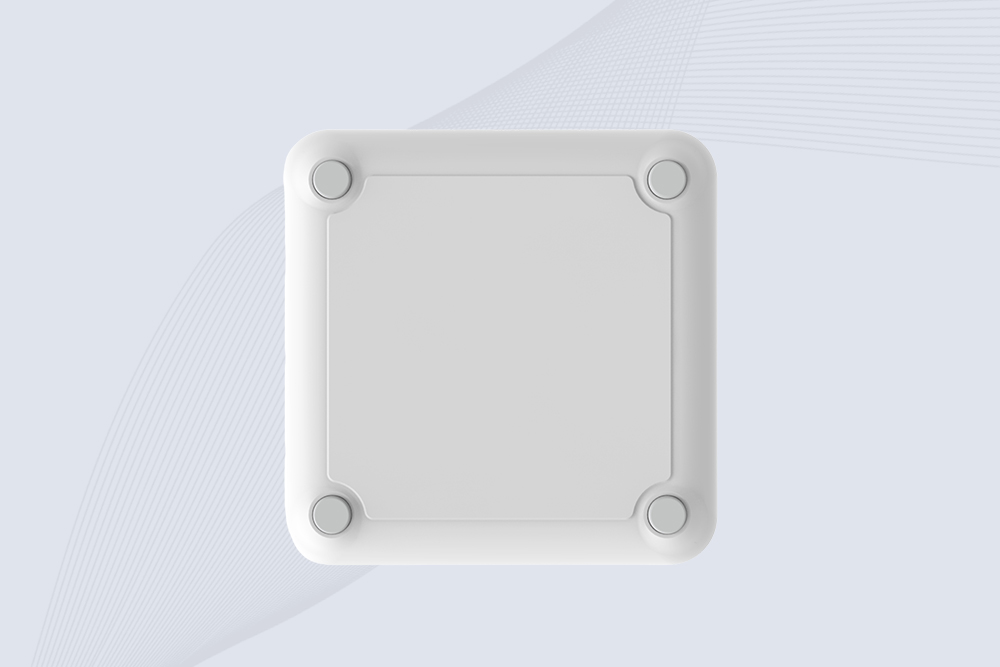
Cykeo CYKEO-A9 industrial UHF RFID antenna delivers 9dBi gain, 840-960MHz frequency range, and IP65 protection for warehouse/logistics/retail RFID systems. Features N-type connector and ≤1.3:1 VSWR.
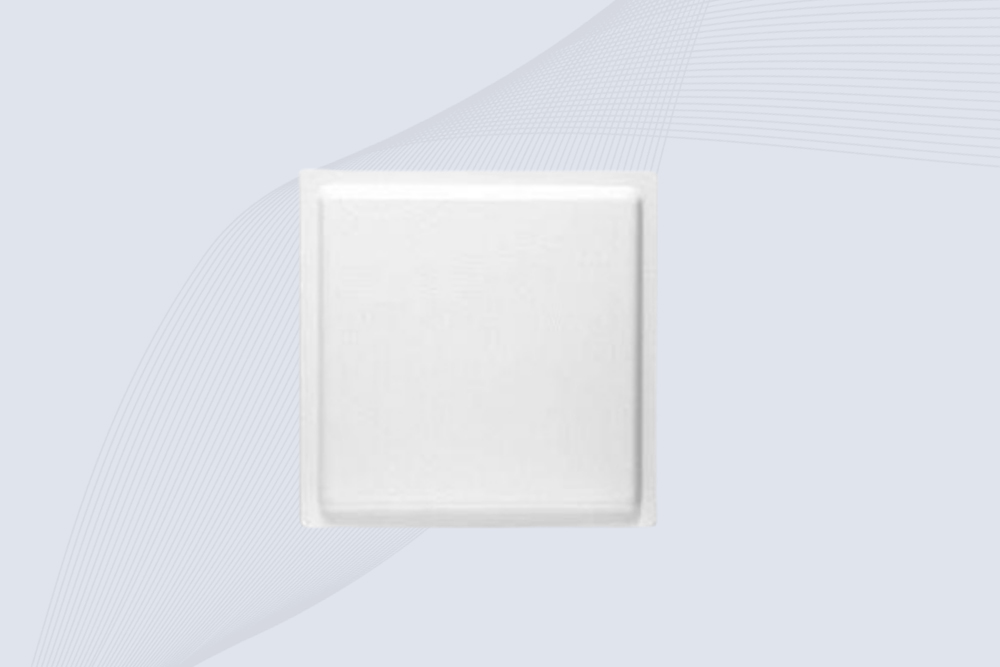
CYKEO UHF RFID Antenna built for long-distance and industrial applications. This antenna rfid uhf delivers strong gain, outdoor durability, and reliable tag performance in warehouses, yards, and vehicle ID systems.
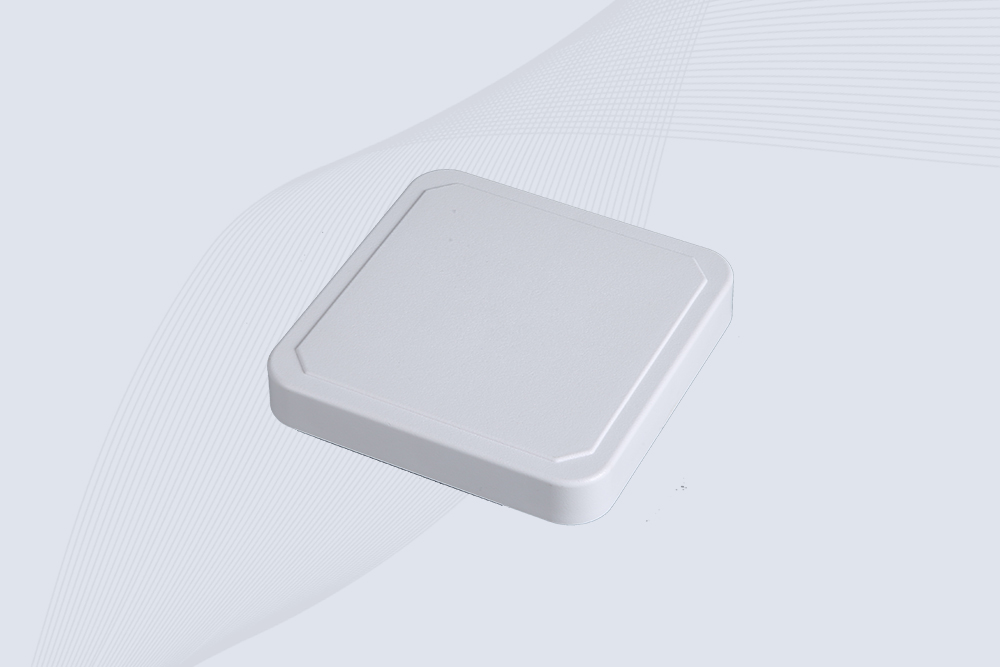
CYKEO Antenna RFID delivers reliable long-range UHF performance in warehouses, retail shelves, and cold-chain environments. This compact uhf rfid antenna provides stable reads with circular polarization and ultra-wide 840–960 MHz support, ideal for industrial tracking, smart shelves, and asset monitoring.
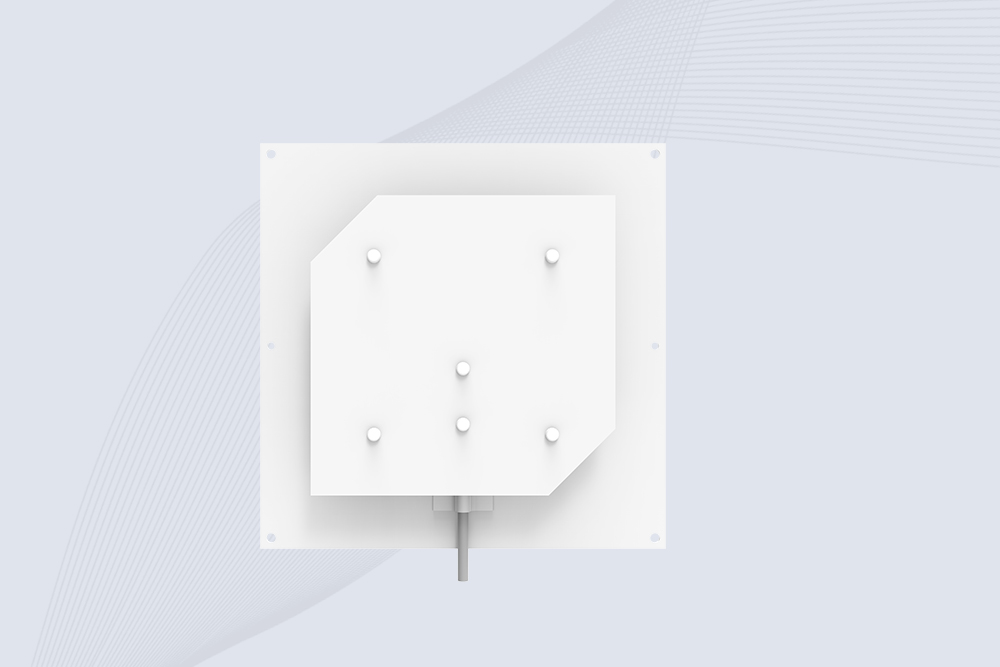
Cykeo’s CYKEO-C8 UHF RFID antennas delivers 8dBi gain, 840-960MHz full-band coverage, and IP65 ruggedness for manufacturing/warehouse RFID systems. Industrial RFID Antennas Features
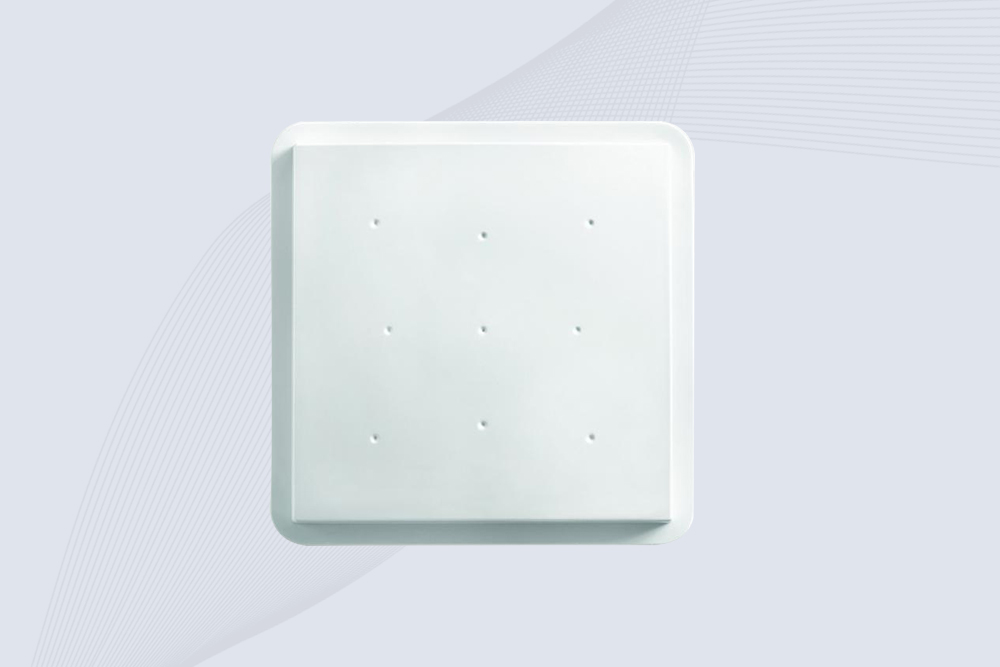
Cykeo’s 8dBi UHF RFID antenna and reader kit delivers 10m+ range, 840-960MHz broadband, and IP65 ruggedness for factories, warehouses, and logistics. ISO 18000-6C & EPC Gen2 certified.
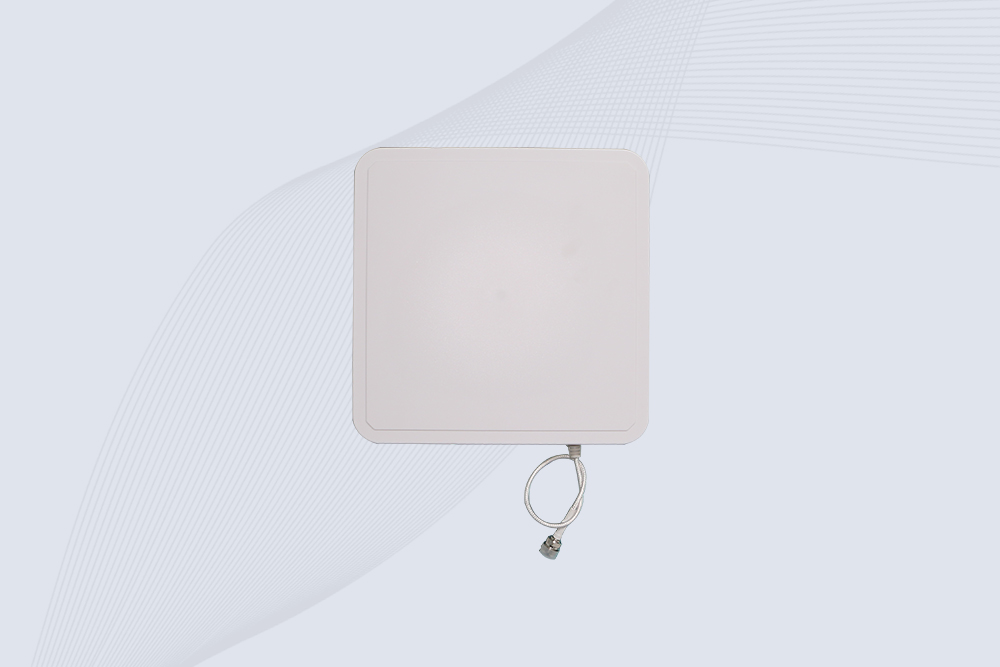
Cykeo CYKEO-A9A industrial UHF RFID reader and antenna kit delivers 10m range, 500 tags/sec, IP65 ruggedness for manufacturing/logistics. Supports EPC Gen2, ISO18000-6C.
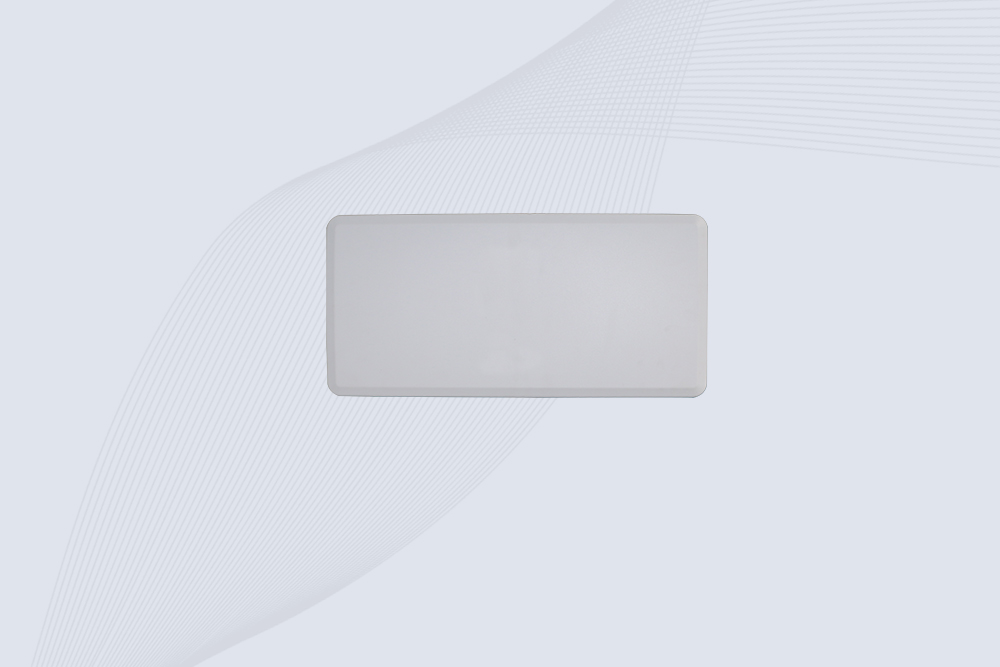
Cykeo’s CYKEO-A12C UHF Large RFID Antenna delivers 12dBi gain, 840-960MHz global frequency, IP65 ruggedness for logistics/warehousing/automotive. 40° beamwidth ensures stable 15m+ tag reads.

CYKEO Near Field RFID Antenna provides precise 5–30 cm reading for shelves, cabinets, and workstations. This compact rfid shelf antenna delivers stable short-range performance around metal and clutter, ideal for pharmacies, libraries, and electronics sorting.
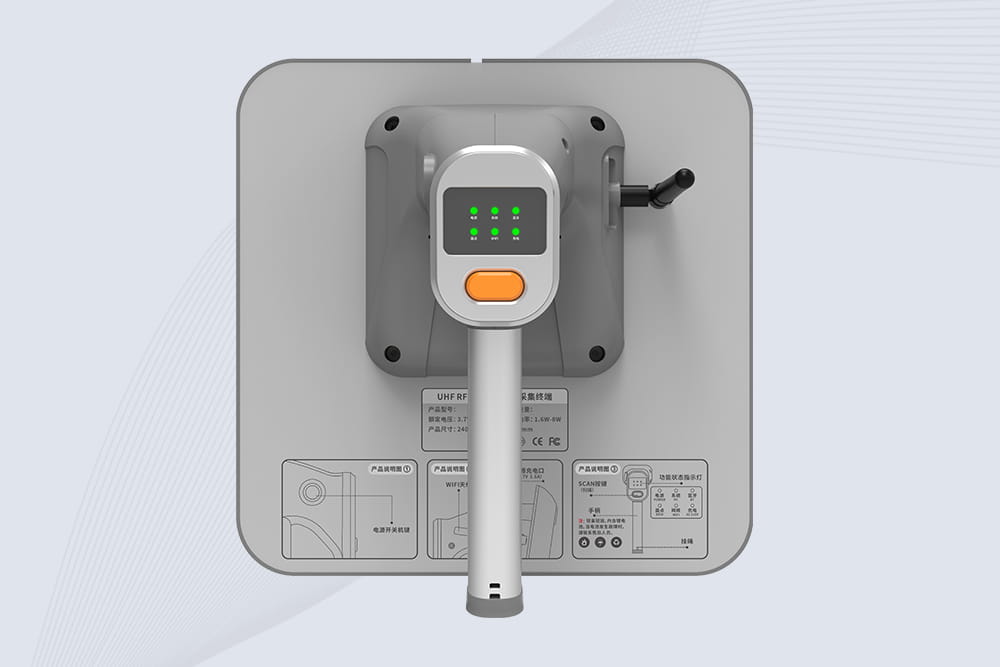
Cykeo CYKEO-B9 UHF Bluetooth handheld RFID scanner features 12m UHF range, 200+ tags/sec scanning, IP67 rugged design for retail/warehouse/pharma. Supports Android SDK & real-time Bluetooth 5.0 transmission.
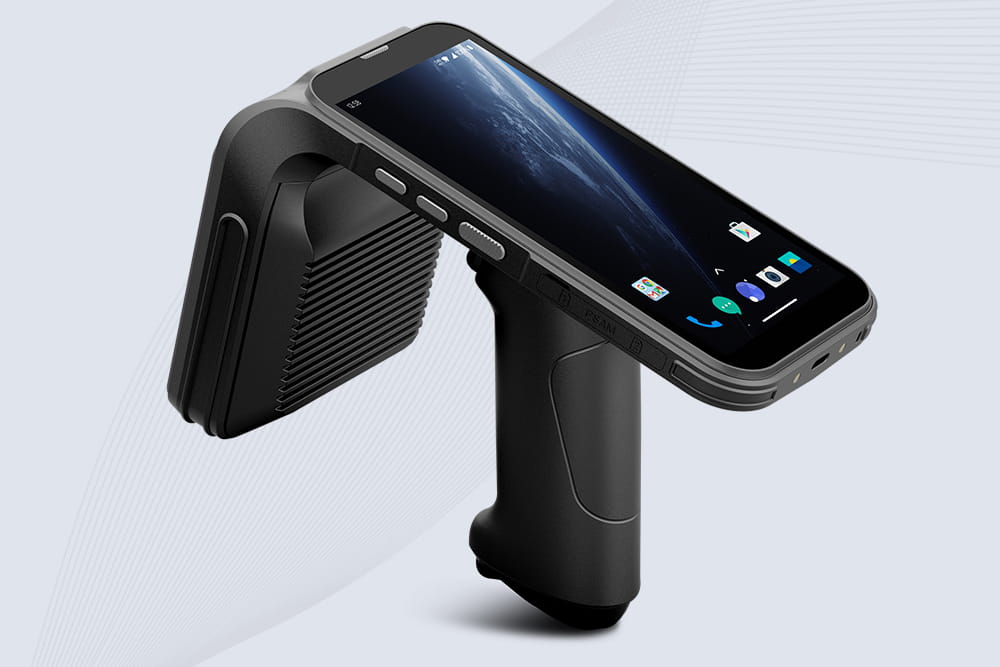
Cykeo CYKEO-B4 UHF Handheld RFID Reader scanner delivers 1300 tags/sec reading, 30m UHF range, and 12-hour battery life. IP65 rugged design with barcode/NFC/ID scanning for retail/manufacturing/logistics.
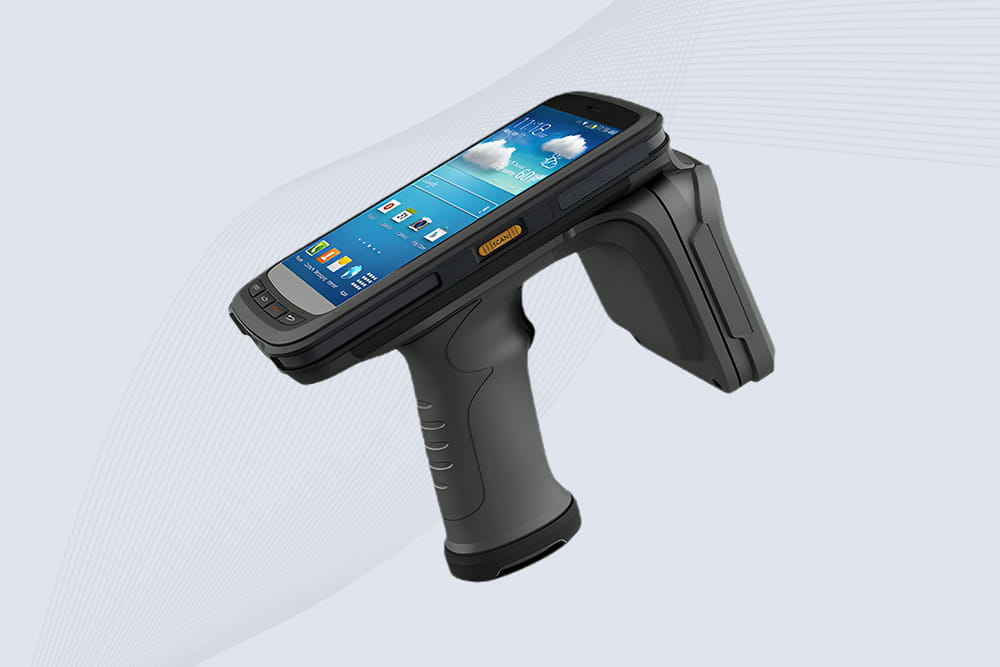
Cykeo CYKEO-B2 industrial UHF RFID handheld Scanner offers 10m range, 500 tags/sec scanning, Android 11 OS, and IP65 rugged design for retail/warehouse/manufacturing.
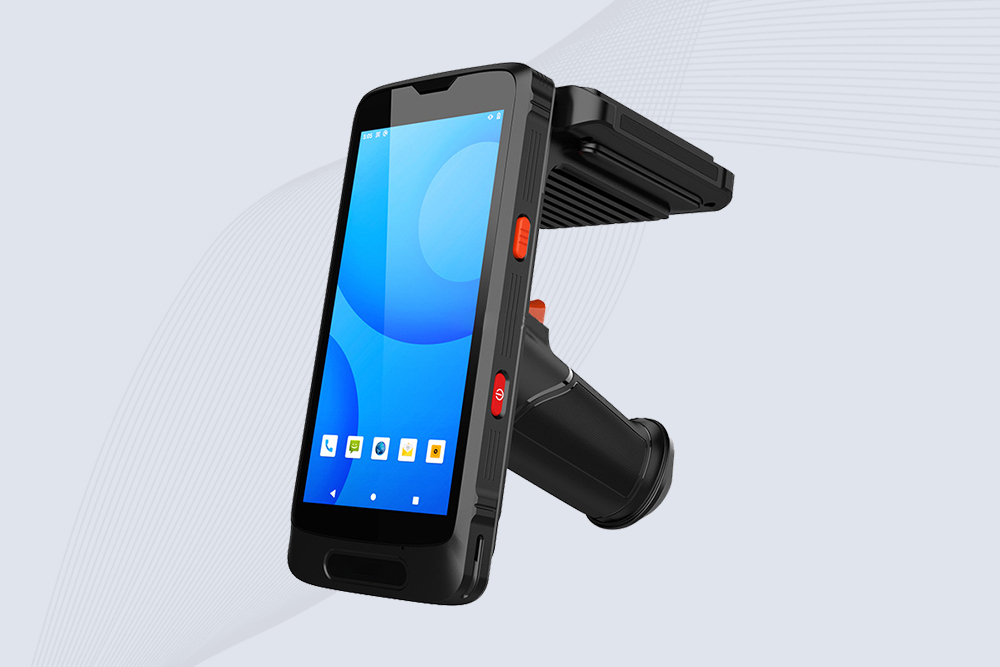
Cykeo CYKEO-B3 industrial RFID Reader Handheld, terminal offers 2m read range, multi-protocol scanning (NFC/barcode/ID), Android 10 OS, and IP65 ruggedness for logistics/retail/manufacturing.
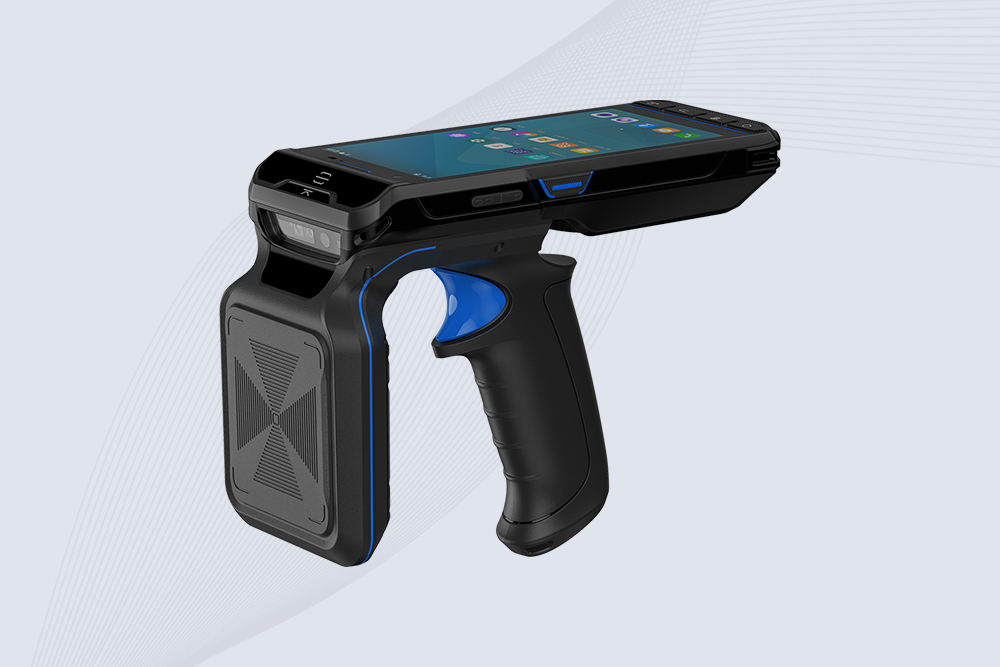
Cykeo CYKEO-B3L industrial handheld UHF RFID Reader terminal features 20m read range, 500 tags/sec scanning, Android 13 OS, 12-hour battery for logistics/retail/manufacturing. Supports barcode/NFC/ID reading.

Cykeo CYKEO-C1 industrial Forklift RFID Reader features 20m read range, 600 tags/sec scanning, Impinj R2000 chipset, and IP67 rugged design. Ideal for warehouse logistics and manufacturing. Supports ISO 18000-6C/6B protocols.

Cykeo CYKEO-R4 industrial UHF RFID Fixed Reader features 4 TNC ports, 400+ tags/sec speed, IP67 housing, and global frequency compliance for vehicle inspection, smart warehouse, and asset management systems.

How kiosk RFID is used in self-checkout, smart vending, hospitals, and events. Real hands-on experience with its benefits, challenges, and lessons learned.
More
what is rfid tracking system? Learn how RFID readers, tags, software, and data events work together to identify assets, improve inventory visibility, and support real-time operations.
More
Step-by-step guide to installing and configuring industrial RFID readers for maximum efficiency. Learn best practices and avoid common pitfalls with Cykeo’s expertise.
More
Discover how RFID cards streamline electric car charging access, authentication, and billing. Learn about their benefits, security, and Cykeo’s charging solutions.
More