 Cykeo RFID IoT Solution Products R&D Manufacturer

what does rfid chip stand for
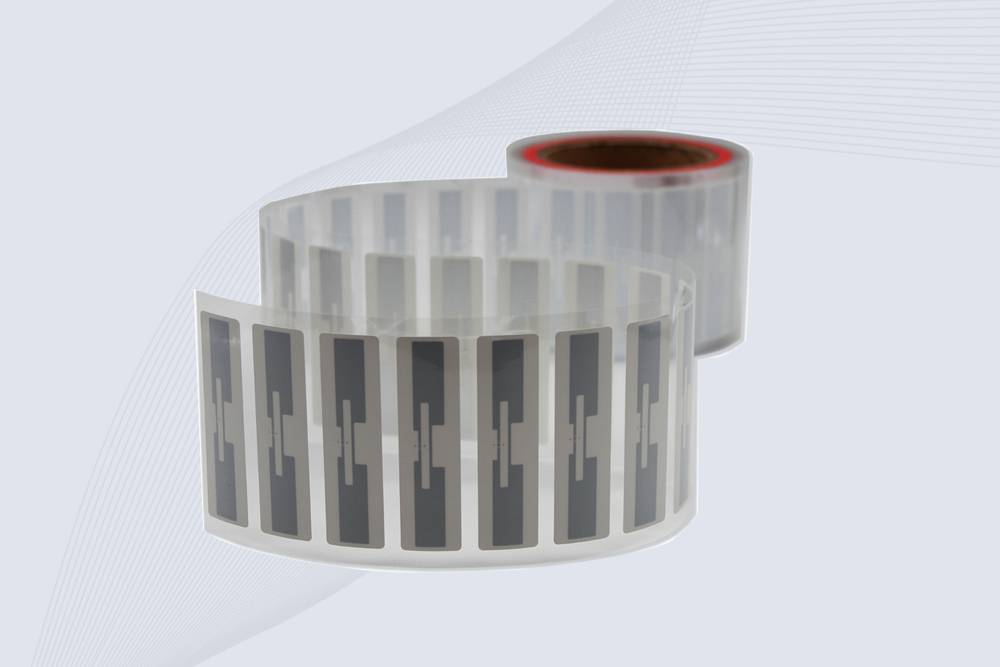
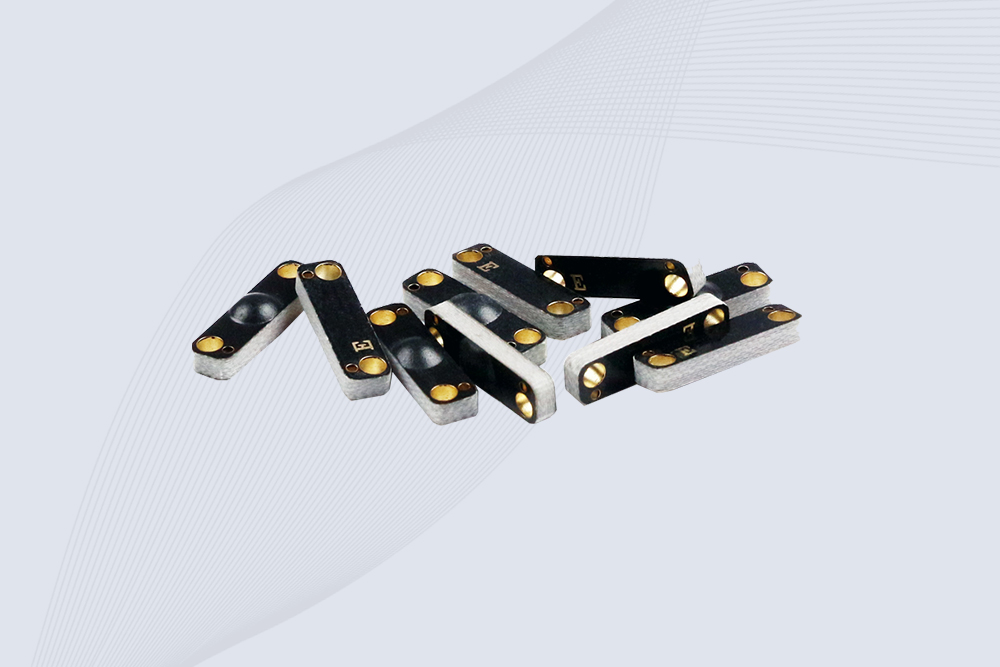
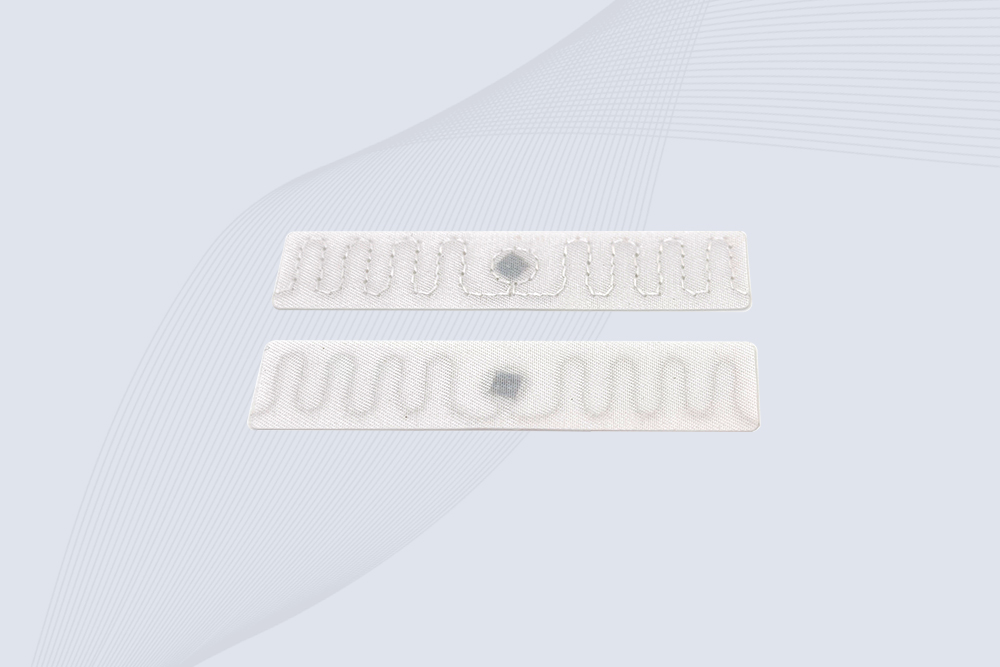
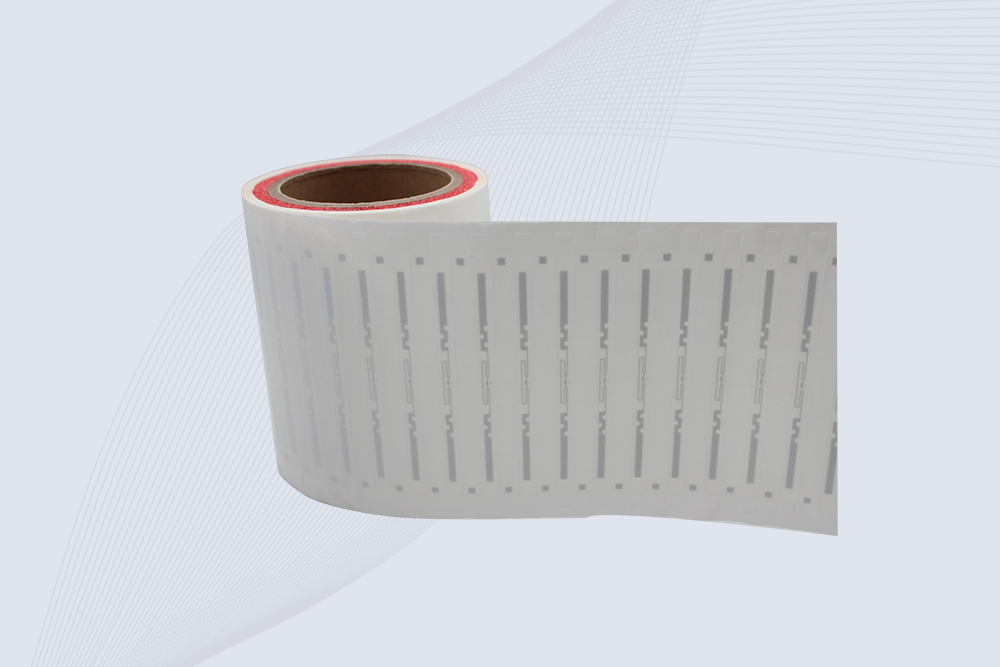
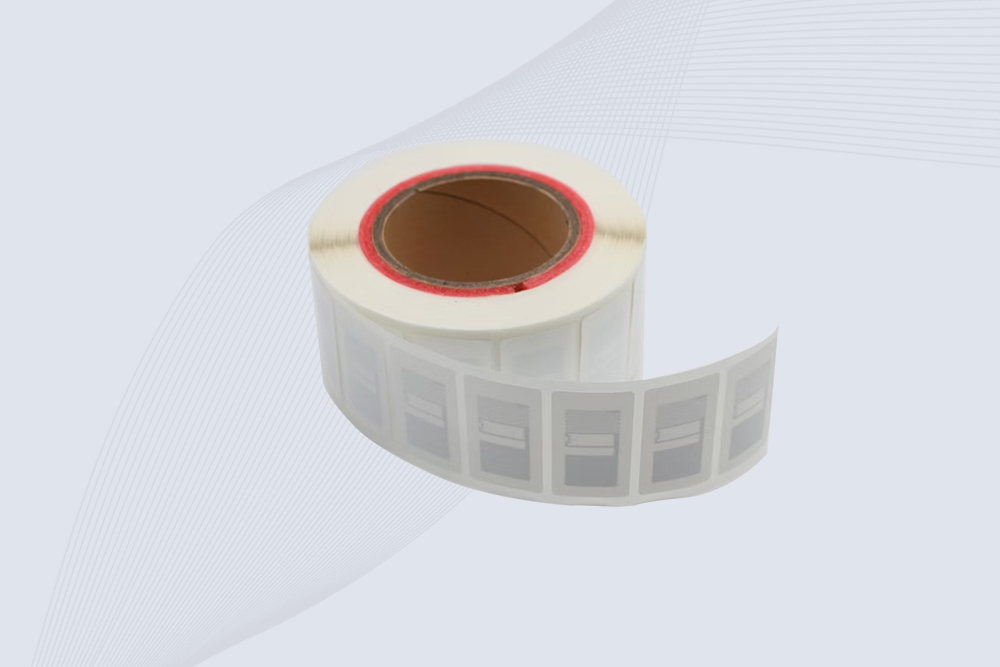
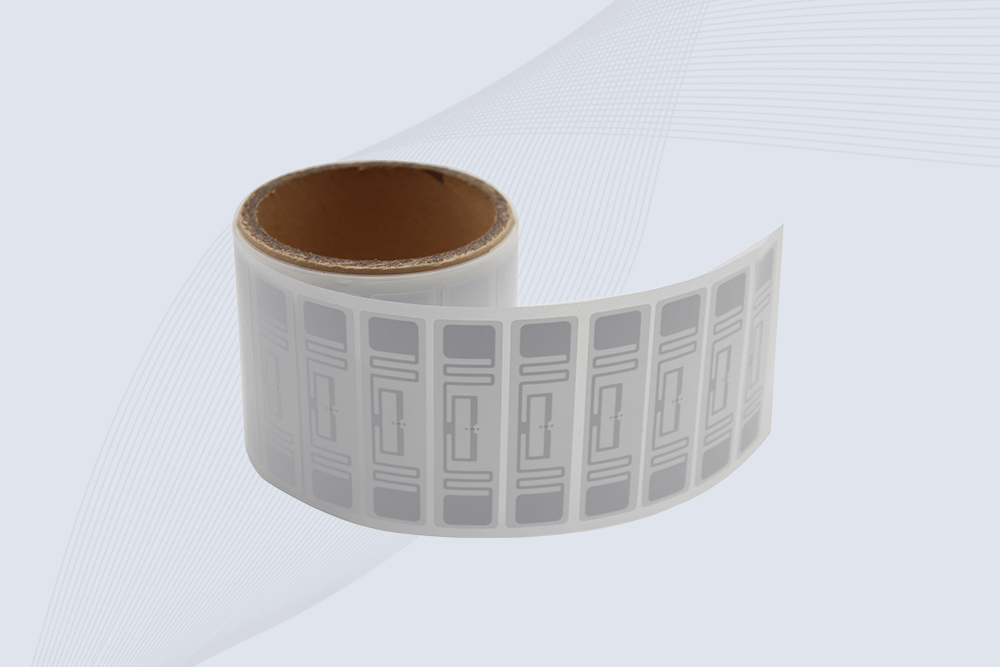
71An RFID chip stands for Radio Frequency Identification chip. It is the electronic component inside an RFID tag that stores identification data and communicat...
MoreAll RFID Product
Extending your RFID reader’s scanning range is critical for industries like logistics, warehousing, and retail, where fast, accurate data capture drives productivity. While many assume hardware upgrades are the only solution, optimizing your existing setup can significantly boost range and efficiency. Below, we break down seven proven methods to maximize RFID read distances without costly replacements.
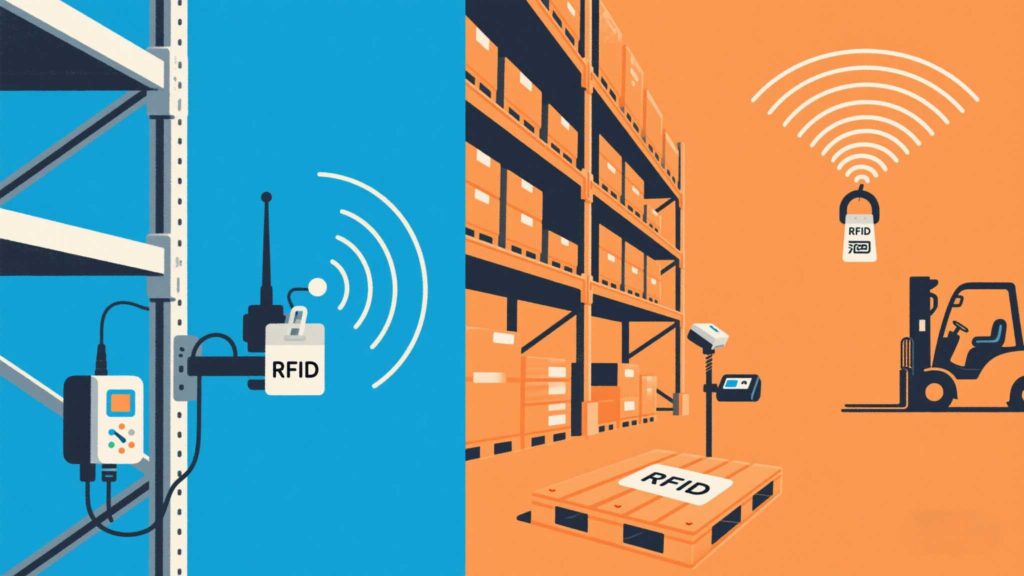
RFID readers rely on antennas to transmit and receive signals. Elevating the antenna 6–10 feet above ground level minimizes obstructions, while tilting it at a 15–30° angle toward the target zone ensures optimal signal coverage. For example, Cykeo’s directional antennas focus energy into a narrow beam, doubling read ranges in cluttered environments.
Standard antennas (6–8 dBi) work for short-range tasks, but high-gain antennas (10–12 dBi) concentrate signals farther. Pair them with circular polarization to handle tag orientation shifts, ideal for pallet tracking in warehouses.
Wi-Fi routers, metal surfaces, and machinery emit RFI that disrupts RFID signals. Mitigate this by:
Most UHF RFID readers allow transmit power adjustments (1–4W). Increasing power amplifies signal strength but risks interference. Test increments of 0.5W until you hit the “sweet spot” for your environment.
Tags with impinj Monza® or Higgs® chips enhance sensitivity, enabling reads at 40+ feet. For metal surfaces, use on-metal tags with foam spacers to prevent signal absorption.
RFID middleware like Cykeo’s RangeBoost Pro eliminates duplicate reads and filters out weak signals, improving accuracy for long-range applications.
Signal attenuation varies with layout changes. Use a handheld RFID reader to map “dead zones” and adjust antenna positions quarterly.
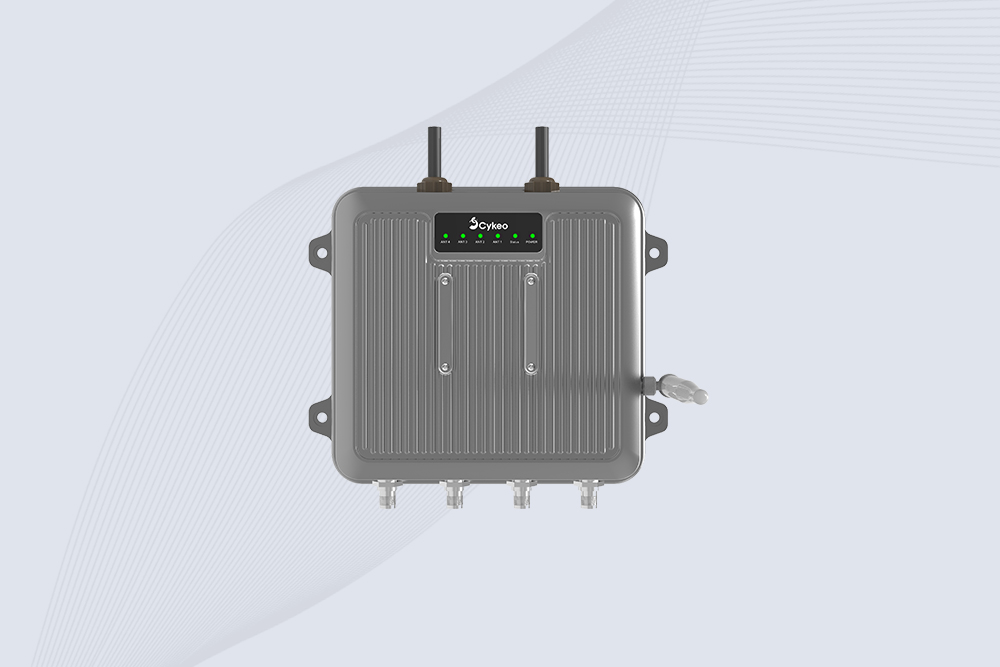
Cykeo’s industrial-grade readers feature adaptive power control and anti-interference algorithms tested in harsh environments, from freezer warehouses to construction sites. Their software-hardware integration ensures reliable reads at up to 50 feet.

An RFID chip stands for Radio Frequency Identification chip. It is the electronic component inside an RFID tag that stores identification data and communicat...
More
Use a compatible RFID reader to scan the tag and check its EPC or TID. EPC usually identifies the tagged object, while TID identifies the RFID chip.
More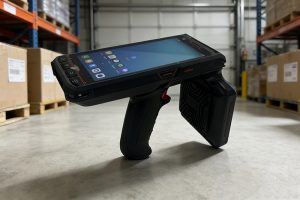
Learn how handheld rfid writer works with UHF RFID tag systems for long-range tracking, fast inventory, and reliable asset visibility in real operations.
More
Looking for a reliable long range RFID scanner supplier in China? Explore OEM UHF RFID readers, custom RFID solutions, bulk pricing, and factory support for warehouses, logistics, retail, and industrial applications.
More