 Cykeo RFID IoT Solution Products R&D Manufacturer

How achive smart managment in rfid lab sample tracking
122rfid lab sample tracking system improves laboratory safety, sample visibility, and hazardous material control with automated RFID tracking and real-time auditing.
MoreAll RFID Product
Retail RFID uses ultra high frequency RFID technology to automate inventory tracking, improve stock accuracy, and increase operational visibility across modern retail environments.
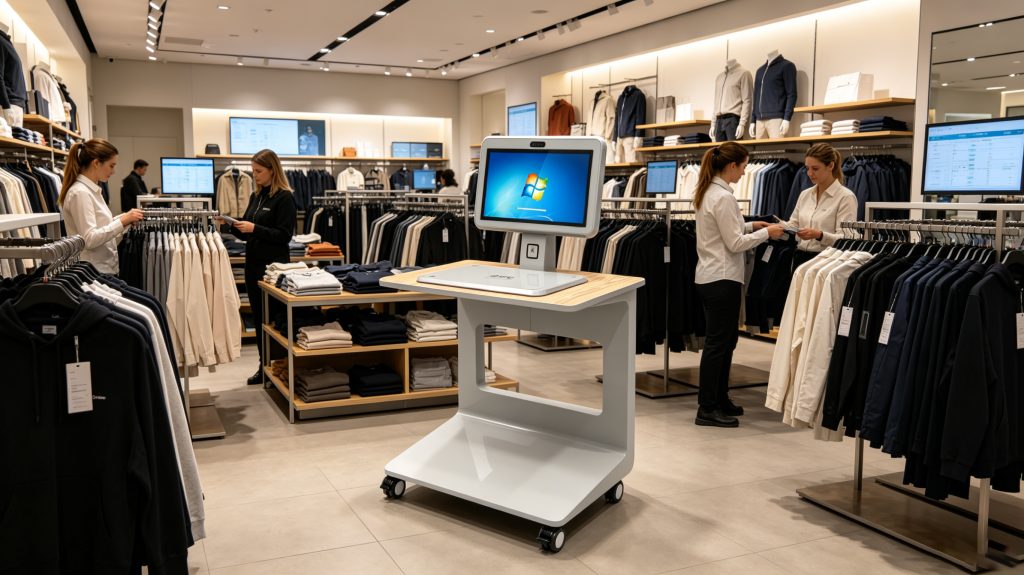
A fashion retailer I visited in Southeast Asia once had a strange problem.
Their inventory reports looked healthy.
Their shelves did not.
Staff kept saying products were “probably in the back room,” but nobody could confirm where items actually were. The store looked full from a distance, yet popular sizes vanished daily.
The issue was not demand forecasting.
It was visibility failure.
After switching to a Cykeo retail RFID system with fixed UHF RFID reading points and tagged merchandise, the store manager told me something unexpected:
“We stopped guessing.”
That sentence stayed with me because it summarized what retail RFID really changes.
Not just counting.
Confidence.
Retail RFID is a wireless identification system that uses RFID tags and readers to automatically track products throughout retail operations.
Unlike barcode systems, RFID does not require direct scanning alignment. Multiple tagged items can be identified simultaneously and automatically.
This makes retail RFID particularly useful for:
In large retail environments, the speed difference becomes dramatic.
One employee can scan hundreds of items in seconds without touching individual products.
That changes labor efficiency immediately.
Ultra high frequency RFID supports longer reading distances and rapid multi-tag identification, making it ideal for dynamic retail environments.
According to GS1 US RFID Resources, retailers using RFID commonly achieve inventory accuracy rates above traditional manual counting systems.
Another report from McKinsey & Company highlights how RFID technology improves stock visibility and enables faster omnichannel fulfillment.
That matters more than many retailers expect.
Customers today do not tolerate inventory uncertainty very well.
If a website says “available,” shoppers expect the item to exist physically.
Retail RFID helps close that gap.
One luxury apparel project used RFID primarily for inventory counting.
At least, that was the original goal.
But after deployment, managers discovered something else.
They could finally identify which products repeatedly entered fitting rooms without converting into purchases.
That information changed merchandising decisions entirely.
Another electronics retailer reduced manual inventory auditing from two full overnight shifts to less than two hours.
Employees stopped staying after closing time with barcode scanners.
The atmosphere inside the store changed noticeably.
Less stress.
Fewer disputes.
Much faster replenishment.
Operational improvements often arrive quietly with RFID.
Not dramatic.
Just steady.
Cykeo UHF RFID systems support rapid reading of multiple tagged retail products simultaneously.
Real-time inventory visibility helps reduce stock discrepancies and out-of-stock situations.
Automated RFID tracking minimizes repetitive barcode scanning tasks.
Retailers gain clearer insights into product movement and inventory behavior.
Cykeo RFID infrastructure supports warehouses, retail stores, fitting rooms, and checkout zones.
| Feature | Retail RFID | Barcode |
|---|---|---|
| Line-of-Sight Required | No | Yes |
| Multi-Item Reading | Yes | Limited |
| Reading Speed | Very Fast | Slower |
| Automation Capability | High | Medium |
| Inventory Accuracy | Higher | Moderate |
| Labor Dependency | Lower | Higher |
Many retailers initially compare RFID only by hardware cost.
That is usually the wrong comparison.
The real financial impact appears in:
The operational savings accumulate quietly over time.
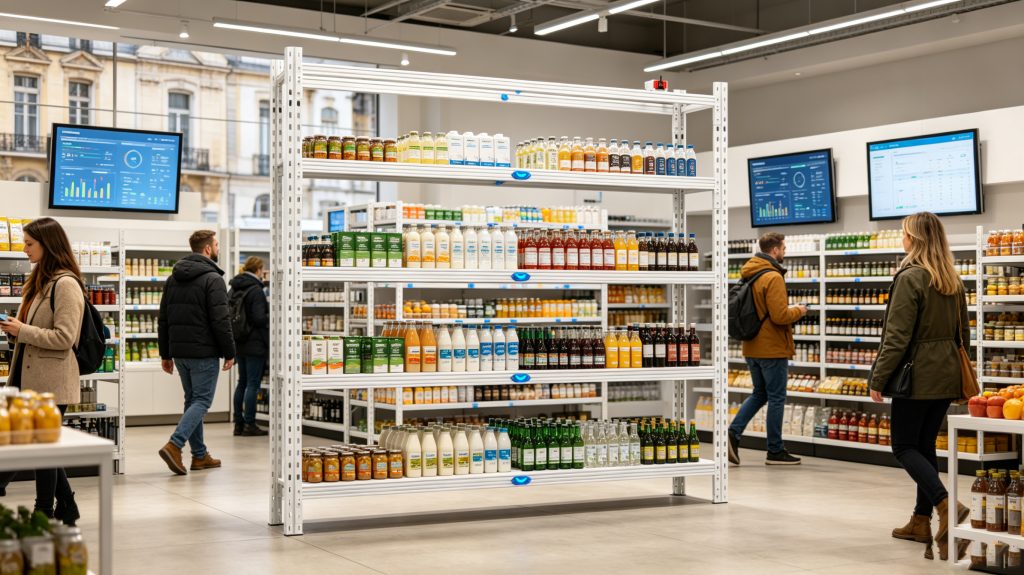
Retail RFID is used for inventory management, stock visibility, loss prevention, and automated retail tracking.
Ultra high frequency RFID supports fast long-range product identification and simultaneous multi-item reading.
Yes. RFID systems significantly improve inventory visibility compared with manual barcode counting processes.
Yes. RFID reduces manual scanning and accelerates inventory auditing and replenishment workflows.
Retail RFID is no longer limited to large enterprise retailers.
The technology has become practical, scalable, and operationally valuable even for mid-sized stores managing fast-moving inventory.
What surprised me most after visiting multiple RFID-enabled retail sites was not the speed.
It was the calmness.
Employees spent less time searching.
Managers trusted their numbers more.
Customers encountered fewer “missing inventory” situations.
And the stores simply operated with less friction.
That operational stability is difficult to measure on spreadsheets.
But inside a real retail environment, you notice it immediately.
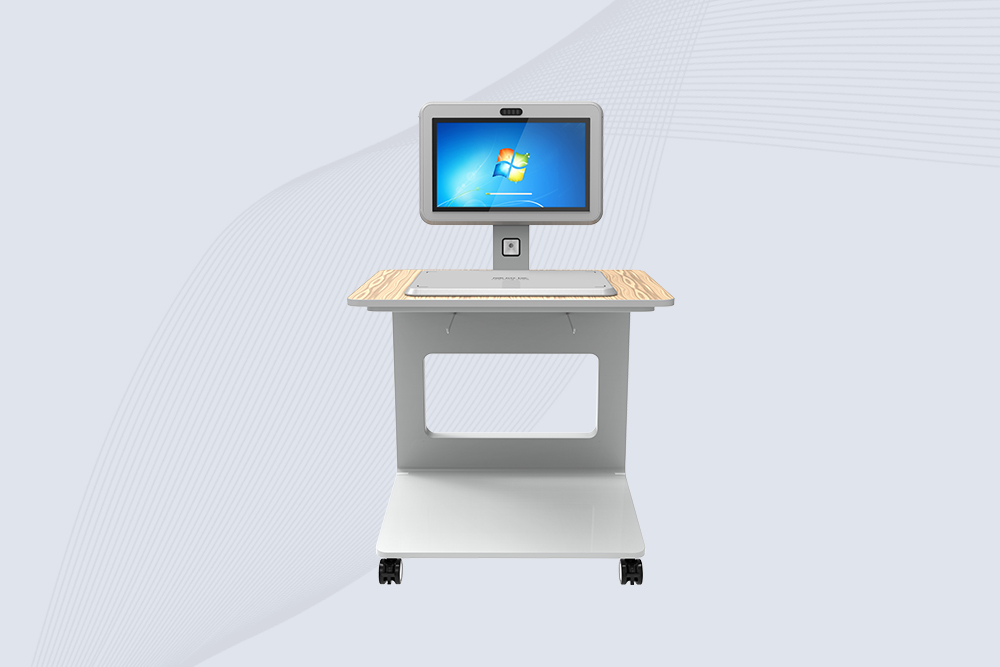
Cykeo’s CYKEO-DP11A RFID payment system combines UHF item recognition, facial authentication, and PCI-certified transactions for retail. Features Windows/Android dual OS, 4G connectivity, and SAP integration.
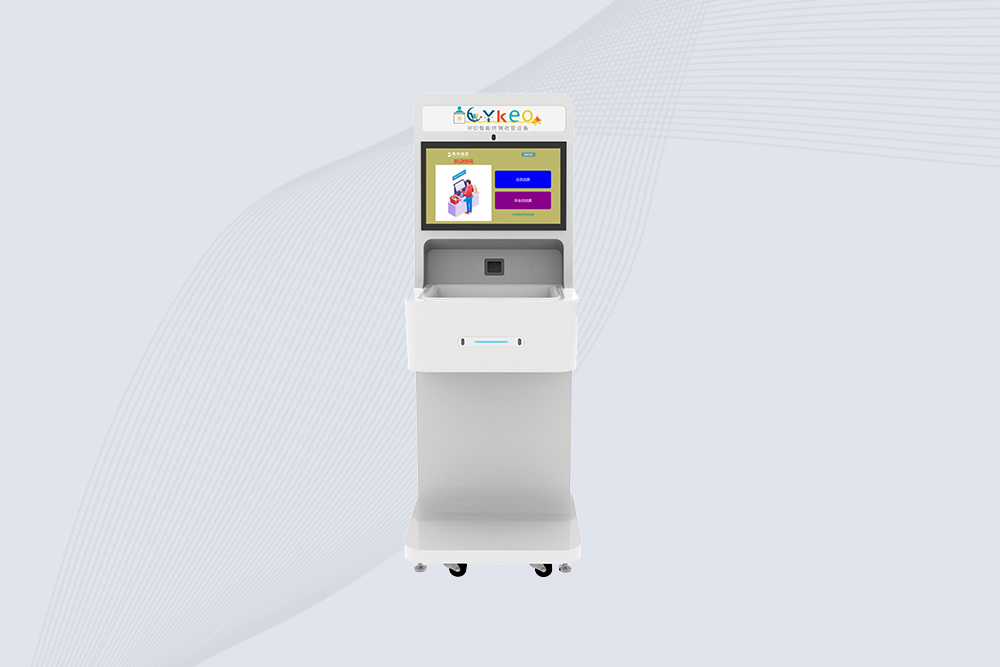
Cykeo CYKEO-DP11 UHF RFID Checkout Terminal streamlines bulk scanning operations with 5-tag/sec efficiency, dual OS compatibility (Windows/Android), and pharmacy-grade inventory management. Ideal for healthcare, retail, and unmanned stores, it ensures high-accuracy RFID bulk scanning with IP54 ruggedness and ISO 18000-6C compliance.
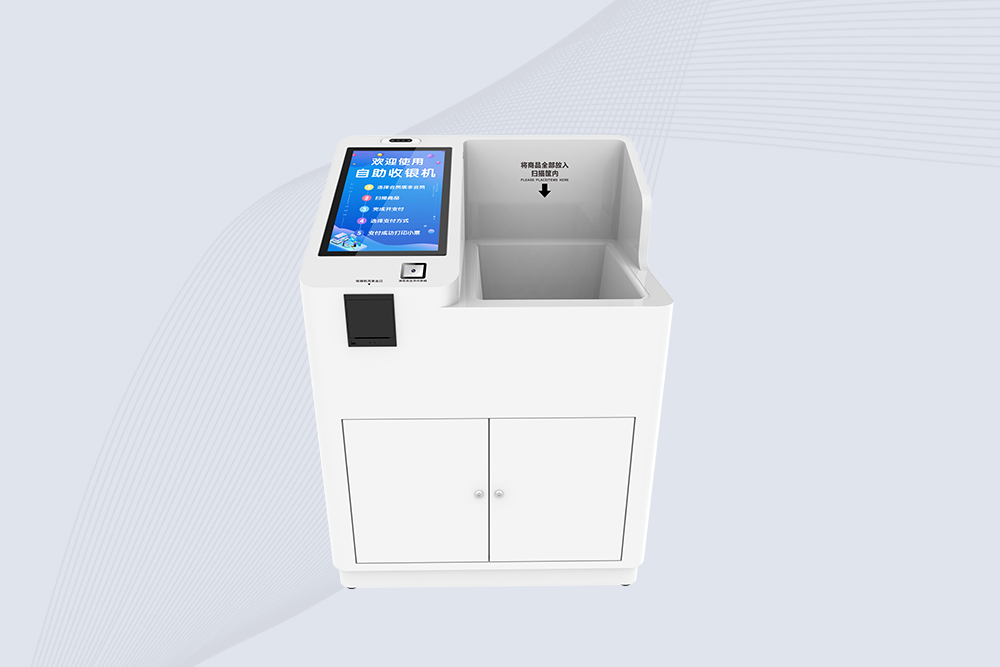
Cykeo’s unmanned RFID checkout Kiosk terminal enables 10-item bulk scanning in 3 seconds with 21.5″ touchscreen, anti-theft tag update, and POS integration for retail automation.
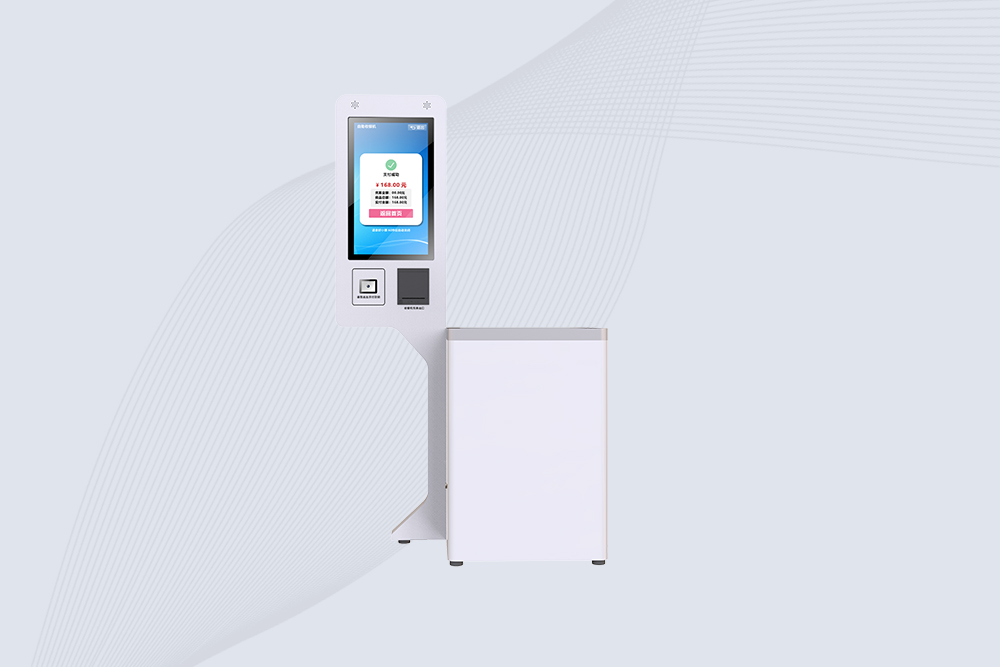
Cykeo’s CYKEO-DP11C UHF RFID self checkout kiosk enables unmanned retail with 10+ items/sec scanning, 21.5″ payment UI, and ISO 18000-6C compliance. Ideal for supermarkets and apparel stores.
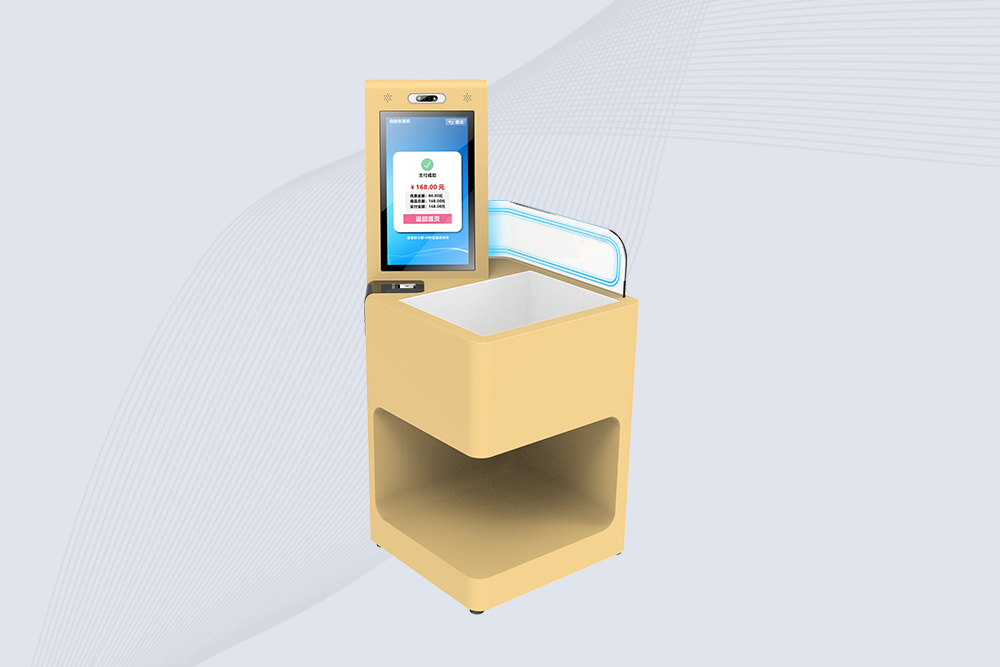
Cykeo CYKEO-DP11E RFID self checkout system offers 21.5″ touchscreen, UHF RFID batch scanning (ISO 18000-6C), and cloud integration for retail automation. Ideal for unmanned supermarkets and apparel stores.
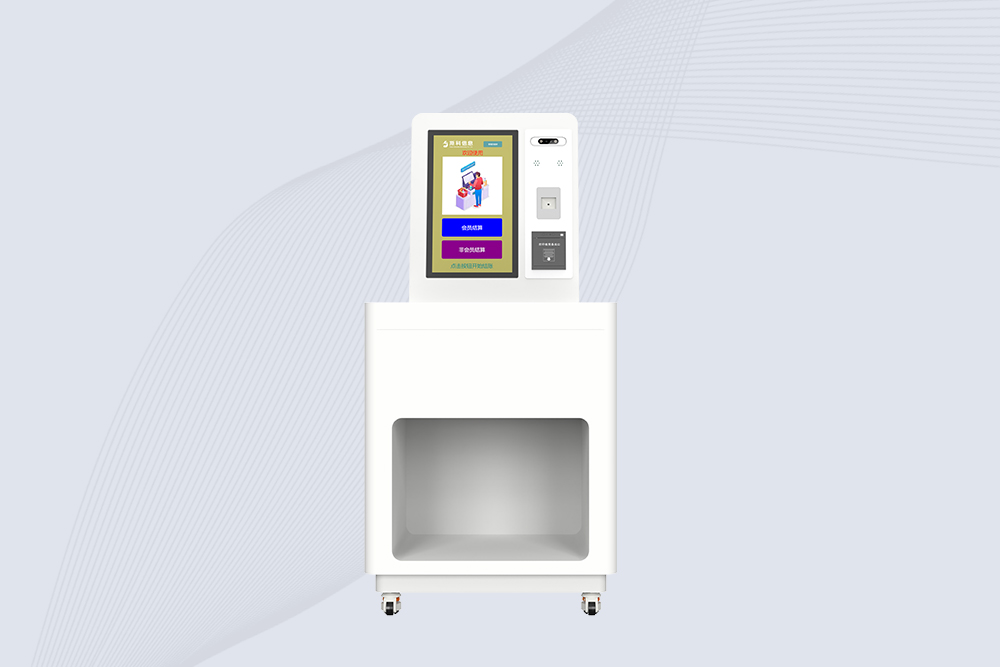
Cykeo’s autonomous RFID payment kiosk enables 10-item/sec contactless checkout, POS integration, and EAS tag deactivation. Features 21.5″ payment interface, PCI-certified security.
RFID Industry Writer | IoT & Asset Tracking Analyst
James writes about RFID technology, asset tracking, and the practical challenges of digital transformation across warehousing, retail, manufacturing, and logistics.
His work focuses on how RFID is applied in real-world operations—improving inventory visibility, automating workflows, and helping businesses manage assets with greater accuracy and efficiency.
He regularly covers topics including UHF RFID, smart cabinets, RFID portals, tool tracking, warehouse automation, and industrial IoT trends..

rfid lab sample tracking system improves laboratory safety, sample visibility, and hazardous material control with automated RFID tracking and real-time auditing.
More
Discover top long-range RFID readers compliant with EPCglobal Gen2 standards. Ensure seamless global interoperability and accuracy with Cykeo’s certified solutions.
More
Wondering "how do you prevent a RFID card reader theft"? Discover physical security measures, tamper alarms, anti-cloning protection, and configuration safeguards with CYKEO.
More
Can RFID reader read multiple tags? Learn how anti-collision, near-field control, tag filtering, and RF tuning enable reliable batch RFID reading for retail and industrial applications.
More