 Cykeo RFID IoT Solution Products R&D Manufacturer

What Are the New Unusual Ways to Use RFID Technology?
1318Explore groundbreaking RFID applications beyond logistics, including interactive art, wildlife tracking, and smart agriculture. Discover how Cykeo pioneers creative RFID solutions.
MoreAll RFID Product
When people talk about RFID tools tracking systems, the discussion often starts with tags or readers. But from a developer or system integrator point of view, that’s usually only the surface.
After working on a few real deployments, it becomes clear that the system is not really “about RFID”. It’s more about how physical tool movement gets translated into structured digital data—and whether that data can survive real factory conditions.
In practice, the complexity is not in one component. It is in how all layers work together.
A complete RFID tools tracking system is usually built as a multi-layer architecture rather than a single platform.
It’s easy to describe it in one sentence, but in real projects, each layer behaves differently depending on environment, hardware setup, and user habits.
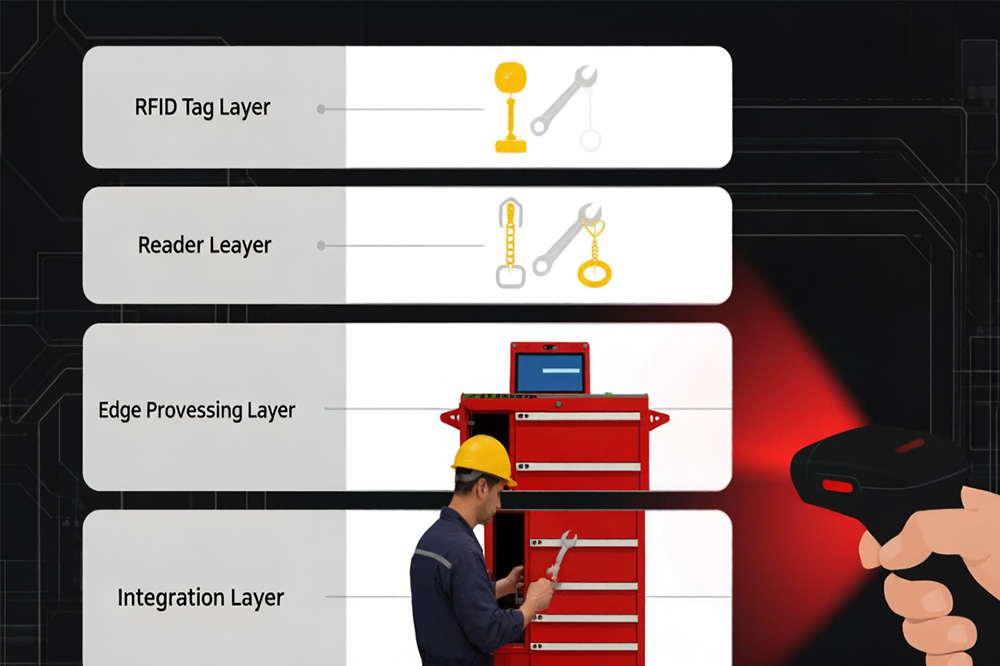
At the lowest level, every tool needs a unique identity.
This is usually done through RFID tags attached to or embedded into the tool.
On paper, this sounds straightforward. In reality, this is where many small decisions affect the entire system:
So this layer is less about “tagging” and more about:
giving every physical tool a machine-readable identity that can survive industrial environments
This layer includes:
This is where physical movement gets captured.
However, one thing that is often underestimated is how inconsistent real environments can be. Reading performance is not always stable, especially in areas with:
So instead of assuming perfect reads, systems usually have to accept that:
data is noisy by default, and must be interpreted—not just collected
This is probably one of the most important—but least visible—parts of the system.
The edge layer doesn’t just store data. It shapes it.
Typical responsibilities include:
Without this layer, backend systems often become unstable very quickly.
In real deployments, this is where a lot of debugging time goes.
Because raw RFID data is rarely clean.
This is the layer users actually interact with.
It usually includes:
But interestingly, after a few projects, many teams realize something:
this layer is not the “core system”, it is the result of everything below it.
If upstream data is unstable, the UI becomes unreliable no matter how well designed it is.
From a developer perspective, this layer often defines whether the system is “useful” or just “standalone”.
Common integrations include:
This layer allows tool data to become part of the broader enterprise workflow instead of staying in a separate system.
And in many cases, this is where real business value is created.
Because tools are not isolated assets—they are part of production logic.
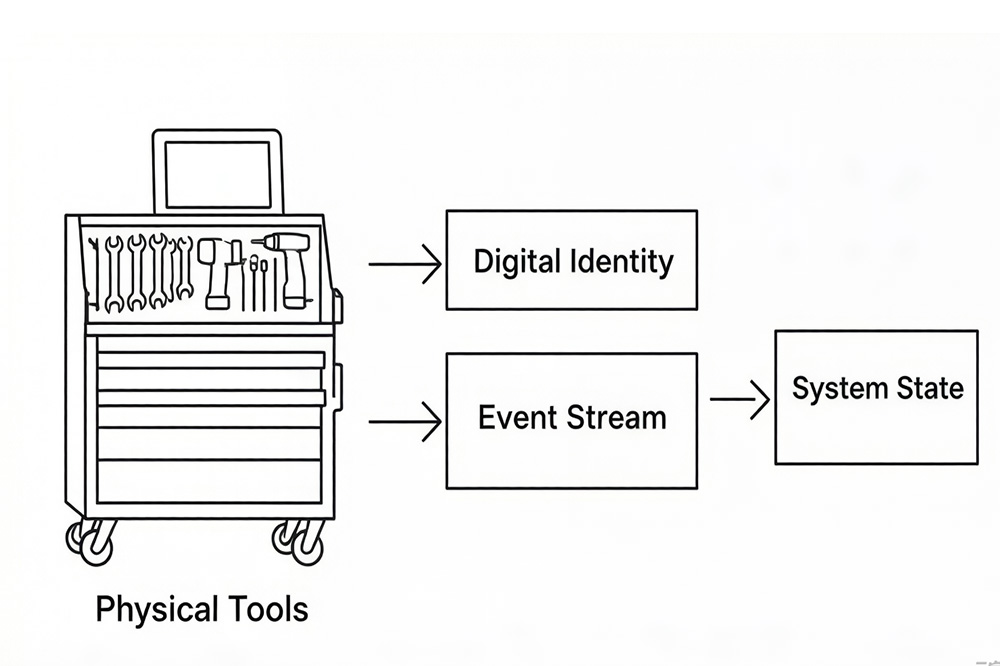
If we simplify the whole architecture, it can be viewed like this:
Physical tool → Digital identity mapping → Event stream → State model → Enterprise system
This sounds abstract, but in practice it’s exactly what happens behind the scenes.
Every tool movement becomes an event.
Events become state changes.
State becomes business logic.
Many first-time implementations focus heavily on “real-time tracking”.
But in industrial environments, true GPS-like tracking is rarely the goal.
What companies actually need is more practical:
So the real problem being solved is not location accuracy.
It is:
whether the state of a tool can be trusted
In many real-world deployments, the system doesn’t start with full coverage tracking.
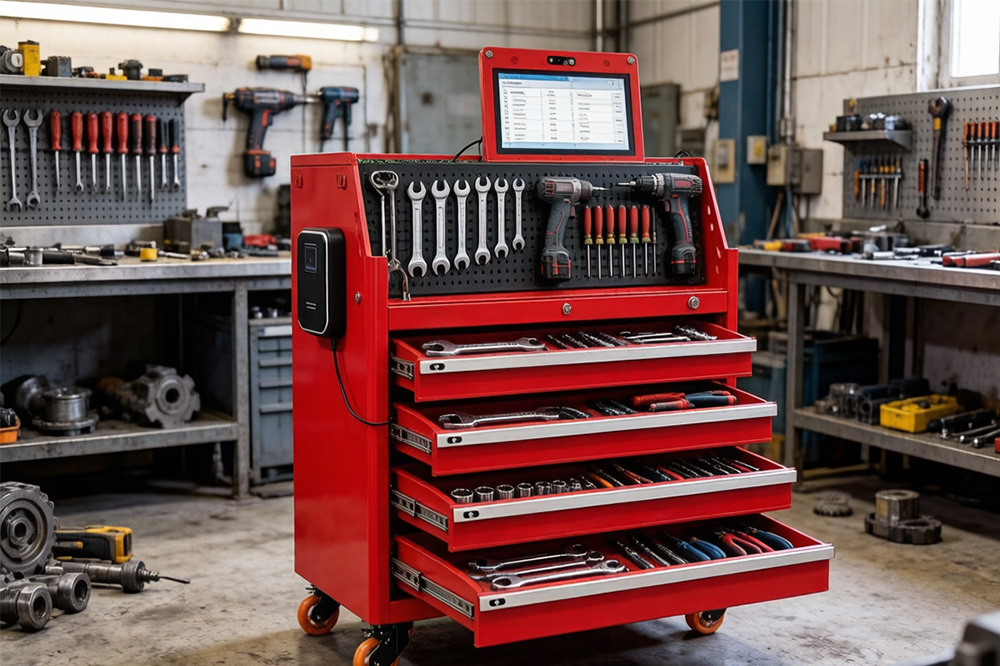
It usually starts with controlled checkpoints—especially smart tool cabinets.
These act as stable environments where RFID performance is more predictable.
For example, RFID-enabled tool cabinets
are often used as the first step before expanding into broader tracking systems.
They reduce system complexity while still solving the most painful issue: tool loss and accountability.
If everything is reduced to its core logic, the system becomes:
Physical tools + digital identity + event history + queryable state
But in real engineering work, this “simple idea” requires a full stack of hardware design, edge processing logic, backend systems, and integration work.
That’s usually where most of the complexity actually lives.
If you are developing or integrating an RFID-based tool tracking solution, typical requirements may include:
OEM, customization, and project-based cooperation are usually supported depending on deployment scale.
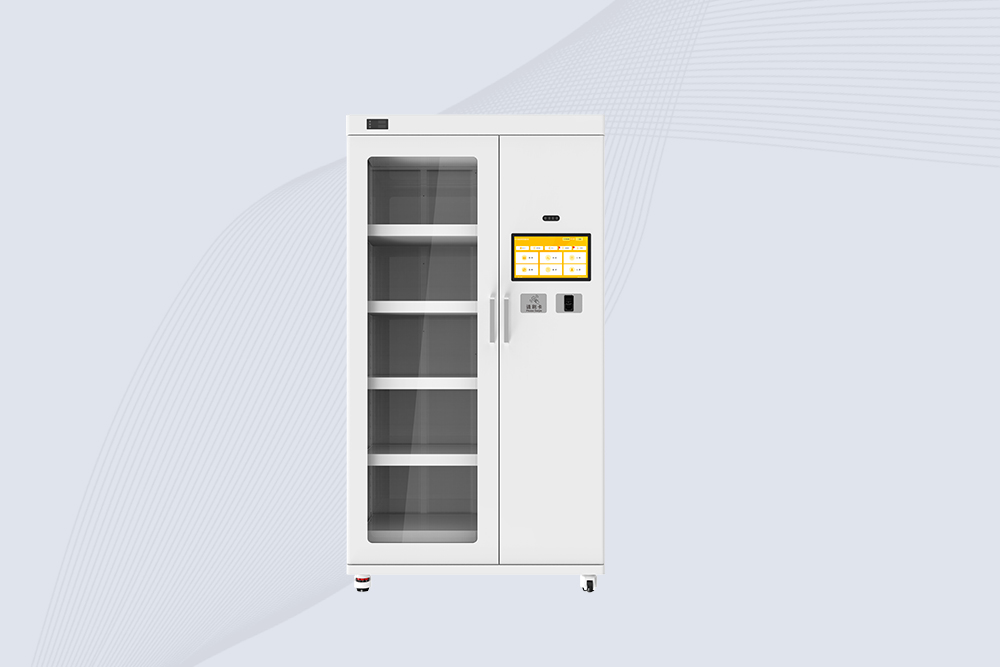
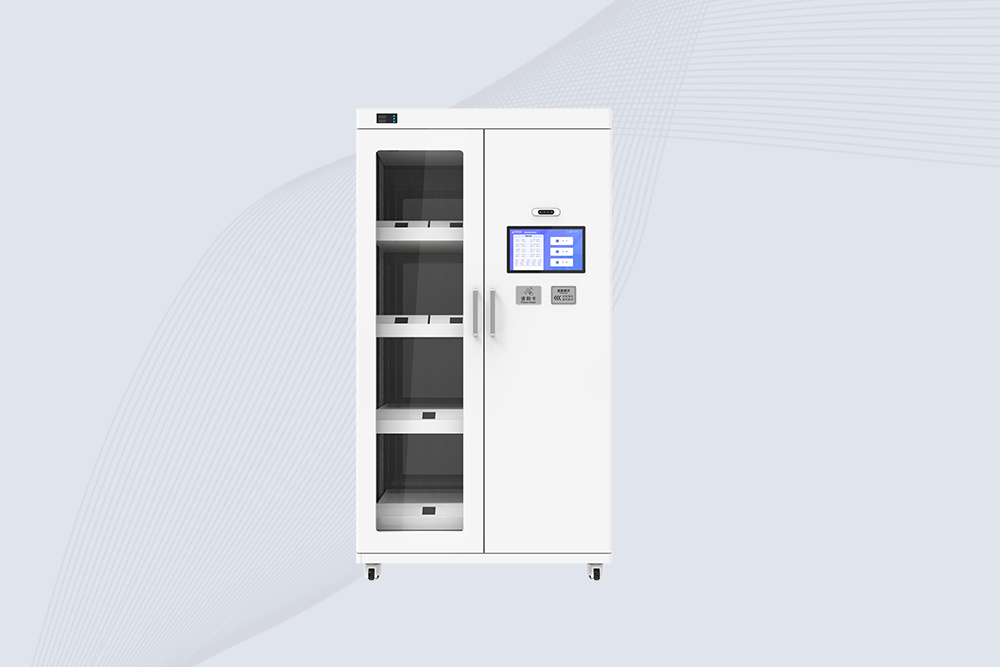
Cykeo’s RFID Smart Tool Cabinet enables 10-second tool audits, user access control & real-time alerts for construction/oil/gas. Features 21.5″ touchscreen, IP54 steel body & -30°C~60°C operation. Supports SAP/Oracle integration.
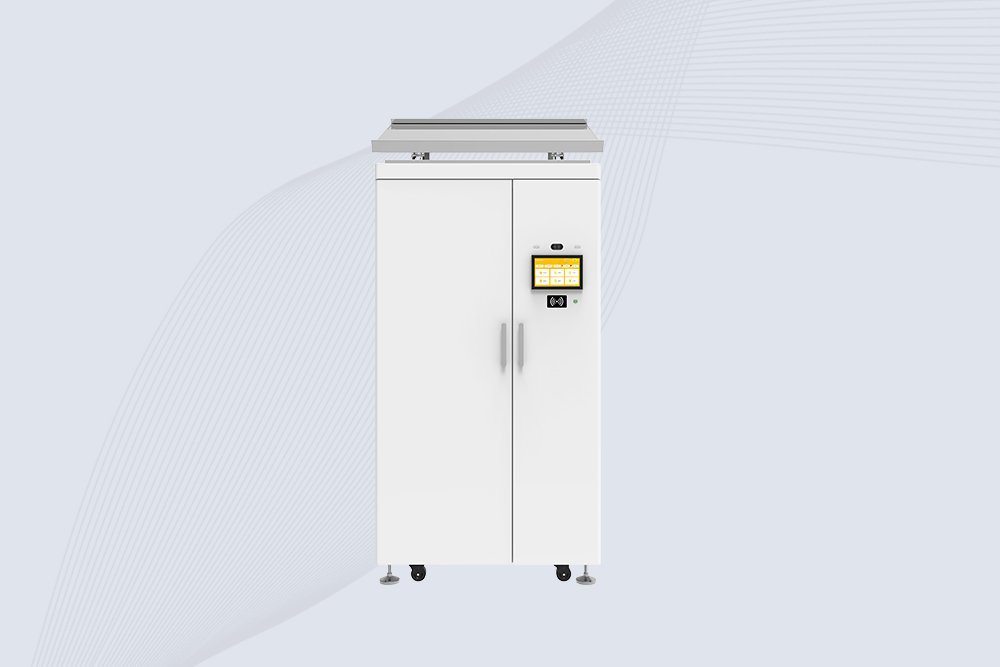
Cykeo’s Intelligent Weighing Tool Cabinet combines weight sensors & RFID for 100% tool accountability. Features solar/4G options, IP54 steel-glass body & nuclear/rail compliance. Supports SAP/Oracle integration.
Cykeo’s solar-powered RFID Inventory Tool Cabinet enables 5-second audits for remote sites. Features 160W solar, Android 7.1, 4G & extreme temp operation for oil/energy/mining sectors.
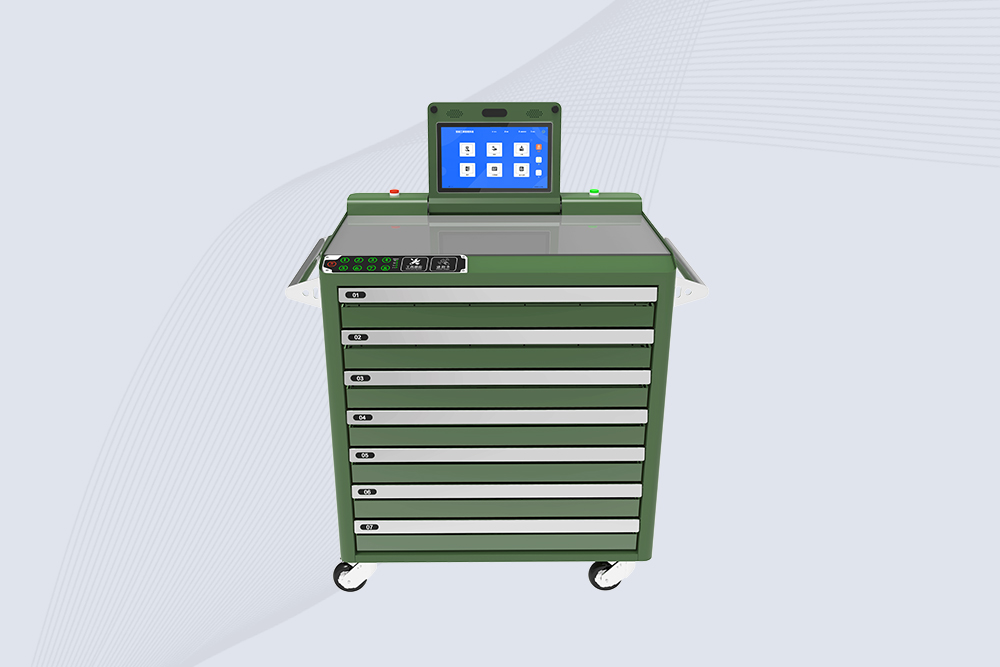
Cykeo’s industrial RFID Tool Cart features 14″ touchscreen, 400+ tool scanning, and carbon steel construction for aviation MRO, power plants and construction sites. 5-second inventory scans.
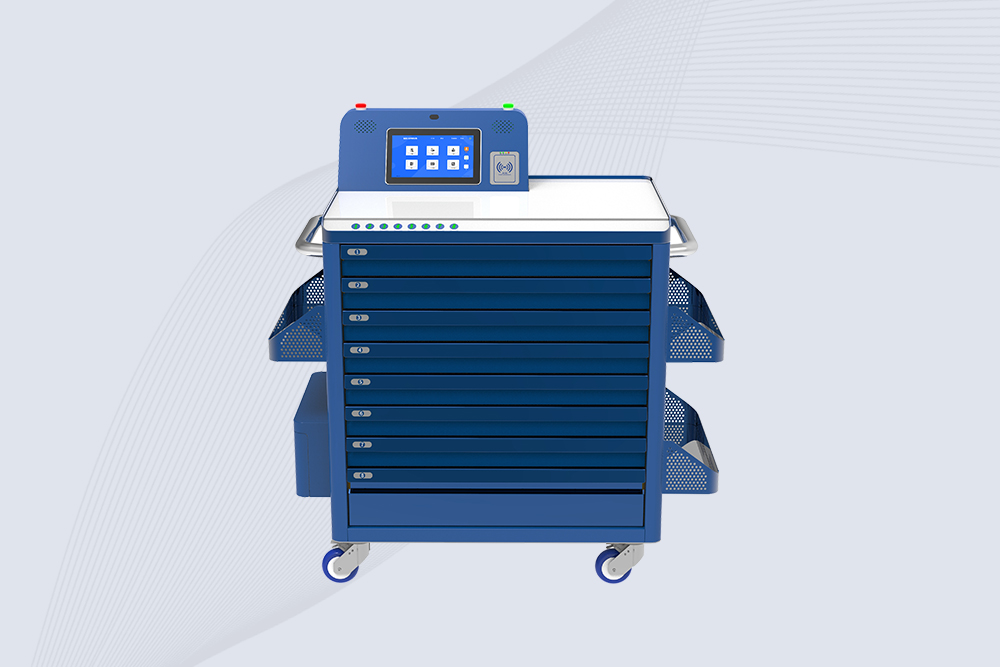
Cykeo CYKEO-TC RFID multi-drawer tool cart manages 300+ tools via UHF RFID, features fingerprint/face recognition, Android/Windows OS, and SAP integration for nuclear/railway/fire safety sectors. IP54 rated for harsh environments.
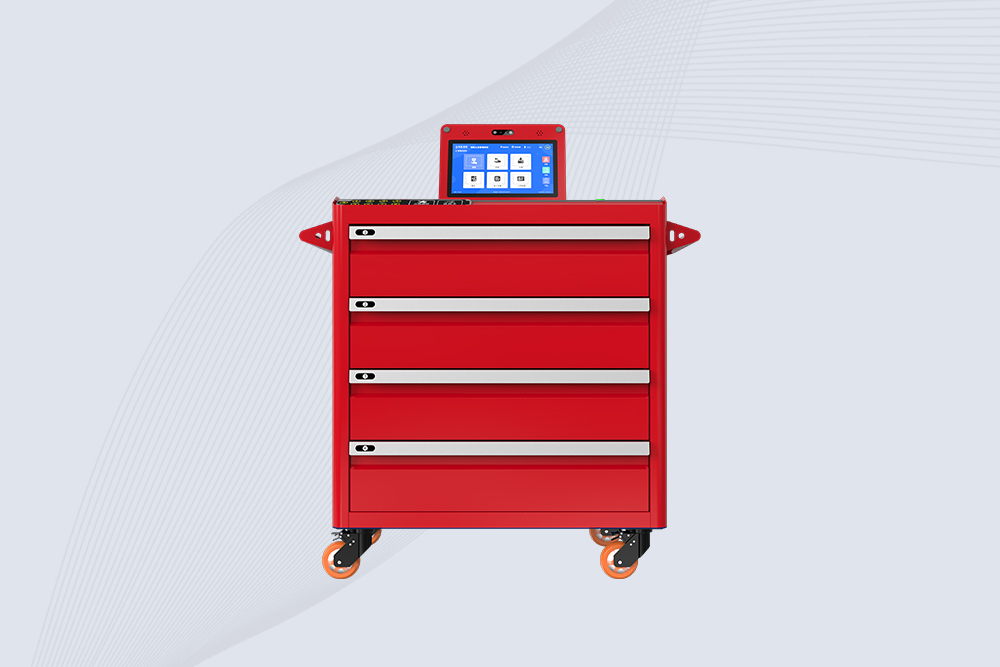
Cykeo CYKEO-GTC4 RFID tool inventory cart manages 300+ tools via UHF RFID, features instant scanning, fingerprint/face recognition, and SAP integration for nuclear/railway/fire safety sectors. IP54 rated for harsh environments.
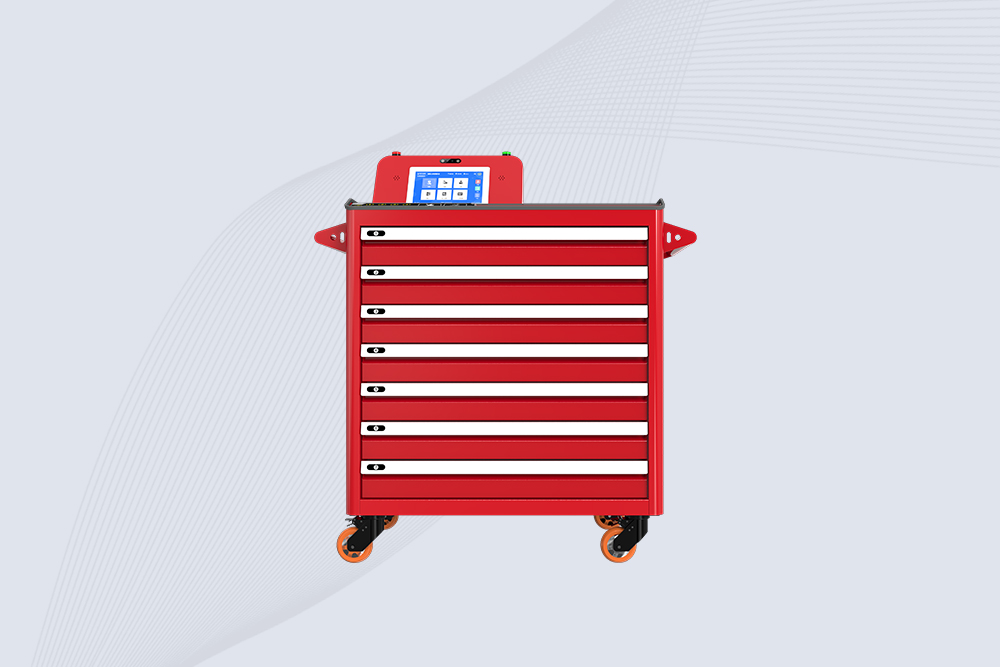
Cykeo CYKEO-GTC7 RFID aviation maintenance cart features military-grade build, blockchain audits, and predictive tool alerts for aircraft MRO. Achieves EASA/FAA compliance.
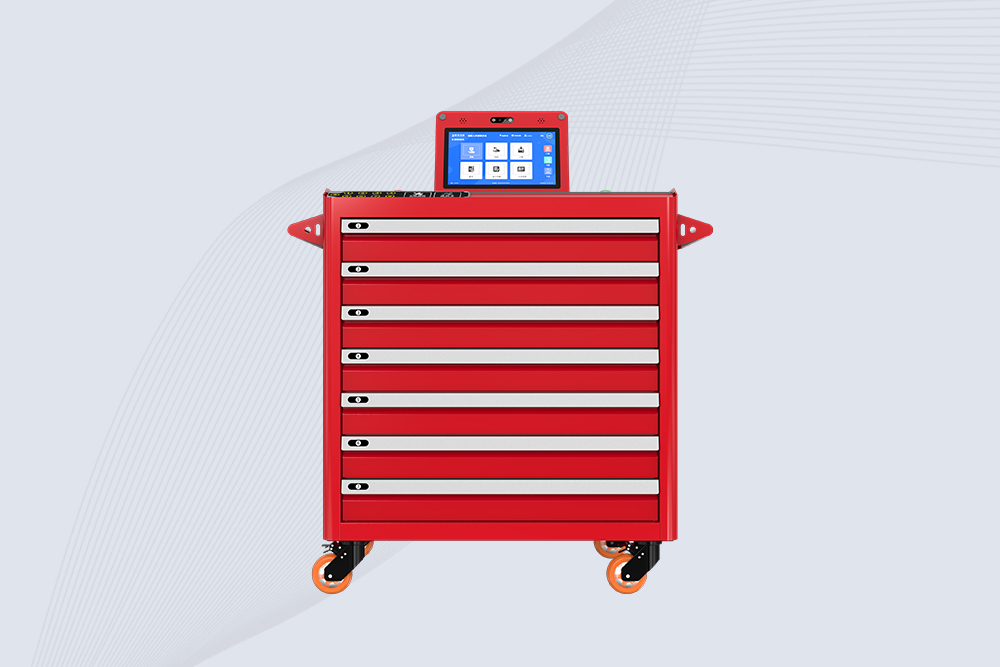
Cykeo CYKEO-GTC7A RFID real-time tool tracking cart features 99.9% accuracy, FOD prevention, and SAP integration for aviation/plant maintenance. Military-grade construction.
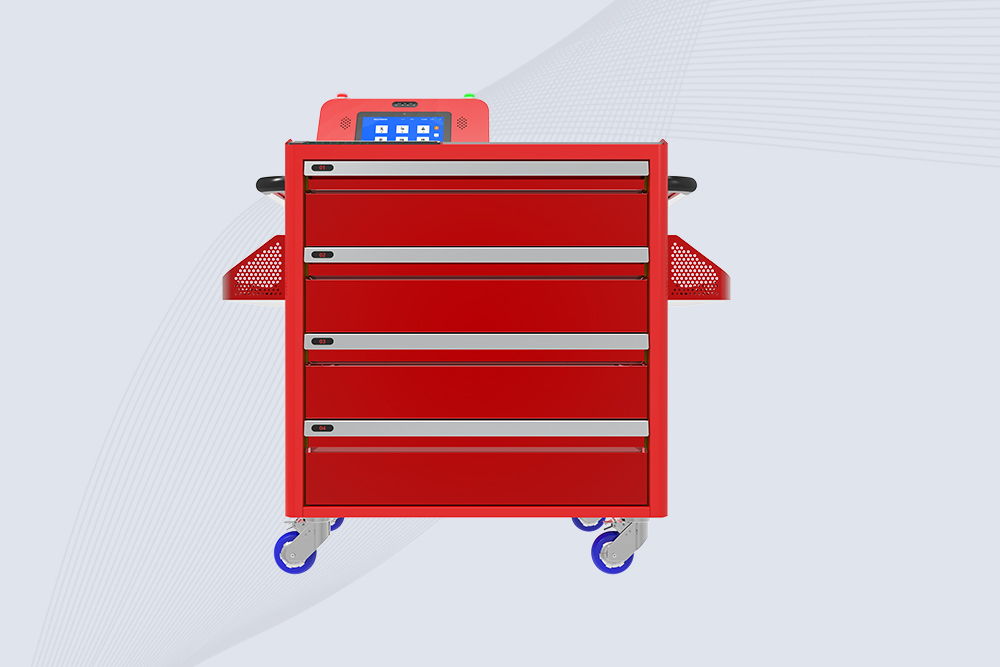
Cykeo CYKEO-GTC4B RFID mobile tool cart delivers 300-tool verification in 7 seconds with modular drawers, ≤150W power, and SAP integration for industrial/aviation use.
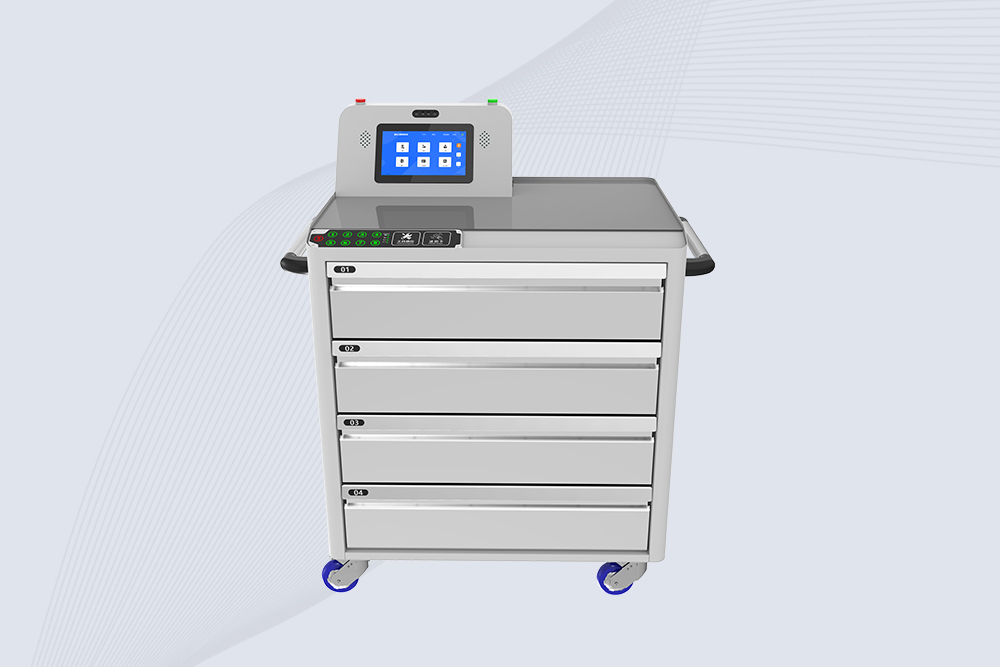
Cykeo CYKEO-GTC4C RFID workshop tool control cart delivers 300-tool inventory in 3 seconds with 10hr battery, SAP integration, and FOD prevention for industrial workshops.
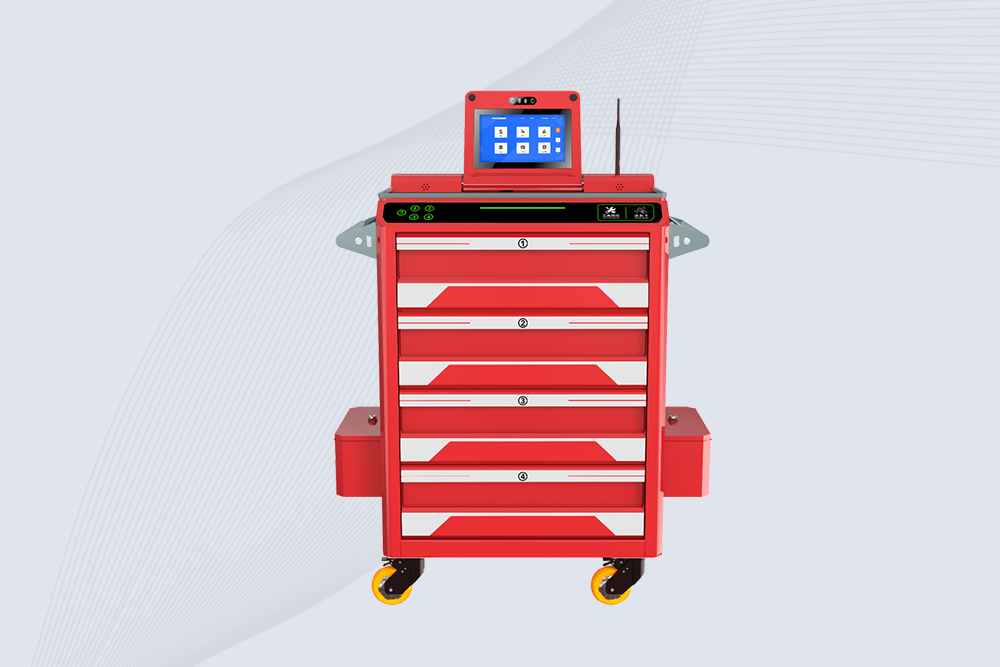
Cykeo’s CYKEO-GTC4A multi-drawer RFID tool cart delivers 7-second aviation tool inventories, 10-hour battery, and dual authentication. ISO 18000-6C compliant for MRO/manufacturing.
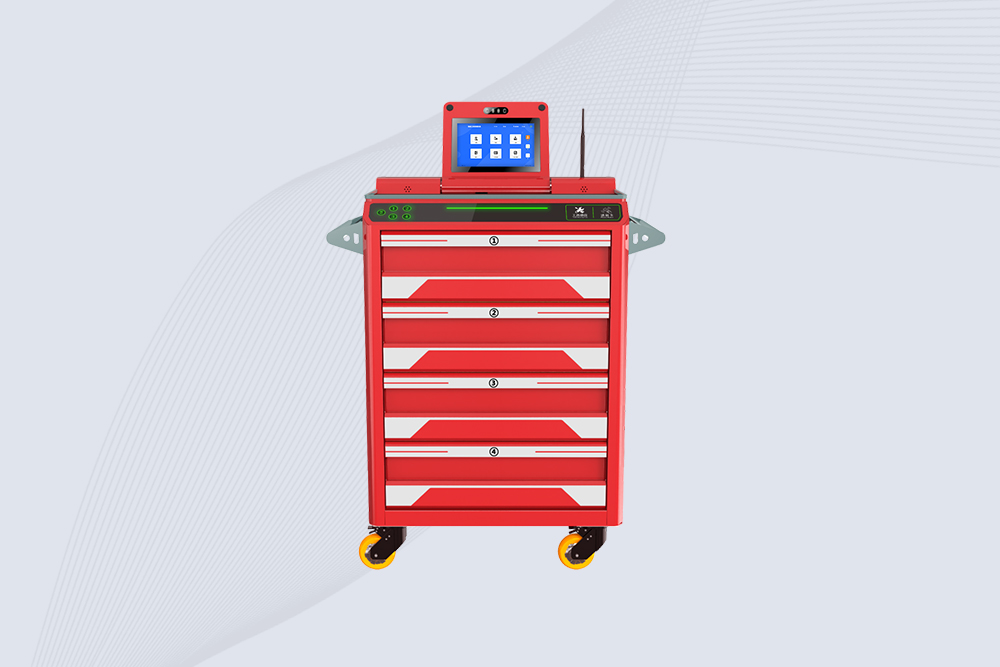
Cykeo’s MIL-STD RFID tool tracking cart scans 300 tools in 7 seconds, with -20°C~60°C operation and FOD prevention for aviation/energy industries.
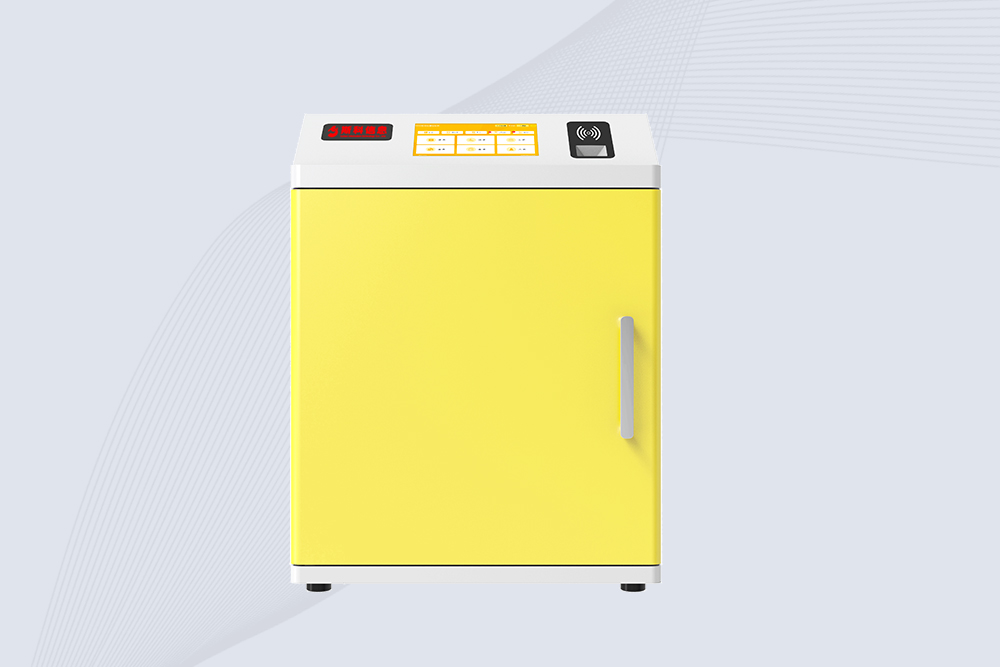
Cykeo’s space-saving RFID tool management cabinet offers 1000-tool capacity, ≤5s scans, and 24/7 unmanned operation for manufacturing/assembly plants.
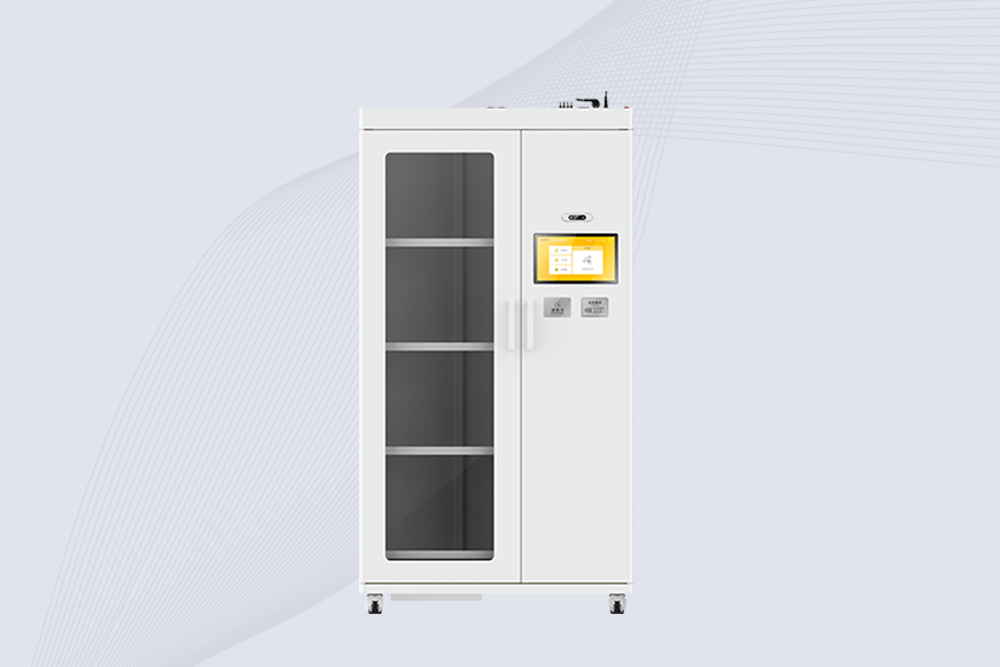
Cykeo’s RFID industrial tool cabinet offers modular shelves, 21.5″ touchscreen, and voice guidance for manufacturing/energy sectors. 24/7 operation with ≤80W power.
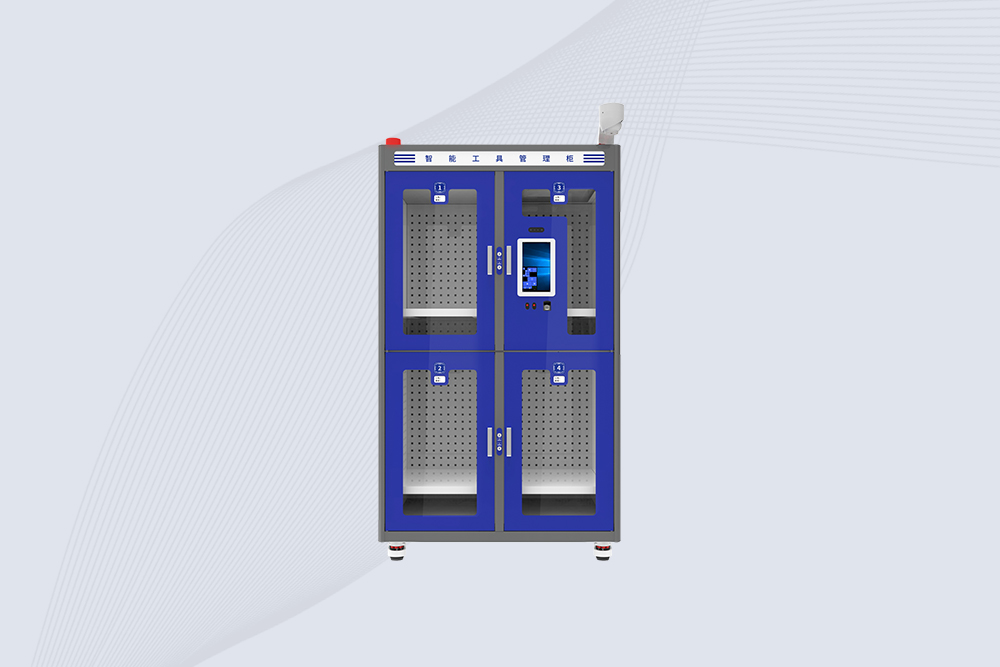
Cykeo’s RFID secure tool cabinet features 4 lockable compartments, ≤150W power, and 24/7 monitoring for pharma/aerospace/electronics industries.
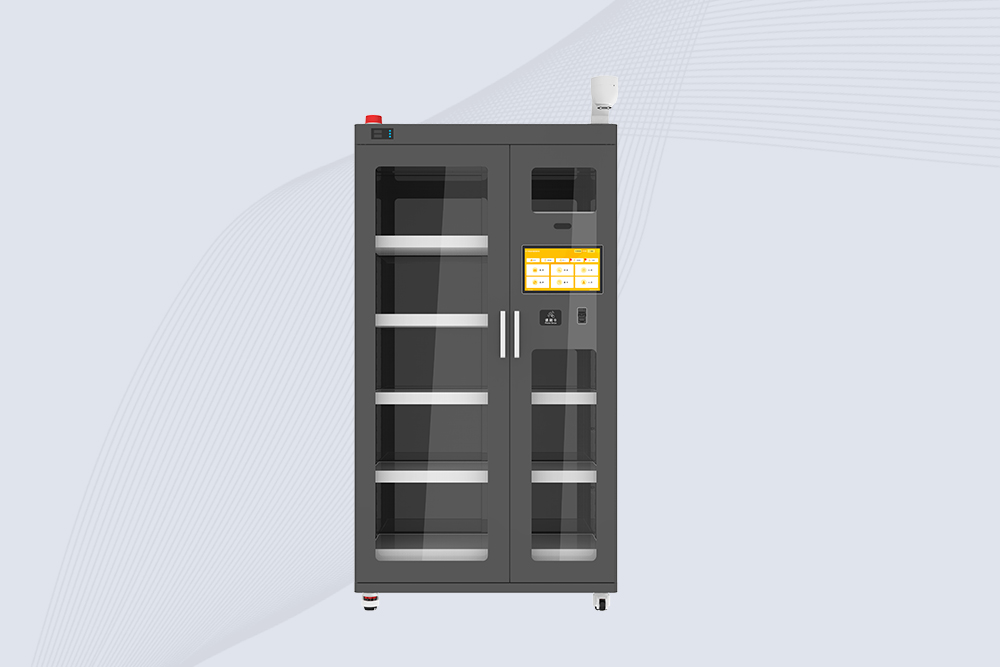
Cykeo’s RFID aviation tool cabinet features triple authentication, 14″ HD touchscreen, and thermostatic control for aircraft MRO/FAA compliance.
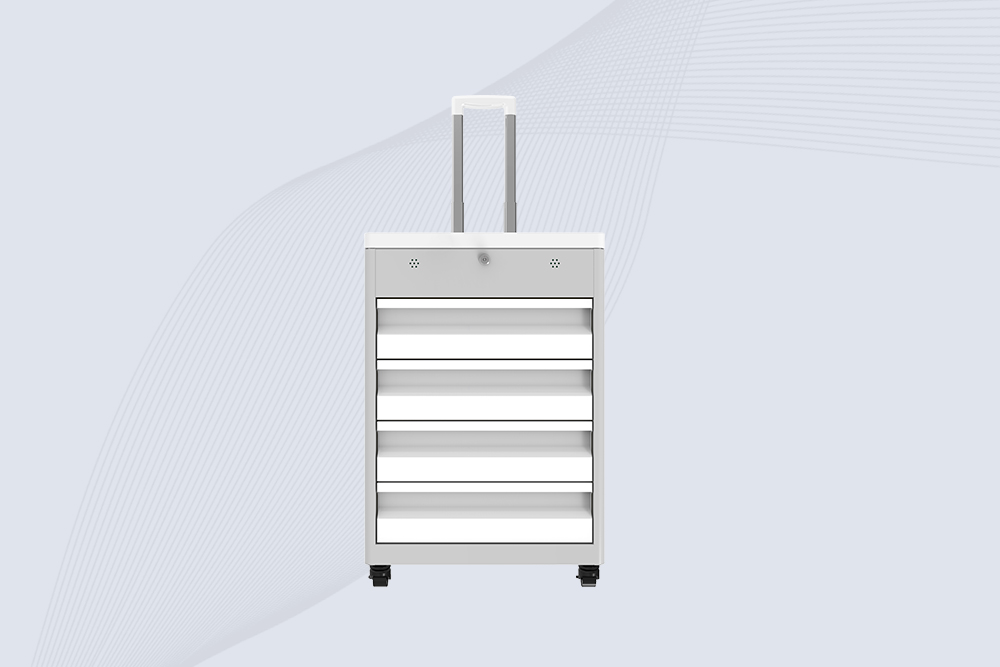
Cykeo’s RFID tool tracking system delivers self-service check-in/out, real-time alerts, and multilingual interface for correctional/military security.
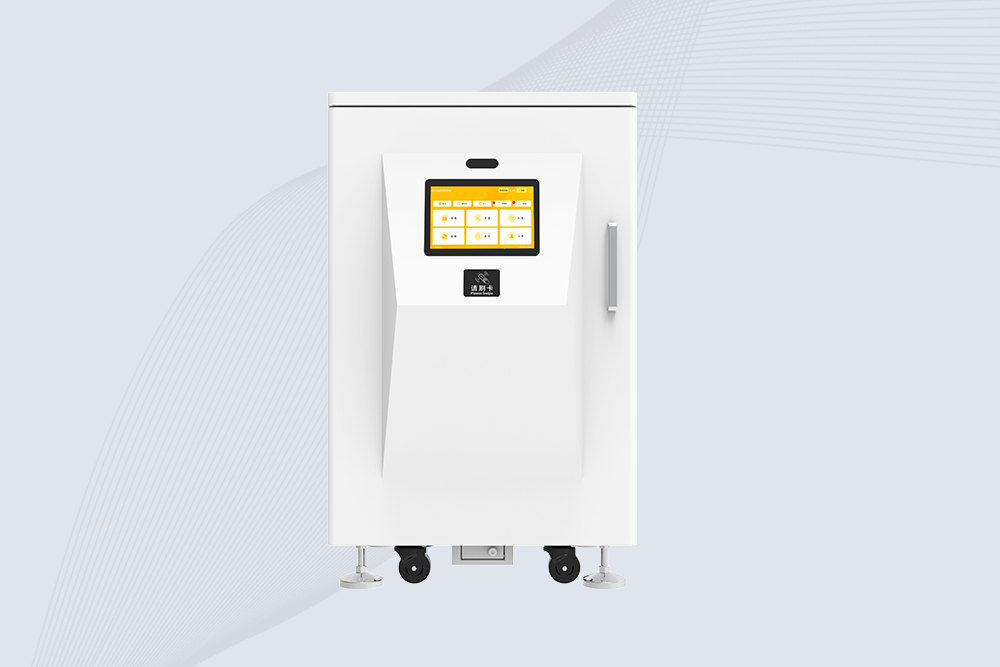
Cykeo’s off-grid RFID tool inventory system features solar/wind power, -30°C~60°C operation, and military-grade durability for mining/energy/military sectors.
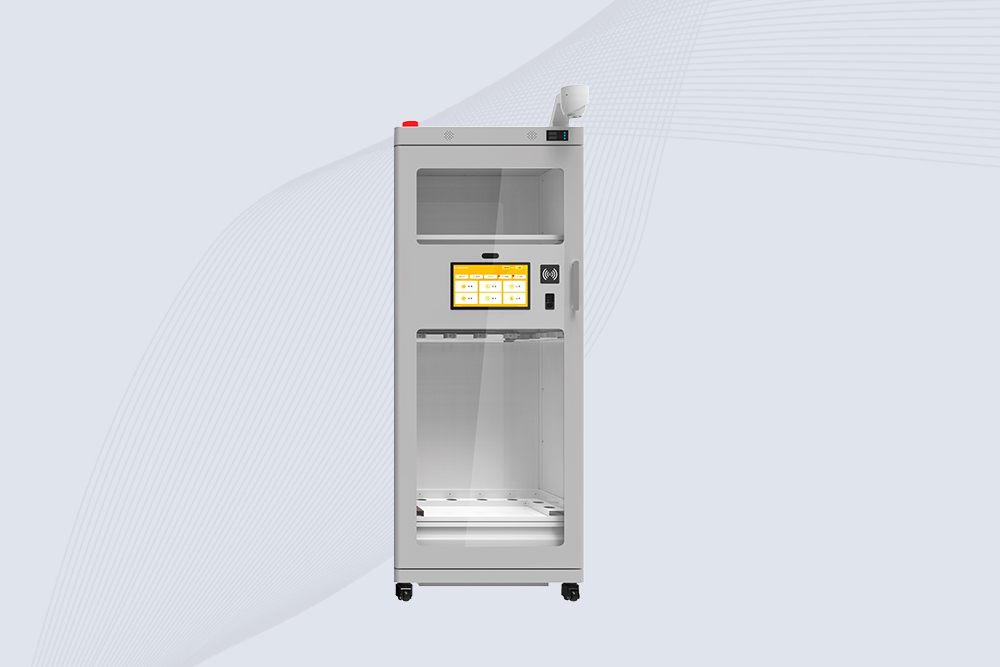
Cykeo’s industrial RFID tool accountability cabinet delivers 99.9% scan accuracy, adjustable shelves, and 24/7 operation for automotive/aerospace manufacturing.
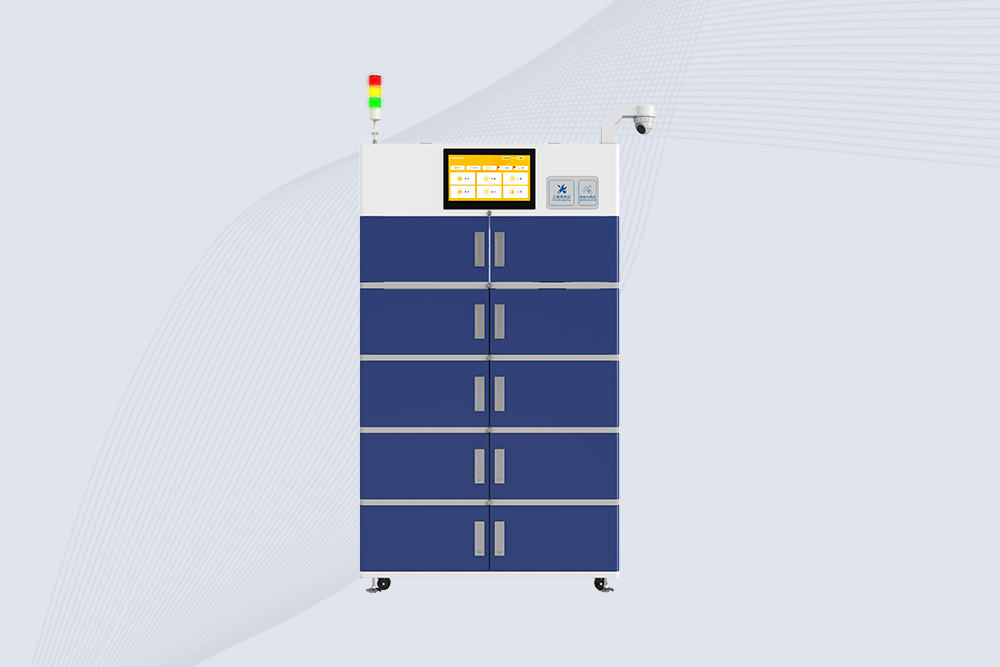
Cykeo’s RFID multi-drawer tool cabinet features 5 adjustable drawers, biometric access, and 99.9% scan accuracy for automotive/aerospace manufacturing.
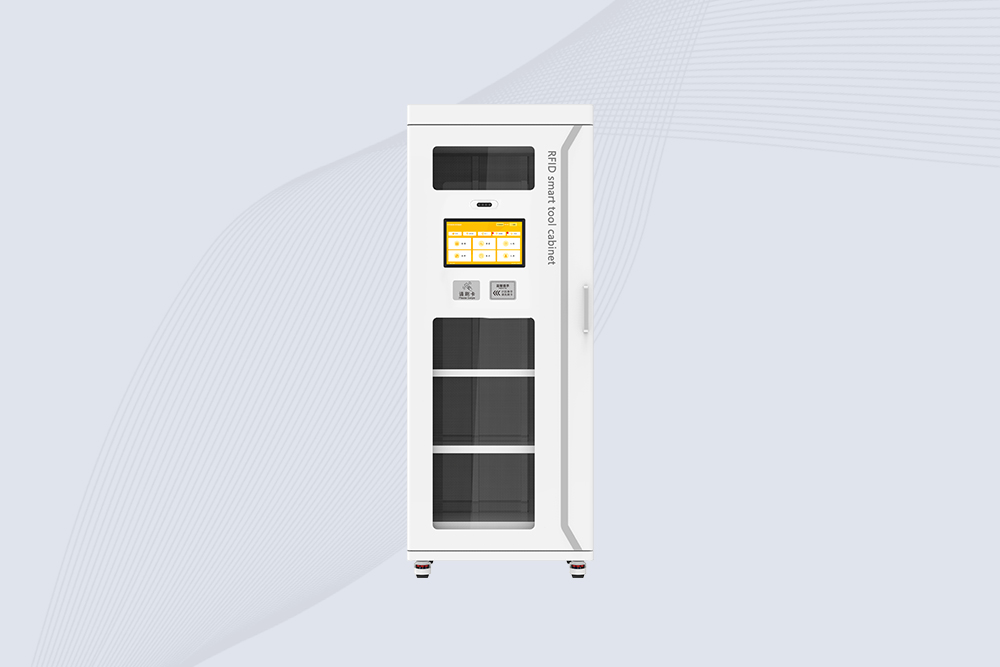
Cykeo’s RFID Automated Tool Cabinet delivers military security, adjustable shelving, and Java/C# SDK integration for defense/aerospace manufacturing.
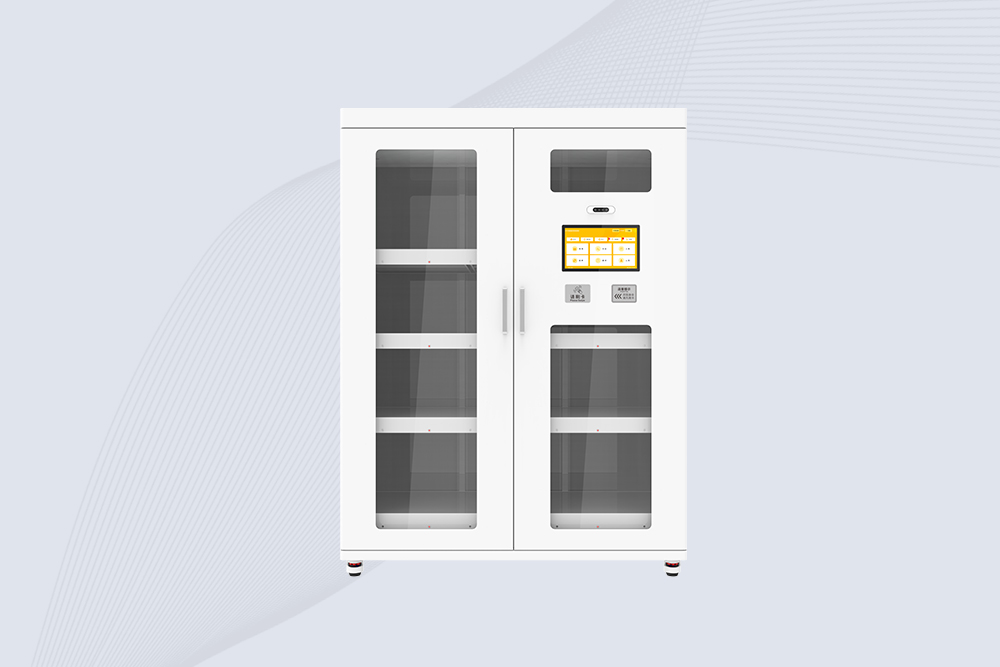
Cykeo’s RFID scalable tool cabinet features multi-unit management, voice guidance, and semi-outdoor durability for automotive/construction/logistics.
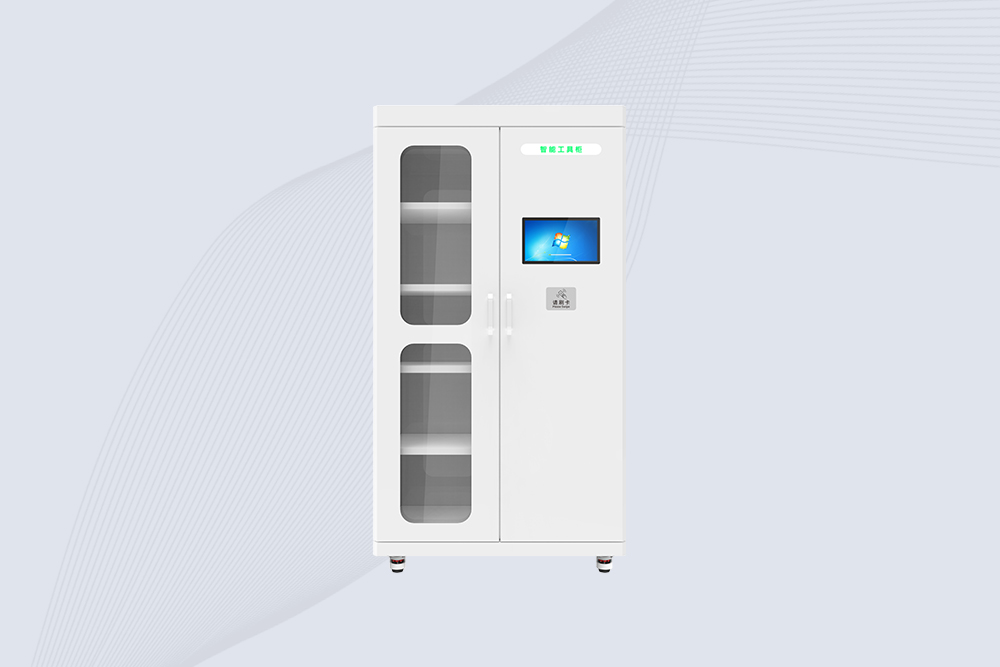
Cykeo CYKEO-GT1B industrial RFID tool storage cabinet features Impinj R2000 UHF technology, 1,000+ tool capacity, IP54 protection, and Windows/Android OS for manufacturing/aviation MRO. Includes auto check-in/out and SAP/Oracle sync.
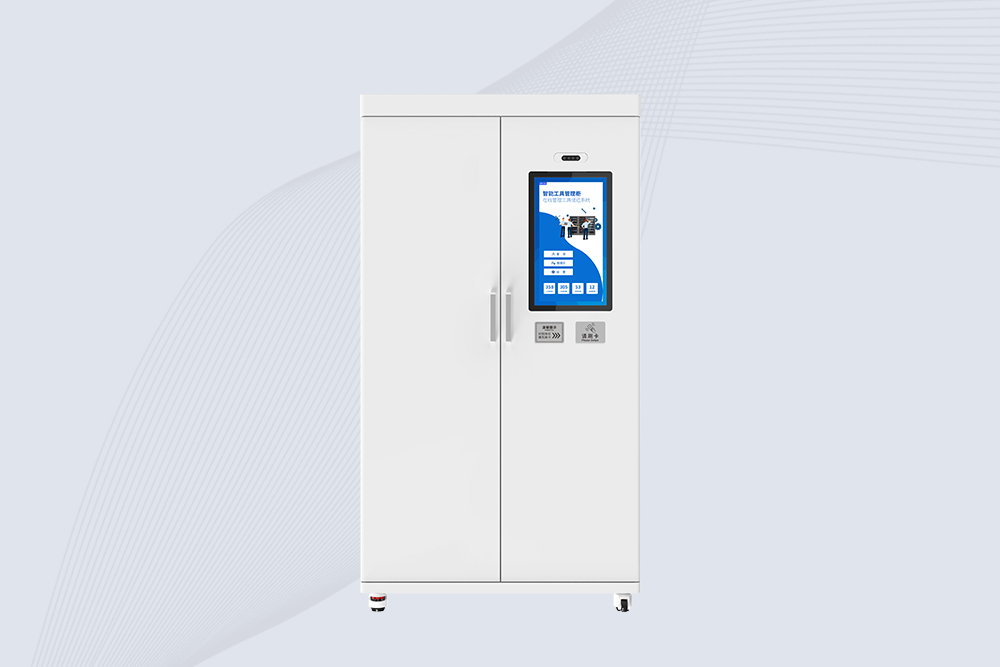
Cykeo CYKEO-GT3C industrial RFID tool checkout system Cabinet features millimeter-wave scanning, 280-layer storage, dual OS, and 99.9% accuracy for aviation/semiconductor sectors. Supports auto check-in/out and real-time SAP sync.
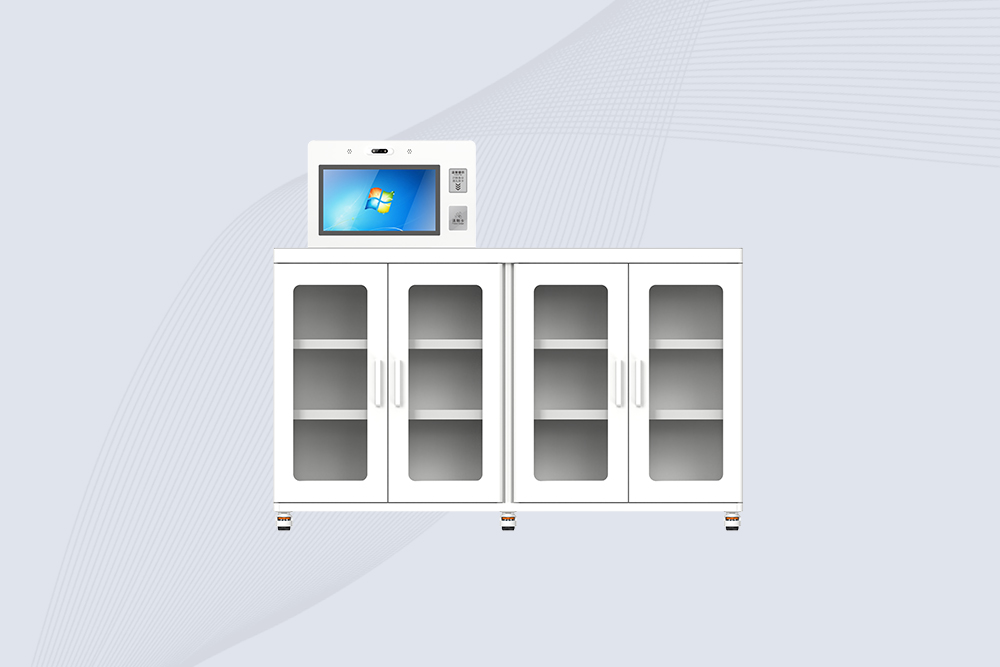
Cykeo CYKEO-GT3D RFID smart tool cabinet offers 5-second inventory scanning for 300+ tools, dual authentication, and 24/7 automated management for industrial facilities.
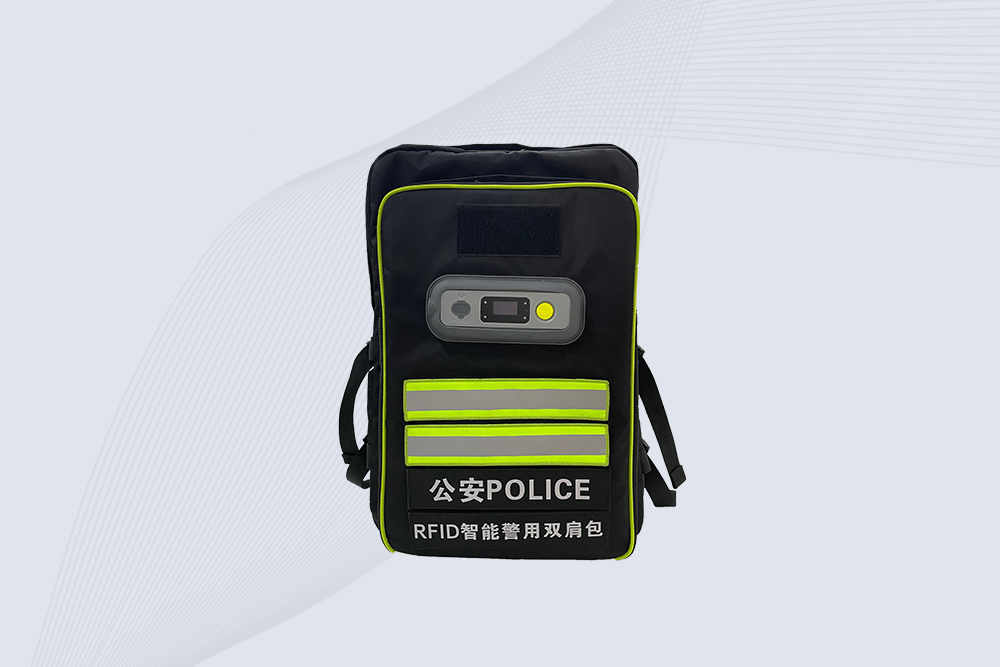
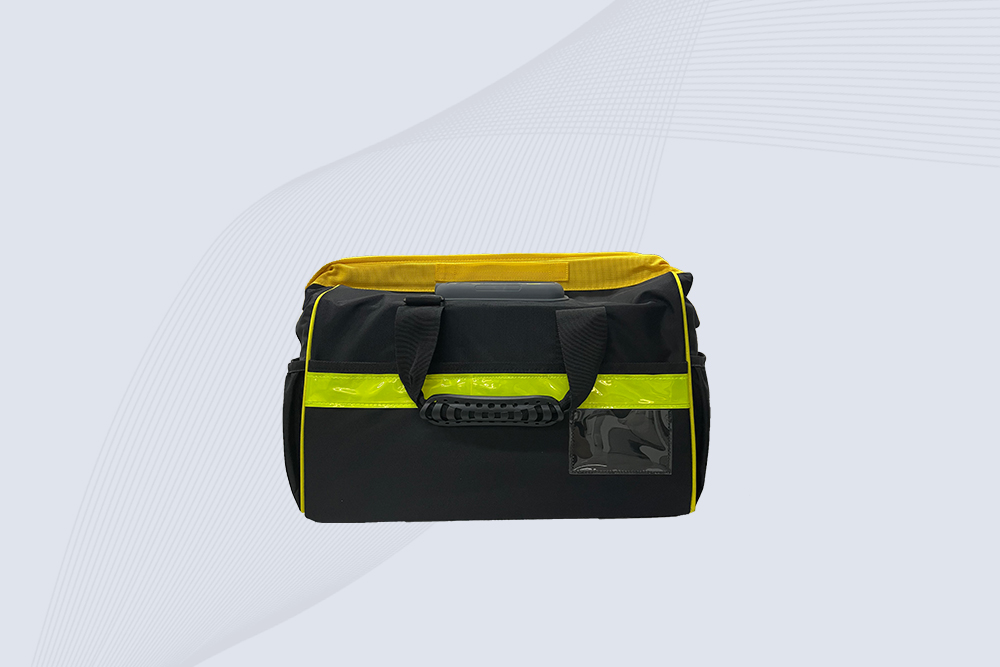
Discover the CYKEO-B1A Industrial RFID Backpack featuring advanced tool tracking technology with 25cm RF shielding, 7-day battery life, and wearable design for field maintenance professionals.
RFID Industry Writer | IoT & Asset Tracking Analyst
James writes about RFID technology, asset tracking, and the practical challenges of digital transformation across warehousing, retail, manufacturing, and logistics.
His work focuses on how RFID is applied in real-world operations—improving inventory visibility, automating workflows, and helping businesses manage assets with greater accuracy and efficiency.
He regularly covers topics including UHF RFID, smart cabinets, RFID portals, tool tracking, warehouse automation, and industrial IoT trends..

Explore groundbreaking RFID applications beyond logistics, including interactive art, wildlife tracking, and smart agriculture. Discover how Cykeo pioneers creative RFID solutions.
More
Wondering "what is load modulation in RFID"? This CYKEO guide explains the technology in simple terms, showing how passive RFID tags communicate back to the reader without a battery.
More
This article delves into the application of RFID technology in medical asset management, analyzing its advantages in improving patient safety, optimizing hospital workflows, and reducing operational costs. Practical advice for implementing RFID sy...
More
Discover what RFID wireless theft really means. From card skimming to retail loss prevention, learn real-world risks, how criminals exploit RFID, and the best defenses to secure your data and assets.
More