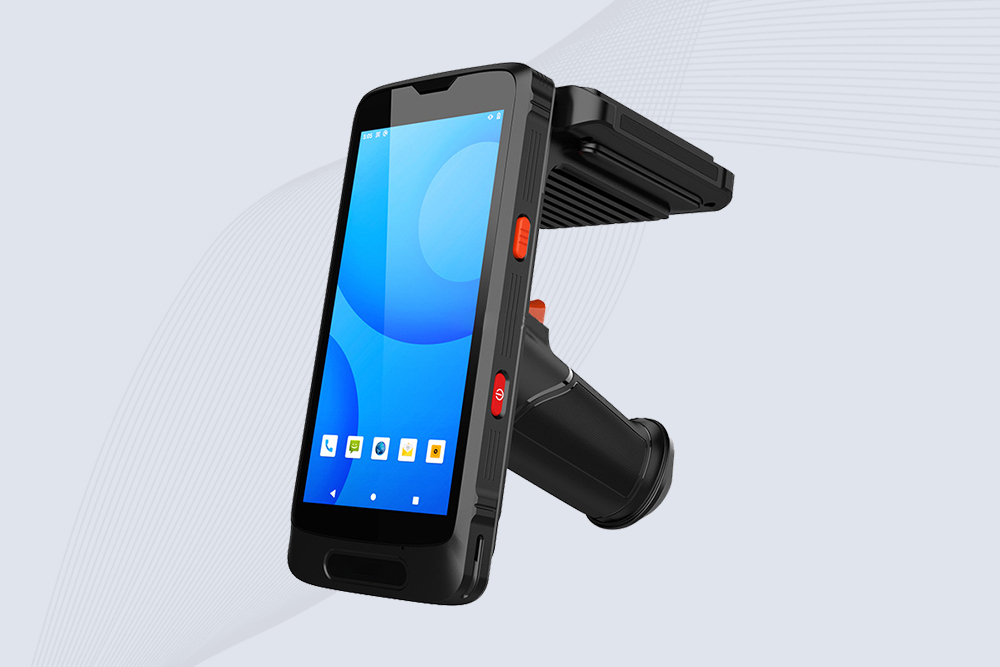
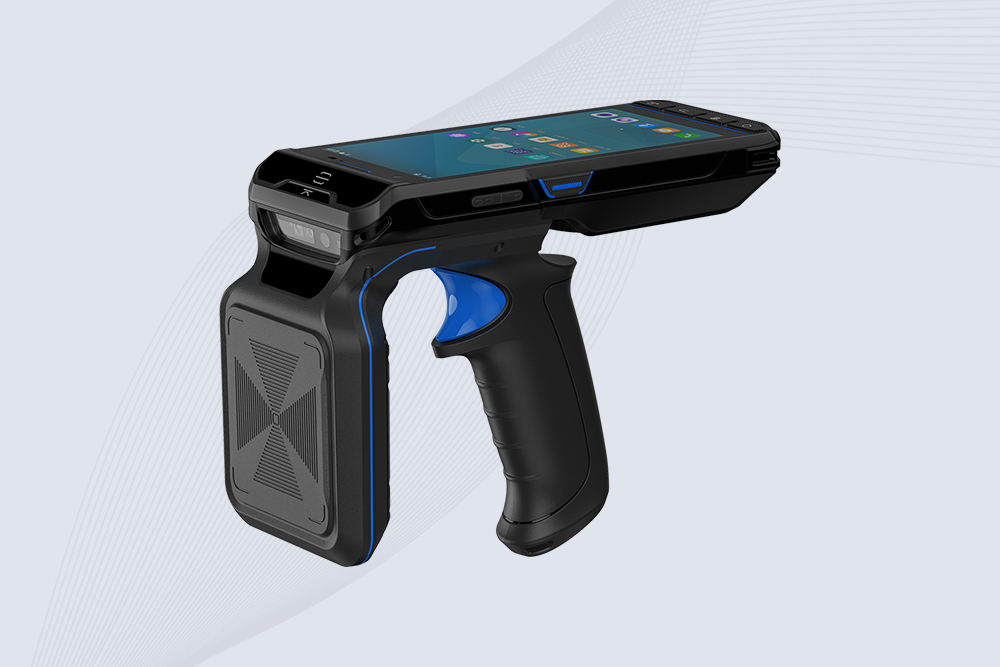
Handheld RFID scanners promise speed and accuracy—but only if you use them right. A single misstep, like misaligned tags or ignored interference, can turn these high-tech tools into costly liabilities. Let’s explore the most common mistakes users make and how to dodge them.
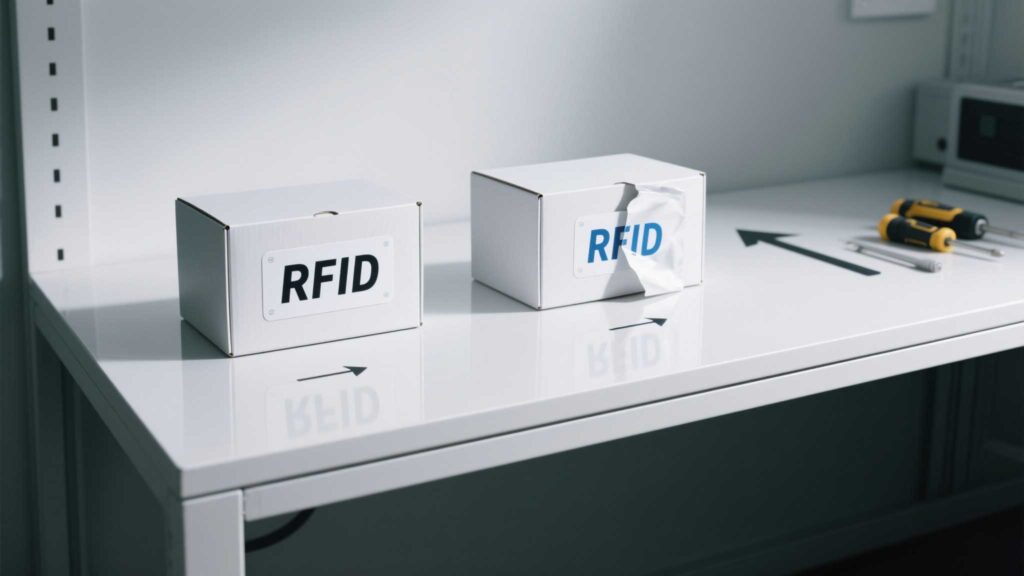
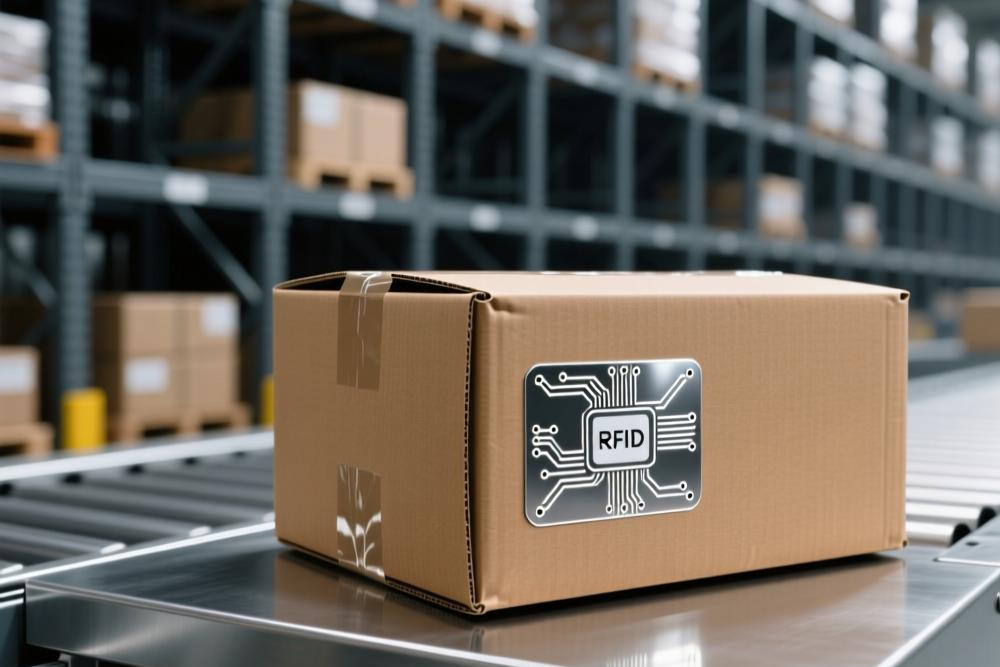
1. Ignoring RFID Tag Placement and Orientation
Mistake: Slapping tags randomly on items without testing readability. Why It Matters:
Tags placed near metal or liquid can reflect/scramble signals.
Host 30-minute training sessions on proper use and troubleshooting.
Create quick-reference guides for common tasks like pairing or exporting data.
8. Using Dirty or Damaged RFID Scanners
Mistake: Never cleaning scanners or ignoring cracked screens. Why It Matters:
Dust-blocked antennas cause missed reads.
Damaged components worsen over time, leading to costly repairs.
Fix:
Clean scanners weekly with a dry, lint-free cloth.
Replace cracked screens or rfid antennas immediately.
9. Disregarding Data Security
Mistake: Storing sensitive scan data on unsecured devices. Why It Matters:
Unencrypted RFID data can be intercepted or tampered with.
Breaches risk customer trust (e.g., in healthcare or retail).
Fix:
Use scanners with encrypted data transmission (e.g., SSL/TLS).
Regularly purge old data from devices and servers.
10. Not Testing Before Full Rollout
Mistake: Deploying 100 scanners without a pilot test. Why It Matters:
Unforeseen issues (e.g., tag interference) can derail operations.
Fix:
Run a 2-week pilot in one department or zone.
Document and address issues before expanding.
Takeaway: Handheld RFID scanners are powerful—but only when used correctly. By avoiding these common pitfalls, you’ll maximize ROI, minimize headaches, and keep your workflows running smoothly. Brands like Cykeo design their tools with user-friendly safeguards, but success ultimately depends on mindful practices. Start with small adjustments, train your team, and turn potential mistakes into mastered skills.
Cykeo discussed and exchanged the development prospects of RFID technology with the visiting customers, and had in-depth exchanges on the application direction of RFID technology We show our customers about the company, get to know each other bet...
Discover how does rfid system work, including tags, readers, antennas, RF communication, backscatter, data processing, read range, and real-world RFID deployment insights.
The purpose of an RFID tag is to give an object an electronic identity that a compatible reader can detect wirelessly. Businesses use RFID tags to identify p...
RFID tool cabinet software integration connects tool identification and cabinet transactions with ERP, MES, WMS, CMMS, or custom business systems. This artic...
 Cykeo RFID IoT Solution Products R&D Manufacturer