 Cykeo RFID IoT Solution Products R&D Manufacturer





















The Real Cost of Owning a Handheld RFID Scanner: Breaking Down Expenses and ROI
1198Discover the hidden costs of handheld RFID scanners—hardware, software, maintenance, and more. Learn how to calculate ROI and avoid budget surprises.
MoreAll RFID Product
Your IoT sensors keep dying mid-shift. Batteries drain faster than your coffee cup, and solar panels can’t keep up. The culprit? Bloated power consumption from outdated RFID antennas. But what if you could double your device lifespan without rewiring your entire network? Energy-efficient RFID antennas are here to cut energy waste, shrink costs, and keep your IoT ecosystem running longer. Let’s break down how they work—and why your next antenna upgrade might pay for itself in six months.
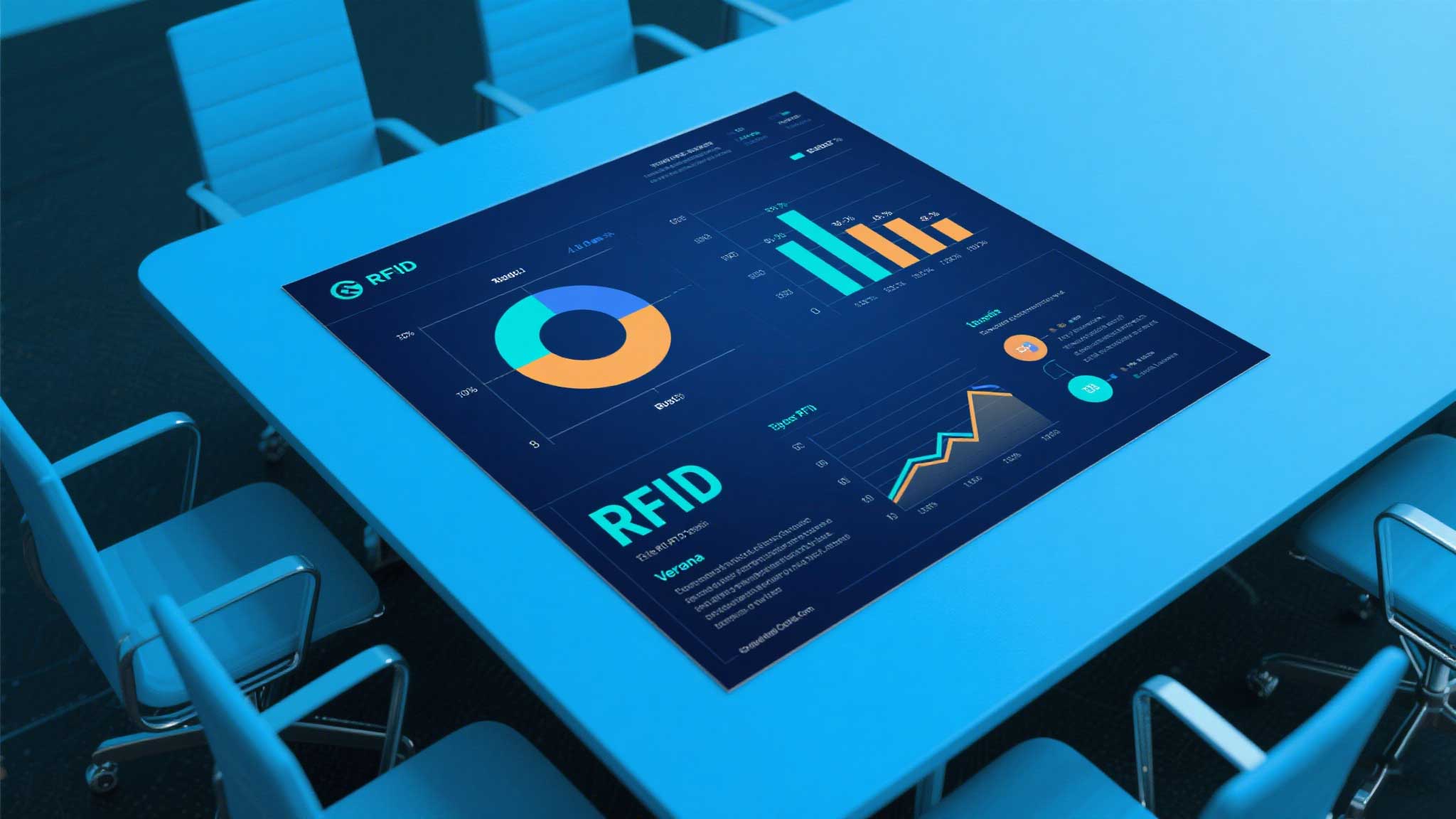
Traditional RFID antennas blast signals in all directions like a shotgun. Energy-efficient models act like snipers:
Pro Tip: Pair these antennas with passive RFID tags (no battery needed) to maximize savings.
a. Longer Battery Life
b. Sustainability Wins
c. Extended Range
Case Study: A Cykeo client powered a 500-device warehouse network for 18 months on original batteries—no replacements.
a. Swap Omnidirectional for Directional Antennas
b. Schedule Smart Scan Cycles
c. Harvest Ambient Energy
a. Overpowering Antennas
b. Ignoring Environmental Factors
c. Skipping Firmware Updates
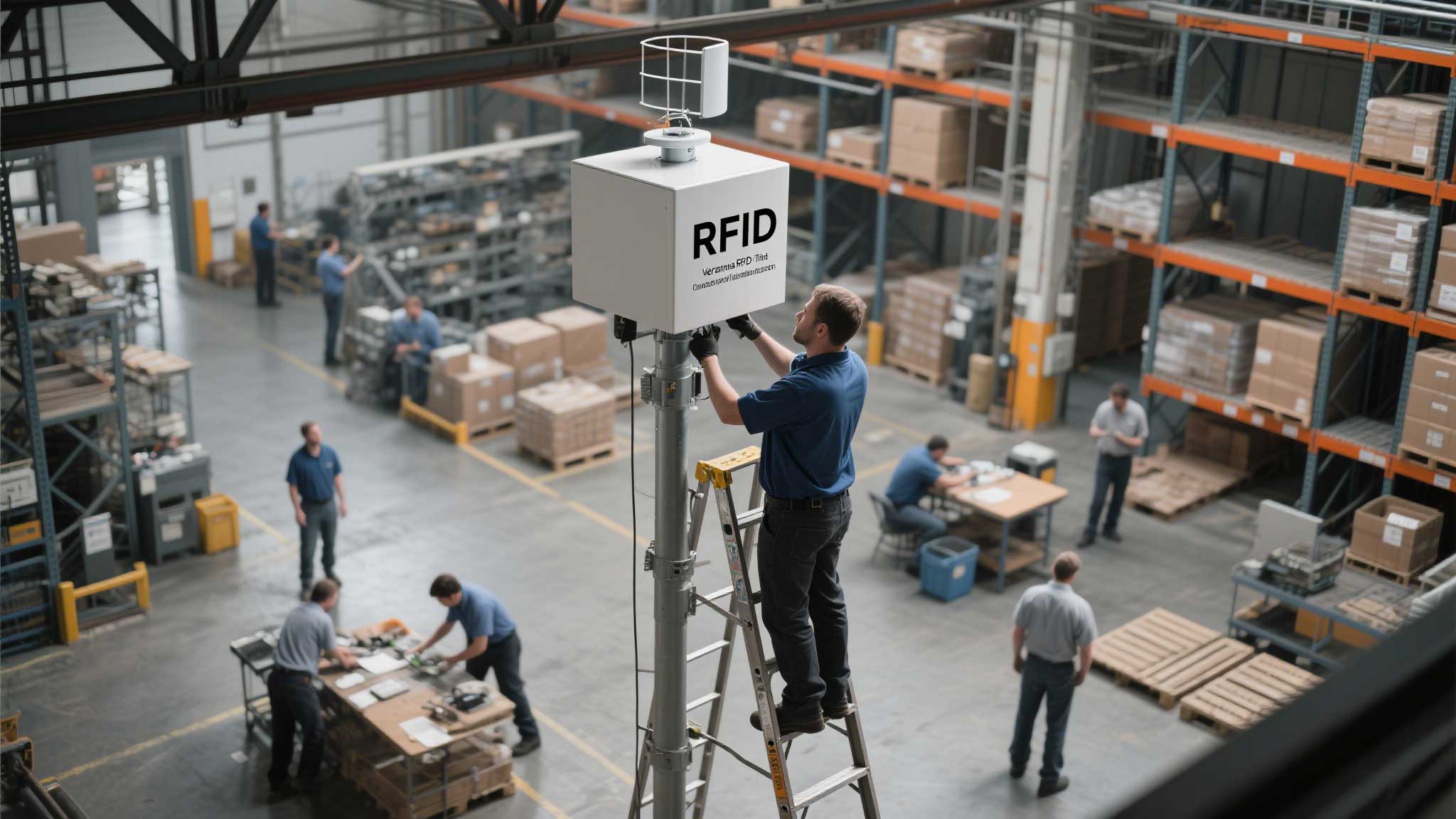
a. Match Antenna Type to Environment
b. Check Protocol Compatibility
c. Test Before Scaling
Takeaway: Energy-efficient RFID antennas aren’t just “green” PR—they’re a lifeline for IoT networks drowning in power costs. Start by retrofitting high-drain zones, then expand as savings stack up. Because in the IoT world, the difference between profit and loss often comes down to milliamps and minutes.

Discover the hidden costs of handheld RFID scanners—hardware, software, maintenance, and more. Learn how to calculate ROI and avoid budget surprises.
More
Cattle RFID tags help track livestock health, movement, and ownership. Learn how they work in real farms and how to choose the right tags.
More
Understand the differences between UHF and HF handheld RFID readers. Compare range, applications, costs, and choose the right technology for logistics, healthcare, or retail.
More
Discover what can rfid be used for in real industries. Explore RFID applications for inventory, logistics, retail, healthcare, and asset tracking with Cykeo.
More