 Cykeo RFID IoT Solution Products R&D Manufacturer


Importance of radio frequency tracking and how radio frequency tracking works
119radio frequency tracking improves asset visibility, warehouse accuracy, and inventory speed with UHF RFID technology. Explore Cykeo industrial RFID solutions.
MoreAll RFID Product
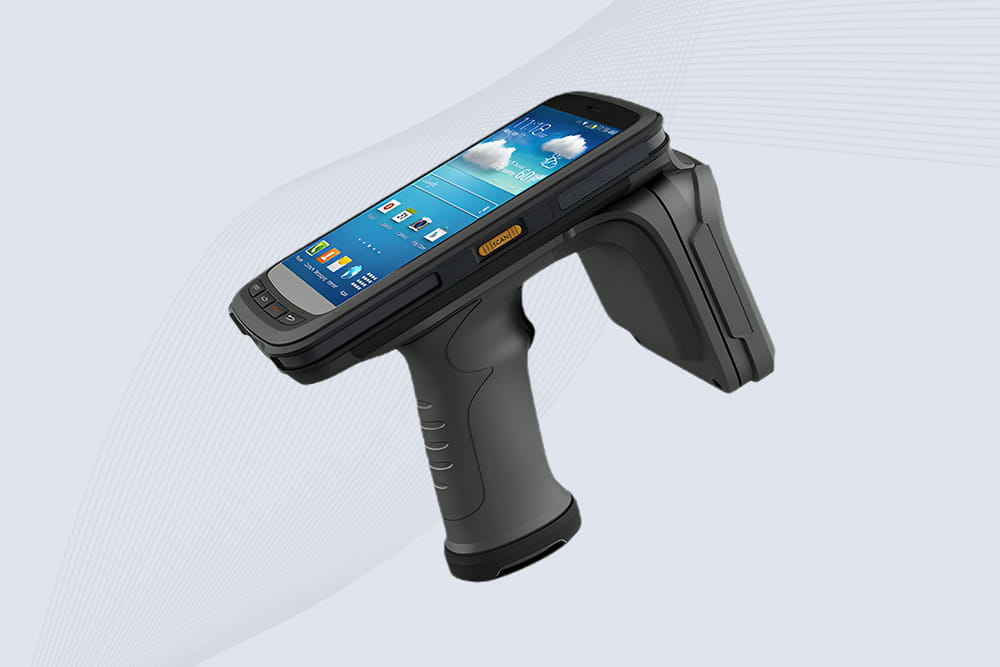
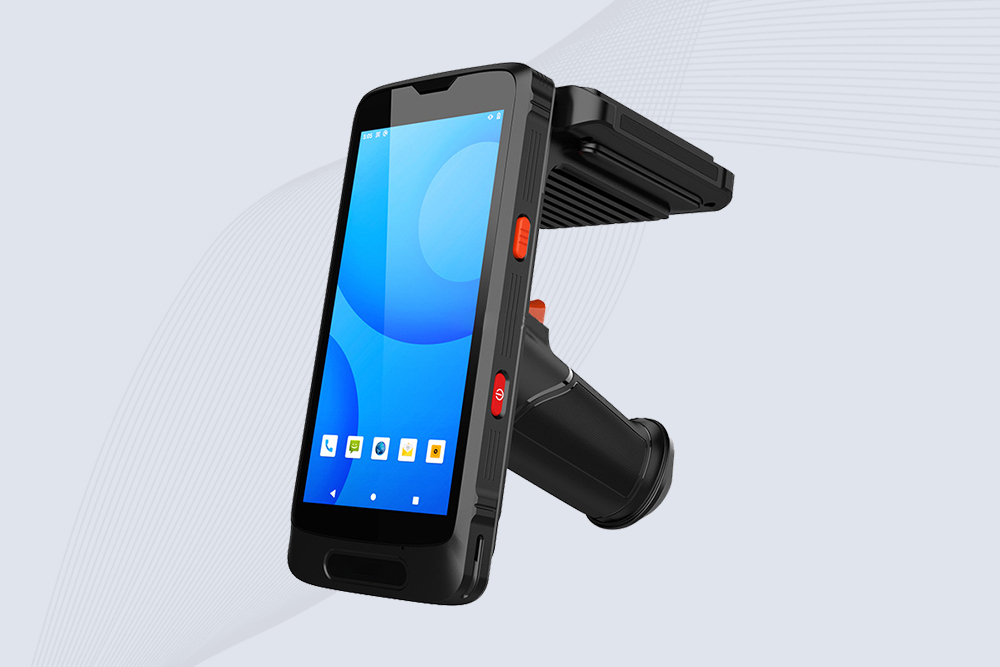
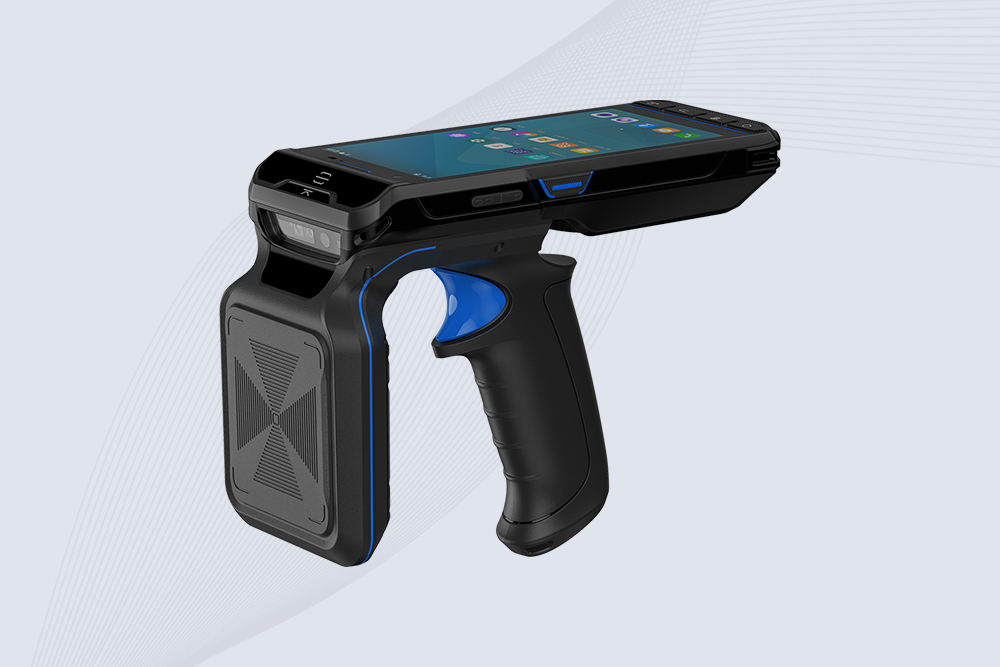
UHF (Ultra-High Frequency) and HF (High Frequency) handheld RFID readers serve distinct purposes based on their operating frequencies, read ranges, and use cases. Here’s a detailed breakdown to help you choose the right technology:
| Factor | UHF RFID (860–960 MHz) | HF RFID (13.56 MHz) |
| Read Range | 3–15 meters (long-range) | 10 cm–1 meter (short-range) |
| Ideal Use | Bulk scanning in open spaces | Close-proximity, secure scans |
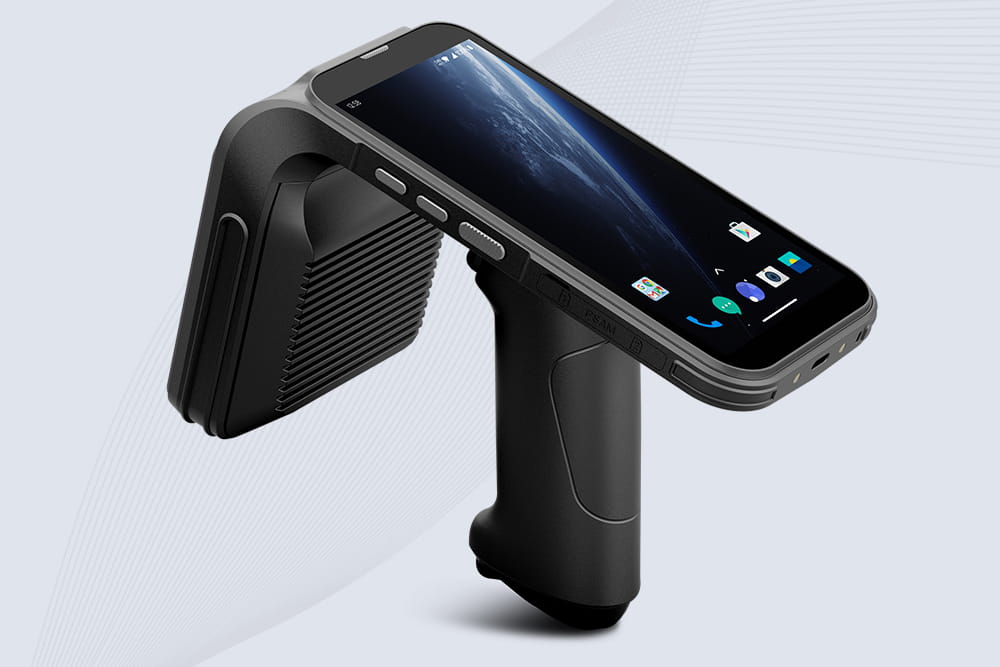
UHF Handheld Readers :
HF Handheld Readers :
| Environment | UHF RFID | HF RFID |
| Metal Surfaces | Requires anti-metal tags | Works well (no spacer needed) |
| Liquids | Signal absorption (range drops) | Minimal interference |
| High-Density Tagging | Superior (anti-collision tech) | Limited to 10–20 tags/sec |
Example: A hospital uses HF RFID to track scalpels in metal trays, while a warehouse uses UHF to scan 500 tagged boxes on a conveyor.
Hybrid Solution: Some readers support both UHF and HF for mixed-use cases.
radio frequency tracking improves asset visibility, warehouse accuracy, and inventory speed with UHF RFID technology. Explore Cykeo industrial RFID solutions.
More
Discover how RFID readers transform healthcare with real-time tracking, patient safety, and operational efficiency. Explore Cykeo’s cutting-edge RFID solutions for medical settings.
More
Discover whether handheld RFID scanners can read tags through walls or metal barriers. Learn how Cykeo’s technology tackles signal challenges.
More
Discover what rfid means and how RFID technology enables automatic identification, smart inventory, and real-time tracking with Cykeo industrial RFID solutions.
More