What are the best handheld RFID readers for library book checkouts?
Modern libraries rely on handheld RFID readers to streamline checkouts, reduce staff workload, and enhance patron experience. Below are the top 5 handheld RFID readers optimized for libraries in 2024, balancing speed, durability, and software compatibility:
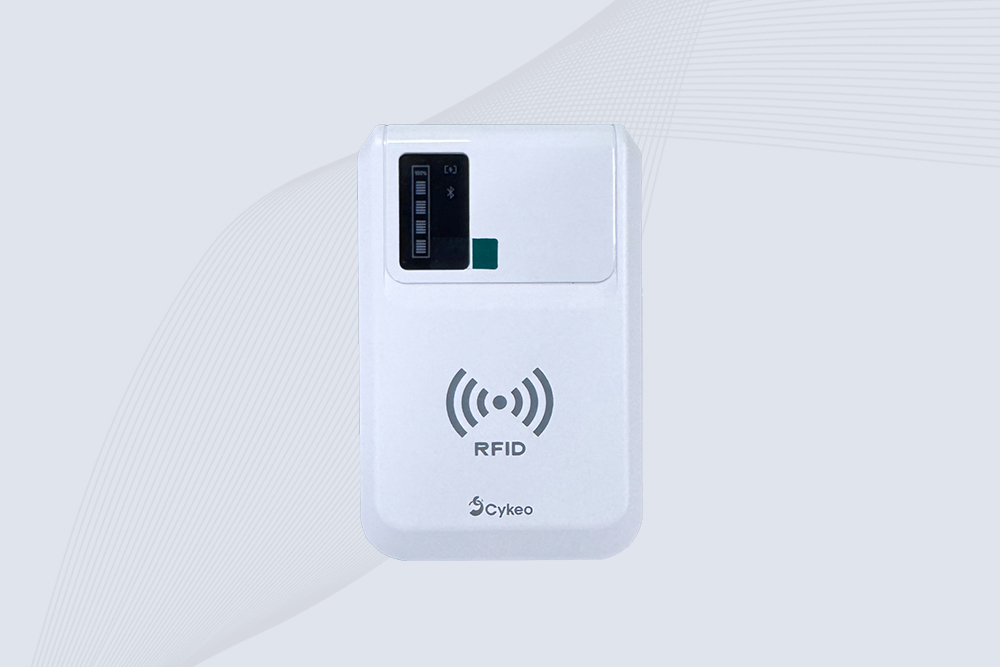
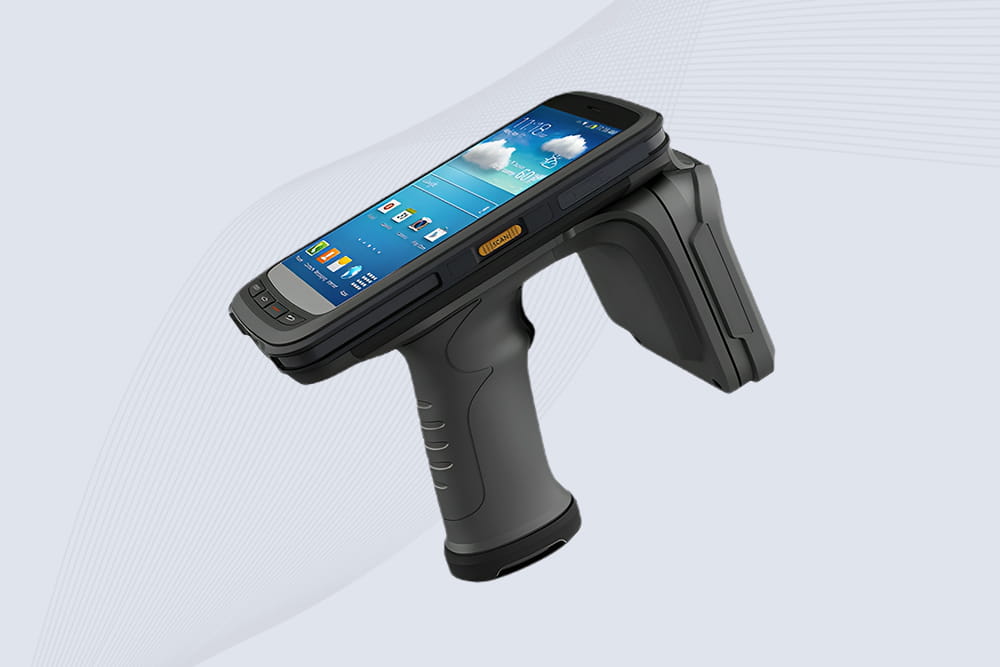
1. Cykeo CK-B2G
- Key Features:
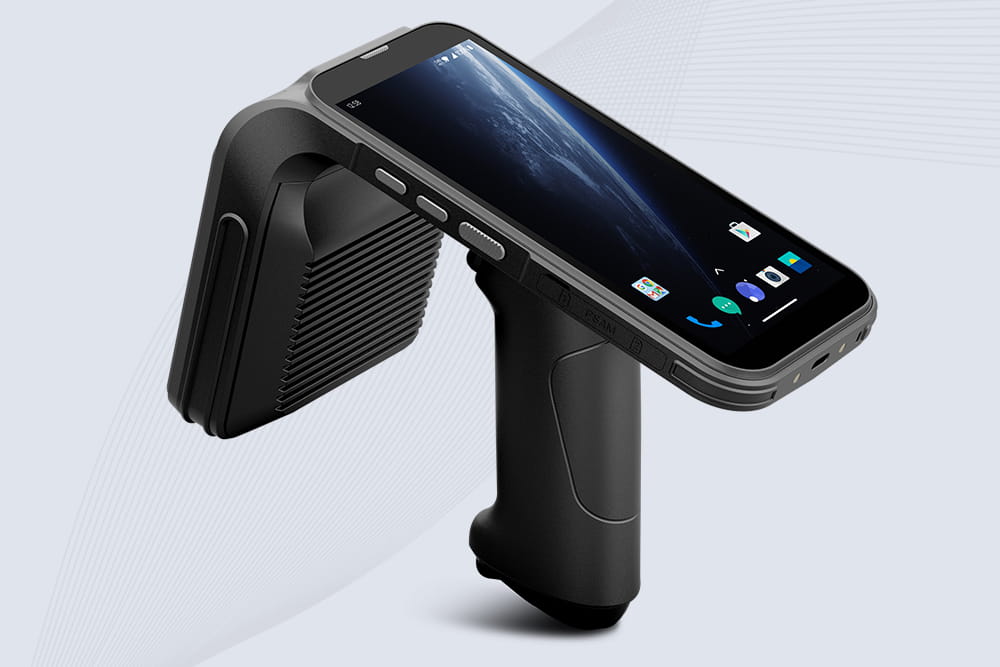
- Blazing Speed: Scans 30+ books per minute (UHF RFID) with a 5-inch touchscreen for self-checkouts.
- Security Integration: Syncs with 3M Detection Systems to deactivate tags post-checkout.
- Durability: Lightweight (400g) and drop-resistant for high-traffic environments.
- Best For: Large public libraries needing fast, patron-friendly self-checkout solutions.
2. TechLogic LYNK 2.0
- Key Features:
- Hybrid Scanning: Supports HF (13.56 MHz) and UHF RFID for books, DVDs, and laptops.
- Cloud Integration: Real-time updates to Koha ILS or Libib for seamless inventory tracking.
- Long Battery Life: 10+ hours (5,000 mAh) for mobile shelving audits.
- Best For: Academic libraries managing mixed media collections.
3. FEIG OBID iScan HF
- Key Features:
- NFC Compatibility: Supports ISO 15693 for patron ID cards and smartphone checkouts.
- Spill-Proof Design: IP54 rating withstands spills in children’s sections.
- Custom Alerts: Audible alerts for overdue items or restricted materials.
- Best For: School and community libraries prioritizing multifunctionality.
4. D-Tech International LibraMate
- Key Features:
- Budget-Friendly: Starts at $650 with lifetime firmware updates.
- Anti-Theft Mode: Automatically reactivates tags if books are returned within 10 minutes.
- Compact & Portable: Fits in a librarian’s apron for roaming assistance.
- Best For: Small branch libraries with limited budgets.
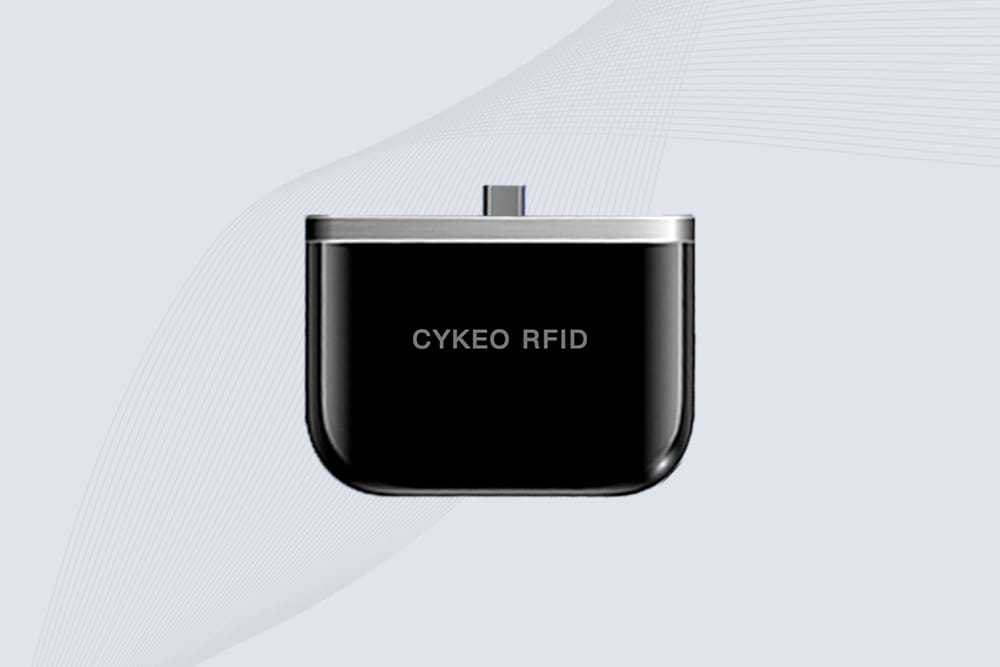
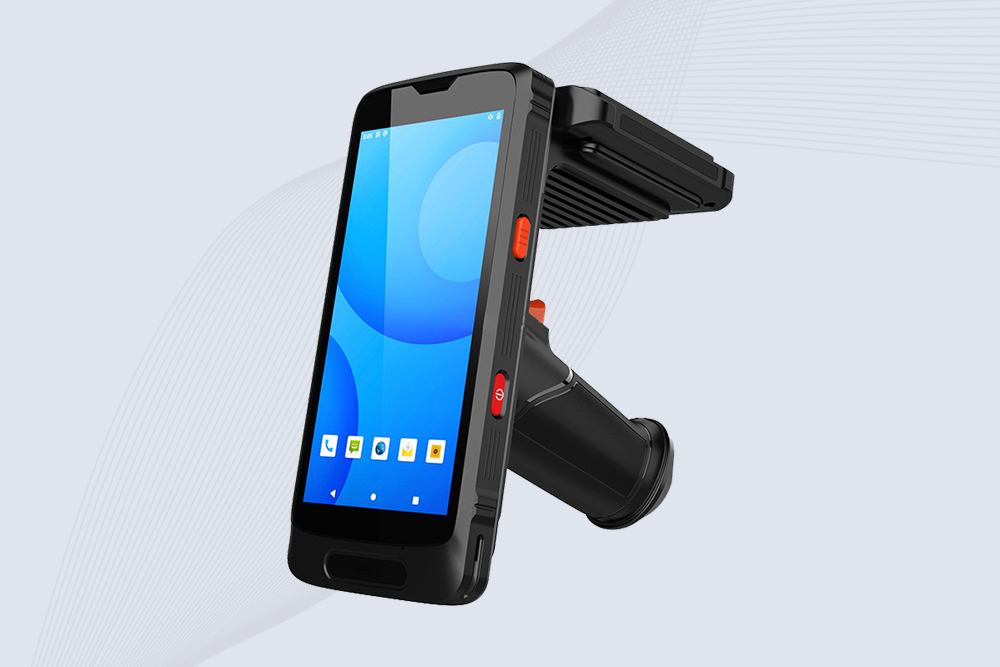
5. Cykeo CK-B4
- Key Features:
- Enterprise Integration: Syncs with Sierra ILS or Alma via APIs for centralized management.
- Long-Range UHF: Scans books on high shelves (up to 6 meters).
- Barcode Backup: Hybrid scanner for legacy systems.
- Best For: University libraries with complex inventories and high shelves.
Key Considerations When Choosing a Library RFID Reader
- Tag Compatibility:
- Use HF tags (13.56 MHz) for books (ISO 15693) and UHF for bulk media (DVDs, CDs).
- Self-Checkout Features:
- Opt for NFC-enabled readers to allow patron smartphone checkouts.
- Security Integration:
- Ensure compatibility with RFID security gates to automate theft prevention.
- Staff Training:
- Choose devices with pre-loaded tutorials for quick onboarding.
Pro Tip: Use batch mode scanning during off-hours to audit 1,000+ books in 30 minutes.
Case Study: Seattle Public Library Cuts Checkout Time by 70%
- Challenge: Long wait times during peak hours.
- Solution: Deployed Cykeo CK-B2G handhelds for self-checkouts.
- Results:
- Average checkout time reduced from 3 minutes (manual) to 20 seconds.
- Self-checkout adoption rose by 65%, freeing staff for other tasks.
 Cykeo RFID IoT Solution Products R&D Manufacturer