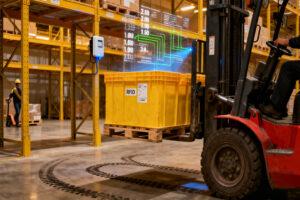
Radio frequency tracking uses RFID signals to identify, monitor, and manage tagged assets automatically, improving inventory accuracy, reducing manual labor, and enabling real-time visibility across warehouses, laboratories, hospitals, and industrial facilities.
I first saw the real value of radio frequency tracking inside a European warehouse retrofit project in late 2023. Operators were still relying on barcode scanners clipped to belts. Forklift drivers stopped every few meters. Inventory mismatches happened daily. After switching several storage zones to UHF RFID tracking, the count cycle that previously took nearly six hours dropped to under forty minutes. Nobody in the building called it “digital transformation.” They just stopped arguing over missing pallets.
That detail matters more than marketing language.
Why radio frequency tracking matters in modern operations
Radio frequency tracking is no longer limited to retail supply chains. Today it is widely used in:
Industrial manufacturing
Tool management
Laboratory tracking
Medical asset monitoring
Archive and library systems
Logistics centers
Hazardous chemical storage
Unlike barcodes, RFID does not require direct line-of-sight scanning. Multiple tags can be identified simultaneously, even when stacked inside cartons or storage bins.
According to the RFID Lab at Auburn University, UHF RFID deployments in retail environments regularly achieve inventory accuracy rates above 95%, significantly improving stock visibility and replenishment performance.
Meanwhile, research published by McKinsey & Company notes that real-time inventory visibility remains one of the highest-impact operational improvements in logistics digitization.
How UHF radio frequency tracking works
Core system components
A complete radio frequency tracking system normally includes:
Component
Function
RFID tags
Store digital identity data
RFID readers
Capture tag information
RFID antennas
Extend reading coverage
Middleware software
Filters and processes data
Management platform
Displays tracking records
In UHF systems, the operating frequency generally falls between 860–960 MHz. This range supports longer reading distance and faster bulk tag identification compared with HF RFID.
Cykeo focuses heavily on UHF RFID because large-scale inventory environments rarely need single-item close scanning anymore. Speed wins.
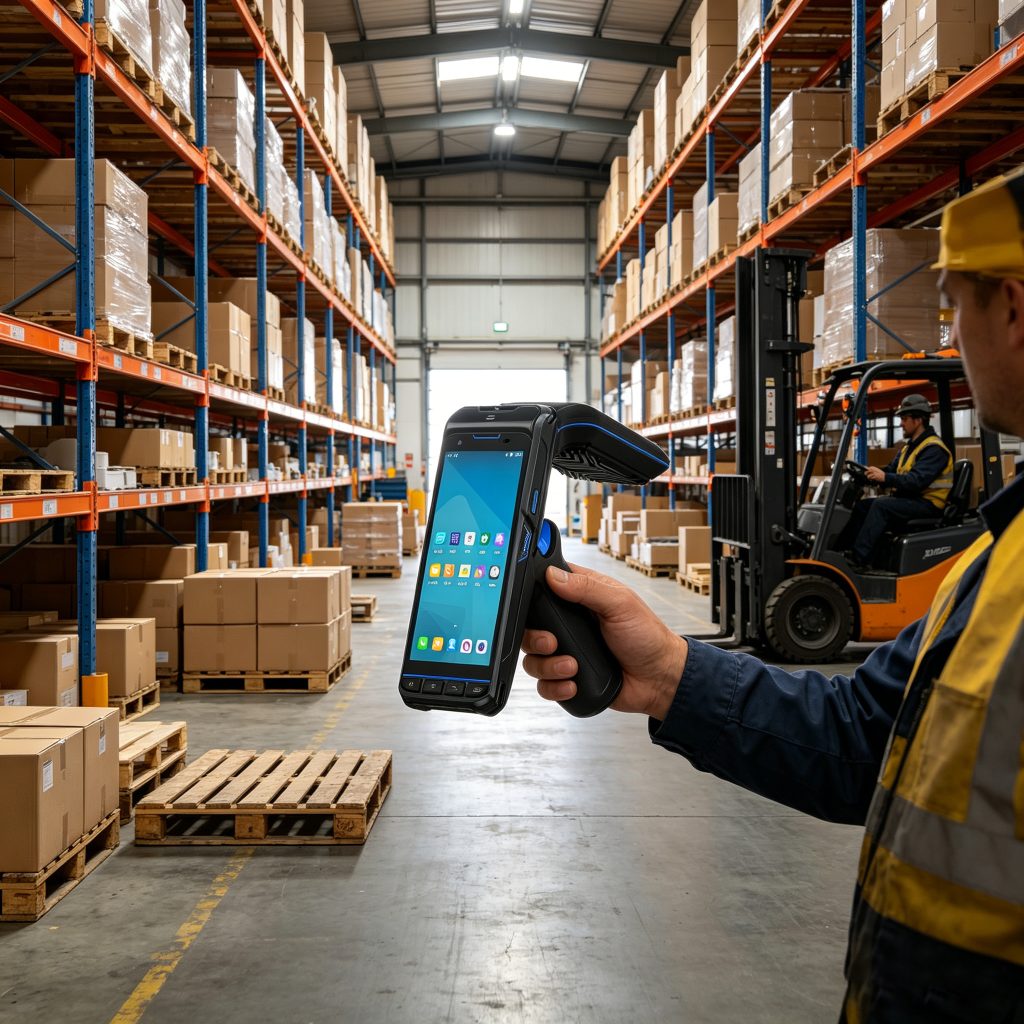
Real-time RFID tracking improves warehouse inventory visibility and reduces manual counting time.
Real deployment observations from industrial environments
There is something people rarely mention publicly: metal interference is still the biggest headache in radio frequency tracking projects.
Inside one tool storage room we evaluated, ordinary adhesive labels failed after installation because steel drawers reflected RF signals unpredictably. The fix was not software. It was changing to anti-metal RFID tags and adjusting antenna angle by less than 15 degrees.
That is why practical deployment experience matters more than theoretical range numbers printed in catalogs.
What experienced integrators usually check first
Shelf material
Tag orientation
Liquid interference
Dense tag collision rate
Environmental humidity
Reader power consistency
Antenna polarization
Good RFID tracking is usually quiet. If operators constantly notice the system, something is wrong.
Cykeo radio frequency tracking solutions
Cykeo develops UHF RFID systems for high-density identification environments requiring stable long-term operation.
Typical applications include:
Warehouse inventory tracking
Laboratory reagent monitoring
File archive positioning
Laundry management
Industrial asset traceability
Tool cabinet management
Key technical capabilities include:
Multi-tag recognition
EPC Gen2 / ISO18000-6C support
Fast inventory speed
RSSI signal monitoring
Near-field and far-field reading options
Ethernet and USB communication
High write stability
In dense inventory environments, stable filtering algorithms often matter more than raw RF power. Excessive transmission power can actually reduce accuracy when tags overlap tightly.
That catches many first-time deployments off guard.
Performance comparison: barcode vs radio frequency tracking
Feature
Barcode
Radio Frequency Tracking
Line-of-sight required
Yes
No
Bulk reading
Limited
Excellent
Read speed
Manual
Automatic
Tag durability
Moderate
High
Automation capability
Low
High
Real-time visibility
Limited
Strong
Deloitte reported that automated inventory systems can significantly reduce manual audit workload and operational delays in logistics-heavy industries.
Best environments for UHF radio frequency tracking
Warehouses
Fast pallet movement and high-volume inventory make UHF RFID extremely effective.
Hospitals
Medical carts, consumables, and laboratory samples can be monitored continuously.
Industrial manufacturing
Factories use RFID to reduce misplaced tooling and improve production traceability.
Libraries and archives
RFID reduces manual circulation work and accelerates inventory audits.
UHF RFID tracking enables accurate laboratory inventory management and sample traceability.
FAQ
What is radio frequency tracking used for?
Radio frequency tracking is used for automated identification and monitoring of assets, inventory, tools, files, pallets, and equipment through RFID technology.
Is UHF RFID suitable for large warehouses?
Yes. UHF RFID supports long reading distance and rapid multi-tag scanning, making it highly effective for warehouse inventory operations.
Can RFID tracking work without internet?
Yes. RFID readers can collect and process data locally before synchronizing with servers later if needed.
Does metal affect RFID performance?
Yes. Metal surfaces can reflect RF signals. Anti-metal tags and optimized antenna placement are typically used to maintain stability.
Final thoughts on radio frequency tracking
The strongest radio frequency tracking systems are not necessarily the ones with the highest advertised range. The best deployments are usually the most stable ones — consistent reads, low missed counts, predictable performance under pressure.
That is where mature UHF RFID engineering makes the difference.
Cykeo continues focusing on practical RFID infrastructure designed for dense inventory environments where reliability matters more than presentation slides.
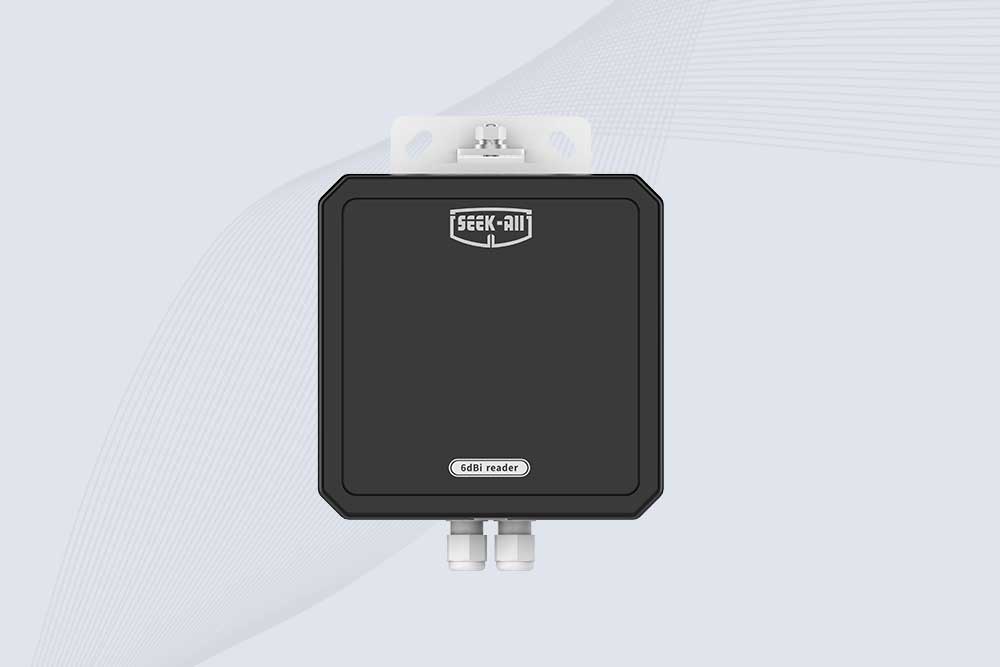
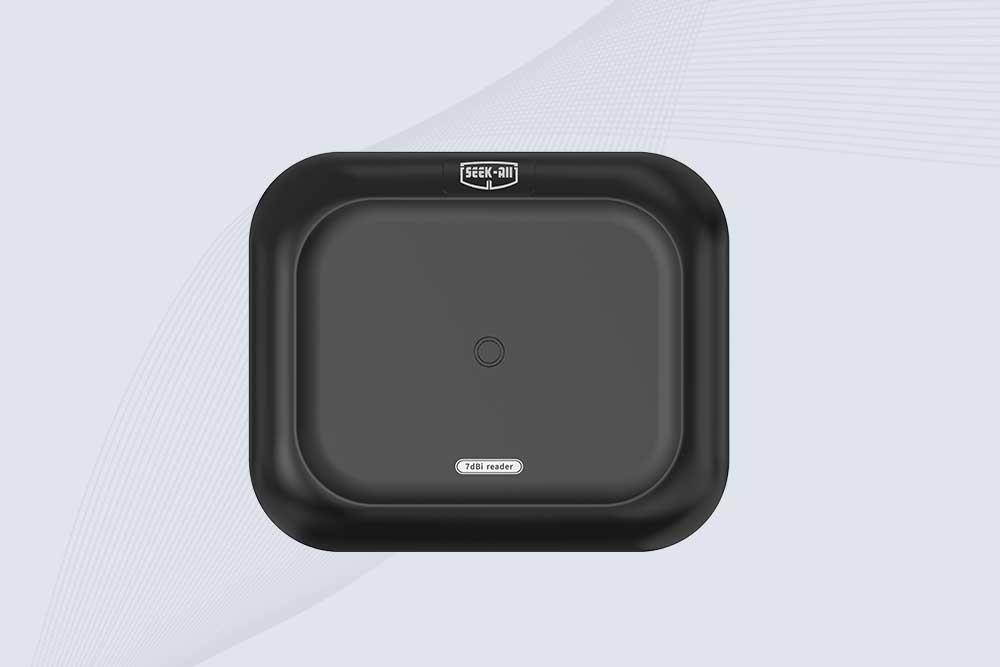
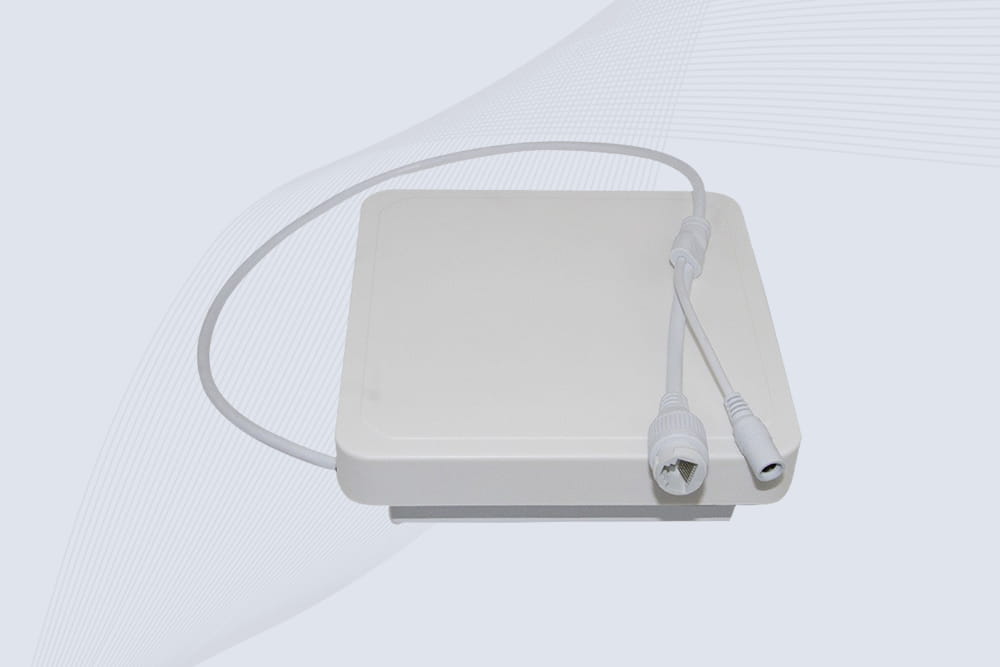
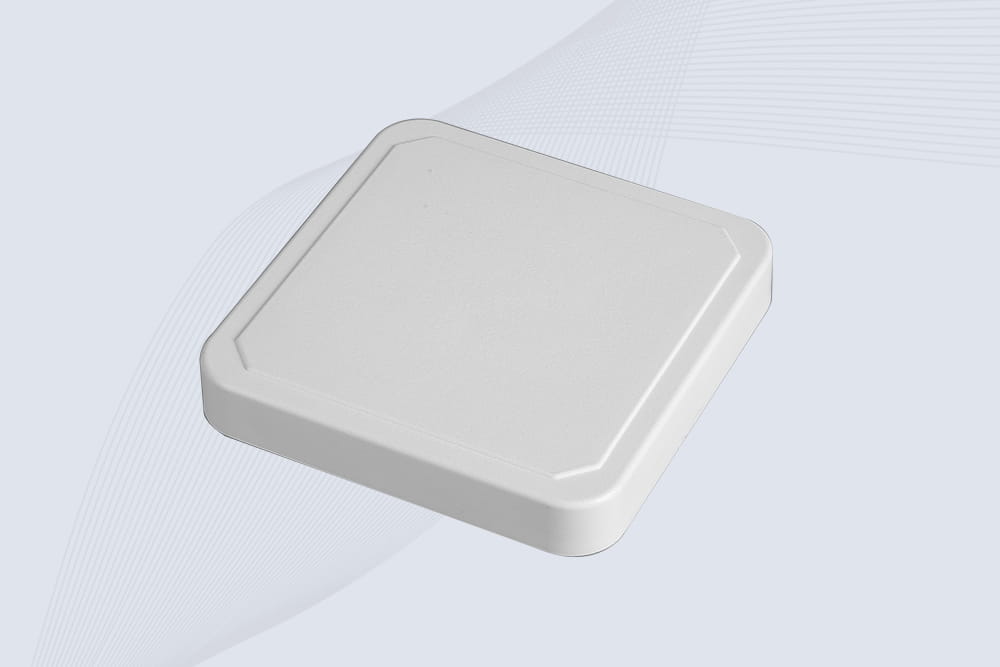
SSD-RA06L is an industrial UHF RFID reader with a built-in 6 dBi antenna, 3 m read range, 600+ tags/s, Ethernet, RS232, and optional Wi-Fi, 4G, and PoE.
SSD-RA07L industrial UHF RFID reader with integrated 7 dBi antenna, up to 6 m reading distance, over 600 tags/s, Ethernet, RS232, and optional Wi-Fi, 4G, and PoE.
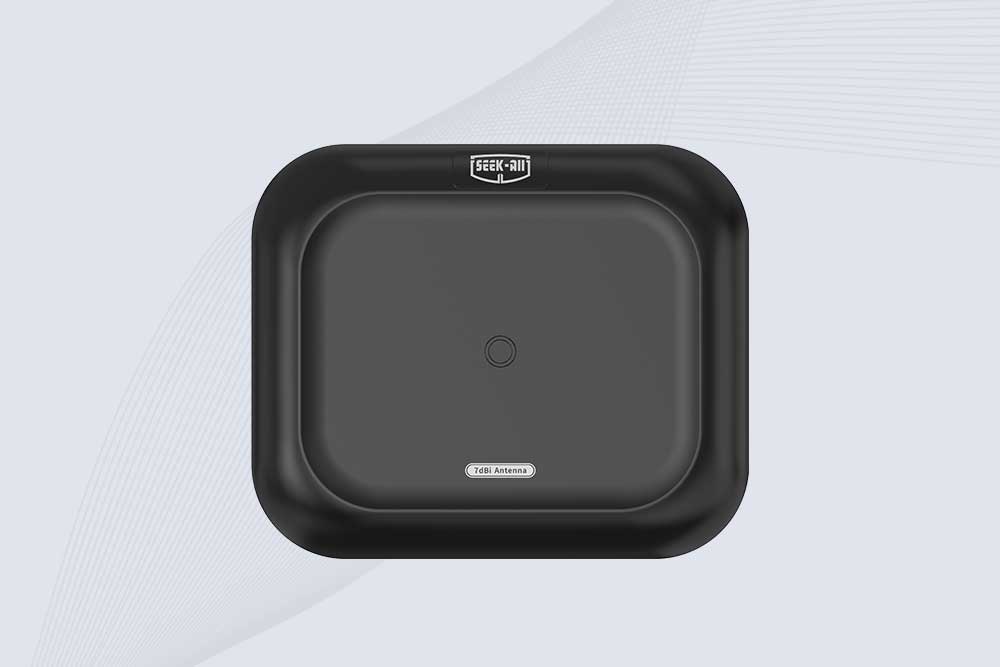
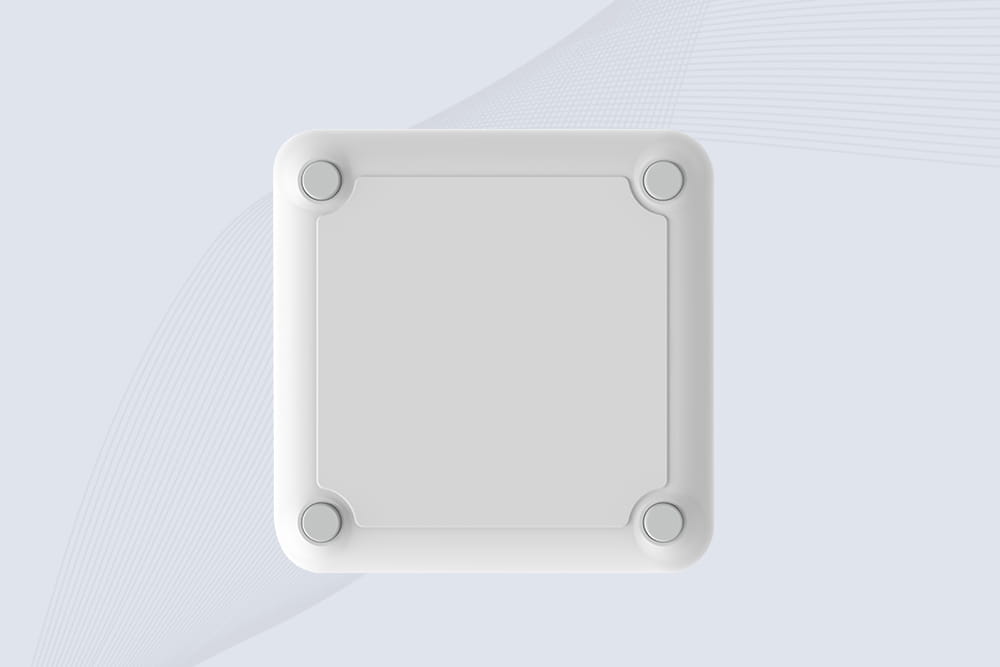
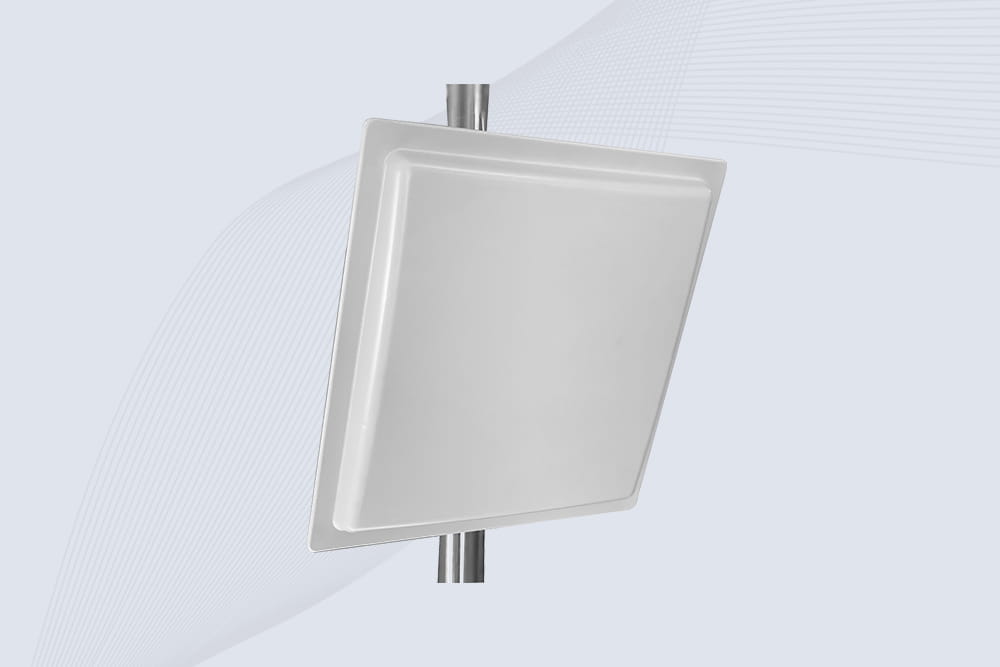
Explore the SSD-A07 UHF RFID antenna with 7 dBi gain, circular polarization, adjustable 840–960 MHz frequency, and 60°/75° beamwidth for stable RFID read/write performance.
SSD-A06 UHF RFID antenna with circular polarization, adjustable 840–960 MHz frequency, ≥4.5 dBi gain, and a compact directional design for RFID systems.
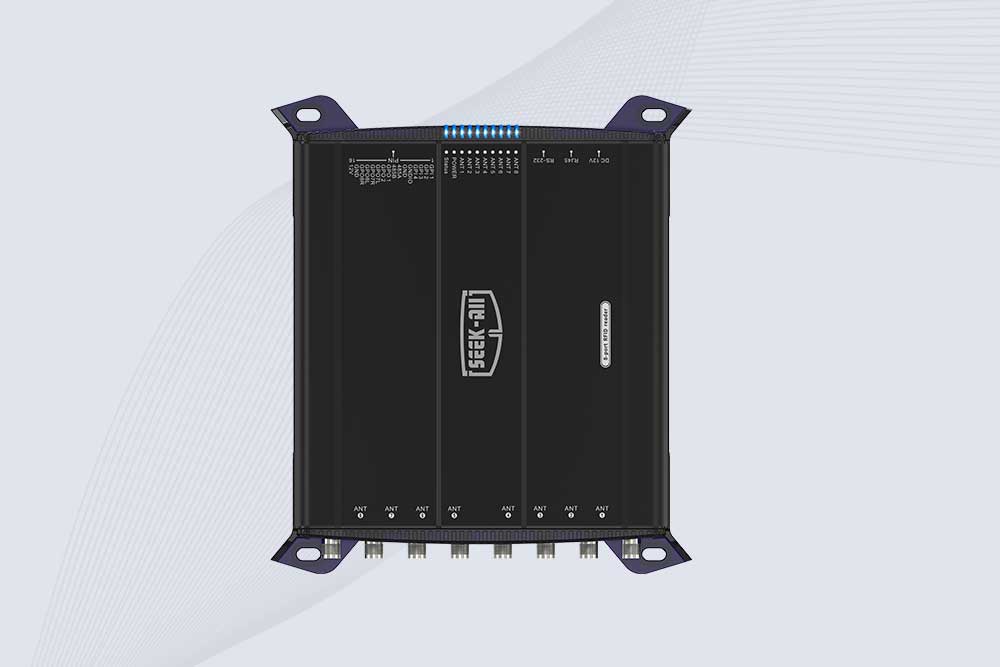
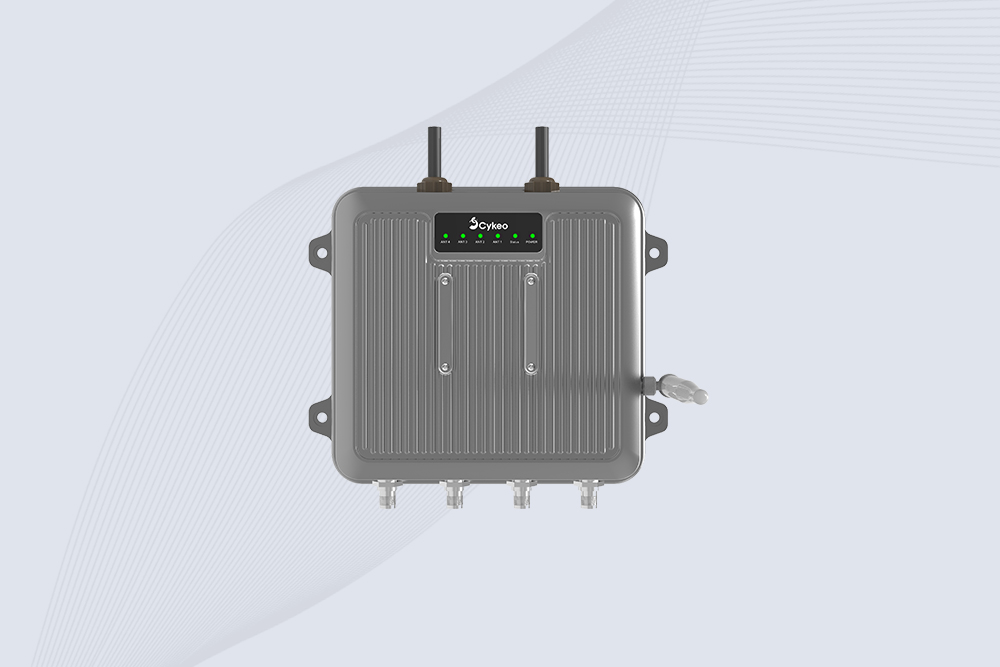
SSD-R16L Multi-Channel RFID Infrastructure for Automated Inventory Management ✔️ 16-Port High-Density RFID Reading Equipped with 16 SMA antenna ports, SSD-R16L supports multi-antenna deployment for warehouses, retail stores, logistics, production lines, and large-area RFID identification. ✔️ High-Speed & Long-Range Performance With up to 33…
SSD-R8L 8-port UHF RFID reader with 33dBm output, up to 20m reading range and 600+ tags/s recognition. Ideal for warehouse, logistics, retail and asset tracking.
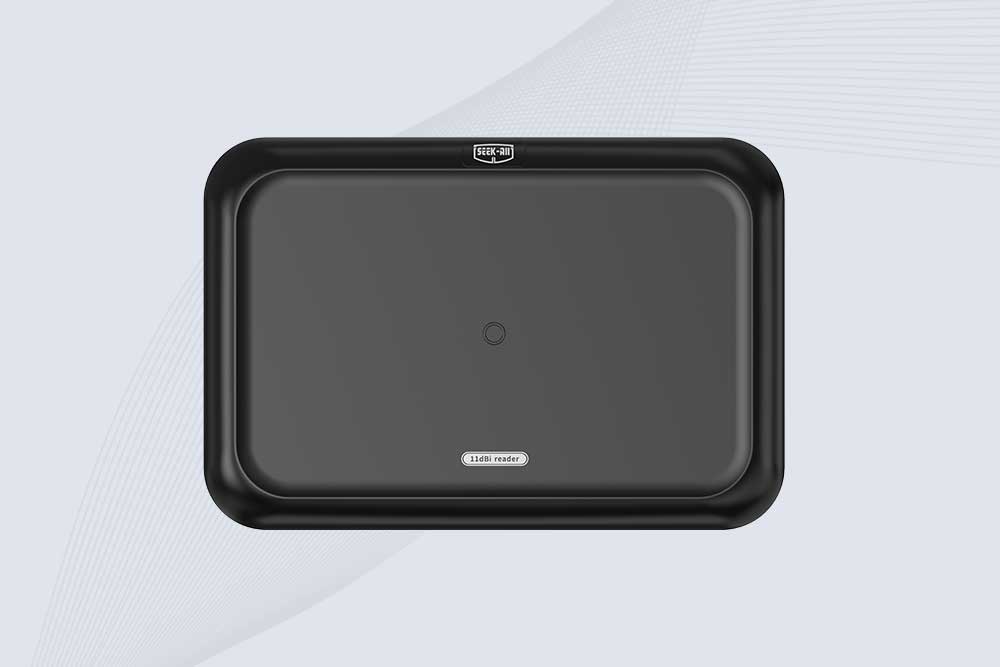
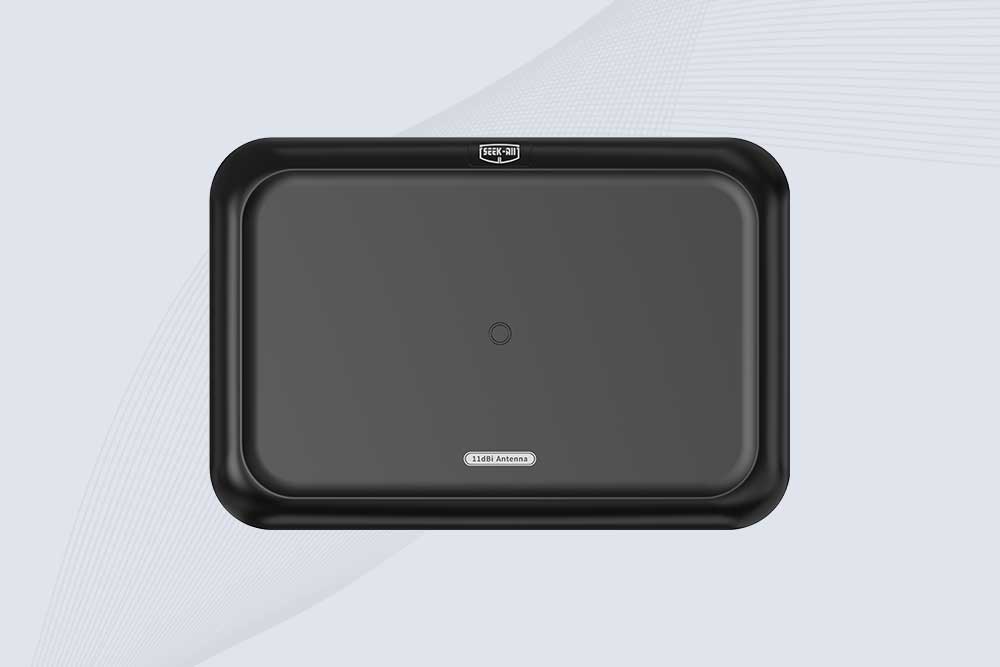
Cykeo CYKEO-A11 UHF RFID reader antenna delivers 11dBi gain, 840-960MHz frequency range, and IP65 ruggedness for retail, logistics, and industrial RFID systems. Features low VSWR and easy installation.
CYKEO Antenna RFID Reader delivers stable long-range UHF performance with a 10.5dBi directional design, built for warehouses, conveyor portals, and industrial RFID systems. This rfid reader antenna provides 20m+ read distance and rugged IP67 protection.
Cykeo CYKEO-A5B industrial Linear RFID Antenna delivers 5dBi gain, ≤1.5:1 VSWR, and IP65 rugged design for warehouse, production line, and logistics UHF systems.
Cykeo’s CYKEO-B12 Long Range RFID Antenna delivers 15m+ read range with 12dBi gain, IP65 rugged design, and global 840-960MHz UHF support. Ideal for warehouse/logistics asset tracking.
Cykeo CYKEO-B10 Long Distance RFID Antenna offers 10dBi gain, 840-960MHz frequency range, IP65 rating, and 20m+ coverage for logistics/warehousing/ETC systems. Low VSWR ensures stable signal transmission.
Cykeo CYKEO-A6 UHF RFID panel antenna features 6dBi gain, 840-960MHz broadband, IP65 metal-ready housing for logistics/smart retail. 18mm ultra-thin design with tool-free mounting.
Cykeo CK-A3 industrial antenna RFID UHF offers 5m+ tag detection, ≤1.3:1 VSWR, IP65 rugged design, and global UHF spectrum compatibility (840-960MHz) for warehouses, factories, and retail.
Cykeo CYKEO-B5 directional RFID antenna provides 5dBi gain with 60° narrow beamwidth for precise inventory tracking. IP65-rated, global UHF frequency support, and low VSWR.
Create your own high-performance DIY RFID antenna! 5dBi gain, 840-960MHz tunable, step-by-step guides. Compatible with Arduino, Raspberry Pi, and commercial UHF readers.
Cykeo CYKEO-A7 Flexible RFID Antenna features 840-960MHz wideband tuning, 7dBi gain, and IP68 rating for medical/retail/industrial curved surface deployments. 98% read accuracy with peel-and-stick installation.
Cykeo CYKEO-B5A industrial Passive RFID Antenna delivers 5dBi gain, 70° beamwidth, and -40°C~55°C operation for warehouses/smart cabinets. Compatible with Zebra/Impinj readers.
Cykeo’s CYKEO-A9B High Gain RFID Antenna delivers 15m+ read range with 9dBi amplification. Features IP54 rugged design, 840-960MHz bandwidth, and 80° beamwidth for warehouse/manufacturing RFID systems.
Cykeo’s enterprise-grade 8dbi Impinj RFID Antenna 10m+ read range with 840-960MHz tuning. Features IP65 housing, 1.4 VSWR, 35° beamwidth for retail/warehouse RFID systems.
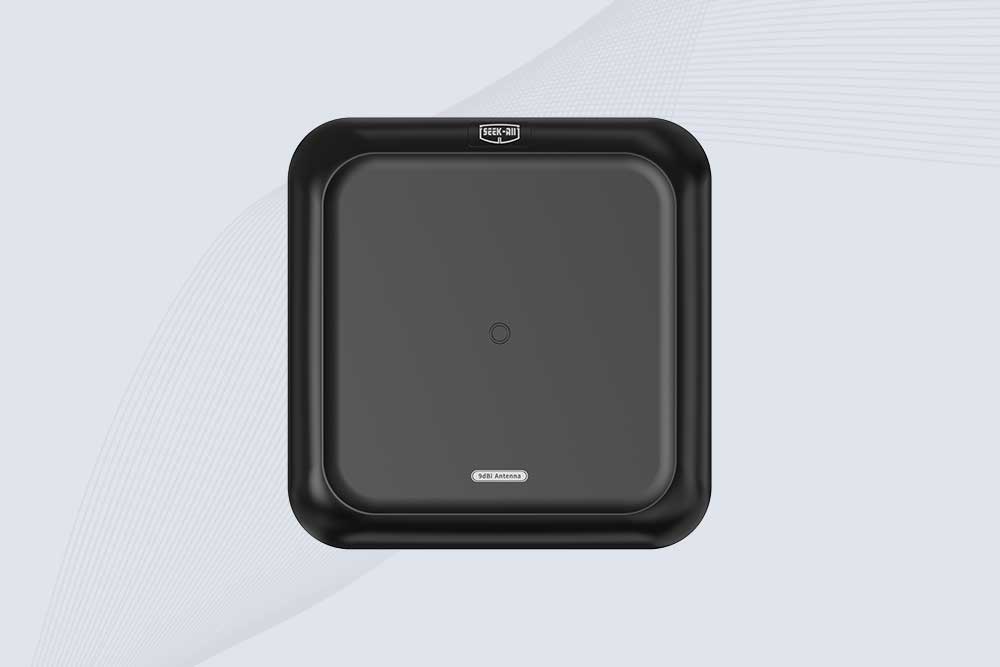
Cykeo CYKEO-A9 industrial UHF RFID antenna delivers 9dBi gain, 840-960MHz frequency range, and IP65 protection for warehouse/logistics/retail RFID systems. Features N-type connector and ≤1.3:1 VSWR.
CYKEO UHF RFID Antenna built for long-distance and industrial applications. This antenna rfid uhf delivers strong gain, outdoor durability, and reliable tag performance in warehouses, yards, and vehicle ID systems.
CYKEO Antenna RFID delivers reliable long-range UHF performance in warehouses, retail shelves, and cold-chain environments. This compact uhf rfid antenna provides stable reads with circular polarization and ultra-wide 840–960 MHz support, ideal for industrial tracking, smart shelves, and asset monitoring.
Cykeo’s CYKEO-C8 UHF RFID antennas delivers 8dBi gain, 840-960MHz full-band coverage, and IP65 ruggedness for manufacturing/warehouse RFID systems. Industrial RFID Antennas Features
Cykeo’s 8dBi UHF RFID antenna and reader kit delivers 10m+ range, 840-960MHz broadband, and IP65 ruggedness for factories, warehouses, and logistics. ISO 18000-6C & EPC Gen2 certified.
Cykeo’s CYKEO-A12C UHF Large RFID Antenna delivers 12dBi gain, 840-960MHz global frequency, IP65 ruggedness for logistics/warehousing/automotive. 40° beamwidth ensures stable 15m+ tag reads.
CYKEO Near Field RFID Antenna provides precise 5–30 cm reading for shelves, cabinets, and workstations. This compact rfid shelf antenna delivers stable short-range performance around metal and clutter, ideal for pharmacies, libraries, and electronics sorting.
Cykeo’s industrial long range RFID reader delivers 20-meter scanning, 500+ tags/sec speed, and IP67 waterproof design for automated warehouses, logistics, and harsh environment applications.
Cykeo’s CYKEO-RA6L industrial RFID long range reader features 20m read distance, 500 tags/sec speed, and IP67 protection. Ideal for warehouse automation, manufacturing WIP tracking, and smart logistics. Supports ISO 18000-6C/6B protocols.
CYKEO Long Range RFID Tag Reader built for outdoor and industrial operations. This Outdoor RFID Reader delivers 20m read distance, fast tag processing, and IP67 durability for wide-area tracking.
Cykeo CYKEO-RA12L industrial Long Range RFID Reader delivers 20m read range, 200+ tags/sec scanning, and IP67 protection for manufacturing/logistics applications. Supports ISO 18000-6C/GB protocols.
Cykeo CYKEO-C1 industrial Forklift RFID Reader features 20m read range, 600 tags/sec scanning, Impinj R2000 chipset, and IP67 rugged design. Ideal for warehouse logistics and manufacturing. Supports ISO 18000-6C/6B protocols.
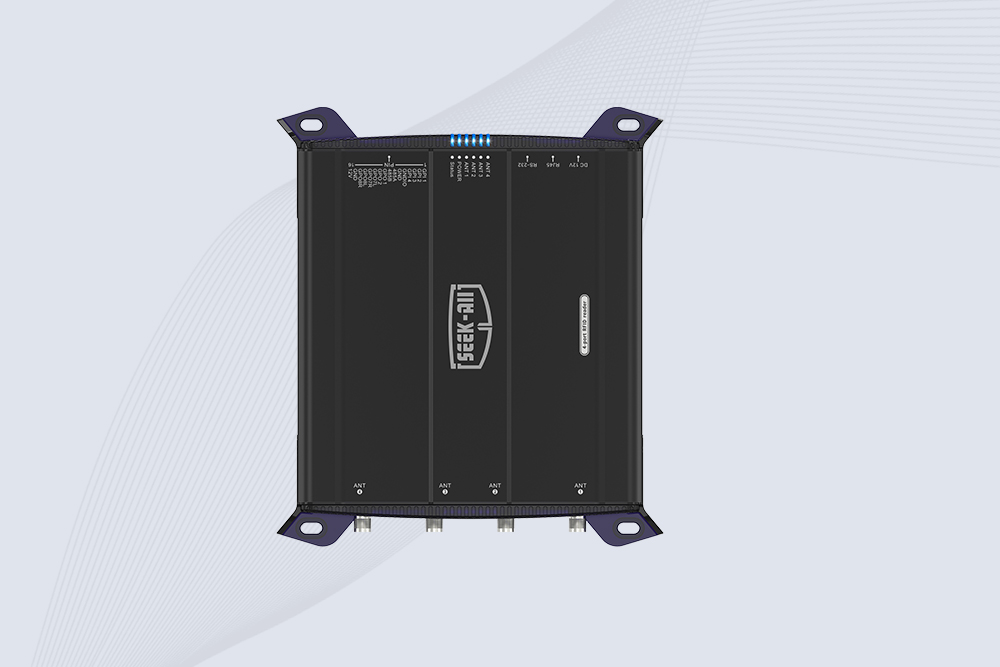
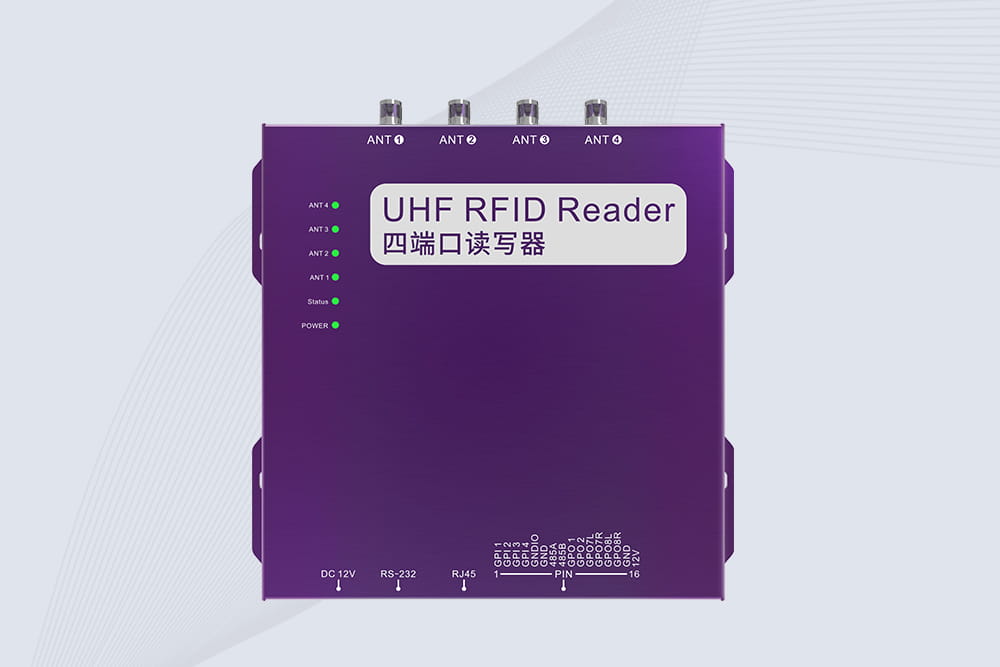
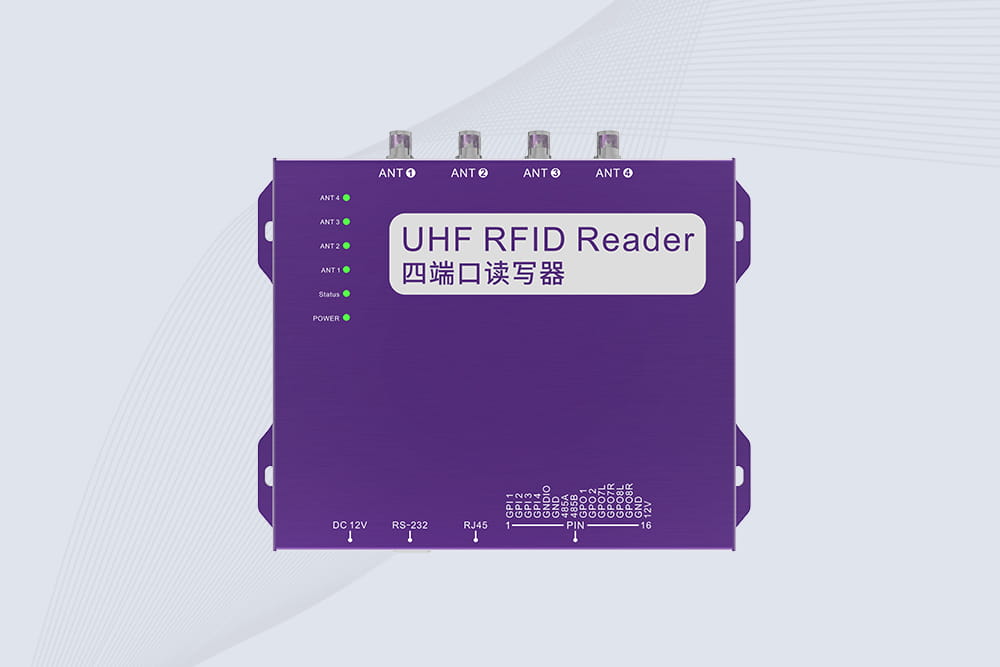
Cykeo CYKEO-R4 industrial UHF RFID Fixed Reader features 4 TNC ports, 400+ tags/sec speed, IP67 housing, and global frequency compliance for vehicle inspection, smart warehouse, and asset management systems.
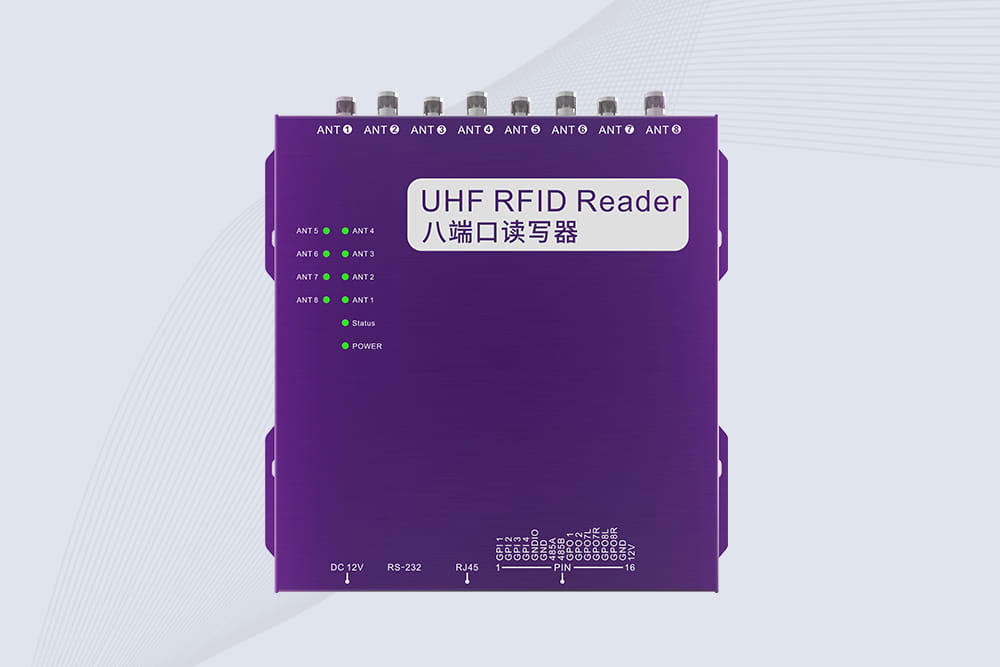
CYKEO CYKEO-R8L Fixed RFID Reader with 8-port UHF design, Impinj-based RF core and up to 20m read range. An industrial Fixed RFID Reader for vehicle inspection, warehouse portals, smart manufacturing lines and secure access checkpoints.
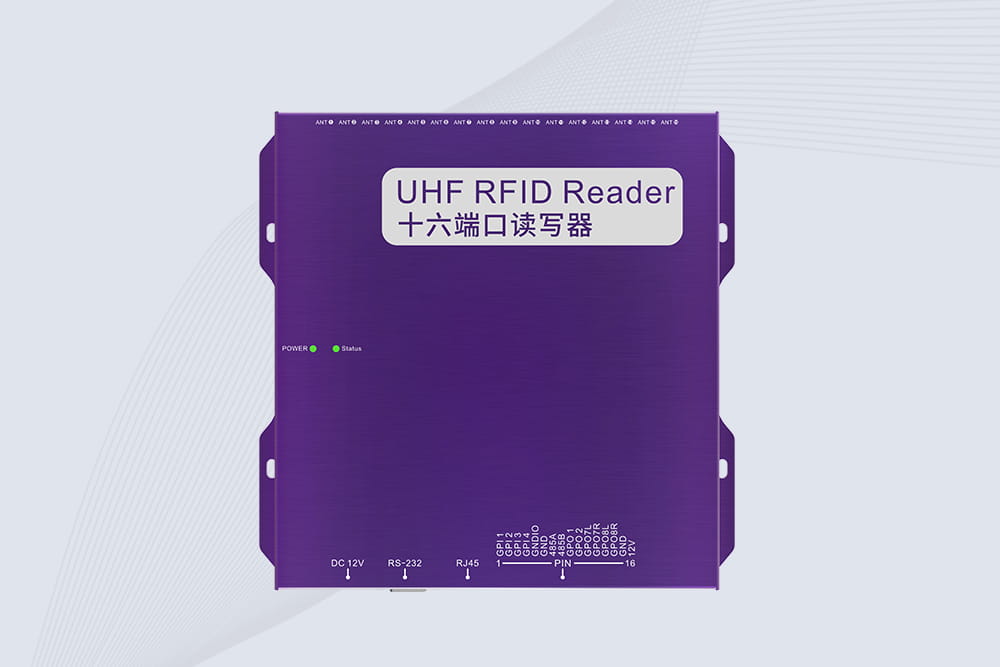
RFID Fixed Reader from CYKEO – the CYKEO-R16L 16-port UHF fixed reader for warehouses, smart cabinets, and production lines. Long-range, multi-tag reading, stable performance for 24/7 industrial use.
Learn what is a rfid reader, how RFID readers communicate with tags, and how Cykeo RFID technology improves tracking, automation, inventory, and asset management.
Explore how RFID solutions for healthcare enhance patient safety, streamline hospital operations, and optimize asset management, with practical real-world examples.
Tool tracking systems powered by RFID technology help organizations automate tool management, improve accountability, reduce losses, and complete inventory checks in seconds.
Learn how an RFID tag tracking system helps businesses locate, monitor, and manage assets in real time. Discover how RFID tags, readers, and frequencies work together to boost visibility, accuracy, and efficiency across industries.
 Cykeo RFID IoT Solution Products R&D Manufacturer