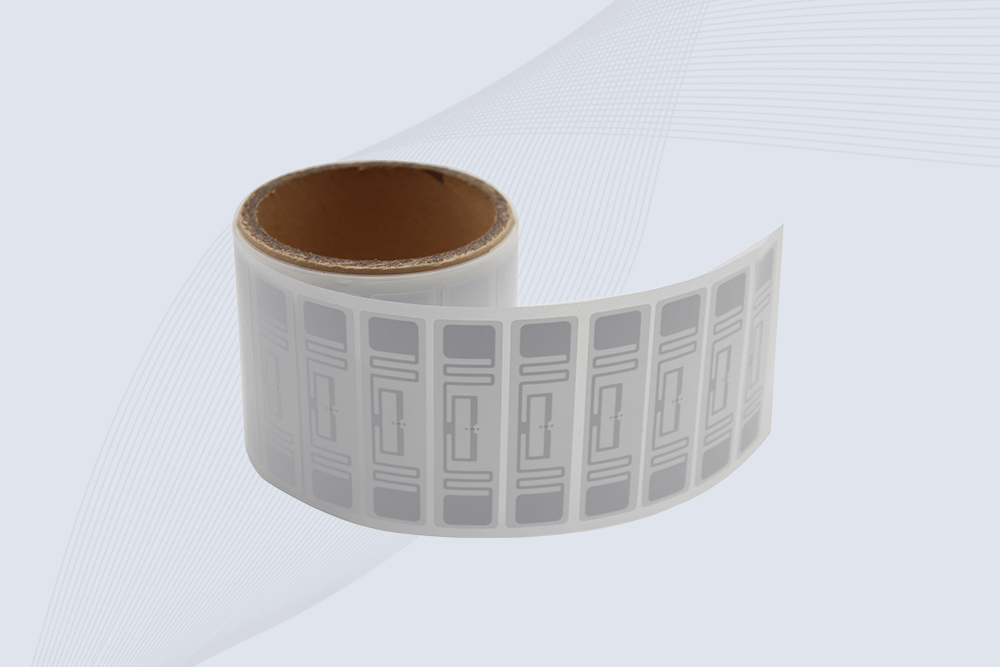
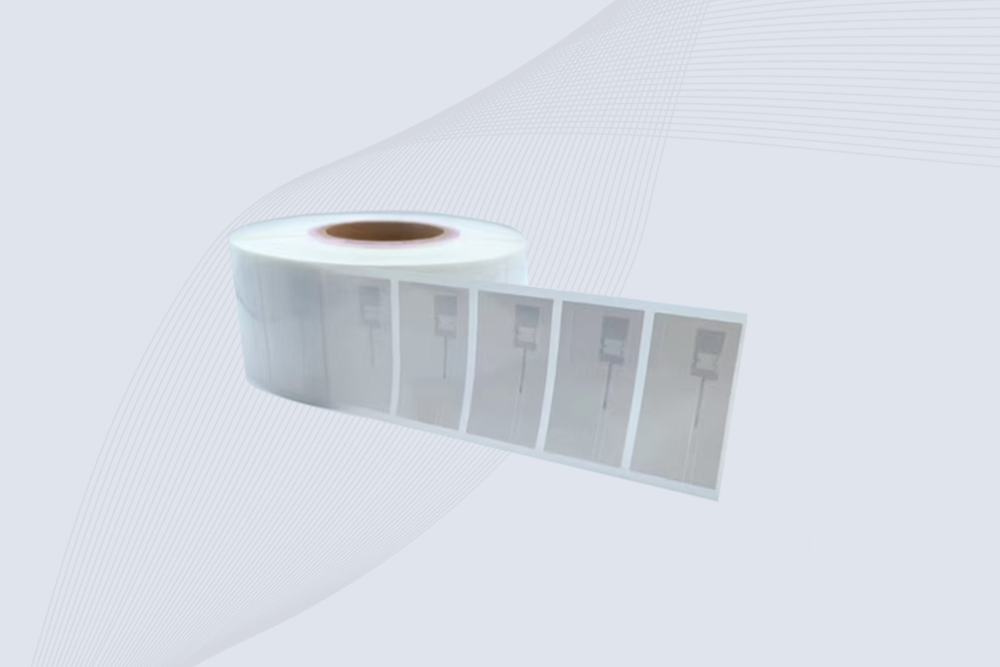
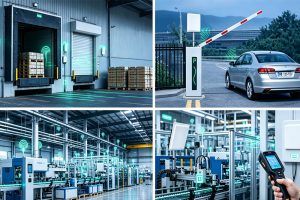
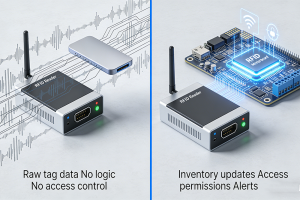
RIFD tags use ultra high frequency identification technology to track, identify, and manage assets in real time with faster inventory counts, lower labor costs, and higher operational accuracy.
That sentence sounds simple. On a warehouse floor at 6:40 a.m., though, it means something different. It means a forklift operator no longer waits while two staff members manually verify carton IDs one by one. It means a missing tool cabinet gets located in under a minute instead of after an entire shift.
At Cykeo, we have worked with UHF RFID deployments in manufacturing plants, retail stockrooms, laundry logistics centers, and government equipment management projects. The biggest lesson is always the same: the real value of rifd tags is not the tag itself. It is visibility.
Why rifd tags matter in modern operations
Traditional barcode systems require line-of-sight scanning. UHF RFID does not. A properly configured RFID reader can identify dozens or even hundreds of tagged items simultaneously.
According to GS1 Official Website, RFID technology significantly improves supply chain transparency and inventory accuracy across retail and logistics operations.
A 2024 report published by McKinsey & Company noted that smart factory digitization technologies, including RFID systems, can reduce operational losses and improve inventory visibility by double-digit percentages in large-scale industrial environments.
In practical deployment environments, we regularly see:
Operation Type
Before RFID
After UHF RFID
Warehouse inventory
4-6 hours manual counting
10-20 minutes
Tool tracking
Paper registration
Automatic logging
Retail stock check
70-80% accuracy
95%+ visibility
Laundry sorting
Human sorting errors
Automated batch recognition
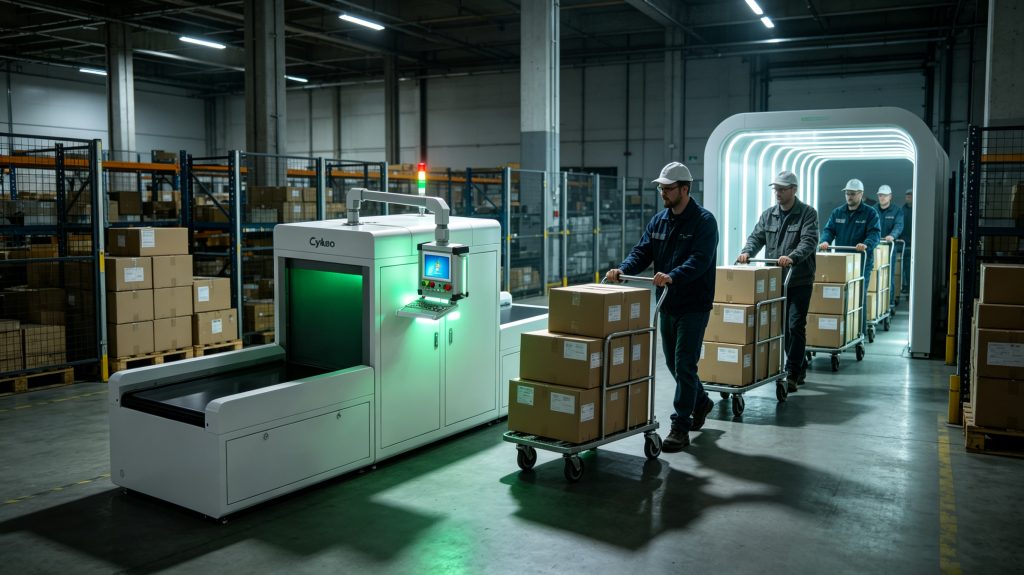
The speed difference becomes obvious the first time a customer rolls a fully loaded cart through an RFID tunnel and sees 300+ tagged items recognized almost instantly.
How ultra high frequency rifd tags actually work
UHF RFID frequency range
Ultra high frequency RFID typically operates between 860 MHz and 960 MHz under the EPC Gen2 / ISO18000-6C protocol standard.
That frequency range allows:
Long-distance reading
Multi-tag identification
Fast bulk scanning
High throughput inventory operations
Unlike HF systems, UHF RFID is built for scale. Warehouses. Apparel logistics. Industrial manufacturing. Large-volume circulation environments.
Key hardware inside the system
A complete rifd tags system usually includes:
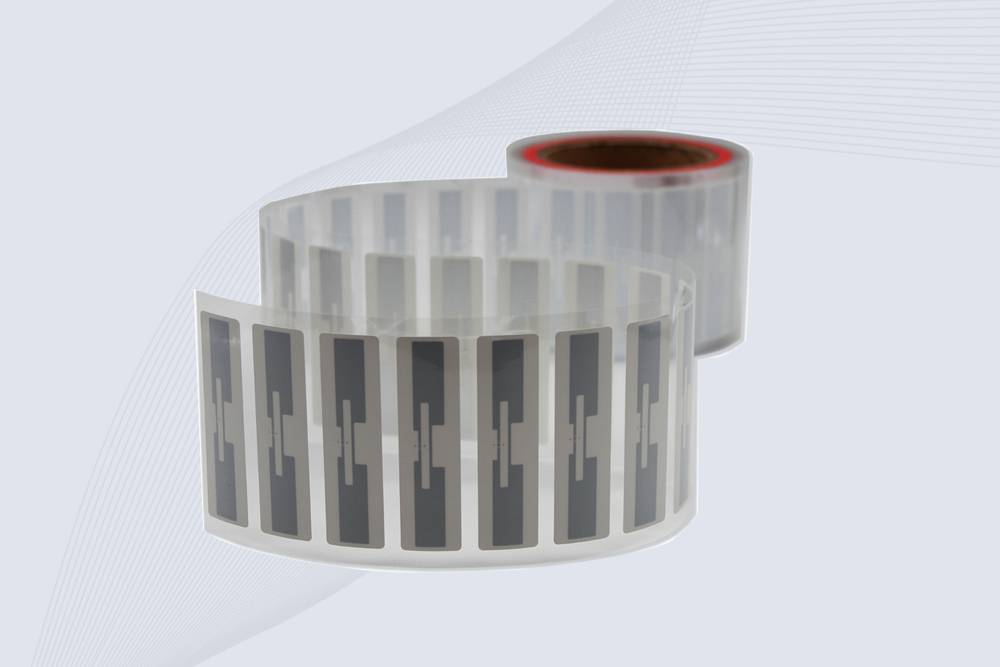
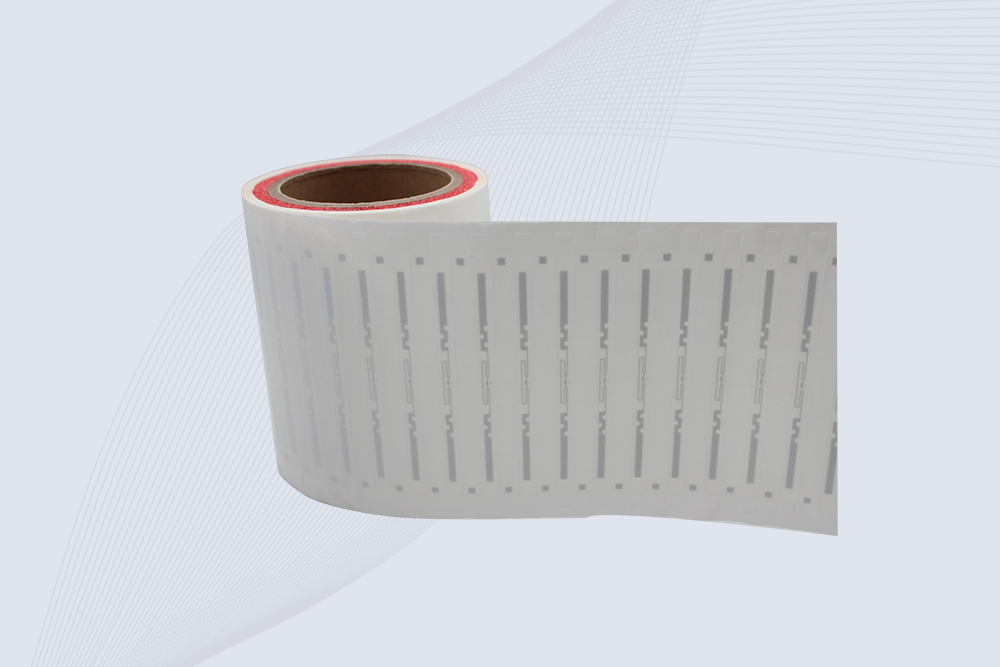
UHF RFID tags
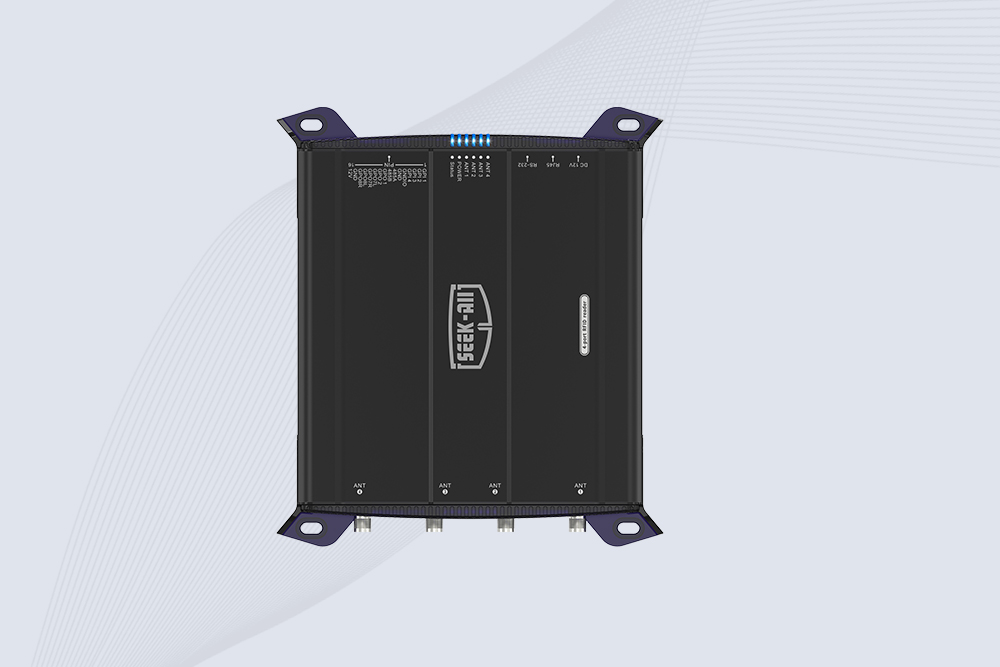
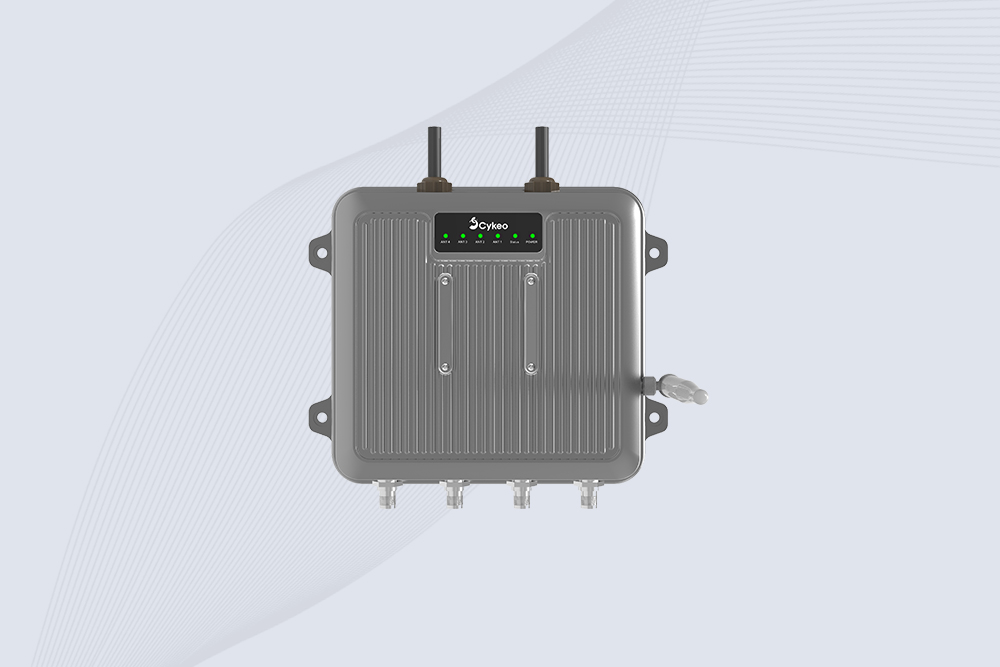
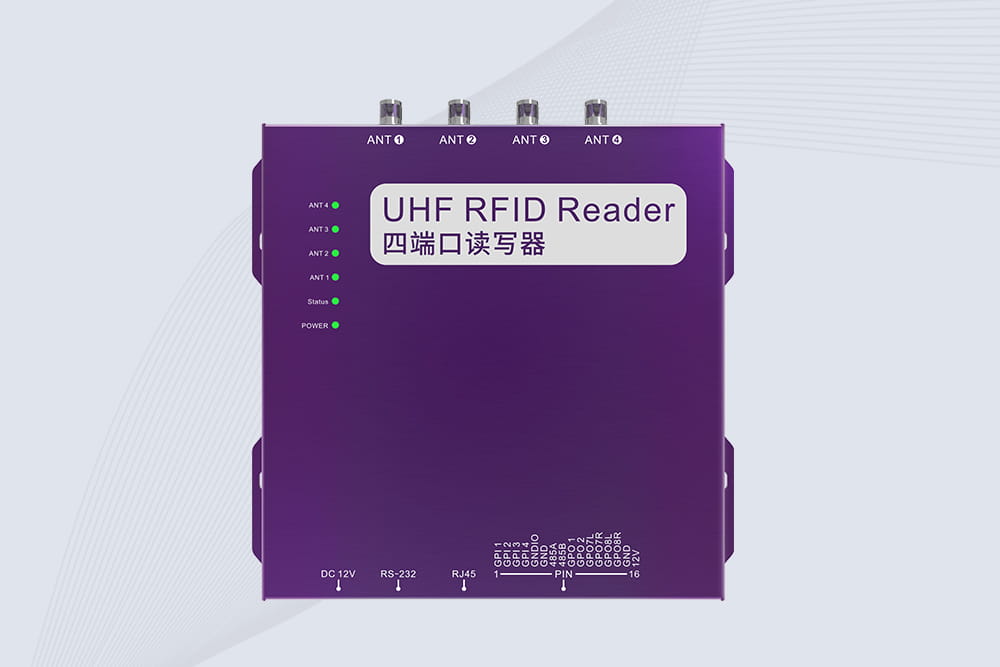
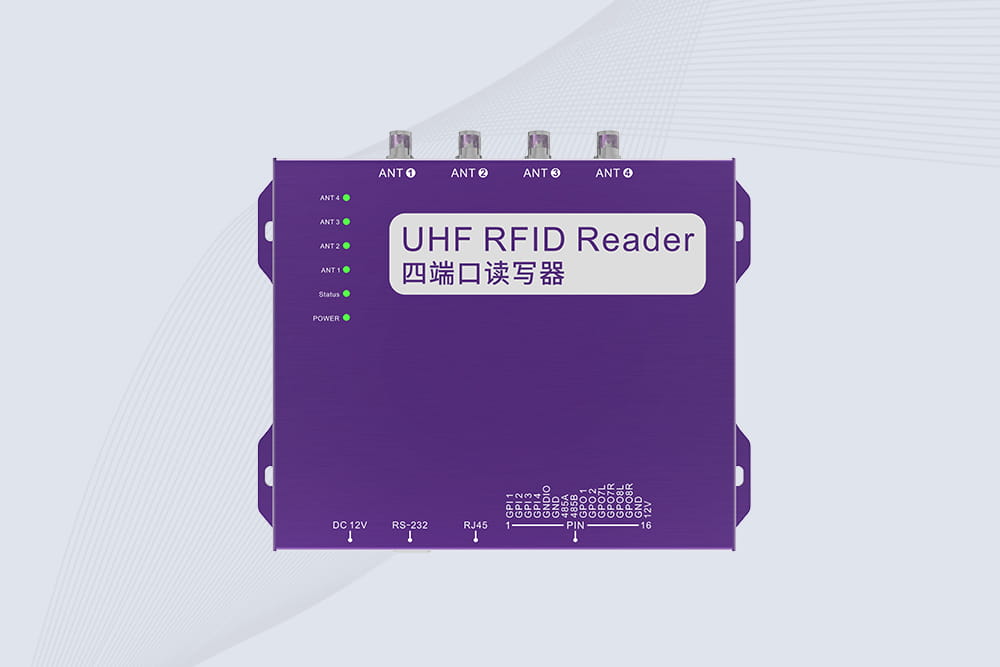
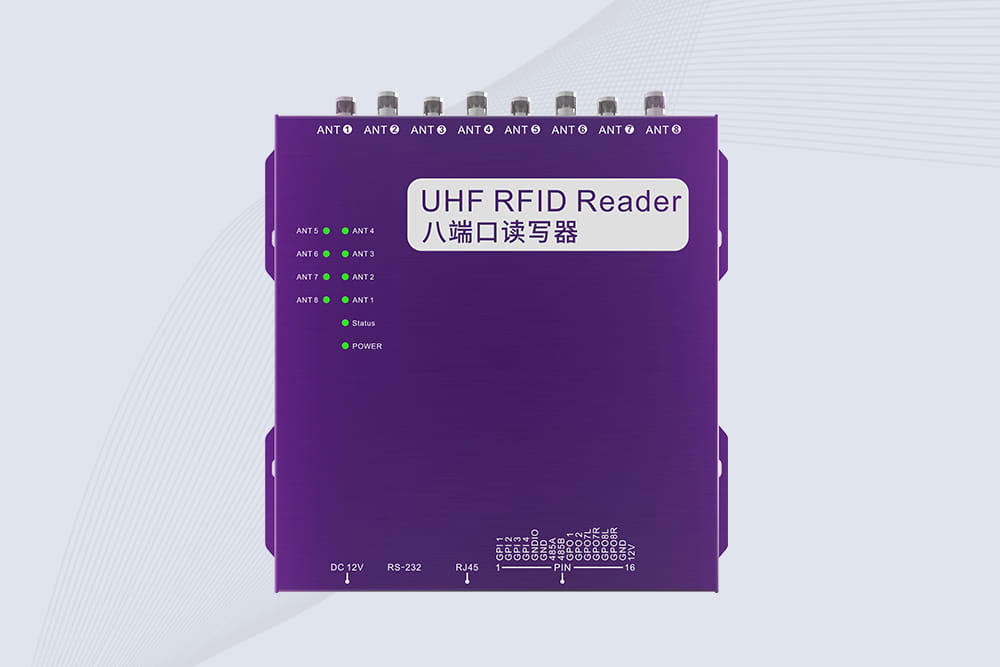
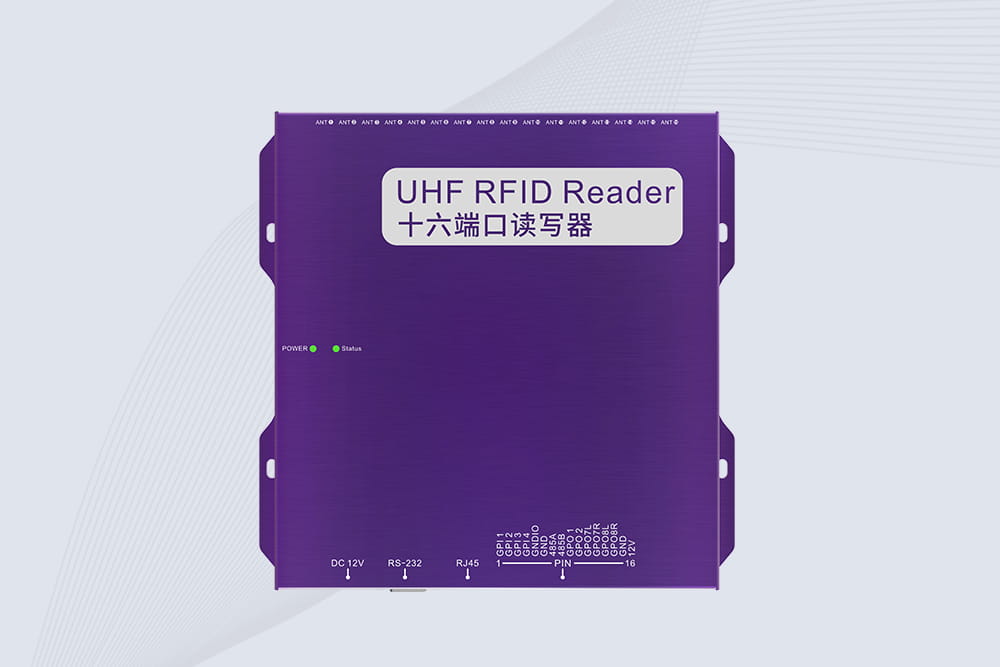
RFID readers
Antennas
Middleware software
Database or ERP integration
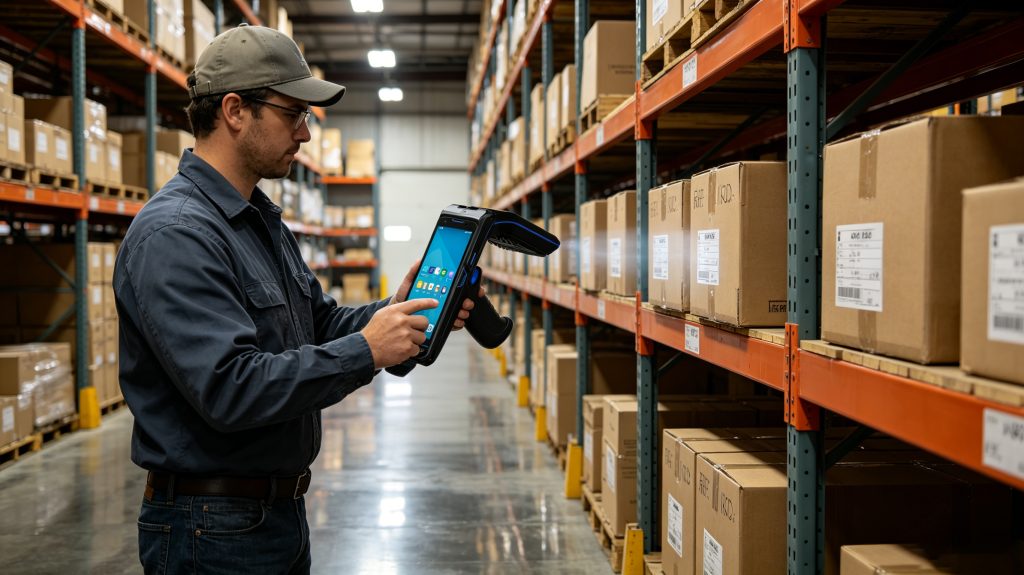
At Cykeo, many projects combine handheld readers with fixed tunnel readers for layered visibility. Handhelds solve exceptions. Tunnel systems solve scale.
Real deployment experience from a warehouse project
One distribution center we supported had a recurring issue with outbound shipment verification. Workers manually checked cartons against spreadsheets before loading trucks. During peak season, fatigue caused frequent mis-shipments.
The customer installed a Cykeo UHF RFID tunnel with enclosed anti-cross-read shielding and automatic PLC-controlled shutters.
Three things changed immediately.
First, verification speed dropped from several minutes per cart to under 5 seconds.
Second, night-shift operators stopped rechecking paperwork repeatedly because the system displayed counts automatically on the entrance LED panel.
Third, managers finally trusted the inventory data again.
That last part matters more than people expect.
Applications of rifd tags across industries
Retail inventory management
Retailers use rifd tags for:
Smart shelves
Apparel inventory
Anti-loss management
Faster replenishment
According to Auburn University RFID Lab, retailers implementing RFID frequently achieve inventory accuracy levels above 95%.
Industrial manufacturing
Manufacturing facilities use RFID to monitor:
Work-in-progress materials
Production tools
Returnable containers
Equipment lifecycle records
Metal environments require specialized anti-metal RFID tags with tuned antenna structures.
Laundry and textile management
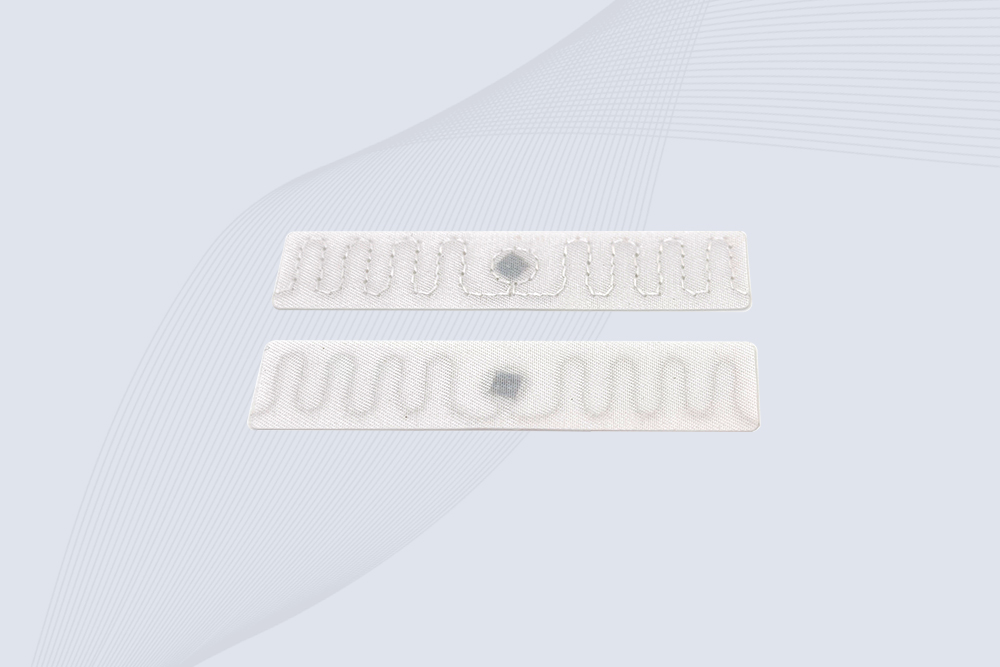
Commercial laundry operations often process thousands of textiles daily. RFID linen tags help automate sorting, washing records, and distribution tracking.
The reduction in manual counting is dramatic.
UHF RFID tunnel systems rapidly identify tagged inventory during inbound and outbound logistics operations.
Choosing the right rifd tags
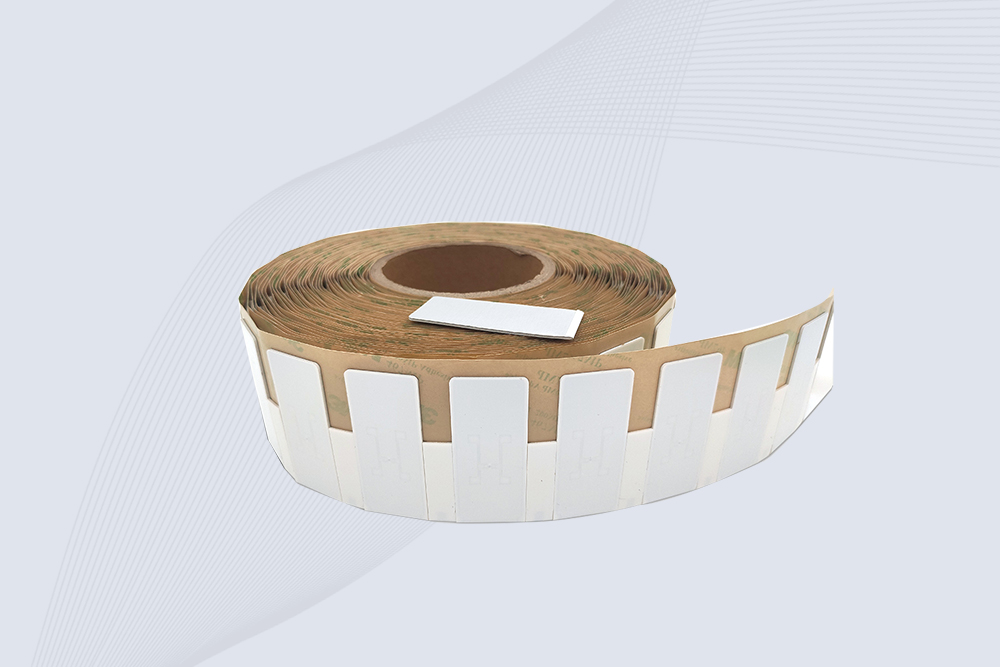
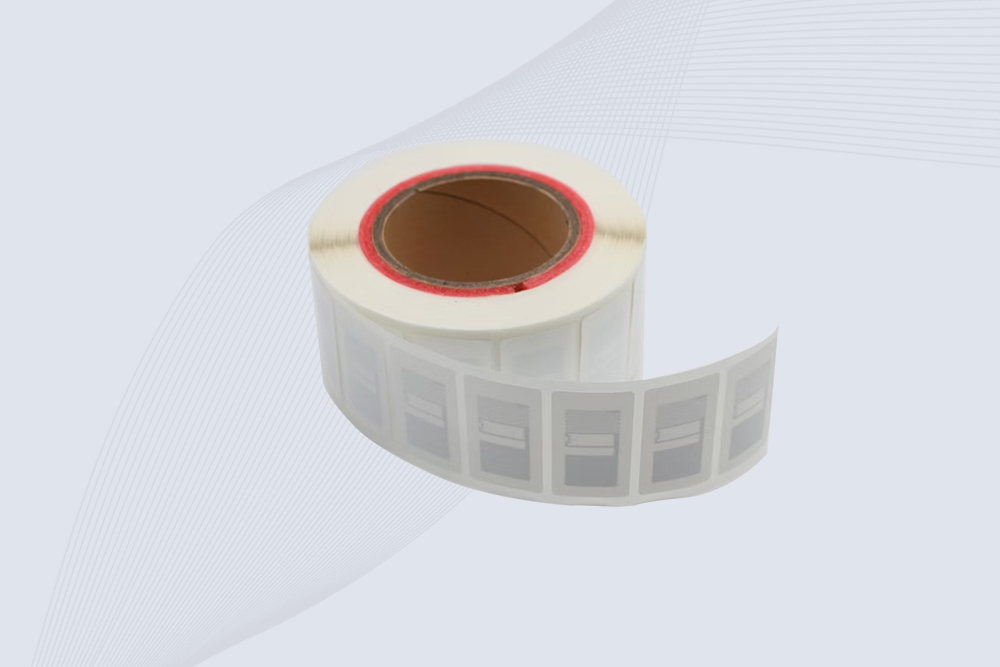
Paper RFID labels
Best for:
Retail
Cartons
Lightweight packaging
ABS hard tags
Best for:
Industrial tools
Equipment tracking
Harsh environments
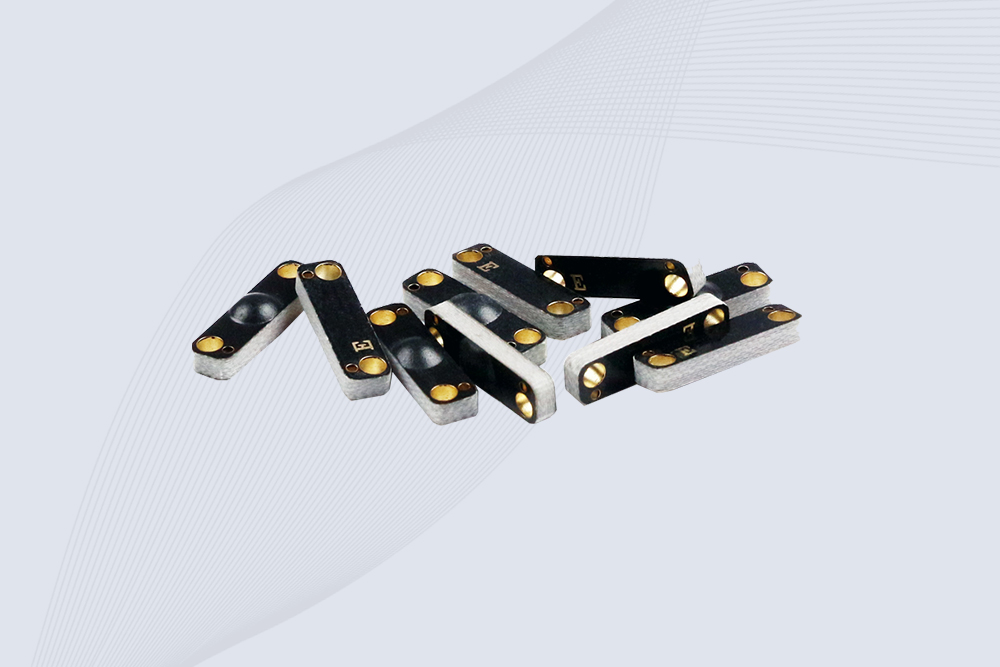
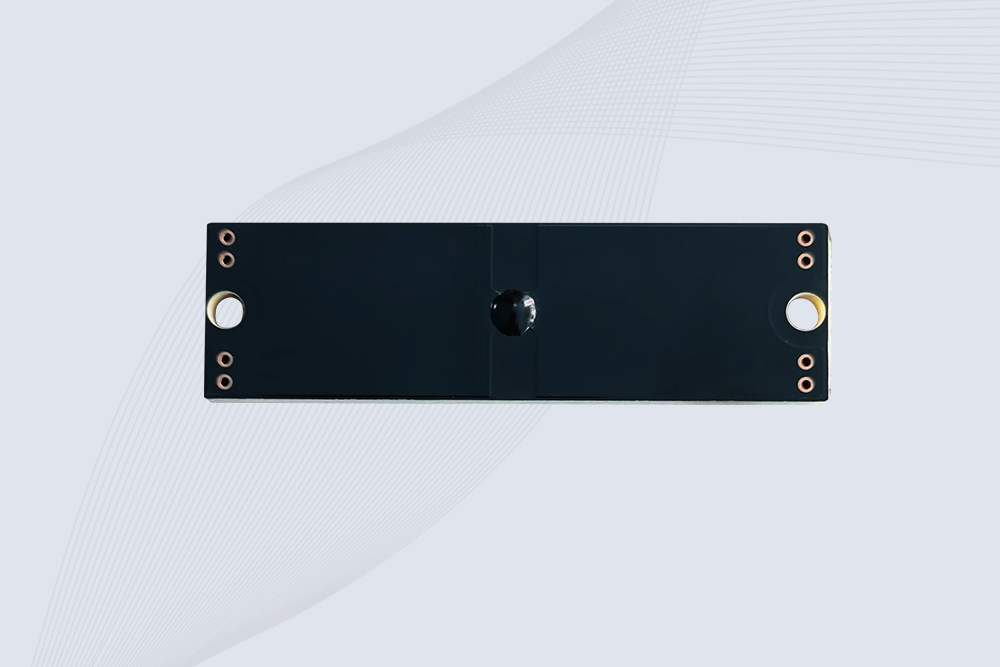
Anti-metal RFID tags
Designed specifically for:
Steel surfaces
Manufacturing assets
IT equipment cabinets
One mistake companies make is choosing tags based only on price. Read performance matters far more than saving a few cents per label.
Handheld RFID readers provide flexible inventory management and rapid exception handling.
FAQ About rifd tags
What is the reading distance of UHF rifd tags?
Most UHF rifd tags support reading distances from 1 meter to over 10 meters depending on antenna design, environment, and reader power.
Can rifd tags work on metal?
Yes. Anti-metal RFID tags are specifically designed for metallic surfaces and industrial equipment environments.
Are rifd tags reusable?
Many industrial RFID tags are reusable for years, especially ABS and high-durability encapsulated tags.
Do rifd tags require batteries?
Most UHF RFID tags used in inventory systems are passive and do not require internal batteries.
Final thoughts on rifd tags
The conversation around rifd tags usually starts with tracking. In real deployments, it quickly becomes about operational control, accountability, and speed.
When a warehouse can process hundreds of tagged items in seconds using ultra high frequency RFID recognition, workflows stop depending entirely on manual confirmation. That shift changes labor efficiency, data reliability, and management visibility at the same time.
For companies scaling inventory operations, Cykeo continues to develop UHF RFID systems designed for stable performance, rapid identification, and practical industrial deployment. The future of rifd tags is not experimental anymore. In many industries, it is already standard infrastructure.
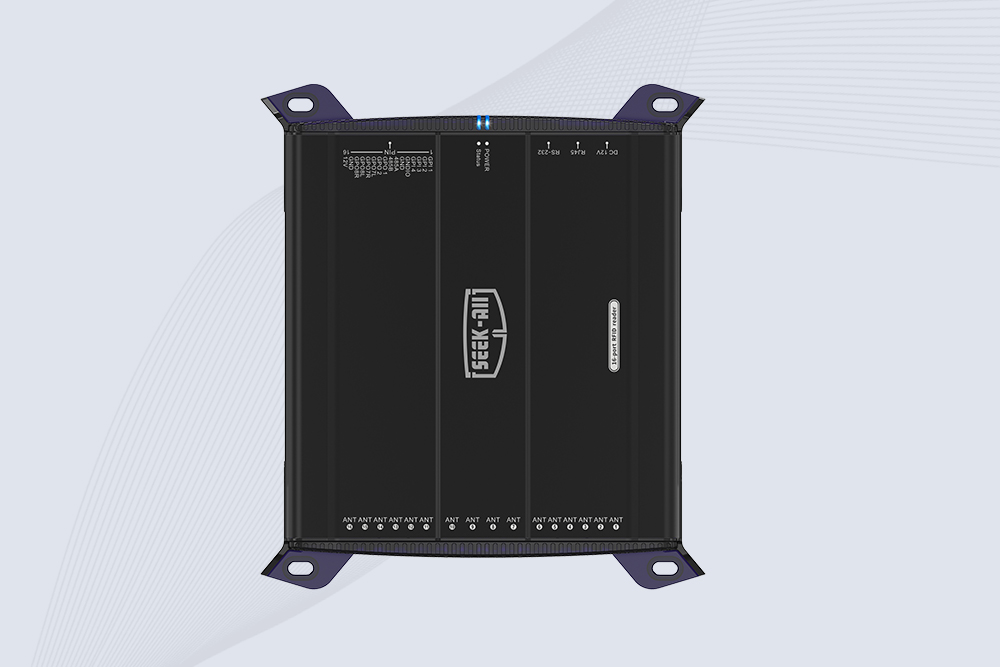
SSD-R16L Multi-Channel RFID Infrastructure for Automated Inventory Management ✔️ 16-Port High-Density RFID Reading Equipped with 16 SMA antenna ports, SSD-R16L supports multi-antenna deployment for warehouses, retail stores, logistics, production lines, and large-area RFID identification. ✔️ High-Speed & Long-Range Performance With up to 33…
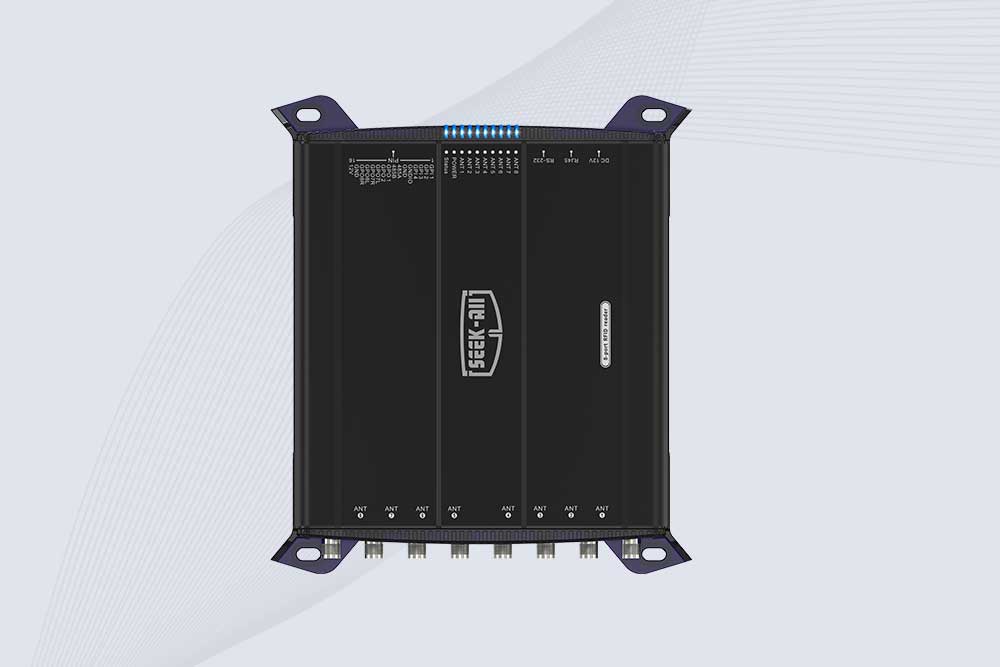
SSD-R8L 8-port UHF RFID reader with 33dBm output, up to 20m reading range and 600+ tags/s recognition. Ideal for warehouse, logistics, retail and asset tracking.
CYKEO Passive RFID Tags are made for wet and high-humidity environments where standard labels do not last. This rfid passive tag is often used around liquids, chemicals and temperature changes, providing stable reading distance and long data life for industrial tracking.
CYKEO CYKEO-PCB1504 Metal RFID Tags is a compact anti-metal UHF RFID solution built for direct mounting on metal surfaces. With stable 8-meter read range, Ucode-8 chip, and long data retention, this rfid metal tag fits tools, containers, automotive parts, and industrial asset tracking.
CYKEO CYKEO-PCB7020 On-Metal RFID Tags are designed for reliable tracking on steel and metal surfaces. Built with an FR4 epoxy body and industrial-grade chips, these On-Metal RFID Tags deliver stable performance, long data life, and chemical resistance, making them a dependable RFID anti-metal tag for harsh environments.
The CYKEO CYKEO-60-25 Anti-Metal RFID Tag is built for metal surfaces where standard tags fail. Designed for long-range performance, harsh environments, and stable data retention, this Anti-Metal RFID Tag is ideal for industrial assets, containers, and equipment tracking using on metal RFID tags.
The CYKEO RFID Laundry Tag is designed for long-term textile identification in harsh laundry environments. Built to withstand high heat, chemicals, and repeated washing, this RFID Laundry Tag delivers stable performance for hotels, hospitals, and industrial laundry operations using laundry rfid tags at scale.
The CYKEO CYKEO-125-7 RFID Book Tag is designed for reliable book and document tracking in libraries and archives. This RFID Book Tag delivers long read range, dense placement support, and stable performance on shelves, making it a practical rfid tag on books for library automation, file management, and archival systems.
CYKEO RFID tags in hospitals are designed for sterile environments where accuracy matters. These autoclavable RFID tags support long-term tracking of surgical tools, implants, and medications, helping hospitals improve visibility, compliance, and patient safety.
CYKEO RFID Cable Tie Tag is built for reliable identification on metal surfaces. This UHF RFID Cable Tie Tag is widely used in rfid tags for inventory systems, industrial asset management and Hospital RFID Tags, offering stable read performance, long service life and global EPC Gen2 compatibility.
CYKEO RFID Asset Tag is designed for stable identification of metal assets in industrial environments. This UHF RFID Asset Tag is commonly used for rfid tag asset tracking on equipment, tools and containers, providing reliable reads, long service life and ISO/IEC 18000-6C support.
CYKEO UHF RFID Card is designed for fast identification and long-term use in industrial and commercial systems. Supporting ISO 18000-6C, this UHF RFID Card works at 860–960 MHz and is suitable for custom RFID cards used in asset tracking, access control and inventory management.
CYKEO HF RFID Cards are designed for secure and stable access control systems. These 13.56 MHz RFID key cards support ISO 14443-A, reliable rewriting and long service life, making HF RFID Cards suitable for offices, campuses, events and membership management.
CYKEO UHF RFID Tag is designed for reliable tracking of metal jewelry and high-value items. This Jewelry RFID Tag supports long-range reading up to 8 meters, anti-counterfeit protection and stable performance on metal, making it suitable for retail, inventory control and asset management.
Cykeo CYKEO-C1 industrial Forklift RFID Reader features 20m read range, 600 tags/sec scanning, Impinj R2000 chipset, and IP67 rugged design. Ideal for warehouse logistics and manufacturing. Supports ISO 18000-6C/6B protocols.
Cykeo CYKEO-R4 industrial UHF RFID Fixed Reader features 4 TNC ports, 400+ tags/sec speed, IP67 housing, and global frequency compliance for vehicle inspection, smart warehouse, and asset management systems.
CYKEO CYKEO-R8L Fixed RFID Reader with 8-port UHF design, Impinj-based RF core and up to 20m read range. An industrial Fixed RFID Reader for vehicle inspection, warehouse portals, smart manufacturing lines and secure access checkpoints.
RFID Fixed Reader from CYKEO – the CYKEO-R16L 16-port UHF fixed reader for warehouses, smart cabinets, and production lines. Long-range, multi-tag reading, stable performance for 24/7 industrial use.
Explore real-world applications of long range RFID readers in warehouse automation, parking systems, manufacturing, logistics, and asset tracking. A practical guide for RFID system integrators and distributors.
rfid access 13.56mhz waterproof systems provide secure identification, anti-theft detection, and visitor tracking for libraries, archives, and smart retail environments.
RFID motherboard is what turns RFID readers and antennas into a real smart cabinet. Learn how it controls inventory, access, sensors, and system integration inside RFID cabinets.
 Cykeo RFID IoT Solution Products R&D Manufacturer