 Cykeo RFID IoT Solution Products R&D Manufacturer
How to Use RFID Module with Arduino LED Projects
593Discover how to use RFID module with Arduino LED projects with our step-by-step beginner's guide. Learn wiring, coding, and project ideas for interactive RFID-based LED control.
MoreAll RFID Product
Nobody likes waiting at parking gates.
Whether it’s a residential community, office building, logistics center, or hospital parking lot, traffic backs up quickly when drivers need to stop, roll down windows, scan cards, or talk to security staff.
That’s exactly why long range RFID systems have become so common in modern parking management.
Instead of forcing vehicles to stop at the gate, a long range RFID tag reader can identify authorized vehicles automatically from several meters away. The gate opens almost instantly, traffic keeps moving, and the entire entry process feels smoother for both drivers and security teams.
You’ve probably already seen these systems in action without even noticing them.
A long range RFID tag reader is designed to detect RFID tags from a greater distance than traditional short-range systems.
Most long-range setups use UHF RFID technology because it supports faster reading speeds and wider detection areas. Depending on the environment, antenna setup, and tag quality, some systems can detect vehicles from several feet away while they’re still moving.
In parking applications, the system usually works like this:
Drivers don’t need to stop and manually scan anything.
That convenience is one of the main reasons RFID parking systems continue expanding across commercial and industrial properties.
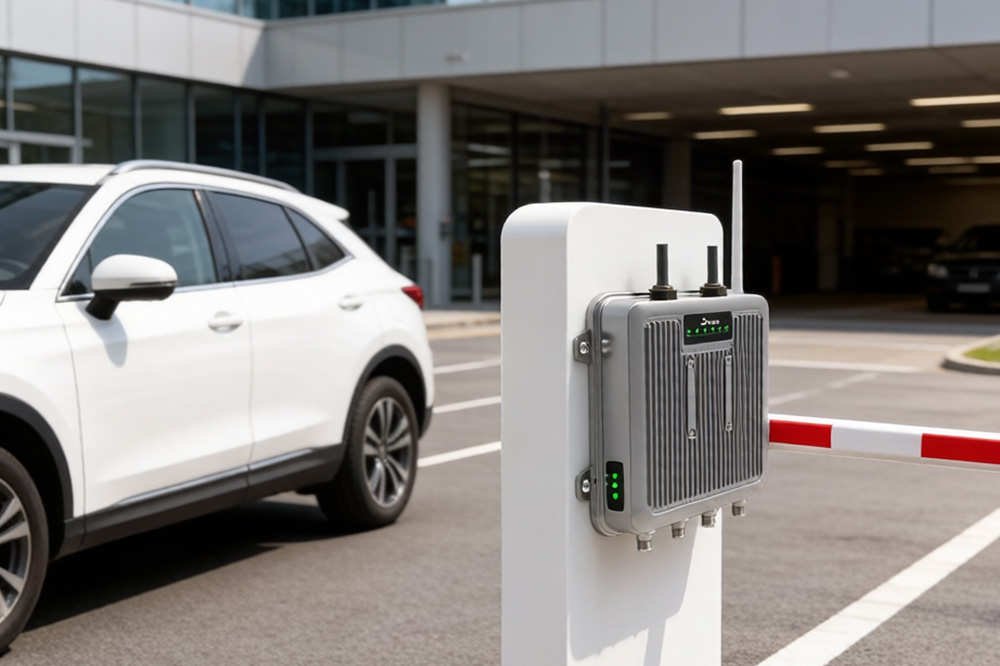
Short-range readers work fine for small access control setups, but parking entrances are different.
Vehicles move quickly. Traffic flow matters. Security teams also need reliable identification without creating long waiting lines.
Long range RFID readers solve several common parking problems at once.
One of the biggest advantages is speed.
Drivers can enter parking areas without stopping at the barrier. In busy locations, this helps reduce congestion during rush hours, shift changes, or event traffic.
For places like hospitals, warehouses, and residential communities, smoother entry control makes a noticeable difference every day.
Without RFID automation, parking facilities often depend on guards, access cards, keypads, or ticket systems.
Those methods slow things down and create additional maintenance work.
RFID automation reduces the need for constant manual verification because vehicles are identified automatically as they approach the gate.
Long vehicle queues create frustration quickly, especially in commercial properties where hundreds of vehicles enter daily.
Long range RFID systems help maintain continuous traffic movement by reducing stop-and-go access control.
This becomes especially important in:
Parking systems operate outdoors year-round, which means RFID hardware needs to handle:
That’s why commercial-grade long range readers are built for stable outdoor performance instead of light indoor use.
Reliable detection matters because missed reads create delays immediately at the gate.
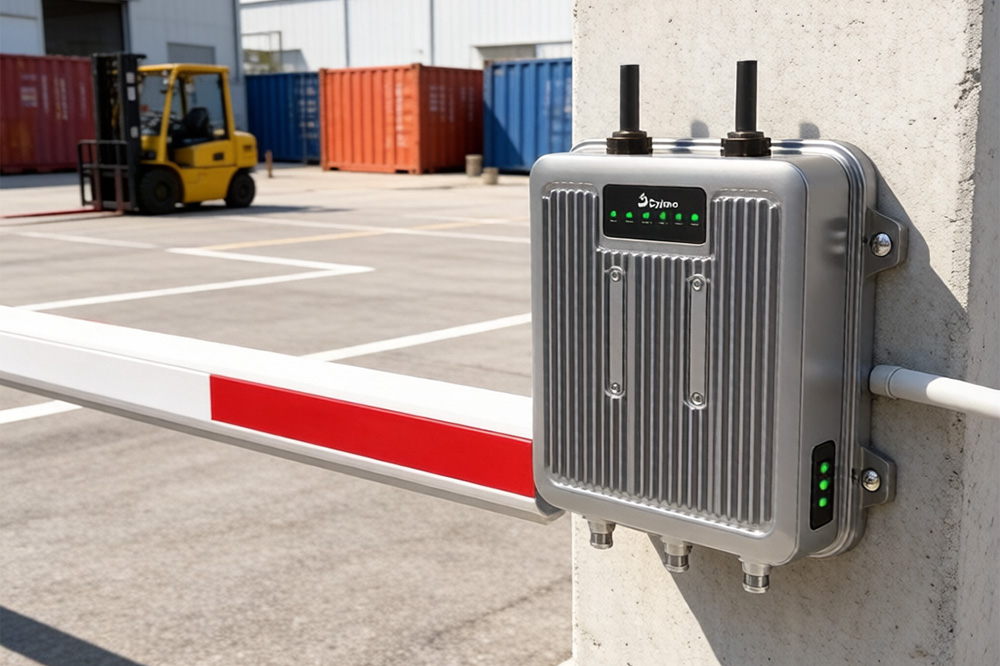
Not every RFID reader performs the same way.
Reading distance depends on several factors:
Some low-cost readers may advertise long reading distances but struggle in real parking environments with metal interference, weather exposure, or multiple moving vehicles.
For RFID parking systems, stable performance usually matters more than simply having the longest theoretical range.
Most parking systems today use UHF RFID because it supports longer reading distances and faster identification compared to lower-frequency RFID systems.
UHF readers can process vehicles quickly even when multiple cars approach the entrance area.
That makes them suitable for:
The technology has become far more affordable compared to earlier RFID deployments, which is another reason adoption continues growing.
Convenience is important, but security is still the main reason many facilities install RFID parking systems.
With RFID access control, administrators can:
Instead of relying on shared access cards or manual gate checks, the system automatically verifies vehicle credentials in real time.
That creates better control without slowing traffic.
Although parking systems are one of the most common applications, long range RFID readers are also used in:
Anywhere vehicles or moving assets need fast identification, long-range RFID becomes useful.
Parking environments create unique technical challenges.
Readers need stable long-distance performance while dealing with moving vehicles, outdoor interference, and continuous operation.
That’s why many installers prefer dedicated parking readers like the Long Range RFID Reader designed specifically for RFID parking system deployment.
Compared to general-purpose readers, parking-focused RFID readers are often optimized for:
For parking system integrators, reliability usually matters more than experimental maximum range numbers.
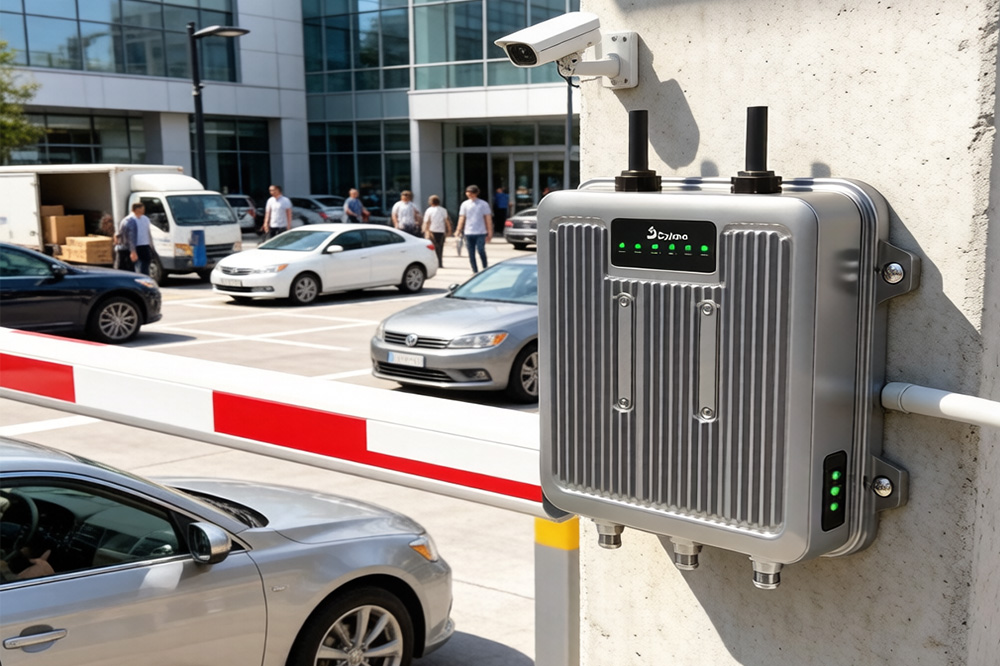
Even a good RFID reader can perform poorly if installed incorrectly.
Reader placement affects detection consistency heavily. Installers usually need to consider:
Small positioning adjustments can make a major difference in real-world performance.
That’s why professional installation is still important for large RFID parking projects.
Long range RFID tag readers have become one of the most practical technologies for modern parking management.
They help reduce vehicle congestion, improve access control, automate gate entry, and create a smoother experience for both drivers and property operators.
As more facilities move toward contactless vehicle access, RFID parking systems will likely continue replacing older card-based and manual entry methods.
For businesses, residential communities, hospitals, and logistics centers, long-range RFID is no longer just a convenience upgrade. In many cases, it’s becoming the standard way to manage vehicle access efficiently.
Discover how to use RFID module with Arduino LED projects with our step-by-step beginner's guide. Learn wiring, coding, and project ideas for interactive RFID-based LED control.
More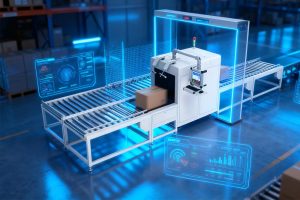
Discover how the Cykeo CK-TP2A RFID Tunnel Channel Machine transforms warehouse operations with high-speed identification, automated receiving, outbound verification, and real-time inventory accuracy. Ideal for e-commerce, 3PL, manufacturing, and ...
More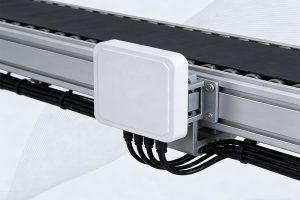
The CK-A5 5dBi RFID Ultra delivers high-gain, full-band RFID coverage and developer-friendly design for enterprise projects. Easily integrate into warehouses, manufacturing floors, and retrofitted equipment for reliable, consistent tag reads.
More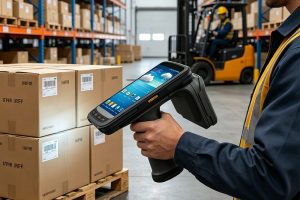
Looking for handheld RFID readers for warehouse, retail, logistics, or asset tracking? Learn how they work, what affects reading performance, and how to choose the right UHF RFID handheld for your business.
More