 Cykeo RFID IoT Solution Products R&D Manufacturer
RFID Laundry Tag Solutions for Hotel Linen Management
156Discover how RFID laundry tag solutions help hotels improve linen tracking, reduce textile loss, and manage laundry operations more efficiently with automated inventory visibility.
MoreAll RFID Product
Keeping inventory accurate sounds simple until a warehouse starts handling thousands of products every day.
Once inventory starts moving constantly between receiving, storage, packing, shipping, and returns, mistakes happen fast. Items get misplaced. Counts become inaccurate. Employees waste time searching for missing stock. Orders go out wrong. Before long, small inventory problems start affecting delivery times and operating costs.
That’s exactly why more businesses are turning to RFID systems for inventory control.
RFID technology helps companies track inventory automatically instead of depending on manual counts or barcode scans for every item. In busy warehouses, that can make a huge difference in both speed and accuracy.
Businesses looking for a complete RFID inventory systemusually want one thing: better control over inventory without slowing down operations.
And in many cases, RFID does exactly that.
At its core, RFID uses radio waves to identify tagged items.
Each product, carton, pallet, or asset carries an RFID tag. Readers placed around the warehouse pick up those tag signals automatically and send the information into inventory software.
Unlike barcode systems, workers do not need to scan items one at a time or point directly at labels.
That’s one of the biggest reasons RFID speeds things up so much.
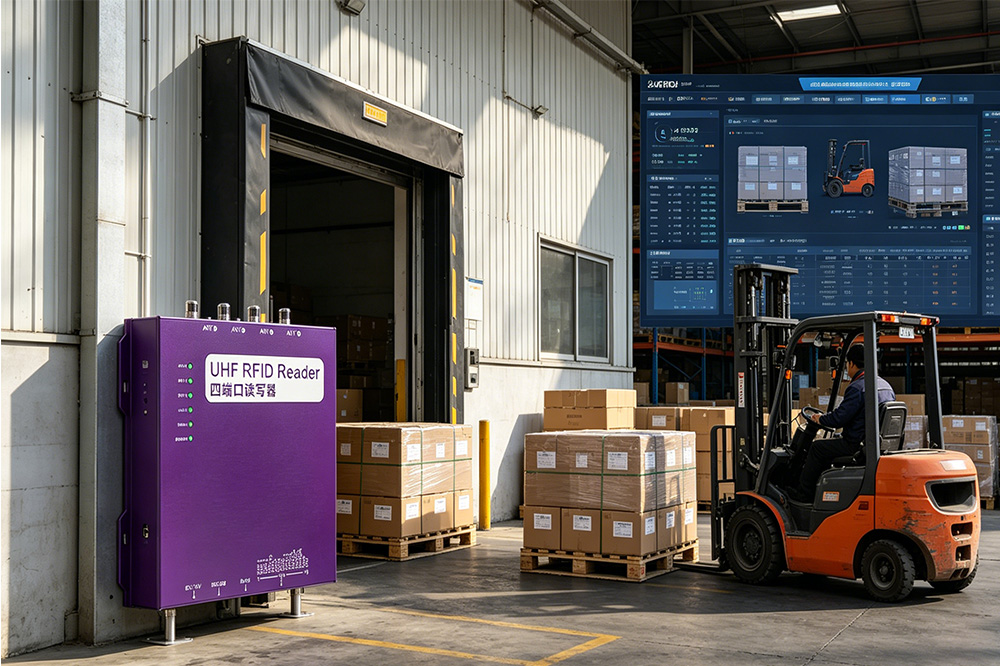
For example, when a shipment enters a warehouse through an RFID-equipped dock door, the system can instantly record:
No clipboard. No manual entry. No scanning every single box individually.
One of the biggest frustrations in warehouse management is inventory records that are never fully accurate.
A spreadsheet might say there are 120 units in stock, but after damaged goods, picking mistakes, returns, or misplaced cartons, the real number could be completely different.
RFID helps close that gap because inventory updates happen automatically.
When products move through the warehouse, the system updates location and quantity information in real time. Managers can usually see:
That visibility becomes extremely useful during busy periods when inventory moves quickly and manual tracking falls behind.
Instead of spending hours checking shelves, warehouse teams can identify problems much faster.
Anyone who has worked in warehouse operations knows how exhausting physical inventory counts can be.
Traditional counting usually means employees walking aisle by aisle scanning products individually. In larger facilities, that process can take days.
RFID changes the process completely.
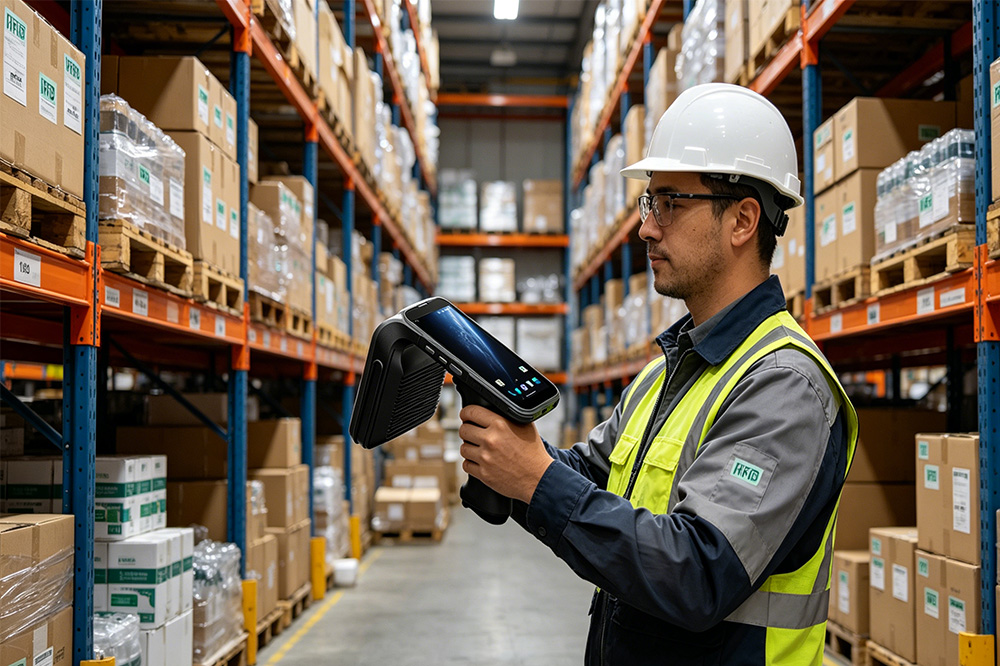
Workers carrying handheld RFID readers can scan hundreds of items in seconds without touching every box. Some warehouses even install fixed RFID readers that monitor inventory automatically throughout the day.
That saves a surprising amount of labor.
Instead of shutting down operations for inventory counts, companies can keep products moving while inventory checks happen in the background.
For warehouses handling large volumes of stock, the time savings alone can justify the investment.
Manual inventory work always leaves room for error.
Someone scans the wrong barcode. A pallet gets placed in the wrong aisle. A quantity gets entered incorrectly. Eventually those small mistakes start creating larger inventory problems.
RFID reduces a lot of that manual handling.
Because products are identified automatically, inventory records tend to stay more accurate over time. Warehouse staff spend less time correcting mistakes and more time handling actual operations.
This also improves order accuracy. When inventory data is more reliable, businesses are less likely to ship incorrect products or run into stock shortages unexpectedly.
One thing warehouse managers quickly notice after implementing RFID is how much easier it becomes to locate products.
Instead of searching through racks manually, employees can often identify the exact location of tagged inventory almost immediately.
That matters more than people think.
In busy warehouses, wasted time searching for missing pallets or misplaced cartons adds up very quickly. RFID helps reduce that problem by keeping inventory movement visible at every stage.
Warehouses often install RFID readers around:
As inventory moves through these areas, the system updates automatically.
That creates a much clearer picture of daily operations.
Lost inventory is expensive, especially in large facilities where products move constantly.
Sometimes items are misplaced. Sometimes shipments leave incomplete. Sometimes inventory disappears without anyone noticing immediately.
RFID systems create a detailed movement history for tagged products. Businesses can track where inventory was last detected and when it moved through certain checkpoints.
That makes investigations much easier when something goes missing.
Some companies also use RFID at warehouse exits to monitor unauthorized inventory movement and reduce shrinkage.
RFID inventory systems are no longer limited to giant corporations.
Many mid-sized businesses now use RFID because the technology has become more practical and affordable.
Retail stores use RFID to improve stock accuracy and reduce out-of-stock situations, especially for apparel and high-value items.
Distribution centers use RFID to speed up receiving, pallet tracking, and shipment verification.
Hospitals use RFID to monitor medical equipment, surgical supplies, and pharmaceutical inventory.
Factories track raw materials, production inventory, tools, and finished products throughout manufacturing processes.
Automotive companies use RFID to manage parts inventory and keep production lines moving efficiently.
Like any system, RFID has challenges.
Setup costs can be higher than traditional barcode systems. Reader placement matters. Some materials like metal and liquids can interfere with signals if the system is not designed properly.
But despite those challenges, businesses continue adopting RFID because the operational benefits are hard to ignore.
When inventory accuracy improves, warehouses usually see:
And for companies managing large inventories every day, those improvements directly affect profitability.
Inventory control becomes much harder once product volume starts growing.
Manual tracking methods eventually slow things down, especially in warehouses where inventory moves constantly throughout the day.
RFID systems help solve that problem by making inventory tracking faster, more accurate, and far less dependent on manual work.
That’s why RFID has become such a common tool across logistics, retail, manufacturing, and healthcare operations.
For businesses trying to improve inventory accuracy without adding more labor, RFID is no longer viewed as future technology. In many warehouses, it’s already part of normal daily operations.
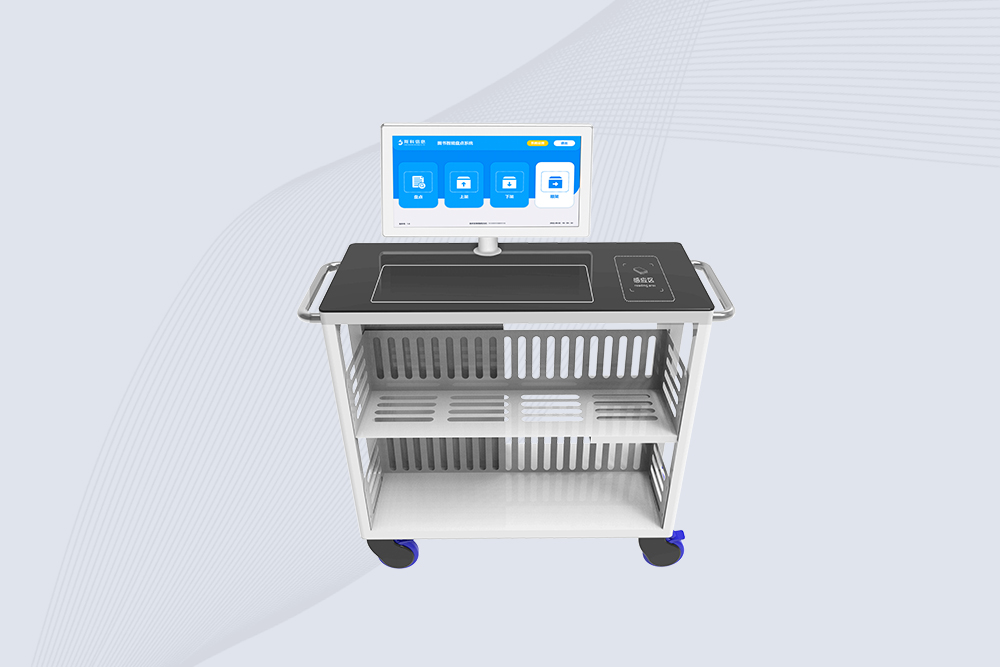
Cykeo CYKEO-C2 UHF RFID inventory cart features 10 UHF readers, 500 tags/sec scanning, Windows/Android OS, and hybrid power for warehouses/libraries. Supports ISO 18000-6C protocols and customization.
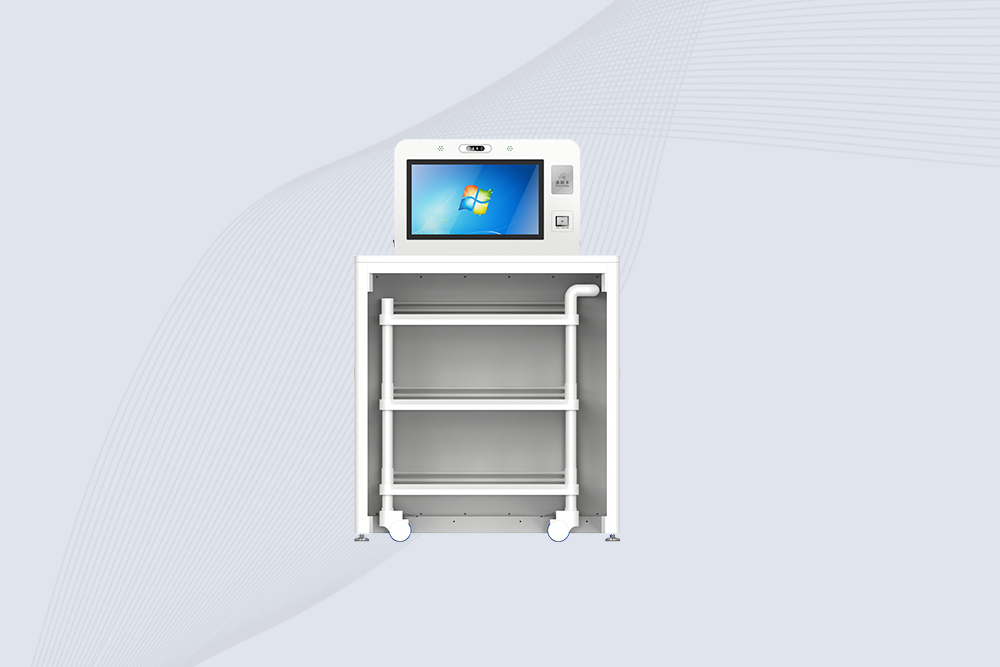
Cykeo’s industrial RFID Inventory Tracking station features dual scanning modes, 200+ items/sec bulk reading, and SAP integration for precise warehouse management. MIL-STD-810G certified with Windows/Android OS.

Cykeo CYKEO-D7 RFID system for inventory offers 40+ tags/sec scanning, 150L secure storage, and Impinj R2000 chipset for warehouses, toolrooms, and retail. Global frequency compliance (840-960MHz).
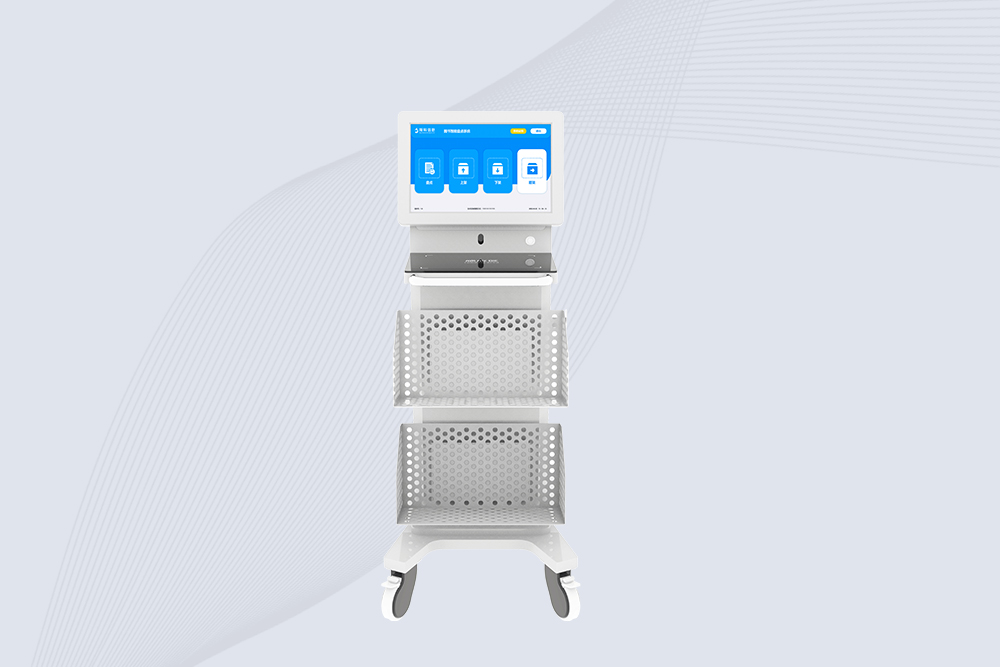
Cykeo CYKEO-C1 mobile RFID scanner cart features PLC-controlled antenna lifting, 10-tag/sec reading, and 21.5″ touchscreen for libraries, hospitals, and warehouses. Supports Windows/Android and multi-protocol RFID.

Cykeo CYKEO-C3 industrial warehouse RFID scanner features motorized lift (2.2m height), 800+ tags/min scanning, Windows/Android OS, and ERP integration. Ideal for high-shelf inventory in logistics/manufacturing.
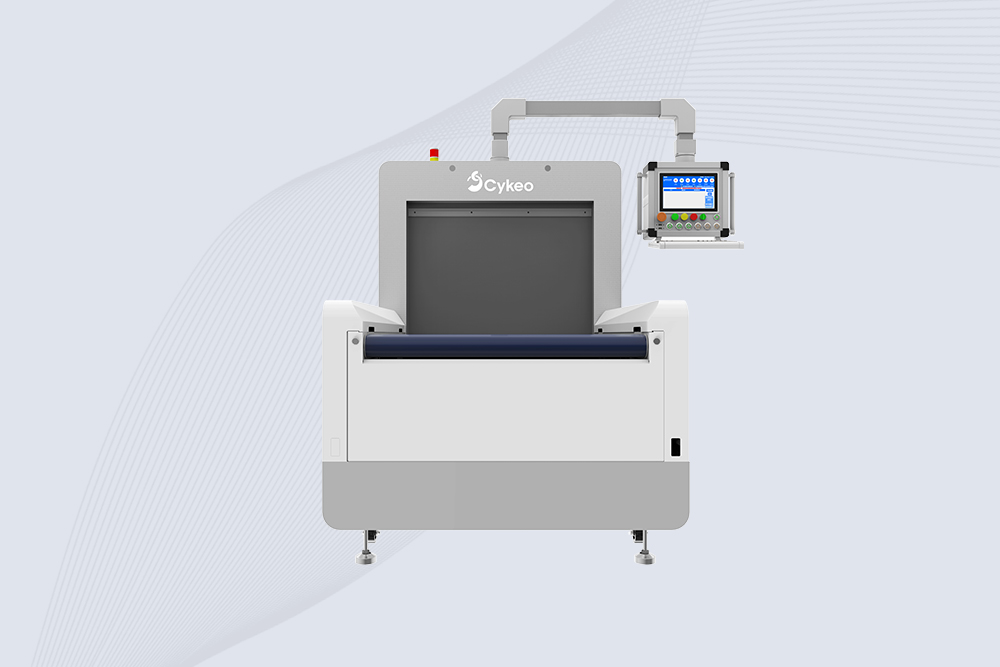
Cykeo’s CYKEO-TP2 automated RFID Inventory Management Tunnel System features 80kg capacity conveyor, 400 tags/sec scanning, and real-time data validation for warehouse/logistics operations.
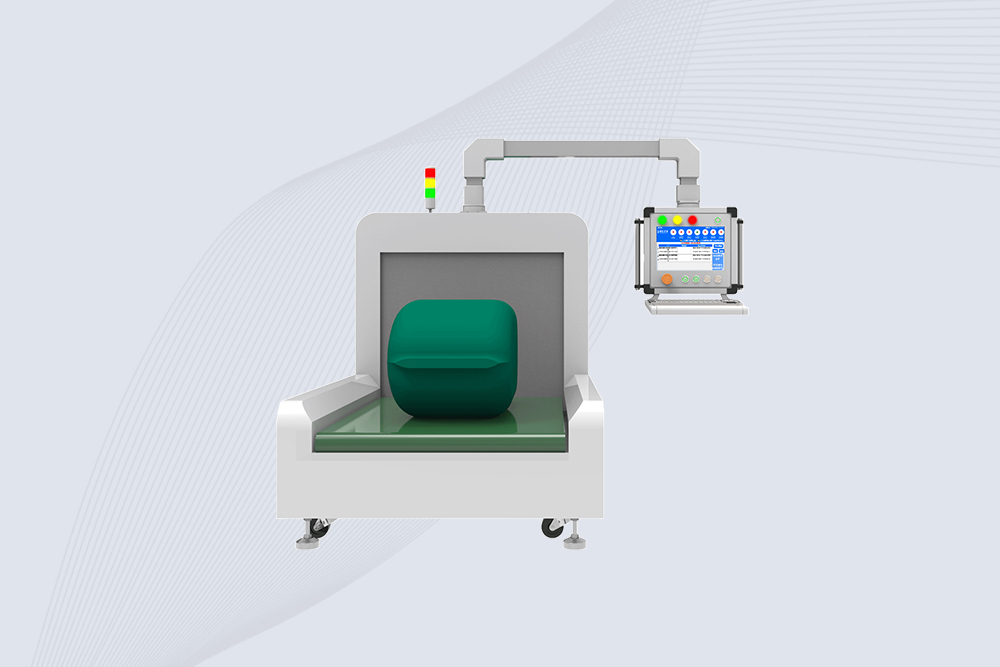
Cykeo’s CYKEO-TP3BC RFID inventory tunnel System management machine delivers 400+ tags/sec counting with ISO 18000-6C compliance. Features 80kg conveyor, -20°C~60°C operation, and ERP integration for apparel/electronics warehouses.
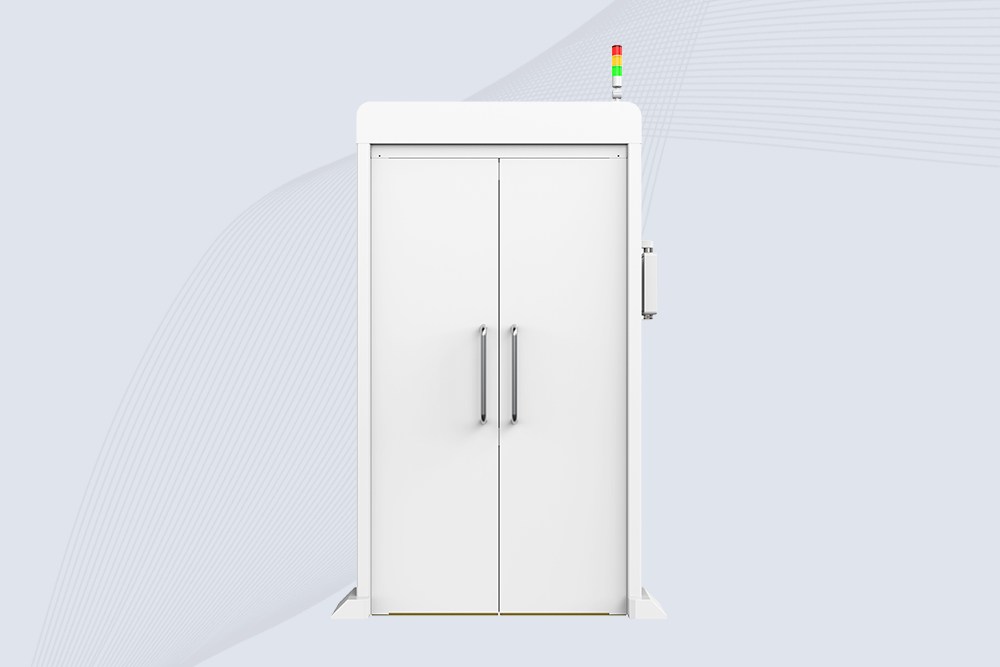
Cykeo’s industrial RFID tunnel scanner enables bulk inventory management for apparel, utilities, and hospitality. Features 10cm anti-interference, ISO18000-6C compliance, and SAP/Oracle integration.
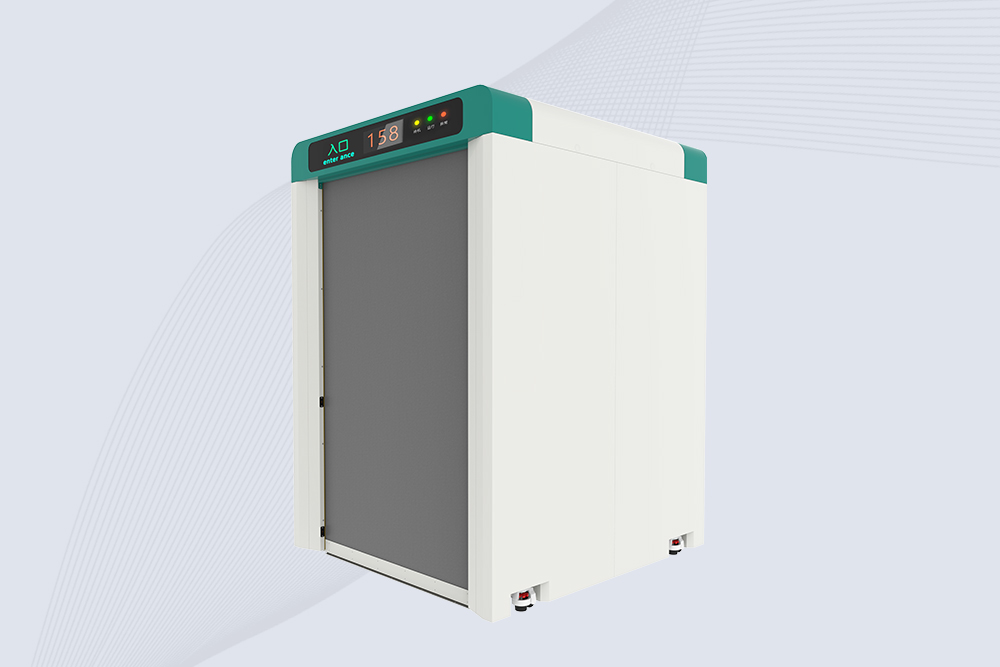
Cykeo CYKEO-TP4 industrial RFID tunnel system features 800-tag/batch processing, PLC-automated shutters, and SAP integration for apparel/hotel/power industries. 3-second verification with 99.9% accuracy.
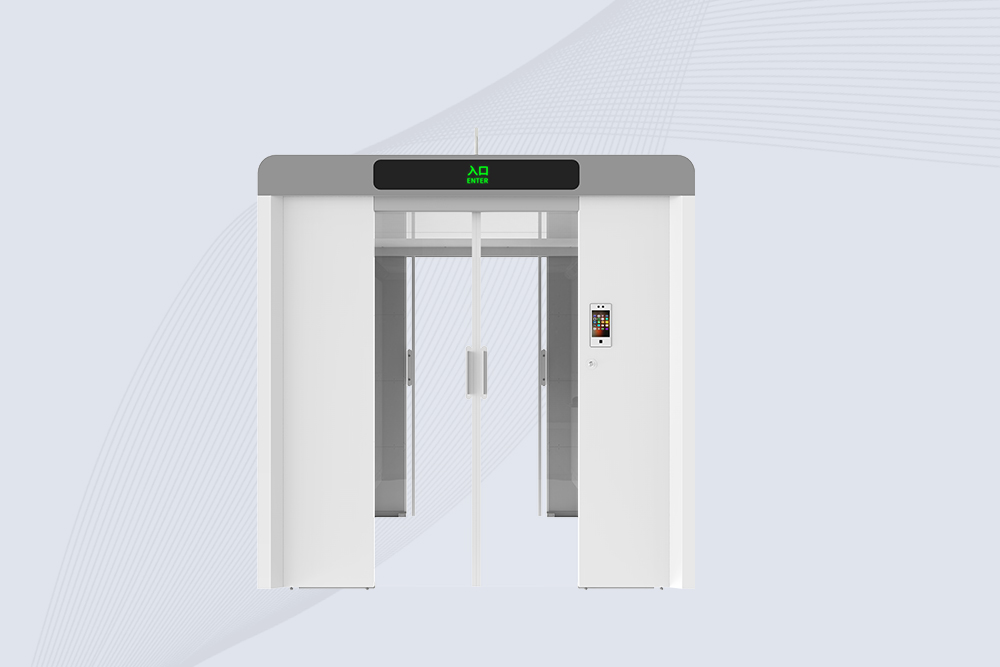
Cykeo CYKEO-TP5A industrial RFID tunnel system features 800-tag/batch processing, PLC-automated shutters, and SAP integration for apparel/hotel/power industries. 3-second verification with 99.9% accuracy.
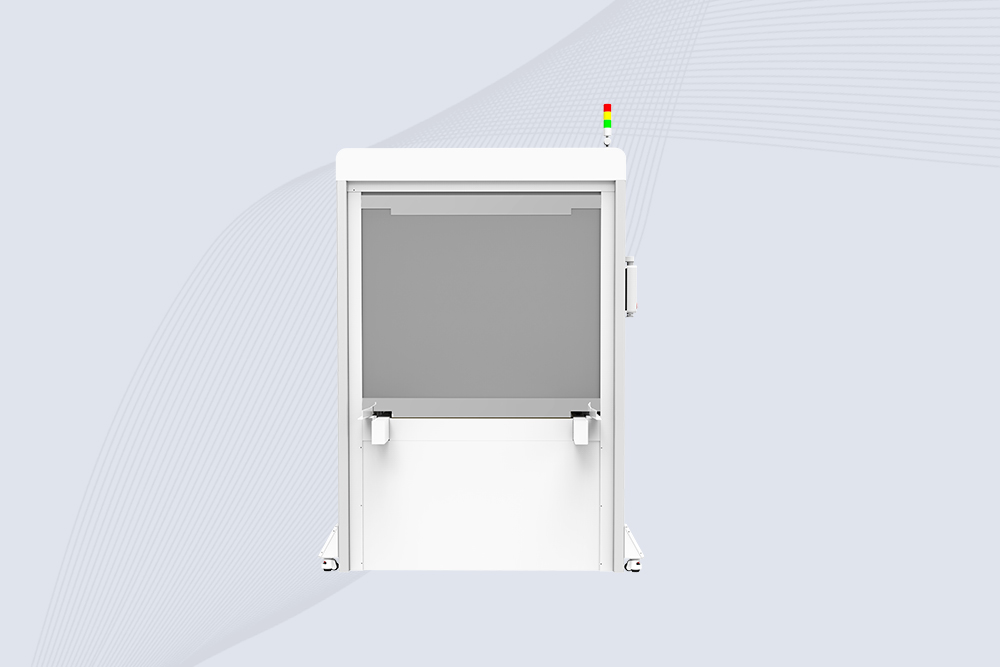
Cykeo CYKEO-TP3 industrial inventory tracking RFID machine achieves 300pcs/3sec bulk scanning with ISO18000-6C compliance. IP65 rugged design for power/garment/hotel linen logistics automation.
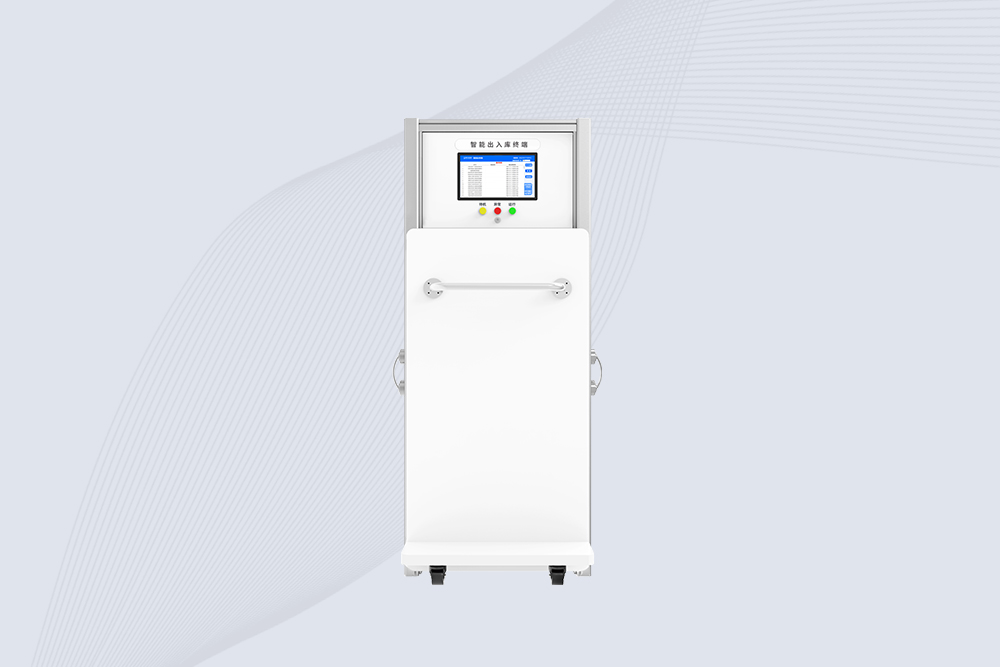
Cykeo CYKEO-GP industrial RFID tunnel achieves 300pcs/sec bulk RFID tags inventory tracking with ISO 18000-6C protocol. 1.9m tunnel height for cage carts, 20cm anti-crosshield tech.

Cykeo’s CYKEO-TP2B automated rfid warehouse management channel enables precision warehouse management with 3s batch processing, ISO 18000-6C compliance, and -20℃ cold chain operation.

Cykeo CYKEO-TP5 RFID inventory management solution delivers 100 tags/sec bulk processing, ISO 18000-6C compliance, and SAP/Oracle WMS integration for power/retail/logistics sectors.
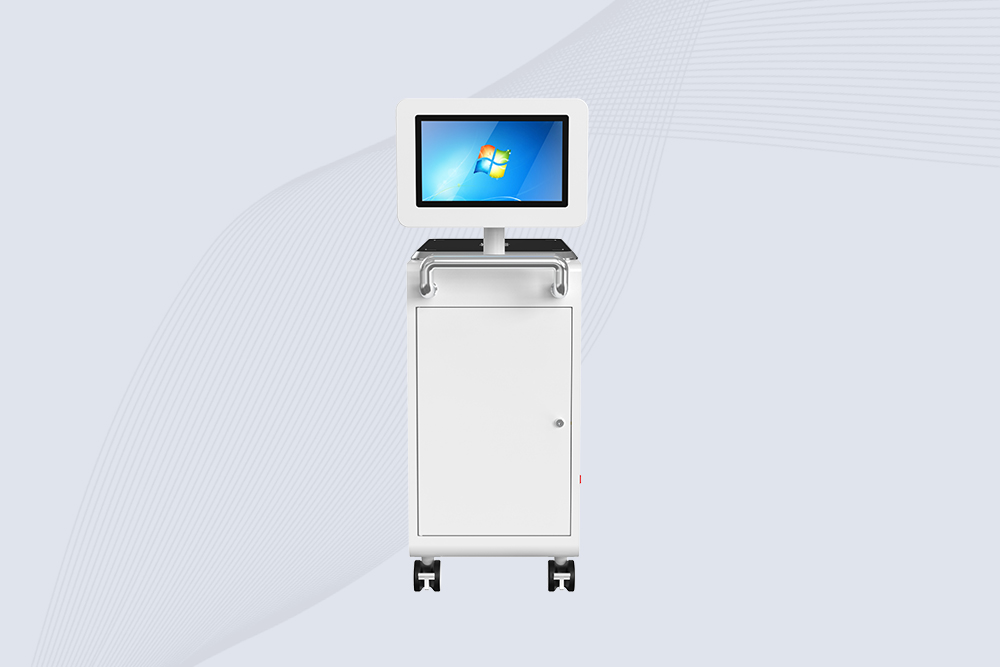
Cykeo CYKEO-C4A RFID inventory systems Cart feature dual-band scanning, 10-antenna array, and SAP integration for warehouse/hospital/supermarket asset audits. 300+ items/min accuracy with industrial reliability.
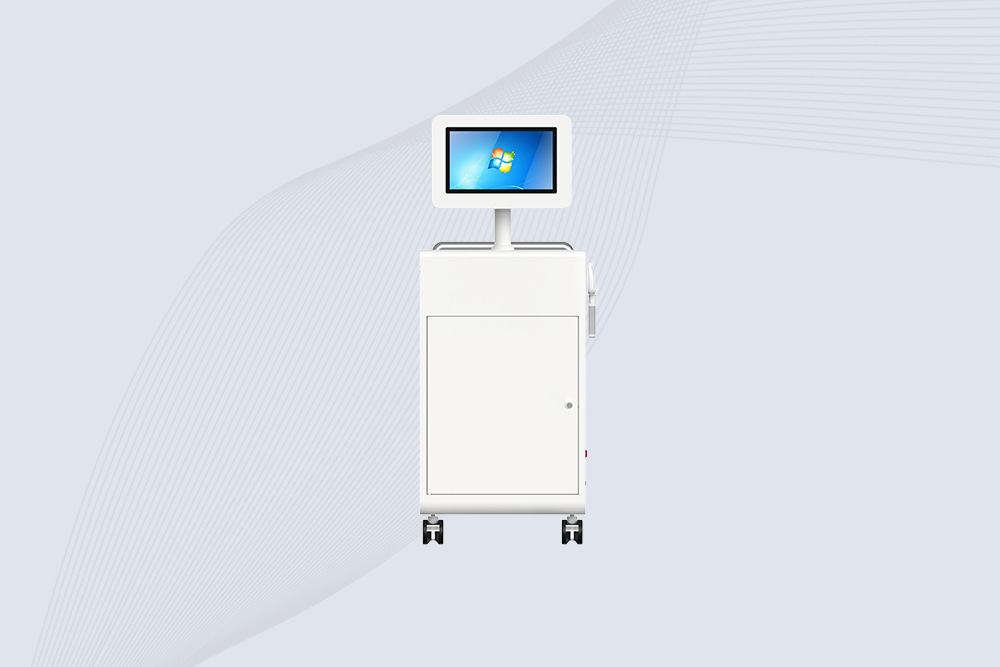
Cykeo CYKEO-C4B RFID inventory managment cart features dual-band scanning, 10-antenna array, and SAP integration for real-time asset tracking in warehouses/hospitals.
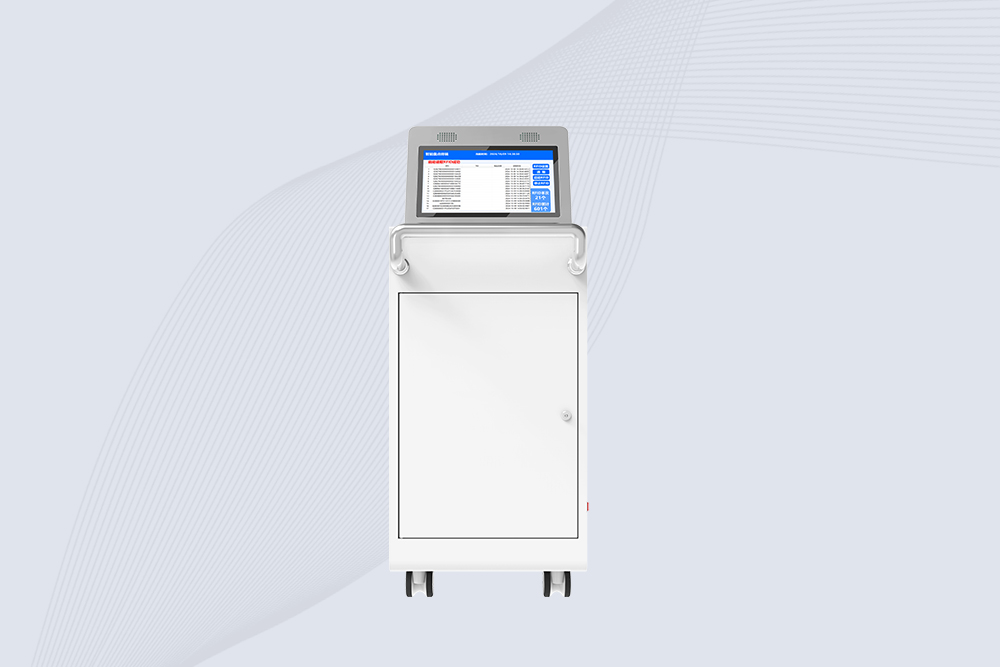
Cykeo CYKEO-C4C RFID inventory tracking cart features 10-antenna array, 300+ items/min scanning, and SAP integration for real-time asset visibility in warehouses/hospitals.
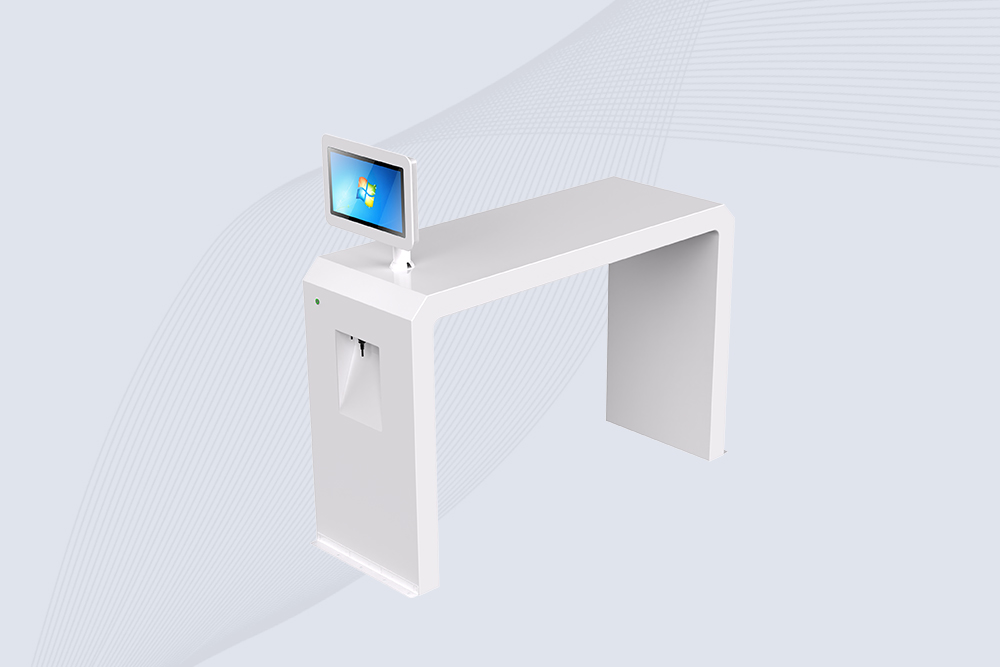
Cykeo CYKEO-T8B industrial rfid gate access system offers 1.85m scanning corridor, 99.6% read accuracy, and Windows/Android OS for production line verification. Supports SAP/Oracle integration.
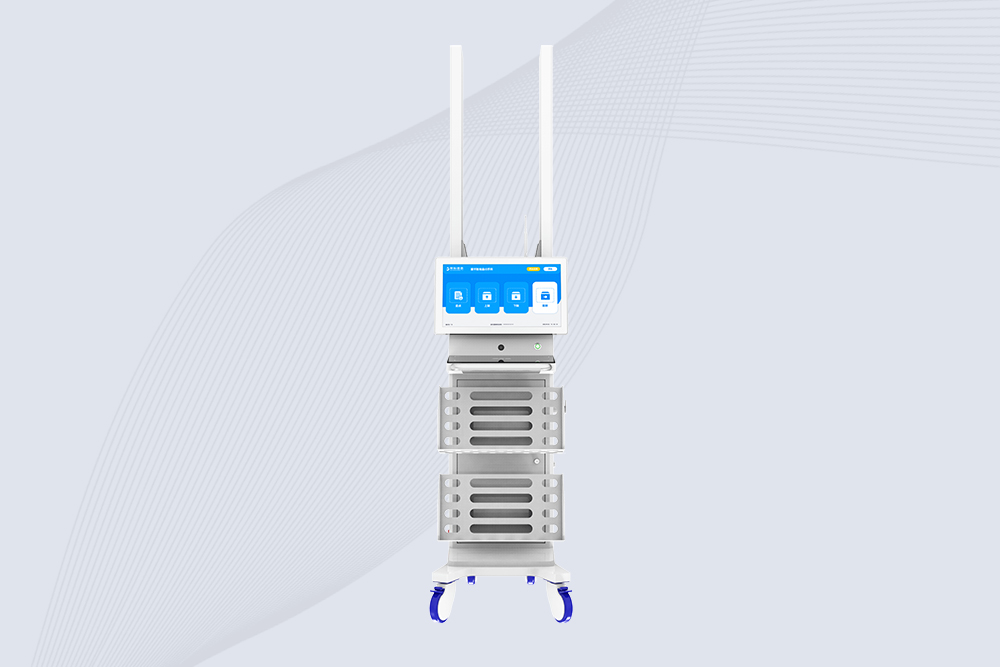
Cykeo CYKEO-C1A RFID tag inventory system features vertical 2.2m manual lift, dual antennas, and Android/Windows OS for warehouse/library inventory. Supports SAP/Oracle integration.

Cykeo CYKEO-TP4A retractable RFID gate processes 1000+ items in 10 seconds with expandable width design. Ideal for large-scale utility, hotel linen, and apparel inventory management.
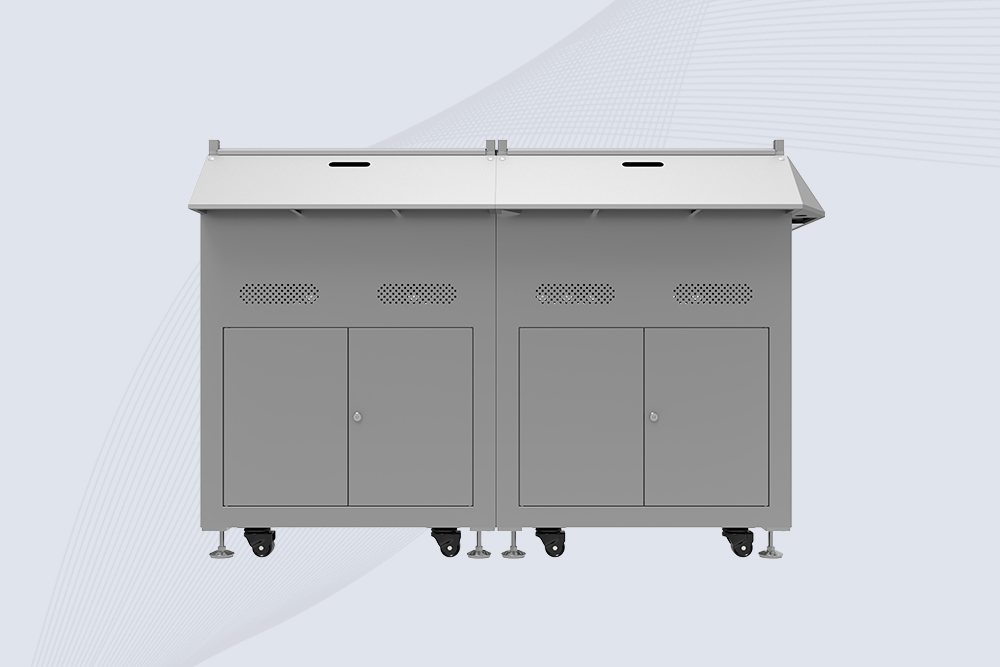
Cykeo CYKEO-S1 RFID library book return sorting system processes 1200 books/hour with modular design and dual-frequency RFID support. Ideal for automated library book sorting and categorization.
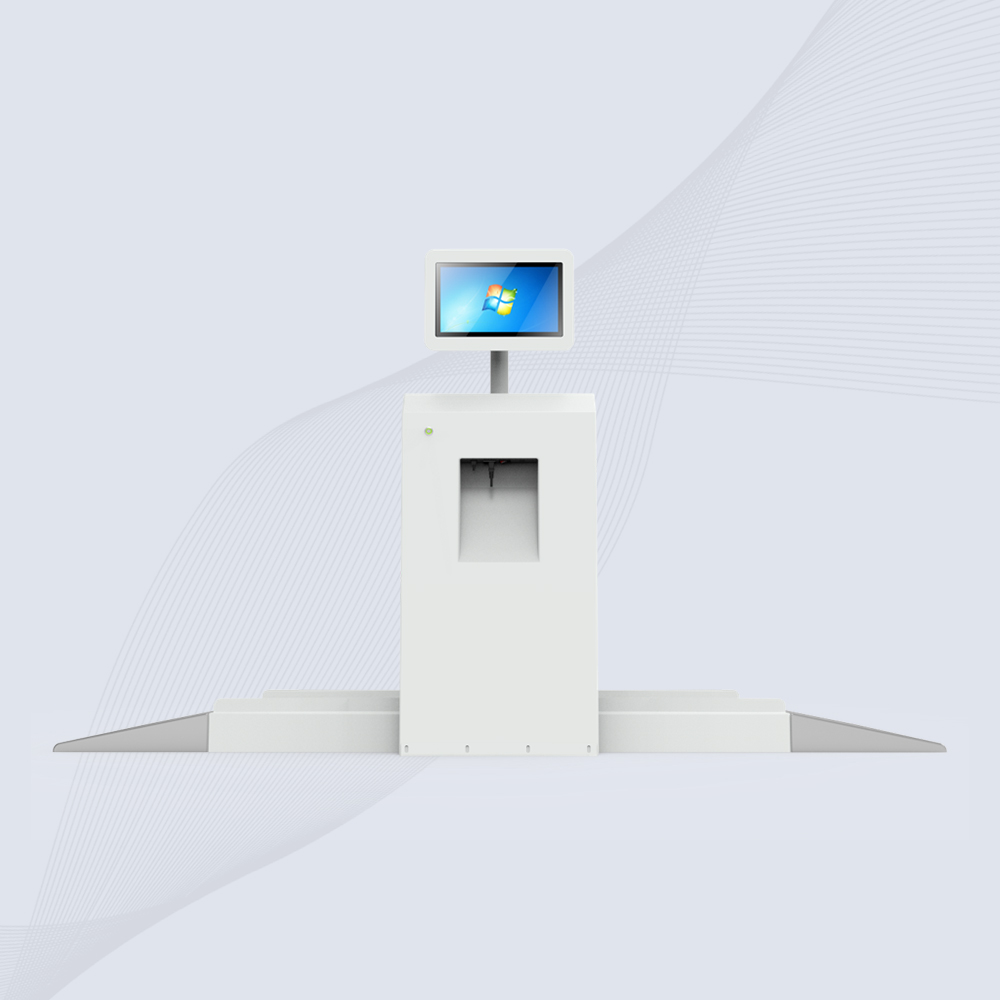
Cykeo CYKEO-TP2C RFID tunnel reader verifies 400+ items in 3 seconds with 4-antenna array and PLC control. Ideal for warehouse inventory management with 99.9% accuracy.
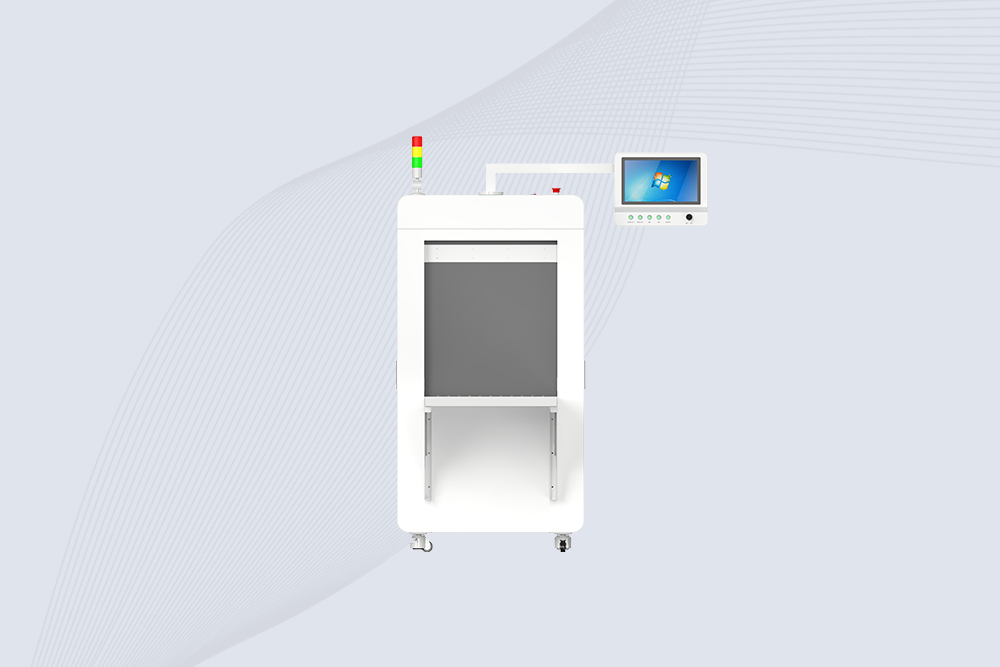
Cykeo CYKEO-TP2D compact RFID tunnel scanner reader offers enclosed scanning with auto-shutter door and IR-activated conveyor. Ideal for mid-scale warehouse inventory management.
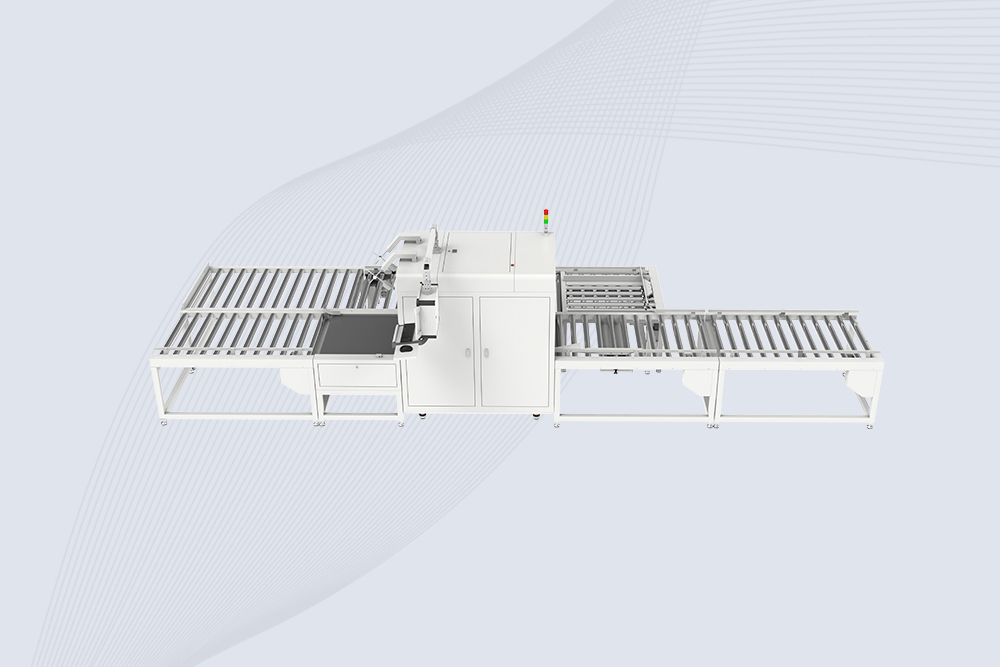
Cykeo CYKEO-TP2A RFID tunnel reader verifies 400+ items in 3 seconds. Integrates RFID, barcode, weighing, and automated sorting for warehouse logistics. Boosts accuracy to 100%.
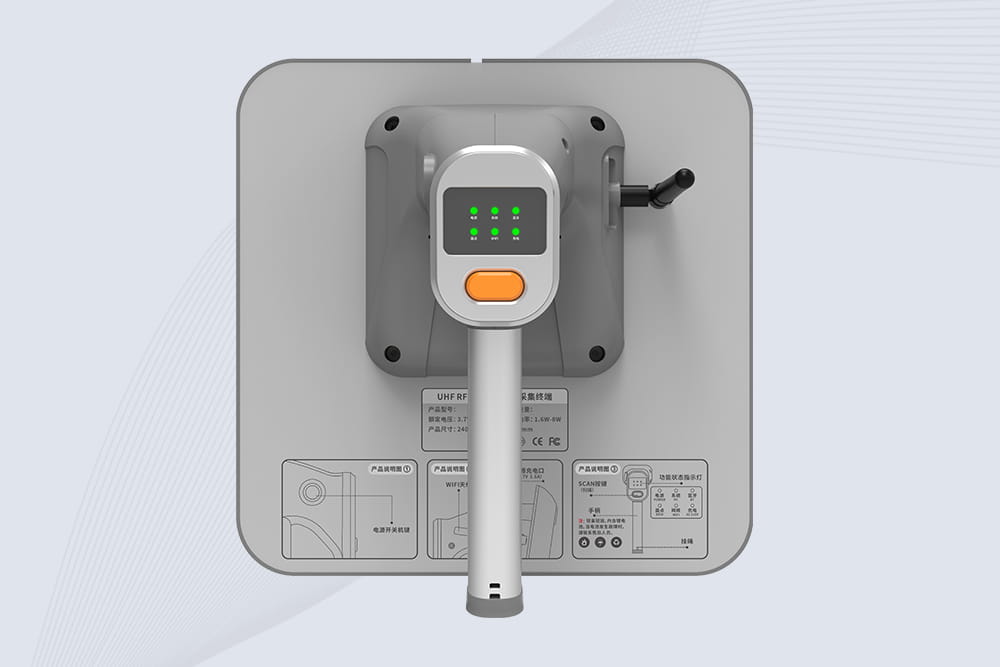
Cykeo CYKEO-B9 UHF Bluetooth handheld RFID scanner features 12m UHF range, 200+ tags/sec scanning, IP67 rugged design for retail/warehouse/pharma. Supports Android SDK & real-time Bluetooth 5.0 transmission.
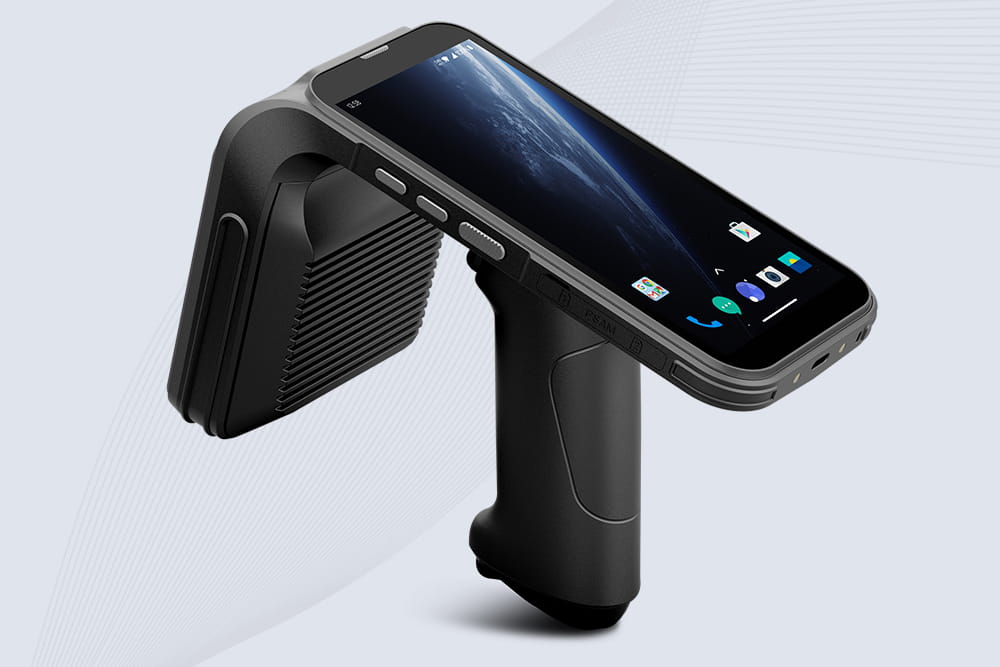
Cykeo CYKEO-B4 UHF Handheld RFID Reader scanner delivers 1300 tags/sec reading, 30m UHF range, and 12-hour battery life. IP65 rugged design with barcode/NFC/ID scanning for retail/manufacturing/logistics.
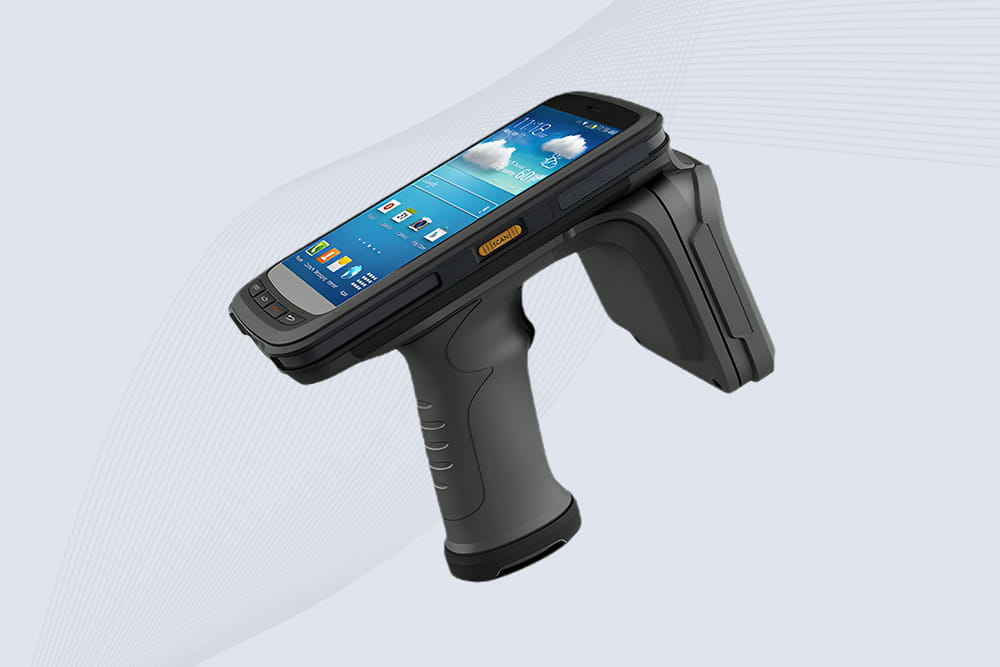
Cykeo CYKEO-B2 industrial UHF RFID handheld Scanner offers 10m range, 500 tags/sec scanning, Android 11 OS, and IP65 rugged design for retail/warehouse/manufacturing.
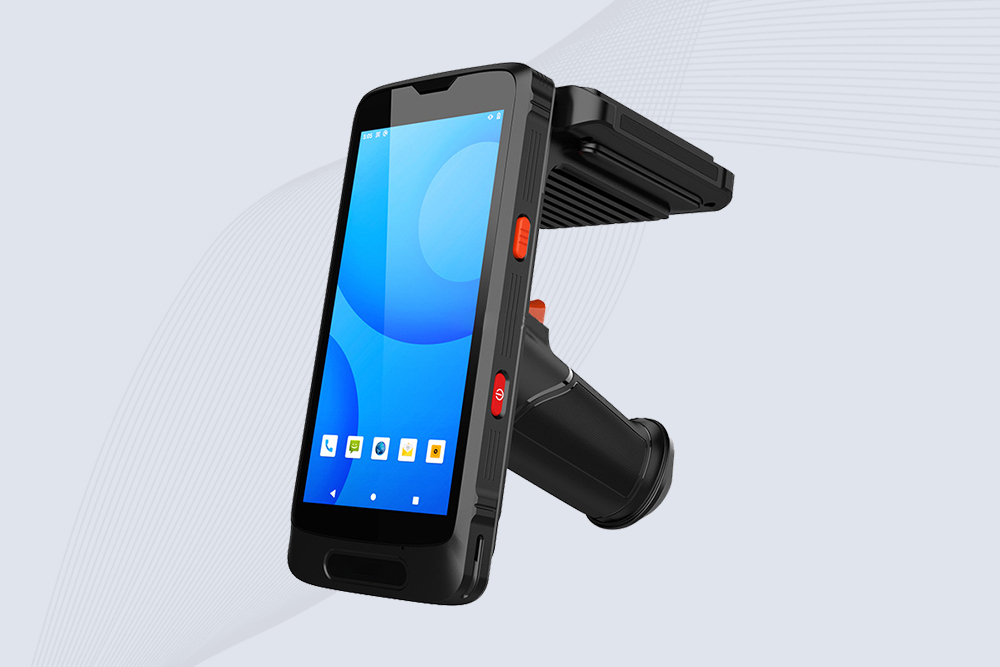
Cykeo CYKEO-B3 industrial RFID Reader Handheld, terminal offers 2m read range, multi-protocol scanning (NFC/barcode/ID), Android 10 OS, and IP65 ruggedness for logistics/retail/manufacturing.
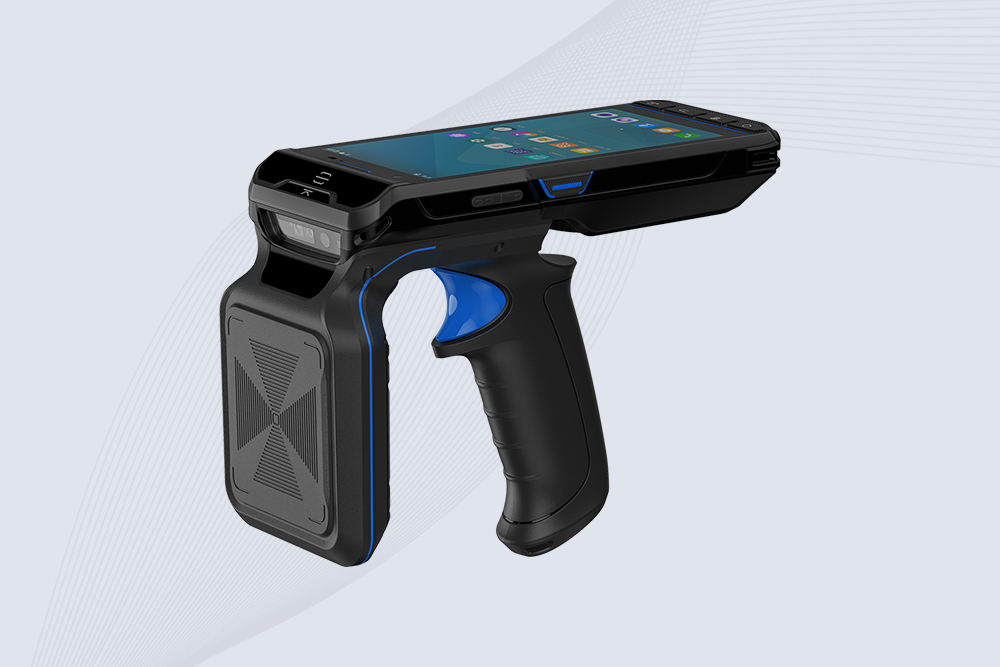
Cykeo CYKEO-B3L industrial handheld UHF RFID Reader terminal features 20m read range, 500 tags/sec scanning, Android 13 OS, 12-hour battery for logistics/retail/manufacturing. Supports barcode/NFC/ID reading.

Discover how RFID laundry tag solutions help hotels improve linen tracking, reduce textile loss, and manage laundry operations more efficiently with automated inventory visibility.
More
In aerospace and MRO environments, tool accountability is critical. Learn how RFID for tools helps reduce risks, improve traceability, and support compliance requirements.
More
Learn how RFID reader modules are used in AGV and AMR warehouse robots for inventory verification, pallet tracking, and industrial automation systems.
More
Can RFID signals pass through metal? Learn why metal affects RFID performance, how on-metal RFID tags work, and practical ways to improve read reliability.
More