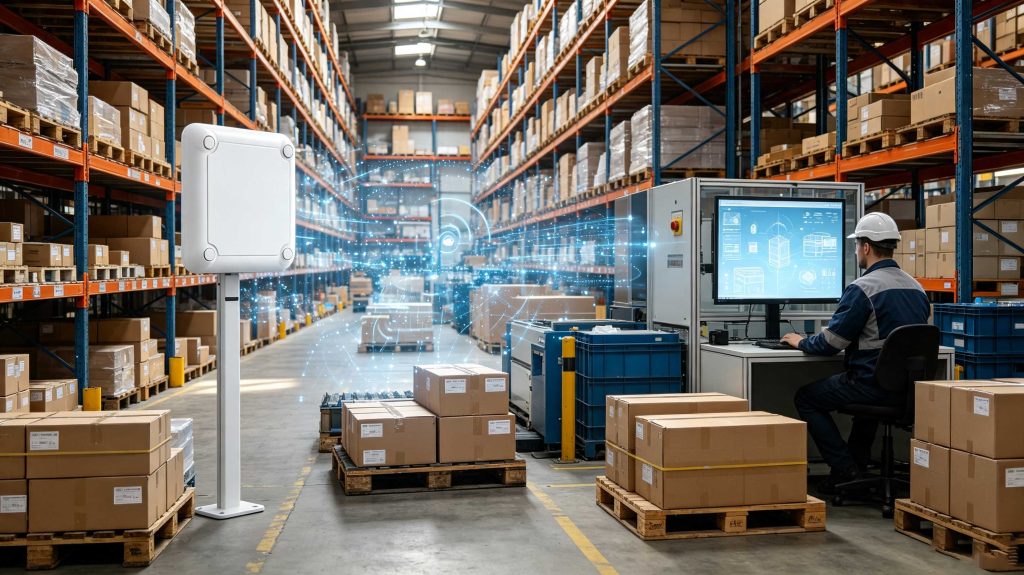
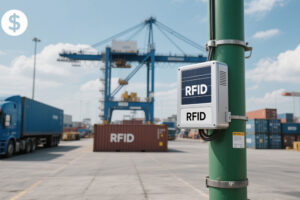
How rfid technology works is based on wireless communication between RFID tags and readers. The reader sends radio signals to activate tags, collects stored information, and transfers data to software systems for automatic identification, tracking, and management.
Understanding How RFID Technology Works in Real Applications
RFID technology is not simply a replacement for barcode scanning.
It changes the way physical objects communicate with digital systems.
During RFID system deployments, I have seen the same operational challenge appear repeatedly.
A warehouse may contain thousands of products, but managers often discover that inventory information becomes inaccurate after products move between receiving areas, shelves, production lines, or shipping zones.
The problem is not the lack of data.
The problem is that traditional systems depend heavily on manual updates.
RFID solves this by creating an automatic connection between objects and information systems.
When an RFID-tagged item moves through a reading area, the system can identify it without requiring direct scanning.
This is the practical foundation behind how rfid technology works.
According to GS1, RFID uses radio waves to automatically identify objects and capture data stored on RFID tags, supporting supply chain visibility and automated data collection.
The communication process happens in several stages.
Step 1: RFID Reader Sends Radio Frequency Signals
The RFID reader generates electromagnetic waves through its antenna.
These signals create an energy field around the reading area.
For passive RFID tags, this energy activates the tag’s internal circuit.
Unlike active RFID systems, passive tags do not require their own battery.
Step 2: RFID Tag Responds With Stored Information
Once activated, the RFID tag sends information back to the reader.
The transmitted data may include:
Unique electronic product code
Asset identification number
Product information
Tracking information
Each RFID tag has its own identity.
This allows companies to distinguish individual products instead of only recognizing product categories.
Step 3: RFID Reader Processes Tag Data
The RFID reader receives signals from multiple tags.
Modern RFID readers use anti-collision algorithms to handle multiple responses simultaneously.
This allows hundreds of tagged items to be identified efficiently depending on system design, tag type, and environment.
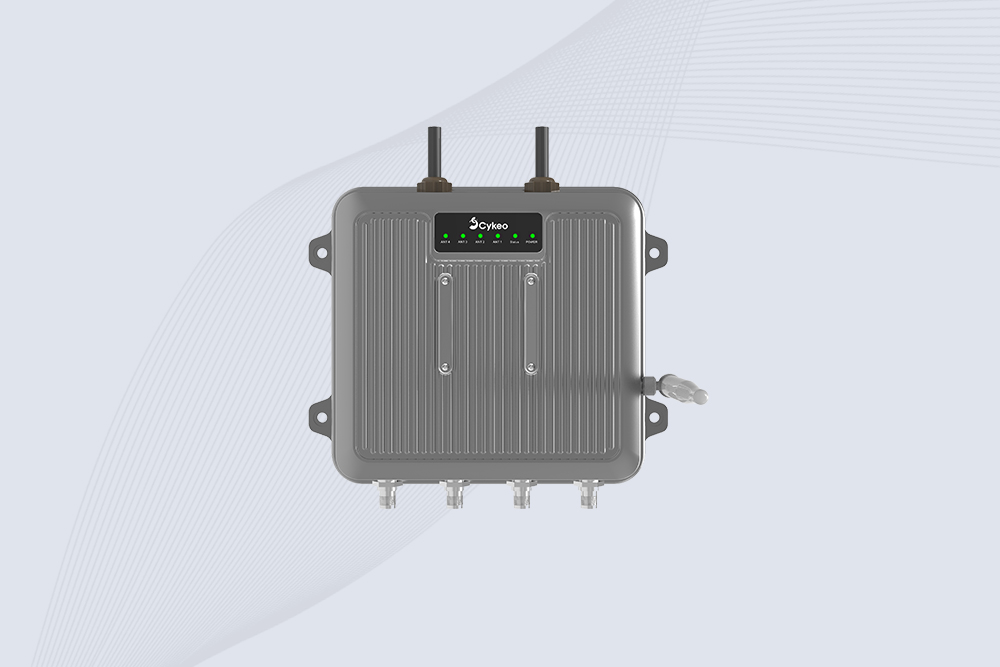
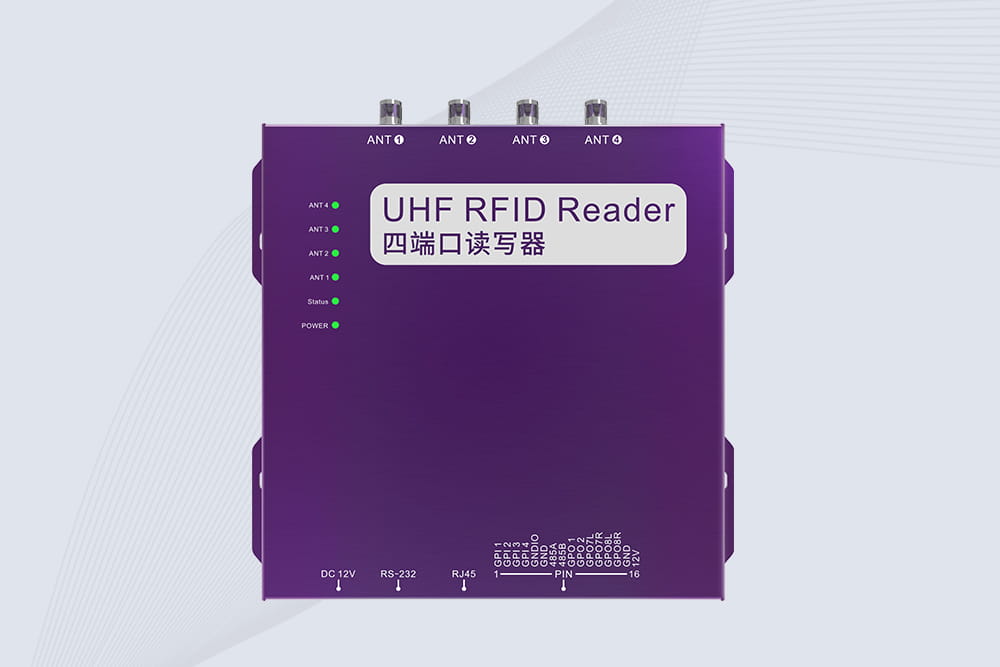
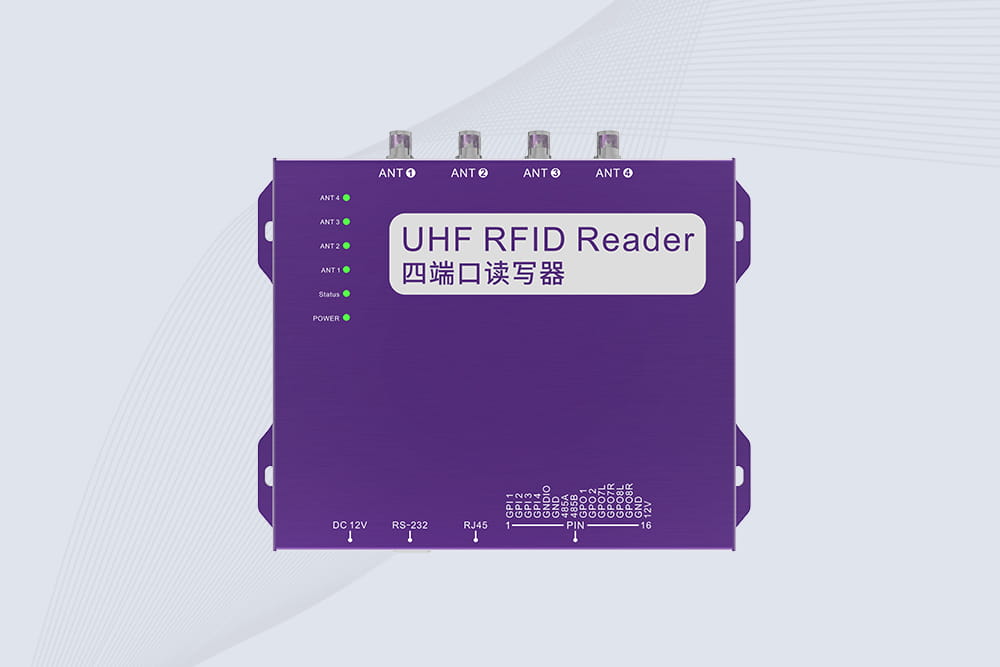
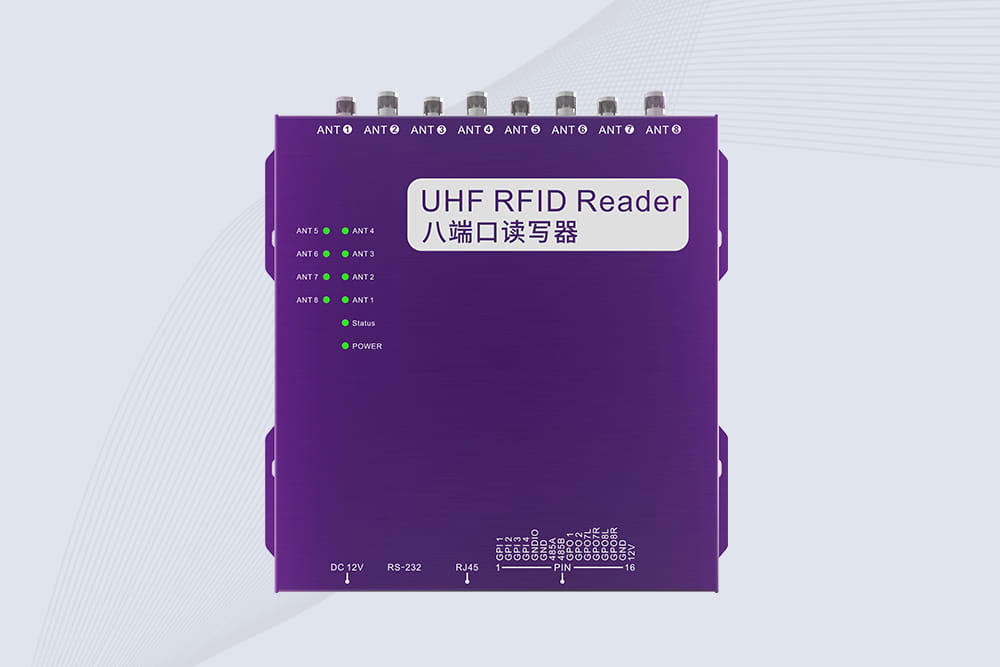
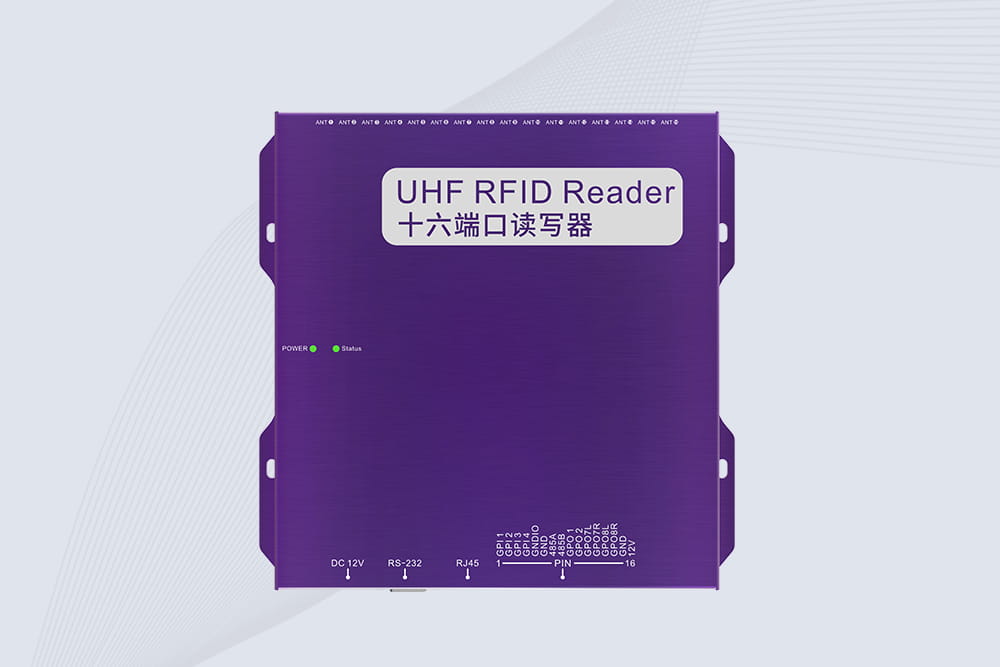
Cykeo UHF RFID readers support EPC C1G2 / ISO 18000-6C communication standards and are designed for industrial identification scenarios requiring stable multi-tag reading.
RFID technology uses wireless communication between readers and tags to collect product information automatically.
How Different RFID Frequencies Work
RFID technology operates across different frequency ranges.
The frequency affects reading distance, speed, and application suitability.
RFID Frequency
Typical Range
Common Applications
LF RFID
Short distance
Animal identification, access control
HF RFID
Medium distance
Cards, libraries, payment systems
UHF RFID
Long distance
Retail, logistics, inventory management
For enterprise inventory applications, UHF RFID is widely adopted because it supports longer reading distances and faster identification.
How UHF RFID Technology Works in Industrial Systems
UHF RFID systems are commonly used in:
Warehouses
Retail stores
Manufacturing facilities
Medical supply rooms
Asset management environments
A typical UHF RFID workflow:
Product receives RFID tag.
Product enters RFID reading zone.
Reader captures tag information.
System verifies inventory data.
Business software updates records.
The process happens automatically.
Employees do not need to scan every individual item.
Different tags are designed for different environments.
Examples:
Retail RFID labels
Industrial RFID tags
Anti-metal RFID tags
Medical RFID tags
RFID Readers
RFID readers are responsible for communication.
Important specifications include:
Reading distance
Output power
Frequency support
Communication interface
Multi-tag processing ability
Cykeo develops RFID readers and modules designed for industrial applications requiring reliable identification performance.
RFID Software System
The software layer transforms RFID signals into business information.
Applications include:
Inventory management
Warehouse automation
Retail analytics
Asset tracking
Production monitoring
Why Businesses Use RFID Technology
Companies adopt RFID because it improves operational visibility.
Main benefits include:
Improved Identification Accuracy
RFID reduces manual recording mistakes by automatically capturing product information.
Faster Inventory Operations
Multiple items can be identified simultaneously, reducing counting time.
Better Supply Chain Visibility
Companies can monitor product movement from storage to shipment.
Reduced Labor Requirements
Automation allows employees to focus on higher-value tasks.
RFID Technology Applications
Retail
RFID supports:
Inventory counting
Smart shelves
Self-checkout systems
Loss prevention
Logistics
RFID helps with:
Warehouse tracking
Shipment verification
Asset identification
Healthcare
Applications include:
Medical equipment management
Pharmaceutical inventory
Supply tracking
Manufacturing
RFID is used for:
Production tracking
Tool management
Component identification
RFID Technology Development Considerations
Successful RFID implementation requires more than selecting hardware.
Important factors include:
Tag Selection
Choose tags based on:
Material
Environment
Required reading distance
Reader Installation
Reader placement affects:
Coverage area
Reading accuracy
System reliability
Software Integration
RFID systems should connect with:
ERP platforms
Warehouse systems
Manufacturing software
Frequently Asked Questions About How RFID Technology Works
1. How does RFID technology work without a barcode scanner?
RFID uses radio frequency communication instead of optical scanning. Readers communicate with tags wirelessly and collect information automatically.
2. Do RFID tags need batteries?
Most RFID tags used in inventory applications are passive tags. They receive energy from RFID readers and do not require internal batteries.
3. How far can RFID technology read tags?
Reading distance depends on frequency, reader power, antenna design, and environment. UHF RFID systems can achieve long-range identification in suitable conditions.
4. Can RFID read multiple tags at the same time?
Yes. Modern RFID readers use anti-collision technology to identify multiple tags during one reading operation.
5. What industries use RFID technology?
RFID is widely used in retail, logistics, healthcare, manufacturing, transportation, and asset management.
6. Is RFID better than barcode technology?
RFID provides advantages in automation because it can identify multiple items without direct visual scanning.
7. Why choose Cykeo RFID technology?
Cykeo provides RFID readers, modules, antennas, and integrated solutions designed for reliable identification across industrial and commercial applications.
Cykeo RFID Technical Advantages
1. Industrial UHF RFID Performance for Reliable Identification
RFID technology performance depends on more than the reader itself.
In real industrial environments, reading accuracy is influenced by:
Product material
Tag position
Reading distance
Electromagnetic interference
Installation environment
Cykeo RFID systems are developed around these practical factors.
Cykeo UHF RFID readers support EPC Class 1 Gen 2 / ISO 18000-6C protocols and are designed for applications requiring fast identification, stable communication, and scalable integration.
Key technical advantages include:
Cykeo RFID Feature
Technical Value
UHF RFID frequency technology
Suitable for long-distance identification
Multi-tag anti-collision algorithm
Supports simultaneous tag recognition
Adjustable output power up to 33 dBm
Flexible adaptation to different environments
Industrial-grade housing design
Suitable for demanding applications
Multiple communication interfaces
Supports enterprise integration
SDK/API support
Simplifies software development
During RFID project implementation, one detail is often overlooked:
The system must not only read tags.
It must read the right tags at the right moment.
A warehouse door, retail checkout station, or production line each requires a different reading strategy.
Cykeo focuses on this practical engineering requirement.
Cykeo RFID System Architecture
A complete RFID system is not a single device.
It is an integrated structure combining identification hardware, communication technology, and business software.
Layer 1: RFID Tag Layer
The RFID tag is the digital identity carrier.
A typical RFID tag contains:
Microchip
Antenna
Protective material
The chip stores identification information, while the antenna enables communication with RFID readers.
Different applications use different tag designs.
Examples:
Application
Suitable RFID Tag Type
Retail clothing
RFID label tag
Metal equipment
Anti-metal RFID tag
Hospital supplies
Medical RFID tag
Warehouse pallets
Industrial RFID tag
Layer 2: RFID Reader Layer
The RFID reader is responsible for communication.
Its main functions include:
Sending RF signals
Activating tags
Receiving tag responses
Filtering duplicate data
Sending information to software systems
Cykeo provides different RFID hardware forms:
Fixed RFID readers
Integrated RFID readers
RFID reader modules
Desktop RFID readers
Each design matches different operational requirements.
For example:
A warehouse entrance requires wide-area reading.
A retail self-checkout station requires fast multi-item recognition.
A tool cabinet requires controlled identification.
Layer 3: Data Processing Layer
RFID readers generate large amounts of identification data.
The processing layer converts raw signals into useful business information.
Main functions:
Tag filtering
Data validation
Event generation
Inventory update
System communication
Without proper data processing, RFID information cannot support real business decisions.
Layer 4: Enterprise Application Layer
The final purpose of RFID technology is improving operations.
RFID data can connect with:
Warehouse Management Systems (WMS)
Enterprise Resource Planning (ERP)
Manufacturing Execution Systems (MES)
Retail management software
This creates a complete digital workflow.
RFID vs Barcode vs NFC Comparison
RFID, barcode, and NFC are all identification technologies, but they solve different problems.
Feature
RFID
Barcode
NFC
Communication Method
Radio frequency
Optical scanning
Short-range wireless
Line of Sight Required
No
Yes
No
Reading Distance
Medium to long
Short
Very short
Multiple Item Reading
Yes
No
Usually one device
Automation Level
High
Medium
Medium
Common Usage
Inventory, logistics, assets
Product labels
Payments, access
RFID vs Barcode
Barcode technology remains useful for simple identification.
However, barcode requires:
Visual alignment
Manual scanning
Individual operation
RFID improves automation because products can be identified without direct scanning.
For inventory management, RFID provides stronger advantages when companies manage:
Large quantities of products
Frequent movement
Multiple storage locations
RFID vs NFC
NFC is technically related to RFID but designed for shorter communication distances.
NFC applications include:
Mobile payments
Smart cards
Access control
RFID is more commonly used for:
Warehouse management
Retail inventory
Industrial tracking
Supply chain visibility
RFID Technology Industry Applications
1. Retail Inventory and Smart Checkout
Retail is one of the largest RFID application fields.
RFID helps retailers manage:
Clothing inventory
Product availability
Self-service checkout
Anti-theft systems
A store employee can quickly check inventory without manually scanning every product.
Warehouse and Logistics Management
Warehouses require accurate product movement information.
RFID supports:
Automatic receiving
Storage tracking
Shipment verification
Inventory counting
Products become visible throughout the logistics process.
3. Healthcare and Medical Supply Tracking
Hospitals manage thousands of medical items.
RFID helps track:
Medical devices
Surgical instruments
Consumable supplies
Storage locations
This improves supply visibility.
4. Manufacturing and Industrial Asset Management
Manufacturing facilities use RFID for:
Component tracking
Tool management
Production monitoring
Equipment identification
RFID helps reduce time spent searching for materials and tools.
RFID connects industrial assets, products, and digital systems for efficient automated management.
RFID Deployment Strategy
Step 1: Define Business Objective
Before deployment, companies should identify the main purpose.
Common objectives:
Improve inventory accuracy
Reduce manual operations
Track assets
Automate workflows
Step 2: Select Suitable RFID Hardware
Hardware selection depends on:
Reading distance
Product type
Environment
Installation location
Examples:
Scenario
Recommended Solution
Warehouse gate
Fixed RFID reader
Retail checkout
Integrated RFID platform
Equipment tracking
Industrial RFID reader
OEM development
RFID module
Step 3: Optimize Reader Installation
Reader placement directly affects system performance.
Important considerations:
Antenna direction
Reading coverage
Product movement path
Interference sources
Step 4: Software Integration
RFID systems should connect with existing business platforms.
Typical integration:
RFID Reader → Middleware → Database → ERP/WMS/MES
This creates a complete information flow.
SEO Ending: Understanding How RFID Technology Works
RFID technology works by creating wireless communication between tags, readers, and software platforms.
The value of RFID is not only identification.
It is the ability to transform physical products into connected digital information.
From retail inventory to industrial automation, RFID improves visibility, accuracy, and operational efficiency.
The answer to how rfid technology works is clear: RFID uses radio frequency communication to automatically identify objects, collect data, and support intelligent management systems.
Cykeo provides professional RFID readers, modules, and integrated solutions designed for real-world applications across retail, logistics, healthcare, and manufacturing industries.
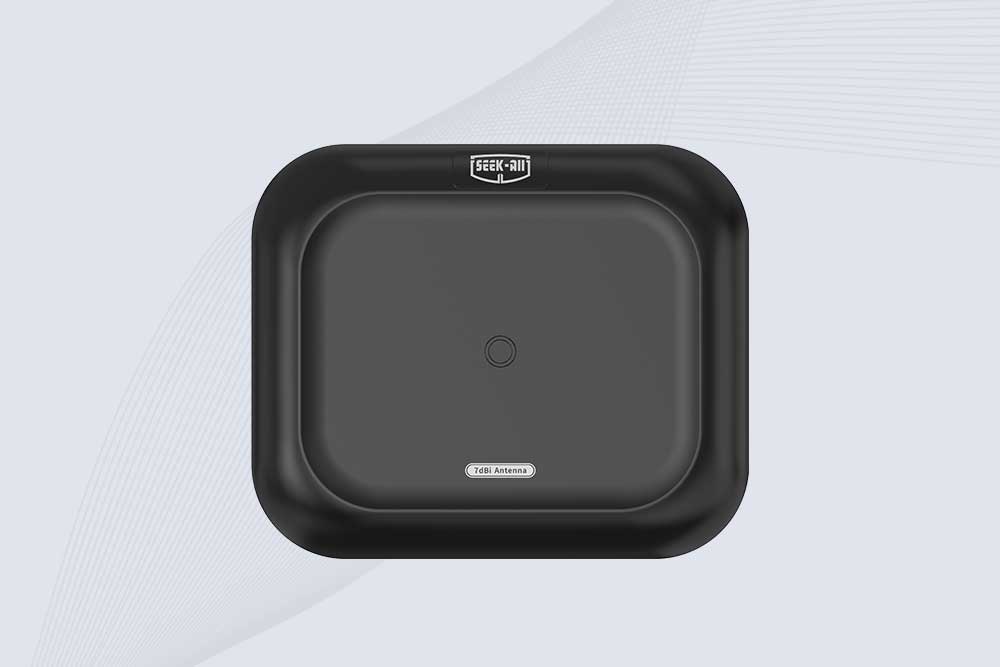
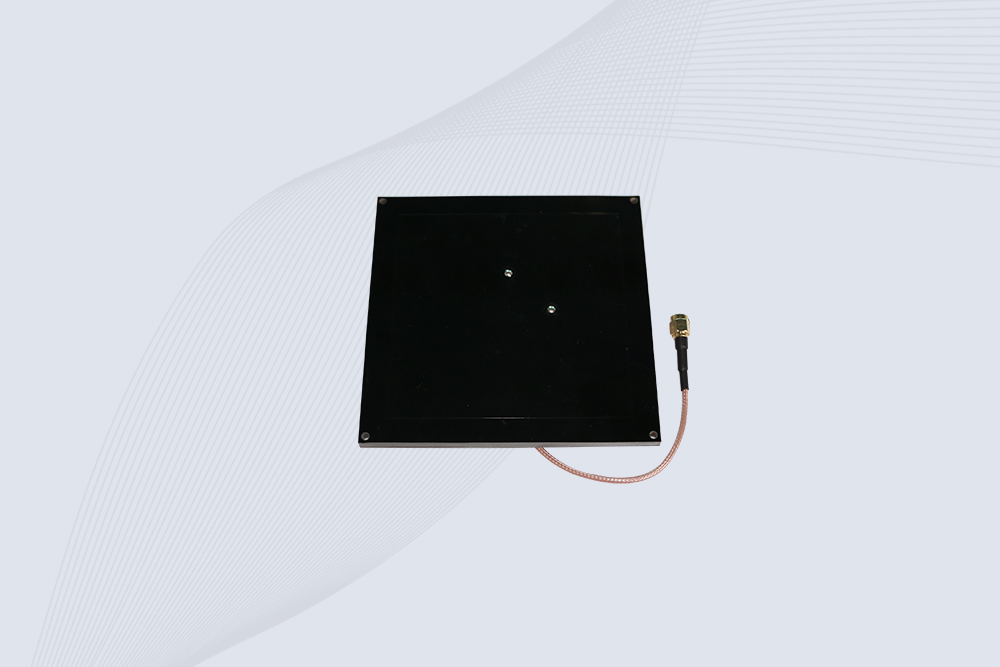
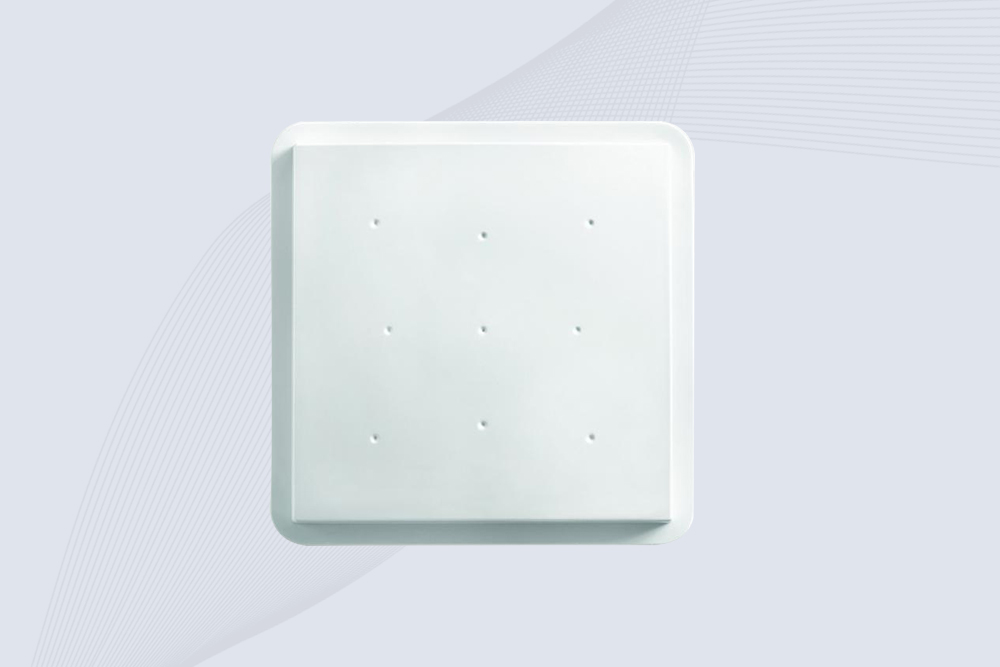
Explore the SSD-A07 UHF RFID antenna with 7 dBi gain, circular polarization, adjustable 840–960 MHz frequency, and 60°/75° beamwidth for stable RFID read/write performance.
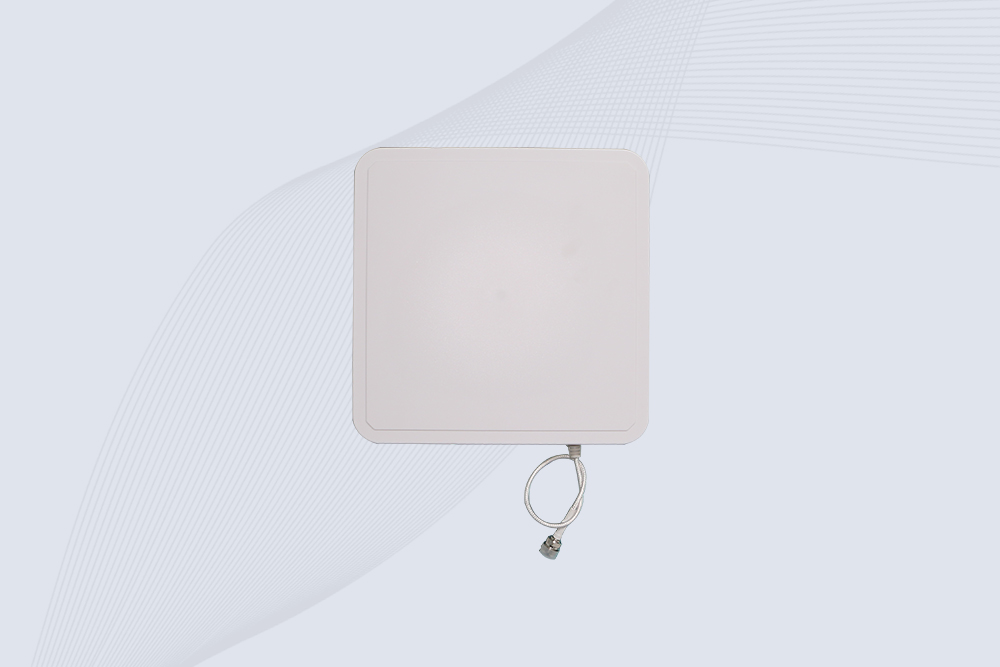
SSD-A06 UHF RFID antenna with circular polarization, adjustable 840–960 MHz frequency, ≥4.5 dBi gain, and a compact directional design for RFID systems.
SSD-R16L Multi-Channel RFID Infrastructure for Automated Inventory Management ✔️ 16-Port High-Density RFID Reading Equipped with 16 SMA antenna ports, SSD-R16L supports multi-antenna deployment for warehouses, retail stores, logistics, production lines, and large-area RFID identification. ✔️ High-Speed & Long-Range Performance With up to 33…
SSD-R8L 8-port UHF RFID reader with 33dBm output, up to 20m reading range and 600+ tags/s recognition. Ideal for warehouse, logistics, retail and asset tracking.
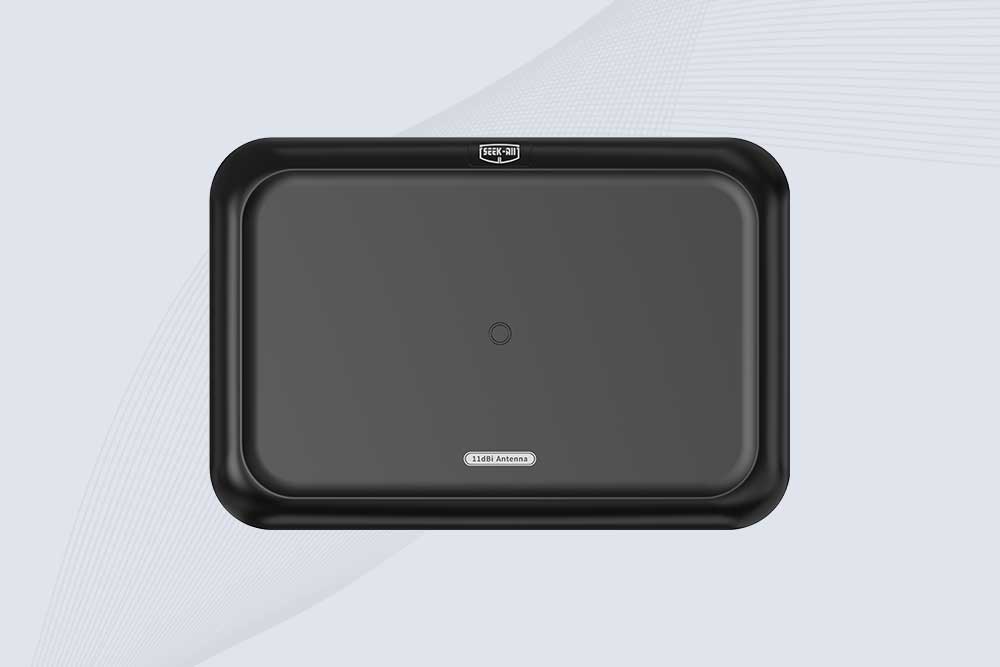
Cykeo CYKEO-A11 UHF RFID reader antenna delivers 11dBi gain, 840-960MHz frequency range, and IP65 ruggedness for retail, logistics, and industrial RFID systems. Features low VSWR and easy installation.
CYKEO Antenna RFID Reader delivers stable long-range UHF performance with a 10.5dBi directional design, built for warehouses, conveyor portals, and industrial RFID systems. This rfid reader antenna provides 20m+ read distance and rugged IP67 protection.
Cykeo CYKEO-A5B industrial Linear RFID Antenna delivers 5dBi gain, ≤1.5:1 VSWR, and IP65 rugged design for warehouse, production line, and logistics UHF systems.
Cykeo’s CYKEO-B12 Long Range RFID Antenna delivers 15m+ read range with 12dBi gain, IP65 rugged design, and global 840-960MHz UHF support. Ideal for warehouse/logistics asset tracking.
Cykeo CYKEO-B10 Long Distance RFID Antenna offers 10dBi gain, 840-960MHz frequency range, IP65 rating, and 20m+ coverage for logistics/warehousing/ETC systems. Low VSWR ensures stable signal transmission.
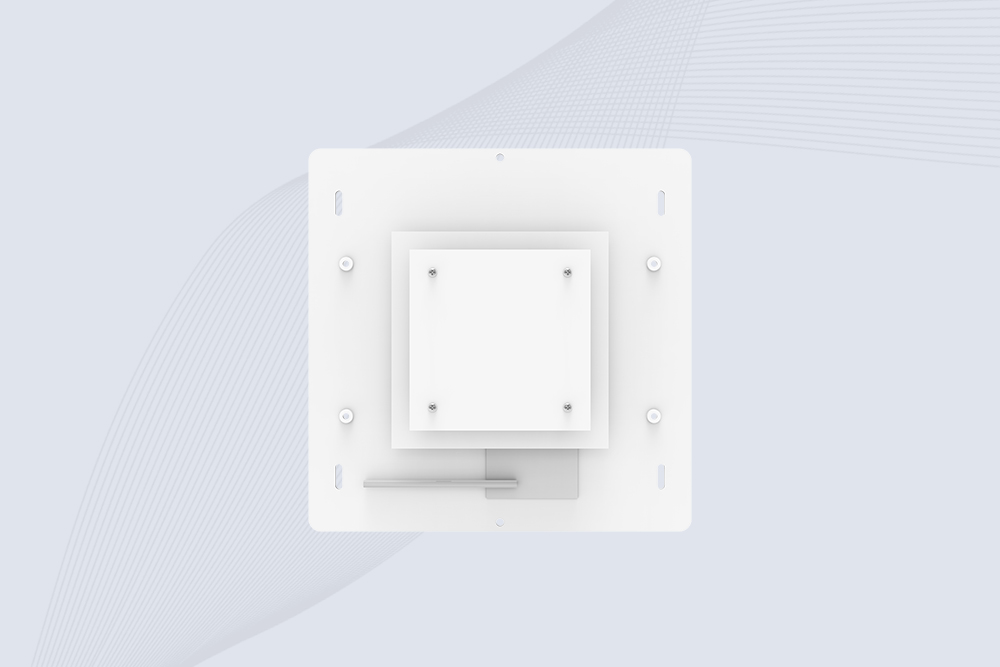
Cykeo CYKEO-A6 UHF RFID panel antenna features 6dBi gain, 840-960MHz broadband, IP65 metal-ready housing for logistics/smart retail. 18mm ultra-thin design with tool-free mounting.
Cykeo CK-A3 industrial antenna RFID UHF offers 5m+ tag detection, ≤1.3:1 VSWR, IP65 rugged design, and global UHF spectrum compatibility (840-960MHz) for warehouses, factories, and retail.
Cykeo CYKEO-B5 directional RFID antenna provides 5dBi gain with 60° narrow beamwidth for precise inventory tracking. IP65-rated, global UHF frequency support, and low VSWR.
Create your own high-performance DIY RFID antenna! 5dBi gain, 840-960MHz tunable, step-by-step guides. Compatible with Arduino, Raspberry Pi, and commercial UHF readers.
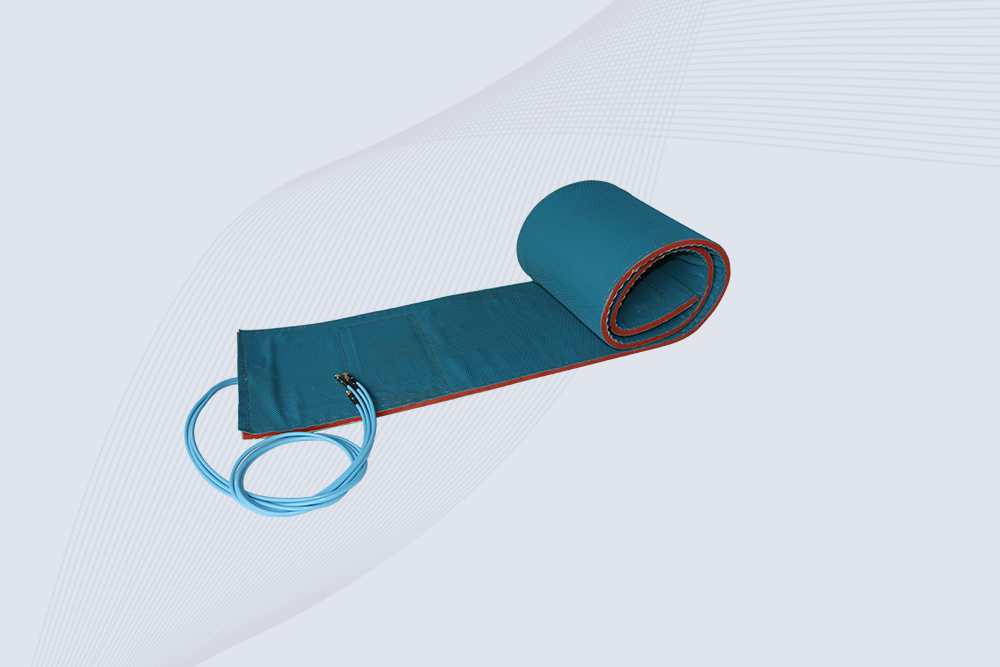
Cykeo CYKEO-A7 Flexible RFID Antenna features 840-960MHz wideband tuning, 7dBi gain, and IP68 rating for medical/retail/industrial curved surface deployments. 98% read accuracy with peel-and-stick installation.
Cykeo CYKEO-B5A industrial Passive RFID Antenna delivers 5dBi gain, 70° beamwidth, and -40°C~55°C operation for warehouses/smart cabinets. Compatible with Zebra/Impinj readers.
Cykeo’s CYKEO-A9B High Gain RFID Antenna delivers 15m+ read range with 9dBi amplification. Features IP54 rugged design, 840-960MHz bandwidth, and 80° beamwidth for warehouse/manufacturing RFID systems.
Cykeo’s enterprise-grade 8dbi Impinj RFID Antenna 10m+ read range with 840-960MHz tuning. Features IP65 housing, 1.4 VSWR, 35° beamwidth for retail/warehouse RFID systems.
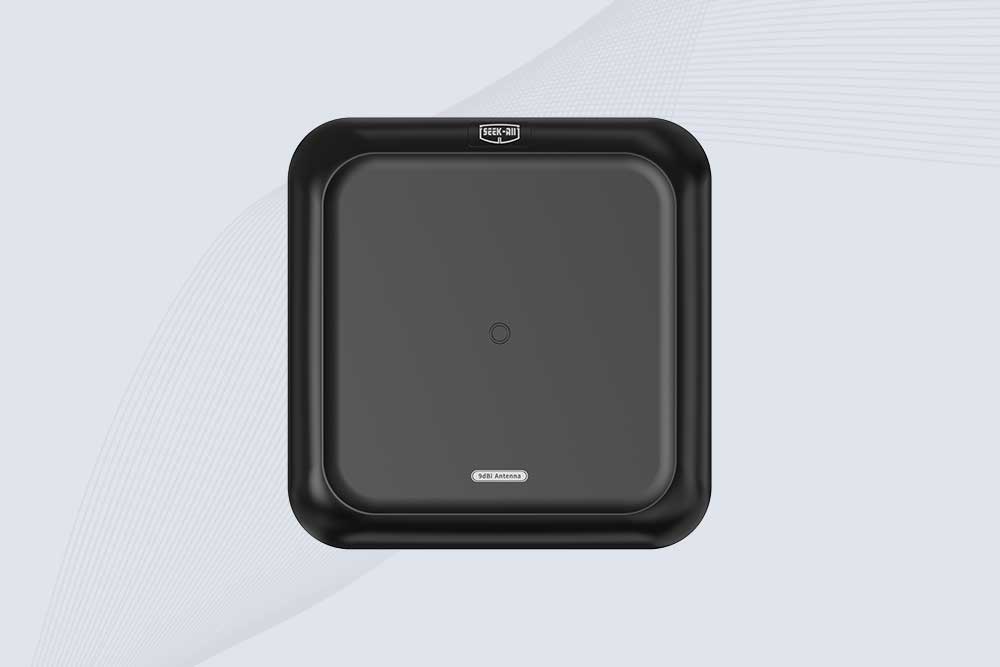
Cykeo CYKEO-A9 industrial UHF RFID antenna delivers 9dBi gain, 840-960MHz frequency range, and IP65 protection for warehouse/logistics/retail RFID systems. Features N-type connector and ≤1.3:1 VSWR.
CYKEO UHF RFID Antenna built for long-distance and industrial applications. This antenna rfid uhf delivers strong gain, outdoor durability, and reliable tag performance in warehouses, yards, and vehicle ID systems.
CYKEO Antenna RFID delivers reliable long-range UHF performance in warehouses, retail shelves, and cold-chain environments. This compact uhf rfid antenna provides stable reads with circular polarization and ultra-wide 840–960 MHz support, ideal for industrial tracking, smart shelves, and asset monitoring.
Cykeo’s CYKEO-C8 UHF RFID antennas delivers 8dBi gain, 840-960MHz full-band coverage, and IP65 ruggedness for manufacturing/warehouse RFID systems. Industrial RFID Antennas Features
Cykeo’s 8dBi UHF RFID antenna and reader kit delivers 10m+ range, 840-960MHz broadband, and IP65 ruggedness for factories, warehouses, and logistics. ISO 18000-6C & EPC Gen2 certified.
Cykeo’s CYKEO-A12C UHF Large RFID Antenna delivers 12dBi gain, 840-960MHz global frequency, IP65 ruggedness for logistics/warehousing/automotive. 40° beamwidth ensures stable 15m+ tag reads.
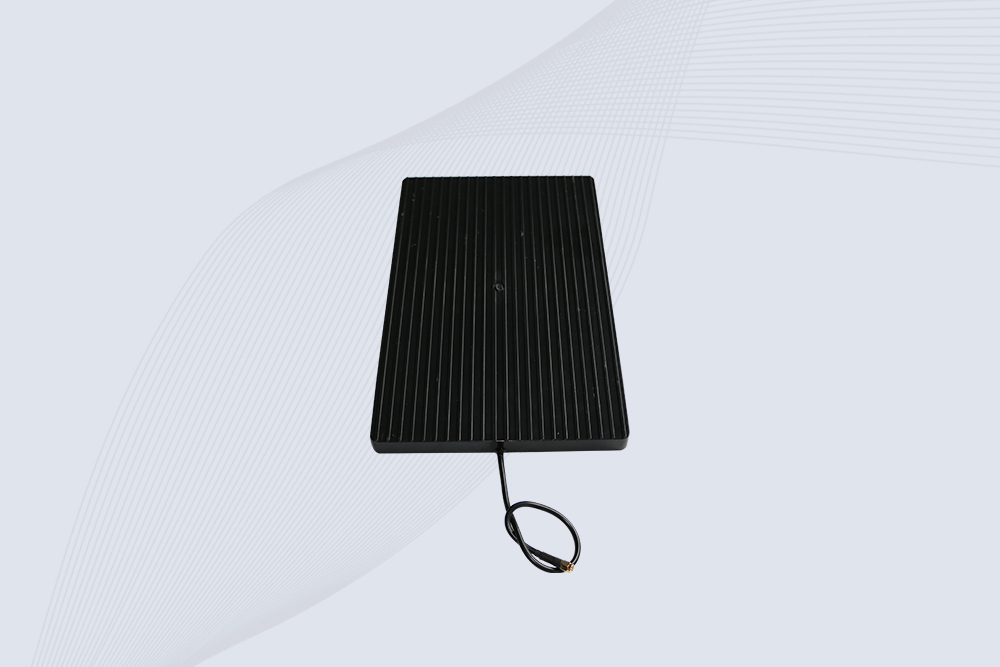
CYKEO Near Field RFID Antenna provides precise 5–30 cm reading for shelves, cabinets, and workstations. This compact rfid shelf antenna delivers stable short-range performance around metal and clutter, ideal for pharmacies, libraries, and electronics sorting.
Cykeo CYKEO-C1 industrial Forklift RFID Reader features 20m read range, 600 tags/sec scanning, Impinj R2000 chipset, and IP67 rugged design. Ideal for warehouse logistics and manufacturing. Supports ISO 18000-6C/6B protocols.
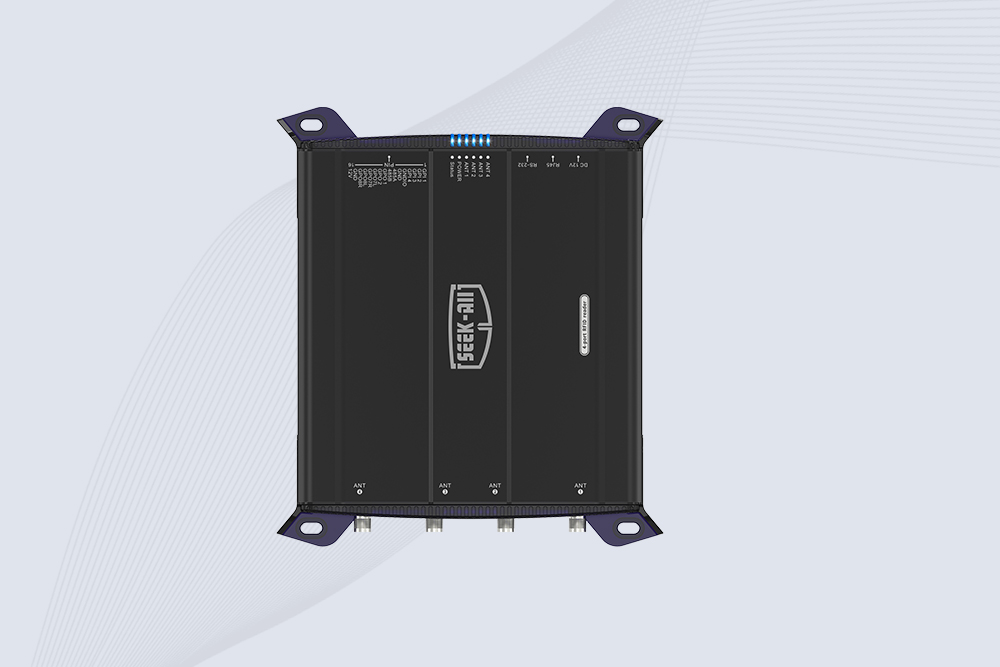
Cykeo CYKEO-R4 industrial UHF RFID Fixed Reader features 4 TNC ports, 400+ tags/sec speed, IP67 housing, and global frequency compliance for vehicle inspection, smart warehouse, and asset management systems.
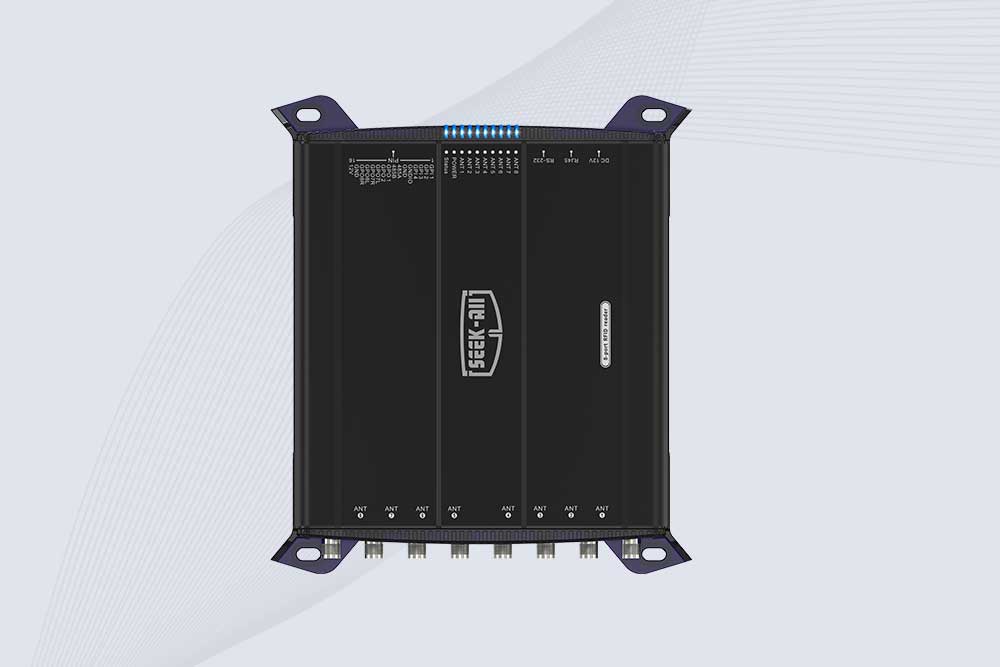
CYKEO CYKEO-R8L Fixed RFID Reader with 8-port UHF design, Impinj-based RF core and up to 20m read range. An industrial Fixed RFID Reader for vehicle inspection, warehouse portals, smart manufacturing lines and secure access checkpoints.
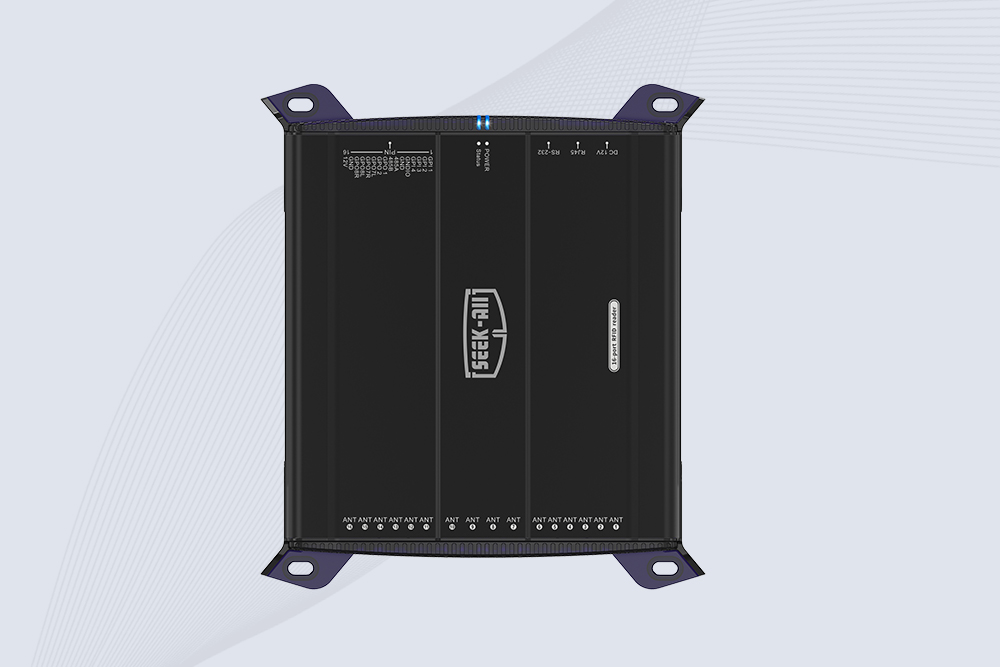
RFID Fixed Reader from CYKEO – the CYKEO-R16L 16-port UHF fixed reader for warehouses, smart cabinets, and production lines. Long-range, multi-tag reading, stable performance for 24/7 industrial use.
Find cost-effective long-range RFID readers for logistics operations. Learn how Cykeo’s solutions balance performance and budget for warehouses, ports, and fleets.
RFID multiple tag reading tested: Discover real-world speeds, interference solutions, and how Cykeo users scan pallets in seconds. No hype - just warehouse results.
Discover the best fixed RFID readers for library book tracking. Learn how Cykeo’s systems improve inventory accuracy, reduce labor, and enhance patron experience.
how the CK-T2 Industrial RFID Floor Gate streamlines automated warehouse management. With 0–3 m vertical read range, 500+ tags/sec processing, MQTT integration, and API support, it empowers solution providers and developers to optimize inventory, ...
 Cykeo RFID IoT Solution Products R&D Manufacturer