 Cykeo RFID IoT Solution Products R&D Manufacturer
How to RFID Reader: It’s a System, Not a Gadget
245Get started the right way. Our ultimate guide on how to RFID reader walks you through hardware selection, physical setup, software configuration, and turning scans into actionable data.
MoreAll RFID Product
RFID employee tracking uses RFID badges or tags to monitor staff location and movement in real time, improving safety, efficiency, and operational visibility.
That’s the direct answer. On-site, it feels less like “tracking people” and more like removing uncertainty—who’s on the floor, who entered a zone, who didn’t come back out.
The system doesn’t interrupt. It observes.
Author: Cykeo Industrial RFID Deployment Team
In a manufacturing plant deployment (~300 employees per shift):
The real shift? Supervisors stopped guessing who was where.
RFID employee tracking is a system that uses RFID-enabled ID badges or wearable tags to automatically detect employee presence and movement within a facility.
Core components:
According to OSHA , workplace safety systems that improve visibility and accountability can significantly reduce incident response times—RFID contributes directly to this capability.
Employees carry RFID badges.
As they move:
In one facility, workers didn’t interact with the system at all. No swiping. No scanning.
Yet the system always knew.
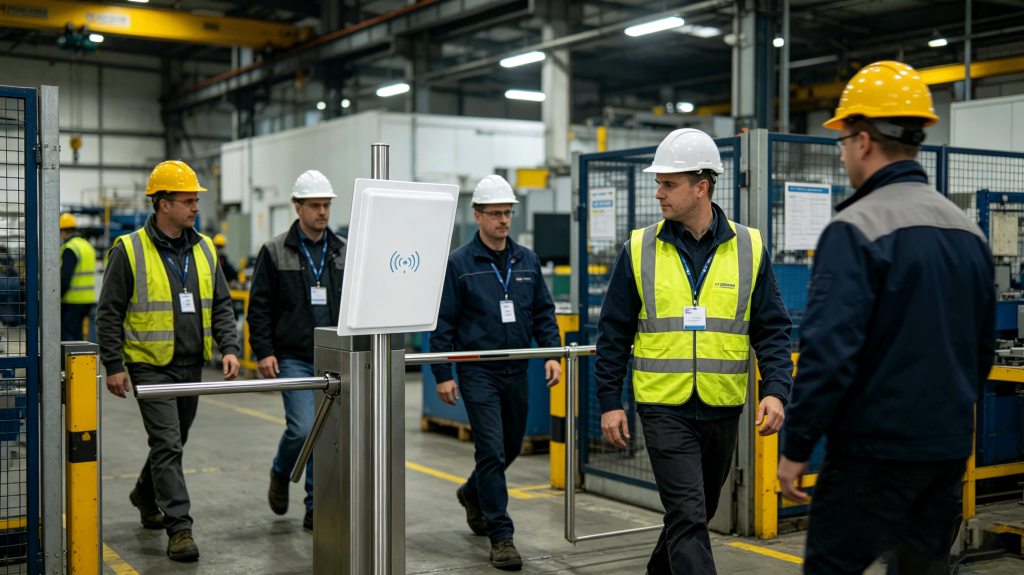
improved worker location awareness can significantly enhance emergency response effectiveness in industrial environments.
| Feature | RFID Tracking | Manual / Badge Swipe |
|---|---|---|
| Automation | Fully automatic | Manual interaction required |
| Real-time visibility | Yes | Limited |
| Accuracy | High | Prone to human error |
| Coverage | Continuous | Point-based |
| Efficiency | High | Moderate |
RFID employee tracking works best when it’s invisible—but setup matters.
From field experience:
In one plant, adjusting reader angles reduced duplicate reads by over 30%.
Small calibration. Noticeable clarity.
Yes, when implemented transparently and in compliance with local data privacy laws
It tracks presence within defined zones, not precise GPS-level location.
Yes. It enables faster emergency response and better visibility of personnel.
RFID employee tracking doesn’t just monitor movement—it reduces uncertainty.
When visibility becomes real time, decisions become immediate. Safety improves quietly, without adding friction to daily work.
And over time, the system fades into the background—while awareness stays.
Guide Recommendations
Fixed RFID Reader: Why It’s Becoming Must-Have
Fixed RFID Readers: What I Didn’t Expect and What I Learned
RFID Handheld Reader vs. Fixed Reader: Which Is Better for Retail?
Different Types of RFID Readers: A Simple Introduction
Best Budget USB RFID Readers Under $100 for Small Business Inventory Systems
RFID Module vs. RFID Reader: What’s the Difference?
Fixed RFID Reader Buying Guide: 5 Core Parameters You Must Know
What is an RFID Reader Used For?
How RFID Reader Works: The Simple Explanation
How to Choose the Best Long-Range RFID Reader for Warehouse Management
RFID Readers for Boom Barriers ,Where Efficiency Meets Access Control
Why Your Warehouse Needs Smarter RFID Readers in 2025
Understanding RFID Readers,Essential Devices for Efficient Tracking
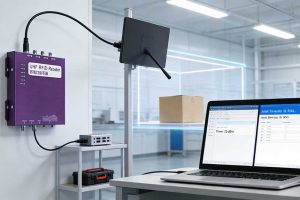
Get started the right way. Our ultimate guide on how to RFID reader walks you through hardware selection, physical setup, software configuration, and turning scans into actionable data.
More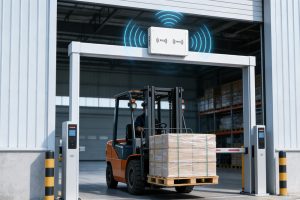
RFID door reader solutions for warehouses and factories. Supports UHF RFID gate readers, ceiling tunnel readers, and seamless WMS integration.
More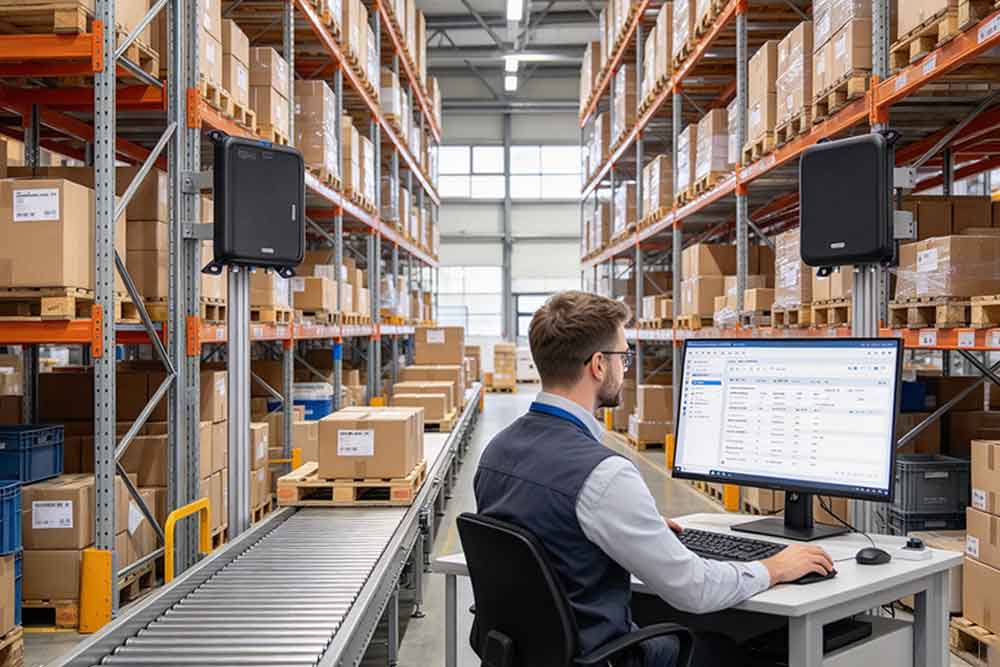
An RFID device is hardware that uses radio-frequency communication to identify, read, and sometimes write RFID tags. In UHF RFID, it supports fast item ident...
More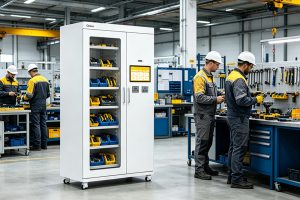
Learn how to track tools and equipment using RFID technology. Improve visibility, automate tool management, reduce losses, and achieve real-time inventory control with Cykeo RFID solutions.
More