If you’ve done a few RFID projects, you already know this:
The hardware is rarely the problem.
At the beginning, most people ask:
Two weeks later, the questions change to:
That’s not a reader issue. That’s integration.
First thing — don’t start with the reader
Before choosing anything, figure out one thing:
What role is the reader playing in your system?
Because that changes everything.
In a warehouse → it’s just a data collection node feeding WMS
On a production line → it may need to sync with MES timing
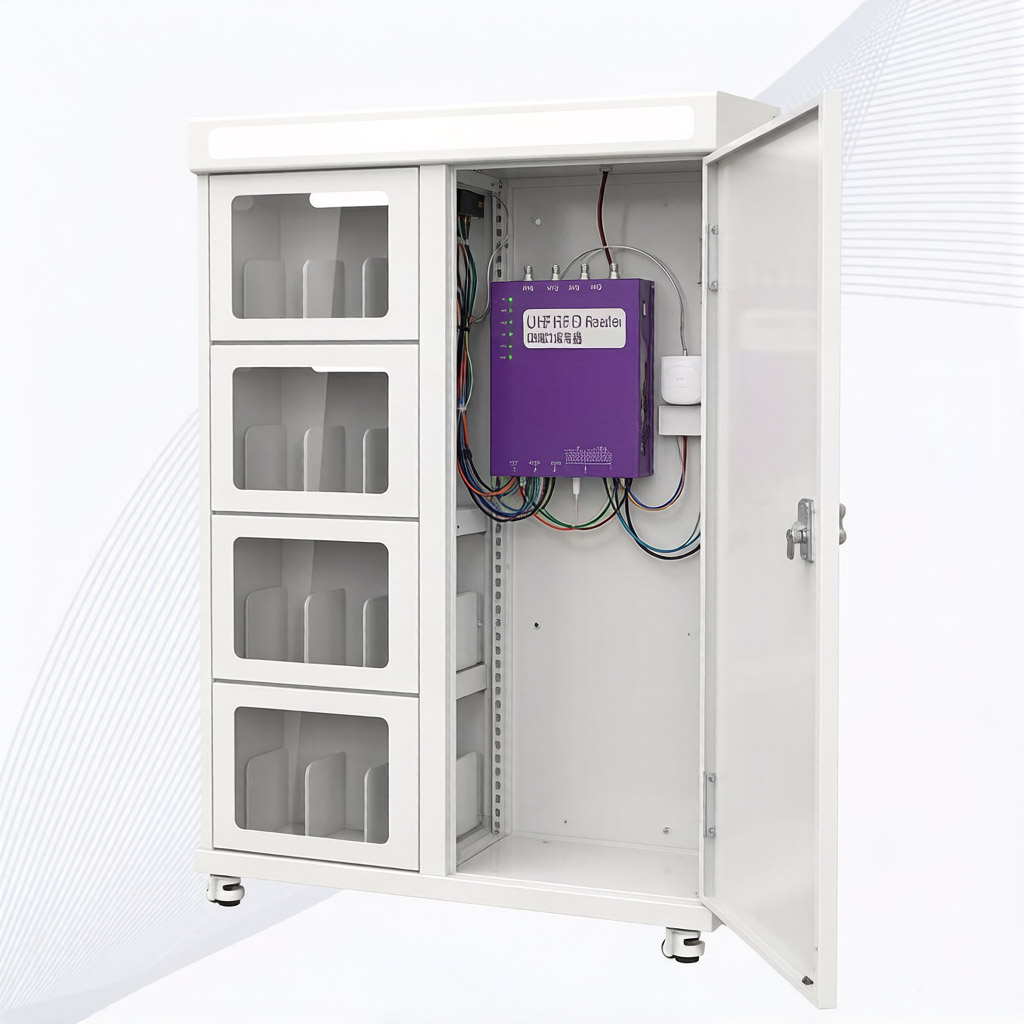
In a smart cabinet → it becomes part of the machine itself
If this isn’t clear early on, you’ll almost always end up reworking later.
Communication: “supported” doesn’t mean “usable”
Most readers will list:
TCP/IP
RS232 / RS485
GPIO
Looks standard. But in practice, there’s a big difference between:
“supports it” vs “easy to actually use”
From experience:
TCP/IP is the safest choice (stable, scalable, easier to debug)
RS232 is fine for embedded setups, but slower to work withGPIO is mainly for triggers (sensors, buttons, alarms)
A lot of low-cost readers technically support these —
API / SDK — this is where you save time (or lose it)
This part gets underestimated all the time.
With a decent SDK, you can:
Start reading tag data immediately
Control read cycles
Filter duplicates
Integrate with your system quickly
Without it?
You’ll be digging through protocol docs and debugging for days.
We had one project where the reader only provided a protocol manual —
In real projects, readers are almost never standalone
You don’t just place a reader on a table and walk away.
It usually ends up inside something:
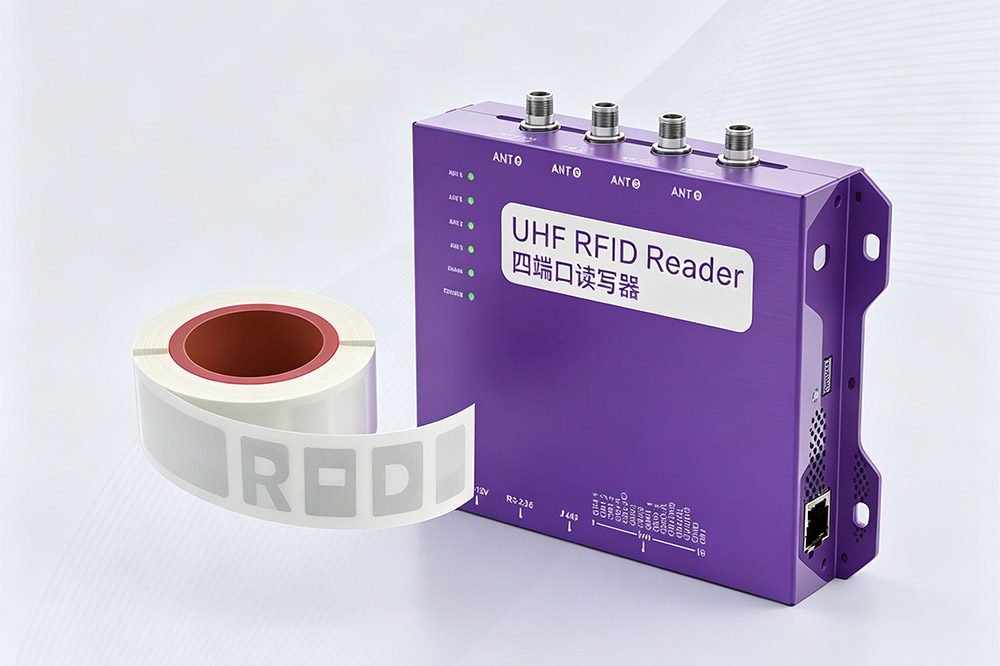
Something like this:fixed UHF RFID reader
This kind of fixed UHF RFID reader is clearly built for integration.
You can:
Mount it inside equipment
Connect multiple antennas
Control everything from your own system
More importantly:
It can be integrated into almost any RFID-based setup — gates, cabinets, production lines, or custom IoT devices.
That flexibility is what actually matters in real projects.
Antenna setup matters more than the reader itself
This is one of those things people only realize after testing.
Same reader:
Good antenna layout → stable reads
Bad layout → missed tags, false reads, chaos
Common issues:
Wrong antenna angle
Poor spacing
Metal interference not handled
Especially in warehouses or tool tracking, metal will mess things up fast.
Don’t rely on specs — test in the real environment.
Data handling — where systems quietly break
Here’s a classic mistake:
Reader keeps scanning → sends everything → system gets flooded
Now you have:
Duplicate reads
Too much data
Delays in processing
You need to decide:
Do you filter at reader level?
Or handle it in your software?
In most cases:
Basic filtering at reader
Logic handled in backend
That balance works best.
A real example: smart tool cabinet
We worked on a tool tracking cabinet project.
Setup was simple:
Each tool had an RFID tag
Reader installed inside the cabinet
Multiple antennas covering shelves
Goal:
Track who takes what
Know what’s missing
Real-time inventory
At first, issues showed up:
Some tools weren’t detected
Occasional false reads
Data inconsistency
Fixes were actually straightforward:
Adjust antenna positions
Tune power levels
Add basic filtering
No hardware change — system became stable.
Why “cheap readers” often cost more later
It’s not about the price tag.
It’s about what happens after you buy it.
If the reader has:
No SDK
Weak documentation
Limited support
You’ll pay in:
Development time
Debugging effort
Project delays
In many projects, integration cost is higher than hardware cost.
The one question that actually matters
When choosing a UHF RFID reader, don’t just ask:
How far can it read?
How many ports does it have?
Ask this:
How easily can I integrate this into my system?
If the answer is “smoothly,”
If you’re working on a project
Instead of guessing, just start with the basics:
What’s the application? (warehouse, production, cabinet, etc.)
Rough layout or dimensions
Tag type
Existing system (if any)
From there, you can quickly figure out:
Reader configuration
Antenna layout
Integration approach
That usually saves way more time than testing blindly.
 Cykeo RFID IoT Solution Products R&D Manufacturer