Why Port Selection Matters More Than You Think
When selecting a UHF RFID tag reader, most buyers focus on:
But in real deployments, one factor often determines whether your system works properly:
Number of antenna ports
Choose too few — you’ll have blind spots.
For system integrators, port selection is not just a hardware choice —system architecture decision .
What Does “Port” Actually Mean?
Each port connects to one RFID antenna .
So:
Each antenna covers a specific read zone.
More ports = more coverage, but also more complexity.
4-Port RFID Reader: Best for Compact Systems
Typical Applications
Advantages
✔ Lower cost
Limitations
❌ Limited coverage
In controlled environments (like cabinets), 4 ports are often enough.
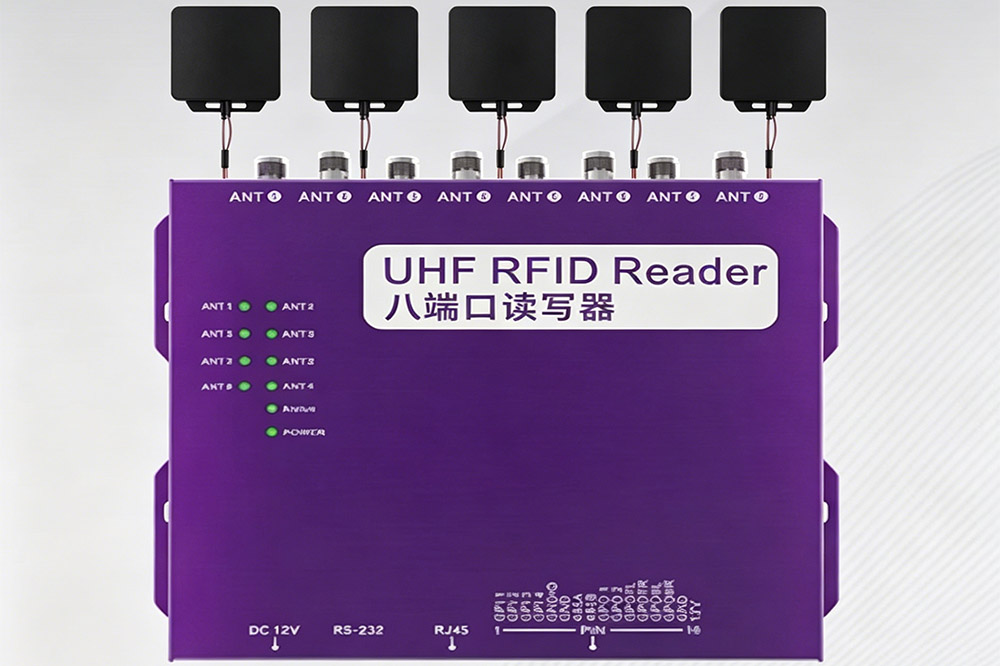
8-Port RFID Reader: The Most Balanced Choice
Typical Applications
Warehouse shelves
Multi-zone tracking
RFID tunnels
Medium-scale deployments
Advantages
✔ Good balance between cost and coverage
Limitations
❌ Slightly more complex configuration
For most B2B projects, this is the “safe choice.”
16-Port RFID Reader: Built for Large-Scale Systems
Typical Applications
Large warehouses
Logistics hubs
Production lines
High-density tracking environments
Advantages
✔ Maximum coverage
Limitations
❌ Higher upfront cost
Ideal when you want to centralize your system architecture.
Real-World Example: Warehouse Deployment
Let’s break it down simply.
Scenario:
10m × 30m warehouse area
Multiple shelves
Pallet tracking
Option A: 4-Port Readers
Need multiple readers
More network connections
Higher installation complexity
Option B: 8-Port Reader
Balanced coverage
Moderate wiring
Easier to manage
Option C: 16-Port Reader
Fewer devices
Centralized control
Cleaner system design
In many cases, a single high-port reader reduces total system cost.
Antenna Layout Matters More Than Port Count
Even with 16 ports, poor antenna placement can ruin performance.
Key considerations:
Antenna angle
Distance between antennas
Interference (especially metal)
Tag orientation
A well-designed 4-port system can outperform a poorly designed 16-port setup.
Scalability: Think Beyond Your Current Project
Many buyers choose based on current needs only.
But RFID systems often expand.
Ask yourself:
Will the system grow?
Will you add more zones later?
Will requirements change?
Choosing an expandable reader saves future replacement cost.
Recommended Approach
Instead of asking:
Ask:
Then map:
1 zone = 1 antenna = 1 port
A Flexible Option for Different Projects
If you’re handling multiple projects or planning long-term deployment, using a flexible reader makes more sense.
For example:fixed rfid reader
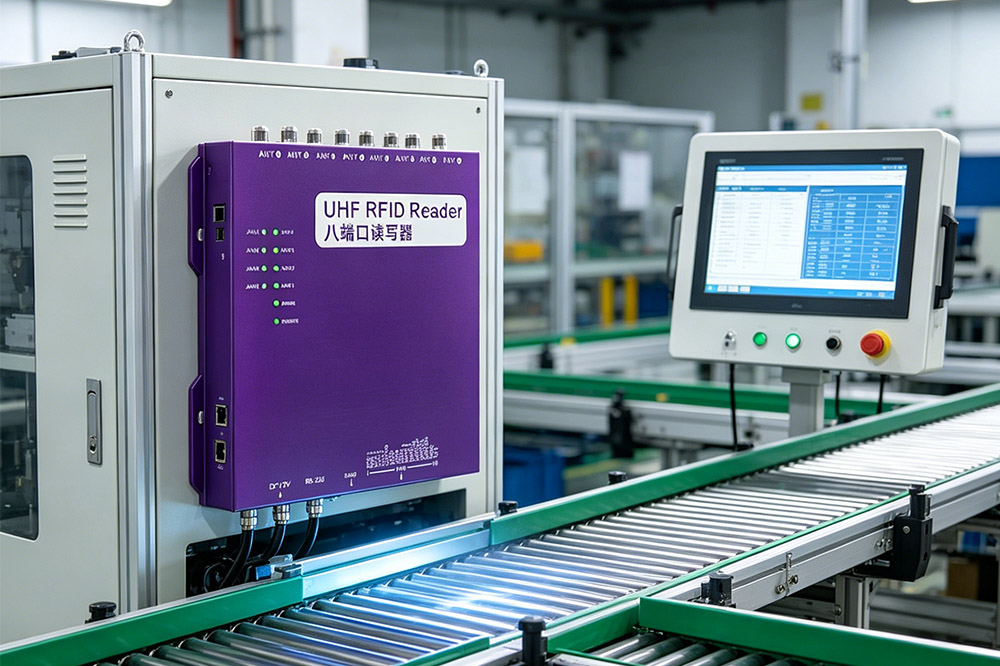
This type of fixed UHF RFID reader supports:
4 / 8 / 16 port configurations
Flexible antenna expansion
Industrial-grade performance
API / SDK integration
Most importantly:
It can be integrated into any RFID system , including:
RFID gate systems Smart cabinets
Warehouse tracking systems
Production lines
Custom automation equipment
This makes it especially suitable for system integrators and OEM projects.
Common Mistakes When Choosing Port Numbers
Avoid these:
❌ Choosing minimum ports to save cost
These mistakes often lead to system redesign — which is far more expensive.
Final Thoughts: There’s No “Best,” Only “Fit”
4-port → compact, controlled environments
8-port → most balanced choice
16-port → large, complex systems
The right choice depends on your layout, not just your budget.
Need Help Designing Your RFID Layout?
Instead of guessing, you can get a proper configuration plan.
Just provide:
Application scenario
Area size or layout
Tag type
Read requirements
And you can get:
✔ Recommended port configuration
This is usually the fastest way to avoid costly mistakes.
 Cykeo RFID IoT Solution Products R&D Manufacturer