 Cykeo RFID IoT Solution Products R&D Manufacturer

RFID Tool Cabinet for Standard Operating Procedure (SOP) Management
52RFID tool cabinet can support standard operating procedures for tool checkout, return, inspection, and exception handling by linking physical tool interactio...
MoreAll RFID Product
Tired of manual sign-in sheets or unreliable biometric scanners? An RFID-based attendance system offers a seamless, secure alternative—no more buddy punching or lost records. Whether you’re tracking students, employees, or event attendees, here’s how to build one from scratch.
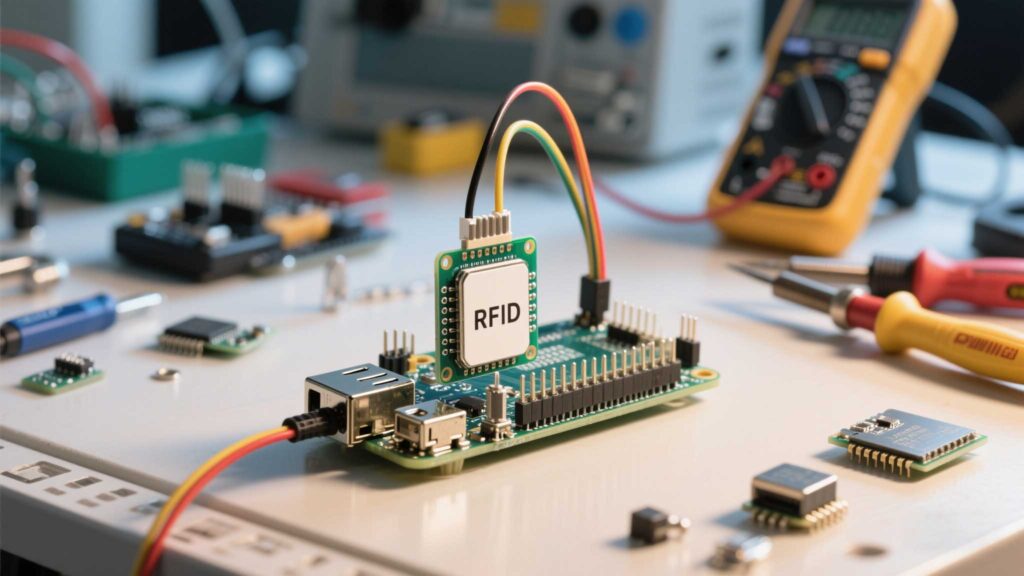
Most RFID modules connect via SPI or UART. For Raspberry Pi:
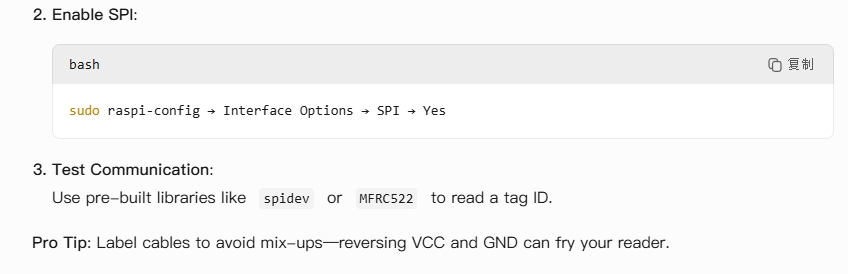
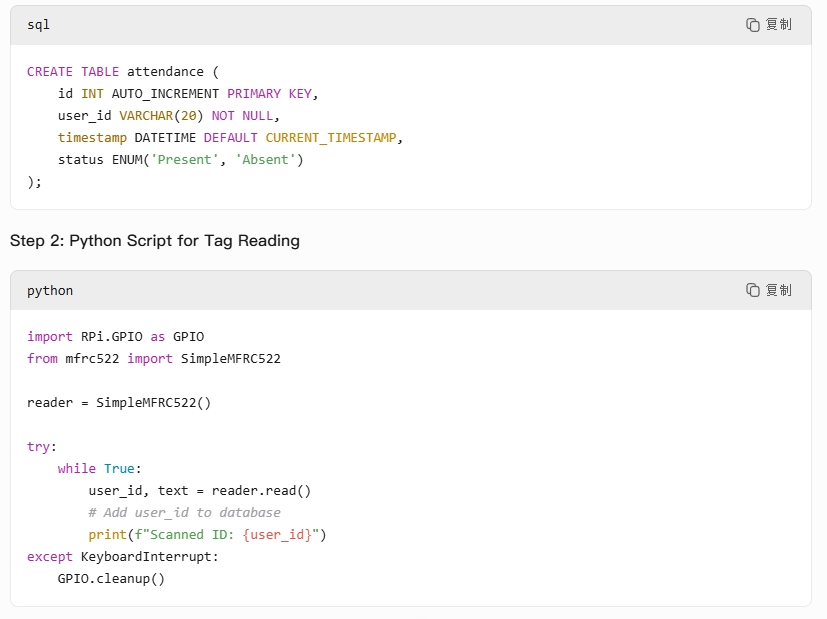
Step 1: Database Setup
Create a table to store:
Step 3: Web Interface (Optional)
Use Flask or Node.js to display attendance data on a dashboard. Include filters for dates/users and export-to-CSV functionality.
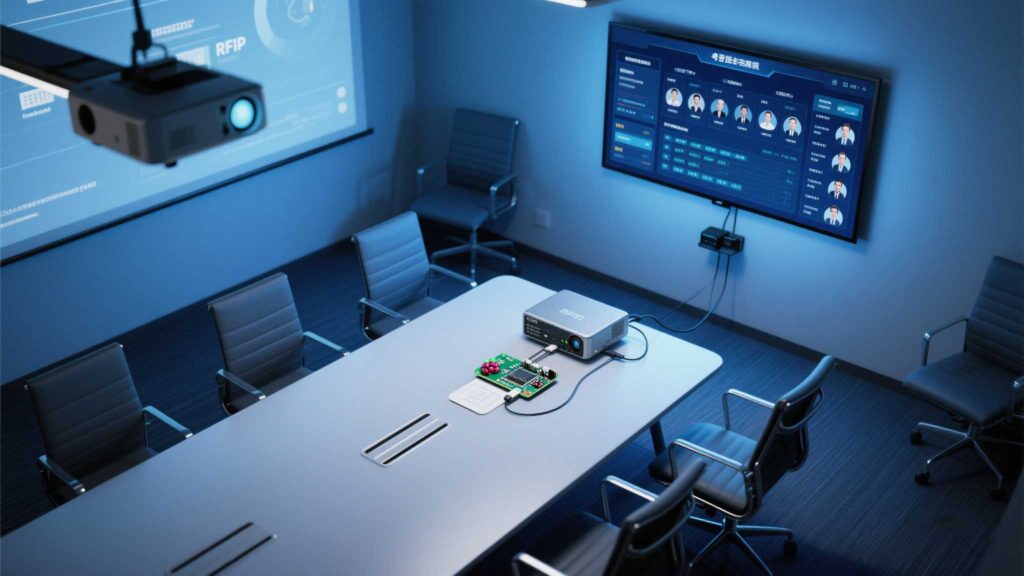
Case Study: A school using Cykeo’s readers reduced unauthorized entry attempts by 85% with encrypted tags.
Takeaway: Building an RFID attendance system is simpler than it looks. With a ~$100 budget and basic coding skills, you can replace clunky manual processes with automated, fraud-proof tracking. Brands like Cykeo offer plug-and-play modules, but the real magic happens when you tailor the software to your needs—whether it’s syncing with payroll systems or sending absentee alerts. Start small, iterate, and watch efficiency soar.

RFID tool cabinet can support standard operating procedures for tool checkout, return, inspection, and exception handling by linking physical tool interactio...
More
Explore how RFID ceiling readers work in real warehouses, from ceiling installation to staff adaptation, revealing efficiency gains and human-centered management.
More
explore in depth the working principles, application scenarios, and advantages of RFID scanners.
More
A long range RFID scanner can help railways automatically identify rail cars, containers, maintenance equipment, and other assets at yards, depots, and check...
More