 Cykeo RFID IoT Solution Products R&D Manufacturer

RFID Tool Cabinet Access Control: User Authentication and Tool Permissions
144RFID access control is more than adding a lock to a smart cabinet. A well-designed system connects the user, tool, location, permission, and transaction into...
MoreAll RFID Product
Tool inventory sounds easy until the number of tools starts growing.
A small workshop may manage a few dozen tools without much trouble. But in a large factory, maintenance center, aviation facility, or service department, hundreds or thousands of tools can move between storage areas and employees every day.
At that point, counting everything manually becomes a time-consuming job.
Employees may need to check each tool, record its number, compare it with a spreadsheet, and investigate anything that appears to be missing. Even after all that work, the inventory record can become outdated as soon as another tool leaves the storage area.
RFID tool inventory management offers a different approach.
By attaching RFID tags to tools and using UHF RFID readers to identify multiple items automatically, companies can make routine inventory checks faster and create a more consistent digital record.
RFID tool inventory management is the use of RFID technology to identify, count, and manage tools within a defined storage or working environment.
A typical system includes:
Each tool is assigned a unique RFID identity.
When the tool passes through an RFID reading zone, the reader detects the tag and sends the information to the software. The system can then compare the detected tools with the expected inventory.
This makes it possible to identify which tools are present, which are missing, and which may be in the wrong location.
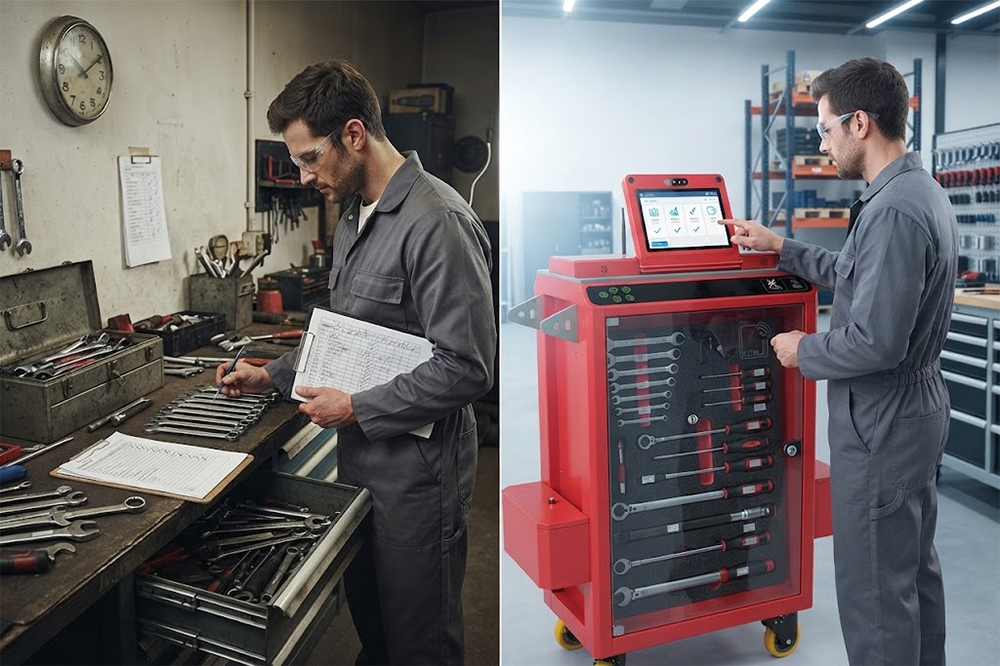
Manual inventory works reasonably well when the tool collection is small and stable.
The problems usually appear when tools are shared between multiple teams.
A technician takes a torque wrench from storage. Another employee borrows a socket set. A third person moves several tools to another workshop.
If every movement is not recorded correctly, the inventory list gradually loses accuracy.
There are also practical problems.
Some tools may be stored behind other equipment. Some may be returned to the wrong drawer. Others may be left on workbenches or inside maintenance vehicles.
A physical inventory count can take hours, particularly when every item has to be checked individually.
RFID does not eliminate the need for inventory control, but it can reduce the amount of manual identification required.
The process is relatively straightforward.
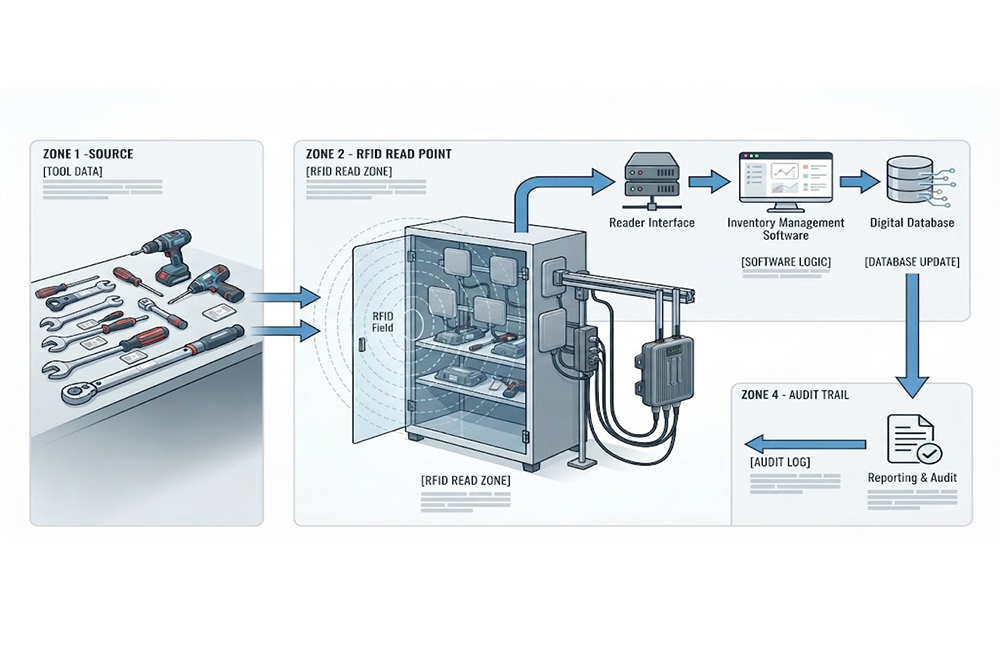
Each tool receives an RFID tag with a unique identification number.
The tag becomes the digital identity of the physical tool.
For metal tools, companies generally need to consider tags designed for metal surfaces. The tag should also be mounted in a position that provides reliable performance.
An RFID reader creates a reading zone using one or more antennas.
Depending on the application, the reader may be installed inside an RFID tool cabinet, at a storage entrance, on a mobile cart, or in another controlled location.
The reading zone should be designed carefully.
The objective is to detect the tools that should be detected without creating excessive reads from nearby areas.
After the RFID reader identifies the tags, the software compares the detected tools against the expected inventory.
For example:
Expected inventory: 100 tools
Detected inventory: 98 tools
The system can flag two tools for investigation.
The missing tools may have been checked out, moved to another location, or simply returned incorrectly.
This is much easier to investigate when the system already has a record of previous tool activity.
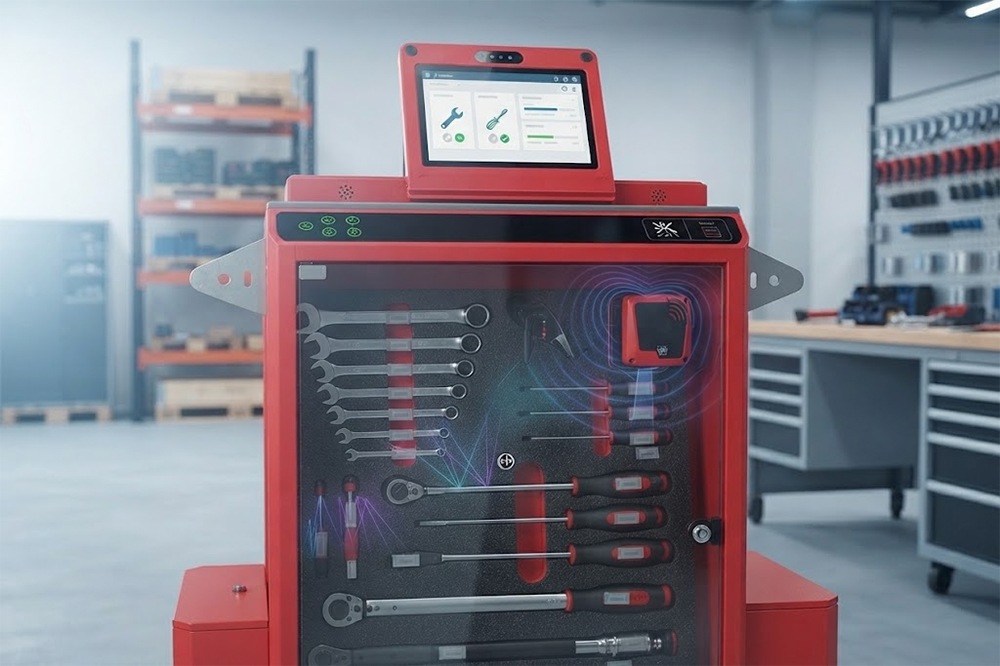
One of the main advantages of UHF RFID is that it can identify multiple tags within a suitable reading area.
With a traditional barcode process, an employee normally needs to position each item so the barcode scanner can read it.
RFID works differently.
A reader can detect several tagged tools without requiring the user to scan each tag individually.
This can be especially useful for tool cabinets and storage areas containing many items.
However, “automatic” does not mean “works perfectly in every environment.”
Tool material, tag orientation, cabinet construction, antenna position, RF interference, and tag density can all affect performance.
Testing real tools before deployment is therefore important.
These two concepts are closely related, but they solve slightly different problems.
RFID tool inventory management focuses on what tools are available and whether the physical inventory matches the system records.
RFID tool tracking focuses more on where tools move, who uses them, and what happens during their lifecycle.
For example:
Inventory management may tell you:
250 tools should be inside the tool room.
Tracking can help answer:
Where did the missing tool go?
The two functions work better together.
When inventory data and movement history are connected, managers can investigate discrepancies more quickly.
For a broader explanation of this relationship, see our guide to RFID tool tracking.
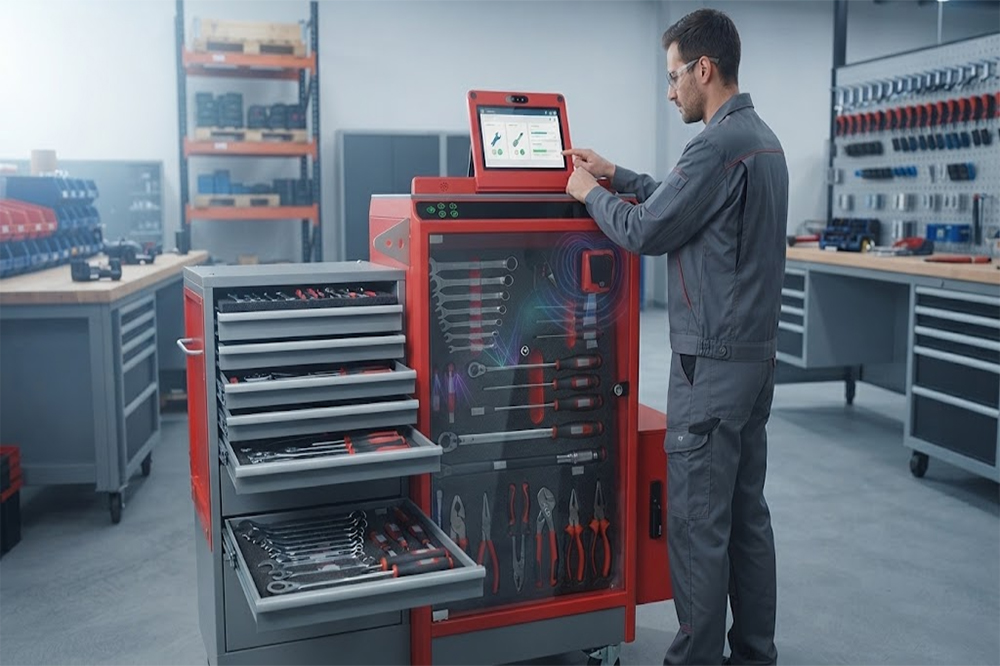
An RFID tool cabinet provides a controlled storage environment for tagged tools.
Instead of manually opening drawers and counting tools, the cabinet can use RFID technology to identify the tools inside.
The software can then display inventory information and highlight exceptions.
This can help answer simple but important questions:
For organizations with centralized tool storage, this approach can combine inventory management with access control and tool checkout.
Missing tools are one of the reasons companies consider RFID inventory systems in the first place.
A missing tool doesn’t necessarily mean it has disappeared permanently.
It could be:
RFID gives managers more information to work with.
If the system records tool movement and user activity, staff can check the last known status before starting a physical search.
This can save time, particularly when the missing item is expensive or urgently needed.
RFID can improve inventory accuracy by reducing manual data entry.
A spreadsheet depends on someone updating it correctly.
An RFID system can automatically capture identification data when tools pass through a reading zone.
That reduces some common sources of human error, such as:
Still, RFID should not be viewed as a magic solution.
Good inventory accuracy depends on the complete system, including reliable tags, appropriate hardware, correct installation, and properly configured software.
There is no universal answer.
Some companies may perform an automated inventory check whenever tools enter or leave a cabinet.
Others may use scheduled checks several times a day.
For high-value tools, more frequent verification may make sense.
For less critical equipment, daily or weekly inventory checks may be enough.
The important point is that RFID makes frequent checking more practical because the system can automate much of the identification process.
Before buying equipment, consider how your tools are actually used.
Start with the inventory itself.
How many tools need to be managed?
Are most tools made of metal?
Are tools stored in cabinets, drawers, carts, or open shelves?
How often do tools move?
Do several employees share the same equipment?
The answers will influence the choice of RFID tags, readers, antennas, cabinets, and software.
It is also worth considering future expansion.
A system designed for 200 tools may need to support 1,000 tools later.
Software integration matters as well. If the company already uses an ERP, maintenance management system, or warehouse platform, RFID inventory data may need to connect with those systems.
RFID tool inventory management can make routine tool counting faster and easier, especially when organizations manage large numbers of shared or frequently moved tools.
The technology works best when RFID tags, readers, antennas, storage equipment, and software are designed as one system.
The real benefit is not simply counting tools faster.
It is having a clearer picture of what tools are available, what is missing, where discrepancies occur, and what action needs to be taken.
For companies that already use RFID tool tracking, adding inventory management is a natural next step toward a more complete RFID tool management system.
RFID tool inventory management combines several technologies, including RFID tags, readers, antennas, cabinets, and software, all of which are part of the broader RFID Tools & Devices ecosystem.
Inventory is only one part of the process. For a broader look at managing tools with RFID, see our guide to RFID tool management.
When an inventory discrepancy appears, RFID tool tracking can help managers understand where the tool moved and who last used it.
RFID tool inventory management uses RFID tags, readers, antennas, and software to automatically identify tools and compare physical inventory with digital records.
Yes. UHF RFID can identify multiple tagged tools within a suitable reading zone, reducing the need to scan every tool individually.
Yes. Suitable on-metal RFID tags can be used for metal tools. Tag design, mounting position, antenna layout, and reader configuration should be tested for reliable performance.
RFID can show whether a tool was detected, checked out, returned, or moved through a particular reading point. This information can help staff investigate missing equipment more quickly.
Yes. Depending on the system design, RFID inventory data can be connected with ERP, warehouse, maintenance, or other business management software through APIs or supported interfaces.
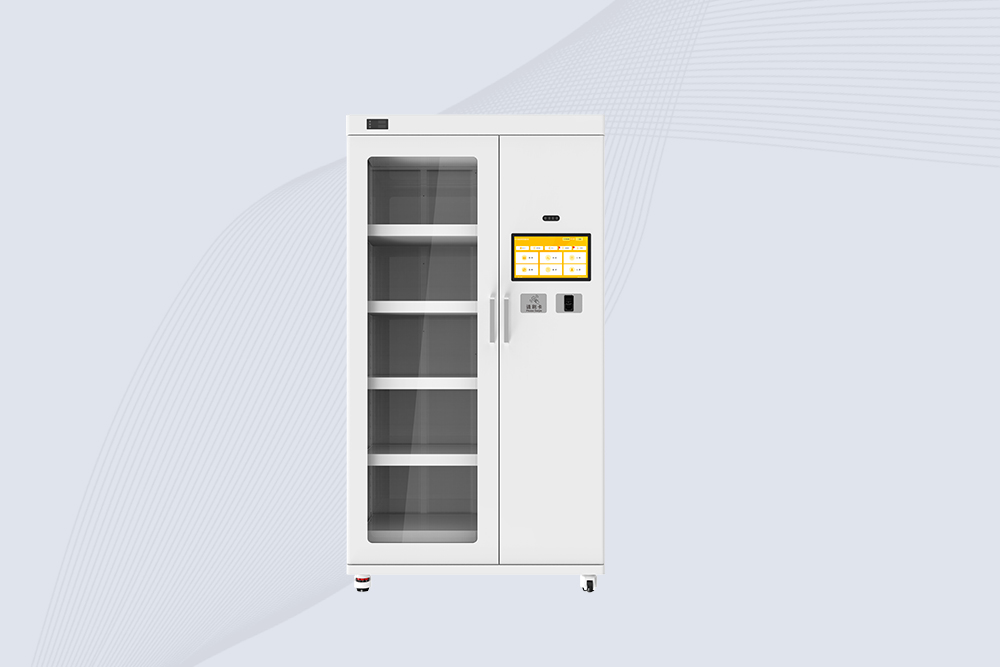
Cykeo’s RFID Smart Tool Cabinet enables 10-second tool audits, user access control & real-time alerts for construction/oil/gas. Features 21.5″ touchscreen, IP54 steel body & -30°C~60°C operation. Supports SAP/Oracle integration.
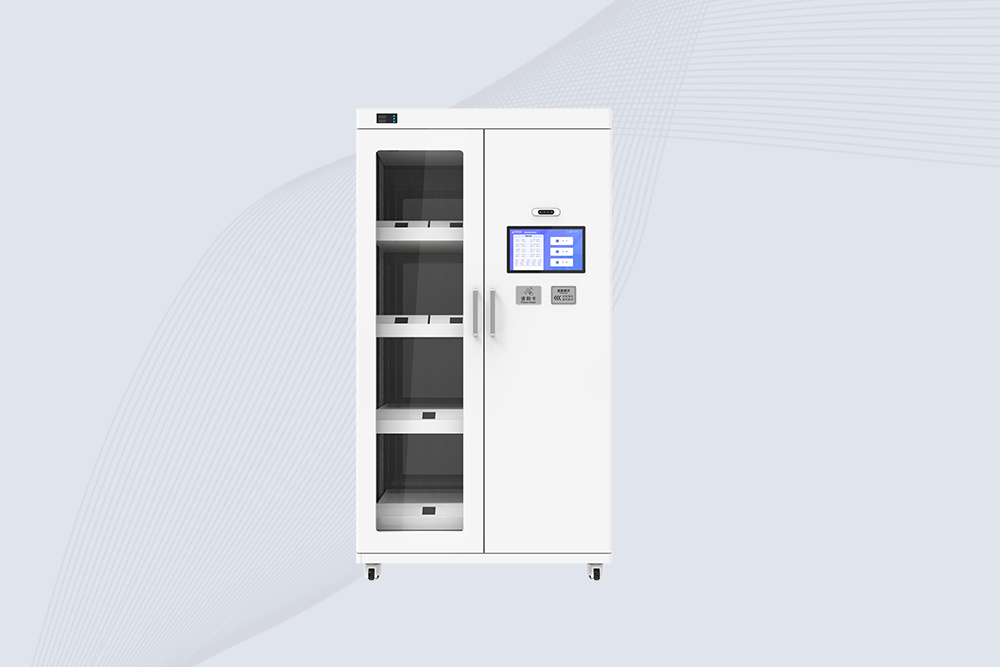
Cykeo’s Intelligent Weighing Tool Cabinet combines weight sensors & RFID for 100% tool accountability. Features solar/4G options, IP54 steel-glass body & nuclear/rail compliance. Supports SAP/Oracle integration.
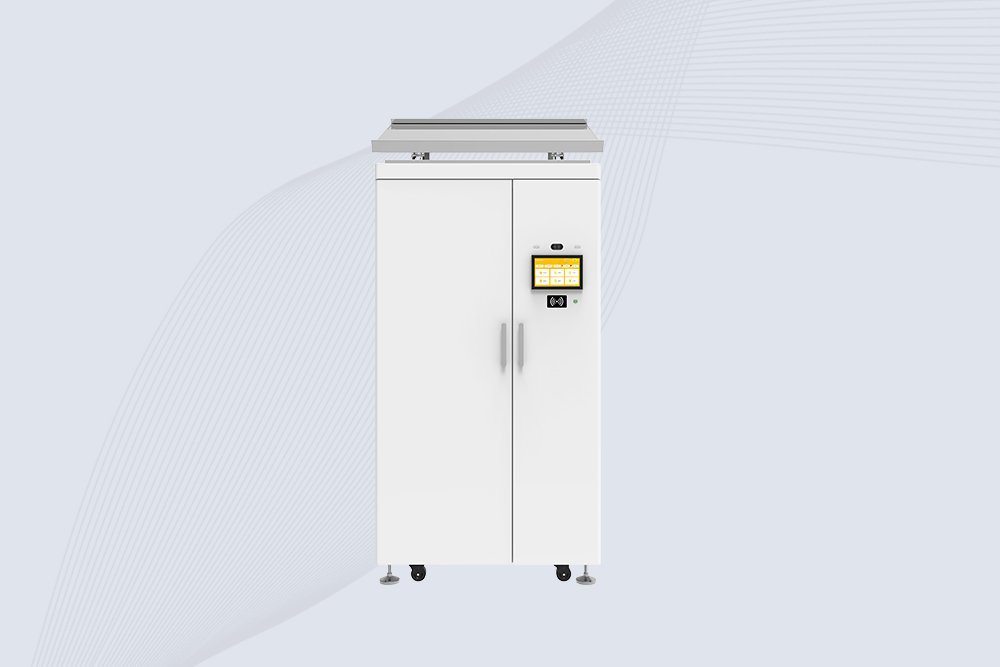
Cykeo’s solar-powered RFID Inventory Tool Cabinet enables 5-second audits for remote sites. Features 160W solar, Android 7.1, 4G & extreme temp operation for oil/energy/mining sectors.
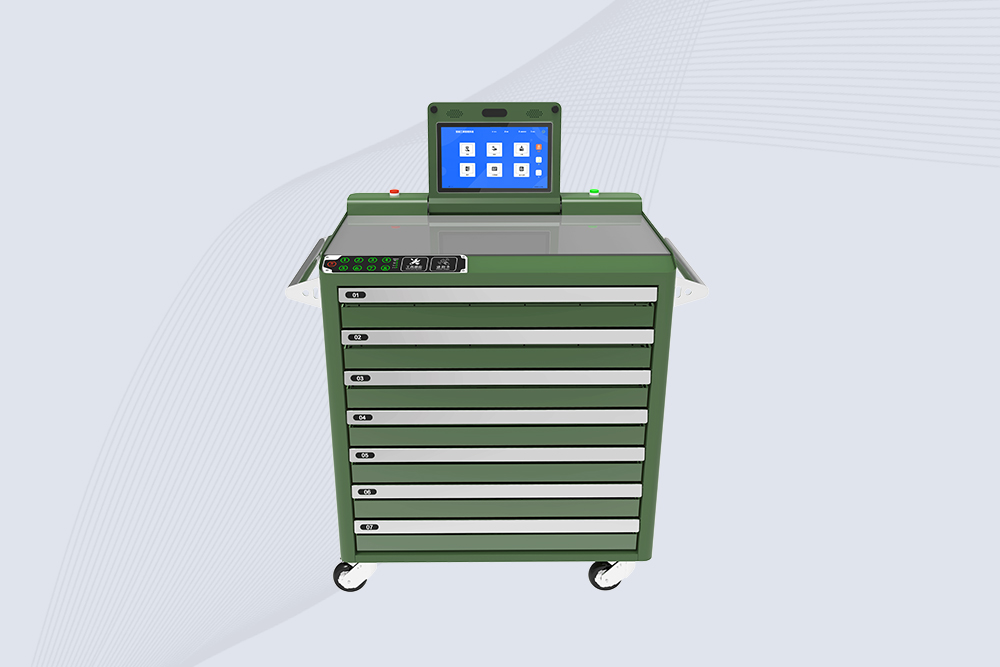
Cykeo’s industrial RFID Tool Cart features 14″ touchscreen, 400+ tool scanning, and carbon steel construction for aviation MRO, power plants and construction sites. 5-second inventory scans.
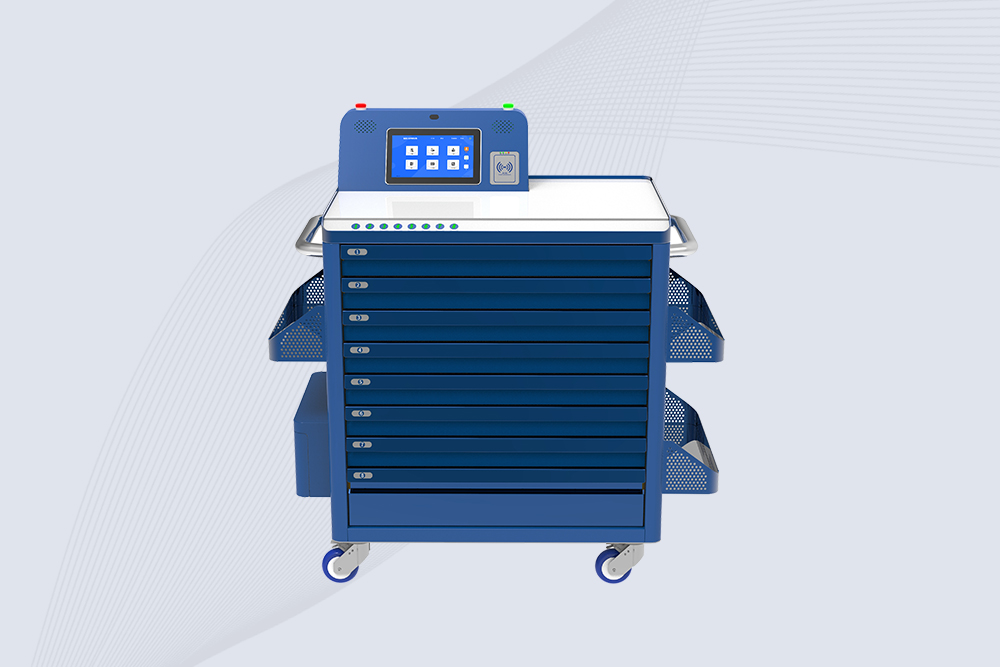
Cykeo CYKEO-TC RFID multi-drawer tool cart manages 300+ tools via UHF RFID, features fingerprint/face recognition, Android/Windows OS, and SAP integration for nuclear/railway/fire safety sectors. IP54 rated for harsh environments.
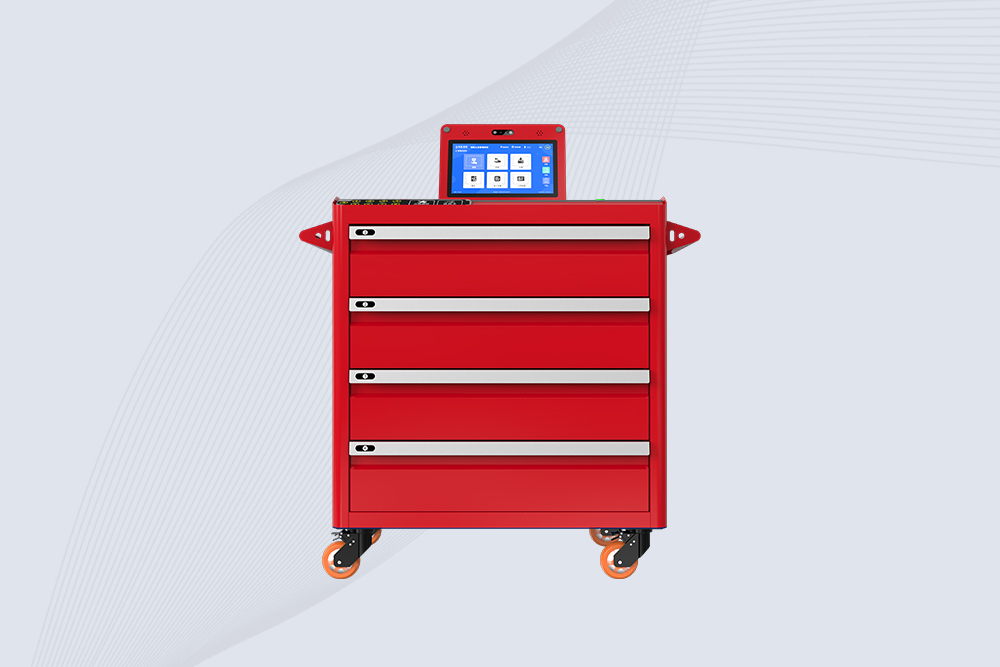
Cykeo CYKEO-GTC4 RFID tool inventory cart manages 300+ tools via UHF RFID, features instant scanning, fingerprint/face recognition, and SAP integration for nuclear/railway/fire safety sectors. IP54 rated for harsh environments.
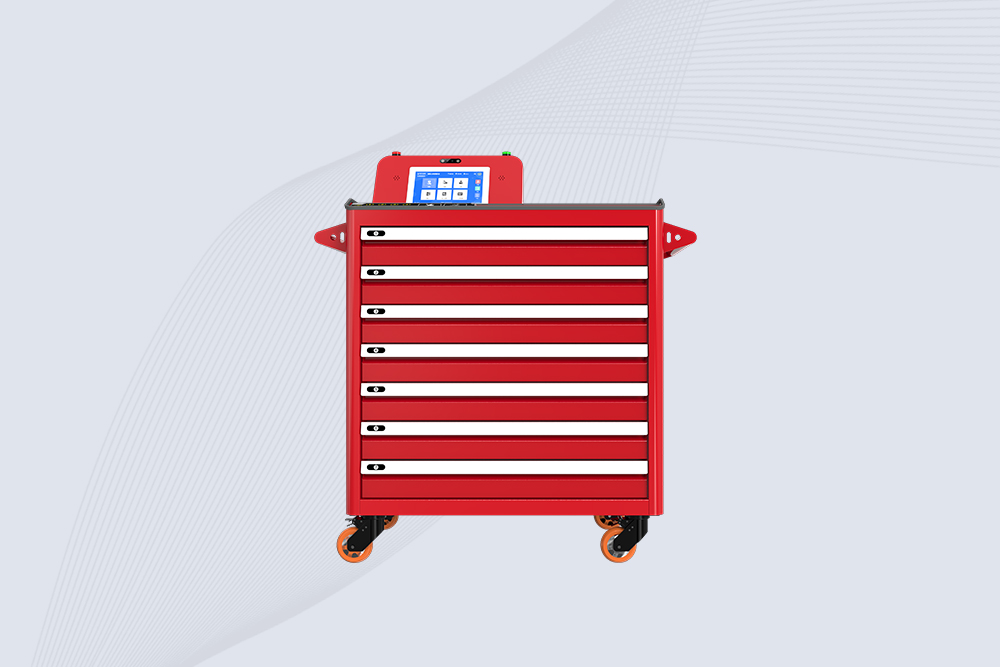
Cykeo CYKEO-GTC7 RFID aviation maintenance cart features military-grade build, blockchain audits, and predictive tool alerts for aircraft MRO. Achieves EASA/FAA compliance.
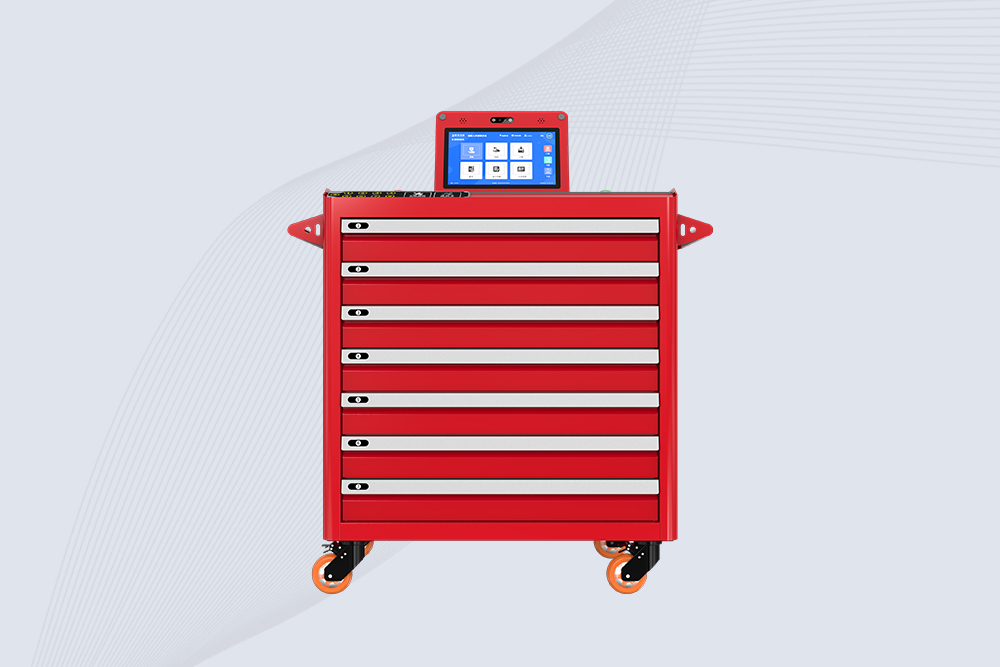
Cykeo CYKEO-GTC7A RFID real-time tool tracking cart features 99.9% accuracy, FOD prevention, and SAP integration for aviation/plant maintenance. Military-grade construction.
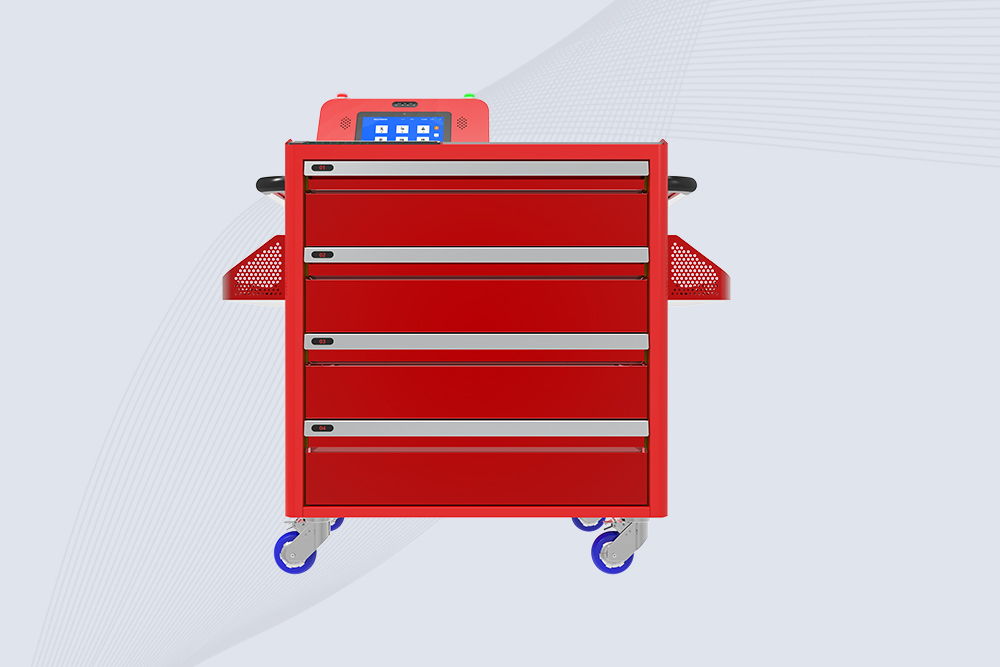
Cykeo CYKEO-GTC4B RFID mobile tool cart delivers 300-tool verification in 7 seconds with modular drawers, ≤150W power, and SAP integration for industrial/aviation use.
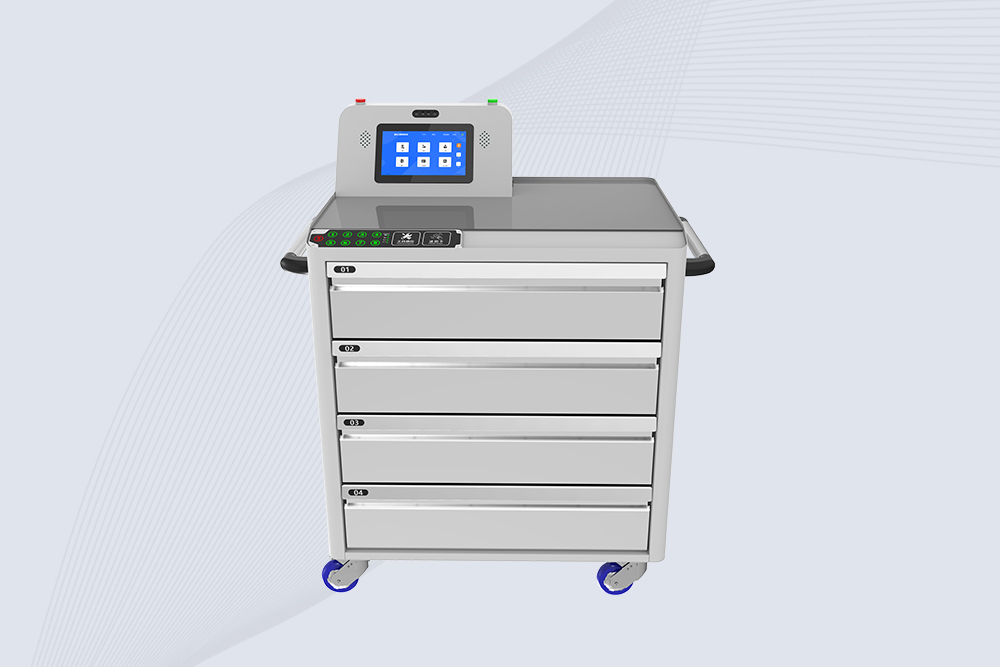
Cykeo CYKEO-GTC4C RFID workshop tool control cart delivers 300-tool inventory in 3 seconds with 10hr battery, SAP integration, and FOD prevention for industrial workshops.
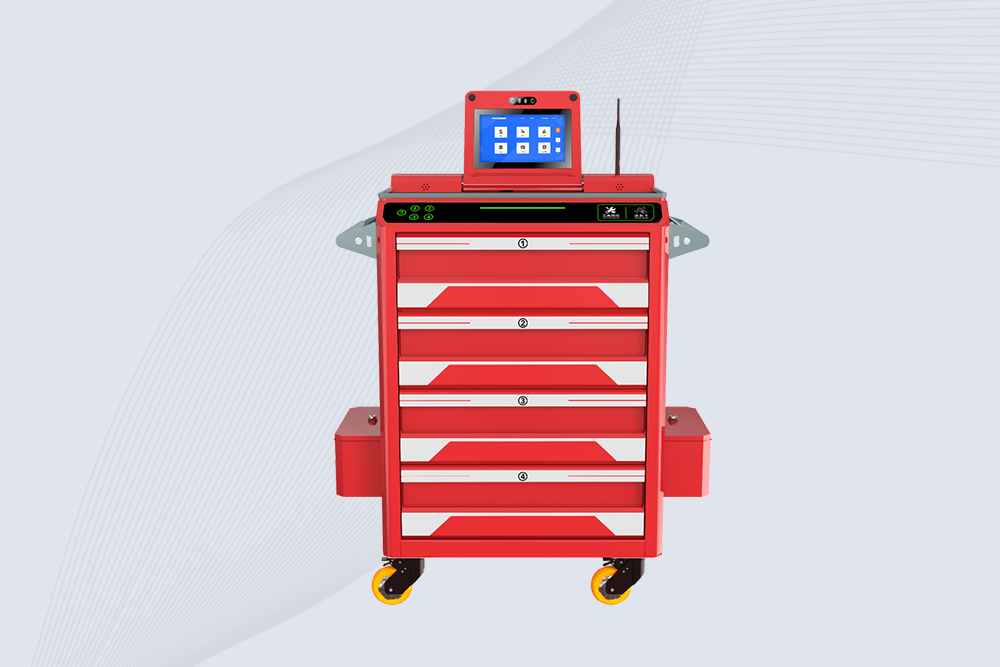
Cykeo’s CYKEO-GTC4A multi-drawer RFID tool cart delivers 7-second aviation tool inventories, 10-hour battery, and dual authentication. ISO 18000-6C compliant for MRO/manufacturing.
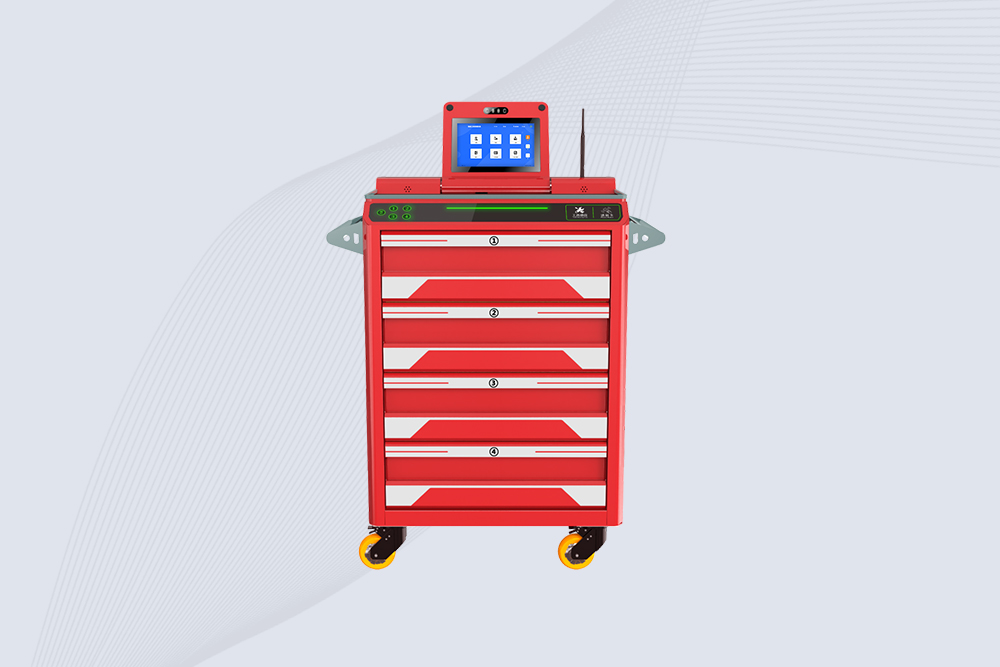
Cykeo’s MIL-STD RFID tool tracking cart scans 300 tools in 7 seconds, with -20°C~60°C operation and FOD prevention for aviation/energy industries.
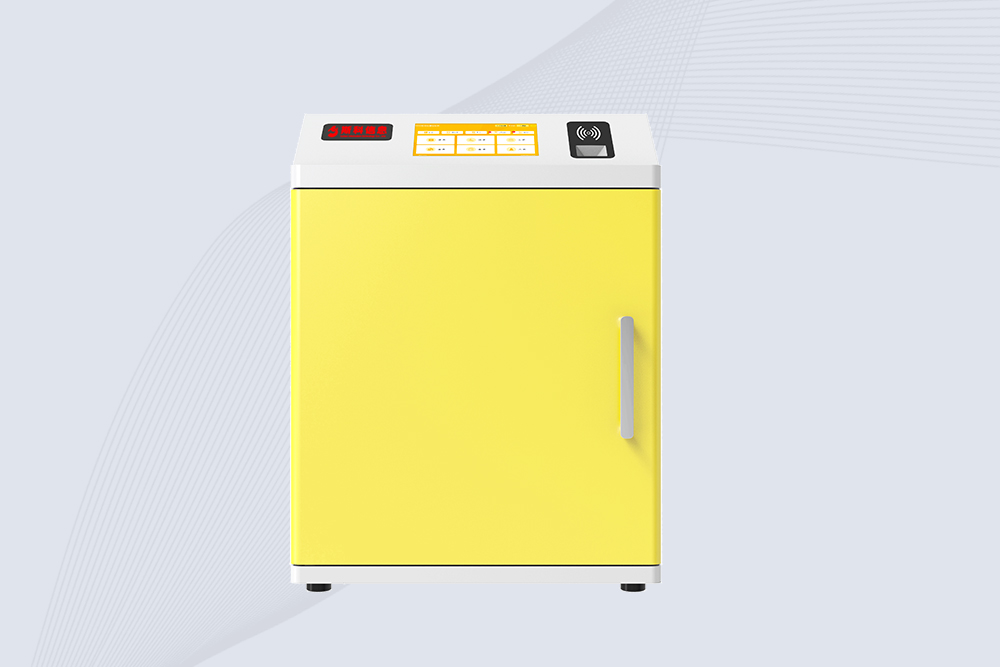
Cykeo’s space-saving RFID tool management cabinet offers 1000-tool capacity, ≤5s scans, and 24/7 unmanned operation for manufacturing/assembly plants.
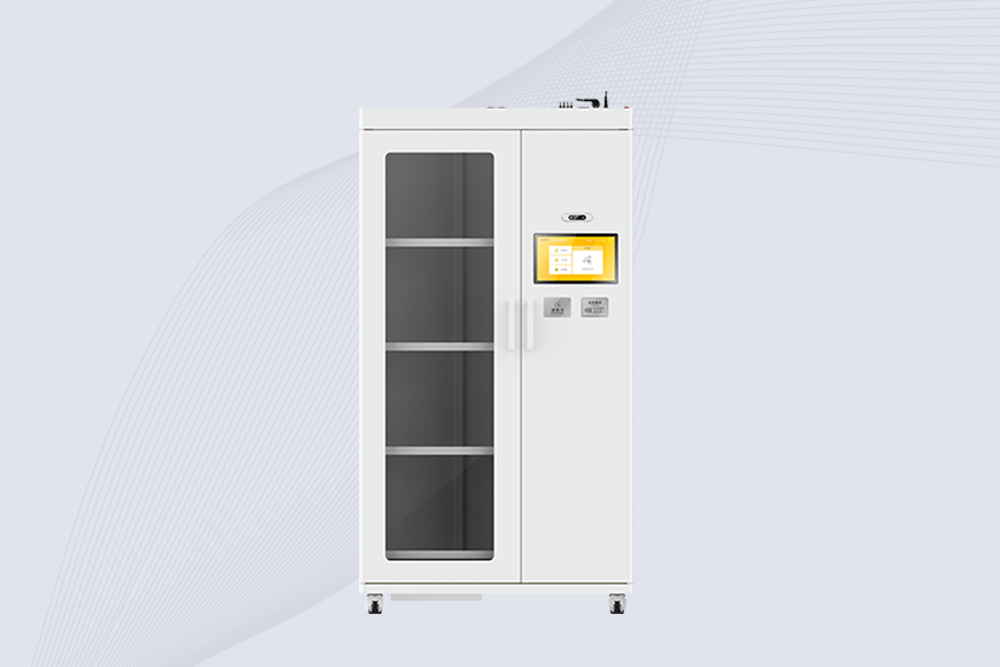
Cykeo’s RFID industrial tool cabinet offers modular shelves, 21.5″ touchscreen, and voice guidance for manufacturing/energy sectors. 24/7 operation with ≤80W power.
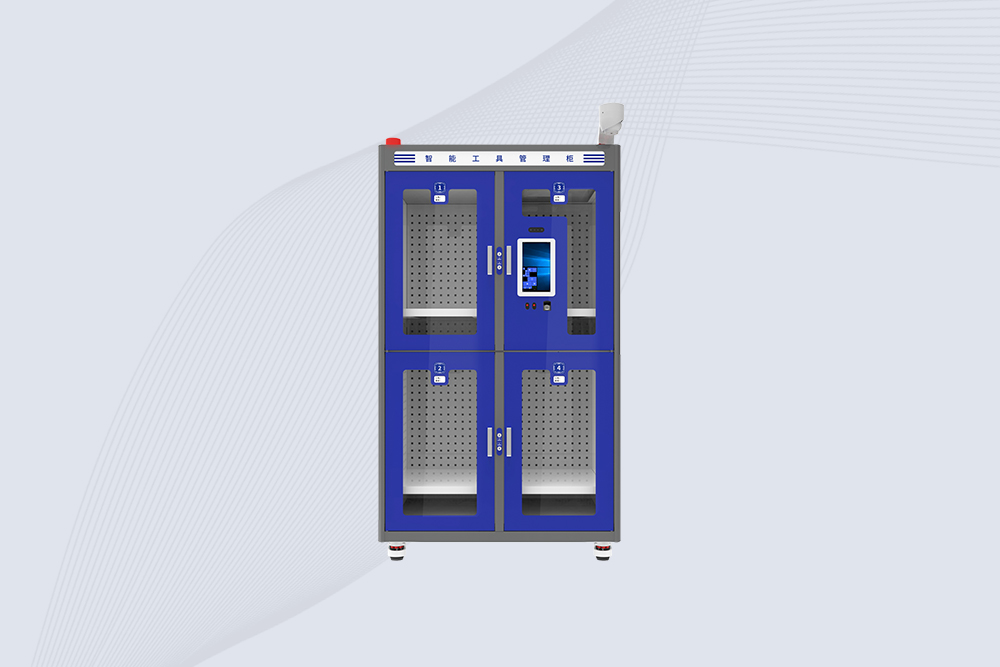
Cykeo’s RFID secure tool cabinet features 4 lockable compartments, ≤150W power, and 24/7 monitoring for pharma/aerospace/electronics industries.
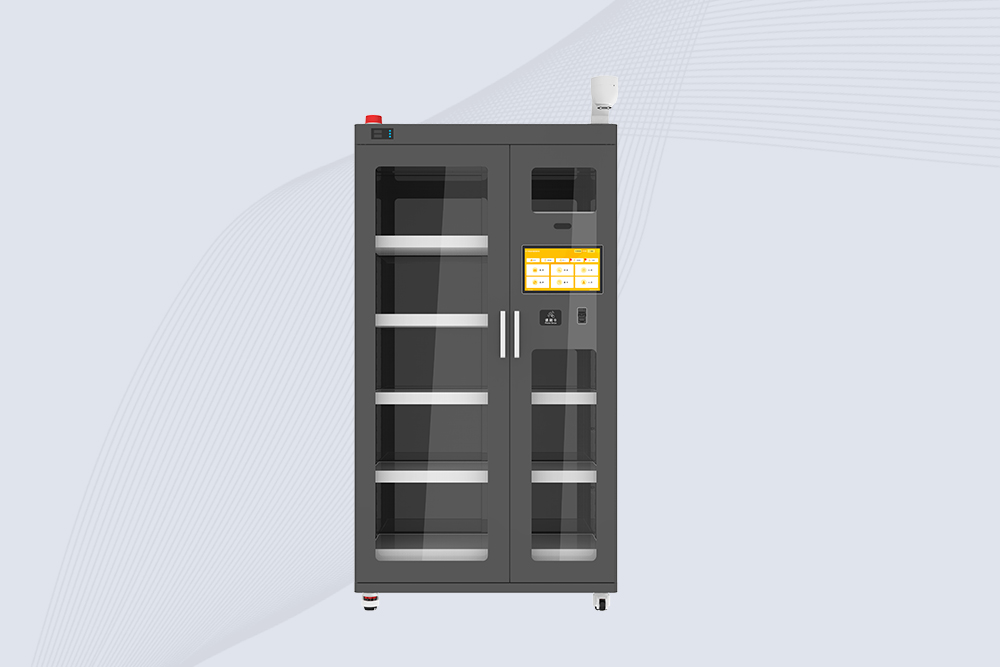
Cykeo’s RFID aviation tool cabinet features triple authentication, 14″ HD touchscreen, and thermostatic control for aircraft MRO/FAA compliance.
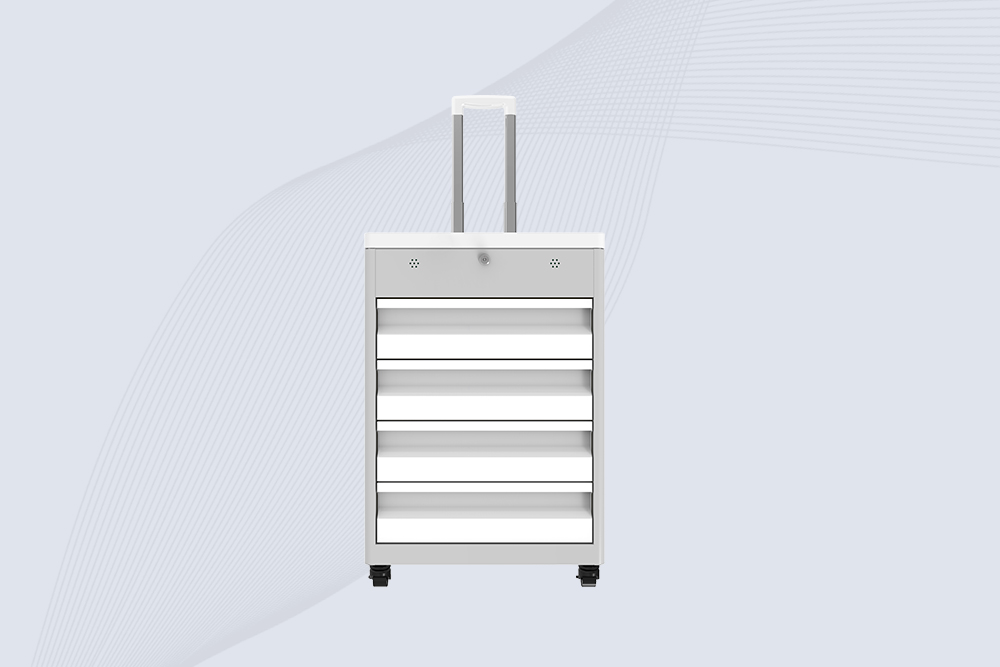
Cykeo’s RFID tool tracking system delivers self-service check-in/out, real-time alerts, and multilingual interface for correctional/military security.
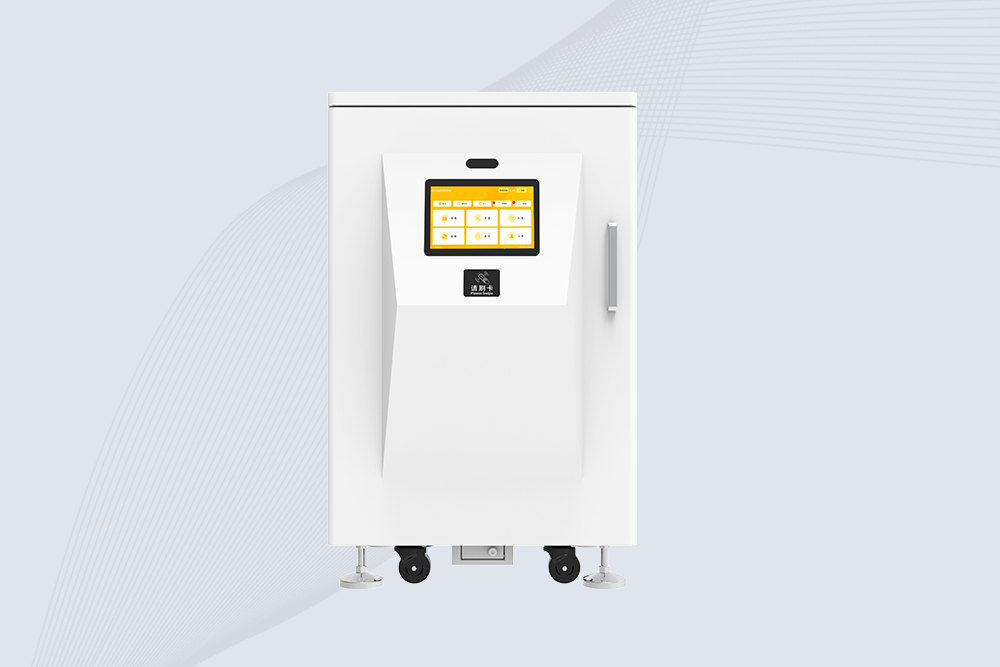
Cykeo’s off-grid RFID tool inventory system features solar/wind power, -30°C~60°C operation, and military-grade durability for mining/energy/military sectors.
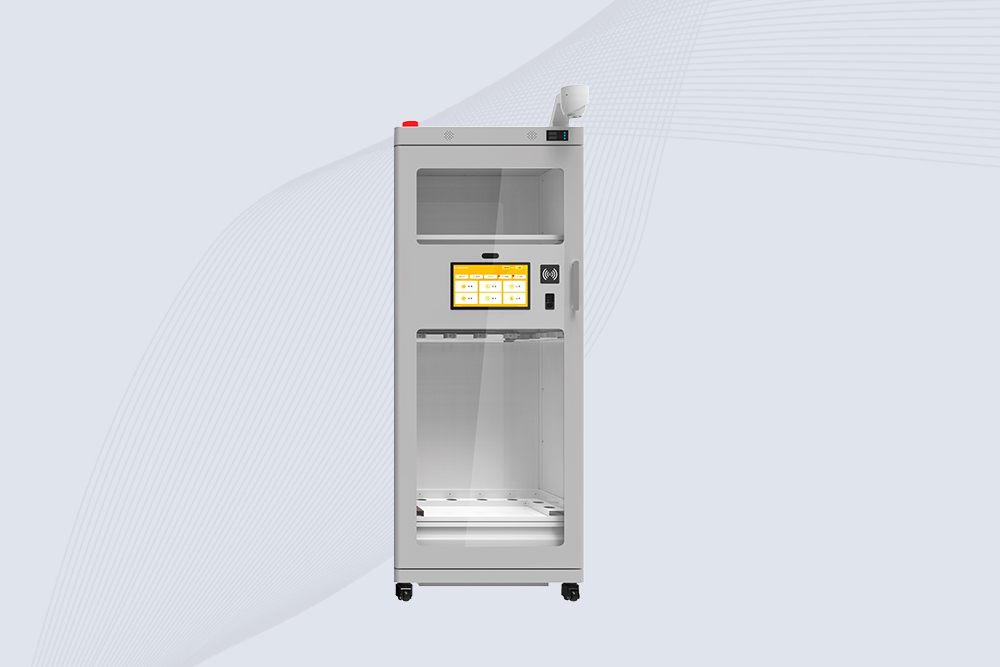
Cykeo’s industrial RFID tool accountability cabinet delivers 99.9% scan accuracy, adjustable shelves, and 24/7 operation for automotive/aerospace manufacturing.
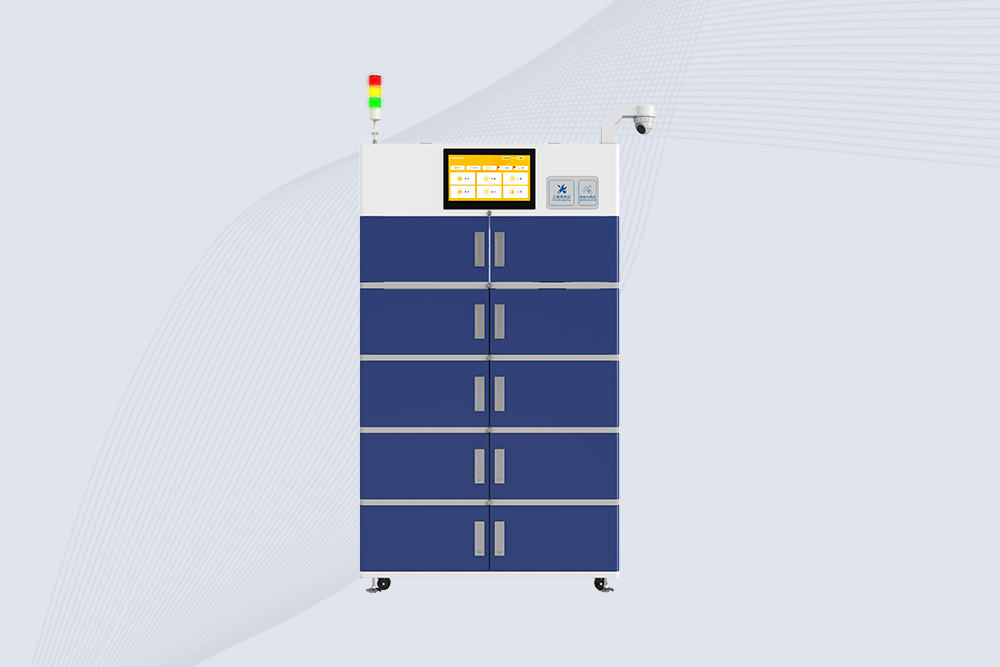
Cykeo’s RFID multi-drawer tool cabinet features 5 adjustable drawers, biometric access, and 99.9% scan accuracy for automotive/aerospace manufacturing.
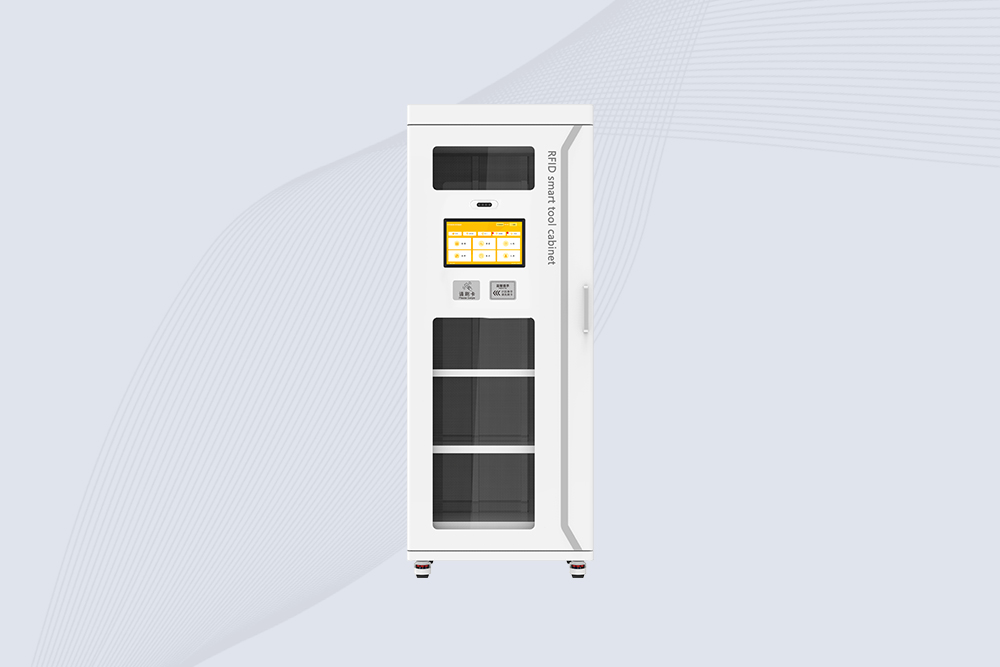
Cykeo’s RFID Automated Tool Cabinet delivers military security, adjustable shelving, and Java/C# SDK integration for defense/aerospace manufacturing.

Cykeo’s RFID scalable tool cabinet features multi-unit management, voice guidance, and semi-outdoor durability for automotive/construction/logistics.
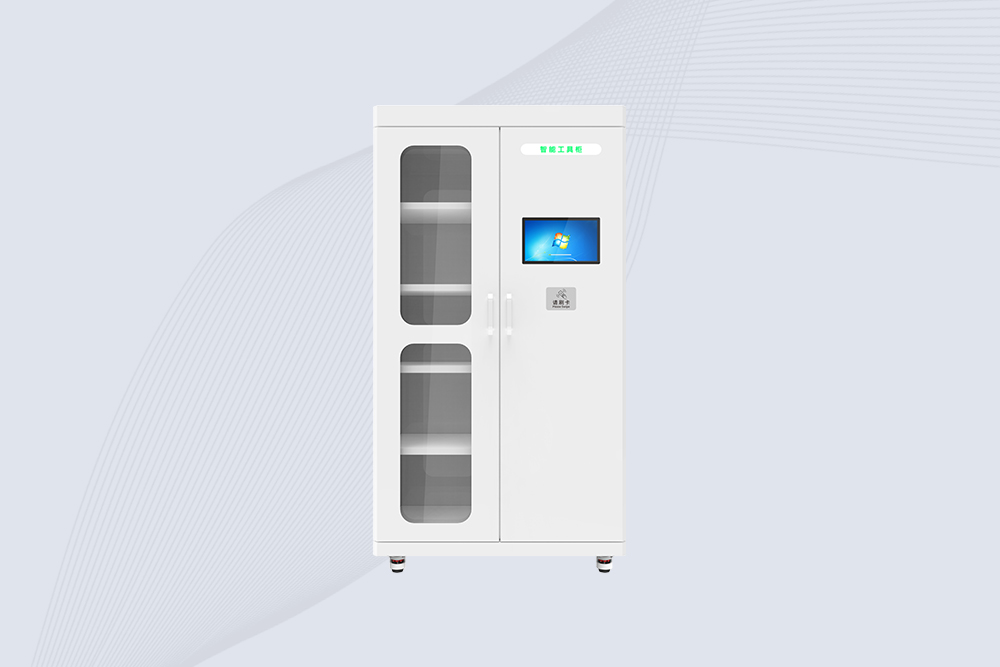
Cykeo CYKEO-GT1B industrial RFID tool storage cabinet features Impinj R2000 UHF technology, 1,000+ tool capacity, IP54 protection, and Windows/Android OS for manufacturing/aviation MRO. Includes auto check-in/out and SAP/Oracle sync.
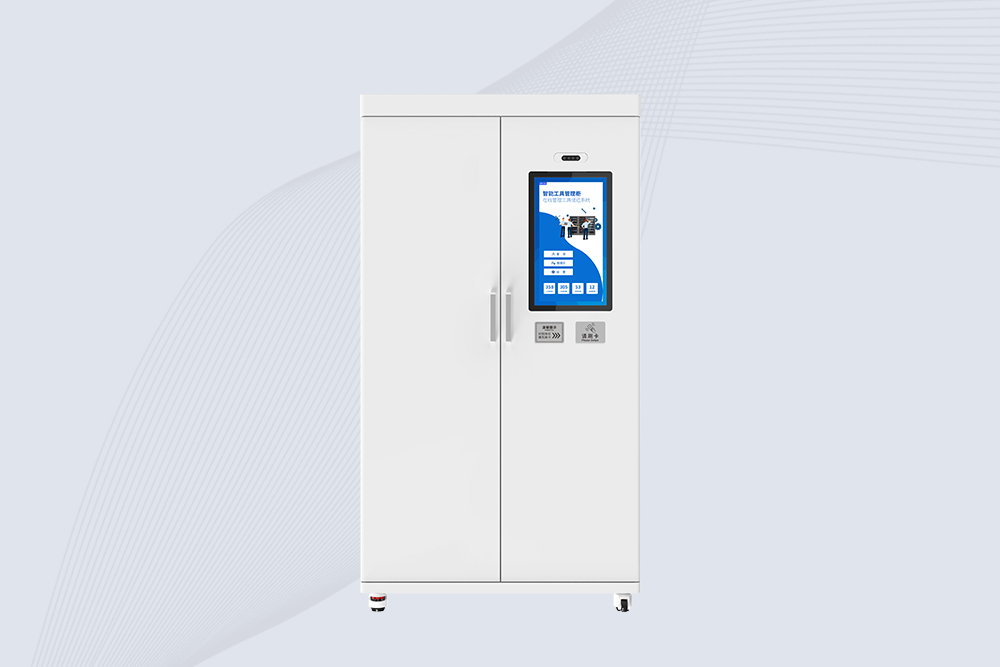
Cykeo CYKEO-GT3C industrial RFID tool checkout system Cabinet features millimeter-wave scanning, 280-layer storage, dual OS, and 99.9% accuracy for aviation/semiconductor sectors. Supports auto check-in/out and real-time SAP sync.
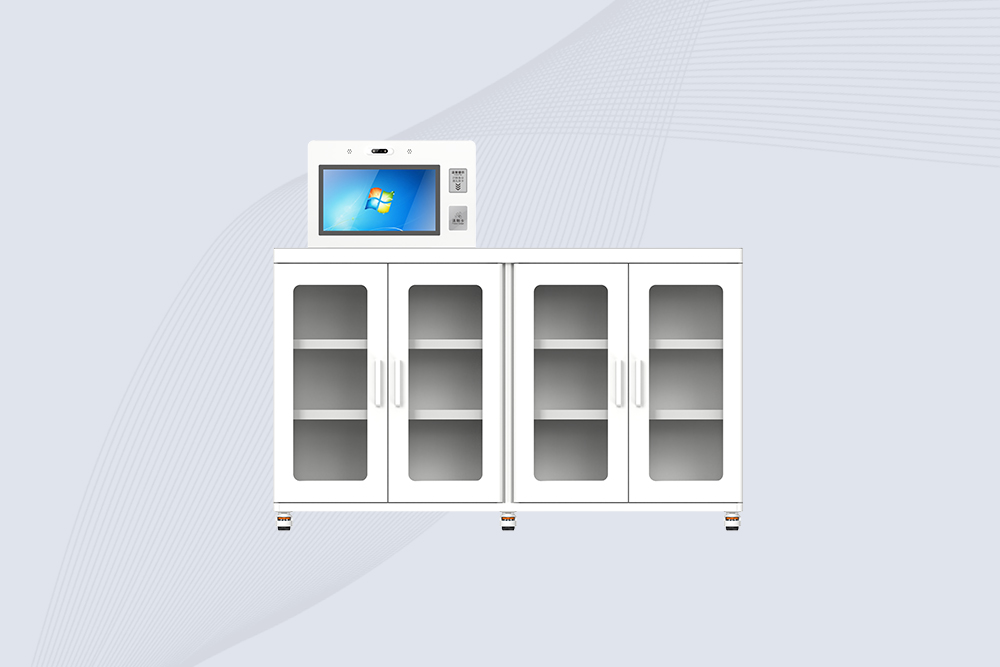
Cykeo CYKEO-GT3D RFID smart tool cabinet offers 5-second inventory scanning for 300+ tools, dual authentication, and 24/7 automated management for industrial facilities.
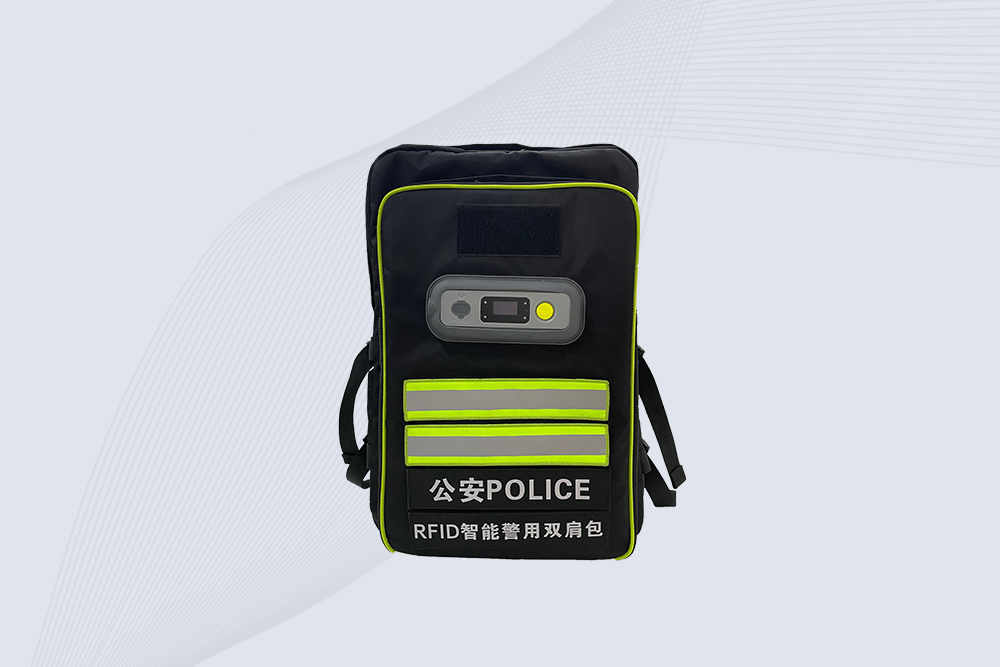
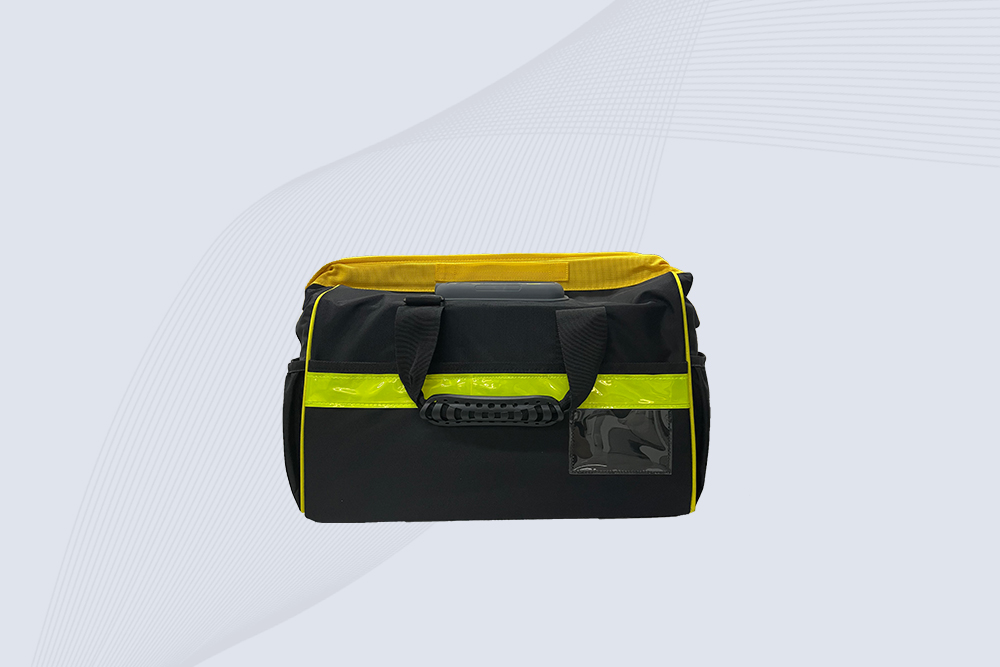
Discover the CYKEO-B1A Industrial RFID Backpack featuring advanced tool tracking technology with 25cm RF shielding, 7-day battery life, and wearable design for field maintenance professionals.
RFID Industry Writer | IoT & Asset Tracking Analyst
James writes about RFID technology, asset tracking, and the practical challenges of digital transformation across warehousing, retail, manufacturing, and logistics.
His work focuses on how RFID is applied in real-world operations—improving inventory visibility, automating workflows, and helping businesses manage assets with greater accuracy and efficiency.
He regularly covers topics including UHF RFID, smart cabinets, RFID portals, tool tracking, warehouse automation, and industrial IoT trends..

RFID access control is more than adding a lock to a smart cabinet. A well-designed system connects the user, tool, location, permission, and transaction into...
More
Learn how Tesla’s top suppliers use RFID to track 10,000+ auto parts with precision. Cykeo reveals the tech, challenges, and ROI of RFID in automotive manufacturing.
More
RFID tool cabinets are quickly becoming standard in manufacturing. Learn why more factories are switching from manual tool tracking to RFID-based systems.
More
Learn what is a rfid scanner and how Cykeo RFID scanners improve asset tracking, inventory management, and automated identification with reliable performance.
More