 Cykeo RFID IoT Solution Products R&D Manufacturer
Can I Read RFID with My iPhone?
413Wondering "can I read RFID with my iPhone"? We explain exactly what your iPhone can and cannot do with RFID technology for business and personal use.
MoreAll RFID Product
The automotive industry runs on precision. A single missing bolt or mislabeled component can delay production, trigger recalls, or even compromise safety. For Tesla’s suppliers—tasked with delivering thousands of parts per hour—tracking components isn’t just logistics; it’s survival. So, how do they manage it? The answer lies in RFID technology, a system that’s quietly transforming how cars are built.
Let’s pull back the curtain on how RFID keeps automotive supply chains moving, reduces errors by 99%, and why giants like Tesla’s partners rely on it.
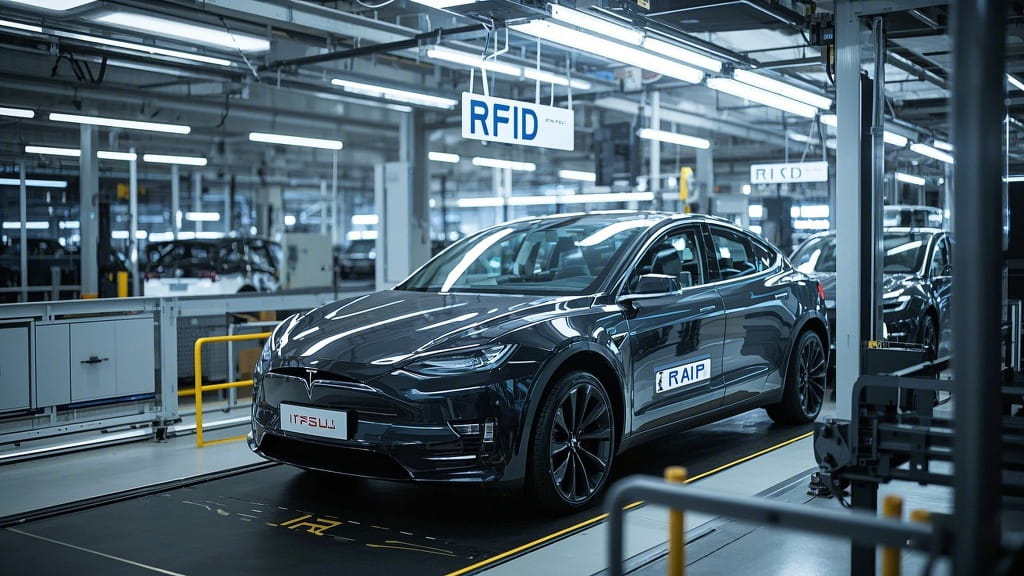
A modern car contains over 30,000 components. For Tesla’s suppliers, managing this complexity means:
Barcodes fail here. They require line-of-sight scanning, smudge easily, and store limited data. RFID solves these issues—but not all RFID systems are created equal.
Most Tesla suppliers use UHF (Ultra-High Frequency) RFID tags for their speed and range. Here’s the process:
Key advantage: RFID doesn’t require direct visibility. Tags can be read through packaging, inside containers, or even when hidden behind other parts.
A Tesla battery pack has over 1,000 cells. Manually scanning each with a barcode would take hours. RFID readers can verify all tags in seconds.
Example: A Cykeo client supplying seat assemblies reduced inspection time by 75% after switching to RFID.
Misplaced parts cost automotive companies $2.3M annually per factory. RFID’s real-time tracking cuts search time and write-offs.
Cykeo Case Study: A Tesla wiring harness supplier reduced inventory discrepancies by 98% using RFID-enabled smart bins.
When a faulty part is identified, RFID tags let suppliers trace every affected component instantly. One OEM reduced recall costs by $8M/year with RFID.
While powerful, RFID in automotive isn’t plug-and-play. Suppliers face hurdles like:
Car parts are often metal, which can disrupt RFID signals. Cykeo’s anti-metal RFID tags solve this with:
Parts like brake discs endure temperatures up to 600°F (315°C). Standard RFID tags melt. Cykeo’s ceramic RFID tags withstand up to 1,022°F (550°C).
Auto part theft is a $10B/year problem. Cykeo tags use AES-256 encryption to prevent cloning or tampering.
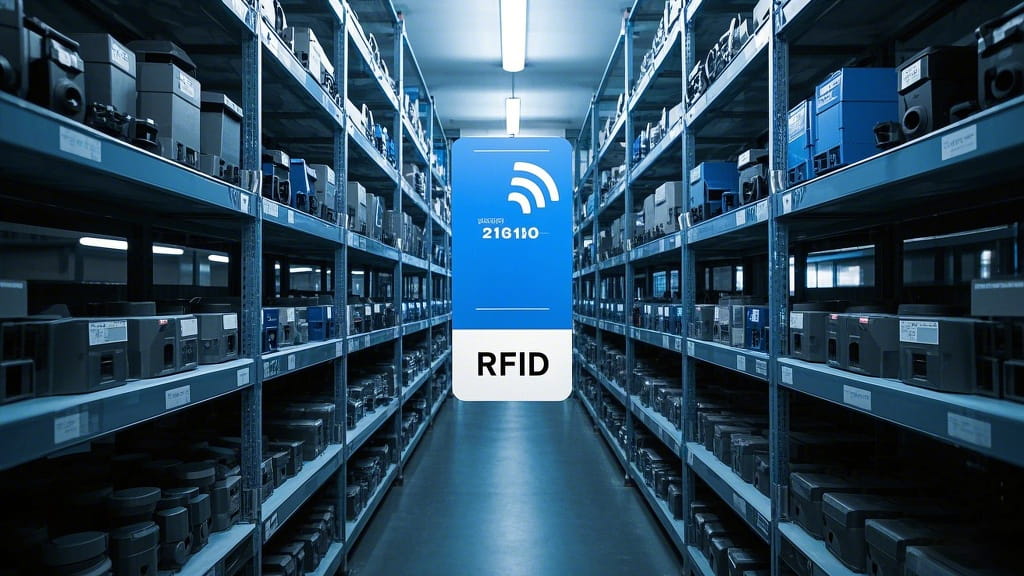
Tesla’s “Alien Dreadnought” factories prioritize automation and speed. Their suppliers rely on RFID to keep pace:
Tesla’s ROI: Suppliers using RFID report a 40% faster time-to-market for new components.
Not all RFID tags work for automotive. Top suppliers prioritize:
Cykeo’s automotive-grade RFID tags are certified for:
As EVs dominate, RFID’s role grows:
Cykeo is already working with EV startups on RFID-integrated “digital twin” systems for entire vehicles.
Cykeo specializes in RFID systems built for the automotive grind:
Proven Results: A Cykeo-powered Tesla supplier achieved 100% traceability across 12,000+ parts, cutting defect-related delays by 90%.
Wondering "can I read RFID with my iPhone"? We explain exactly what your iPhone can and cannot do with RFID technology for business and personal use.
More
Can an RFID chip be read through away? We decode what this question really means—read range vs. material penetration—and give you straight answers from real-world deployments.
More
Learn the 7 key factors to choose the right RFID tag for your application, including frequency, read range, tag type, durability, memory, cost, and compliance.
More
Can you use NFC to read RFID tags? We explain the technical relationship, what’s possible in practice, and why NFC fails for industrial RFID applications.
More