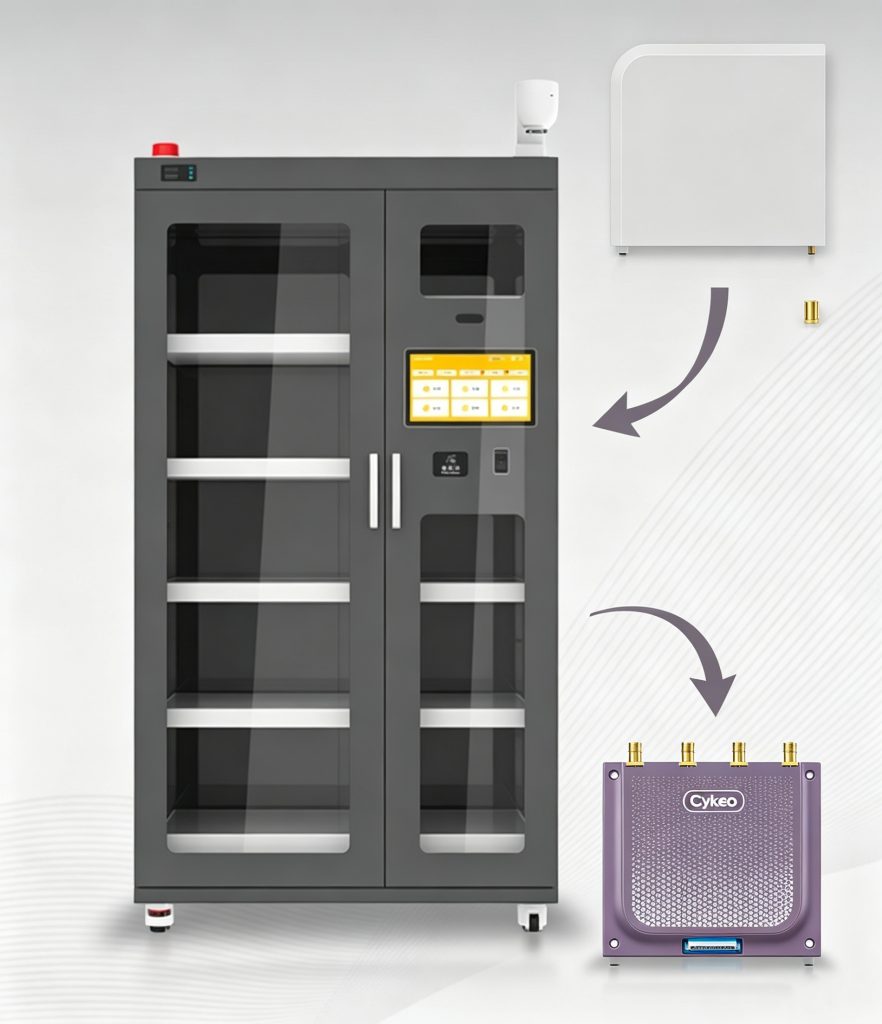
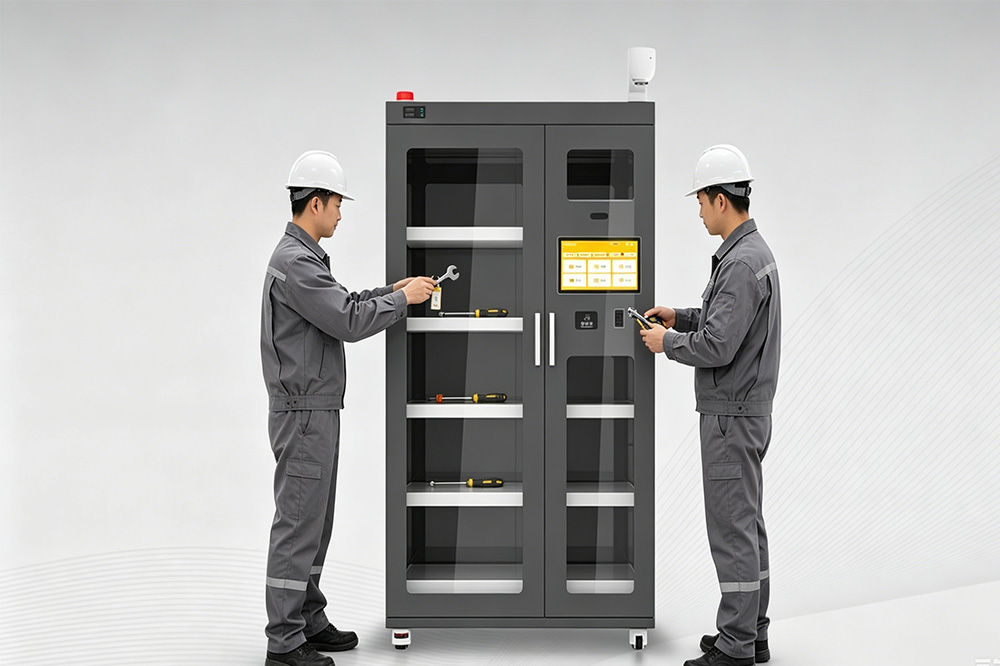
Smart cabinets have become common in factories, hospitals, tool rooms, and warehouse environments.
On the surface, most of them look simple: open the door, remove an item, close the cabinet, and the system automatically updates inventory records.
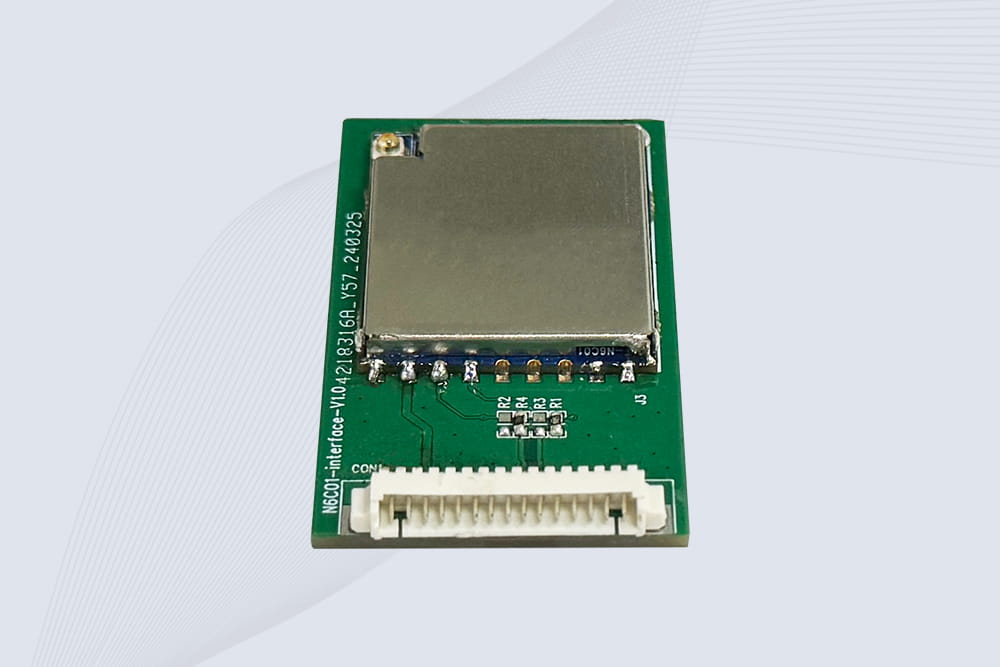
What makes that possible is usually an embedded RFID reader module working quietly inside the cabinet.
But building a reliable RFID smart cabinet is more complicated than mounting a reader and adding tags. Cabinet structure, antenna placement, metal interference, and reading accuracy all affect whether the system works consistently in daily operation.
Why RFID Is Used in Smart Cabinets
Traditional inventory control depends heavily on manual processes.
People scan barcodes, fill out logs, or update software by hand. Over time, mistakes happen:
Missing tools
Incorrect inventory records
Unreturned equipment
Delayed stock updates
RFID changes that process by automating item identification.
Managers no longer need to manually verify inventory status.
The system can automatically show:
Current stock levels
Missing items
Usage history
Borrowing records
Return status
in real time.
That becomes valuable in environments where equipment accountability matters.
Common Smart Cabinet Applications
RFID smart cabinets are now used in many industries.
Tool Management
Factories and maintenance teams use RFID cabinets to control expensive or calibrated tools.
The system automatically records who removed a tool and whether it was returned.
Medical Storage
Hospitals use RFID cabinets for:
Surgical instruments
Medical consumables
Drug inventory
High-value equipment
Accurate inventory tracking reduces manual checking workload.
IT Asset Management
Some companies use RFID cabinets to manage:
Laptops
Test equipment
Portable electronics
Shared devices
This helps reduce loss and improve accountability.
Industrial Parts Storage
Manufacturing facilities use RFID cabinets for tracking:
Spare parts
Production components
Maintenance inventory
especially in environments where fast access is important.
SDK and System Integration Matter Too
The RFID module is only one part of the cabinet system.
The software side is equally important.
Most cabinets integrate with:
ERP systems
MES platforms
Warehouse software
Access control systems
Cloud dashboards
That’s why SDK support and stable communication interfaces are important during development.
Common Problems in RFID Smart Cabinet Projects
Most deployment issues are caused by integration details, not by RFID itself.
Common challenges include:
Poor antenna positioning
Metal interference
Weak power design
Incorrect tag selection
Incomplete software filtering
Cabinet structure blocking RF signals
This is why real environment testing is essential before mass deployment.
Why More Companies Are Moving to RFID Cabinets
As labor costs rise and inventory visibility becomes more important, automated storage systems are becoming more attractive.
RFID smart cabinets reduce:
Manual inventory work
Missing asset incidents
Tool tracking errors
Time spent searching for equipment
And because modern RFID modules are smaller and easier to integrate, the hardware side has become more practical than before.
RFID Modules for Smart Cabinet Integration
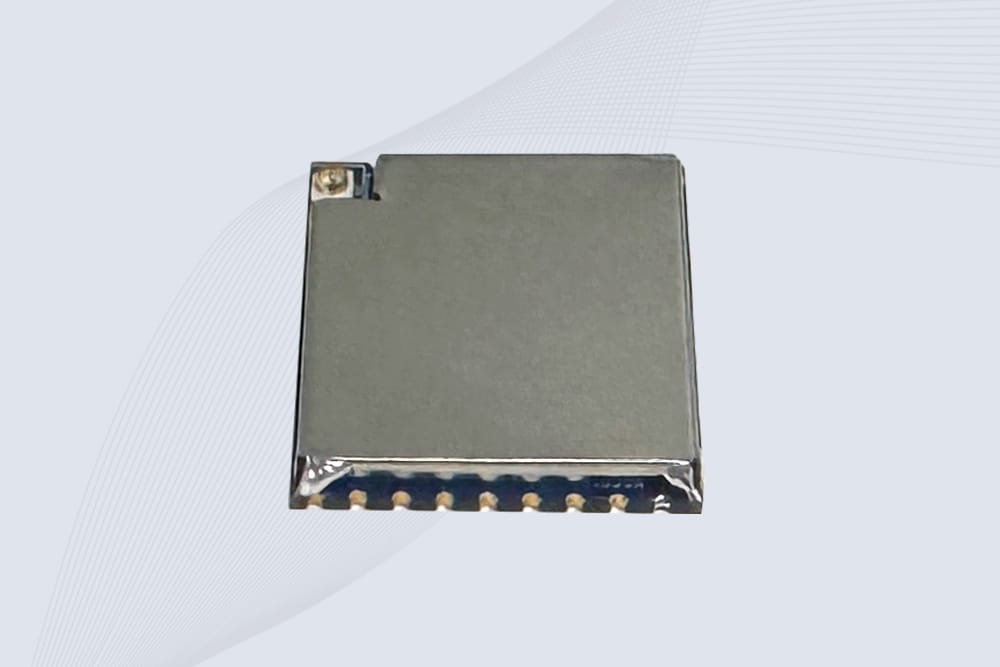
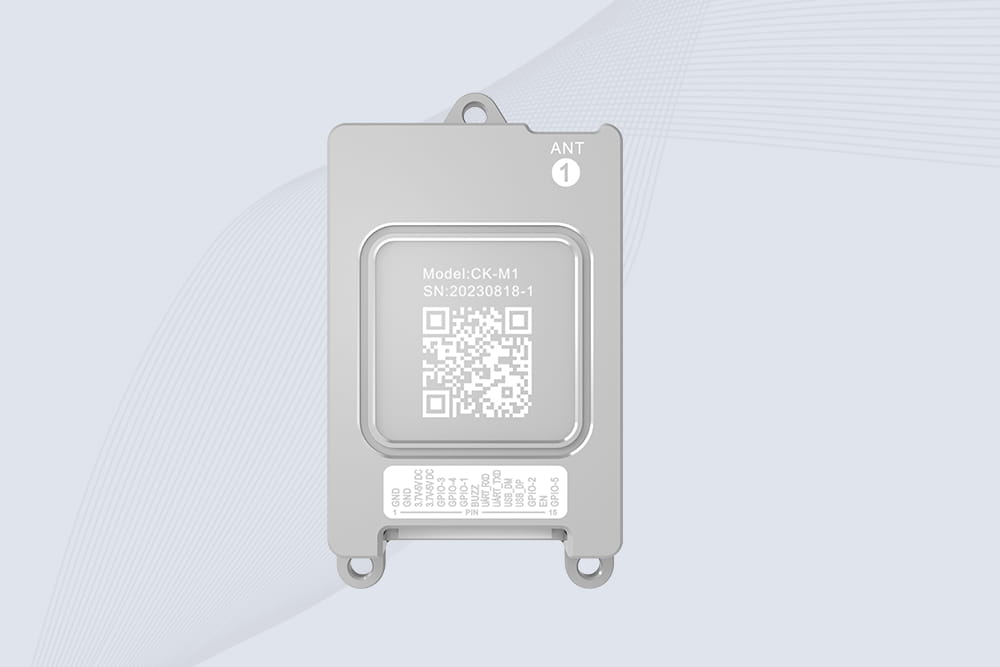
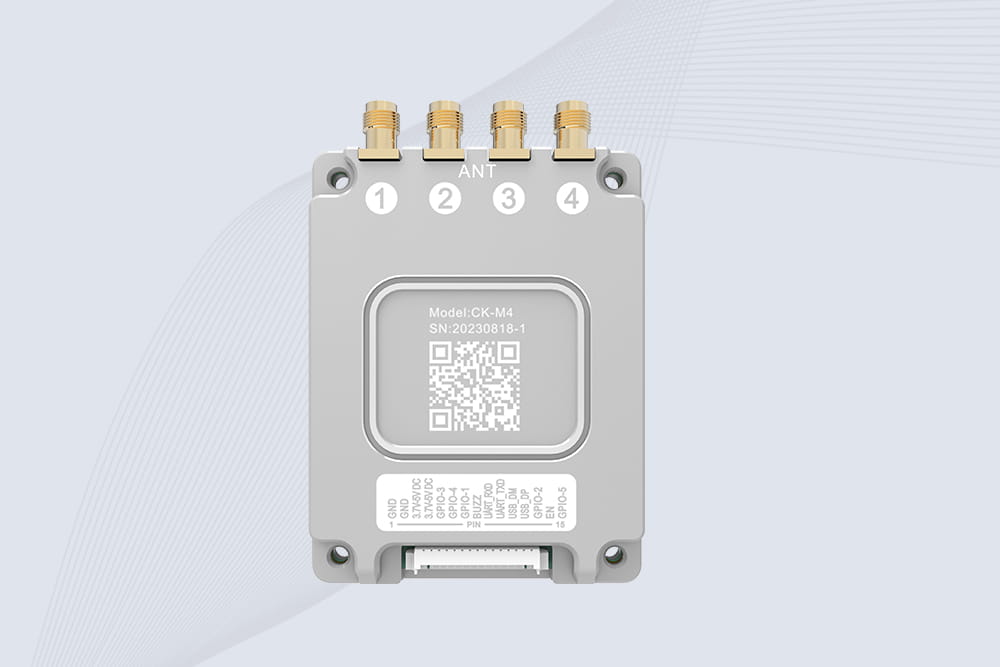
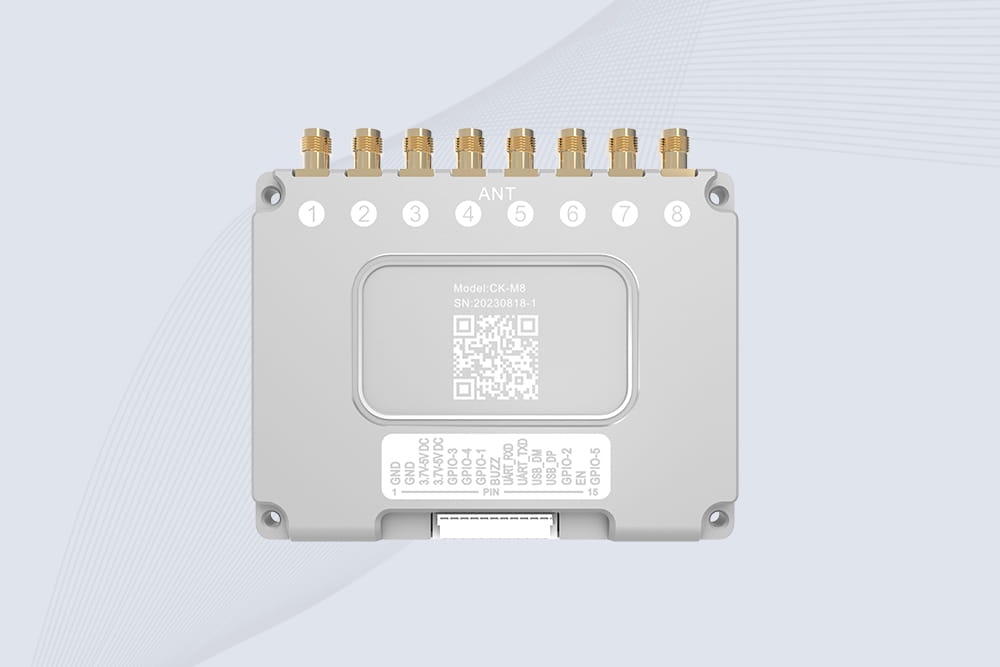
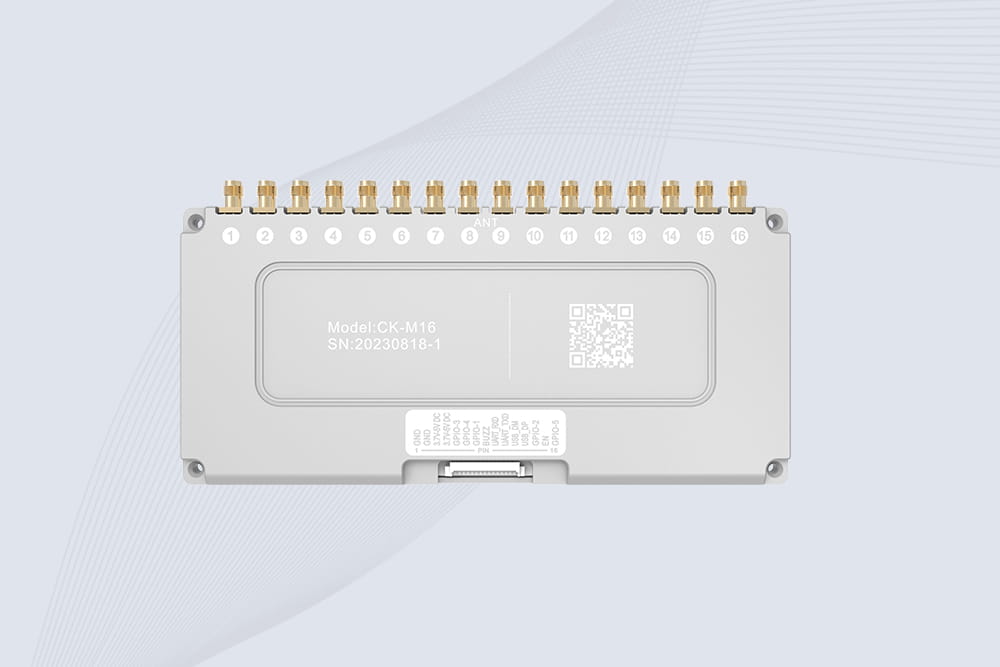
For companies developing RFID-enabled smart cabinets, stable embedded RFID modules are an important part of achieving accurate inventory tracking and reliable system performance.
CYKEO provides RFID reader modules designed for smart cabinets, industrial storage systems, and OEM RFID integration projects.
You can explore the available modules here:rfid module
Final Thoughts
A smart cabinet is really an RFID system hidden inside a storage cabinet.
And while the user experience may look simple from the outside, reliable performance depends heavily on the quality of the RFID integration behind the scenes.
In most successful deployments, the difference comes down to testing, antenna design, and stable embedded RFID hardware.
CYKEO Embedded RFID Modules are designed for compact industrial and IoT devices that require stable UHF performance. These UHF RFID Modules support global protocols, flexible power control, and reliable multi-tag reading for smart cabinets, production lines, and asset tracking systems.
CYKEO Embedded RFID Module is built for compact IoT and industrial devices that need stable UHF performance. This UHF module supports global protocols, low power operation, and reliable multi-tag reading for smart lockers, production lines, and always-on RFID systems.
CYKEO CYKEO-M1 drone rfid module is a compact UHF RFID reader module designed for drones and UAV platforms. It supports long-range aerial scanning, fast multi-tag reading, and stable performance in wind, vibration, and outdoor environments.
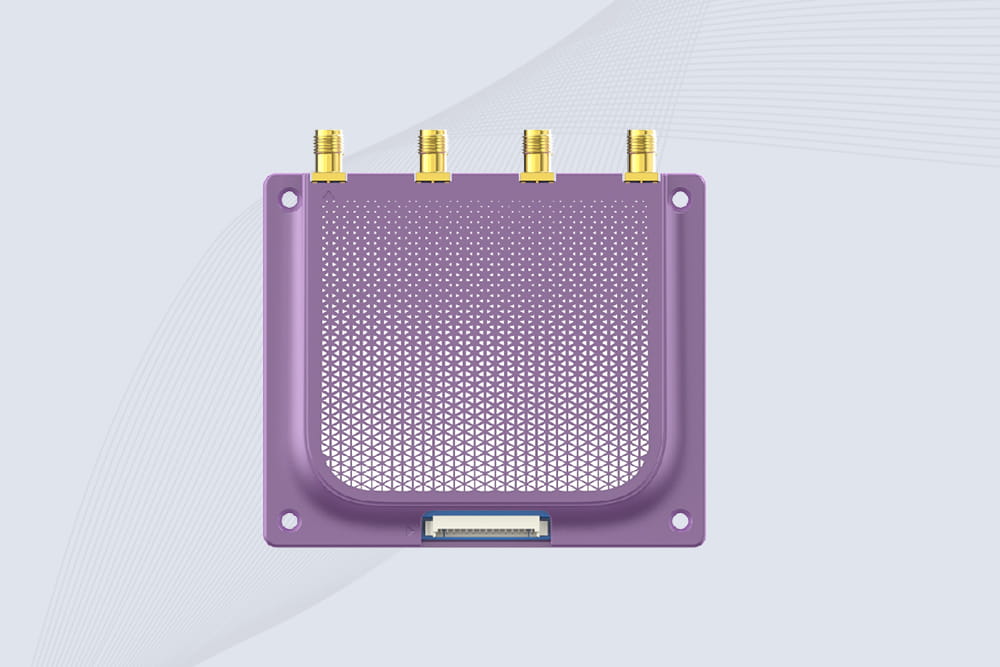
CYKEO CYKEO-M4 RC522 RFID Module is an industrial-grade UHF RFID reader with 4 ports, supporting ISO, EPC, and GB protocols. High-speed, accurate reading for IoT, automation, and warehouse applications.
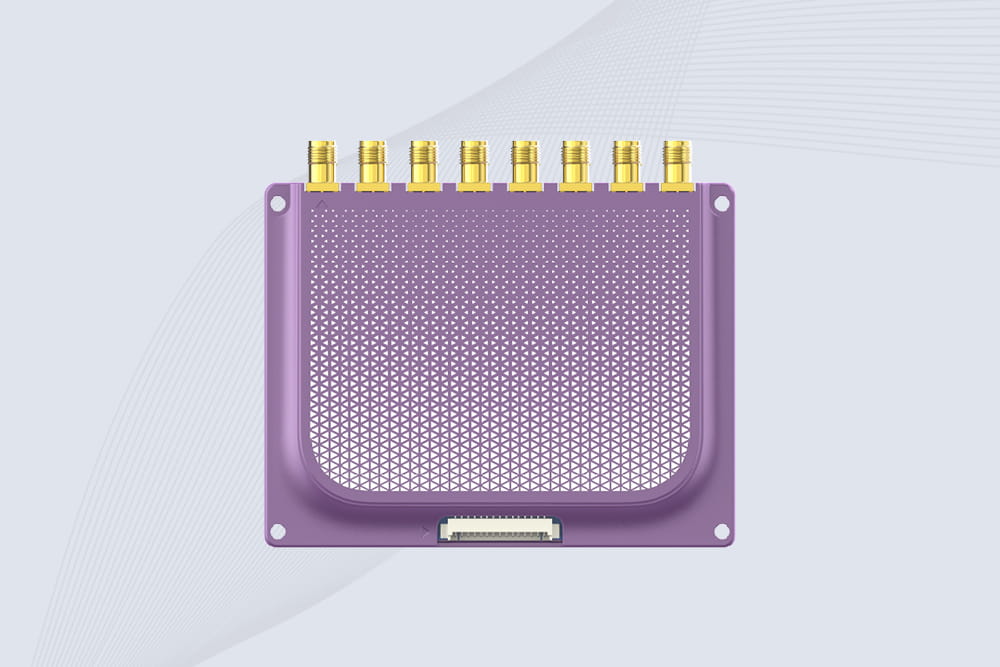
CYKEO CYKEO-M8 Module RFID is an 8-port UHF R2000 RFID Module designed for high-density, multi-tag environments. Stable 33dBm output, ISO & GB protocol support, ideal for warehouses, factories, and automated systems.
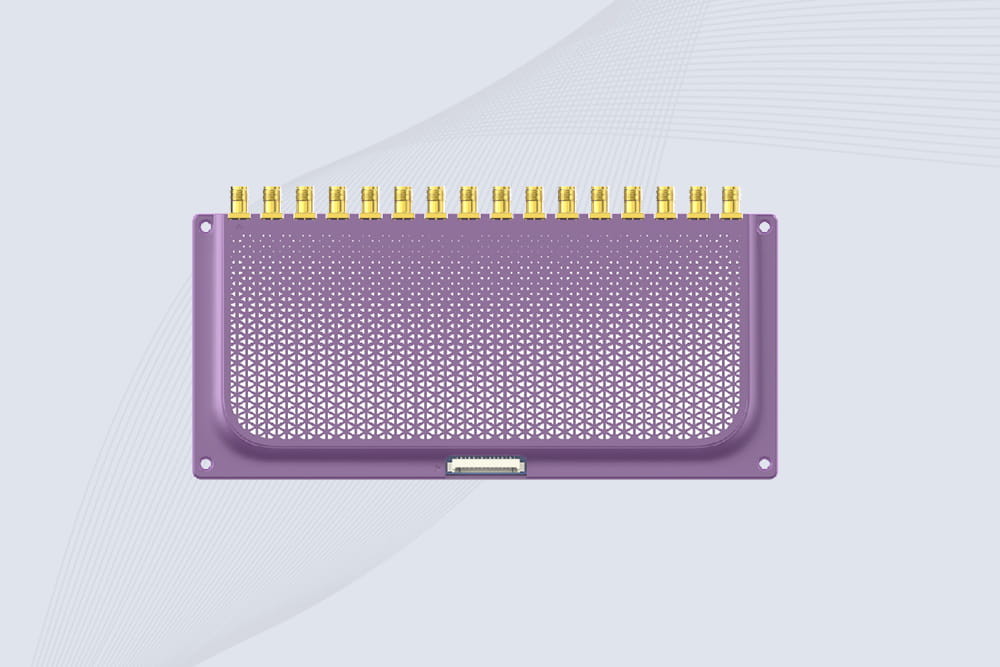
CYKEO CYKEO-M16 RFID Module is a 16-port UHF RFID reader module based on the R2000 chipset. Designed for dense tag environments, it supports ISO and GB standards and delivers stable multi-antenna control for industrial automation.
The CYKEO CYKEO-M16L RFID Reader Module is a 16-channel UHF RFID core designed for dense tag environments. With adjustable 33dBm output, multi-protocol support, and stable multi-antenna control, this RFID Tag Reader Module fits industrial automation, warehouse systems, and large-scale IoT deployments.
CYKEO CYKEO-M8L module RFID is a compact industrial UHF module built for dense tag and multi-antenna environments. With 8 RF ports, adjustable 33 dBm output, and ISO & GB protocol support, it is widely used in factories, warehouses, and automated tracking systems.
CYKEOCYKEO-M4L UHF RFID Module is a compact 4-channel RFID tag reader module designed for dense tag environments. Supporting ISO and GB protocols, it delivers stable reads up to 10 meters for industrial and IoT systems.
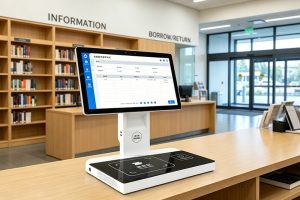
RFID writer and reader desktop platform enables fast tag encoding, registration, and inventory workflows with high accuracy for libraries, tools, and asset management.
RFID and healthcare solutions improve medical inventory accuracy, reduce manual workload, and enable real-time UHF tracking for surgical consumables and hospital assets.
Discover how RFID for stock management is reshaping inventory accuracy and operational efficiency across industries. Learn about its key benefits, real-world challenges, and best practices for successful deployment in warehouses, retail, manufactu...
Discover how an RFID stock management system improves inventory accuracy, speeds up order fulfillment, and enables real-time warehouse visibility. Learn how the CK‑TP1B tunnel scanner automates high-volume stock counting.
 Cykeo RFID IoT Solution Products R&D Manufacturer