A few years ago, most RFID systems were easy to spot.
There would usually be a fixed RFID reader mounted on a wall, a visible antenna, and separate control hardware nearby.
That’s changing.
Today, more manufacturers are embedding RFID directly into the equipment itself. Instead of adding an external reader later, the RFID capability becomes part of the product from the beginning.
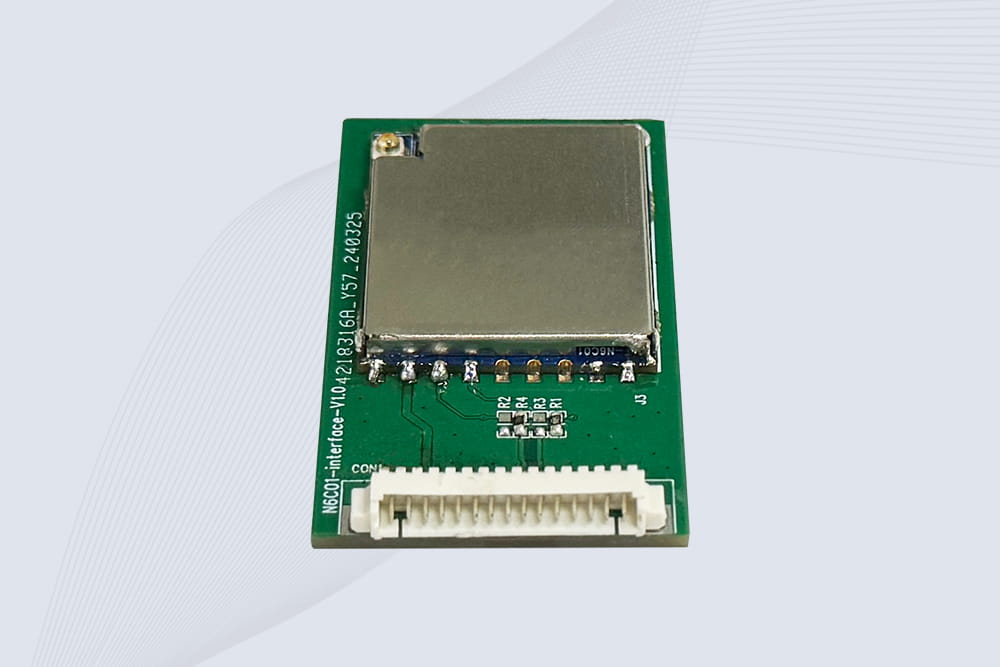
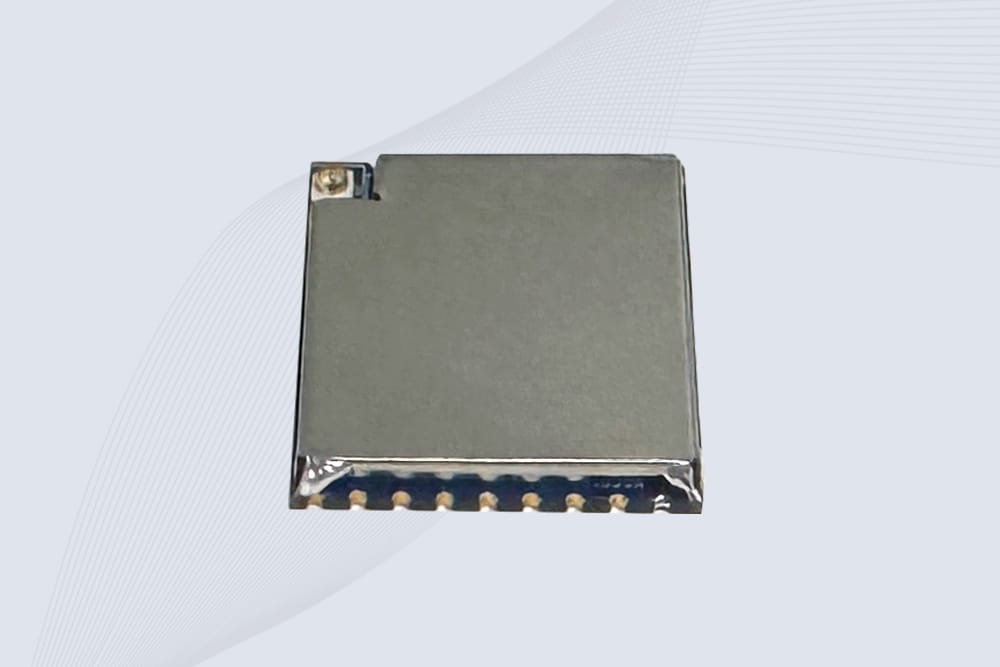
That shift is one reason embedded RFID reader modules have become increasingly common in industrial equipment, smart cabinets, medical systems, and handheld terminals.
Many handheld RFID terminals are essentially Android devices built around embedded RFID modules.
This allows manufacturers to customize:
Screen size
Battery design
Operating system
Scanning performance
Software platform
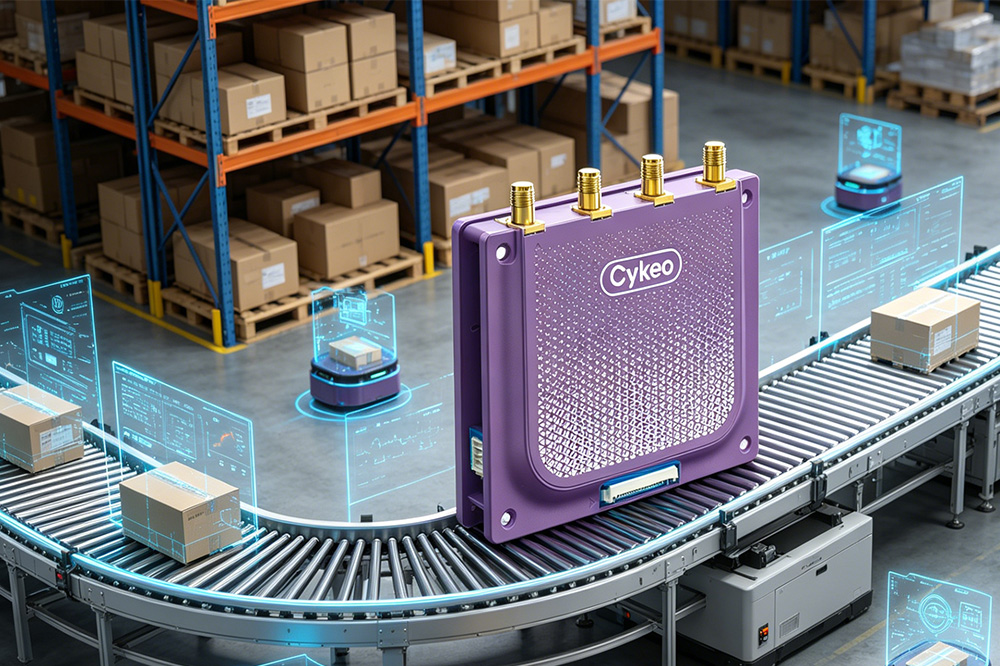
Automated Warehousing
Embedded RFID modules are commonly integrated into:
Conveyor systems
Sorting machines
AGV robots
Smart shelves
In these environments, the RFID hardware becomes part of the automation system itself.
What Matters Most in Embedded RFID Projects
The priorities are usually different from standard RFID deployments.
Compact Design
Physical size becomes critical.
Engineers often need to fit:
Main controller
Battery system
Antenna
Cooling
RFID module
inside a very limited enclosure.
Power Consumption
Many embedded devices run continuously or rely on batteries.
That makes power efficiency important, especially in mobile devices.
Thermal Stability
Small enclosures trap heat easily.
Poor thermal management can affect RFID reading performance over time.
Flexible Interfaces
Embedded systems often require communication through:
UART
USB
RS232
Ethernet
GPIO triggers
The module has to integrate smoothly with the main hardware platform.
SDK and Software Integration
Embedded RFID systems rely heavily on software integration.
In most projects, the RFID module must communicate with:
ERP systems
WMS software
Cloud platforms
Mobile apps
Industrial control systems
Reliable SDK support becomes just as important as hardware performance.
Real Challenges in Embedded RFID Design
RFID integration inside compact devices is not always simple.
Some common issues include:
Antenna interference from metal parts
Limited RF space inside enclosures
Power supply noise
Heat buildup
Signal reflections
Unstable cable routing
These problems usually appear during real-world testing, not during early prototypes.
Why Testing Matters More Than Specs
Many RFID modules look similar on paper.
The difference usually appears during deployment.
A stable embedded RFID system depends on:
Proper antenna tuning
Good enclosure design
Stable firmware
Real environment testing
Long operating-hour validation
In practice, integration quality matters more than theoretical maximum range.
The Future of RFID Is More Embedded
The industry trend is moving toward invisible RFID infrastructure.
Instead of separate readers added around a process, RFID is becoming part of the equipment itself.
That shift is already happening in:
Smart manufacturing
Retail automation
Healthcare systems
Logistics operations
Industrial IoT devices
And embedded RFID modules are what make that possible.
RFID Modules for Embedded RFID Systems
For companies developing custom RFID-enabled equipment, embedded RFID modules offer more flexibility for compact system design and OEM integration.
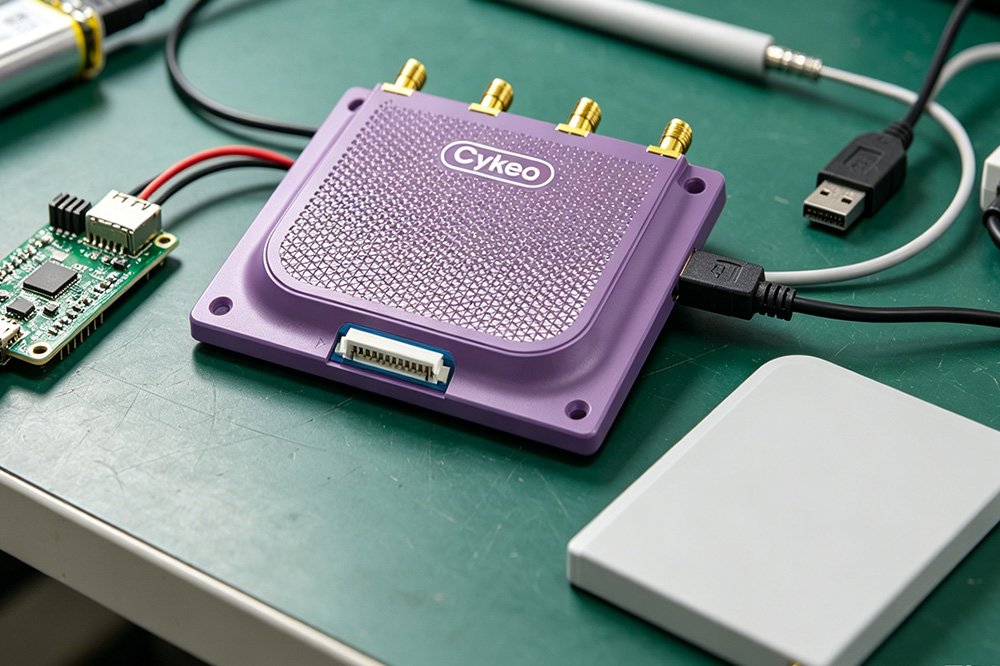
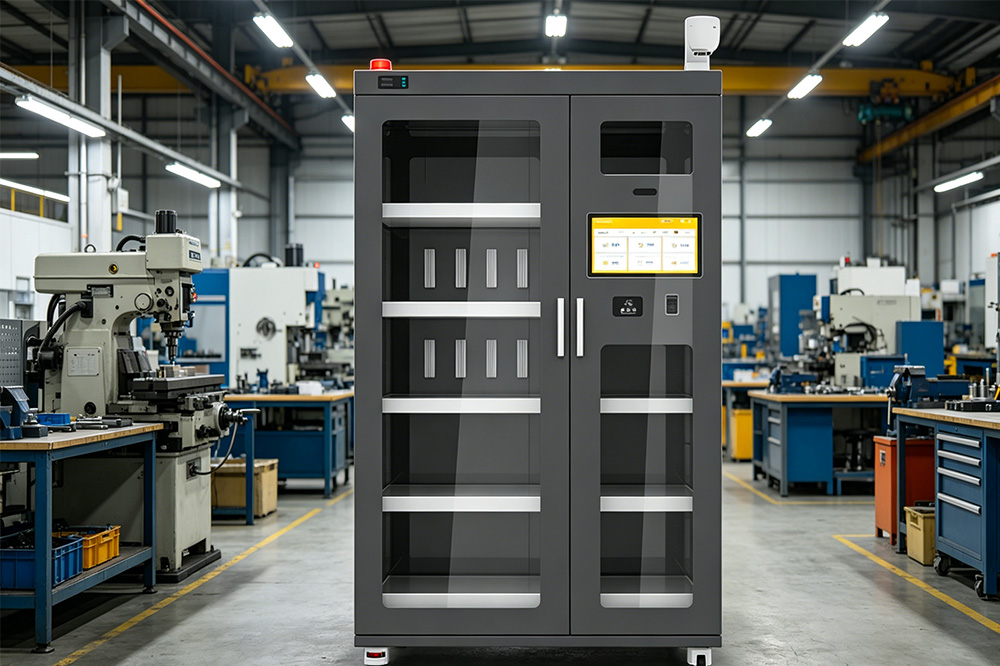
CYKEO provides RFID reader modules designed for smart cabinets, industrial automation equipment, handheld terminals, and embedded RFID projects.
You can explore the available modules here:rfid module
Final Thoughts
Most RFID technology is becoming less visible.
The reader hardware is moving inside the products people already use every day.
And as RFID systems become more integrated into industrial equipment and smart devices, embedded RFID reader modules are increasingly becoming the foundation behind those systems.
CYKEO Embedded RFID Modules are designed for compact industrial and IoT devices that require stable UHF performance. These UHF RFID Modules support global protocols, flexible power control, and reliable multi-tag reading for smart cabinets, production lines, and asset tracking systems.
CYKEO Embedded RFID Module is built for compact IoT and industrial devices that need stable UHF performance. This UHF module supports global protocols, low power operation, and reliable multi-tag reading for smart lockers, production lines, and always-on RFID systems.
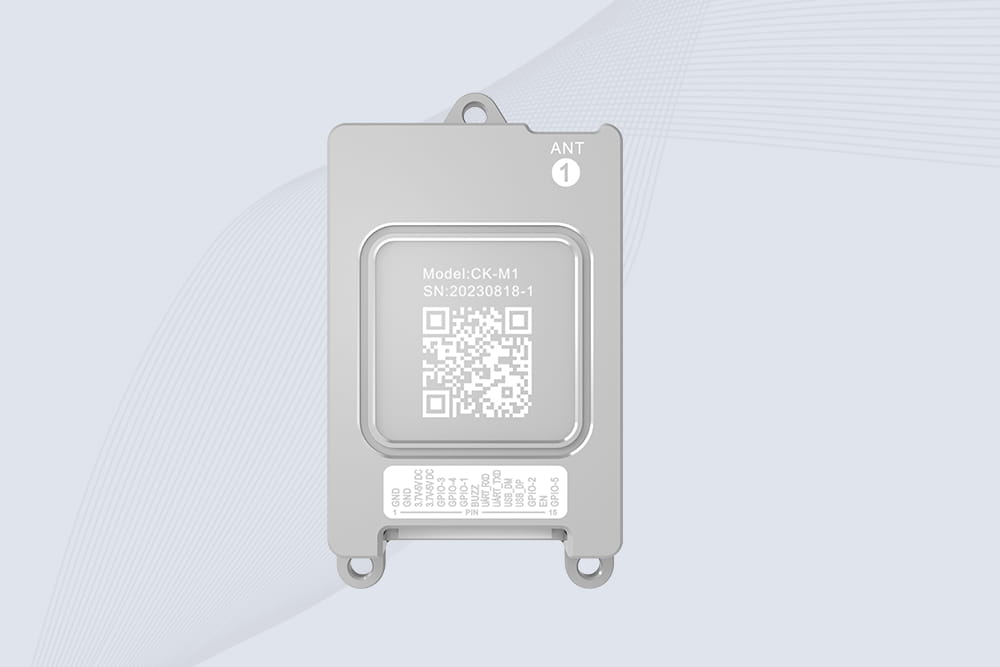
CYKEO CYKEO-M1 drone rfid module is a compact UHF RFID reader module designed for drones and UAV platforms. It supports long-range aerial scanning, fast multi-tag reading, and stable performance in wind, vibration, and outdoor environments.
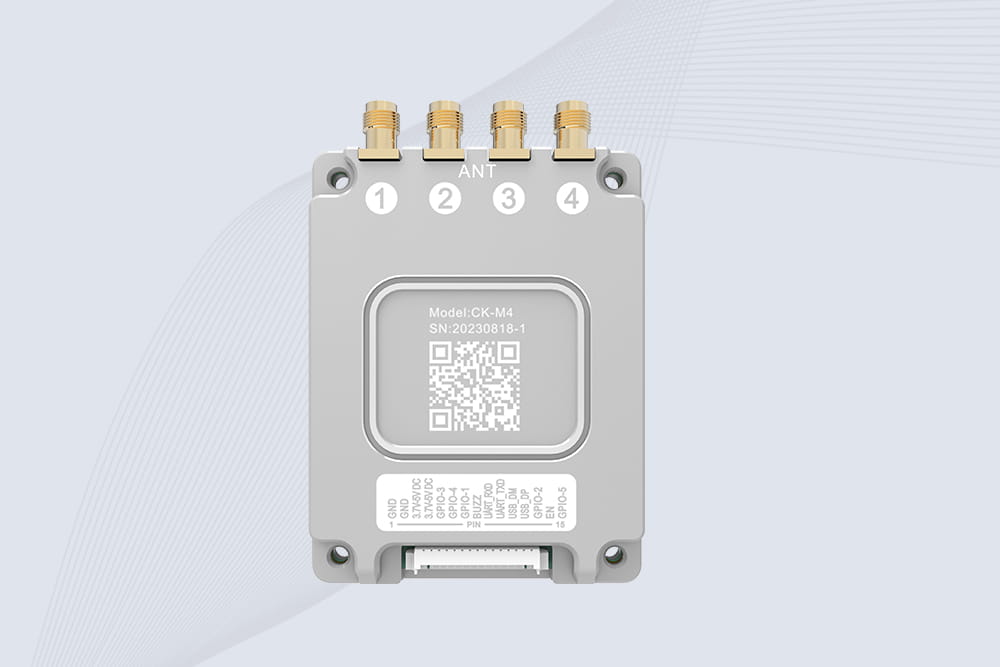
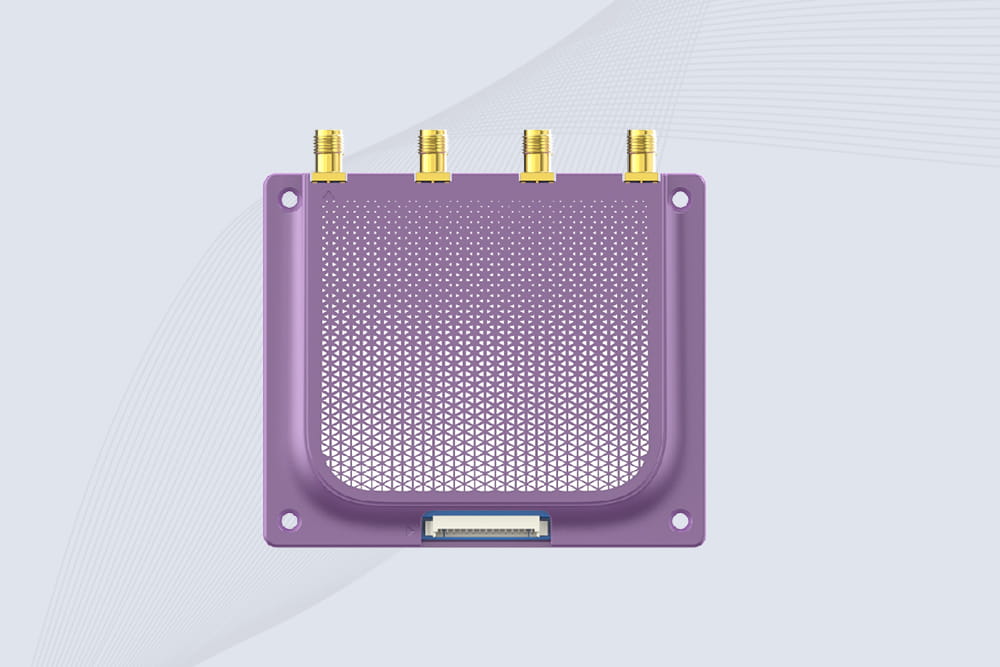
CYKEO CYKEO-M4 RC522 RFID Module is an industrial-grade UHF RFID reader with 4 ports, supporting ISO, EPC, and GB protocols. High-speed, accurate reading for IoT, automation, and warehouse applications.
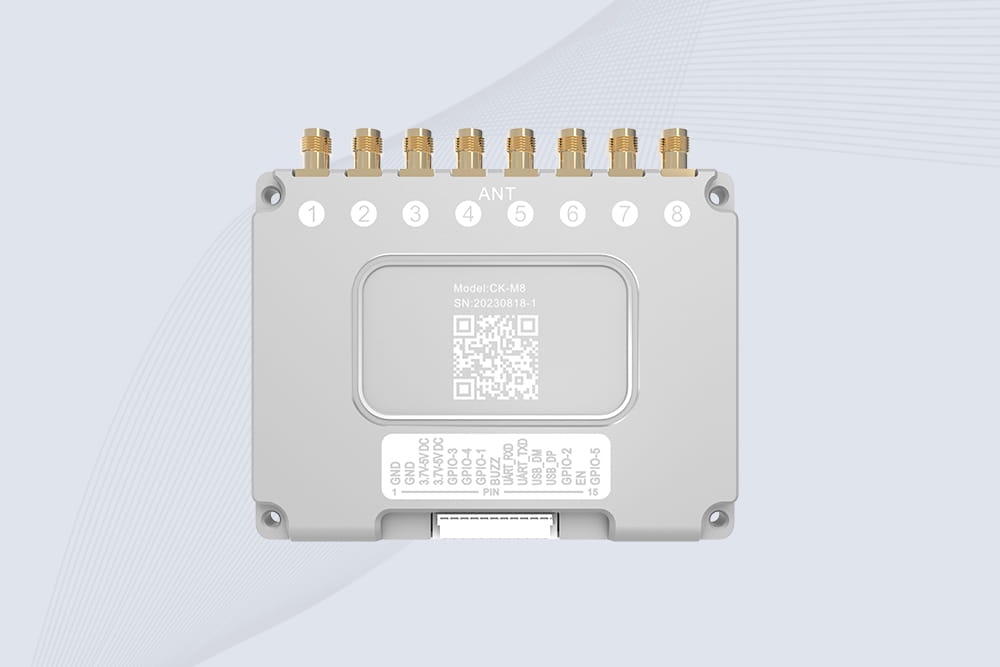
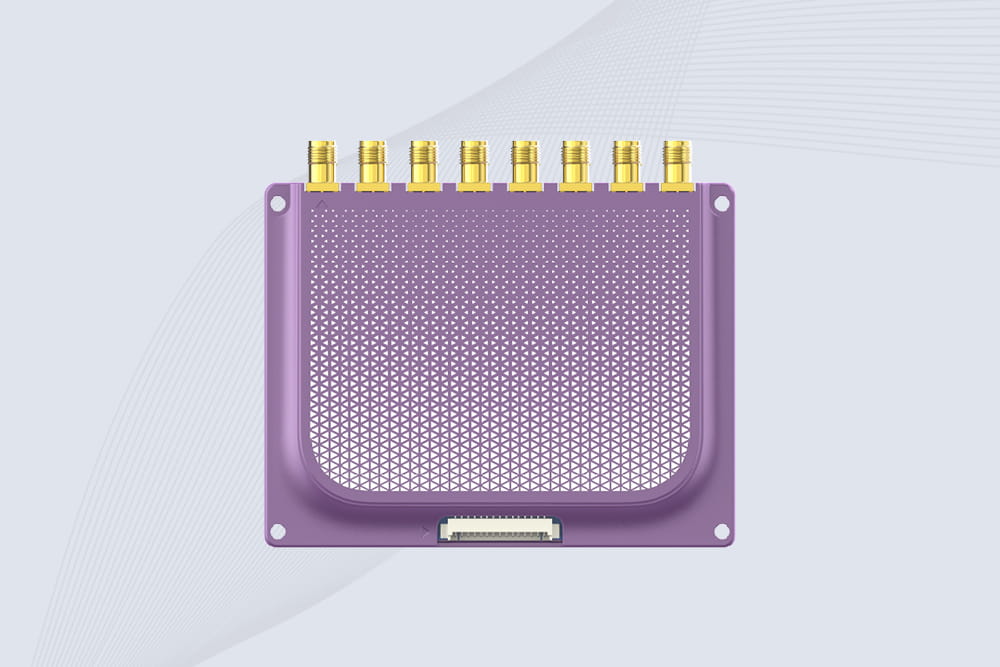
CYKEO CYKEO-M8 Module RFID is an 8-port UHF R2000 RFID Module designed for high-density, multi-tag environments. Stable 33dBm output, ISO & GB protocol support, ideal for warehouses, factories, and automated systems.
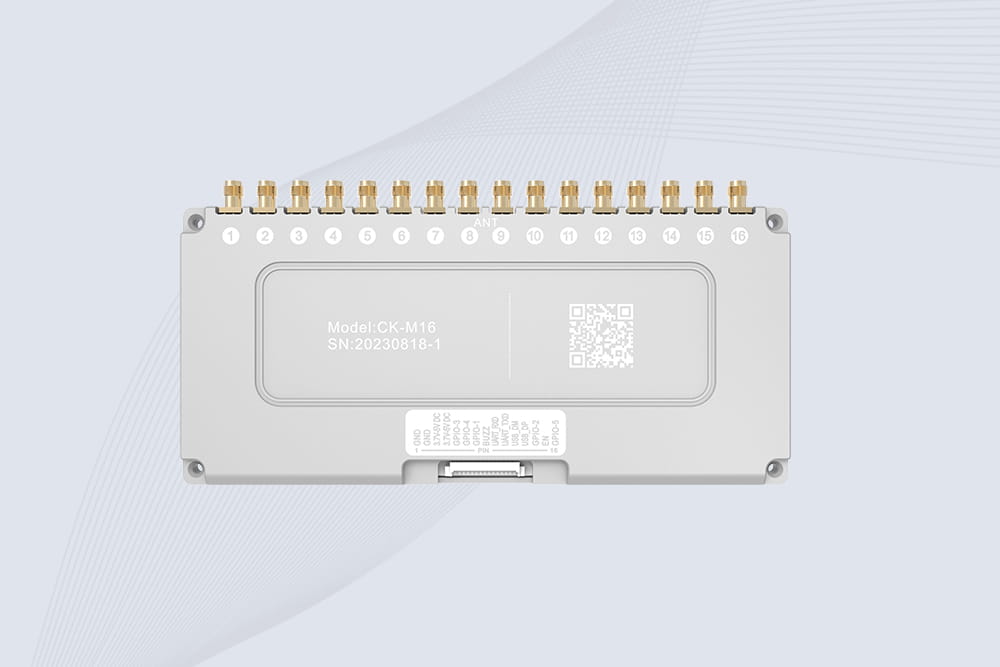
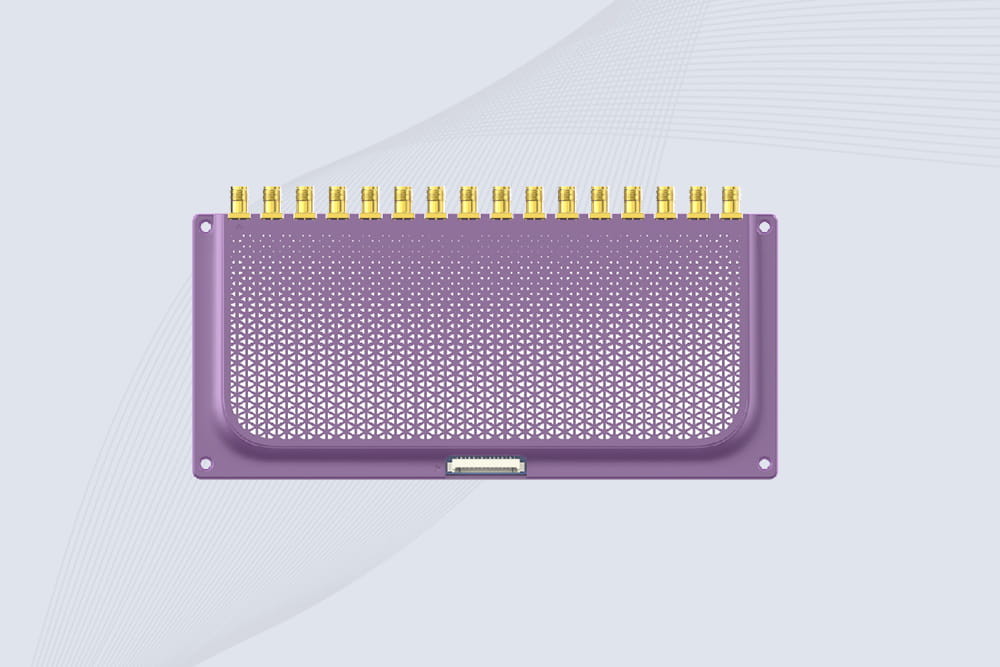
CYKEO CYKEO-M16 RFID Module is a 16-port UHF RFID reader module based on the R2000 chipset. Designed for dense tag environments, it supports ISO and GB standards and delivers stable multi-antenna control for industrial automation.
The CYKEO CYKEO-M16L RFID Reader Module is a 16-channel UHF RFID core designed for dense tag environments. With adjustable 33dBm output, multi-protocol support, and stable multi-antenna control, this RFID Tag Reader Module fits industrial automation, warehouse systems, and large-scale IoT deployments.
CYKEO CYKEO-M8L module RFID is a compact industrial UHF module built for dense tag and multi-antenna environments. With 8 RF ports, adjustable 33 dBm output, and ISO & GB protocol support, it is widely used in factories, warehouses, and automated tracking systems.
CYKEOCYKEO-M4L UHF RFID Module is a compact 4-channel RFID tag reader module designed for dense tag environments. Supporting ISO and GB protocols, it delivers stable reads up to 10 meters for industrial and IoT systems.
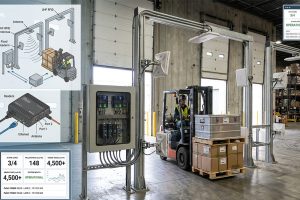
Learn how to design a reliable RFID gate system using fixed readers, directional antennas, and middleware. Explore RFID portal architecture, multi-antenna layouts, warehouse automation strategies, and methods to reduce interference between RFID ga...
CYKEO forklift mounted RFID reader designed for software developers integrating real-time warehouse systems. High-speed RFID forklift reader with Ethernet, RS-232 and optional Wi-Fi, built for mobile forklift deployment and dense tag environments.
Compare QR codes and NFC/RFID tags for your business. Discover their pros and cons in cost, security, and usability to choose the right identification technology.
 Cykeo RFID IoT Solution Products R&D Manufacturer