 Cykeo RFID IoT Solution Products R&D Manufacturer
RFID in Logistics: Why It’s More Than Just a Tracking Tool
438RFID in logistics improves inventory accuracy, real-time visibility, and cost efficiency across warehouses, transportation, and supply chain operations.
MoreAll RFID Product
Tags RFID are electronic identification tags that use radio frequency technology to store and transmit data, enabling automatic asset tracking, inventory management, and real-time visibility without direct line-of-sight scanning.
In warehouses, hospitals, factories, libraries, and logistics centers, RFID tags have moved far beyond being simple identification labels. Today, they serve as digital links between physical assets and management systems, helping organizations know what they have, where it is, and when it moves.
Having worked with RFID deployments across inventory control, tool management, warehouse automation, and industrial asset tracking projects, I’ve seen companies achieve dramatic visibility improvements with RFID tags—not because the technology is complex, but because it removes uncertainty from daily operations.
An RFID tag is a small electronic device containing:
The tag communicates with RFID readers through radio waves.
Unlike barcodes, RFID tags do not need to be visible to be identified. Multiple tags can be read simultaneously, even when attached to boxes, pallets, equipment, or containers.
| Component | Function |
|---|---|
| RFID Chip | Stores unique data |
| RFID Antenna | Sends and receives RF signals |
| Substrate | Supports tag structure |
| Protective Layer | Provides environmental protection |
The simplicity of the design is often surprising considering how much operational value RFID tags can deliver.
The communication process happens almost instantly.
For warehouse staff, this process is invisible.
For operations managers, it creates real-time visibility.
According to the RAIN RFID Alliance, RFID technology enables businesses to identify and track large volumes of assets rapidly and accurately.
That capability becomes particularly valuable in environments where thousands of items move every day.
Not all RFID tags are designed for the same applications.
Characteristics:
Applications:
Characteristics:
Applications:
Operating Frequency:
860–960 MHz
Typical Applications:
The majority of modern industrial RFID deployments use UHF tags due to their speed and reading distance.
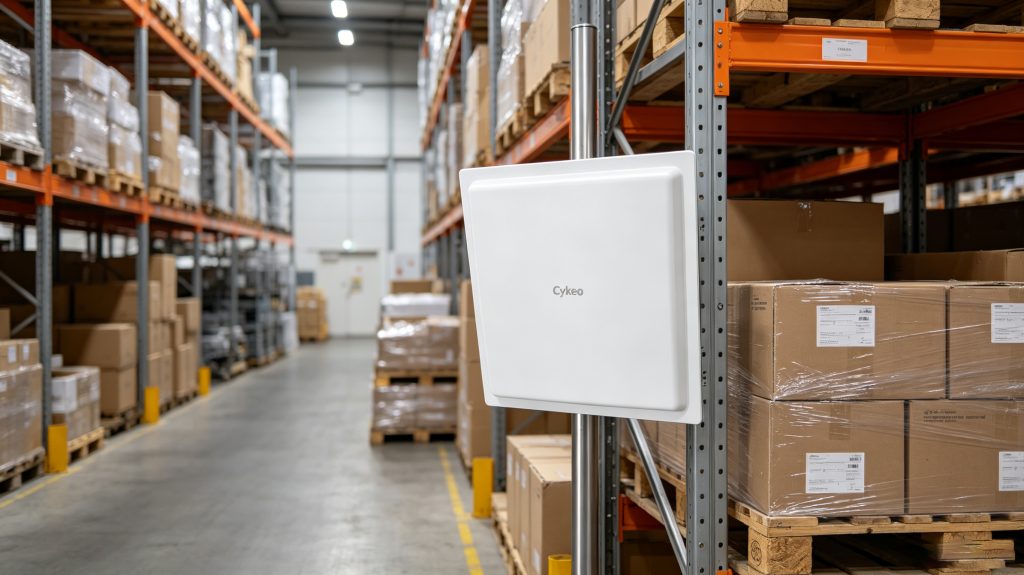
Inventory visibility is one reason.
Operational confidence is another.
According to Auburn University’s RFID Lab, RFID-enabled systems have demonstrated inventory accuracy rates exceeding 95% in many retail and warehouse environments.
That level of accuracy changes decision-making.
Managers spend less time verifying data and more time acting on it.
In one warehouse project review, staff believed inventory shortages were caused by theft.
RFID data revealed something different.
Most missing items were simply misplaced between receiving and storage areas.
The inventory wasn’t gone.
It was invisible.
That distinction saved the company from purchasing additional stock unnecessarily.
The comparison appears in almost every RFID project discussion.
| Feature | RFID Tags | Barcode Labels |
| Line-of-Sight Required | No | Yes |
| Bulk Reading | Yes | No |
| Read Speed | Very Fast | Moderate |
| Automation Level | High | Limited |
| Data Capacity | Higher | Lower |
| Durability | Better | Moderate |
For operations handling large inventories, RFID generally provides greater scalability.
RFID tags support:
Used for:
Hospitals deploy RFID tags for:
RFID tags improve:
According to GS1, enhanced supply chain visibility remains a major priority for organizations seeking operational efficiency improvements.
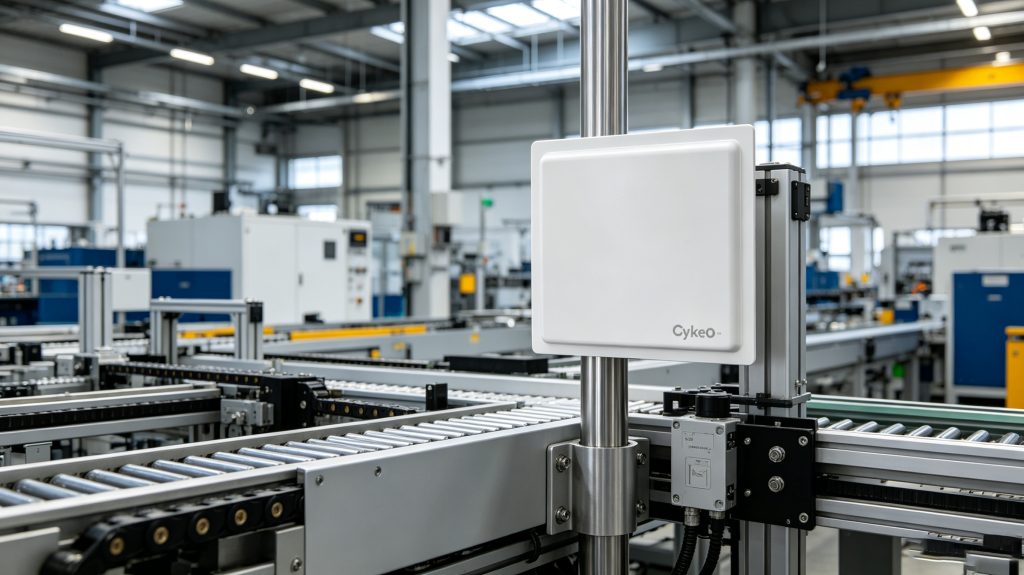
Companies often ask about read range first.
That’s understandable.
Long-range performance is easy to measure.
Yet after deployment, customers usually care more about consistency.
An RFID tag that delivers reliable reads every day generates more value than one capable of longer distances under ideal conditions but inconsistent results in real environments.
Metal surfaces.
Storage density.
Tag placement.
These factors influence success far more than many buyers initially realize.
Tags RFID are electronic identification devices that use radio frequency technology to store and transmit data for tracking and identification.
Warehousing, logistics, manufacturing, healthcare, retail, libraries, and asset management industries commonly use RFID tags.
For large-scale inventory tracking and automation, RFID tags often provide greater efficiency and accuracy than barcode systems.
Passive RFID tags have no battery and rely on reader energy, while active RFID tags contain their own power source and offer longer ranges.
Many RFID tags are reusable, particularly those used for industrial assets, containers, pallets, and equipment tracking.
Tags RFID have become essential tools for inventory management, asset tracking, and supply chain visibility. By enabling fast, automated identification and real-time data collection, tags RFID help organizations improve accuracy, reduce labor requirements, and gain greater control over their operations.
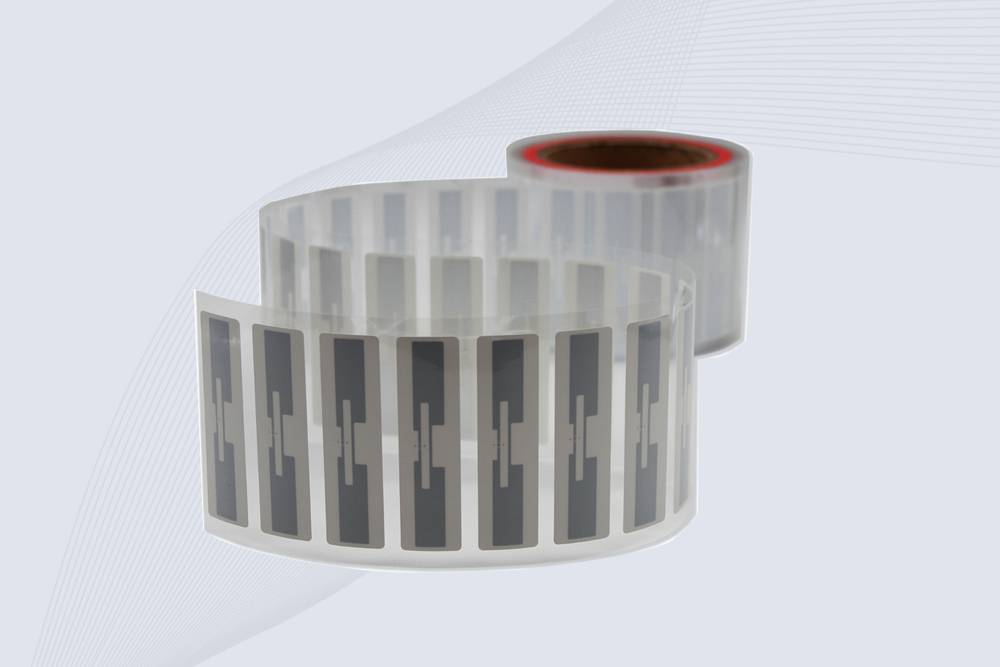
CYKEO Passive RFID Tags are made for wet and high-humidity environments where standard labels do not last. This rfid passive tag is often used around liquids, chemicals and temperature changes, providing stable reading distance and long data life for industrial tracking.
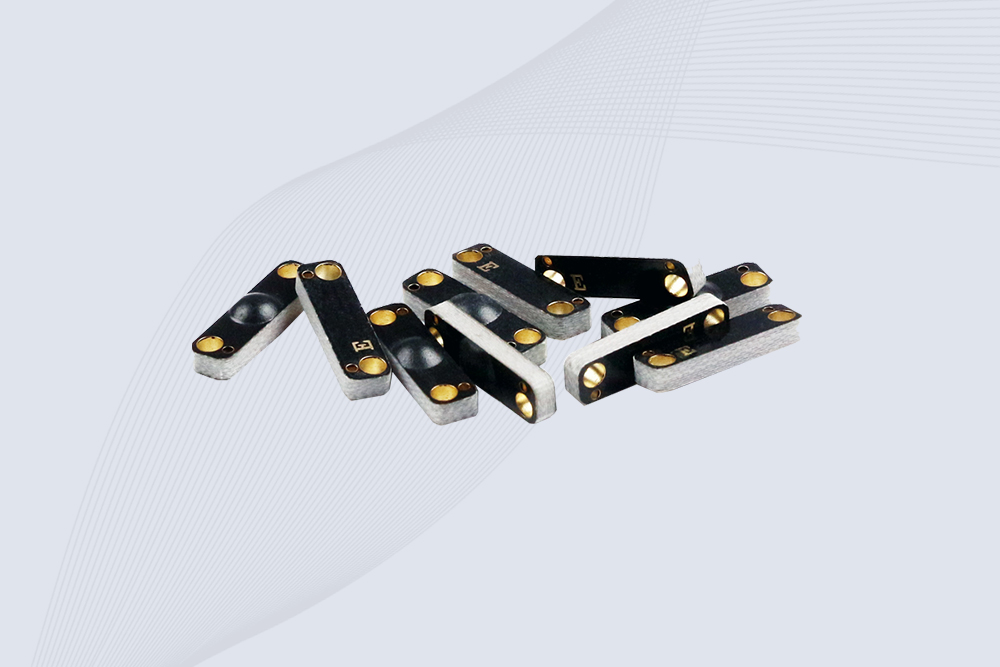
CYKEO CYKEO-PCB1504 Metal RFID Tags is a compact anti-metal UHF RFID solution built for direct mounting on metal surfaces. With stable 8-meter read range, Ucode-8 chip, and long data retention, this rfid metal tag fits tools, containers, automotive parts, and industrial asset tracking.
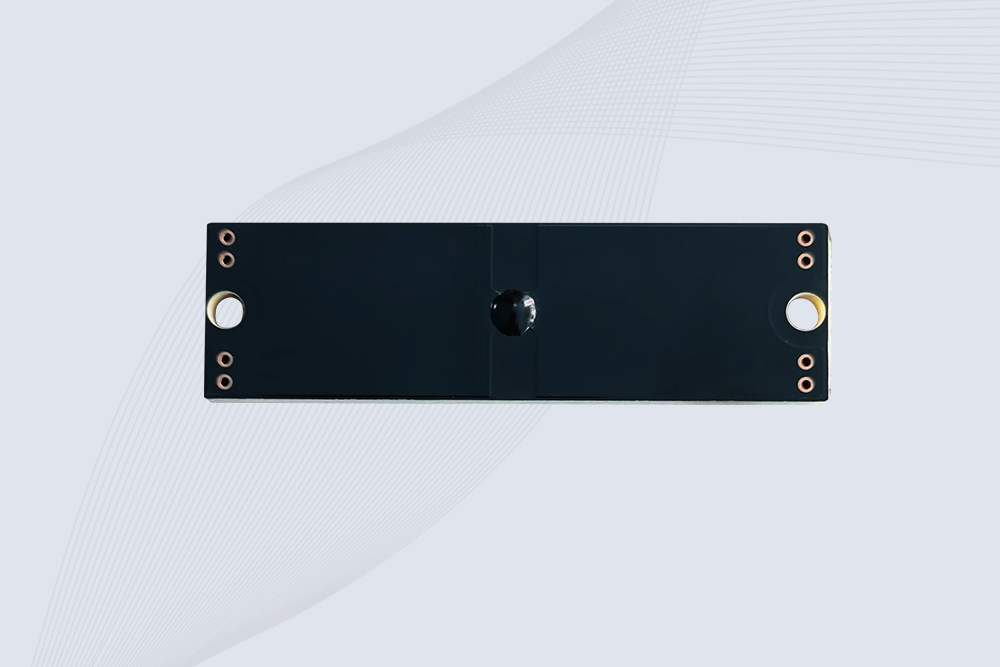
CYKEO CYKEO-PCB7020 On-Metal RFID Tags are designed for reliable tracking on steel and metal surfaces. Built with an FR4 epoxy body and industrial-grade chips, these On-Metal RFID Tags deliver stable performance, long data life, and chemical resistance, making them a dependable RFID anti-metal tag for harsh environments.
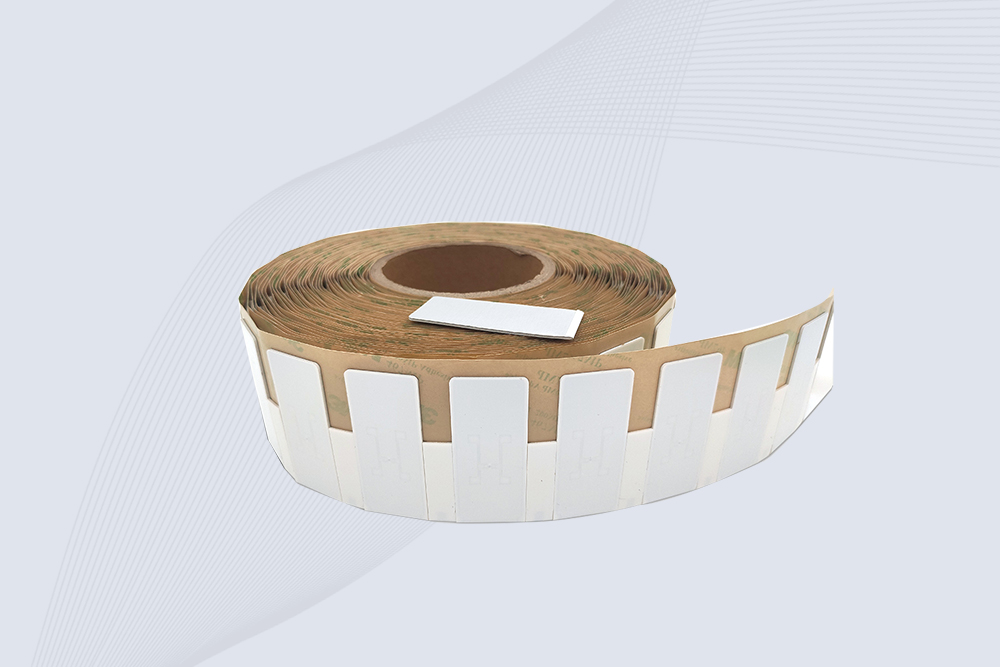
The CYKEO CYKEO-60-25 Anti-Metal RFID Tag is built for metal surfaces where standard tags fail. Designed for long-range performance, harsh environments, and stable data retention, this Anti-Metal RFID Tag is ideal for industrial assets, containers, and equipment tracking using on metal RFID tags.
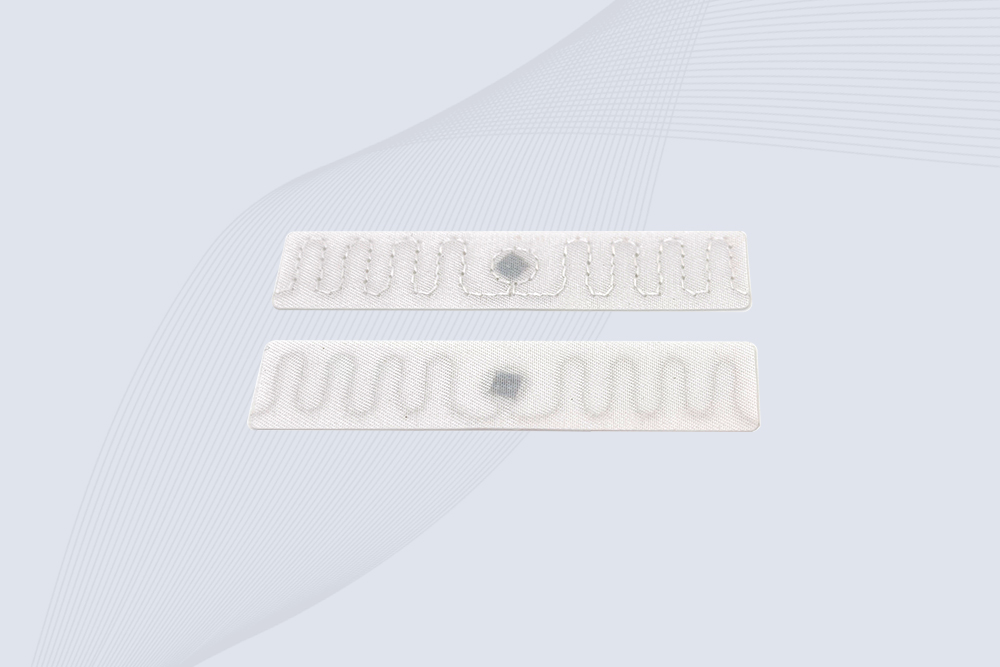
The CYKEO RFID Laundry Tag is designed for long-term textile identification in harsh laundry environments. Built to withstand high heat, chemicals, and repeated washing, this RFID Laundry Tag delivers stable performance for hotels, hospitals, and industrial laundry operations using laundry rfid tags at scale.
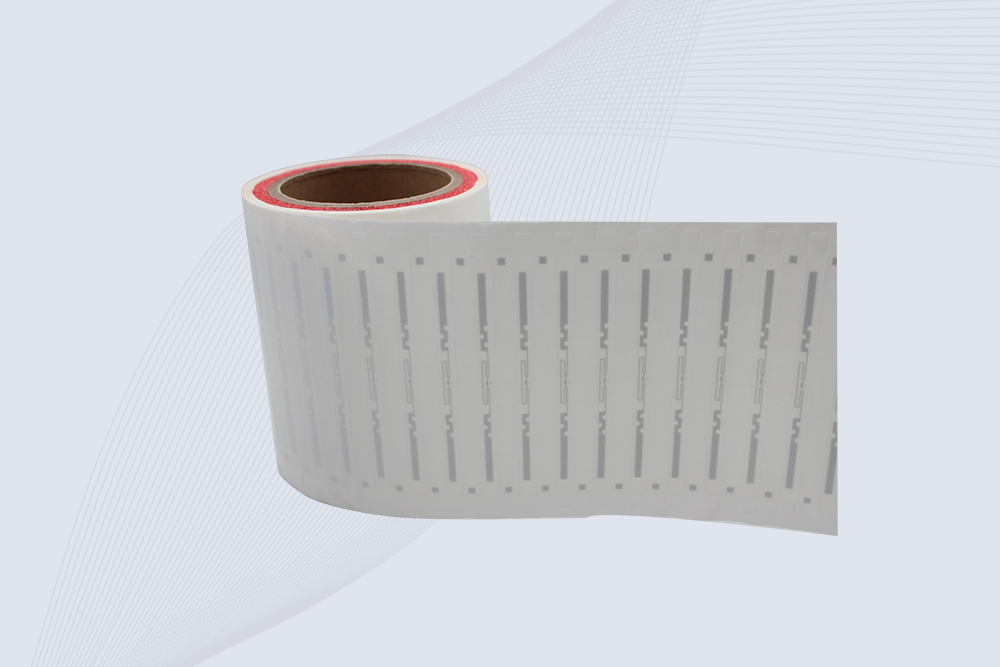
The CYKEO CYKEO-125-7 RFID Book Tag is designed for reliable book and document tracking in libraries and archives. This RFID Book Tag delivers long read range, dense placement support, and stable performance on shelves, making it a practical rfid tag on books for library automation, file management, and archival systems.
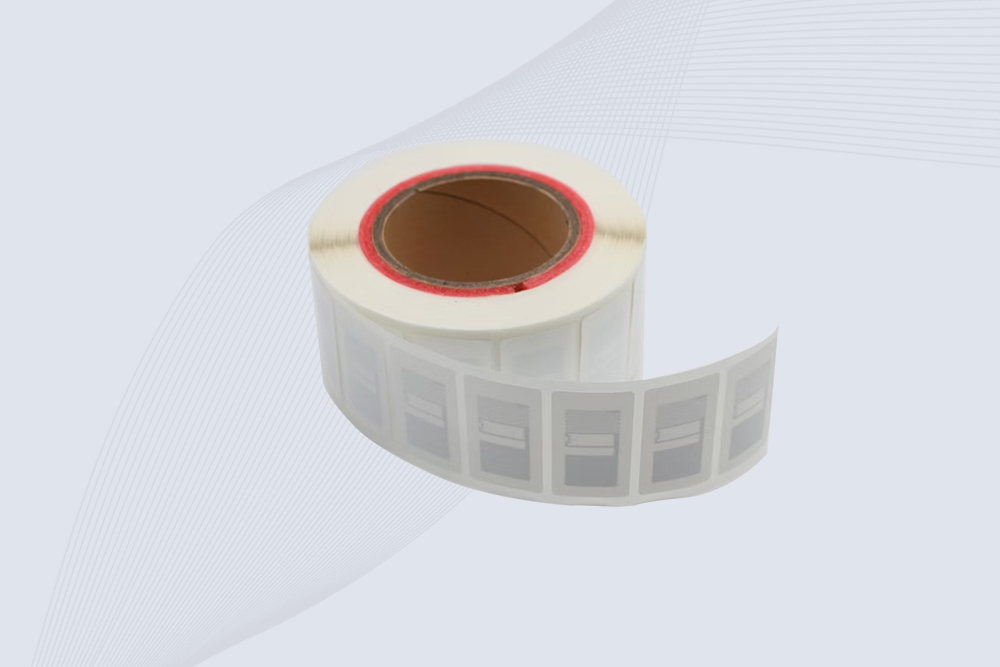
CYKEO RFID tags in hospitals are designed for sterile environments where accuracy matters. These autoclavable RFID tags support long-term tracking of surgical tools, implants, and medications, helping hospitals improve visibility, compliance, and patient safety.

CYKEO RFID Cable Tie Tag is built for reliable identification on metal surfaces. This UHF RFID Cable Tie Tag is widely used in rfid tags for inventory systems, industrial asset management and Hospital RFID Tags, offering stable read performance, long service life and global EPC Gen2 compatibility.
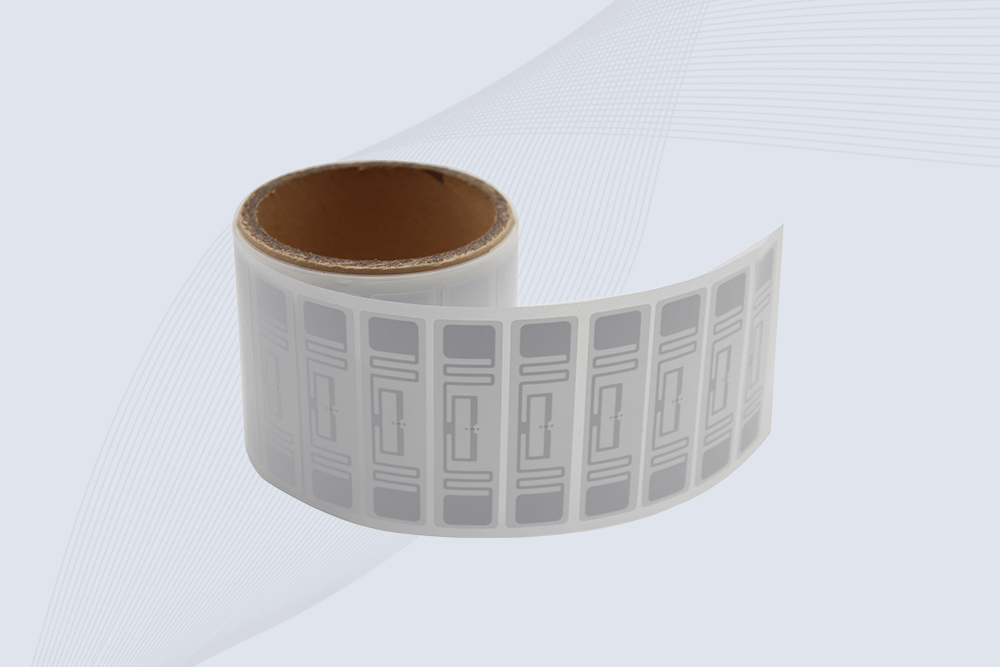
CYKEO RFID Asset Tag is designed for stable identification of metal assets in industrial environments. This UHF RFID Asset Tag is commonly used for rfid tag asset tracking on equipment, tools and containers, providing reliable reads, long service life and ISO/IEC 18000-6C support.

CYKEO UHF RFID Card is designed for fast identification and long-term use in industrial and commercial systems. Supporting ISO 18000-6C, this UHF RFID Card works at 860–960 MHz and is suitable for custom RFID cards used in asset tracking, access control and inventory management.
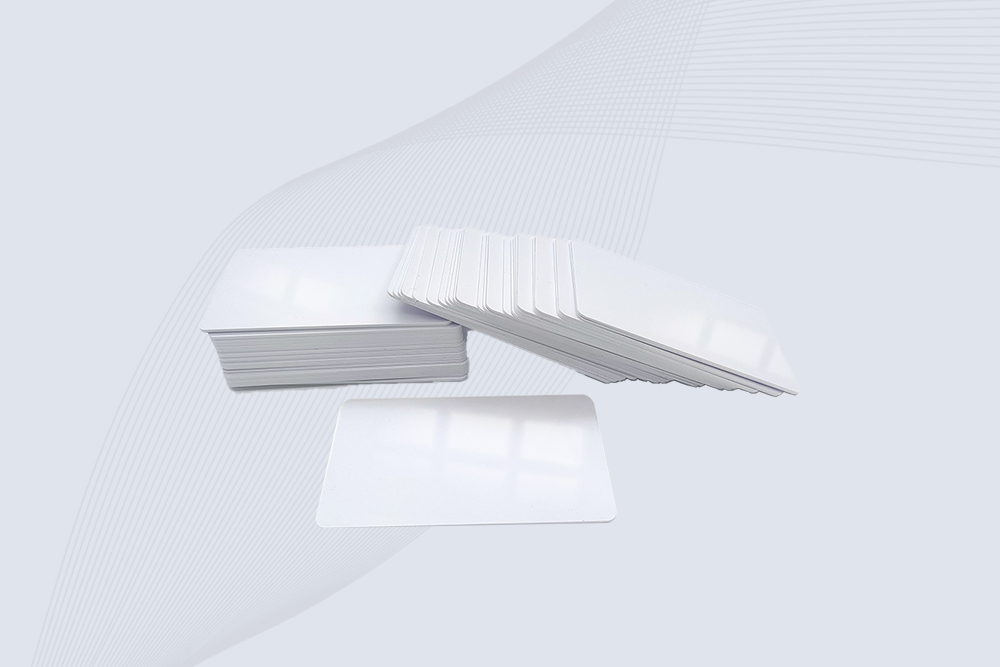
CYKEO HF RFID Cards are designed for secure and stable access control systems. These 13.56 MHz RFID key cards support ISO 14443-A, reliable rewriting and long service life, making HF RFID Cards suitable for offices, campuses, events and membership management.
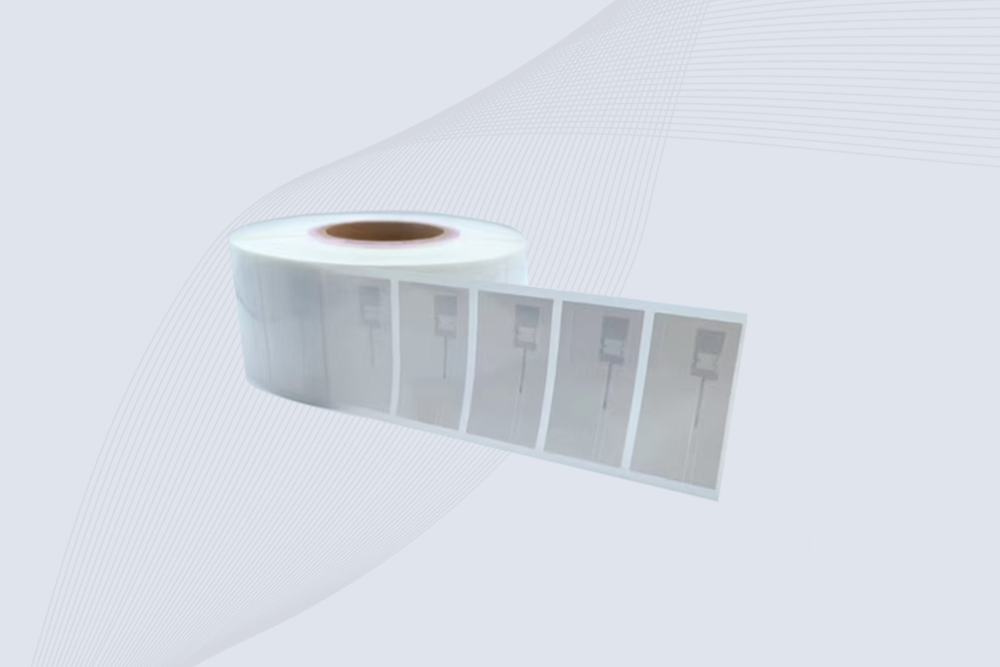
CYKEO UHF RFID Tag is designed for reliable tracking of metal jewelry and high-value items. This Jewelry RFID Tag supports long-range reading up to 8 meters, anti-counterfeit protection and stable performance on metal, making it suitable for retail, inventory control and asset management.

RFID in logistics improves inventory accuracy, real-time visibility, and cost efficiency across warehouses, transportation, and supply chain operations.
More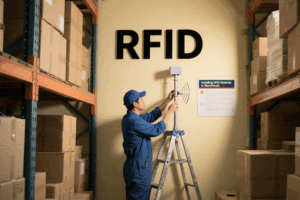
Discover budget-friendly RFID antenna strategies for small to medium businesses. Cut costs, boost accuracy, and scale your operations efficiently.
More
Struggling with weak RFID signals? Learn how to boost antenna range using software tweaks, placement hacks, and free tools—no extra hardware needed.
More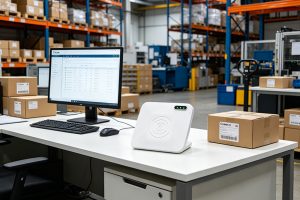
desk reader systems improve RFID tag encoding, asset tracking, and inventory accuracy with ultra high frequency identification technology from Cykeo.
More