 Cykeo RFID IoT Solution Products R&D Manufacturer
Long Range RFID: Practical Considerations for RFID Solution Providers
425Professional guide to long range RFID for solution providers, covering rfid reader performance, industrial selection, and real deployment considerations
MoreAll RFID Product
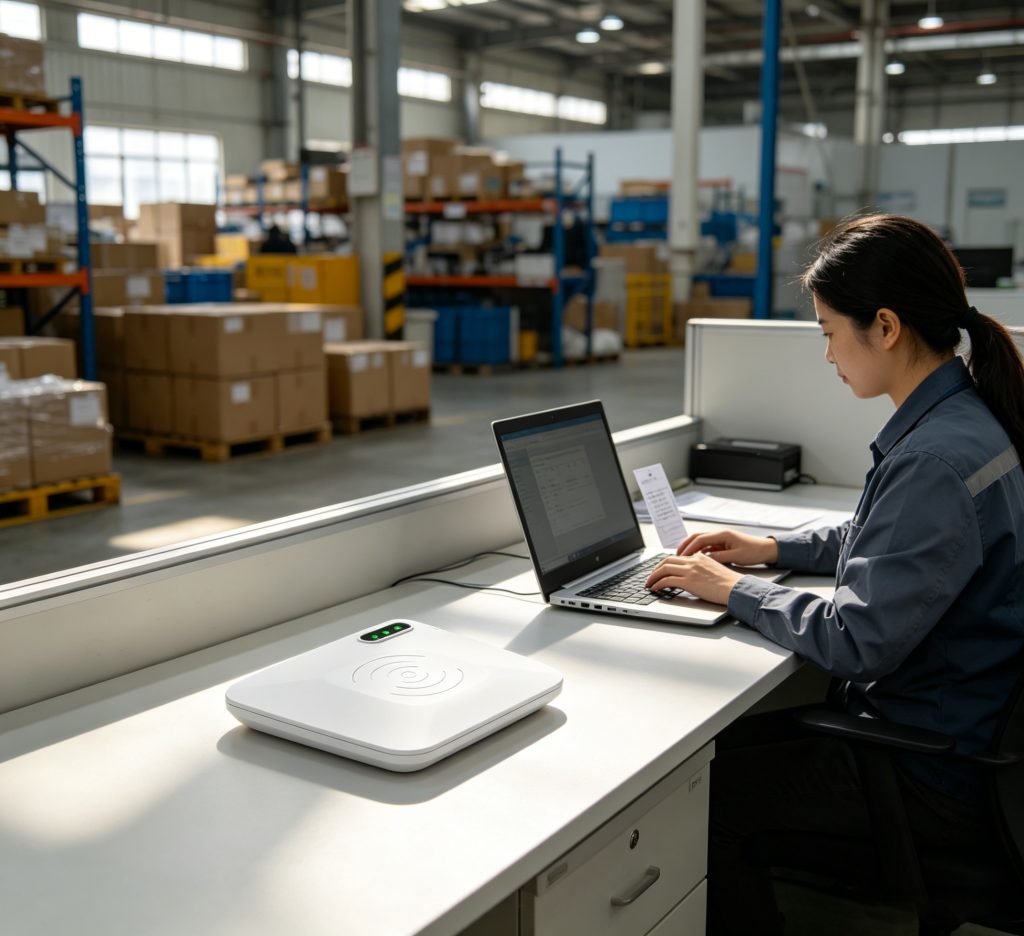
A UHF RFID card reader and writer enables fast tag encoding, secure data registration, and high-accuracy RFID management for libraries, tool rooms, retail counters, and industrial tracking environments.
In practical deployment, a stable desktop RFID card reader and writer matters far more than many buyers expect. The difference between a smooth registration workflow and a chaotic one often comes down to write accuracy, collision handling, and whether the device can consistently control read range in crowded tag environments.
At Cykeo, our engineering team spent months testing near-field UHF behavior in actual registration desks rather than isolated labs. The result was the CYKEO-D1L desktop UHF RFID card reader and writer — designed specifically for high-frequency encoding tasks where operators repeatedly issue, register, rewrite, and verify RFID tags throughout the day.
Unlike oversized industrial gateways, this unit focuses on precision within a controlled short-distance zone.
Cloud platforms get attention. AI analytics gets attention. Yet inside many RFID projects, the bottleneck is still the encoding station.
A logistics operator may process 8,000 RFID labels weekly. A library technician may rewrite damaged tags every shift. A hospital asset manager may register surgical kits before sterilization cycles.
In these cases, the encoding hardware becomes the heartbeat of the operation.
According to data published by the RFID Journal, encoding errors remain one of the most common causes of downstream inventory mismatches in RFID deployments.
Source: https://www.rfidjournal.com/
GS1 also notes that accurate EPC data writing is critical for supply-chain traceability and serialization consistency.
Source: https://www.gs1.org/
Those numbers become very real during deployment.
One warehouse client we supported in Southeast Asia originally used a generic desktop encoder. The read area was too wide. Nearby tags interfered constantly. Operators started shielding tags with cardboard just to complete writes.
After switching to a controlled near-field UHF card reader and writer setup, encoding time dropped noticeably within the first week.
Not glamorous. But operationally important.
The CYKEO-D1L was developed around short-range ultra high frequency identification rather than long-range inventory scanning.
Key specifications include:
| Feature | Details |
|---|---|
| RFID Standard | ISO 18000-6C / EPC Gen2 |
| Max RF Output | 33 dBm |
| Read Distance | Within 30 cm |
| Write Distance | Within 10 cm |
| Interface | USB Type-C |
| SDK Support | C# / Java |
| Tag Filtering | Supported |
| Batch Writing | Supported |
The short-range architecture is intentional.
In real registration environments, wide RF coverage is usually a problem, not an advantage. Controlled UHF recognition reduces accidental reads and improves write success rates.
Some vendors advertise theoretical throughput numbers that rarely survive field conditions.
We tested the CYKEO-D1L continuously during multi-tag encoding sessions involving stacked RFID cards, mixed EPC formats, and rapid consecutive rewrites.
What stood out was stability.
The near-field antenna design keeps the RF zone compact, which significantly lowers unintended tag collisions. Operators can place a single RFID tag naturally on the desktop surface without shielding neighboring inventory.
That sounds small until someone processes hundreds of tags every afternoon.
Operators typically use the device for:
The included DEMO software also shortens onboarding time for system integrators.
Libraries often struggle with inconsistent tag registration because books are stacked closely during processing.
The controlled 30 cm recognition area helps isolate individual tags during conversion and rewrite tasks.
Industrial tool rooms require accurate assignment records tied to workers and departments.
The device supports rapid tool tag issuance without requiring operators to manually scan serial numbers repeatedly.
Laundry tags are notoriously difficult because large volumes accumulate around workstations.
Near-field UHF encoding reduces duplicate reads during rewriting operations.
According to Auburn University RFID Lab research, read-zone management directly affects encoding accuracy in dense RFID environments.
Source: https://rfid.auburn.edu/
That finding mirrors what we observed during customer pilot testing.
A failed write creates invisible downstream problems.
Overpowered desktop readers often cause accidental multi-tag reads.
Many integrators underestimate SDK quality until deployment begins.
The CYKEO-D1L provides C# and Java development resources, which reduces integration time for internal software teams.
One issue rarely discussed publicly is operator fatigue.
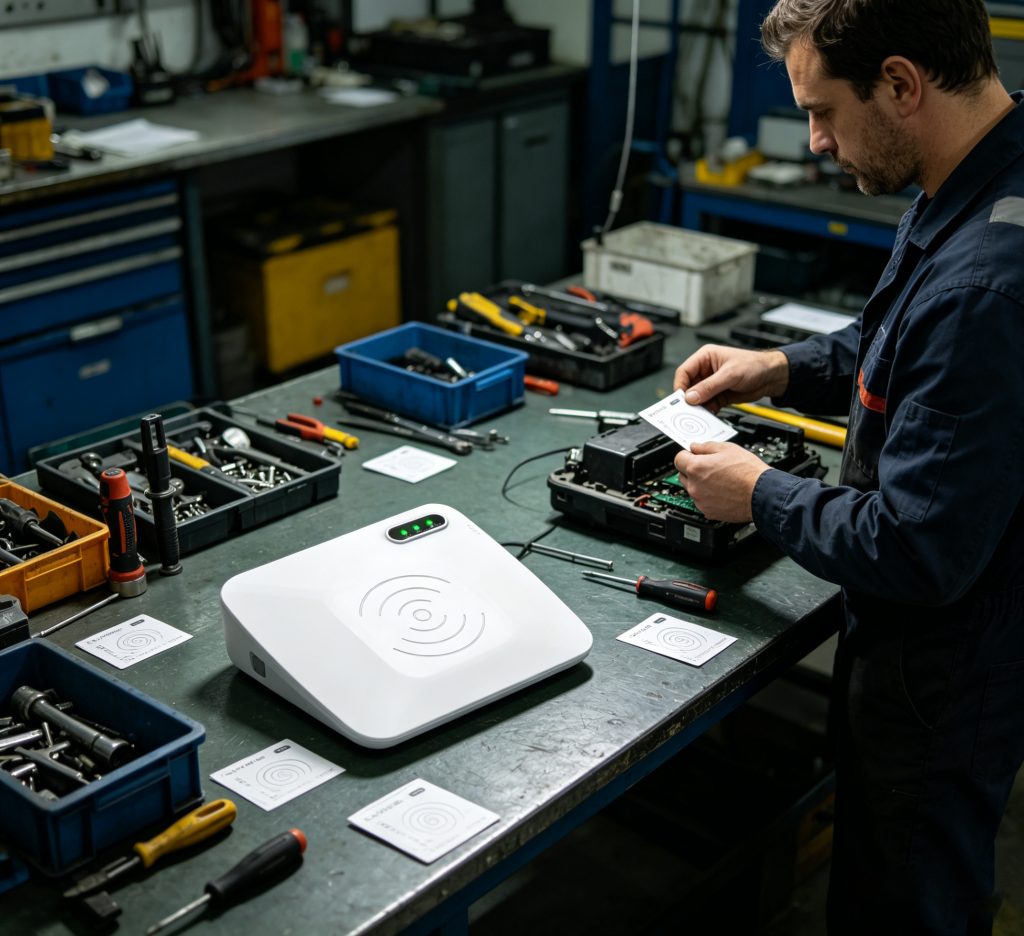
Large handheld readers are excellent for warehouse inventory, but repetitive desktop encoding tasks are different. Workers repeatedly place, verify, remove, and rewrite tags thousands of times per shift.
A compact desktop card reader and writer reduces unnecessary movement and improves encoding rhythm.
That operational detail rarely appears in brochures, yet it directly affects throughput.
We also found that Type-C communication simplifies workstation replacement. Modern laptops no longer require legacy serial adapters, which reduces IT troubleshooting during deployment.
Small details. Big operational effect.
A card reader and writer is used to encode, read, modify, and verify RFID tag information for asset tracking, libraries, retail inventory, and industrial management systems.
Yes. The device supports ultra high frequency RFID protocols including ISO 18000-6C / EPC Gen2.
Yes. The CYKEO-D1L supports rapid batch writing and RFID tag filtering for efficient large-scale registration tasks.
The device uses a controlled near-field antenna architecture with approximately 30 cm read range and 10 cm write range for precise encoding.
Libraries, archives, industrial tool management, retail inventory systems, textile tracking, and asset registration centers commonly deploy desktop RFID card reader and writer devices.

Discover SSD-D4AL, a USB-HID UHF RFID reader with 4/8/16 antenna options, Impinj E710/X3M1 chipset, plug-and-play USB power, and OEM customization.
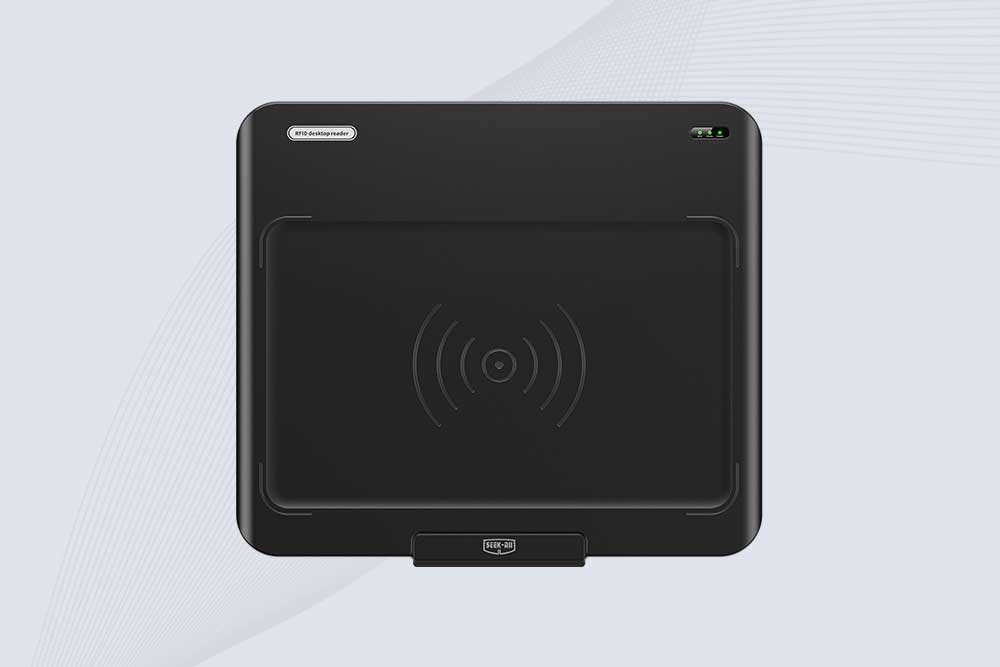
SSD-D3AL is a USB-HID UHF RFID reader with 0–30 cm reading, 0–15 cm writing, over 600 tags/s recognition, USB plug-and-play operation and OEM Logo customization.
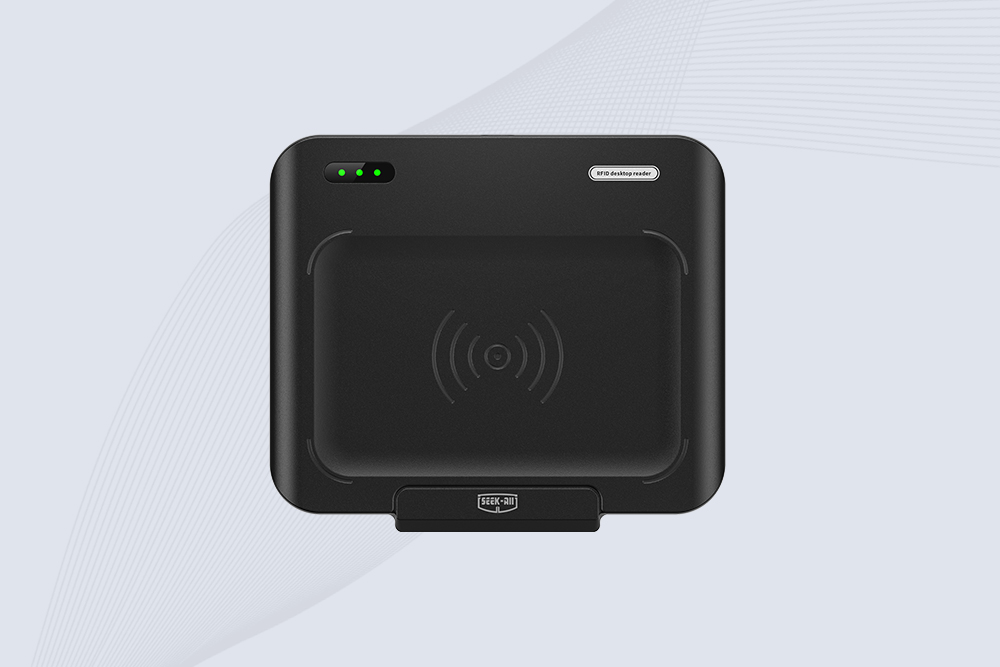
SSD-D1AL is a compact USB UHF RFID reader with Impinj E710/X3M1 chipset, USB-HID, 600+ tags/s recognition, 4/8/16 antenna support and plug-and-play USB power.

CYKEO CYKEO-D1LA USB RFID Reader is a compact desktop solution with near-field control for precise tag reading and encoding. Powered by USB, supporting ISO 18000-6C, and built for stable batch writing, this usb rfid tag reader fits retail, libraries, offices, and controlled RFID encoding tasks.
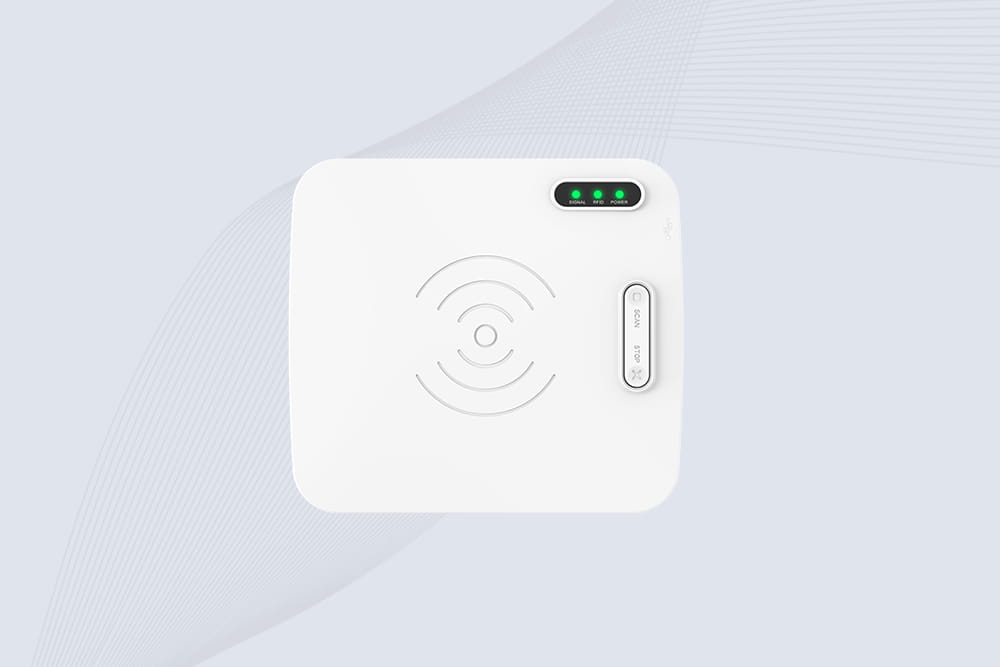
CYKEO CYKEO-D1L RFID scanner USB is a compact desktop UHF RFID scanner designed for short-range tag writing and verification. This usb rfid scanner supports batch encoding, stable 0–26 dBm output, and works across Windows, Linux, and Android systems.
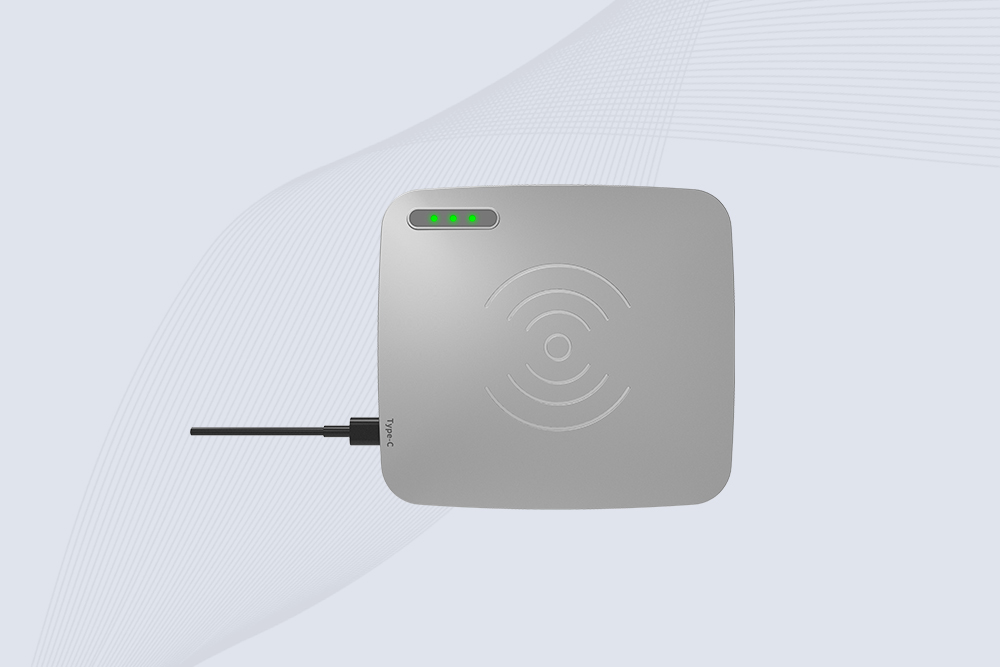
CYKEO CYKEO-D1C USB RFID Card Reader is a near-field UHF desktop writer designed for secure, short-range tag encoding. With USB-C connectivity and stable 26 dBm output, this rfid reader usb c is ideal for badge issuance, label encoding, and controlled desktop RFID workflows.
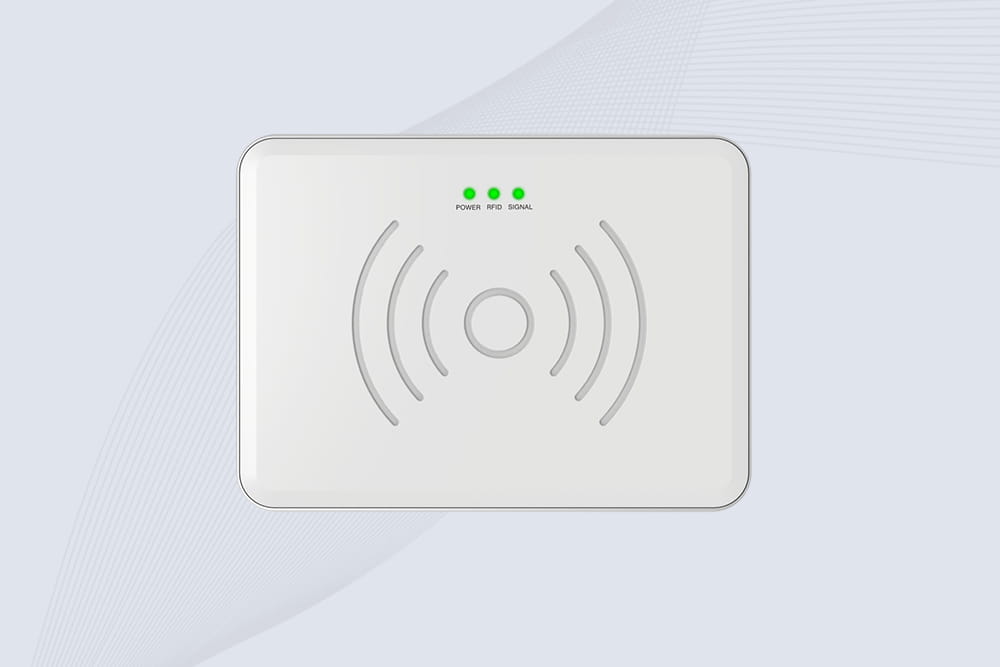
CYKEO CYKEO-D2L RFID Reader USB is a compact desktop encoder built on the Impinj R500 chip. With near-field control and stable USB power, this usb rfid card reader delivers precise tag writing for offices, retail counters, and small-scale logistics encoding tasks.
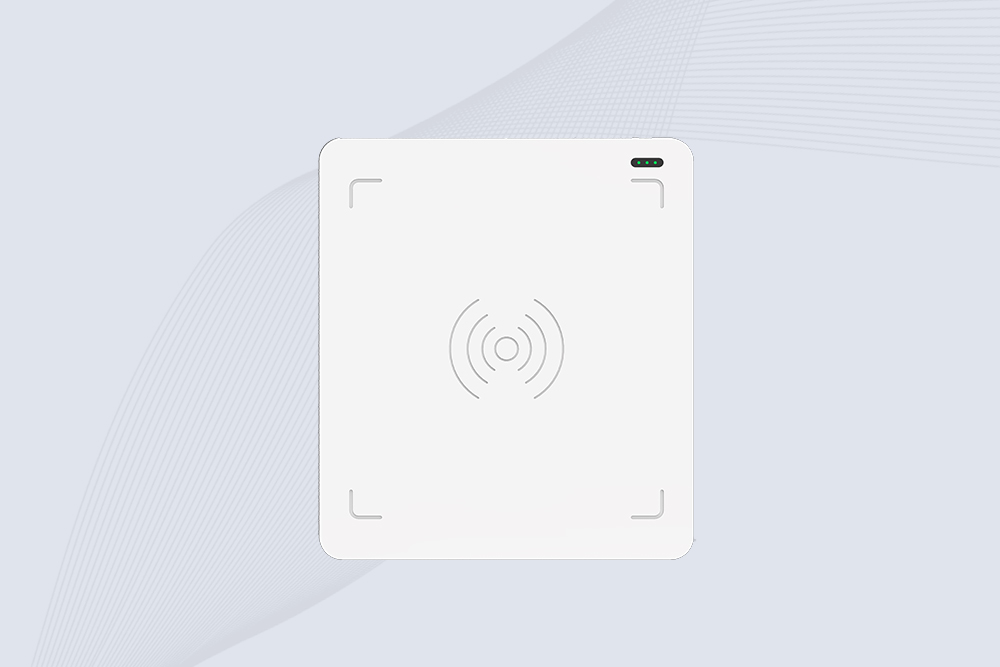
CYKEO CYKEO-D3L USB RFID Tag Reader delivers stable UHF tag reading and writing for daily desktop and light industrial tasks. Designed for controlled short-range operation, this USB RFID Tag Reader works reliably with rfid tag and reader systems in libraries, tool tracking, and inventory registration.
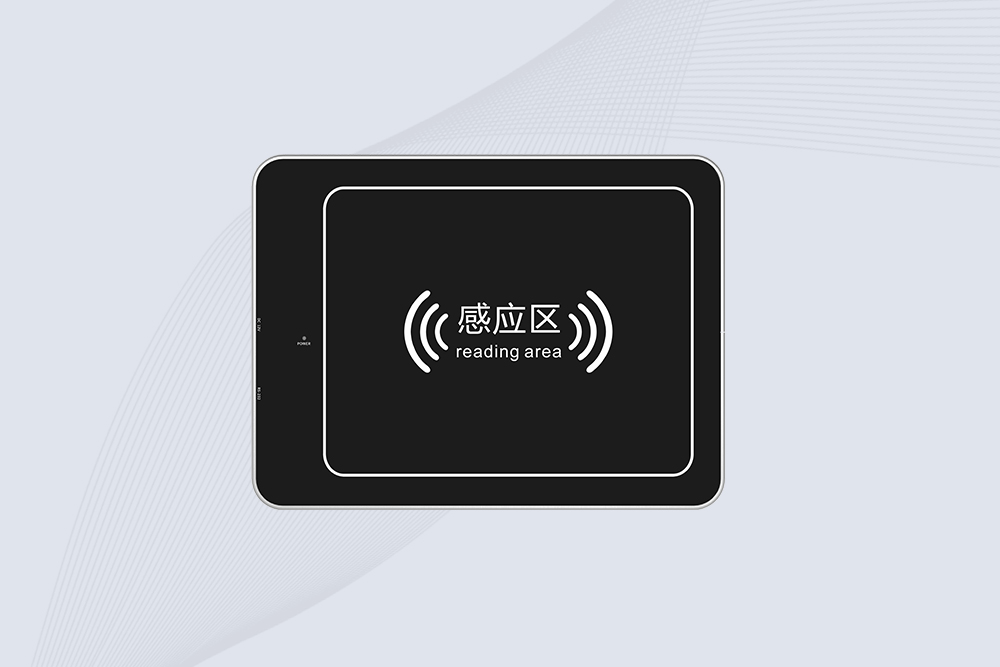
The CYKEO CYKEO-D4L UHF RFID Tag Reader is a stable Desktop RFID Reader designed for accurate tag registration, borrowing, and return workflows. Built with the Impinj R2000 chip, this UHF RFID Tag Reader delivers controlled short-range reads for libraries, asset tracking, and inventory management environments.
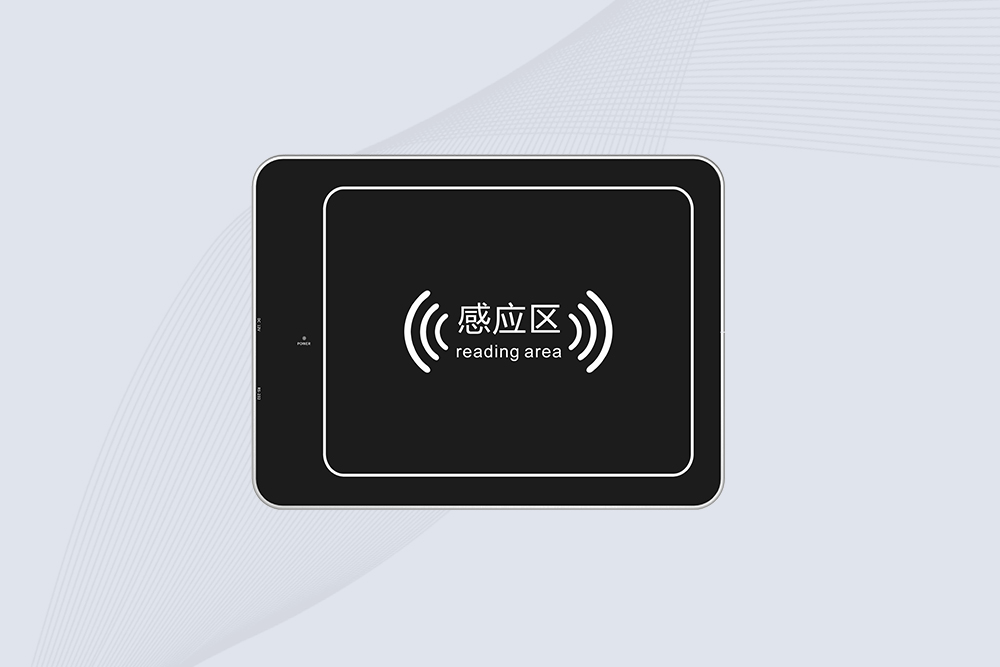
The CYKEO CYKEO-D5L Desktop RFID Card Reader is a stable UHF RFID Card Reader designed for controlled short-range reading and writing. Built for libraries, tool rooms, and asset desks, this UHF RFID Card Reader supports dense tag handling, secure data processing, and easy USB integration.
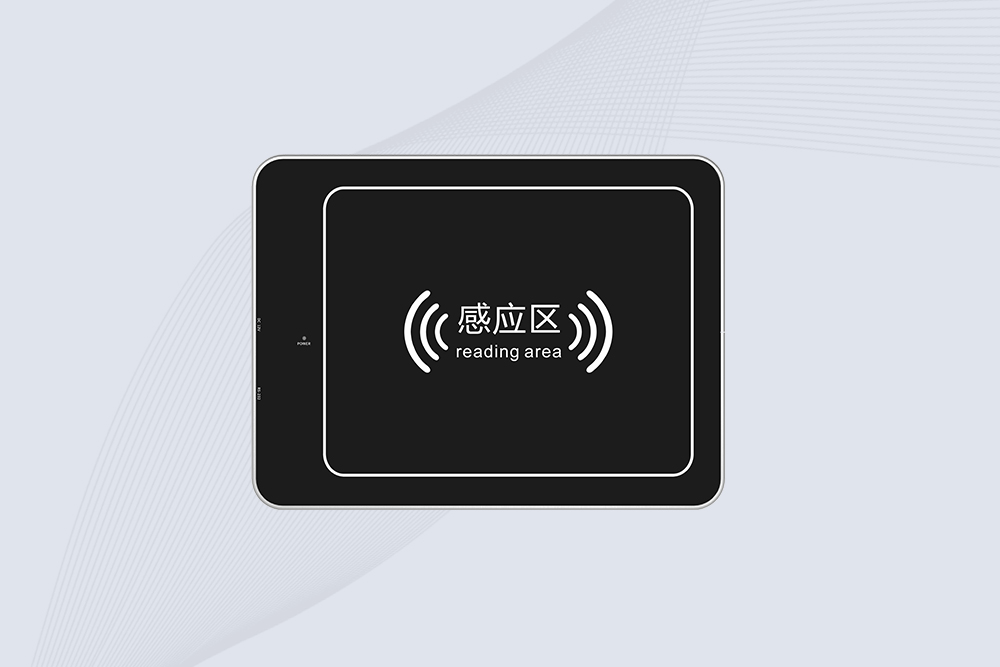
The CYKEO CYKEO-D6L RFID Reader Writer is a heavy-duty Desktop RFID Reader designed for short-range, high-accuracy tag programming. Built for libraries, labs, and asset desks, this RFID Reader Writer supports batch processing, stable 33dBm output, and seamless integration with existing management systems.
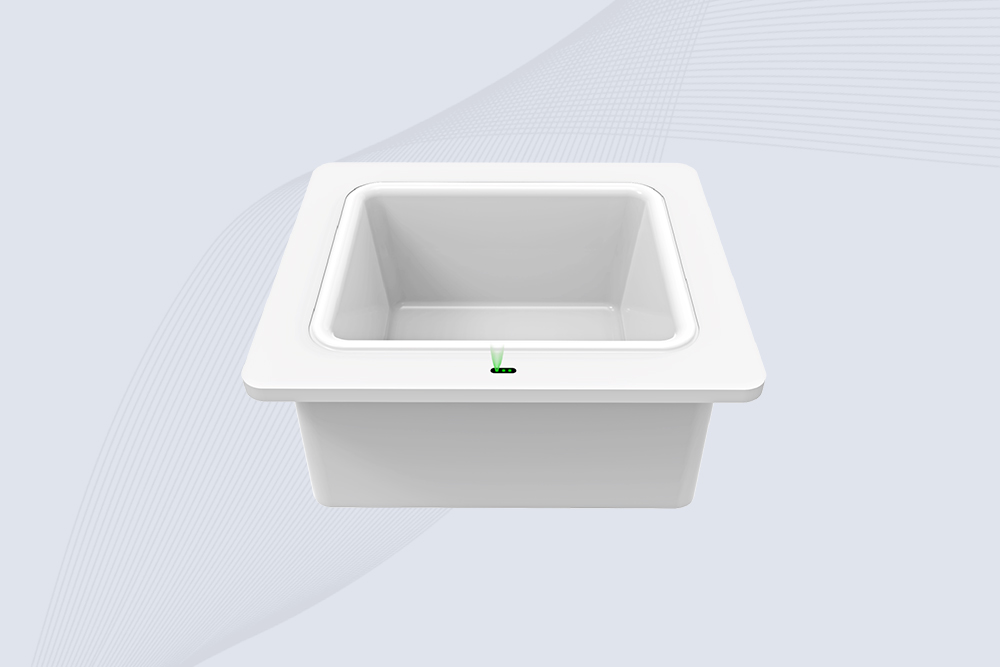
Cykeo CYKEO-D8B UHF RFID tunnel and RFID Desktop Reader features 30+ items batch reading,
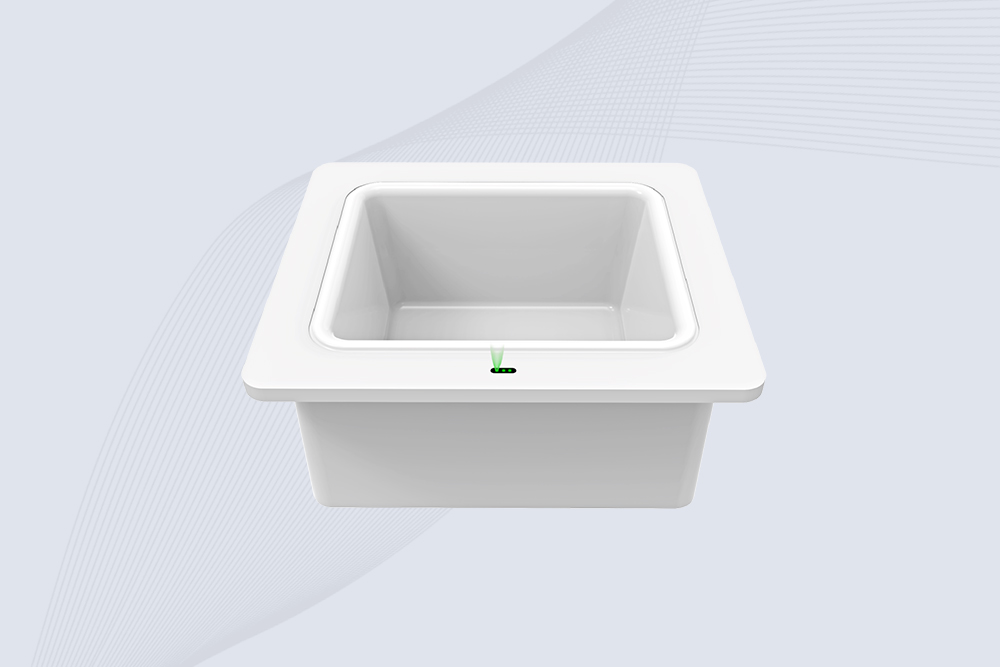
Cykeo CYKEO-D8A embedded RFID badge reader offers 30+ tags/sec scanning, 20cm anti-crosstalk precision, and DC 12V power for unmanned stores, warehouses, and smart inventory systems.
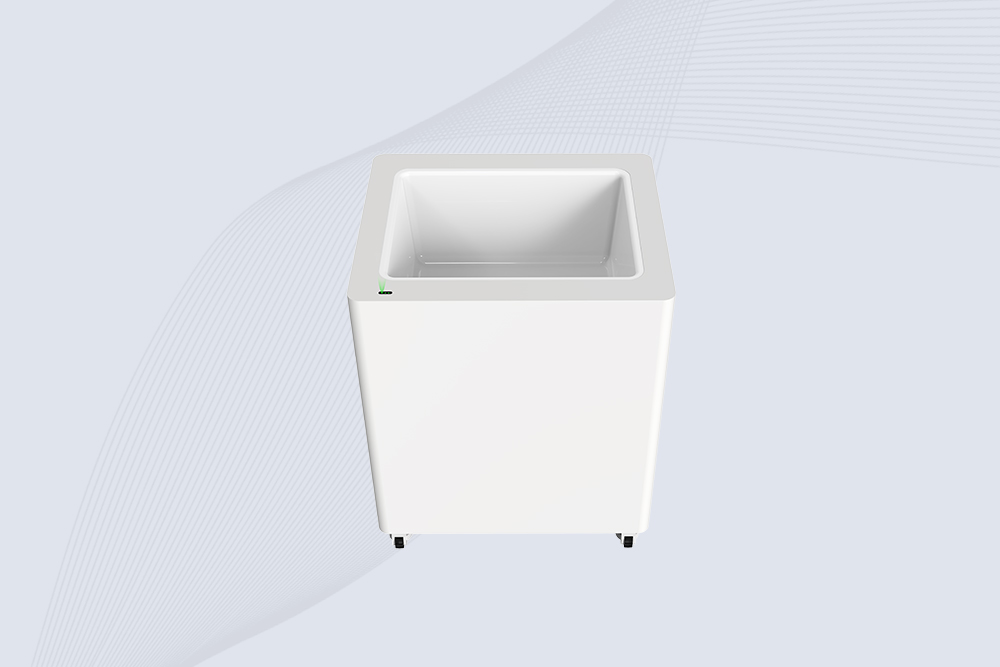
Cykeo’s CYKEO-D8C UHF RFID gate reader achieves 200-tag/batch scanning with adjustable power control, ideal for retail inventory and smart warehouse management.
Professional guide to long range RFID for solution providers, covering rfid reader performance, industrial selection, and real deployment considerations
More
how far can rfid chips be read? Learn realistic RFID read ranges, UHF performance factors, tag orientation, reader power, materials, and field-tested deployment insights.
More
rfid medical cabinet price, rfid for hospitals cost, hospital rfid system cost, medical cabinet rfid price
More
Discover whether handheld RFID scanners work with all tag types, including UHF, NFC, and passive tags. Learn about compatibility factors and how to choose the right scanner.
More