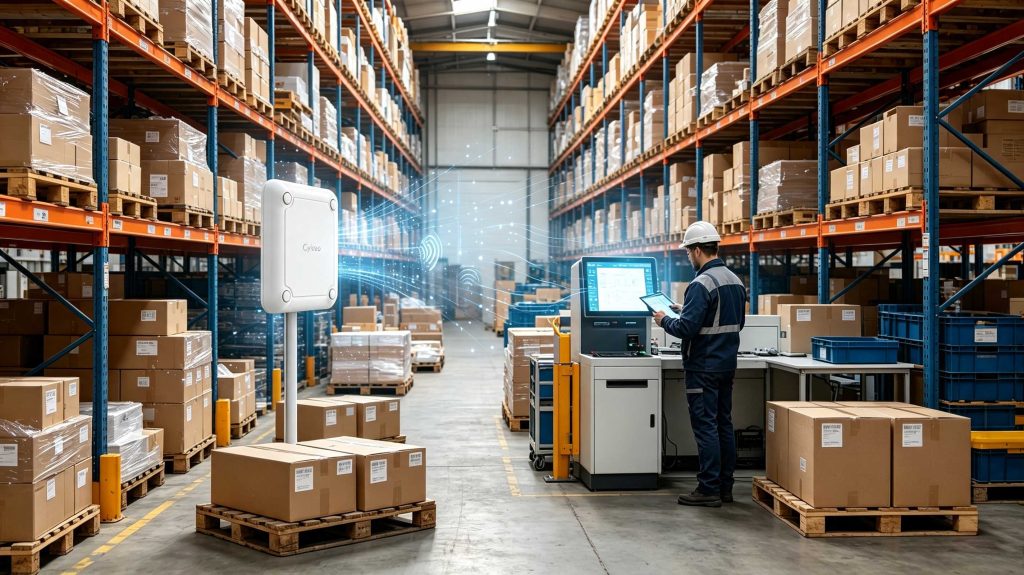
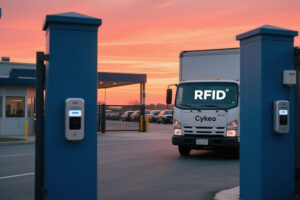
How rfids work is based on wireless communication between RFID tags and readers. RFID readers transmit radio signals, activate tags, collect stored data, and send identification information to software platforms for automated tracking and management.
Understanding How RFIDs Work in Modern Identification Systems
RFID technology works by creating a digital connection between physical objects and computer systems.
Unlike traditional barcode systems that require direct scanning, RFID uses radio frequency communication to identify objects automatically.
During years of RFID system engineering projects, one common situation appears repeatedly.
A warehouse team may know how many products should be available in the database, but the actual shelf count may differ because items have moved without immediate updates.
The issue is not the lack of information.
It is the delay between physical movement and digital records.
RFID reduces this gap.
When a tagged product enters the reading area of an RFID reader, information can be captured automatically and transferred into business software.
This is the core principle behind how rfids work.
According to GS1 RFID Standards and Technology Overview, RFID technology enables automatic identification and data capture using radio waves, helping organizations improve supply chain visibility and operational efficiency.
RFID Working Principle: How Tags and Readers Communicate
The communication process is simple but highly engineered.
Step 1: RFID Reader Generates Radio Signals
The RFID reader sends electromagnetic signals through its antenna.
These signals create a communication field around the reader.
When an RFID tag enters this area, the tag responds according to its design.
Passive RFID tags use energy from the reader signal.
They do not contain internal batteries.
This makes passive RFID tags suitable for large-scale applications such as:
Retail products
Warehouse inventory
Library management
Asset tracking
Step 2: RFID Tag Sends Stored Information
The RFID tag contains a microchip that stores identification information.
Typical data includes:
Electronic Product Code (EPC)
Asset identification number
Product information
Tracking records
The tag antenna receives signals from the reader and sends stored information back.
Each tagged item becomes individually identifiable.
This is different from barcode systems, where a barcode usually represents a product category rather than a unique digital identity.
Step 3: RFID Reader Processes Multiple Signals
Modern RFID readers are designed to manage multiple tag responses.
Anti-collision algorithms allow readers to identify multiple tags within the same reading area.
For example:
A warehouse employee walking through a storage zone does not need to scan every carton separately.
The RFID system can collect information from multiple tagged items during one operation.
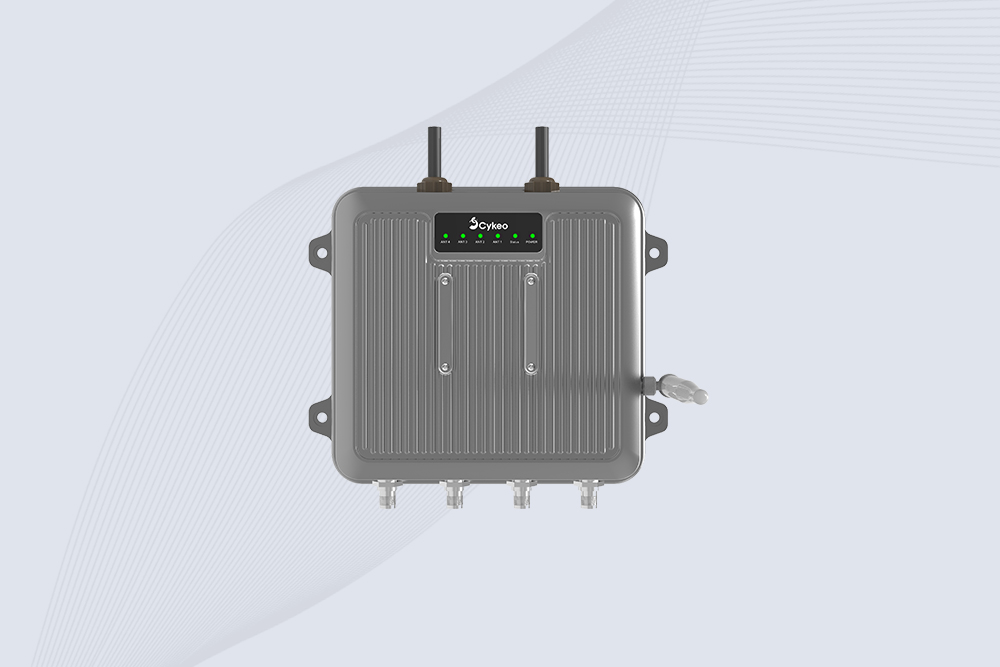
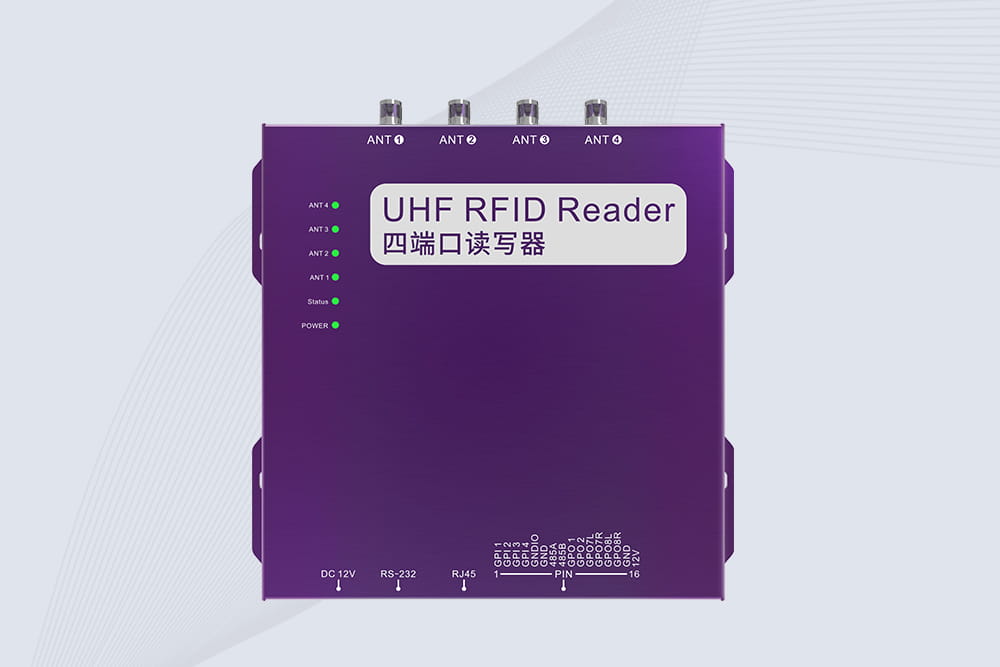
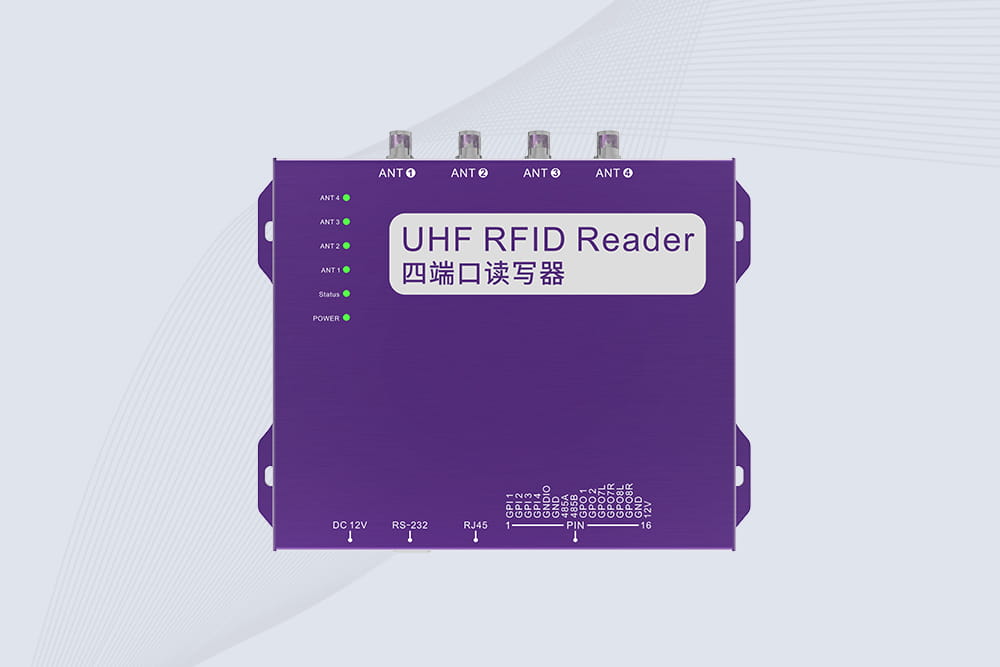
Cykeo UHF RFID readers support EPC C1G2 / ISO 18000-6C protocols and are designed for industrial environments requiring stable multi-tag identification.
RFID technology enables automatic data collection through wireless communication between tags and readers.
Different Types of RFID Systems and How They Work
RFID systems operate at different frequency ranges.
The frequency determines communication distance, performance, and application suitability.
RFID Type
Frequency
Typical Applications
LF RFID
Low Frequency
Animal tracking, access systems
HF RFID
High Frequency
Cards, libraries, payment systems
UHF RFID
Ultra High Frequency
Retail, logistics, inventory
Among commercial applications, UHF RFID is widely used because it provides longer reading distances and efficient multi-tag identification.
How UHF RFIDs Work in Industrial Applications
UHF RFID systems are commonly used where companies need fast identification of many objects.
Typical workflow:
RFID tags are attached to products or assets.
Items enter an RFID reading zone.
Readers collect tag information.
Software processes the data.
Business systems update inventory or tracking records.
This process happens without manually scanning each item.
Main Components Behind How RFIDs Work
RFID Tags
RFID tags are available in different designs.
Common types include:
RFID label tags
Anti-metal RFID tags
Industrial RFID tags
Medical RFID tags
The correct tag depends on:
Product material
Environment
Required reading distance
Installation method
RFID Readers
RFID readers control communication with tags.
Important technical factors include:
Output power
Antenna performance
Reading distance
Protocol compatibility
Data processing ability
Cykeo develops RFID readers and modules for applications requiring reliable identification performance.
RFID Software Platform
The software layer converts RFID signals into useful business information.
It manages:
Inventory updates
Asset records
Tracking events
System integration
RFID becomes valuable when hardware data connects with business operations.
Why Businesses Use RFID Technology
Companies implement RFID because it improves visibility and automation.
Main benefits include:
Faster Inventory Operations
RFID reduces manual counting time by identifying multiple items automatically.
Better Accuracy
Automatic data collection reduces human recording errors.
Real-Time Tracking
Businesses gain better visibility into product movement.
Improved Efficiency
Employees spend less time searching and recording information.
RFID Application Areas
Retail
RFID supports:
Clothing inventory management
Smart checkout
Product tracking
Loss prevention
Logistics
RFID improves:
Warehouse receiving
Shipment verification
Inventory control
Healthcare
RFID helps manage:
Medical equipment
Surgical tools
Healthcare supplies
Manufacturing
RFID enables:
Component tracking
Tool management
Production monitoring
RFID Implementation Considerations
Successful RFID deployment requires technical planning.
Important factors include:
Tag Selection
Choose tags according to:
Product material
Operating environment
Required performance
Reader Placement
Reader installation affects:
Coverage area
Reading reliability
System efficiency
Software Integration
RFID systems should connect with:
ERP
WMS
MES platforms
RFID technology connects industrial assets with digital management platforms.
Cykeo RFID Technical Advantages
1. Engineering-Focused RFID Hardware for Real Industrial Conditions
Understanding how rfids work is only the beginning. The actual performance of an RFID system depends on how well the hardware handles real environments.
In practical deployments, RFID systems face challenges that rarely appear in demonstrations:
Metal shelves reflecting RF signals
Dense product stacking
Multiple tags responding simultaneously
Temperature and dust exposure
Continuous operation requirements
Cykeo RFID solutions are designed around these operational realities.
The product portfolio includes UHF RFID fixed readers, integrated readers, RFID modules, and application-specific systems that support industrial identification requirements.
Key technical advantages include:
Cykeo RFID Capability
Operational Advantage
EPC Class 1 Gen 2 / ISO 18000-6C compatibility
Supports global UHF RFID applications
Adjustable RF output power
Adapts to different reading environments
Multi-tag anti-collision algorithm
Improves bulk inventory identification
High-speed data processing
Reduces inventory processing time
Multiple communication interfaces
Simplifies system integration
SDK/API development support
Enables customized applications
A common mistake in RFID projects is focusing only on maximum reading distance.
From engineering experience, stable identification is usually more important than peak distance.
A reader that performs consistently at a warehouse gate, retail checkout station, or production line delivers more business value than a system optimized only for laboratory conditions.
Cykeo RFID System Architecture
A complete RFID solution works as a connected ecosystem.
It combines four technical layers:
RFID tags
RFID readers
Data processing software
Enterprise applications
Each layer contributes to accurate identification.
Layer 1: RFID Tag Layer
The RFID tag gives each physical object a digital identity.
The chip stores identification information, while the antenna communicates with readers.
Different industries require different tag designs.
Industry
RFID Tag Example
Retail
RFID clothing labels
Logistics
Pallet and carton RFID tags
Manufacturing
Industrial asset tags
Healthcare
Medical equipment tags
Tool management
Anti-metal RFID tags
The selection of the correct tag directly influences system accuracy.
Layer 2: RFID Reader and Antenna Layer
The RFID reader creates communication between digital systems and physical objects.
Its workflow:
Generate RF signals
Activate RFID tags
Receive tag responses
Filter duplicate information
Transfer data to software
Cykeo UHF RFID readers are designed for applications requiring:
Fast tag recognition
Stable communication
Industrial integration
Long-term operation
Layer 3: RFID Data Processing Layer
RFID readers collect raw identification information.
However, raw data alone is not enough.
The software layer processes:
Duplicate tag filtering
Event recognition
Inventory updates
Location changes
Asset status
This converts RFID signals into actionable business information.
Layer 4: Enterprise Application Layer
The final purpose of RFID technology is improving business workflows.
RFID systems can connect with:
ERP systems
Warehouse Management Systems (WMS)
Manufacturing Execution Systems (MES)
Retail platforms
Healthcare management systems
The result is a continuous information chain:
Physical Item → RFID Tag → Reader → Software → Business Decision
RFID vs Barcode vs NFC Comparison
Although RFID, barcode, and NFC all identify objects, they are designed for different situations.
Feature
RFID
Barcode
NFC
Communication Method
Radio frequency
Optical scanning
Short-range wireless
Direct Visibility Required
No
Yes
No
Multiple Item Reading
Yes
No
Limited
Reading Distance
Medium/Long
Short
Very short
Automation Level
High
Medium
Medium
Main Applications
Inventory, logistics, assets
Product labeling
Payments, access
RFID vs Barcode
Barcode technology requires a scanner to visually capture printed information.
This creates limitations:
One item per scan
Manual operation
Line-of-sight requirement
RFID removes these restrictions.
For example, during warehouse inventory counting, workers can walk through storage areas while RFID readers automatically collect product information.
This is why RFID is increasingly used for:
Retail inventory
Warehouse automation
Asset tracking
Supply chain management
RFID vs NFC
NFC is based on RFID technology but focuses on very short-distance communication.
Typical NFC applications:
Smartphone payments
Access cards
Consumer interaction
RFID is better suited for industrial-scale identification.
Typical RFID applications:
Thousands of product tracking
Warehouse operations
Manufacturing processes
Medical inventory
RFID Industry Application Cases
1. Retail Inventory Management
Retail businesses use RFID to improve product visibility.
Common applications:
Clothing inventory
Smart shelves
Self-checkout
Anti-theft systems
Fashion retailers especially benefit because one product may have multiple attributes:
Style
Size
Color
Collection
RFID creates individual digital identities for each item.
2. Smart Warehouse and Logistics
Modern warehouses require accurate movement information.
RFID supports:
Automatic receiving
Storage tracking
Shipment verification
Inventory counting
Instead of recording movement manually, RFID captures product events automatically.
3. Healthcare Supply Management
Hospitals manage large quantities of valuable equipment and supplies.
RFID applications include:
Surgical instrument tracking
Medical equipment management
Consumable inventory
Pharmacy storage
Improved visibility helps reduce missing items and inefficient stock management.
4. Manufacturing Asset Tracking
Manufacturers use RFID to track:
Production components
Tools
Work-in-progress products
Maintenance equipment
RFID provides better control over production workflows.
RFID Deployment Strategy
Step 1: Define the Business Objective
A successful RFID project starts with a clear target.
Examples:
Increase inventory accuracy
Reduce manual counting
Improve asset visibility
Automate workflows
Step 2: Select RFID Hardware
Hardware selection depends on application requirements.
Scenario
Recommended RFID Solution
Warehouse entrance
Fixed RFID reader
Retail checkout
Integrated RFID platform
OEM product development
RFID module
Equipment tracking
Industrial RFID reader
Step 3: Plan Reading Areas
Reader installation affects performance.
Important factors:
Antenna direction
Product movement path
Reading distance
Environmental interference
Step 4: Integrate Software Systems
RFID should connect with existing business platforms.
Typical structure:
RFID Reader → Middleware → Database → ERP/WMS/MES
This allows companies to transform RFID data into operational decisions.
Frequently Asked Questions About How RFIDs Work
1. How rfids work without batteries?
Most passive RFID tags receive energy from RFID reader signals. The reader powers communication, allowing the tag to send stored identification information.
2. Can RFID read multiple tags at the same time?
Yes. Modern RFID systems use anti-collision algorithms to identify multiple tags simultaneously.
3. How far can RFID systems read tags?
Reading distance depends on frequency, antenna design, reader power, and environment. UHF RFID systems can achieve long-distance identification in suitable conditions.
4. Is RFID more accurate than barcode?
RFID can improve accuracy by reducing manual scanning steps and automatically collecting item information.
5. What industries use RFID?
RFID is widely used in retail, logistics, healthcare, manufacturing, transportation, and asset management.
6. Are RFID tags reusable?
Some RFID tags can be reused, especially industrial RFID tags designed for asset tracking applications.
7. Why choose Cykeo RFID solutions?
Cykeo provides RFID readers, modules, and integrated systems designed for reliable identification, automation, and enterprise applications.
Understanding the Future of RFID Identification
The principle behind how rfids work is simple: RFID tags store information, readers communicate through radio waves, and software converts identification data into useful business information.
The real value appears when RFID technology becomes part of daily operations.
From retail shelves to factory production lines, RFID helps organizations reduce manual processes, improve visibility, and create smarter management systems.
Cykeo RFID solutions combine industrial hardware design, reliable communication technology, and application experience to support modern identification requirements.
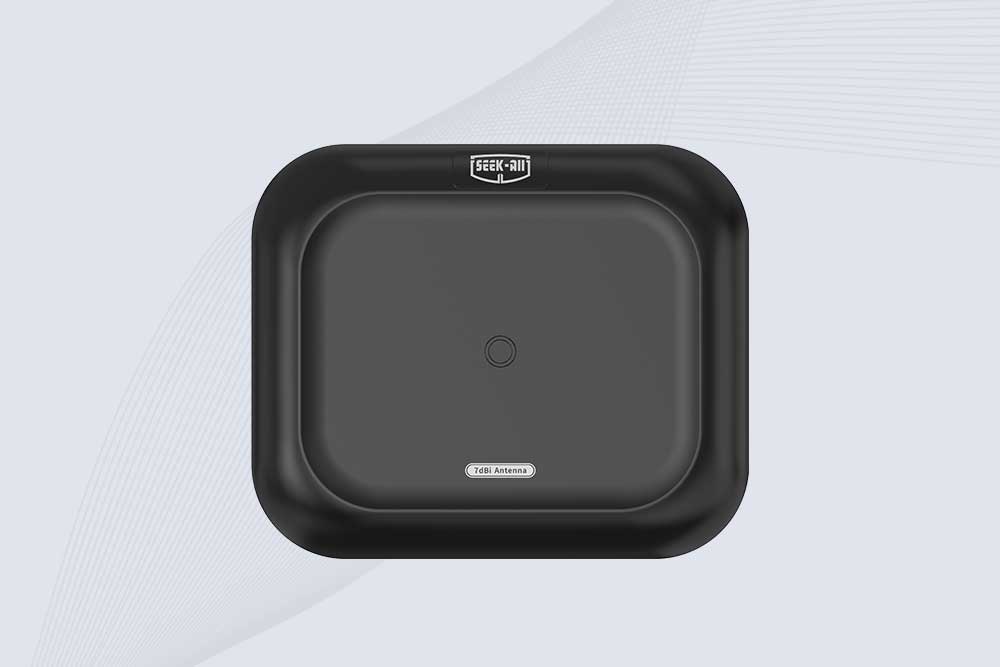
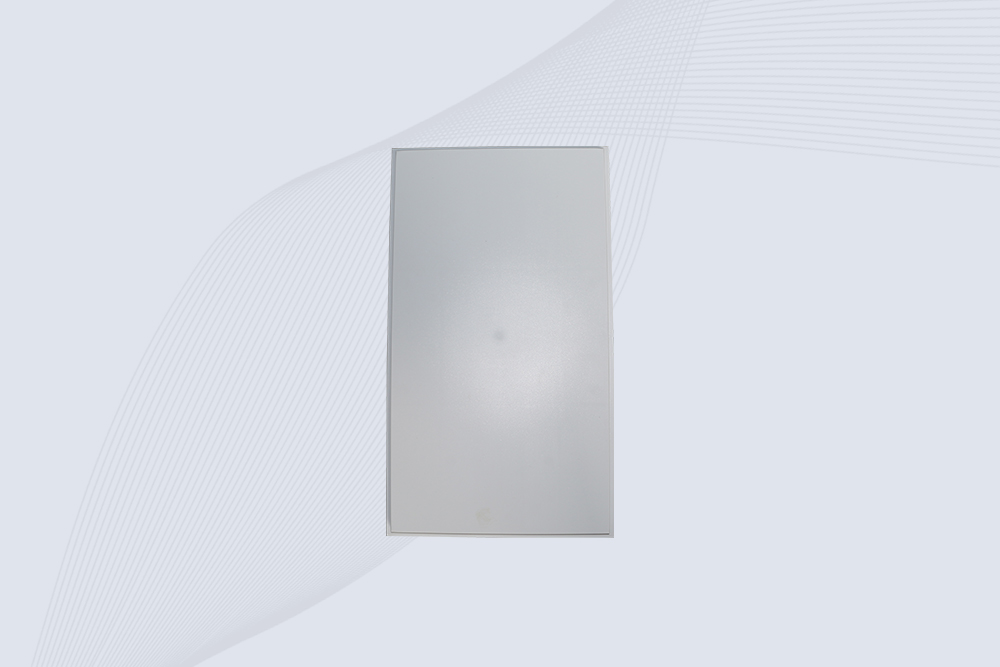
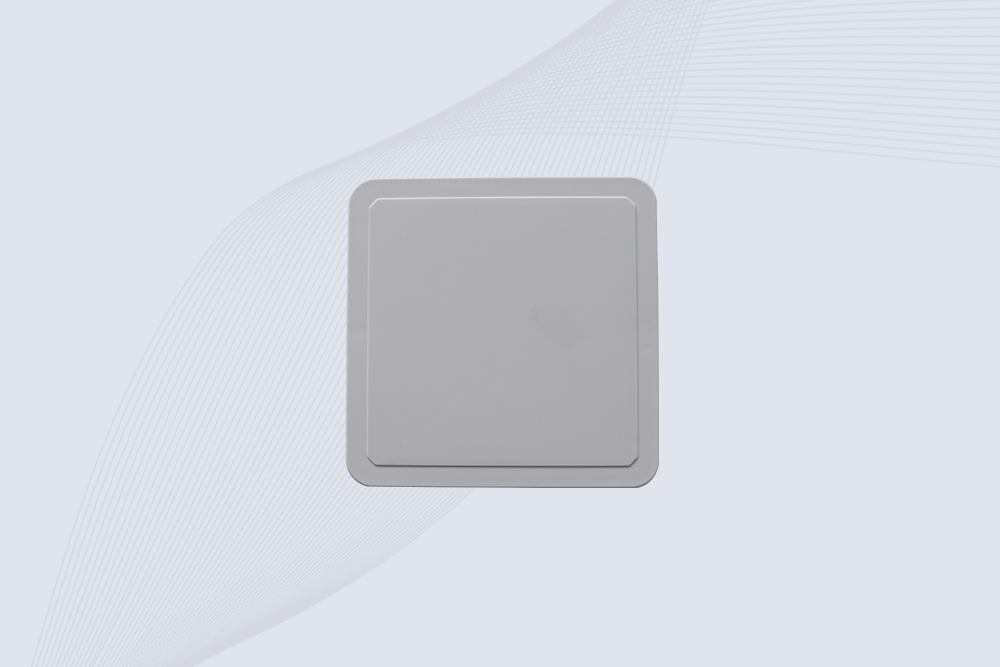
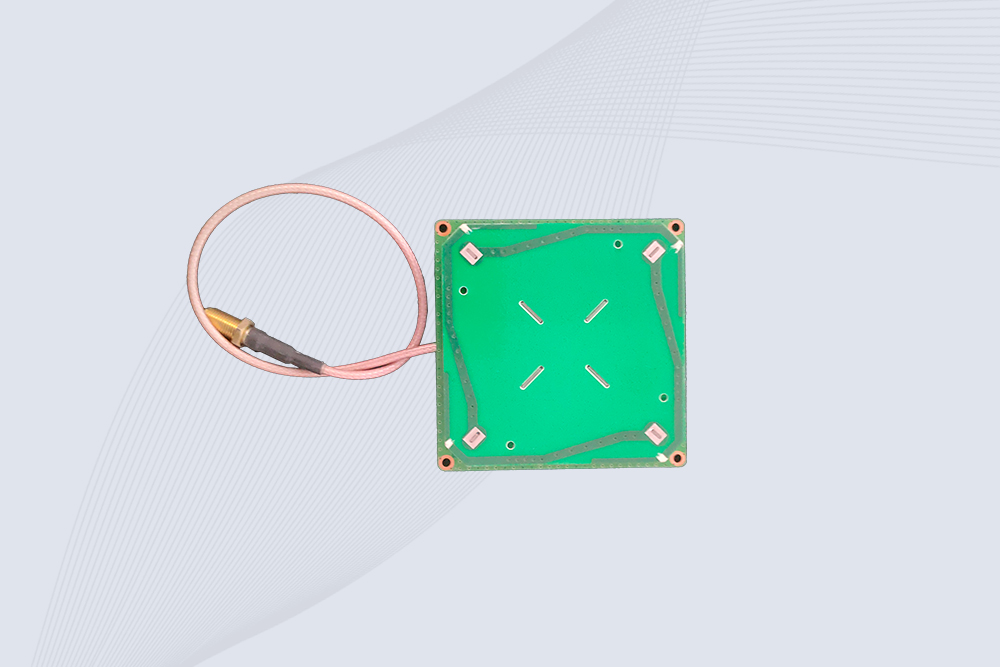
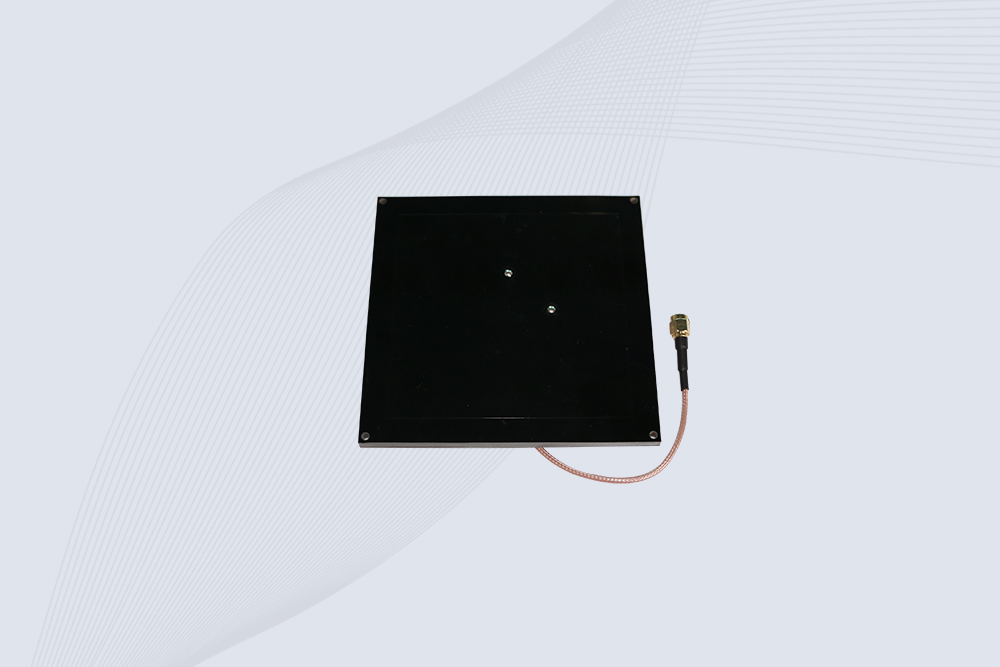
Explore the SSD-A07 UHF RFID antenna with 7 dBi gain, circular polarization, adjustable 840–960 MHz frequency, and 60°/75° beamwidth for stable RFID read/write performance.
SSD-A06 UHF RFID antenna with circular polarization, adjustable 840–960 MHz frequency, ≥4.5 dBi gain, and a compact directional design for RFID systems.
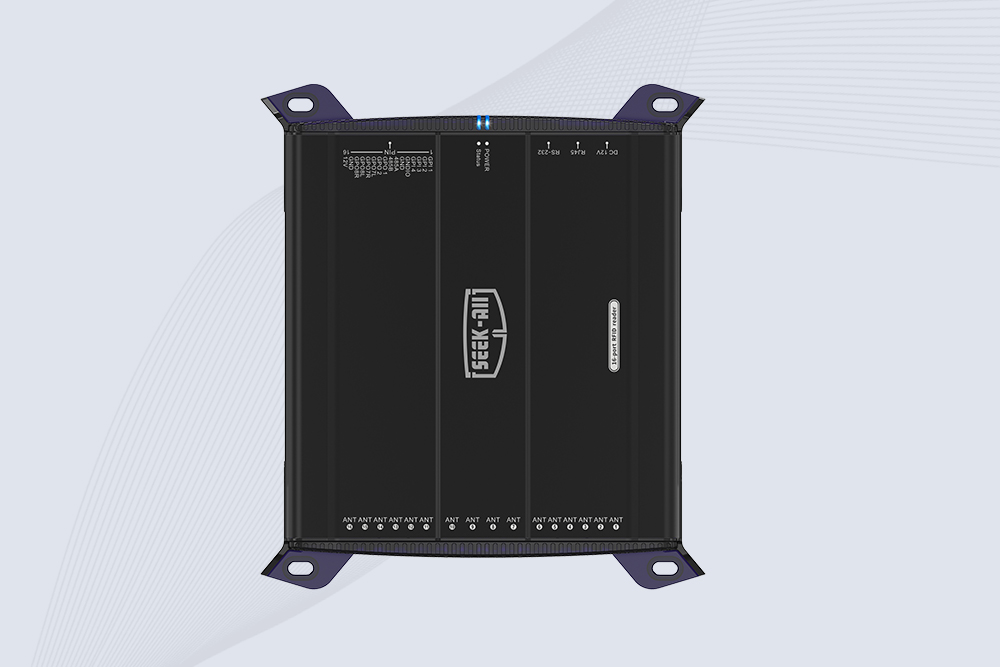
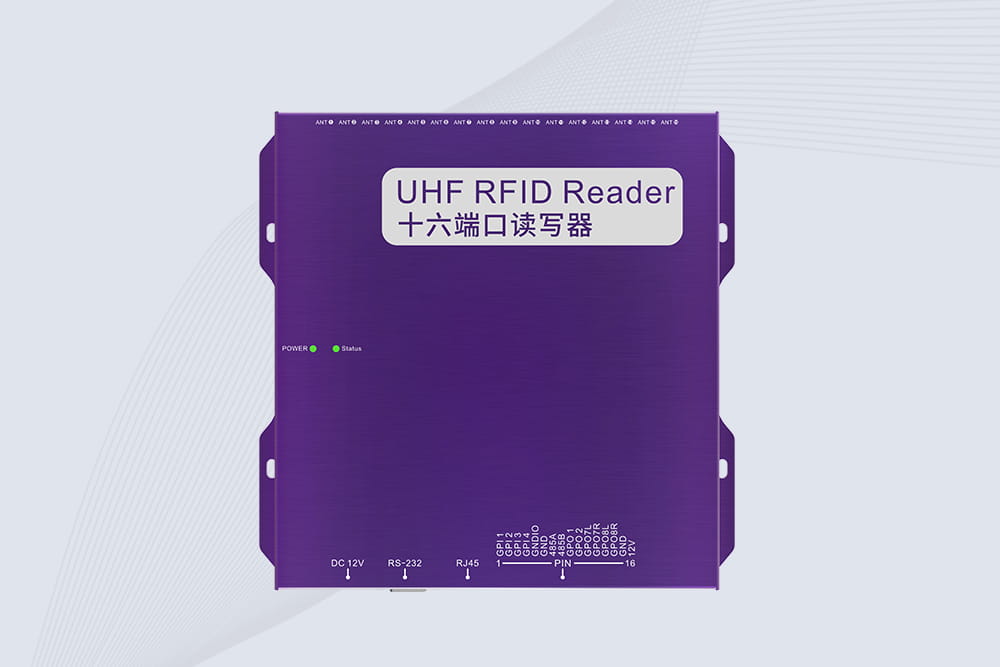
SSD-R16L Multi-Channel RFID Infrastructure for Automated Inventory Management ✔️ 16-Port High-Density RFID Reading Equipped with 16 SMA antenna ports, SSD-R16L supports multi-antenna deployment for warehouses, retail stores, logistics, production lines, and large-area RFID identification. ✔️ High-Speed & Long-Range Performance With up to 33…
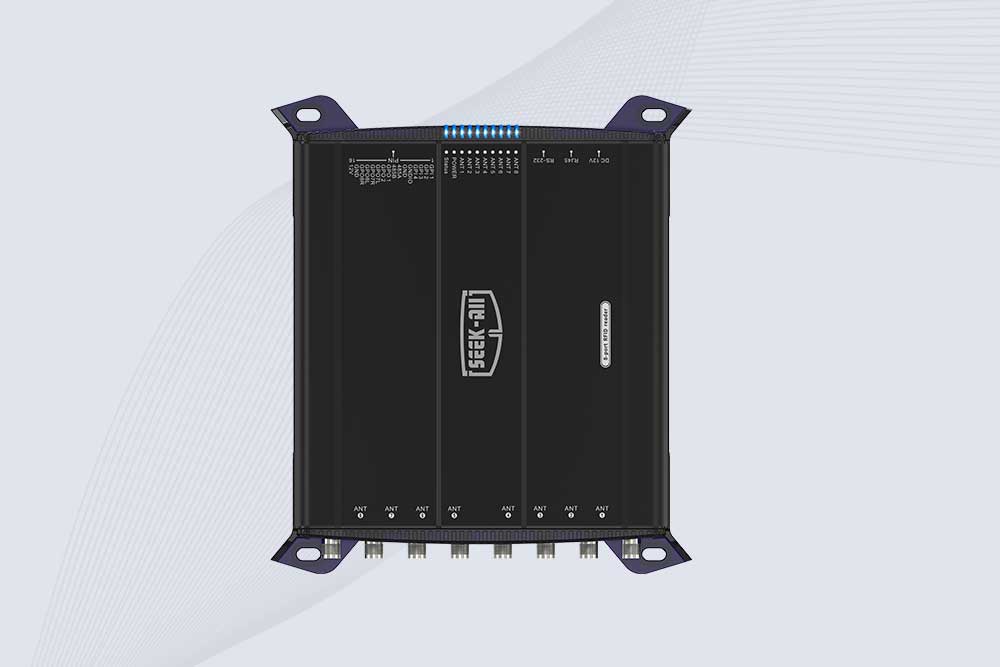
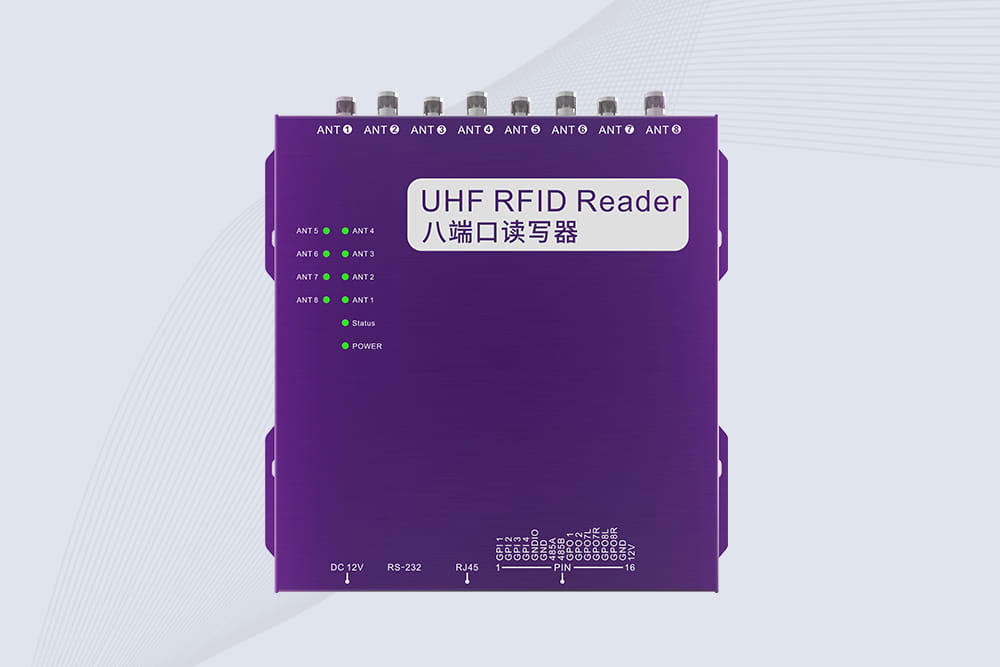
SSD-R8L 8-port UHF RFID reader with 33dBm output, up to 20m reading range and 600+ tags/s recognition. Ideal for warehouse, logistics, retail and asset tracking.
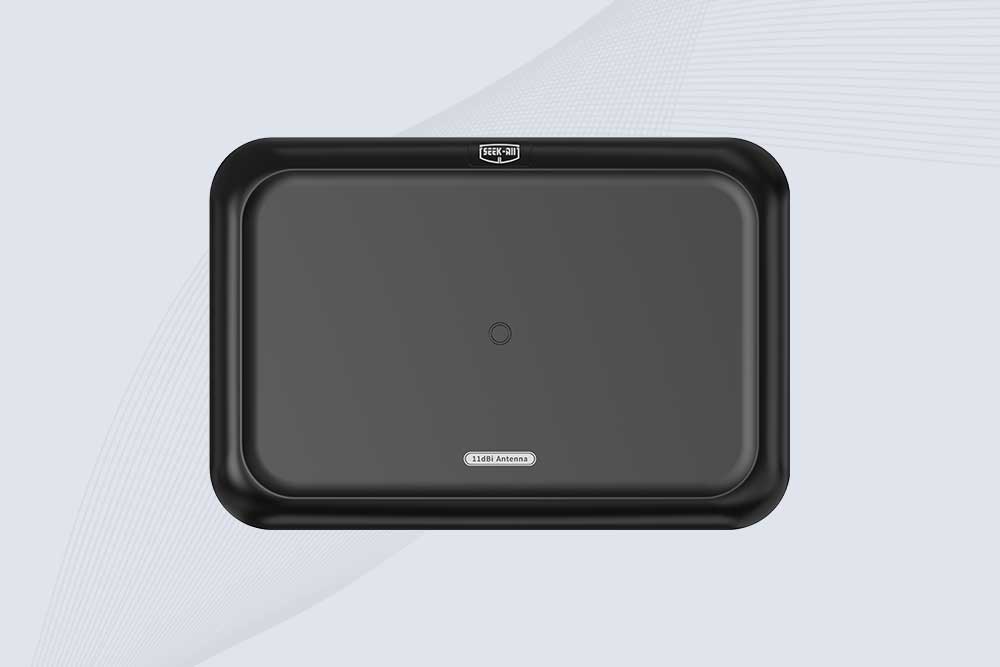
Cykeo CYKEO-A11 UHF RFID reader antenna delivers 11dBi gain, 840-960MHz frequency range, and IP65 ruggedness for retail, logistics, and industrial RFID systems. Features low VSWR and easy installation.
CYKEO Antenna RFID Reader delivers stable long-range UHF performance with a 10.5dBi directional design, built for warehouses, conveyor portals, and industrial RFID systems. This rfid reader antenna provides 20m+ read distance and rugged IP67 protection.
Cykeo CYKEO-A5B industrial Linear RFID Antenna delivers 5dBi gain, ≤1.5:1 VSWR, and IP65 rugged design for warehouse, production line, and logistics UHF systems.
Cykeo’s CYKEO-B12 Long Range RFID Antenna delivers 15m+ read range with 12dBi gain, IP65 rugged design, and global 840-960MHz UHF support. Ideal for warehouse/logistics asset tracking.
Cykeo CYKEO-B10 Long Distance RFID Antenna offers 10dBi gain, 840-960MHz frequency range, IP65 rating, and 20m+ coverage for logistics/warehousing/ETC systems. Low VSWR ensures stable signal transmission.
Cykeo CYKEO-A6 UHF RFID panel antenna features 6dBi gain, 840-960MHz broadband, IP65 metal-ready housing for logistics/smart retail. 18mm ultra-thin design with tool-free mounting.
Cykeo CK-A3 industrial antenna RFID UHF offers 5m+ tag detection, ≤1.3:1 VSWR, IP65 rugged design, and global UHF spectrum compatibility (840-960MHz) for warehouses, factories, and retail.
Cykeo CYKEO-B5 directional RFID antenna provides 5dBi gain with 60° narrow beamwidth for precise inventory tracking. IP65-rated, global UHF frequency support, and low VSWR.
Create your own high-performance DIY RFID antenna! 5dBi gain, 840-960MHz tunable, step-by-step guides. Compatible with Arduino, Raspberry Pi, and commercial UHF readers.
Cykeo CYKEO-A7 Flexible RFID Antenna features 840-960MHz wideband tuning, 7dBi gain, and IP68 rating for medical/retail/industrial curved surface deployments. 98% read accuracy with peel-and-stick installation.
Cykeo CYKEO-B5A industrial Passive RFID Antenna delivers 5dBi gain, 70° beamwidth, and -40°C~55°C operation for warehouses/smart cabinets. Compatible with Zebra/Impinj readers.
Cykeo’s CYKEO-A9B High Gain RFID Antenna delivers 15m+ read range with 9dBi amplification. Features IP54 rugged design, 840-960MHz bandwidth, and 80° beamwidth for warehouse/manufacturing RFID systems.
Cykeo’s enterprise-grade 8dbi Impinj RFID Antenna 10m+ read range with 840-960MHz tuning. Features IP65 housing, 1.4 VSWR, 35° beamwidth for retail/warehouse RFID systems.
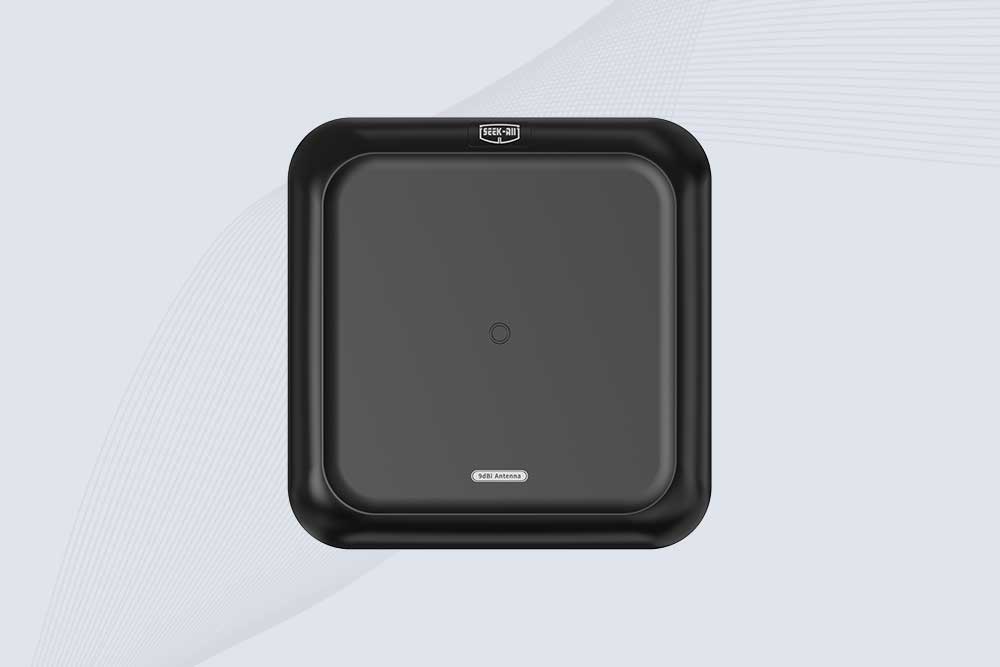
Cykeo CYKEO-A9 industrial UHF RFID antenna delivers 9dBi gain, 840-960MHz frequency range, and IP65 protection for warehouse/logistics/retail RFID systems. Features N-type connector and ≤1.3:1 VSWR.
CYKEO UHF RFID Antenna built for long-distance and industrial applications. This antenna rfid uhf delivers strong gain, outdoor durability, and reliable tag performance in warehouses, yards, and vehicle ID systems.
CYKEO Antenna RFID delivers reliable long-range UHF performance in warehouses, retail shelves, and cold-chain environments. This compact uhf rfid antenna provides stable reads with circular polarization and ultra-wide 840–960 MHz support, ideal for industrial tracking, smart shelves, and asset monitoring.
Cykeo’s CYKEO-C8 UHF RFID antennas delivers 8dBi gain, 840-960MHz full-band coverage, and IP65 ruggedness for manufacturing/warehouse RFID systems. Industrial RFID Antennas Features
Cykeo’s 8dBi UHF RFID antenna and reader kit delivers 10m+ range, 840-960MHz broadband, and IP65 ruggedness for factories, warehouses, and logistics. ISO 18000-6C & EPC Gen2 certified.
Cykeo’s CYKEO-A12C UHF Large RFID Antenna delivers 12dBi gain, 840-960MHz global frequency, IP65 ruggedness for logistics/warehousing/automotive. 40° beamwidth ensures stable 15m+ tag reads.
CYKEO Near Field RFID Antenna provides precise 5–30 cm reading for shelves, cabinets, and workstations. This compact rfid shelf antenna delivers stable short-range performance around metal and clutter, ideal for pharmacies, libraries, and electronics sorting.
Cykeo CYKEO-C1 industrial Forklift RFID Reader features 20m read range, 600 tags/sec scanning, Impinj R2000 chipset, and IP67 rugged design. Ideal for warehouse logistics and manufacturing. Supports ISO 18000-6C/6B protocols.
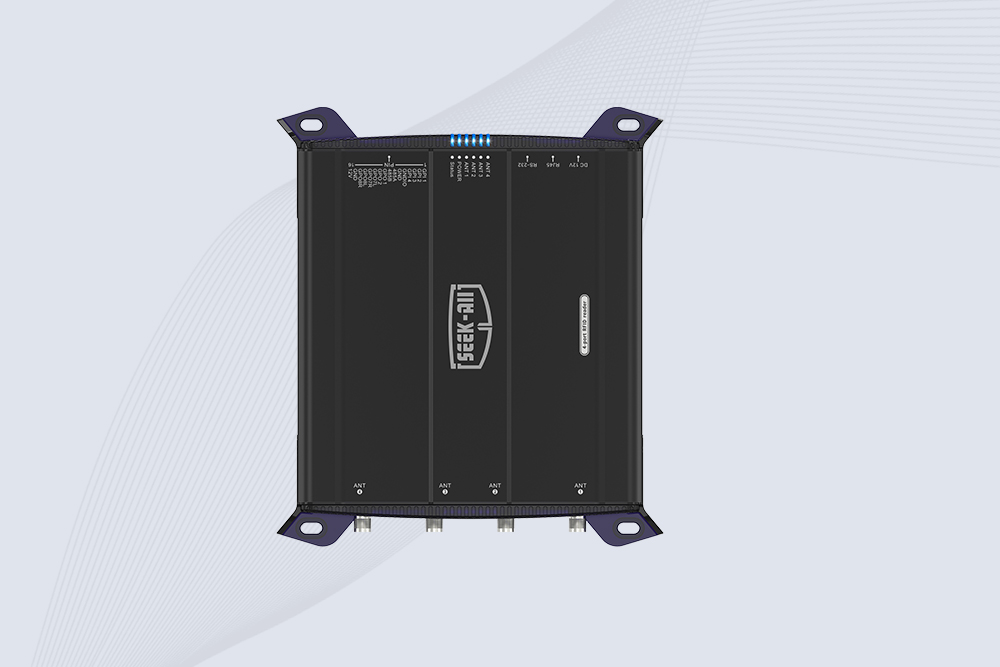
Cykeo CYKEO-R4 industrial UHF RFID Fixed Reader features 4 TNC ports, 400+ tags/sec speed, IP67 housing, and global frequency compliance for vehicle inspection, smart warehouse, and asset management systems.
CYKEO CYKEO-R8L Fixed RFID Reader with 8-port UHF design, Impinj-based RF core and up to 20m read range. An industrial Fixed RFID Reader for vehicle inspection, warehouse portals, smart manufacturing lines and secure access checkpoints.
RFID Fixed Reader from CYKEO – the CYKEO-R16L 16-port UHF fixed reader for warehouses, smart cabinets, and production lines. Long-range, multi-tag reading, stable performance for 24/7 industrial use.
how RFID technology and the CK-G0628 Smart RFID Book Locker create a 24/7 self-service borrowing and returning system for libraries, schools, archives, and institutions. Boost efficiency, security, and user experience with RFID-driven automation.
Learn how does rfid work without battery using passive RFID technology. Discover energy harvesting, real-world performance, and deployment insights with Cykeo solutions.
A field-based look at RFID cross reading problems in warehouse gate systems. Why misreads happen, how directional RFID antennas help control read zones, and why installation often matters more than replacing hardware.
Discover the top long-range RFID readers optimized for vehicle access control. Learn how Cykeo’s secure, weatherproof solutions enhance security in parking lots, gated communities, and logistics hubs.
 Cykeo RFID IoT Solution Products R&D Manufacturer