 Cykeo RFID IoT Solution Products R&D Manufacturer
How to Read RFID Card in Android
542Need to know how to read RFID card in Android? We explain the two paths: using phone NFC for basic reads & connecting to professional UHF readers via CYKEO’s SDK.
MoreAll RFID Product
Imagine a truckload of vaccines arriving at a clinic, only to find out the refrigeration failed mid-transit. Thousands of dollars lost, not to mention health risks. For industries like pharma, food, and biologics, temperature control isn’t just a box to check—it’s survival. RFID sensor modules are changing the game, offering real-time visibility into your cold chain. Here’s how to leverage them without freezing your budget.
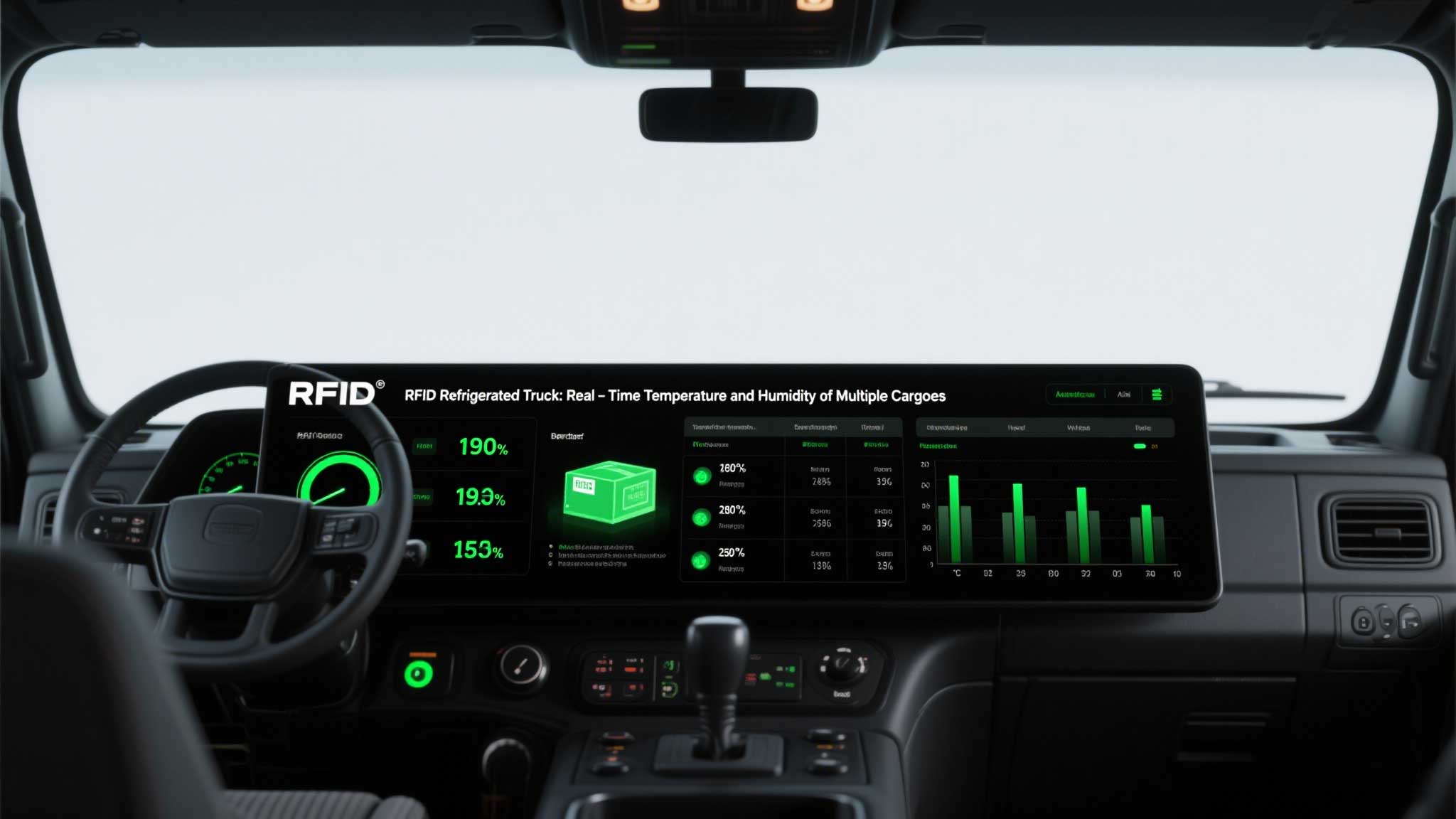
RFID sensor modules combine traditional RFID tracking with environmental sensors (temperature, humidity, etc.). Unlike manual loggers, they:
Pro Tip: Look for modules with a 1–2°C accuracy margin—anything wider risks compliance failures.
a. Audit-Proof Compliance
b. Reduce Waste
c. Streamline Liability
a. Signal Penetration in Metal/Frost
b. Battery Life in the Cold
c. Scalability
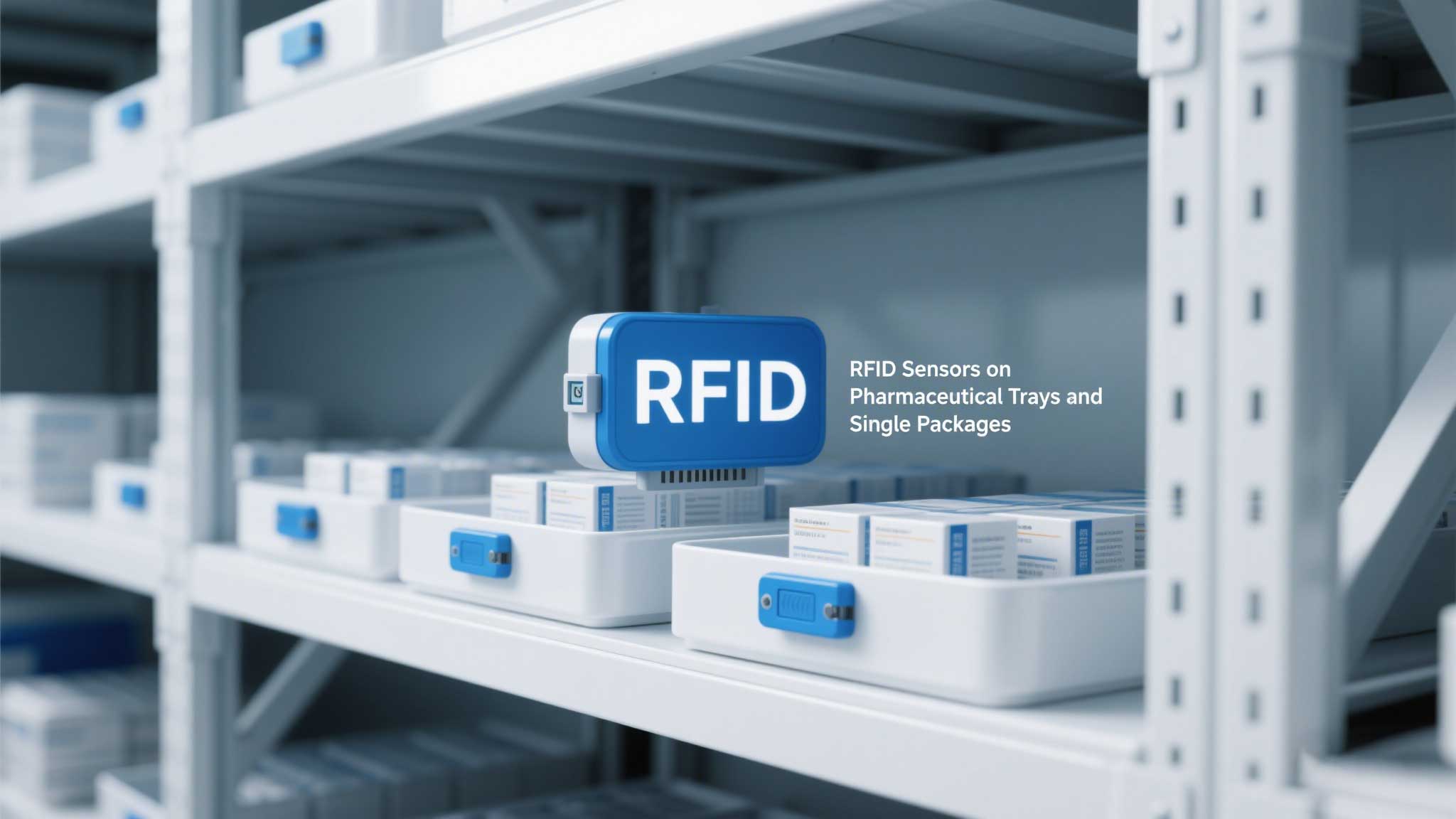
a. Zone Your Cold Chain
b. Pair with Cloud Analytics
c. Test Before Full Rollout
Rule of Thumb: If you ship >$50k in temp-sensitive goods monthly, RFID pays for itself in <6 months.
Takeaway: Cold chain monitoring with RFID isn’t just about avoiding disasters—it’s about turning logistics into a competitive edge. Start small: tag high-value shipments, nail down alerts, then expand. Because in industries where margins are thin and regulations brutal, real-time data isn’t a luxury. It’s armor.
Need to know how to read RFID card in Android? We explain the two paths: using phone NFC for basic reads & connecting to professional UHF readers via CYKEO’s SDK.
More
Looking for RFID solutions? CYKEO explains complete systems combining tags, readers, and software for retail inventory, asset tracking, and secure access control.
More
Discover what a UHF RFID reader is and how it enables long-range, bulk scanning for logistics, retail, and industrial tracking. Learn the technology from CYKEO.
More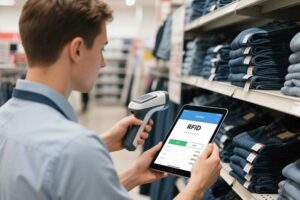
Discover how a major retail chain reduced stockouts by 40% using RFID for real-time inventory tracking. Learn actionable strategies to apply in your stores.
More