 Cykeo RFID IoT Solution Products R&D Manufacturer
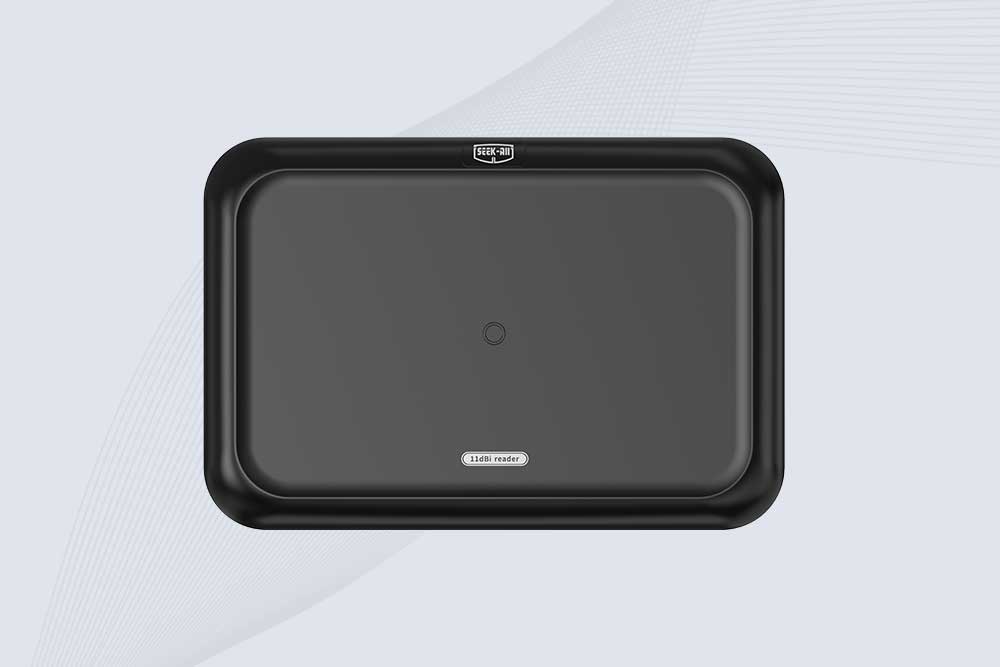
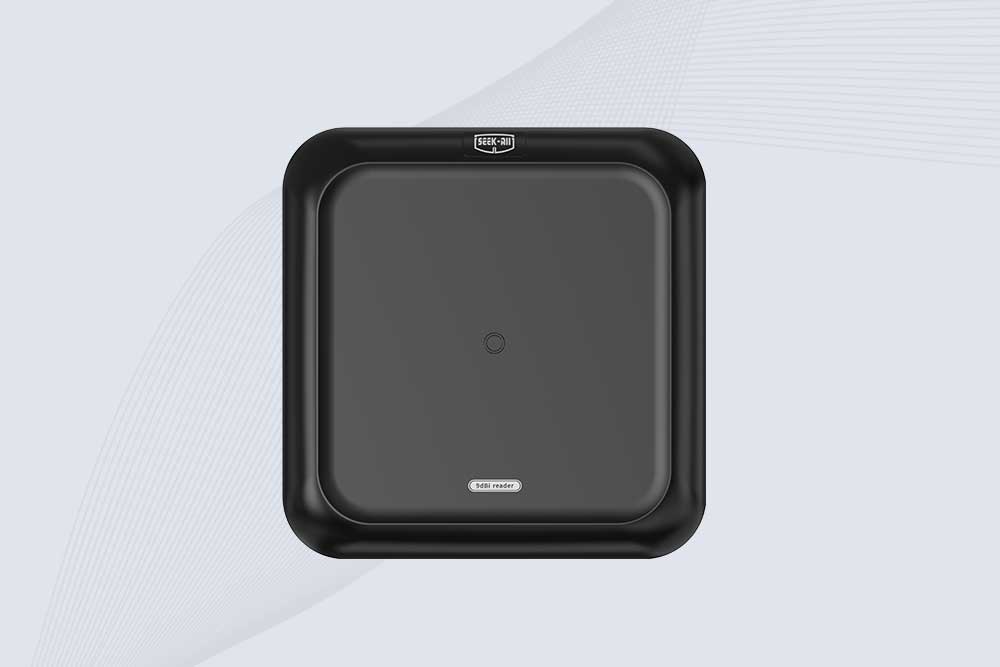
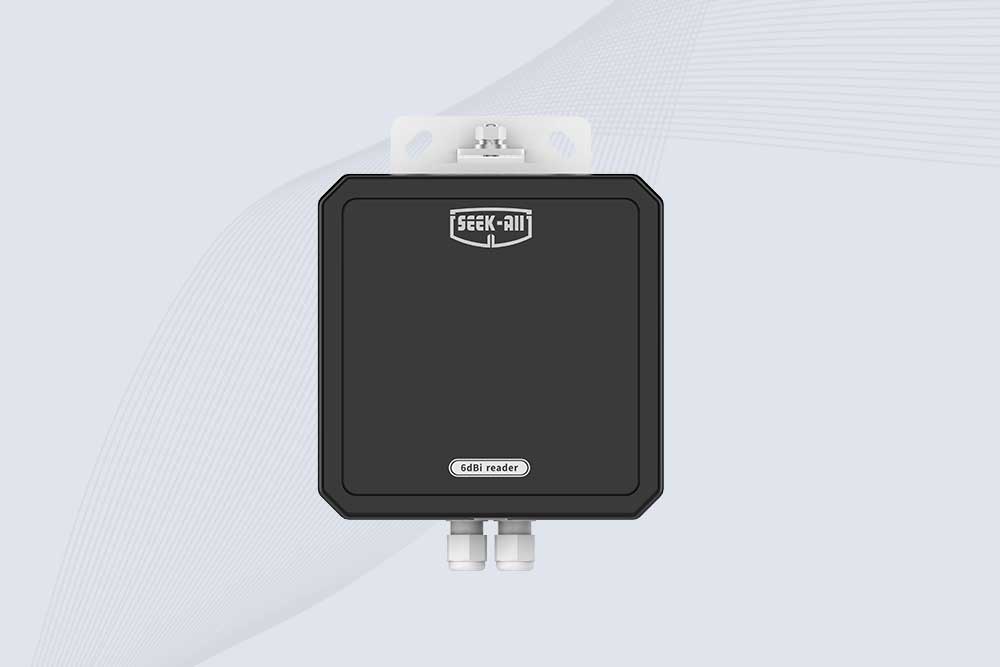
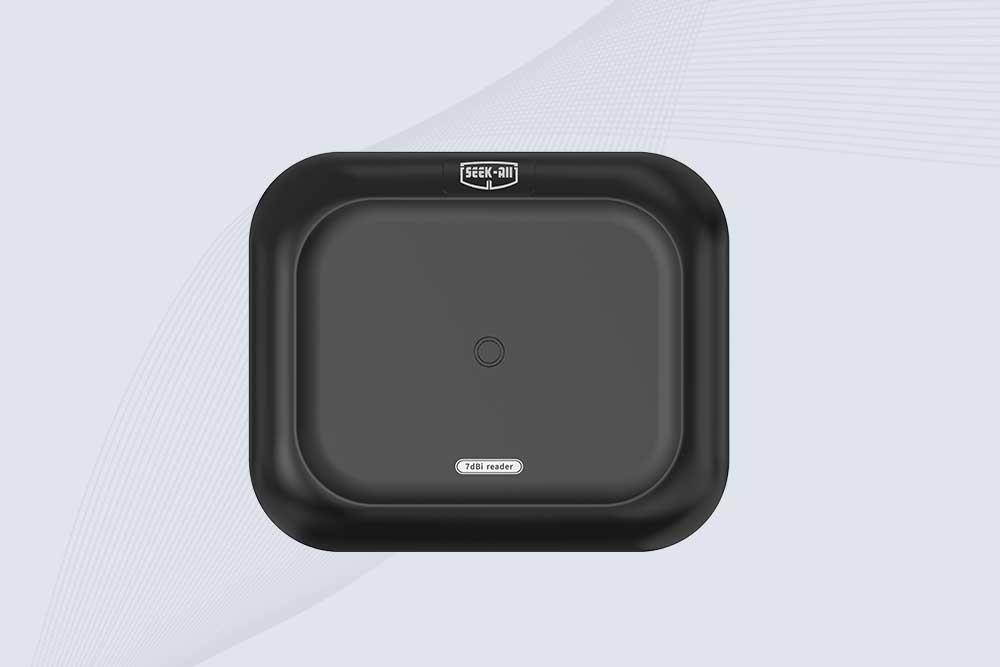


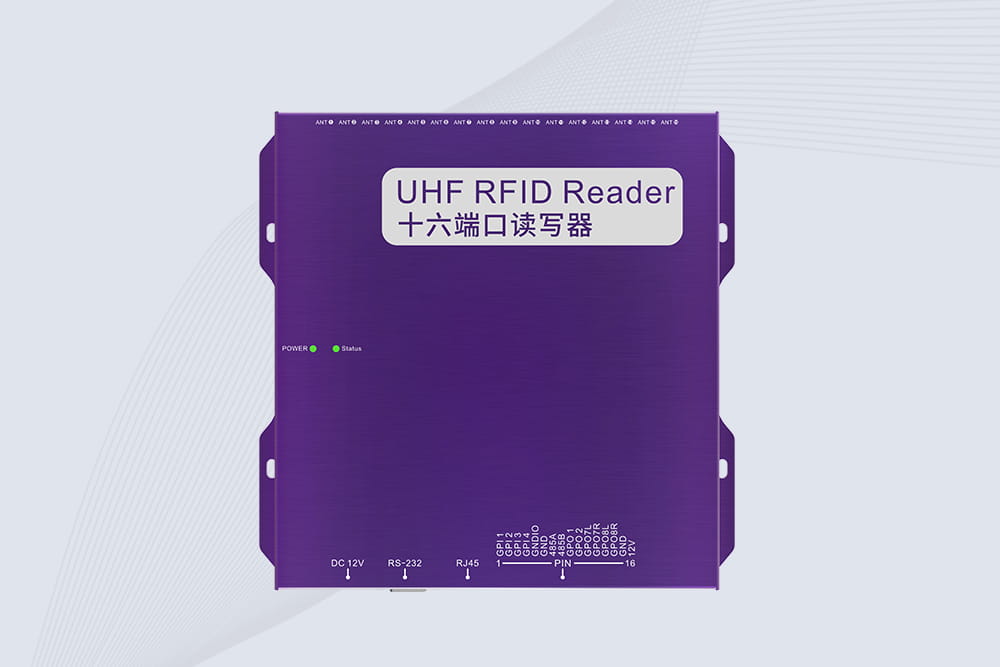
How to Make a Long Range RFID Reader
399Want to know how to make a long range RFID reader? We explore the real engineering hurdles—RF design, certification, costs—and why a professional system is often the smarter path.
MoreAll RFID Product
RFID technology has become the backbone of modern inventory management, asset tracking, and supply chain operations. But with two primary options—passive RFID tags and active RFID systems—how do you decide which one aligns with your business goals? Let’s break down their differences, costs, and ideal applications to help you make an informed choice.
Passive RFID Tags
Active RFID Tags
1. Tracking Range Requirements
2. Budget Constraints
3. Data Frequency and Accuracy
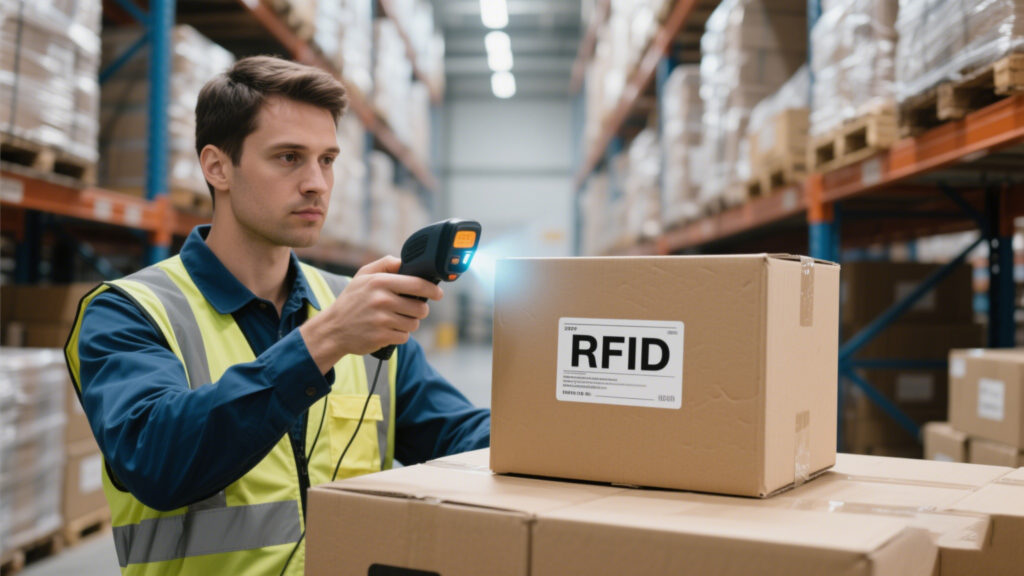
Passive RFID Dominates Here:
Active RFID Shines Here:
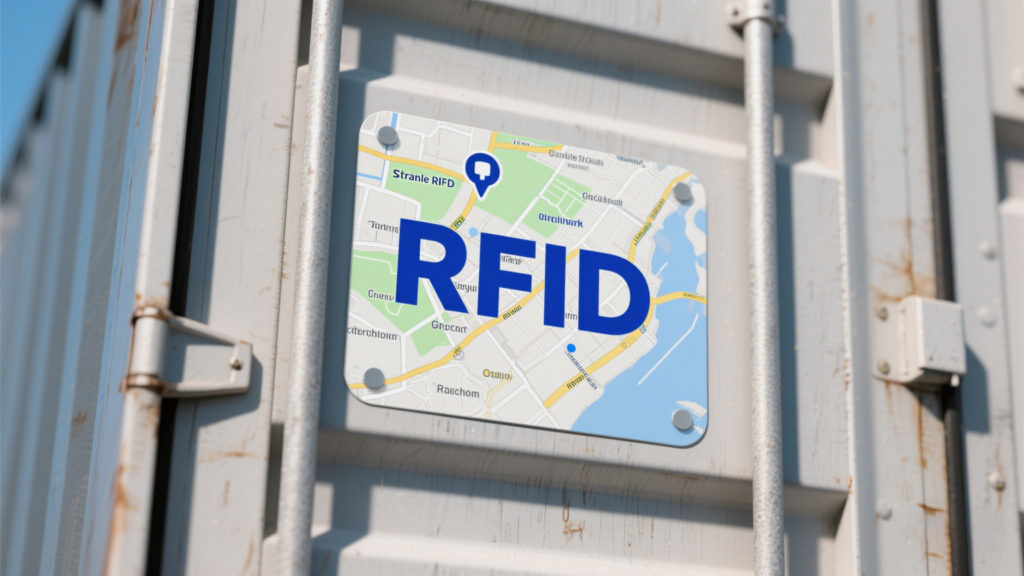
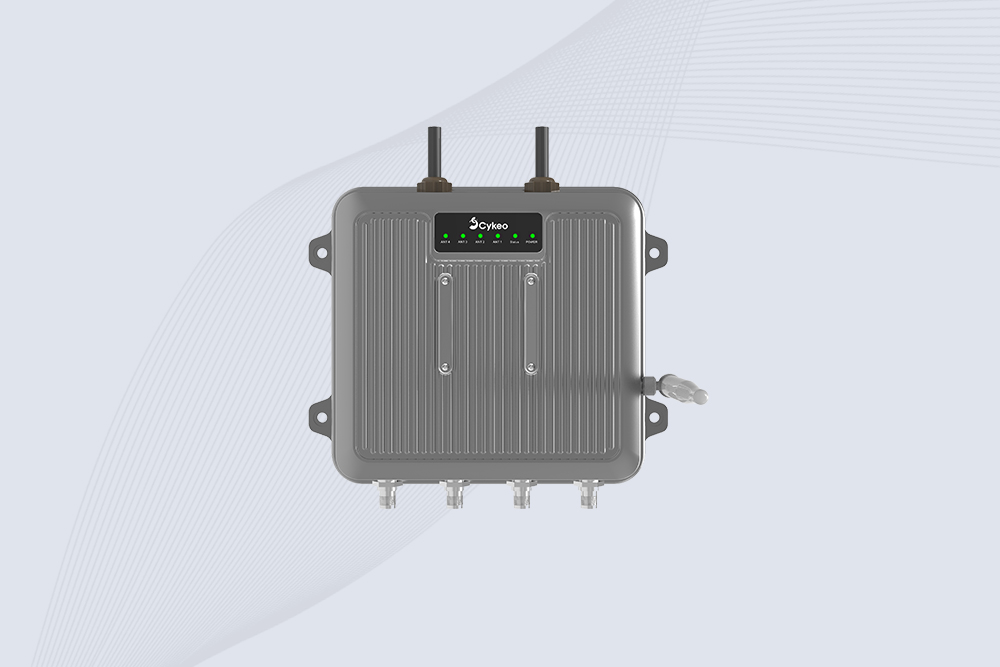
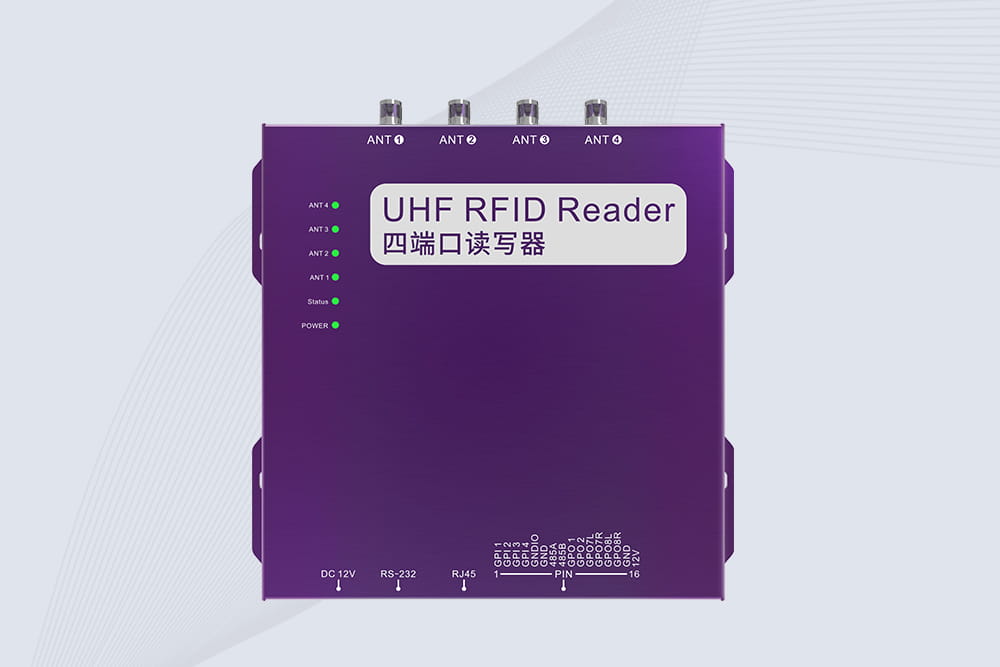
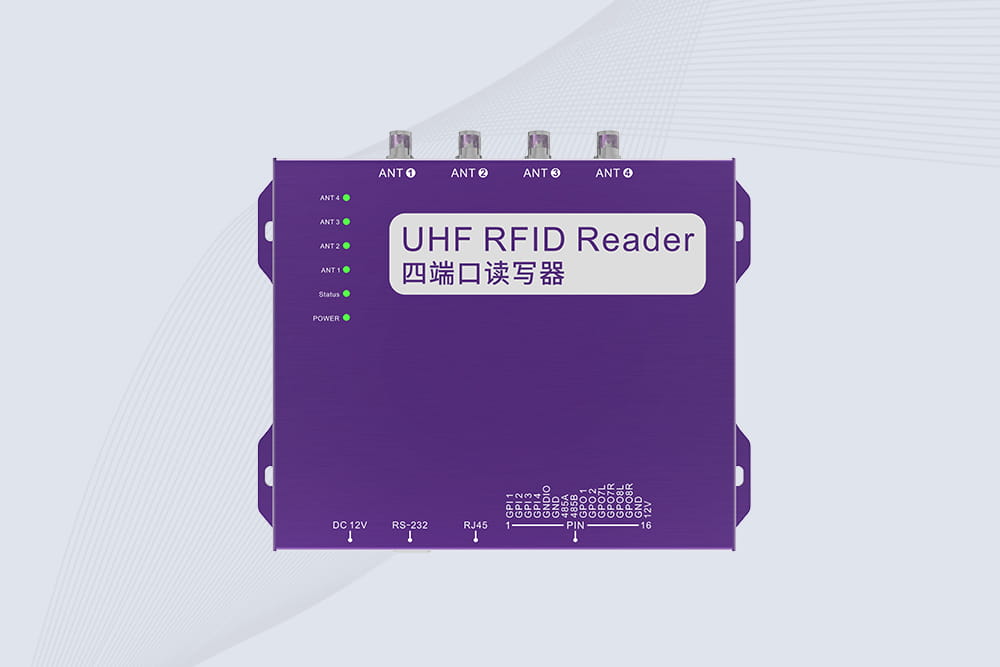
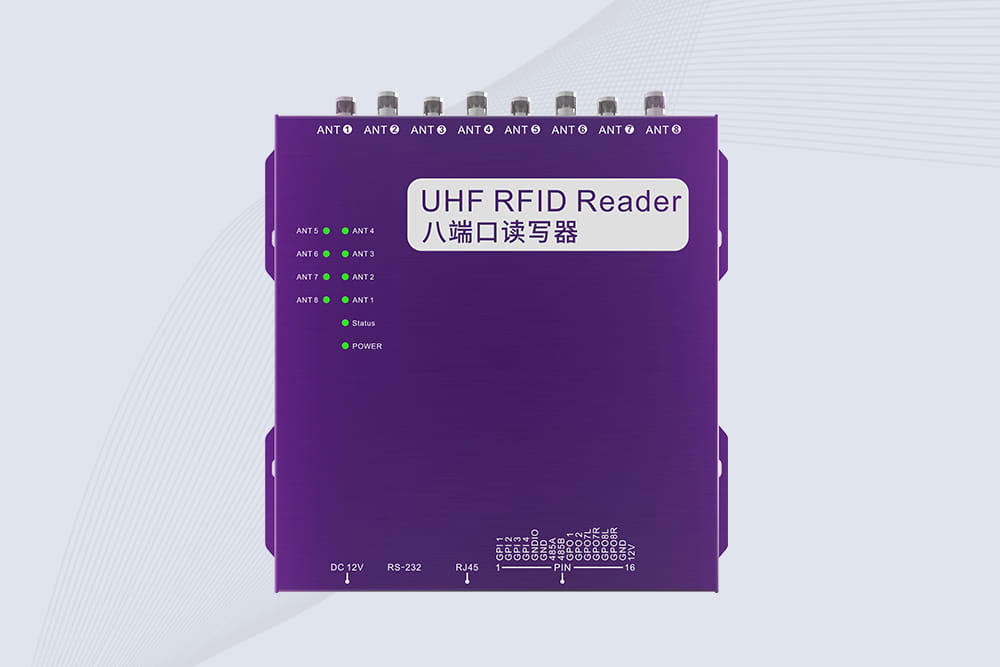
Cykeo offers adaptable RFID solutions for businesses needing flexibility. For example, their industrial-grade UHF RFID readers can switch between passive and active tag scanning modes, ideal for mixed environments like warehouses storing both bulk goods and high-value machinery. This dual functionality reduces the need for separate systems, cutting costs and complexity.
1. Metal and Liquid Interference
2. Battery Management for Active Systems
3. Scalability
Emerging semi-passive (battery-assisted) RFID tags combine affordability with extended read ranges. These tags use batteries only to power sensors (e.g., temperature logs) while relying on reader energy for communication—perfect for cold chain logistics.

Want to know how to make a long range RFID reader? We explore the real engineering hurdles—RF design, certification, costs—and why a professional system is often the smarter path.
More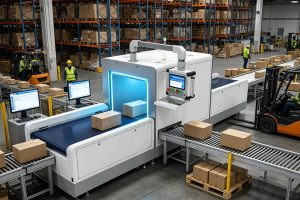
RFID and logistics solutions improve warehouse counting accuracy, automate inventory verification, and accelerate supply chain operations with UHF RFID.
More
Descubre para qué sirve RFID antenna coil en etiquetas y lectores. Te explicamos cómo transfiere energía y datos en sistemas de acceso y pagos sin contacto.
More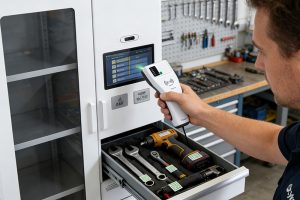
Learn what a tool tracking system is, how RFID technology automates tool crib management, reduces loss, and improves efficiency. Implementation guide for manufacturing, construction, and maintenance operations. Expert guidance from CYKEO engineers.
More