 Cykeo RFID IoT Solution Products R&D Manufacturer

What Is RFID Tag and How It Enables Smarter Identification Systems
152Discover what is rfid tag technology, how RFID tags work, and why businesses use them for tracking, inventory, and automation. Explore Cykeo RFID solutions.
MoreAll RFID Product
A few months ago I visited a container yard in Southeast Asia. What stood out wasn’t the cranes or the stacks of containers—it was the line of trucks waiting at the gate. The queue wasn’t caused by traffic outside the port. The bottleneck was inside: drivers stopped, operators checked container numbers, someone typed the data into the terminal system, and then the truck moved forward.
That process had already been “optimized” several times, yet each truck still spent one or two minutes at the gate. Multiply that by a few hundred trucks a day and the lost time becomes hard to ignore.
This is exactly where a long range RFID scanner starts to make sense. Not as a flashy new technology, but as a very practical way to remove repetitive manual steps from container yard operations.
Container numbers look simple on paper. In the yard, they are often covered with dust, rust, or water marks. OCR cameras help, but anyone who has worked around ports knows they are not perfect. Rain, low light, and damaged markings can reduce accuracy quickly.
One terminal manager told me that the biggest headache was not a complete failure—it was the occasional wrong read. A single misplaced container could trigger hours of searching later.
RFID changes the process because the system does not need a camera to “see” the container number. A UHF RFID tag attached to the container is read automatically when the truck passes through the gate.
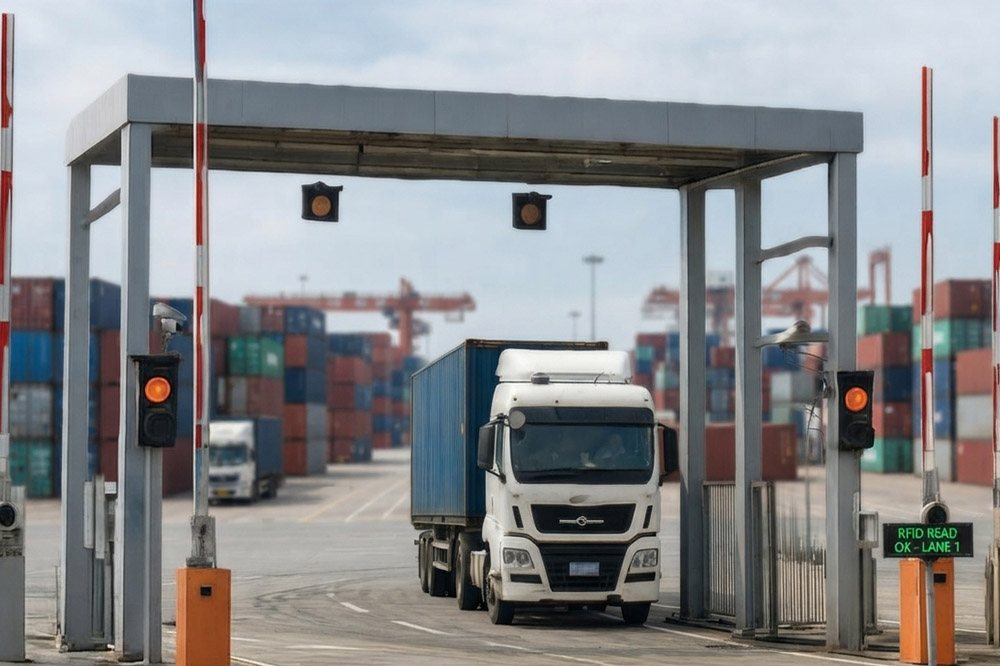
Image Alt: Truck passing through a long range RFID gate at a container terminal
The setup is usually less complicated than people expect.
A typical gate includes:
As the truck approaches, the system detects the vehicle and activates the reader. The container tag is captured in a fraction of a second, and the TOS receives the container ID, timestamp, lane number, and direction of movement.
In many projects, the driver does not need to stop at all.
One thing I have noticed is that ports often underestimate the value of that uninterrupted flow. The real gain is not only speed; it is the reduction of human intervention. Fewer keyboard entries usually mean fewer discrepancies later.
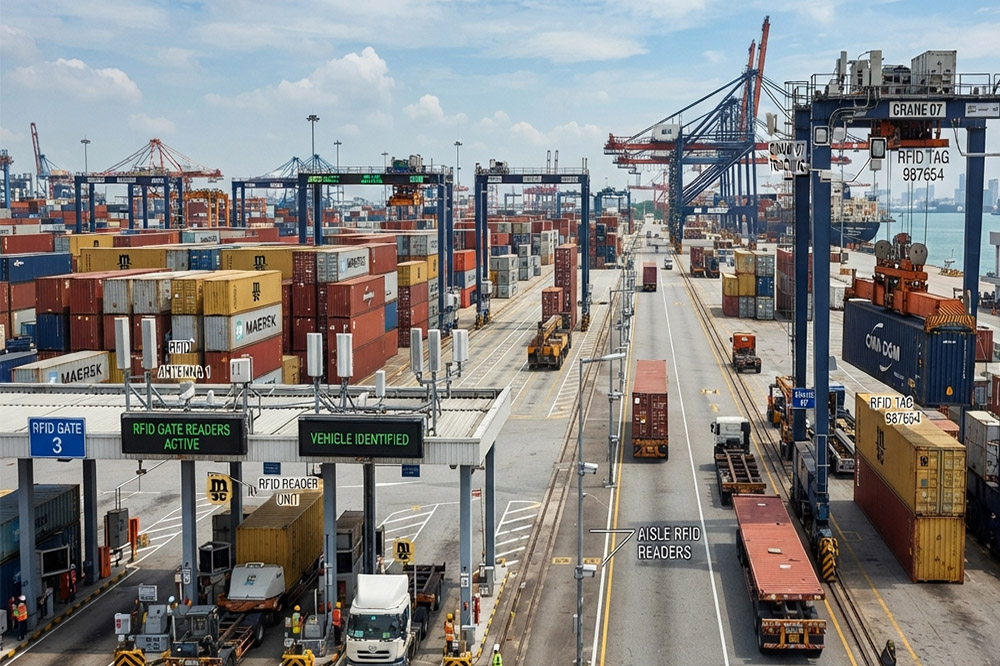
Image Alt: RFID readers deployed across gate, crane lane, and storage blocks in a container yard
The gate is only the first step. Most larger yards extend RFID coverage to other areas:
This is the most common deployment. The goal is automatic check-in and check-out.
RTG or RMG cranes can verify the container identity before lifting it. That extra confirmation helps prevent loading the wrong unit onto a truck or vessel.
Readers installed at strategic points can record container movements between yard zones. The system gradually builds a real-time map of where containers are located.
Some operators mount RFID readers on reach stackers or terminal tractors. The equipment itself becomes a mobile scanning station, which is useful for inventory checks in large yards.
Everyone talks about automation, but the first thing most operators mention after deployment is much simpler: the queue gets shorter.
A gate that processed a truck every 60–90 seconds can often handle vehicles continuously once the stop-and-check process is removed. The exact numbers depend on lane design and traffic patterns, but the improvement is usually visible within days.
I have also seen a secondary effect that is rarely included in marketing brochures. Drivers become less frustrated. In busy ports, even a small reduction in waiting time can improve overall yard discipline because trucks spend less time idling around the terminal.
| Feature | Long Range RFID | Barcode / OCR |
|---|---|---|
| Reading distance | 5–15 m | 0.5–2 m |
| Line of sight required | No | Yes |
| Read multiple containers | Yes | No |
| Performance in rain or dust | Stable | Can degrade |
| Automation level | High | Medium |
| Maintenance | Low | Frequent cleaning and calibration |
This does not mean OCR should disappear. In fact, many terminals use both technologies together. RFID provides fast identification, while cameras offer visual verification for audit purposes.
Container yards are challenging because they are full of metal surfaces. A reader that performs well in a warehouse may behave very differently beside stacks of steel containers.
When evaluating a long range RFID scanner for container yards, I would focus on four things:
One mistake I have seen is selecting the highest-power reader available. More power is not always better. In a dense yard, excessive read range can create unwanted cross-reads from adjacent lanes or container stacks. A properly tuned antenna pattern is often more important than raw output power.
If a terminal is considering RFID for the first time, I usually suggest starting with one gate lane rather than attempting a full-yard rollout immediately.
Run the pilot for a few weeks, compare truck processing times, and measure how many manual interventions are still required. Once the operational team sees the data, expanding to additional lanes and yard zones becomes a much easier decision.
For RFID integrators and port automation contractors, this is also the stage where the hardware matters. Reliable long range readers, directional antennas, and easy-to-integrate APIs can save a surprising amount of engineering time during commissioning.
The interesting part is that RFID data becomes more valuable over time. After a few months, the terminal can analyze traffic patterns, identify congestion points, and understand how containers move through the yard.
So while the project may start as a way to speed up gate operations, it often becomes the foundation for broader yard automation.
And honestly, that is probably why more ports are investing in long range RFID scanners now. Not because RFID is new—it has been around for years—but because terminals are under pressure to handle more containers without expanding the physical footprint of the yard.
When space is limited, better visibility of container movement is no longer just an IT improvement. It becomes an operational advantage.
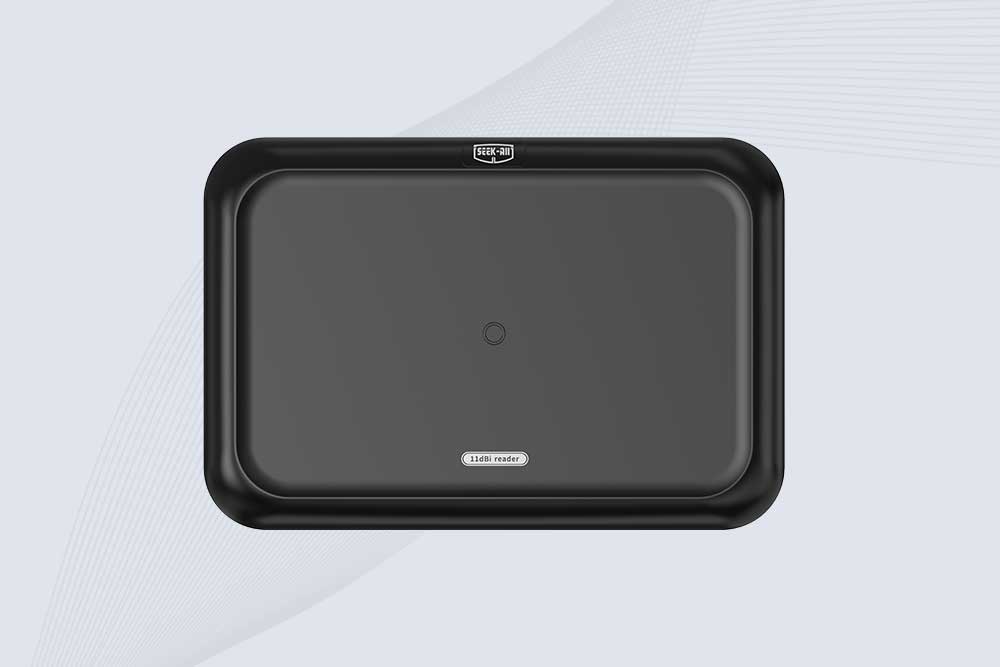
SSD-RA11L is an 11 dBi UHF RFID reader with up to 15m reading distance, 600+ tags/s speed, integrated antenna and flexible connectivity.
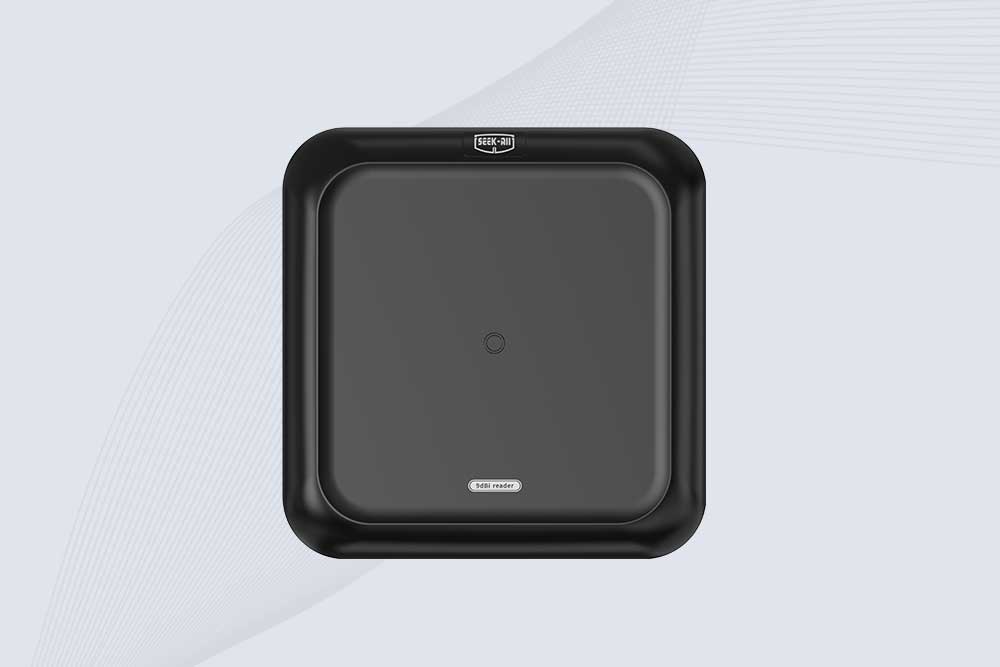
SSD-RA09L is a long range UHF RFID reader with a built-in 9 dBi antenna, 10m reading range, 600+ tags/s speed and flexible interfaces.
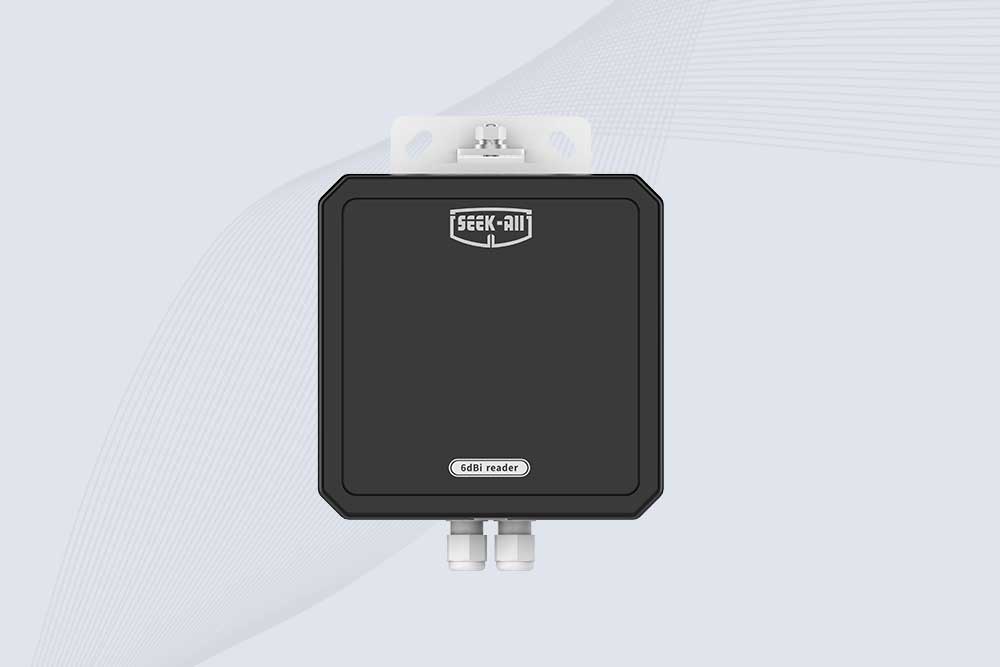
SSD-RA06L is an industrial UHF RFID reader with a built-in 6 dBi antenna, 3 m read range, 600+ tags/s, Ethernet, RS232, and optional Wi-Fi, 4G, and PoE.
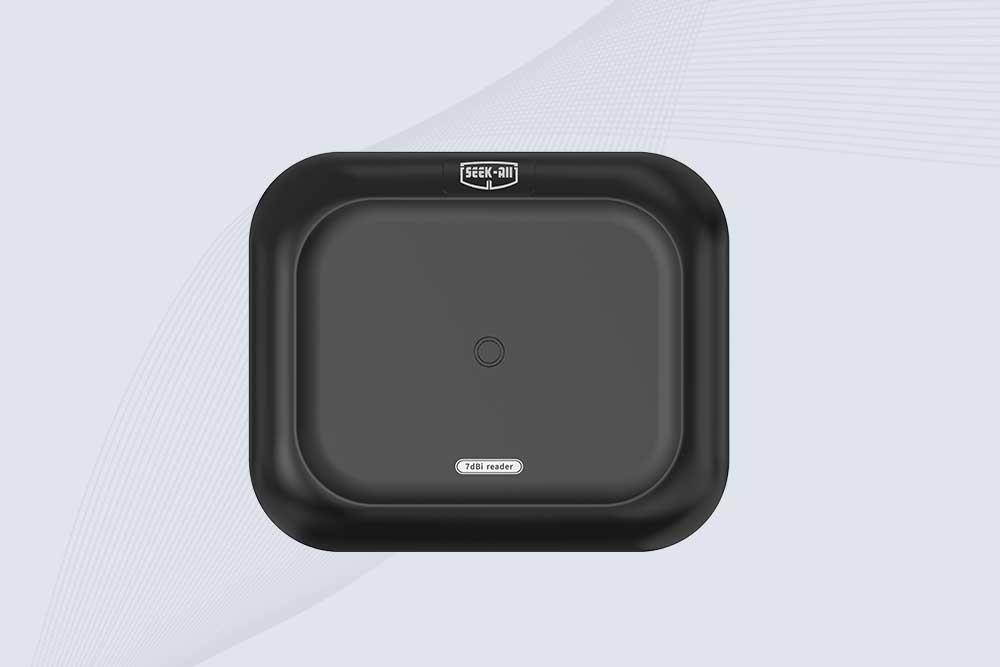
SSD-RA07L industrial UHF RFID reader with integrated 7 dBi antenna, up to 6 m reading distance, over 600 tags/s, Ethernet, RS232, and optional Wi-Fi, 4G, and PoE.
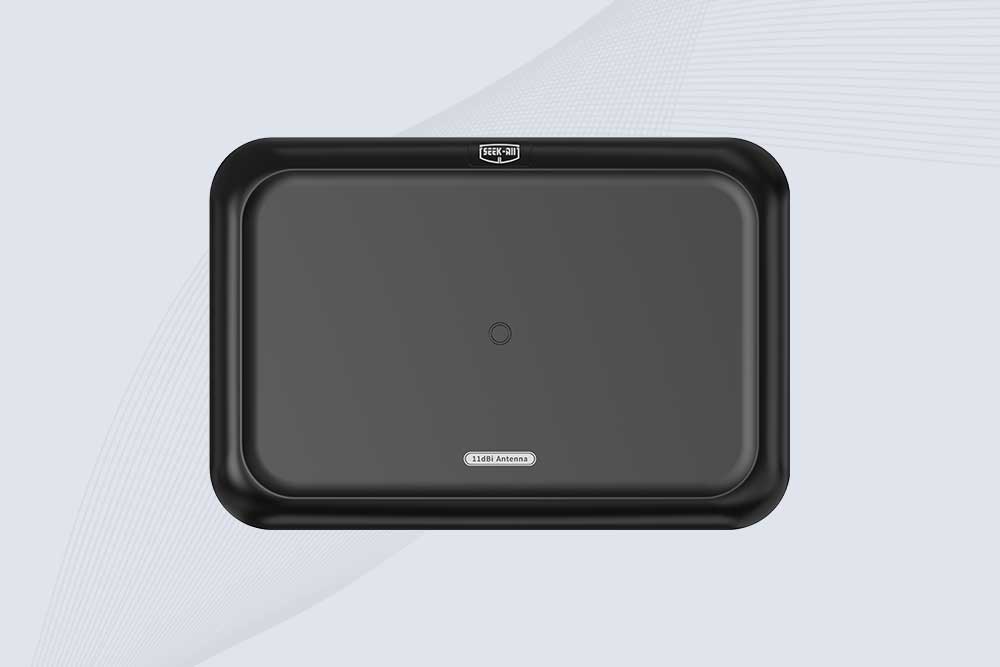
SSD-A11 UHF RFID antenna features 840–960 MHz adjustable frequency, ≥10.5 dBi gain, circular polarization and 50Ω impedance for fixed RFID systems.
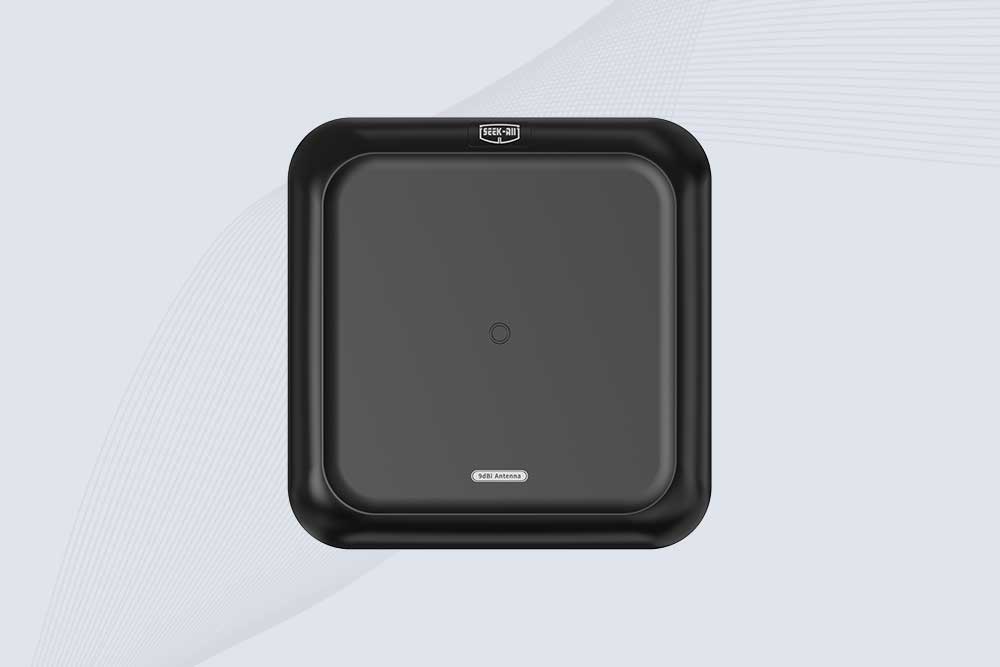
SSD-A09 is a 9 dBi UHF RFID antenna with 840–960 MHz adjustable frequency, circular polarization, 50Ω impedance and directional 60° × 60° coverage.
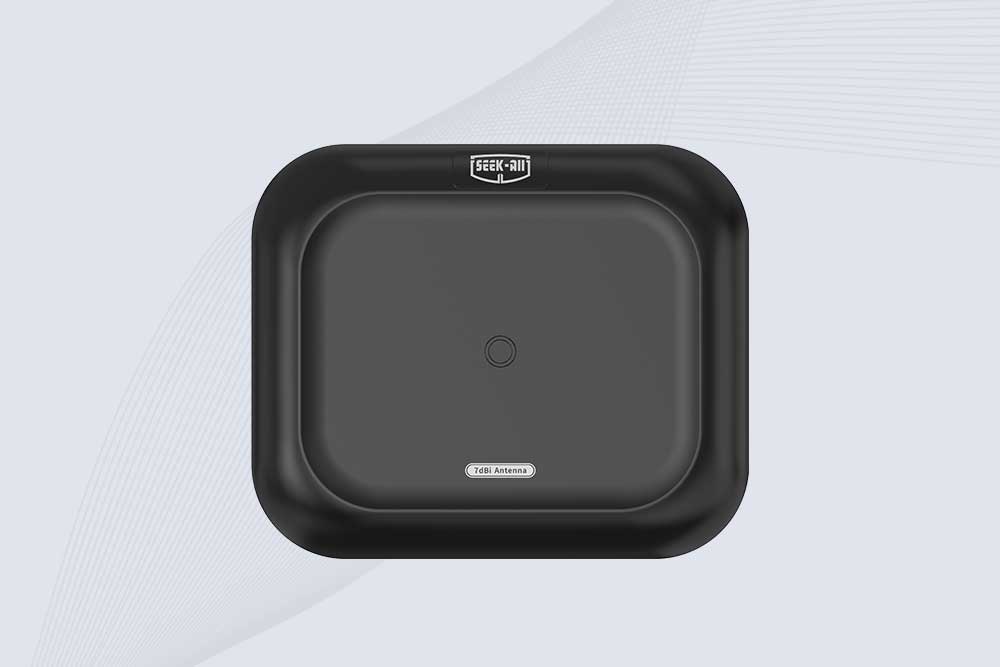
Explore the SSD-A07 UHF RFID antenna with 7 dBi gain, circular polarization, adjustable 840–960 MHz frequency, and 60°/75° beamwidth for stable RFID read/write performance.

SSD-A06 UHF RFID antenna with circular polarization, adjustable 840–960 MHz frequency, ≥4.5 dBi gain, and a compact directional design for RFID systems.

SSD-R16L Multi-Channel RFID Infrastructure for Automated Inventory Management ✔️ 16-Port High-Density RFID Reading Equipped with 16 SMA antenna ports, SSD-R16L supports multi-antenna deployment for warehouses, retail stores, logistics, production lines, and large-area RFID identification. ✔️ High-Speed & Long-Range Performance With up to 33…
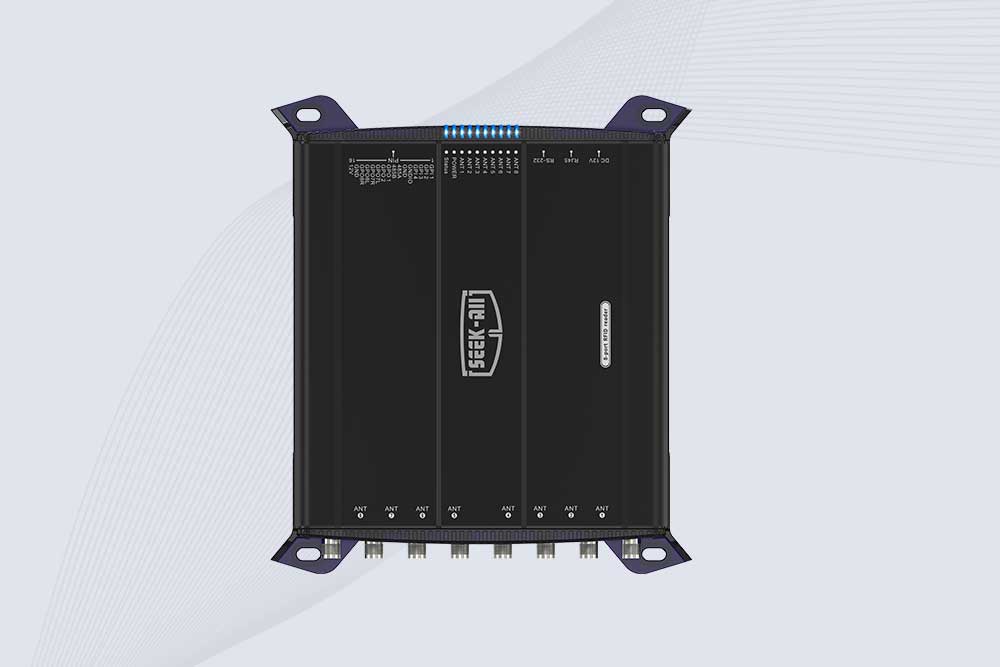
SSD-R8L 8-port UHF RFID reader with 33dBm output, up to 20m reading range and 600+ tags/s recognition. Ideal for warehouse, logistics, retail and asset tracking.
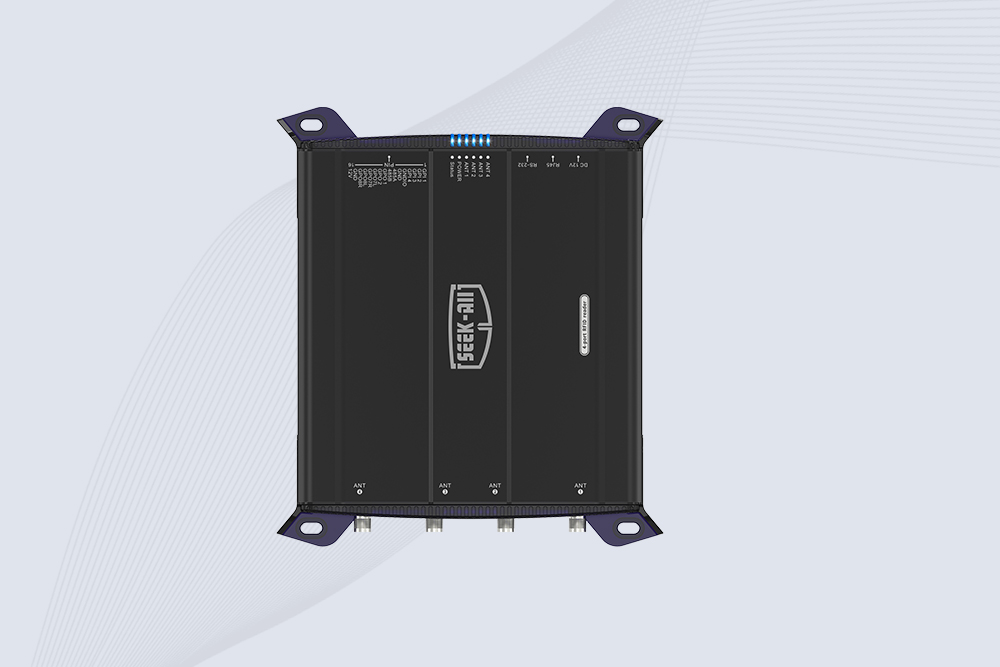
SSD-R4L is a 4-port UHF RFID fixed reader with 33dBm output power, up to 20m reading range, EPC C1G2 support and 600+ tags/s reading speed.

Cykeo CYKEO-A11 UHF RFID reader antenna delivers 11dBi gain, 840-960MHz frequency range, and IP65 ruggedness for retail, logistics, and industrial RFID systems. Features low VSWR and easy installation.

CYKEO Antenna RFID Reader delivers stable long-range UHF performance with a 10.5dBi directional design, built for warehouses, conveyor portals, and industrial RFID systems. This rfid reader antenna provides 20m+ read distance and rugged IP67 protection.

Cykeo CYKEO-PHF3 industrial HF RFID Antenna offers 24-point dynamic tracking, ISO 14443A/15693 protocols, metal-environment stability for archives/libraries/manufacturing.

Cykeo CYKEO-A5B industrial Linear RFID Antenna delivers 5dBi gain, ≤1.5:1 VSWR, and IP65 rugged design for warehouse, production line, and logistics UHF systems.

Cykeo’s CYKEO-B12 Long Range RFID Antenna delivers 15m+ read range with 12dBi gain, IP65 rugged design, and global 840-960MHz UHF support. Ideal for warehouse/logistics asset tracking.

Cykeo CYKEO-B10 Long Distance RFID Antenna offers 10dBi gain, 840-960MHz frequency range, IP65 rating, and 20m+ coverage for logistics/warehousing/ETC systems. Low VSWR ensures stable signal transmission.

Cykeo CYKEO-A6 UHF RFID panel antenna features 6dBi gain, 840-960MHz broadband, IP65 metal-ready housing for logistics/smart retail. 18mm ultra-thin design with tool-free mounting.

Cykeo CK-A3 industrial antenna RFID UHF offers 5m+ tag detection, ≤1.3:1 VSWR, IP65 rugged design, and global UHF spectrum compatibility (840-960MHz) for warehouses, factories, and retail.

Cykeo CYKEO-B5 directional RFID antenna provides 5dBi gain with 60° narrow beamwidth for precise inventory tracking. IP65-rated, global UHF frequency support, and low VSWR.

Create your own high-performance DIY RFID antenna! 5dBi gain, 840-960MHz tunable, step-by-step guides. Compatible with Arduino, Raspberry Pi, and commercial UHF readers.

Cykeo CYKEO-A7 Flexible RFID Antenna features 840-960MHz wideband tuning, 7dBi gain, and IP68 rating for medical/retail/industrial curved surface deployments. 98% read accuracy with peel-and-stick installation.

Cykeo CYKEO-B5A industrial Passive RFID Antenna delivers 5dBi gain, 70° beamwidth, and -40°C~55°C operation for warehouses/smart cabinets. Compatible with Zebra/Impinj readers.

Cykeo’s CYKEO-A9B High Gain RFID Antenna delivers 15m+ read range with 9dBi amplification. Features IP54 rugged design, 840-960MHz bandwidth, and 80° beamwidth for warehouse/manufacturing RFID systems.

Cykeo’s enterprise-grade 8dbi Impinj RFID Antenna 10m+ read range with 840-960MHz tuning. Features IP65 housing, 1.4 VSWR, 35° beamwidth for retail/warehouse RFID systems.

Cykeo CYKEO-A9 industrial UHF RFID antenna delivers 9dBi gain, 840-960MHz frequency range, and IP65 protection for warehouse/logistics/retail RFID systems. Features N-type connector and ≤1.3:1 VSWR.

CYKEO UHF RFID Antenna built for long-distance and industrial applications. This antenna rfid uhf delivers strong gain, outdoor durability, and reliable tag performance in warehouses, yards, and vehicle ID systems.

CYKEO Antenna RFID delivers reliable long-range UHF performance in warehouses, retail shelves, and cold-chain environments. This compact uhf rfid antenna provides stable reads with circular polarization and ultra-wide 840–960 MHz support, ideal for industrial tracking, smart shelves, and asset monitoring.

Cykeo’s CYKEO-C8 UHF RFID antennas delivers 8dBi gain, 840-960MHz full-band coverage, and IP65 ruggedness for manufacturing/warehouse RFID systems. Industrial RFID Antennas Features

Cykeo’s 8dBi UHF RFID antenna and reader kit delivers 10m+ range, 840-960MHz broadband, and IP65 ruggedness for factories, warehouses, and logistics. ISO 18000-6C & EPC Gen2 certified.

Cykeo CYKEO-A9A industrial UHF RFID reader and antenna kit delivers 10m range, 500 tags/sec, IP65 ruggedness for manufacturing/logistics. Supports EPC Gen2, ISO18000-6C.
Cykeo’s CYKEO-A12C UHF Large RFID Antenna delivers 12dBi gain, 840-960MHz global frequency, IP65 ruggedness for logistics/warehousing/automotive. 40° beamwidth ensures stable 15m+ tag reads.

CYKEO Near Field RFID Antenna provides precise 5–30 cm reading for shelves, cabinets, and workstations. This compact rfid shelf antenna delivers stable short-range performance around metal and clutter, ideal for pharmacies, libraries, and electronics sorting.
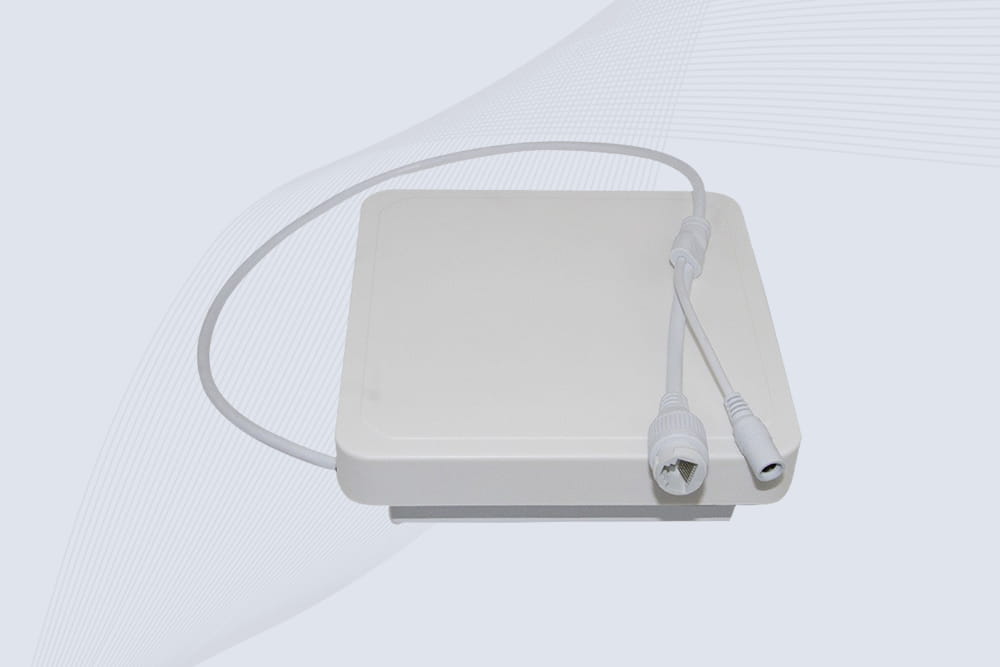
Cykeo’s industrial long range RFID reader delivers 20-meter scanning, 500+ tags/sec speed, and IP67 waterproof design for automated warehouses, logistics, and harsh environment applications.
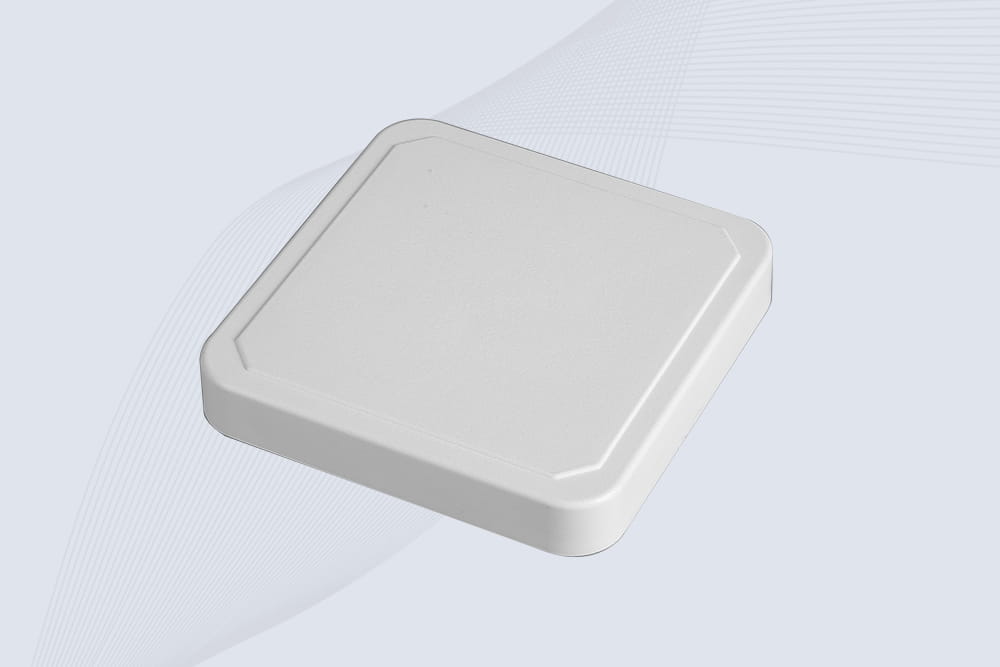
Cykeo’s CYKEO-RA6L industrial RFID long range reader features 20m read distance, 500 tags/sec speed, and IP67 protection. Ideal for warehouse automation, manufacturing WIP tracking, and smart logistics. Supports ISO 18000-6C/6B protocols.
CYKEO Long Range RFID Tag Reader built for outdoor and industrial operations. This Outdoor RFID Reader delivers 20m read distance, fast tag processing, and IP67 durability for wide-area tracking.
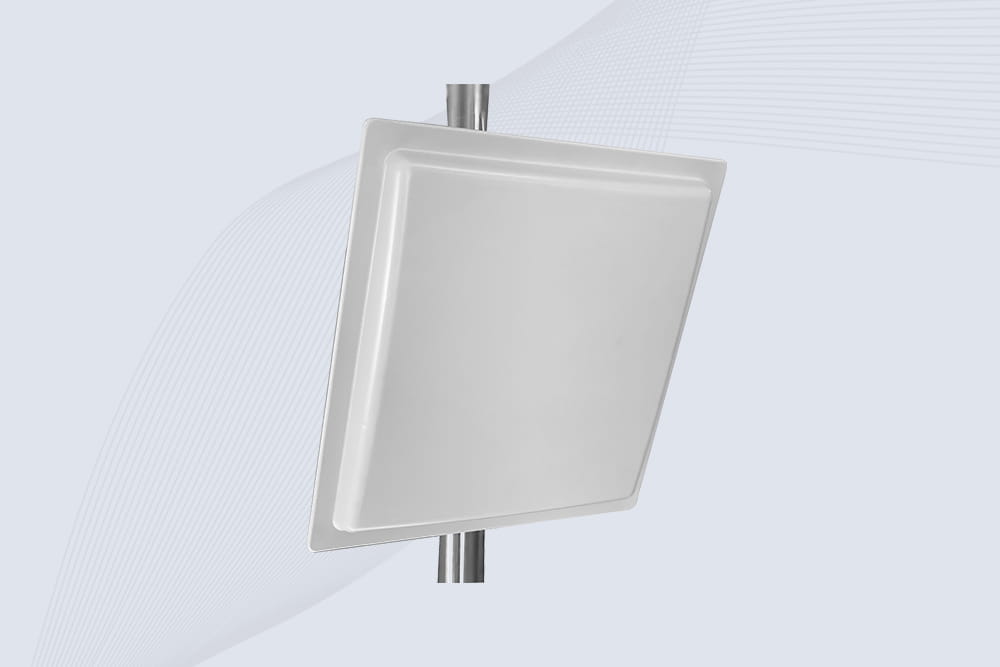
Cykeo CYKEO-RA12L industrial Long Range RFID Reader delivers 20m read range, 200+ tags/sec scanning, and IP67 protection for manufacturing/logistics applications. Supports ISO 18000-6C/GB protocols.
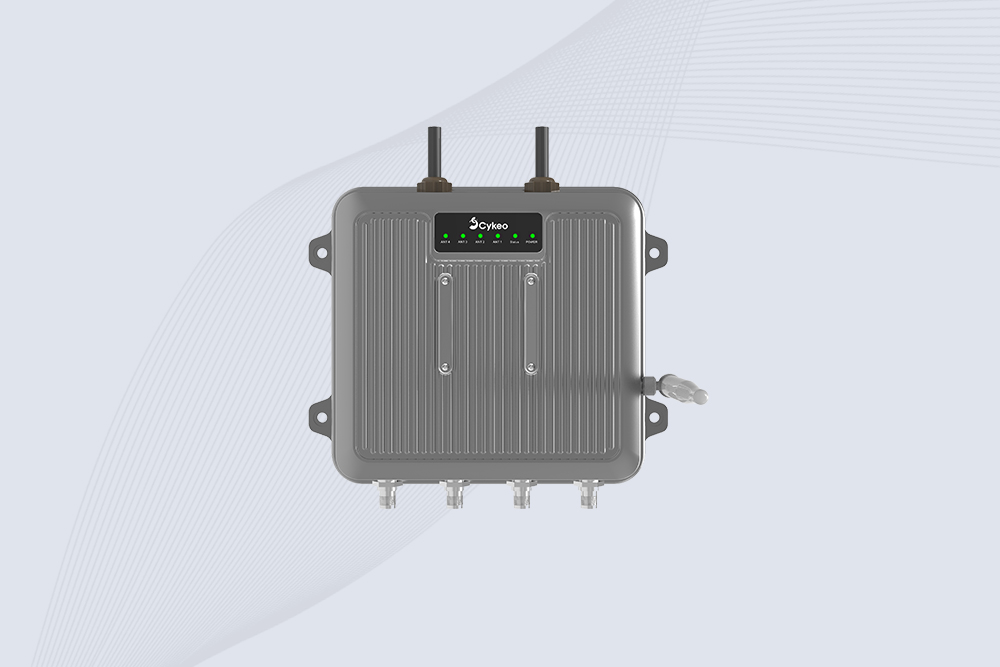
Cykeo CYKEO-C1 industrial Forklift RFID Reader features 20m read range, 600 tags/sec scanning, Impinj R2000 chipset, and IP67 rugged design. Ideal for warehouse logistics and manufacturing. Supports ISO 18000-6C/6B protocols.
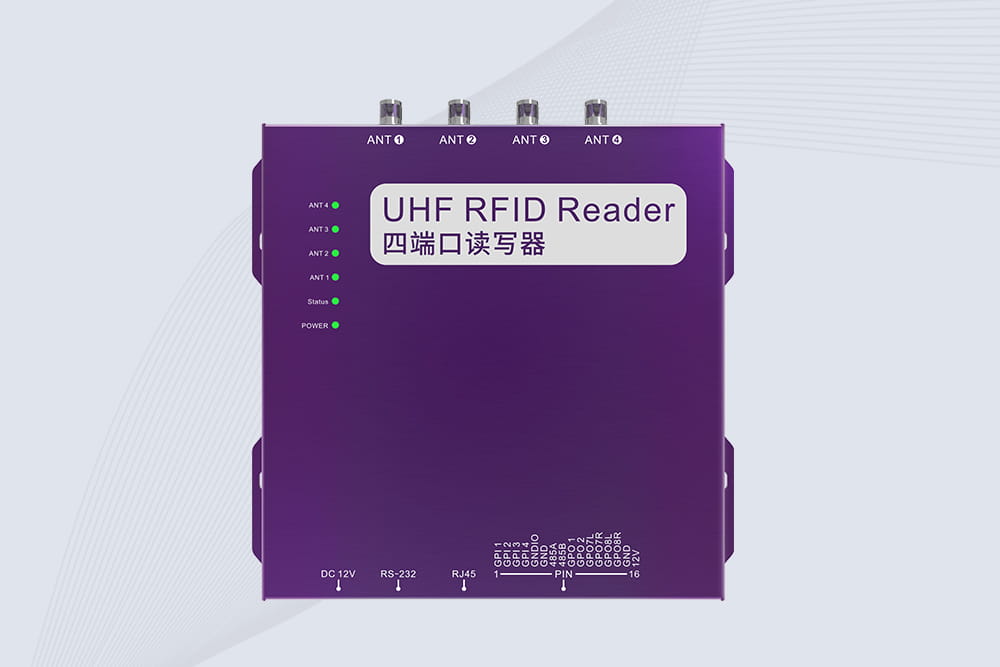
Cykeo CYKEO-R4 industrial UHF RFID Fixed Reader features 4 TNC ports, 400+ tags/sec speed, IP67 housing, and global frequency compliance for vehicle inspection, smart warehouse, and asset management systems.
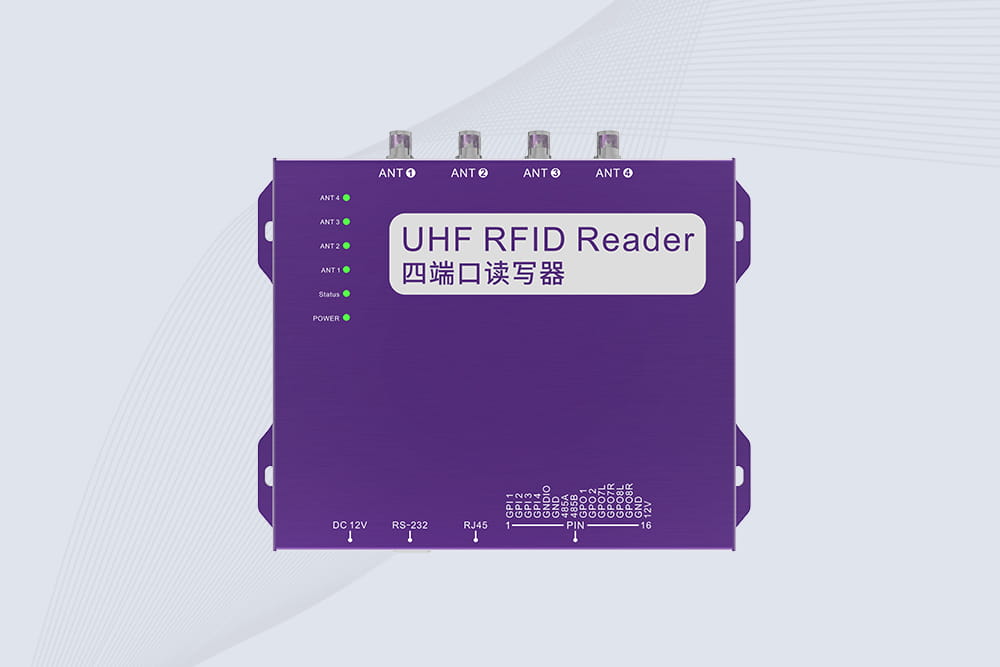
Cykeo’s CYKEO-R4L 4-port Fixed UHF RFID Reader delivers 400 tags/sec scanning, ISO 18000-6C compliance, and IP65 protection. Ideal for warehouse automation, manufacturing WIP tracking, and logistics management.
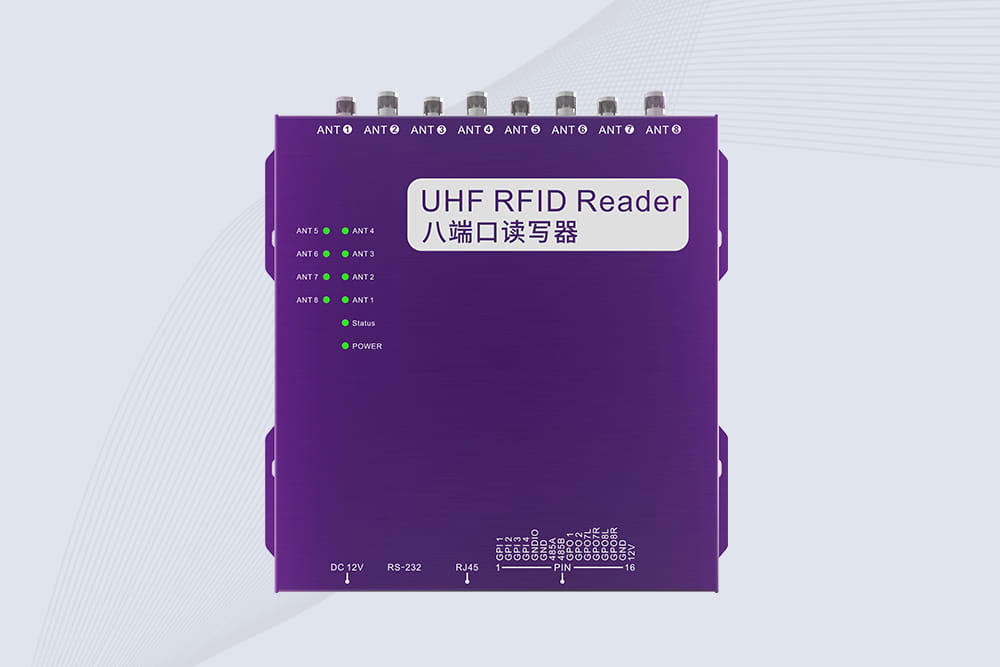
CYKEO CYKEO-R8L Fixed RFID Reader with 8-port UHF design, Impinj-based RF core and up to 20m read range. An industrial Fixed RFID Reader for vehicle inspection, warehouse portals, smart manufacturing lines and secure access checkpoints.
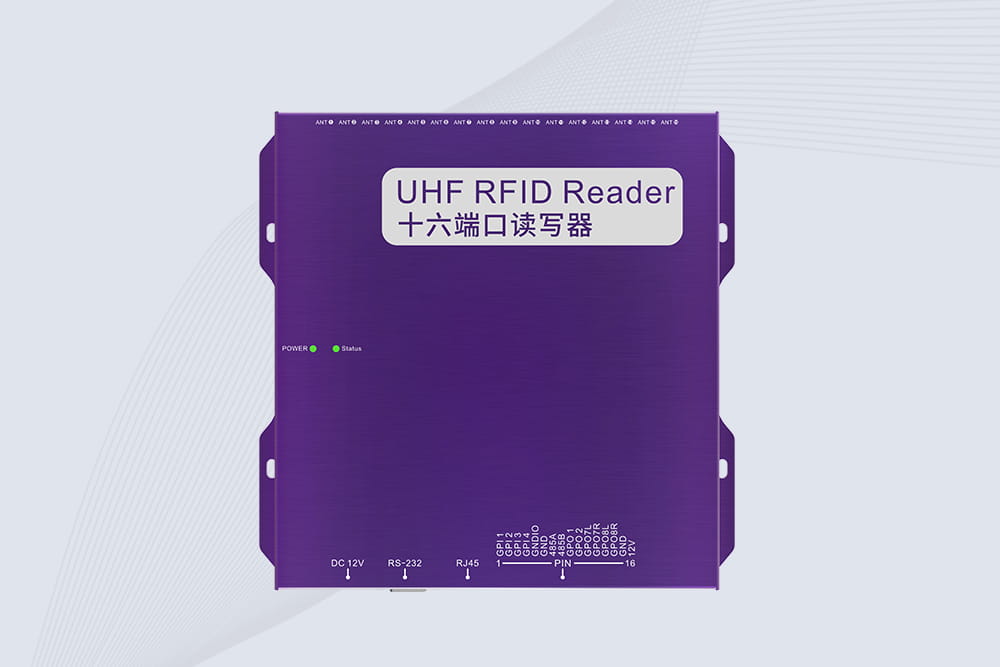
RFID Fixed Reader from CYKEO – the CYKEO-R16L 16-port UHF fixed reader for warehouses, smart cabinets, and production lines. Long-range, multi-tag reading, stable performance for 24/7 industrial use.
RFID Industry Writer | IoT & Asset Tracking Analyst
James writes about RFID technology, asset tracking, and the practical challenges of digital transformation across warehousing, retail, manufacturing, and logistics.
His work focuses on how RFID is applied in real-world operations—improving inventory visibility, automating workflows, and helping businesses manage assets with greater accuracy and efficiency.
He regularly covers topics including UHF RFID, smart cabinets, RFID portals, tool tracking, warehouse automation, and industrial IoT trends..

Discover what is rfid tag technology, how RFID tags work, and why businesses use them for tracking, inventory, and automation. Explore Cykeo RFID solutions.
More
A field-based look at UHF RFID reader performance in real warehouse environments. Covers installation surprises, signal behavior, integration issues, and what wholesale buyers often realize only after deployment begins.
More
Learn the key differences between RFID passive and active tags, how they work, and where each type is used. Find out which RFID tag suits your project best.
More
Learn how to track shipping containers globally using long-range RFID readers. Discover Cykeo’s solutions for real-time visibility, anti-tampering, and supply chain efficiency.
More