 Cykeo RFID IoT Solution Products R&D Manufacturer
What is the primary function of an RFID tag?
939Discover the key functions of RFID tags: from asset tracking to security. Learn how they automate identification, enhance supply chains, and enable IoT connectivity.
MoreAll RFID Product
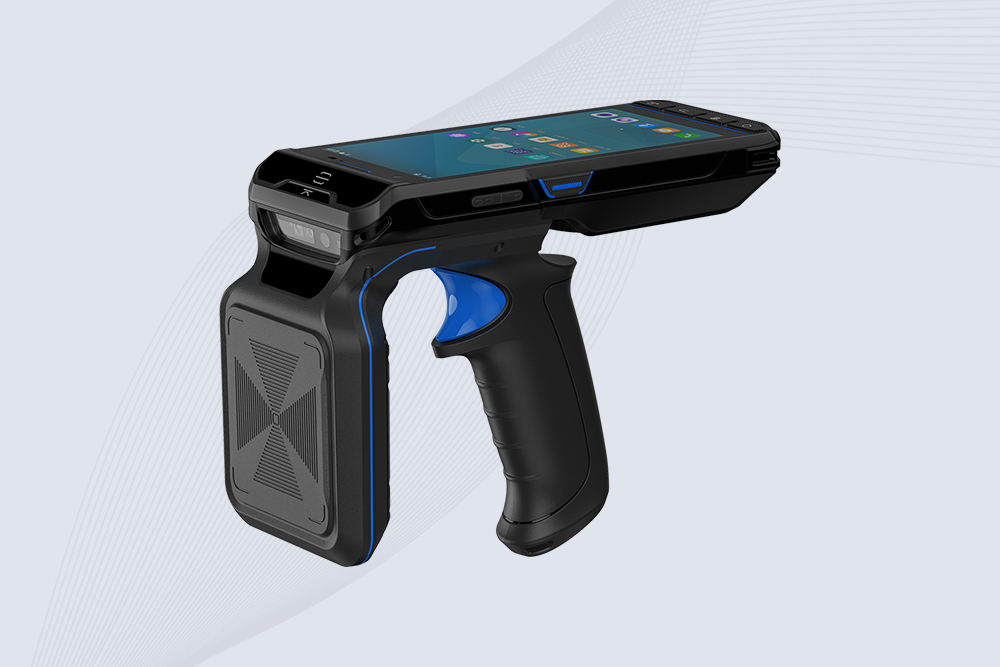
RFID scanners might seem like niche gadgets, but they’re quietly powering everything from your morning coffee purchase to lifesaving hospital workflows. These devices read radio-frequency identification (RFID) tags, which store data wirelessly—no line-of-sight needed. But what exactly do businesses and industries use them for? Let’s break down the practical, real-world applications of RFID scanners and why they’ve become indispensable tools.

RFID scanners revolutionized inventory tracking by replacing error-prone clipboard checklists. Here’s how:
Example: Retailers use handheld RFID scanners to perform stock audits in minutes. Cykeo’s lightweight model, for instance, helps clothing stores track seasonal collections without disrupting shoppers.
Industries: Retail, warehousing, e-commerce.
From hospital equipment to construction gear, RFID scanners keep tabs on high-value assets:
Industries: Healthcare, construction, manufacturing.
RFID scanners create transparent, efficient supply chains:
Example: A single fixed RFID scanner at a warehouse exit can automatically log 500+ boxes per hour.
Ever tapped a badge to enter an office? That’s RFID at work:
Industries: Corporate offices, stadiums, data centers.
RFID isn’t just for backrooms—it’s enhancing shopping too:
Example: Cykeo’s integrated RFID scanners in self-checkout kiosks cut wait times by 40% in pilot stores.

Hospitals rely on RFID scanners to:
Industries: Hospitals, labs, pharmaceuticals.
Even cows have RFID tags! Applications include:
Takeaway: RFID scanners are the silent workhorses of modern efficiency. Whether managing a warehouse with Cykeo’s rugged scanners or ensuring patients get the right medication, these devices turn chaotic workflows into seamless processes. Their versatility makes them not just useful—but essential—across industries.
Discover the key functions of RFID tags: from asset tracking to security. Learn how they automate identification, enhance supply chains, and enable IoT connectivity.
More
A practical view of RFID tools tracking systems used in real factories and workshops. Learn how RFID tool cabinets and industrial tracking solutions help reduce tool loss, improve visibility, and support asset management. OEM and wholesale inquiry...
More
CK-A5 5dBi RFID antenna’s real-world value in enterprise RFID deployments. With high gain, full-band support, and easy integration, this antenna is perfect for warehouses, manufacturing floors, and global logistics systems.
More
Discover the essential features of a warehouse-ready RFID reader—durability, long-range scanning, and anti-interference. Learn how Cykeo’s solutions optimize inventory accuracy.
More