How do you program rfid tags? RFID tags are programmed with a compatible RFID reader/writer and encoding software that writes an identifier, usually to EPC memory, then reads the tag again to verify the result. Professional encoding also manages tag selection, memory structure, access protection, and duplicate prevention.
That sounds simple until the first batch of several hundred blank tags reaches a production desk.
A programmer has to answer a more practical question: which tag should be written, what exactly should be written, and how do you know the correct tag received the correct data?
For RAIN RFID, the EPC is usually the key piece. GS1 describes the Electronic Product Code as the bridge between GS1 identifiers and RAIN RFID, allowing identifiers such as GTINs to be serialized for item-level visibility and traceability.
What Does Programming an RFID Tag Actually Mean?
RFID programming is normally called encoding or tag encoding.
The reader/writer communicates with the RFID chip and writes data into one of the tag’s writable memory areas. In a typical RAIN RFID tag, memory is divided into four logical banks:
EPC memory — normally holds the Electronic Product Code
TID memory — identifies the tag’s integrated circuit
User memory — optional application data
GS1 confirms this four-bank structure for RAIN RFID tags and identifies EPC memory as the area containing the EPC associated with the tagged object.
This distinction matters when someone says, “I want to program the RFID tag with this product number.”
The product number may not be the exact binary representation that belongs in EPC memory.
For a standards-based deployment, the application first determines the appropriate identifier and encoding scheme.
RFID Encoding Starts With the Data Structure
A useful production workflow usually begins before the reader is powered on.
Suppose a manufacturer needs to encode 10,000 garments.
The database might contain:
Field
Example
GTIN
Product identifier
SKU
Internal product code
Serial number
Unique item number
EPC
Encoded RFID identifier
Batch
Production batch
Status
Encoding status
The RFID tag does not necessarily need all six fields.
GS1 explains that many simple RAIN RFID tags use a 96-bit or 128-bit identifier, while higher-memory tags can support substantially more data. Typical RAIN RFID tags generally carry no more than 8 KB.
The useful design choice is often to put a serialized identifier on the tag and keep the larger product record in the enterprise database.
That keeps the tag lean.
It also makes later system changes less painful.
How RFID Tag Encoding Works in Practice
A professional encoding workstation normally performs several operations in quick succession:
Detect an available RFID tag.
Select the intended tag.
Authenticate if required.
Write the EPC or other permitted memory.
Receive the tag’s response.
Read the programmed value.
Compare the returned value with the expected value.
Mark the tag as passed or failed.
Move to the next tag.
The verification step is important.
Impinj’s technical documentation describes a practical approach in which the reader writes the PC word and EPC, then inventories the tag and verifies that the returned EPC matches the expected value.
This is one of those details that matters more on a production line than in a product brochure.
A software message saying write successful is useful.
A subsequent read confirming the expected EPC is much better.
Why the RFID Writer Must Control the Reading Zone
This is where desktop RFID encoding becomes different from ordinary inventory reading.
Imagine a stack of blank RFID labels on a desk.
The operator intends to encode one label.
If the antenna field covers the entire stack, the reader may detect several tags. The application then has to distinguish the target from the surrounding tags. That adds unnecessary complexity and creates opportunities for an incorrect write.
A controlled near-field antenna changes the working environment.
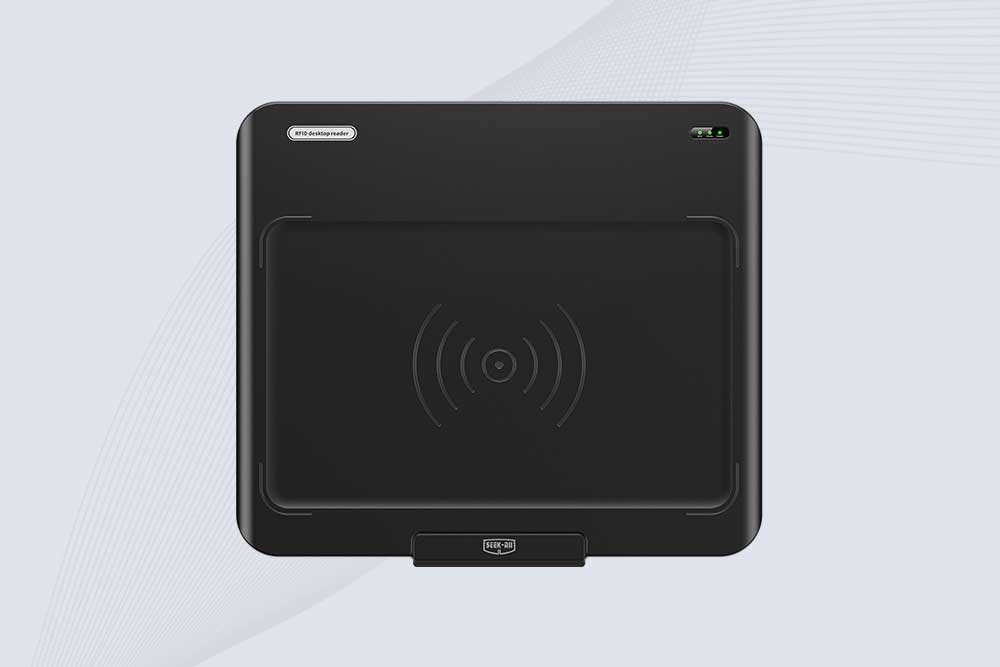
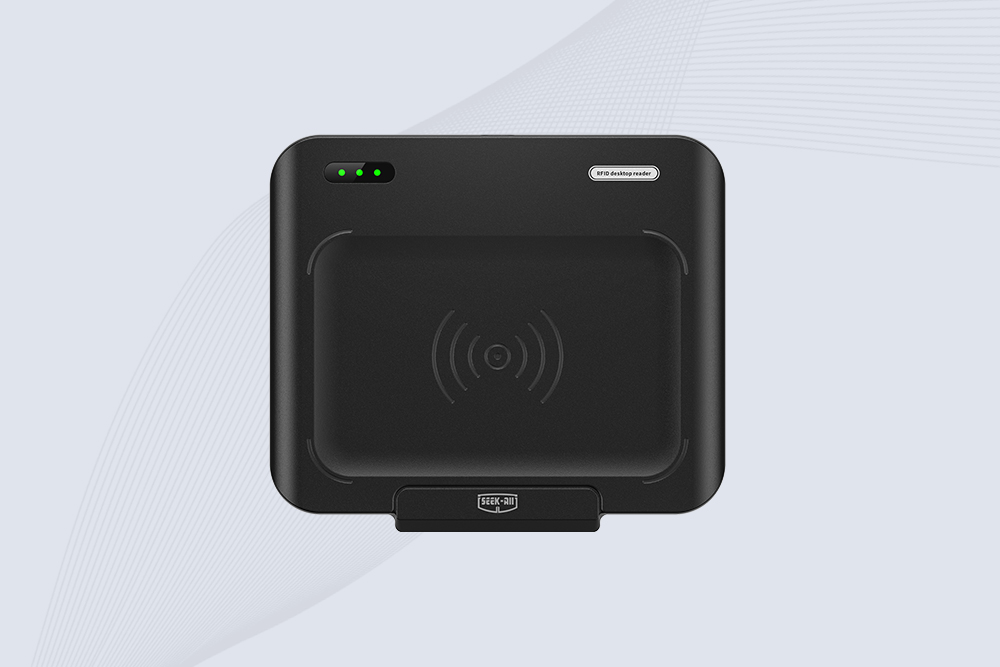
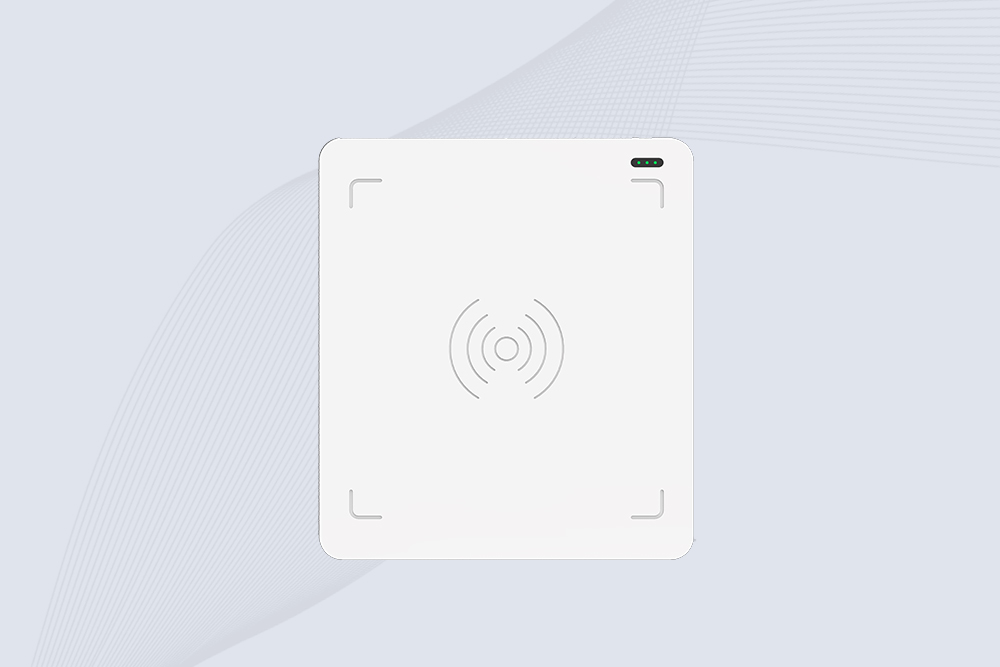
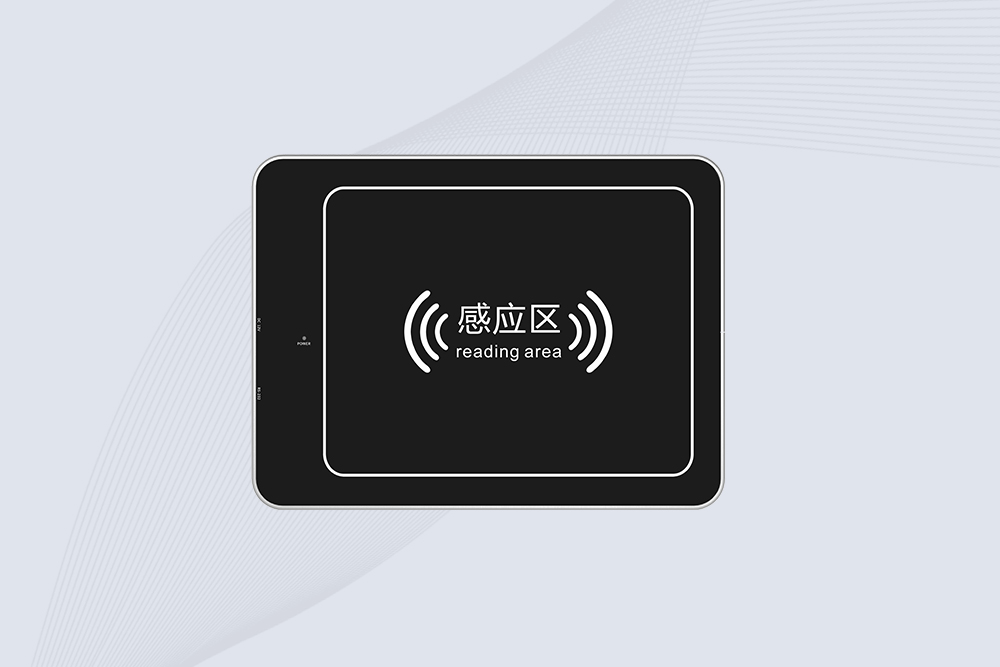
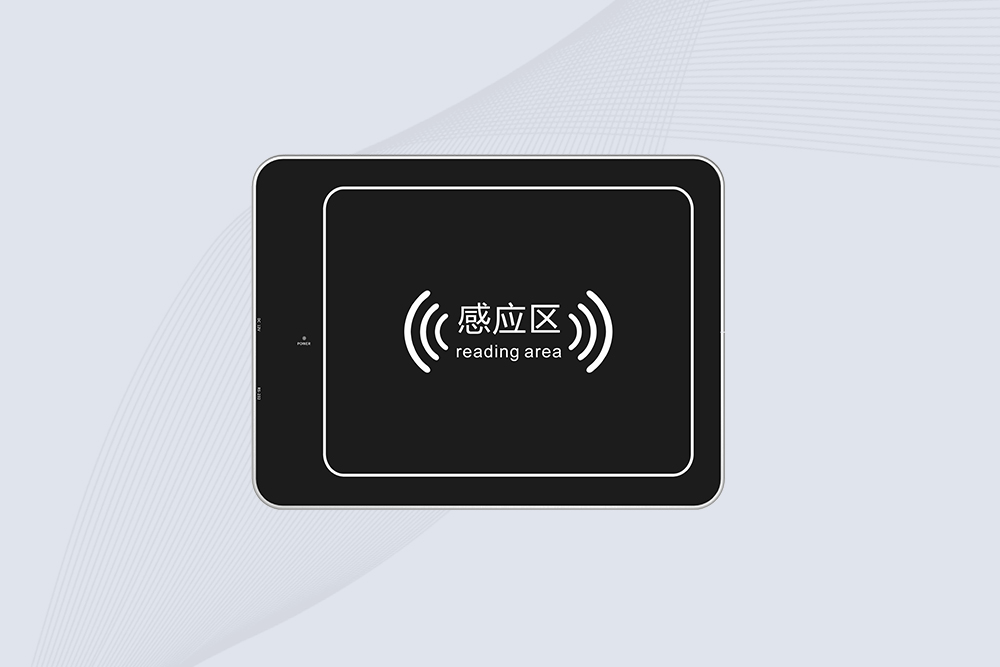
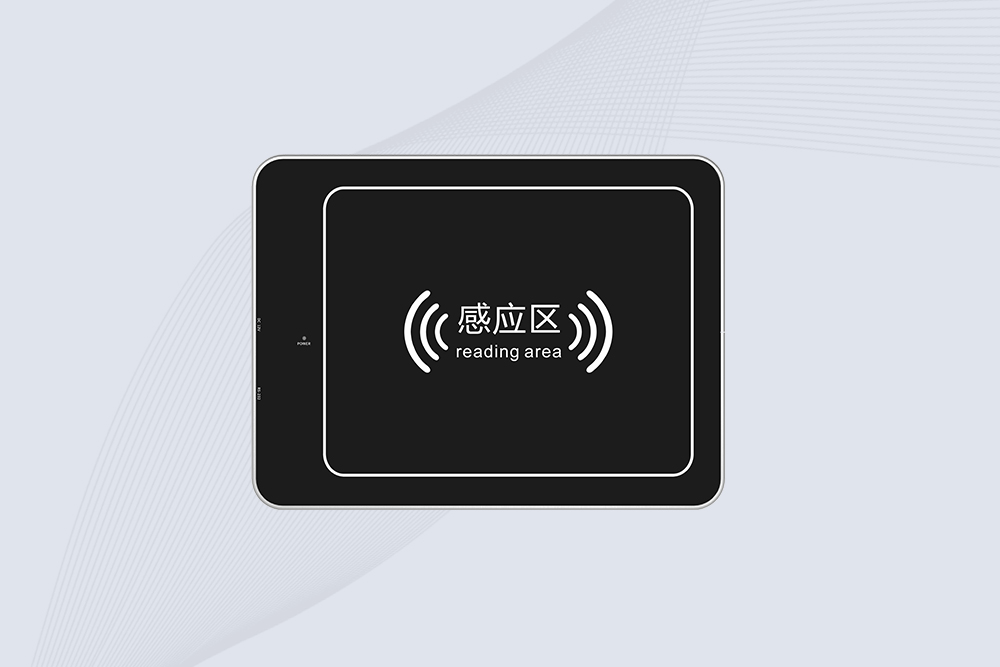
Cykeo’s RFID desktop reading platform is designed around this requirement. Its near-field antenna controls the effective reading range to approximately 30 cm, with the writing range controlled to approximately 10 cm.
That short writing zone is deliberate.
For a tag administrator sitting at a desk, maximum range is not necessarily an advantage.
Controlled range is often more useful than maximum range.
What Happens During EPC Writing?
At the protocol level, EPC writing is not simply “send text to the tag.”
The reader communicates with the selected Gen2 tag and performs a write operation against its memory.
GS1’s current Gen2 standard defines detailed memory-access privileges, including write, read, lock, and permanent-lock behavior depending on tag state and configured permissions.
A simplified view looks like this:
Application data → EPC encoding → Reader command → Selected tag → Memory write → Verification read
The actual air-interface exchange contains substantially more protocol detail.
That distinction becomes important when developing custom RFID encoding software. A developer should not assume that every RFID chip has identical memory behavior or that every EPC length can be treated in exactly the same way.
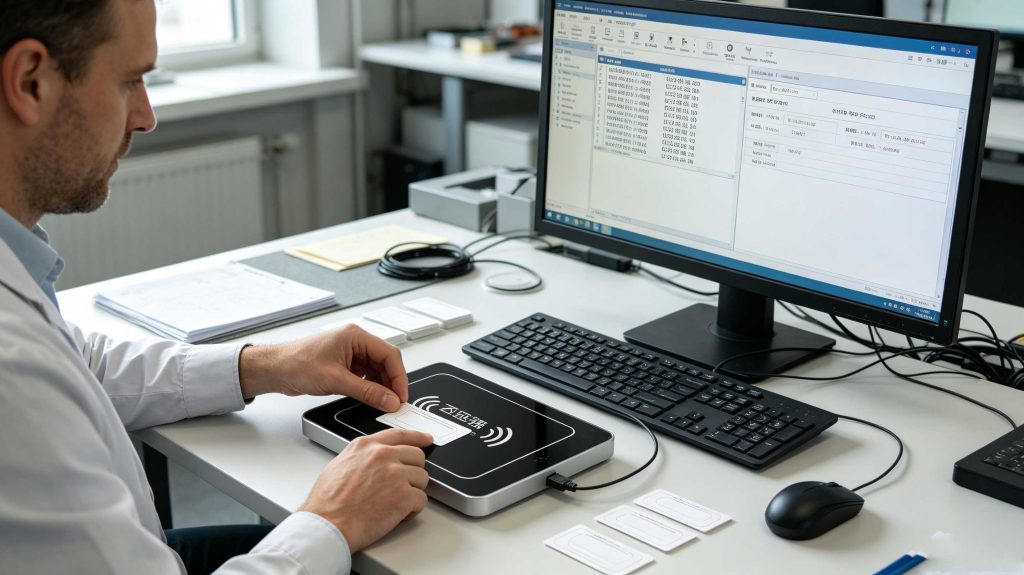
An operator encodes and verifies an RFID tag using a controlled desktop RFID writing station.
How RFID Tag Selection Prevents the Wrong Tag From Being Written
Writing becomes difficult when multiple tags are within range.
The reader may see:
Tag A — target
Tag B — nearby
Tag C — waiting to be processed
The encoding application therefore needs a selection strategy.
Depending on the reader and application, this may involve:
EPC filtering
TID filtering
Access passwords
Inventory rounds
Antenna selection
RSSI or signal characteristics
Physical placement
Short-range antenna design
For a desktop workstation, physical separation plus a controlled antenna field is often much simpler than trying to solve every ambiguity in software.
This is a field lesson worth remembering.
Good RF design removes software problems before software has to solve them.
How Much Data Can You Program Into an RFID Tag?
There is no universal capacity.
GS1 states that typical RAIN RFID tags carry no more than 8 KB, while basic license-plate-style tags may use only 96 or 128 bits.
For many inventory applications, that is sufficient.
For example, the tag might contain an encoded serialized identifier such as:
GTIN + Serial Number → EPC
The ERP or warehouse system can then resolve that EPC to the complete record.
Higher-memory applications are possible. But putting more information on the tag does not automatically make an RFID system better.
It can make encoding slower, complicate security, increase data-management requirements, and create additional compatibility considerations.
Can RFID Tags Be Locked After Programming?
Yes. Supported RAIN RFID tags can use memory access controls.
GS1 documents password-protected lock functions for Gen2V2 tags. Depending on the memory area and configuration, data can be protected against rewriting, and permanent locking can make the protection irreversible.
This is useful when an RFID label has completed its encoding process.
For example:
Blank tag → EPC written → EPC verified → memory locked → production release
The lock should not be treated as a casual final button.
If an EPC is permanently locked too early, correcting a serial-number mistake can become impossible.
Cykeo RFID Desktop Programming Workflow
Cykeo’s desktop RFID platform is aimed at exactly this type of operational work: registering, writing, reading, filtering, and verifying tags from a workstation.
Its architecture combines:
Near-field RFID antenna
UHF RFID reader/writer
Impinj R500-based reader architecture
Maximum port output of 33 dBm
Controlled read range within approximately 30 cm
Controlled write range within approximately 10 cm
USB communication through Mini USB
Automatic tag-writing demonstration software
Batch rapid-writing capability
Fast tag filtering
C# development documentation
Java development documentation
The near-field design is particularly relevant to encoding desks.
A warehouse portal needs coverage.
A tag-writing desk needs precision.
Those are different RF problems.
A desktop RFID workstation supports rapid batch encoding and verification of multiple RFID labels.
RFID Programming Errors That Appear in Real Work
A tag that refuses to encode does not automatically mean the reader is defective.
Common causes include:
Tag already locked
Incorrect access password
Unsupported memory address
Wrong EPC length
Poor tag orientation
Multiple tags in the write zone
Insufficient RF coupling
Incompatible tag/reader behavior
Software verification mismatch
Damaged or defective inlay
Impinj has documented cases where an RFID encoding application can report an apparent failure even though the EPC was actually written, because the verification logic did not correctly account for the tag’s PC-word behavior. Their recommended approach includes writing the EPC and then inventorying the tag to verify the resulting EPC value.
That is a useful engineering warning:
Never build production encoding around a single “write returned OK” signal.
How Do You Program RFID Tags for Production?
A reliable production workflow should look more like an industrial process than a desktop experiment:
Stage
Main control
Tag preparation
Confirm chip, frequency, and memory
Data preparation
Generate valid serialized EPC
Tag selection
Isolate intended tag
Encoding
Write EPC or approved user data
Verification
Read back and compare
Security
Apply lock/access settings if required
Registration
Associate EPC with business record
Release
Mark tag as production-ready
The important part is the transition between stages.
A successful RFID program is not merely:
“The tag was written.”
It is:
“The correct tag was written with the correct identifier, verified successfully, registered in the system, and released without creating a duplicate.”
That distinction becomes increasingly important at scale.
FAQ: How Do You Program RFID Tags?
1. Do you need a special reader to program RFID tags?
Yes. A reader must support tag-writing operations and the relevant RFID protocol. A standard read-only setup is not sufficient for encoding. The reader/writer also needs appropriate software or an SDK/API for controlled write and verification operations.
2. Can you program RFID tags with a phone?
Some NFC tags can be programmed with compatible smartphones because NFC operates at 13.56 MHz. Passive UHF/RAIN RFID tags generally require a compatible UHF RFID reader/writer rather than an ordinary smartphone.
3. What information should be programmed into an RFID tag?
For many RAIN RFID applications, a serialized EPC is sufficient. GS1 describes EPC as the mechanism for encoding GS1 identifiers onto RAIN RFID tags. Additional information can be stored in User Memory when the tag supports it.
4. Can you rewrite an RFID tag?
Many RFID tags can be rewritten while their writable memory remains unlocked. Once appropriate lock or permanent-lock settings are applied, further writing may be restricted or permanently prevented.
5. How do you know an RFID tag was programmed correctly?
Read the tag after writing and compare the returned EPC or memory content against the expected value. Impinj specifically documents read-back verification as a reliable method for confirming an EPC write.
6. Can RFID tags be programmed in batches?
Yes. A reader/writer and encoding application can process tags sequentially or in controlled batches. For production work, the system should isolate the intended tag, write its data, verify the result, and record the outcome before moving to the next tag.
Final Answer: How Do You Program RFID Tags?
How do you program rfid tags? You program RFID tags with a compatible RFID reader/writer and encoding software, write the required EPC or user data, read the tag back for verification, and apply access controls when necessary. For reliable production encoding, tag selection and RF-field control are just as important as the write command itself.
For Cykeo’s desktop RFID platform, that practical requirement is reflected in the design: a controlled near-field antenna, approximately 10 cm writing zone, high-performance reader architecture, batch writing support, filtering, USB communication, and C#/Java development resources.
The best RFID encoding station is not the one that reaches the farthest.
It is the one that writes the intended tag, verifies it immediately, and makes the next tag easy to process.
Explore the SSD-A07 UHF RFID antenna with 7 dBi gain, circular polarization, adjustable 840–960 MHz frequency, and 60°/75° beamwidth for stable RFID read/write performance.
SSD-A06 UHF RFID antenna with circular polarization, adjustable 840–960 MHz frequency, ≥4.5 dBi gain, and a compact directional design for RFID systems.
SSD-D3AL is a USB-HID UHF RFID reader with 0–30 cm reading, 0–15 cm writing, over 600 tags/s recognition, USB plug-and-play operation and OEM Logo customization.
SSD-D1AL is a compact USB UHF RFID reader with Impinj E710/X3M1 chipset, USB-HID, 600+ tags/s recognition, 4/8/16 antenna support and plug-and-play USB power.
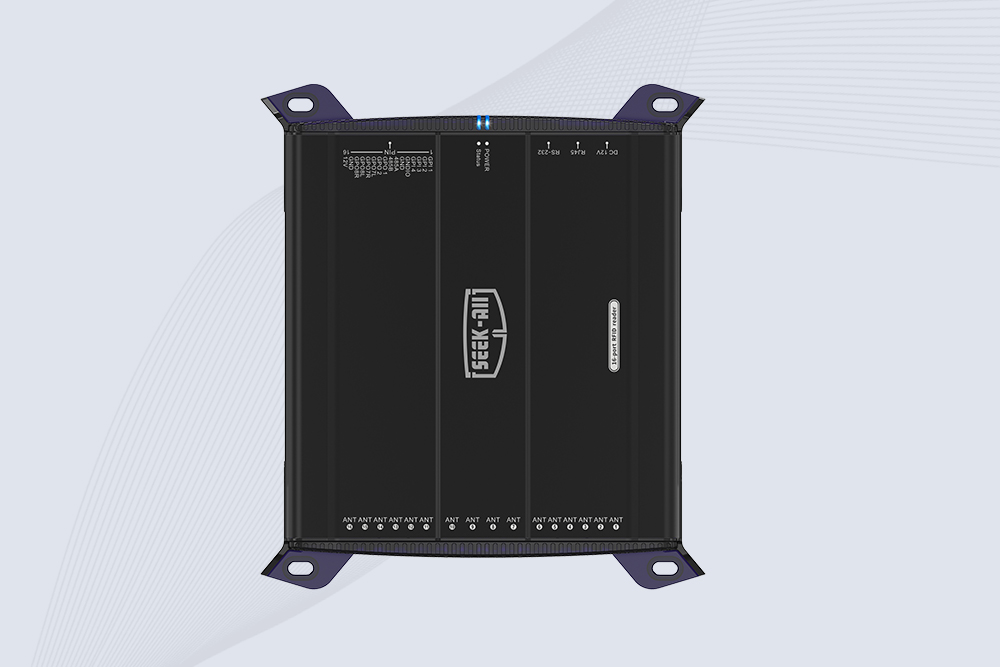
SSD-R16L Multi-Channel RFID Infrastructure for Automated Inventory Management ✔️ 16-Port High-Density RFID Reading Equipped with 16 SMA antenna ports, SSD-R16L supports multi-antenna deployment for warehouses, retail stores, logistics, production lines, and large-area RFID identification. ✔️ High-Speed & Long-Range Performance With up to 33…
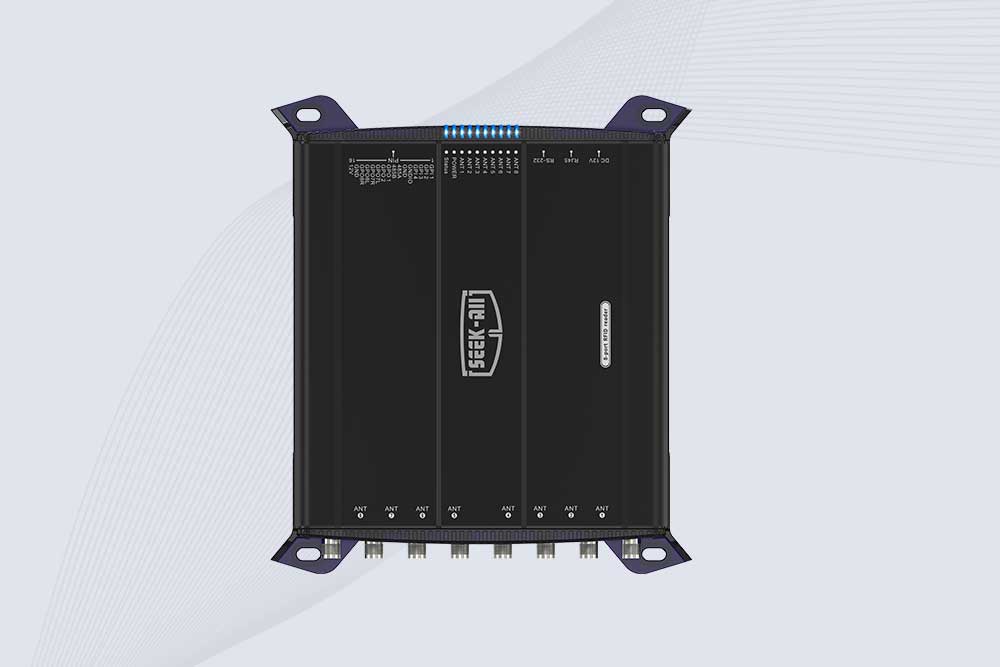
SSD-R8L 8-port UHF RFID reader with 33dBm output, up to 20m reading range and 600+ tags/s recognition. Ideal for warehouse, logistics, retail and asset tracking.
CYKEO CYKEO-D1LA USB RFID Reader is a compact desktop solution with near-field control for precise tag reading and encoding. Powered by USB, supporting ISO 18000-6C, and built for stable batch writing, this usb rfid tag reader fits retail, libraries, offices, and controlled RFID encoding tasks.
CYKEO CYKEO-D1L RFID scanner USB is a compact desktop UHF RFID scanner designed for short-range tag writing and verification. This usb rfid scanner supports batch encoding, stable 0–26 dBm output, and works across Windows, Linux, and Android systems.
CYKEO CYKEO-D1C USB RFID Card Reader is a near-field UHF desktop writer designed for secure, short-range tag encoding. With USB-C connectivity and stable 26 dBm output, this rfid reader usb c is ideal for badge issuance, label encoding, and controlled desktop RFID workflows.
CYKEO CYKEO-D2L RFID Reader USB is a compact desktop encoder built on the Impinj R500 chip. With near-field control and stable USB power, this usb rfid card reader delivers precise tag writing for offices, retail counters, and small-scale logistics encoding tasks.
CYKEO CYKEO-D3L USB RFID Tag Reader delivers stable UHF tag reading and writing for daily desktop and light industrial tasks. Designed for controlled short-range operation, this USB RFID Tag Reader works reliably with rfid tag and reader systems in libraries, tool tracking, and inventory registration.
The CYKEO CYKEO-D4L UHF RFID Tag Reader is a stable Desktop RFID Reader designed for accurate tag registration, borrowing, and return workflows. Built with the Impinj R2000 chip, this UHF RFID Tag Reader delivers controlled short-range reads for libraries, asset tracking, and inventory management environments.
The CYKEO CYKEO-D5L Desktop RFID Card Reader is a stable UHF RFID Card Reader designed for controlled short-range reading and writing. Built for libraries, tool rooms, and asset desks, this UHF RFID Card Reader supports dense tag handling, secure data processing, and easy USB integration.
The CYKEO CYKEO-D6L RFID Reader Writer is a heavy-duty Desktop RFID Reader designed for short-range, high-accuracy tag programming. Built for libraries, labs, and asset desks, this RFID Reader Writer supports batch processing, stable 33dBm output, and seamless integration with existing management systems.
Cykeo CYKEO-D8A embedded RFID badge reader offers 30+ tags/sec scanning, 20cm anti-crosstalk precision, and DC 12V power for unmanned stores, warehouses, and smart inventory systems.
Cykeo’s CYKEO-D8C UHF RFID gate reader achieves 200-tag/batch scanning with adjustable power control, ideal for retail inventory and smart warehouse management.
CYKEO Embedded RFID Modules are designed for compact industrial and IoT devices that require stable UHF performance. These UHF RFID Modules support global protocols, flexible power control, and reliable multi-tag reading for smart cabinets, production lines, and asset tracking systems.
CYKEO Embedded RFID Module is built for compact IoT and industrial devices that need stable UHF performance. This UHF module supports global protocols, low power operation, and reliable multi-tag reading for smart lockers, production lines, and always-on RFID systems.
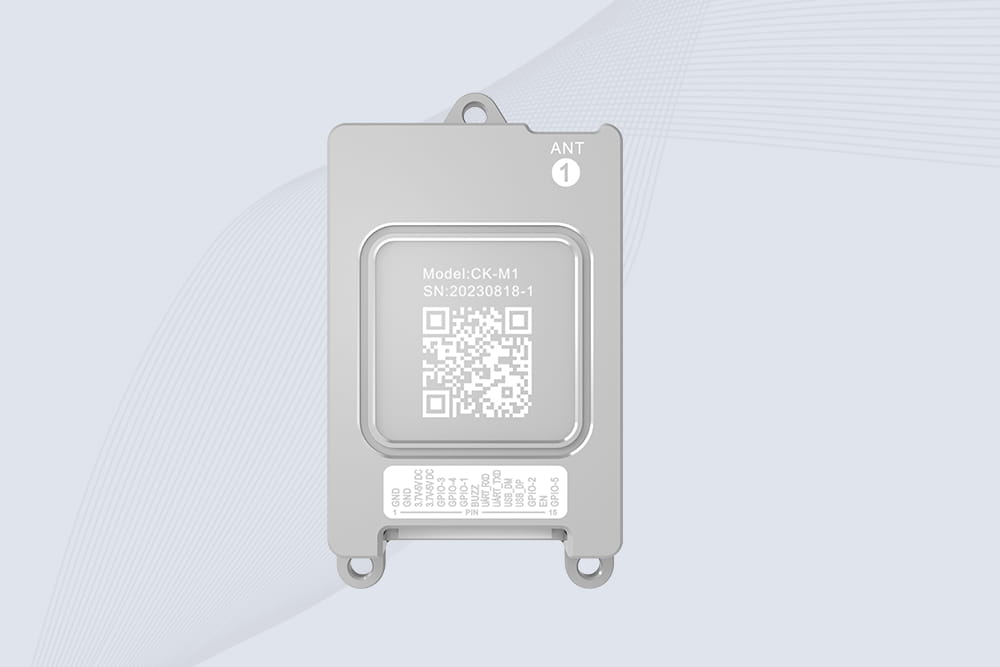
CYKEO CYKEO-M1 drone rfid module is a compact UHF RFID reader module designed for drones and UAV platforms. It supports long-range aerial scanning, fast multi-tag reading, and stable performance in wind, vibration, and outdoor environments.
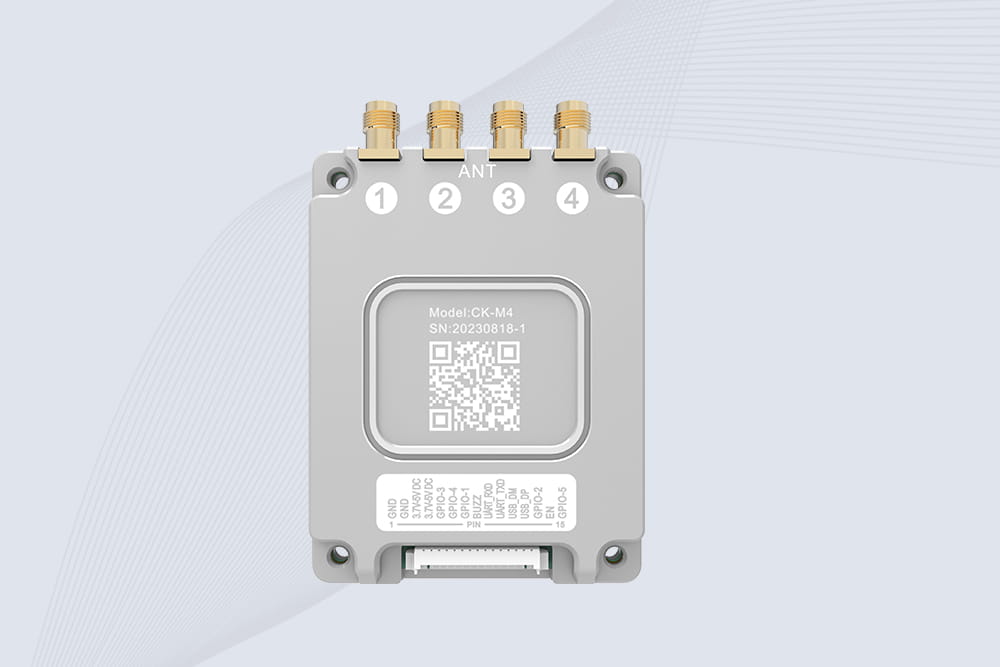
CYKEO CYKEO-M4 RC522 RFID Module is an industrial-grade UHF RFID reader with 4 ports, supporting ISO, EPC, and GB protocols. High-speed, accurate reading for IoT, automation, and warehouse applications.
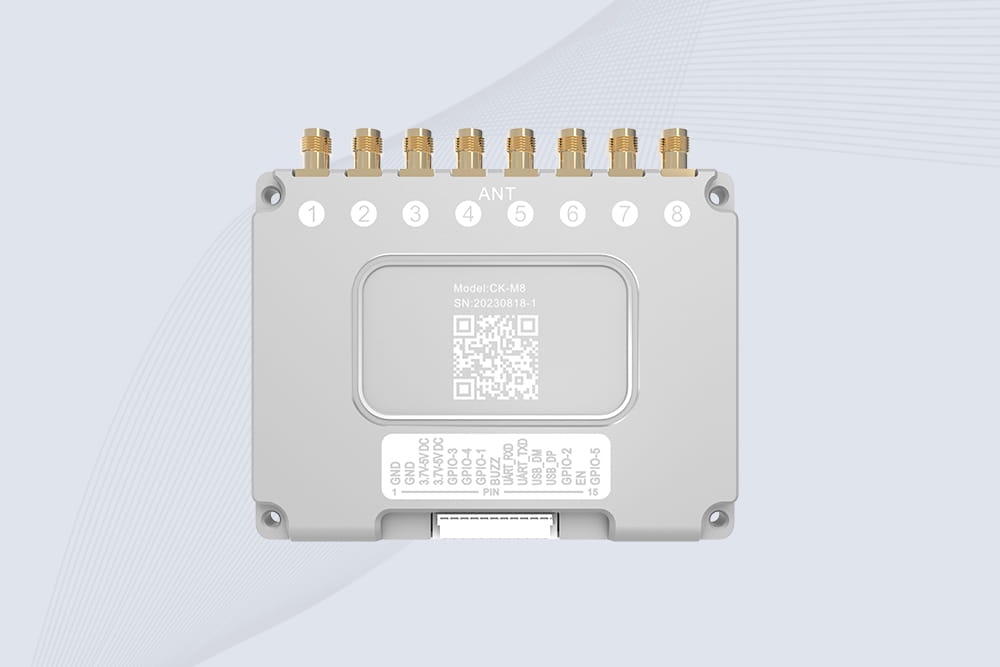
CYKEO CYKEO-M8 Module RFID is an 8-port UHF R2000 RFID Module designed for high-density, multi-tag environments. Stable 33dBm output, ISO & GB protocol support, ideal for warehouses, factories, and automated systems.
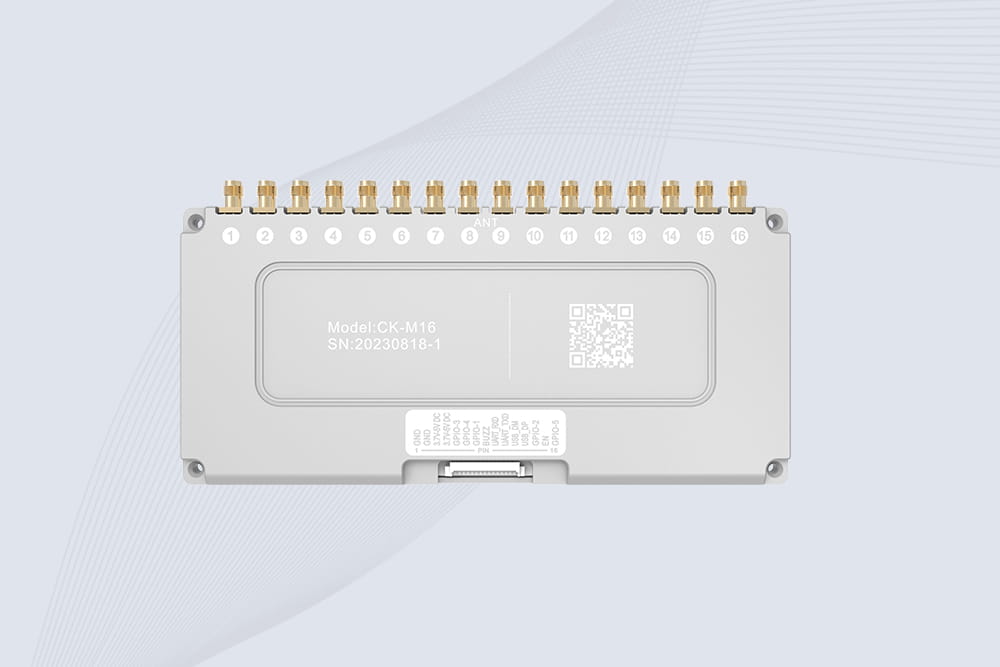
CYKEO CYKEO-M16 RFID Module is a 16-port UHF RFID reader module based on the R2000 chipset. Designed for dense tag environments, it supports ISO and GB standards and delivers stable multi-antenna control for industrial automation.
The CYKEO CYKEO-M16L RFID Reader Module is a 16-channel UHF RFID core designed for dense tag environments. With adjustable 33dBm output, multi-protocol support, and stable multi-antenna control, this RFID Tag Reader Module fits industrial automation, warehouse systems, and large-scale IoT deployments.
CYKEO CYKEO-M8L module RFID is a compact industrial UHF module built for dense tag and multi-antenna environments. With 8 RF ports, adjustable 33 dBm output, and ISO & GB protocol support, it is widely used in factories, warehouses, and automated tracking systems.
CYKEOCYKEO-M4L UHF RFID Module is a compact 4-channel RFID tag reader module designed for dense tag environments. Supporting ISO and GB protocols, it delivers stable reads up to 10 meters for industrial and IoT systems.
Cykeo CYKEO-A11 UHF RFID reader antenna delivers 11dBi gain, 840-960MHz frequency range, and IP65 ruggedness for retail, logistics, and industrial RFID systems. Features low VSWR and easy installation.
CYKEO Antenna RFID Reader delivers stable long-range UHF performance with a 10.5dBi directional design, built for warehouses, conveyor portals, and industrial RFID systems. This rfid reader antenna provides 20m+ read distance and rugged IP67 protection.
Cykeo CYKEO-A5B industrial Linear RFID Antenna delivers 5dBi gain, ≤1.5:1 VSWR, and IP65 rugged design for warehouse, production line, and logistics UHF systems.
Cykeo’s CYKEO-B12 Long Range RFID Antenna delivers 15m+ read range with 12dBi gain, IP65 rugged design, and global 840-960MHz UHF support. Ideal for warehouse/logistics asset tracking.
Cykeo CYKEO-B10 Long Distance RFID Antenna offers 10dBi gain, 840-960MHz frequency range, IP65 rating, and 20m+ coverage for logistics/warehousing/ETC systems. Low VSWR ensures stable signal transmission.
Cykeo CYKEO-A6 UHF RFID panel antenna features 6dBi gain, 840-960MHz broadband, IP65 metal-ready housing for logistics/smart retail. 18mm ultra-thin design with tool-free mounting.
Cykeo CK-A3 industrial antenna RFID UHF offers 5m+ tag detection, ≤1.3:1 VSWR, IP65 rugged design, and global UHF spectrum compatibility (840-960MHz) for warehouses, factories, and retail.
Cykeo CYKEO-B5 directional RFID antenna provides 5dBi gain with 60° narrow beamwidth for precise inventory tracking. IP65-rated, global UHF frequency support, and low VSWR.
Create your own high-performance DIY RFID antenna! 5dBi gain, 840-960MHz tunable, step-by-step guides. Compatible with Arduino, Raspberry Pi, and commercial UHF readers.
Cykeo CYKEO-A7 Flexible RFID Antenna features 840-960MHz wideband tuning, 7dBi gain, and IP68 rating for medical/retail/industrial curved surface deployments. 98% read accuracy with peel-and-stick installation.
Cykeo CYKEO-B5A industrial Passive RFID Antenna delivers 5dBi gain, 70° beamwidth, and -40°C~55°C operation for warehouses/smart cabinets. Compatible with Zebra/Impinj readers.
Cykeo’s CYKEO-A9B High Gain RFID Antenna delivers 15m+ read range with 9dBi amplification. Features IP54 rugged design, 840-960MHz bandwidth, and 80° beamwidth for warehouse/manufacturing RFID systems.
Cykeo’s enterprise-grade 8dbi Impinj RFID Antenna 10m+ read range with 840-960MHz tuning. Features IP65 housing, 1.4 VSWR, 35° beamwidth for retail/warehouse RFID systems.
Cykeo CYKEO-A9 industrial UHF RFID antenna delivers 9dBi gain, 840-960MHz frequency range, and IP65 protection for warehouse/logistics/retail RFID systems. Features N-type connector and ≤1.3:1 VSWR.
CYKEO UHF RFID Antenna built for long-distance and industrial applications. This antenna rfid uhf delivers strong gain, outdoor durability, and reliable tag performance in warehouses, yards, and vehicle ID systems.
CYKEO Antenna RFID delivers reliable long-range UHF performance in warehouses, retail shelves, and cold-chain environments. This compact uhf rfid antenna provides stable reads with circular polarization and ultra-wide 840–960 MHz support, ideal for industrial tracking, smart shelves, and asset monitoring.
Cykeo’s CYKEO-C8 UHF RFID antennas delivers 8dBi gain, 840-960MHz full-band coverage, and IP65 ruggedness for manufacturing/warehouse RFID systems. Industrial RFID Antennas Features
Cykeo’s 8dBi UHF RFID antenna and reader kit delivers 10m+ range, 840-960MHz broadband, and IP65 ruggedness for factories, warehouses, and logistics. ISO 18000-6C & EPC Gen2 certified.
A tool tracking system is more than inventory software—it’s a full process for managing tools, reducing loss, and improving accountability. This article breaks down real-world use cases in construction sites, workshops, and warehouses, including R...
Learn everything about the RC522 library for Arduino and ESP32. From installation and setup to reading/writing RFID cards and practical project tips. Perfect for DIY and access control systems.
This article shares real-world experiences from hotels in Los Angeles and New York, exploring the practical implementation of RFID key card systems, efficiency improvements, common pitfalls, and security risks, revealing hotel operators’ hands-on ...
What is RFID means? Discover how RFID technology works, its industrial applications, tracking advantages, and real-world solutions from Cykeo RFID experts.
 Cykeo RFID IoT Solution Products R&D Manufacturer