1. Advantages and Real Experiences with RFID Key Cards
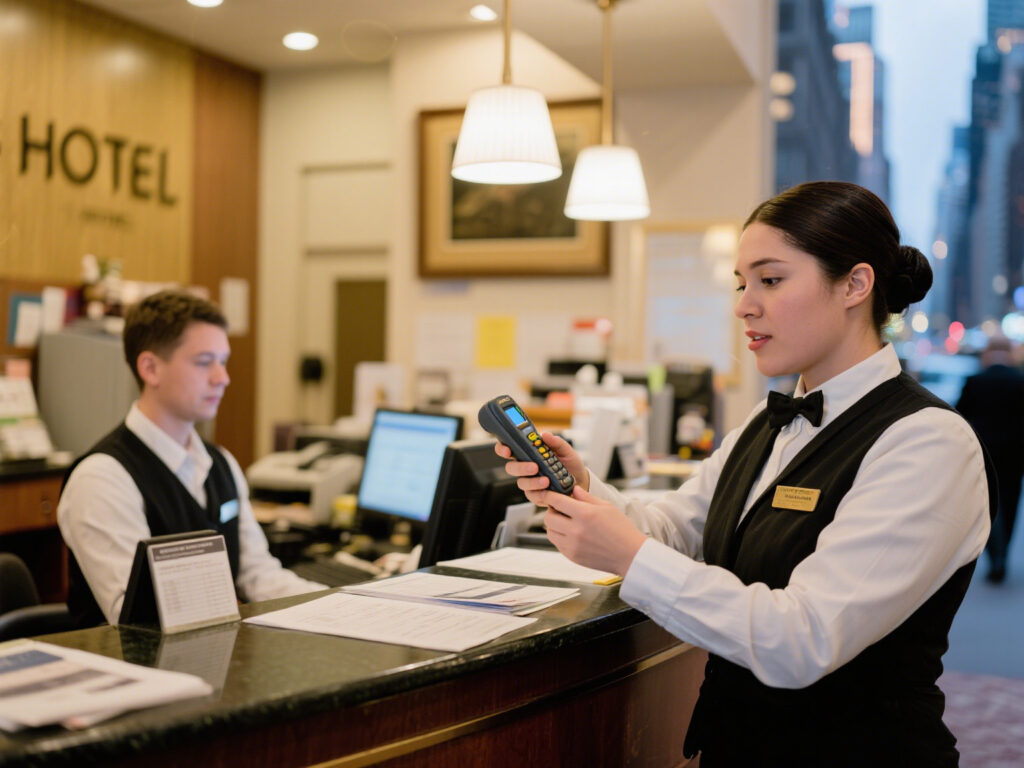
As a veteran hotel operator, I can say RFID key cards really speed up check-ins. Especially in large city hotels—like a 200-room property in downtown Los Angeles, morning peak times at the front desk see swipe speeds increase by roughly 30%, and guests complain less. But don’t think everything is smooth—during peak hours, the system occasionally lags, and sometimes you have to swipe three times before the door opens, instantly souring a guest’s mood. This is what we call “real-world operational pitfalls”—perfect on paper, but never perfect on-site.
The system’s advantages include traceability, batch management, and remote permission cancellation. At a business hotel in Manhattan, New York, this shines through: about 150 rooms, with 40–50 guest check-ins per day processed efficiently via RFID, reducing paper key usage and human error. But the real scene is messier: elevator swipes lag, door lock signals weaken, and staff must step in manually, instantly lowering efficiency.
2. Security Risks and Operational Insights
Within the hotel industry, there’s a slang term: “swipe void,” meaning that while RFID systems look high-tech, security isn’t foolproof. At a resort in Las Vegas, I once witnessed an attempt to clone an RFID signal. The door lock didn’t fully fail, but system logs flagged the anomaly.
From experience, security doesn’t rely on flawless tech but on processes and monitoring:
Choosing between FDX-B vs. HDX protocols depends on lock compatibility and read distance.
System delays and backend sync issues can undermine perceived RFID security.
Most importantly, staff habits matter: timely revocation, verifying guest identity, and checking device status.
The contradiction is clear: RFID makes management easier, but it also makes security vulnerabilities harder for ordinary staff to notice—what we call the “tech paradox.”
3. Deployment Details and Pitfalls
Selection Considerations: Don’t just trust manufacturer-stated read ranges; walls, door thickness, and device placement affect real performance.
Front Desk Workflow: At a Los Angeles downtown hotel, peak check-in times averaged 30 seconds faster than theoretical times, but occasional system outages would set check-ins back 3–5 minutes, requiring manual intervention.
Room Checks and Maintenance: Inspect at least 10–15% of locks weekly to ensure batteries and signal strength are adequate.
Training New Staff: New hires often overlook “lock reset,” causing failed swipes; experienced staff know to manually unlock first, then swipe again.
4. Takeaways and Industry Insights
“RFID is not a magic key; the operator makes it work.”
The reality is that technology is just a tool; operations, experience, and processes determine success. RFID improves efficiency but also introduces new issues and risks. Like at a Manhattan hotel I visited: card swipes are convenient, yet system lag and battery issues still draw guest complaints.
Conclusion
The benefits of RFID key card systems in hotels are clear: faster operations, easier management, reduced paper waste. But in real-world deployment, uncertainty abounds—dead batteries, signal interference, system delays, staff inconsistencies.
Experience shows that technology can make hotels smarter, but the actual guest experience always depends on human operations. Mastering workflows and accumulating operational expertise is key to unlocking the full value of RFID.
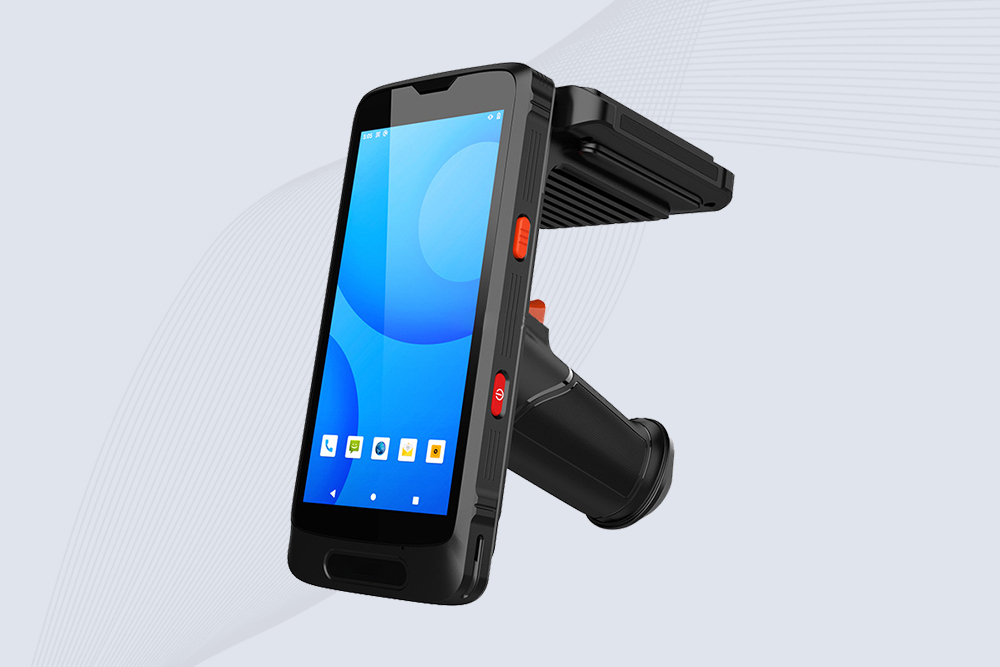
The CYKEO CK-B4L is a compact Android UHF RFID Reader designed for software developers and system integrators who need a reliable mobile RFID reader for Android environments. Its 30 cm controlled range, Type-C connection, and developer-friendly SD...
Learn what RFID technology is, how RFID tags work, and their role in industries like logistics and healthcare. Discover Cykeo’s sustainable RFID solutions.
Struggling with RFID range or unstable readings? Your antenna cable might be the problem. Here’s a practical guide for bulk buyers on choosing the right RFID cables.
 Cykeo RFID IoT Solution Products R&D Manufacturer