 Cykeo RFID IoT Solution Products R&D Manufacturer
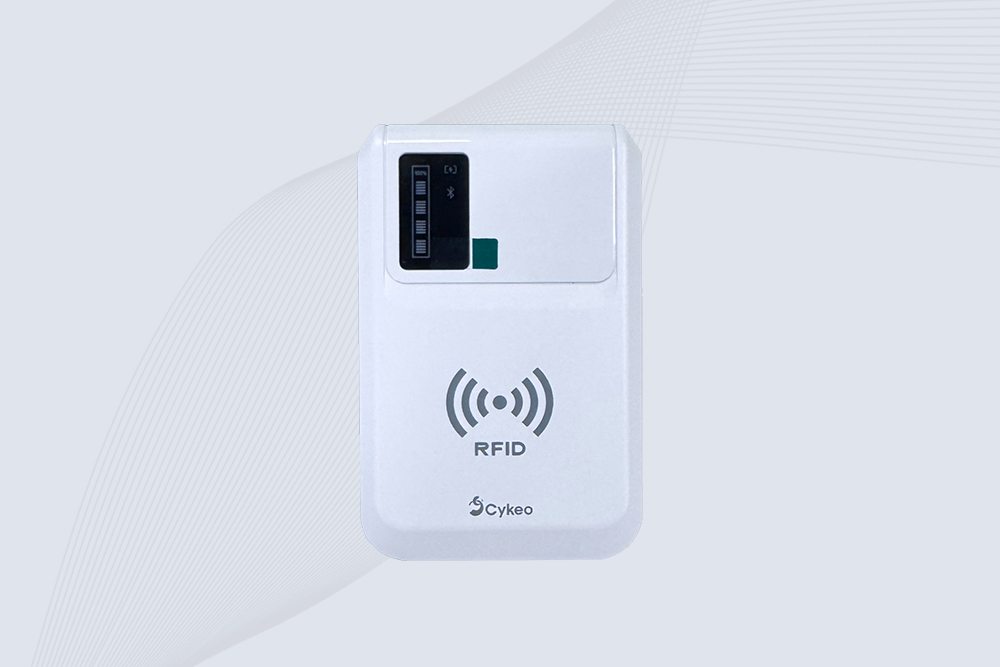
IOTE 2026 Comes to a Successful Close: Cykeo Explores New Possibilities with AI + RFID
233Cykeo reviews IOTE 2026 Shenzhen, showcasing AI + RFID solutions for warehouse logistics, retail, power, tool management, and system integration.
MoreAll RFID Product
Building mobile RFID workflows is rarely as simple as connecting a reader and pressing “scan.”
Most software integrators we speak with share the same frustrations: inconsistent read ranges, unstable Bluetooth connections, oversized handhelds that are hard to integrate with existing apps, and devices that force developers to adopt closed ecosystems.
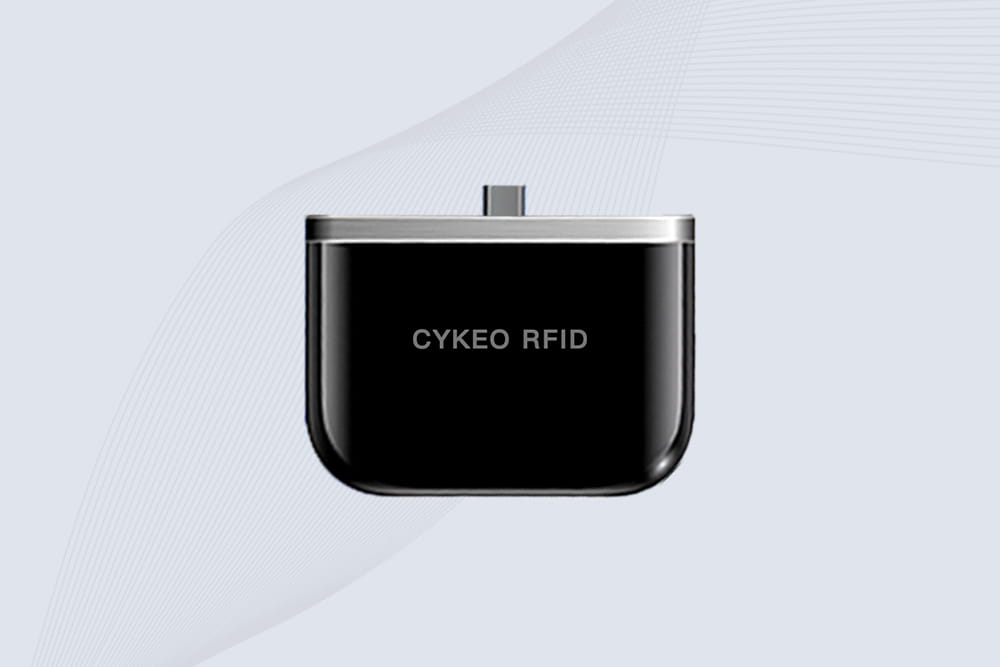
The CYKEO CK-B4L Android UHF RFID Reader was designed specifically to solve these problems. Instead of another bulky, standalone reader, the CK-B4L works as a mobile extension to your Android application, powered and controlled directly through Type-C. For developers building authentication apps, field-inspection tools, or warehouse micro-inventory modules, this compact reader behaves more like a plug-in hardware module than a traditional device.
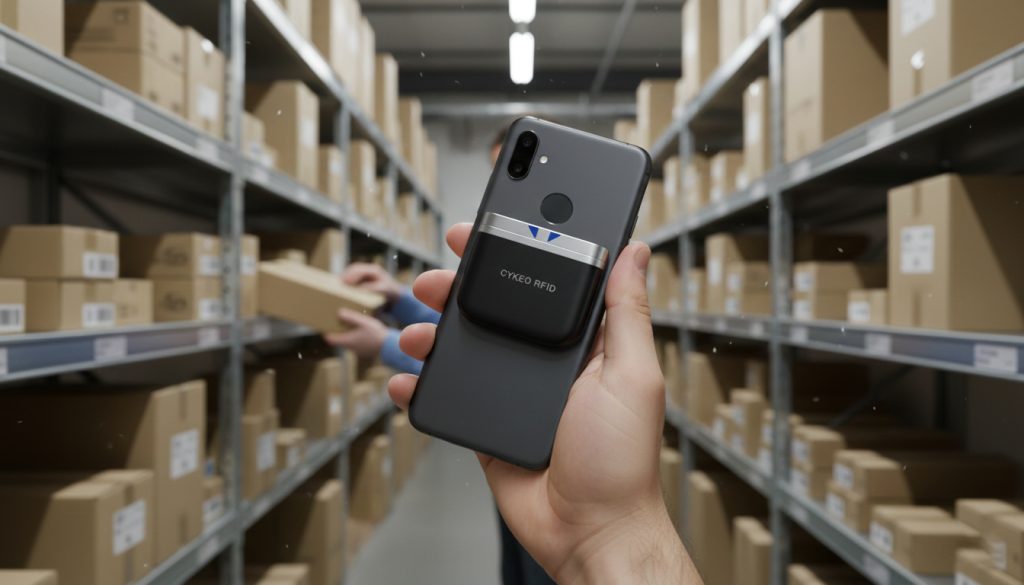
Why do system integrators choose CK-B4L?
Most B-end customers do not simply “use” RFID readers; they integrate them.
And integration comes with a set of predictable headaches:
The CK-B4L addresses each of these issues in a surprisingly straightforward way.
Many integrators struggle to keep read ranges under control. When the goal is to pick a single item, verify an asset, or confirm an object during a workflow, long-range readers cause more problems than they solve.
The CK-B4L uses a near-field circular-polarized antenna, keeping the working distance around:
That controlled distance is ideal for software-driven tasks like:
Instead of filtering unwanted tags through software, the hardware already restricts the space, reducing false reads and saving development time.
Bluetooth readers are convenient until the connection drops mid-operation.
For B-side customers running continuous tasks, this is unacceptable.
With the CK-B4L:
For developers building 8–10 hour workflows, this stability becomes essential.
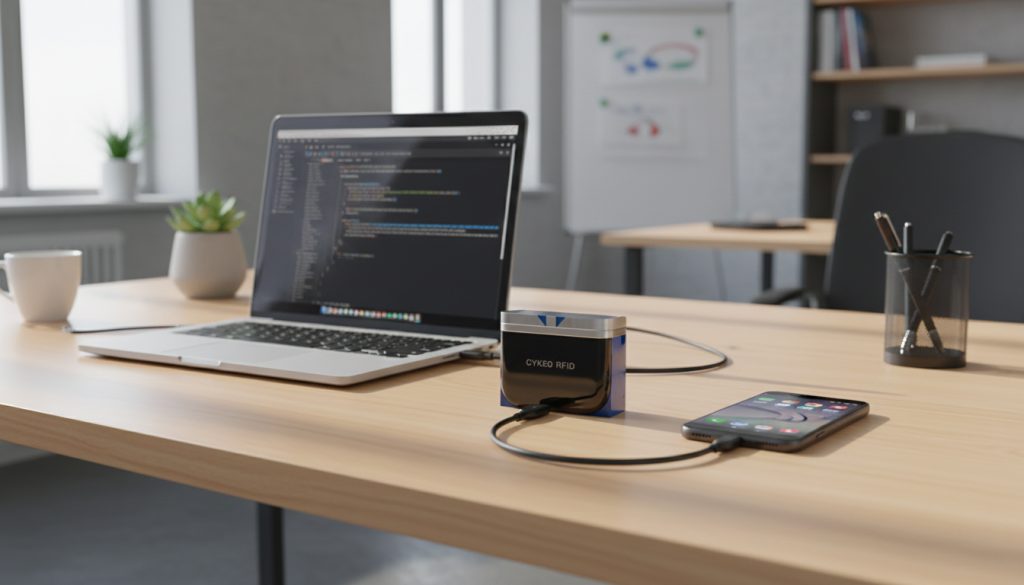
At 37 g, the CK-B4L is lighter than many power banks or mobile accessories.
This allows:
Compact hardware becomes important in industries such as:
Integrators can provide a ready-to-use tool without redesigning the entire workflow.
CYKEO provides SDKs for:
The SDK isn’t “theoretical documentation”—it includes:
This reduces development cycles from weeks to days.
The CYKEO CK-B4L stands out not because it is the biggest or most powerful reader, but because it solves real, practical problems that developers and B-side integrators face every day.
With its controlled read range, wired Type-C connection, lightweight design, and developer-ready SDK, the CK-B4L is a compact tool crafted for teams building modern mobile RFID systems—without unnecessary complexity.

Cykeo reviews IOTE 2026 Shenzhen, showcasing AI + RFID solutions for warehouse logistics, retail, power, tool management, and system integration.
More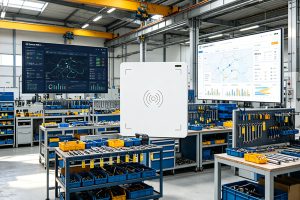
Asset tracking RFID software enables real-time asset monitoring, inventory control, and equipment management. Discover how Cykeo RFID solutions improve visibility and operational efficiency.
More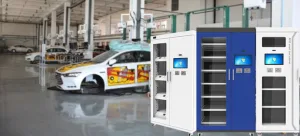
Introduction In today’s fast-paced technological era, every aspect of life is undergoing unprecedented transformation. At the forefront of this revolution, Sco Information is leading the charge in redefining smart storage solutions with its cuttin...
More
Use rfid tag android phones to read, write, and manage RFID tags fast. Learn real setup steps, compatibility limits, and field-tested tips from CYKEO engineers.
More