A lot of people focus on rfid readers and tags when building an RFID system.
Makes sense—but in real projects, that’s not always where the problem is.
More than once, we’ve seen systems underperform just because of the antenna cable. Same reader, same tags—swap the cable, and suddenly the range improves.
So yeah, this “small part” matters more than most people expect.
Let’s go through what actually makes a difference.
1. Signal Loss Is Real
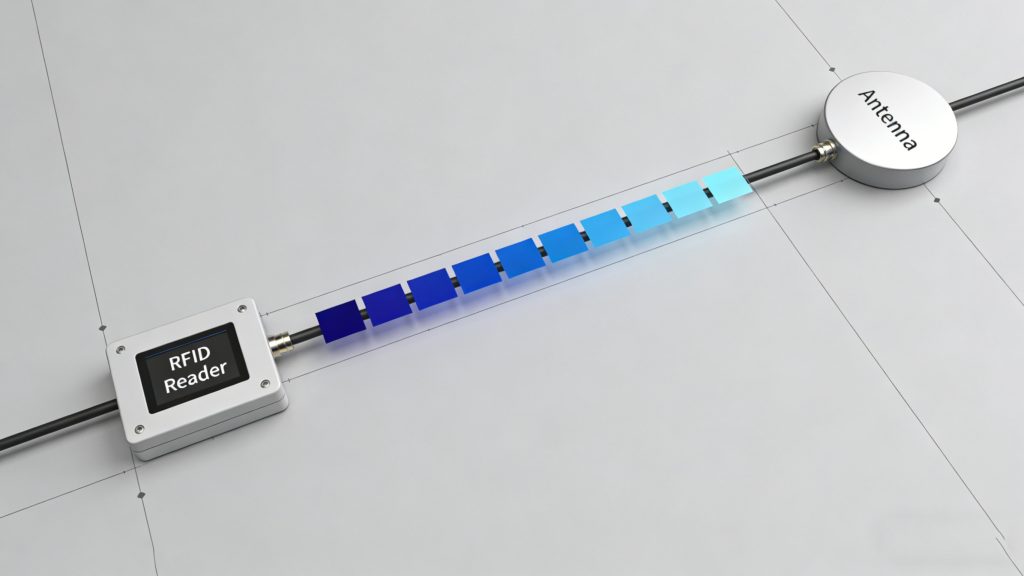
RFID signals don’t just travel through the air—they also go through the cable first.
And every meter of cable eats a bit of that signal.
If the cable quality is poor, you’re basically losing power before it even reaches the rfid antenna.
We’ve seen setups where:
Everything on paper should reach 8 meters
In reality, it barely hits 5
Switch to a better cable, and the range comes back.
Not magic—just less signal loss.
2. Cable Length: Try Not to Push It
Sometimes you don’t have a choice—reader here, antenna over there, and you need a long cable.
But longer cable = more loss. No way around it.
From experience:
Short runs (under 3m) → usually fine
Mid range (5–10m) → cable quality starts to matter a lot
Long runs (10m+) → you really need low-loss cable
If you’re planning a bigger deployment, it’s often better to rethink where the reader sits instead of just extending cable length.
3. Not All Cables Are the Same
This is where a lot of bulk buyers get caught.
On the surface, coax cables look similar. In practice, performance can be very different.
Quick breakdown:
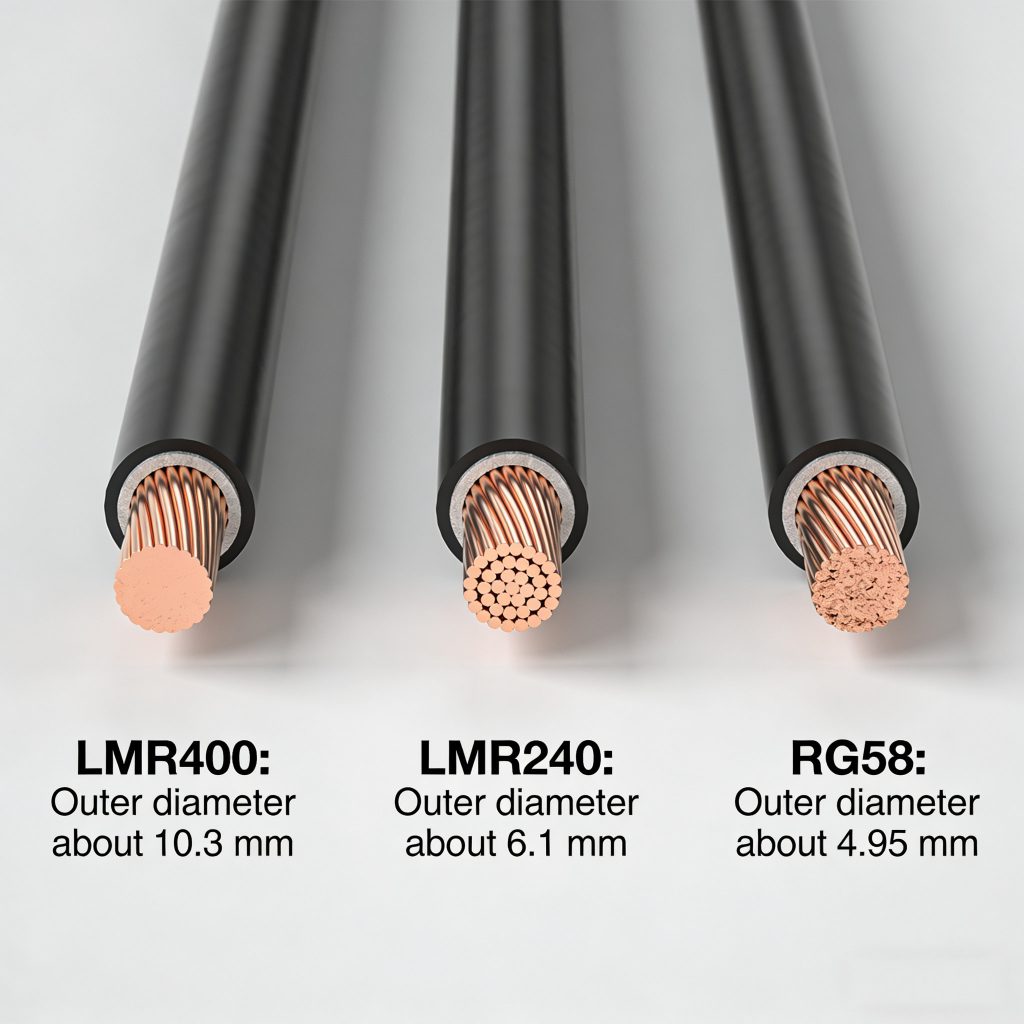
RG58 – cheap, easy to find, but high loss → okay for testing, not for real projects
LMR240 – decent balance → works for many mid-sized setups
LMR400 – thicker, lower loss → more suitable for industrial or long-distance use
If you’re buying in bulk for actual deployment, it’s safer to skip RG58 altogether.
4. Connectors: Small Detail, Big Effect
Connectors are easy to overlook.
But if the connection isn’t solid, you get signal reflection, instability, or just inconsistent reads.
Common types:
SMA – compact, widely used
N-type – bigger, but more stable
In most industrial setups, people lean toward N-type for a reason—it just holds up better over time.
5. Installation Matters More Than People Think
Even a good cable can perform badly if it’s installed poorly.
Things that cause trouble:
Running cables tight along metal surfaces
Sharp bends
Cables getting squeezed or stepped on
We’ve seen cases where the hardware was fine—the cable was just damaged during installation.
Basic stuff helps:
Keep bends smooth
Don’t overstretch
Avoid high-interference areas if possible
6. Shielding Helps Keep Things Stable
In clean environments, you might not notice this much.
But in factories or warehouses with lots of electrical equipment, interference is real.
If the cable shielding isn’t good:
Read range can fluctuate
Performance becomes inconsistent
Using a properly shielded cable won’t fix everything—but it removes one common source of problems.
Quick Takeaways
If your RFID system isn’t performing the way you expected, check the cable before blaming the reader.
What usually helps:
Use lower-loss cable (LMR240 or LMR400)
Keep cable runs as short as you can
Don’t go too cheap on connectors
Install it properly
Think about the environment
For Wholesale Buyers
When you’re sourcing cables in bulk, price per meter is only part of the story.
It’s better to also check:
Loss specs
Recommended max length
Connector quality
Whether it’s been used in similar projects
A slightly better cable can save you from rework, returns, or performance complaints later.
A practical breakdown of RFID hardware layer design in industrial tool tracking systems, including UHF RFID tags, rugged labeling methods, handheld readers, smart tool cabinets, and gate systems used in real factory environments. OEM and B2B inqui...
A long range RFID scanner helps food and beverage manufacturers track ingredient containers, raw materials, reusable bins, production equipment, pallets, and...
Want to set up a long range RFID reader? This article shares DIY modules, commercial devices, antenna tweaks, selection tips, and hands-on experience to achieve reliable long-distance reading.
Learn essential RFID terminology including tags, reader modules, antennas, EPC, anti-collision and frequency bands. A practical guide to understanding RFID systems and components.
 Cykeo RFID IoT Solution Products R&D Manufacturer