 Cykeo RFID IoT Solution Products R&D Manufacturer
Can iPhone Read 125kHz RFID, or Is That a Dead End?
694Can iPhone read 125kHz RFID cards? Get a clear answer, real limitations, and learn how CYKEO enables industrial RFID reading with external readers.
MoreAll RFID Product
“Every inventory feels like hunting for needles in a multi-story haystack. At UCLA’s engineering labs, I once spent three straight days just reconciling 240 laptops.”
Traditional barcodes and serial numbers? Cute, but in large-scale offices or incubators like NYC Brooklyn Tech Hub, they’re basically useless. RFID shows up like a radar—but spoiler alert: it’s not flawless. Metal racks, Wi-Fi noise, or just human error can make your signals disappear.
Tag goes on laptop, reader picks up signal, data streams to ERP or CMMS. Sounds simple, right? In reality, some laptops near thick metal shelves won’t show up, and a tag on a MacBook Pro’s metal back? You may as well be praying.
Active (battery-powered): 10–100m range. Perfect for multi-floor labs like UCLA Robotics Center, but each tag costs a pretty penny. In my deployment, 12 rooms, 1 reader per 80 laptops, still had 3 devices ghosting.
Passive (reader-activated): cheap, a few cm to meters range. Best for dense office desks, but prepare for kneeling and angling readers to get signals.
Automatic recording beats scanning every barcode manually—but don’t expect perfection. Some laptops hide behind textbooks or cables. Even in Brooklyn R&D, one laptop disappeared for two days before we tracked it down.

30 laptops? RFID: 18 minutes. Manual scan: 1.2–1.5 hours if you’re efficient. Bonus: fewer headaches.
Alerts for abnormal movement. But insider mischief? RFID alone won’t save you. Integration with ERP and access logs is mandatory.
Initial CAPEX looks scary. ROI is real but expect finger-pointing during rollout. Memory point: “RFID pays off slowly, but mistakes are fast.”

ERP or CMMS integration is essential. At UCLA, data field mismatches took 2 days of debugging before inventory logs synced correctly.
Tag orientation, exception handling, and troubleshooting are critical. One new hire placed all tags upside down in a lab; nothing registered.
RFID laptop tracking is a leap from blind inventory to visual radar—but it’s not a miracle. Expect blind spots, interference, and occasional ghost laptops.
As IoT and ERP integration improves, costs drop, and scalability rises, RFID will likely become standard in enterprises—but don’t kid yourself: plan for failure, human error, and constant recalibration.
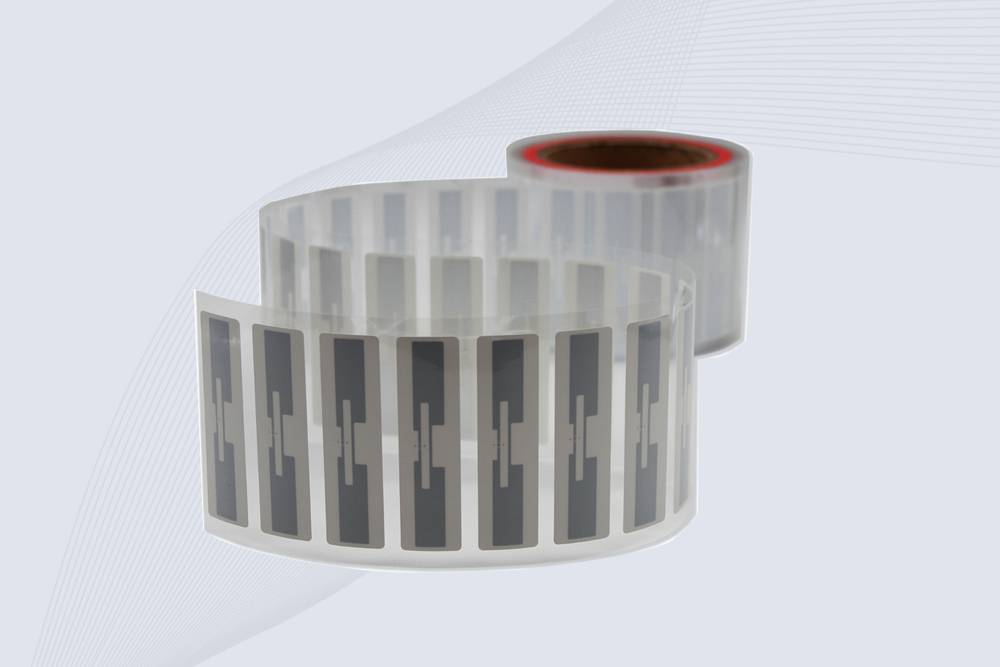
CYKEO Passive RFID Tags are made for wet and high-humidity environments where standard labels do not last. This rfid passive tag is often used around liquids, chemicals and temperature changes, providing stable reading distance and long data life for industrial tracking.
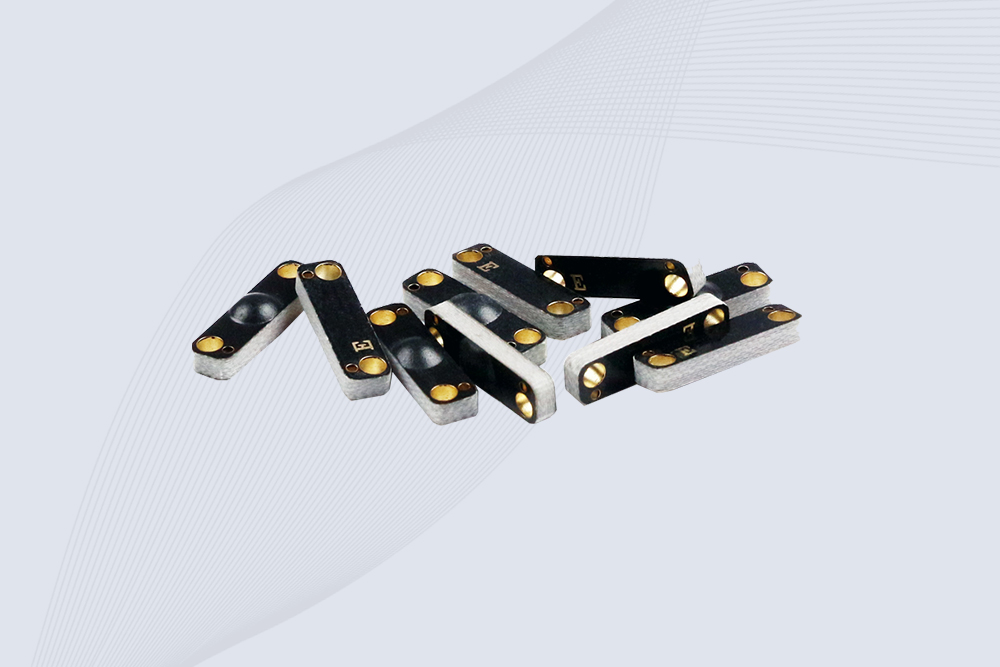
CYKEO CYKEO-PCB1504 Metal RFID Tags is a compact anti-metal UHF RFID solution built for direct mounting on metal surfaces. With stable 8-meter read range, Ucode-8 chip, and long data retention, this rfid metal tag fits tools, containers, automotive parts, and industrial asset tracking.
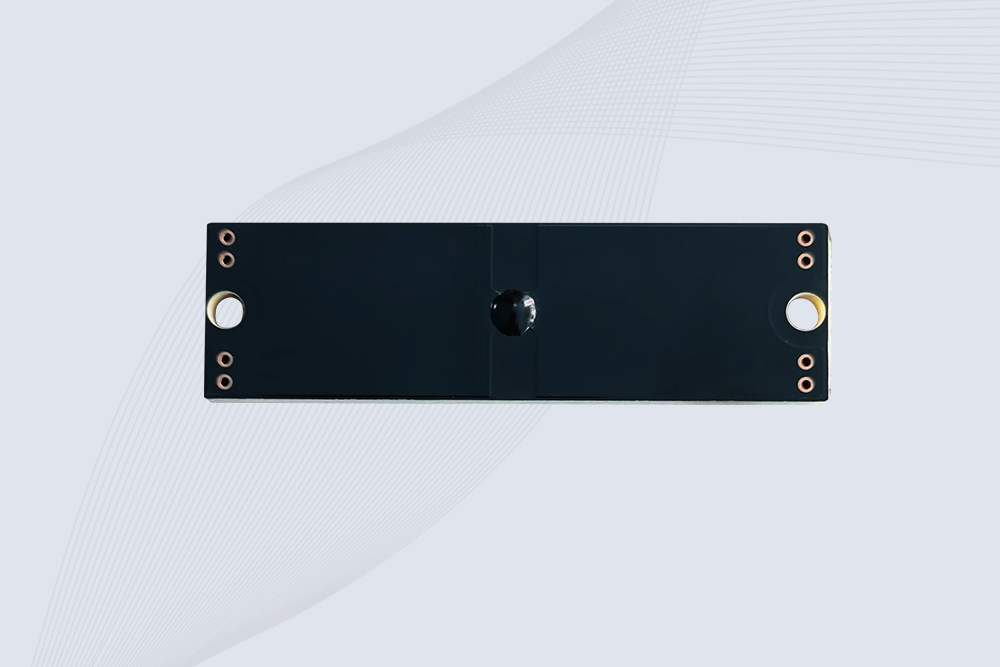
CYKEO CYKEO-PCB7020 On-Metal RFID Tags are designed for reliable tracking on steel and metal surfaces. Built with an FR4 epoxy body and industrial-grade chips, these On-Metal RFID Tags deliver stable performance, long data life, and chemical resistance, making them a dependable RFID anti-metal tag for harsh environments.
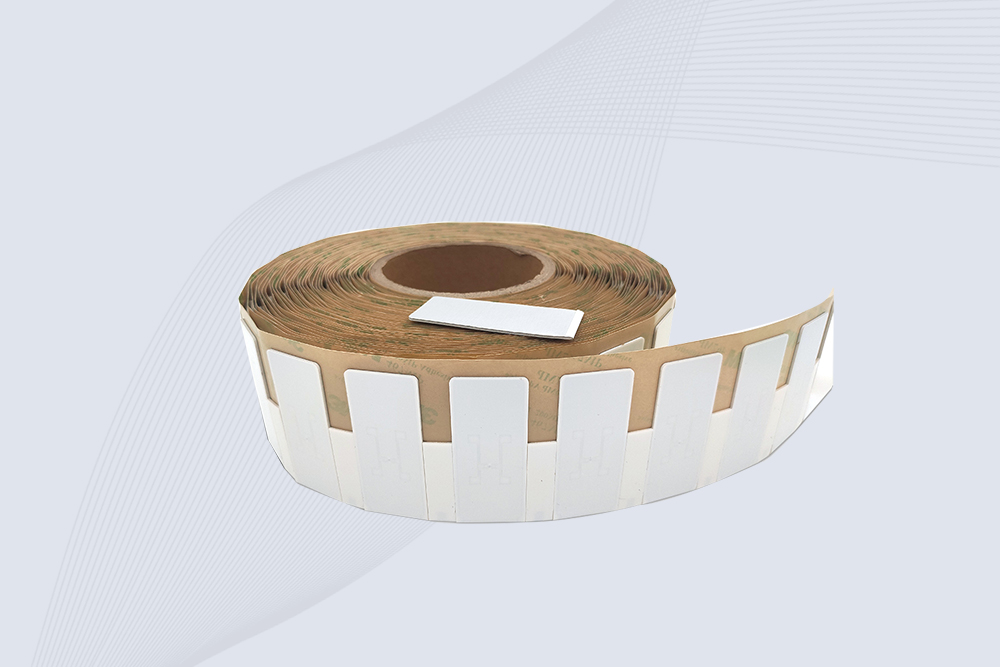
The CYKEO CYKEO-60-25 Anti-Metal RFID Tag is built for metal surfaces where standard tags fail. Designed for long-range performance, harsh environments, and stable data retention, this Anti-Metal RFID Tag is ideal for industrial assets, containers, and equipment tracking using on metal RFID tags.

Can iPhone read 125kHz RFID cards? Get a clear answer, real limitations, and learn how CYKEO enables industrial RFID reading with external readers.
More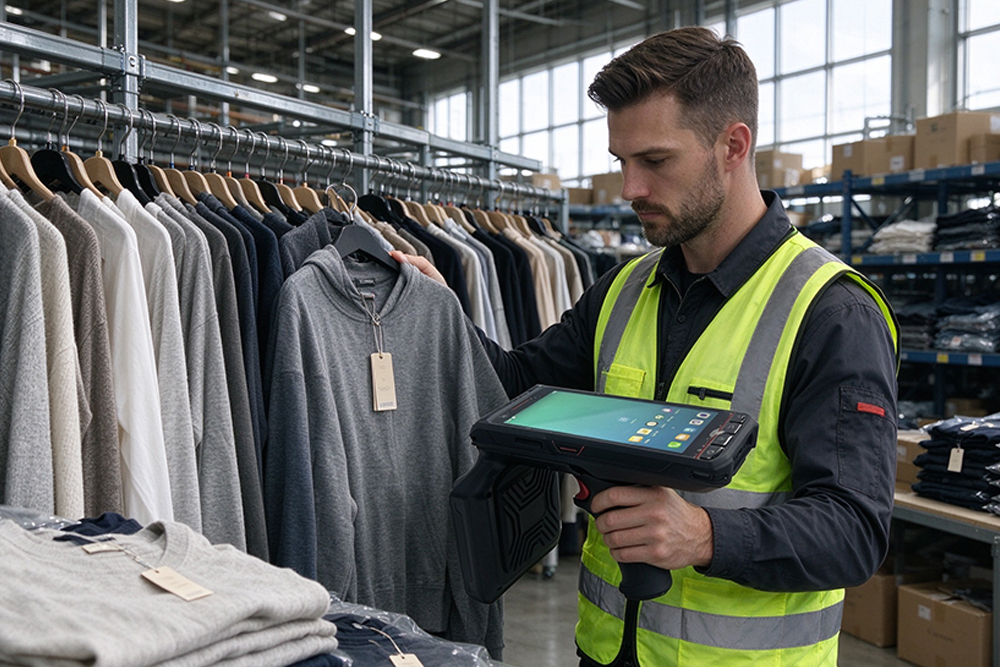
An RFID scanner identifies and collects data from RFID tags through radio-frequency communication for inventory, tracking, and automated identification.
More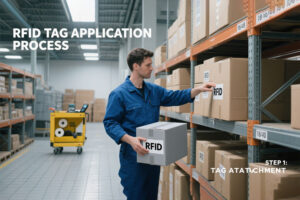
Learn how RFID inventory systems automate tracking without line-of-sight scanning. See real-world examples, benefits vs. barcodes, and key components.
More
Discover how RFID readers enhance asset tracking efficiency in logistics. Reduce costs and errors with Cykeo’s advanced RFID solutions for supply chain management.
More