 Cykeo RFID IoT Solution Products R&D Manufacturer
How to Choose the Right RFID Reader for Application
149Not sure which RFID reader to buy? Learn how to choose RFID readers by frequency, range, antenna, tags, environment, interfaces and application requirements.
MoreAll RFID Product
The first time I got my hands on an RFID door access system, I was hooked by the “0.2-second read speed” on the datasheet. Sweet dreams. Reality? At the office elevator, with ten people swiping at once, the door acted like it was in slow motion. Datasheets live in a fantasy world—no interference, no metal, no messy PoE cables. Out in the real world, all that matters is noise, reflections, and the wiring you forgot to check.
Everyone in the field knows this: turning RF power to max doesn’t magically fix everything. In a warehouse, we cranked it up thinking we’d solve all range issues. Sure, the reader could sense cards farther away—but suddenly, doors in the next room were opening on their own. Signal bleed. The fix? Directional antennas and mid-level power. Problem solved, chaos avoided.
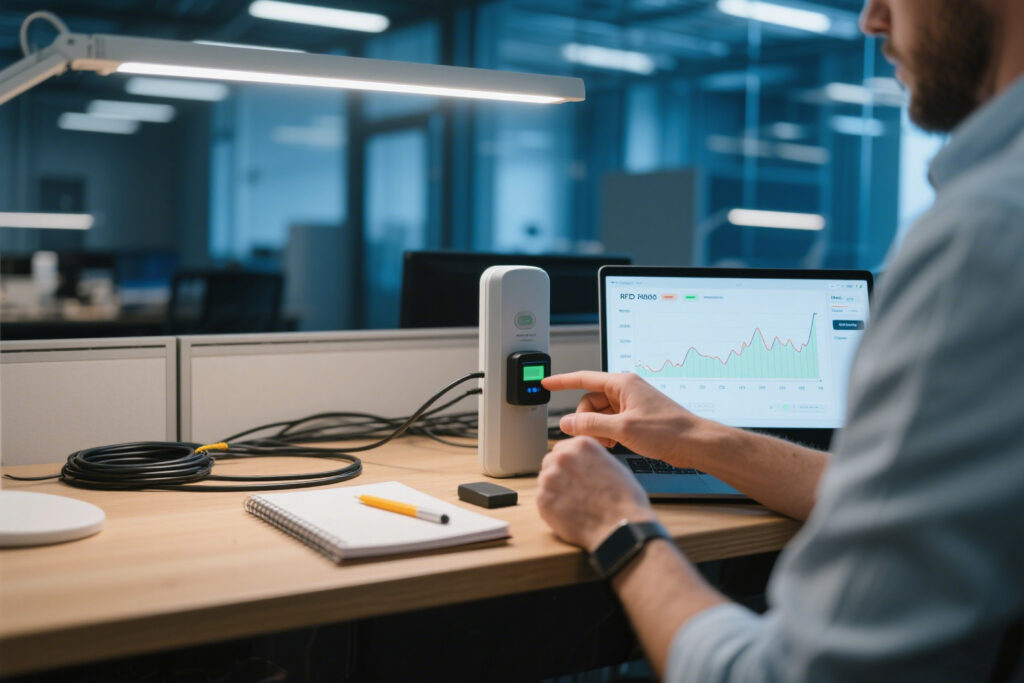
Beginners obsess over reader specs and forget the real killer: bad wiring. I once watched a new campus install bundle network cables with 380V mains to “save time.” Six months later, readers were dying left and right. We moved cables to separate conduits, hooked them up to a UPS, and boom—stable as a rock. Lesson learned: wiring quality beats any fancy feature on the spec sheet.
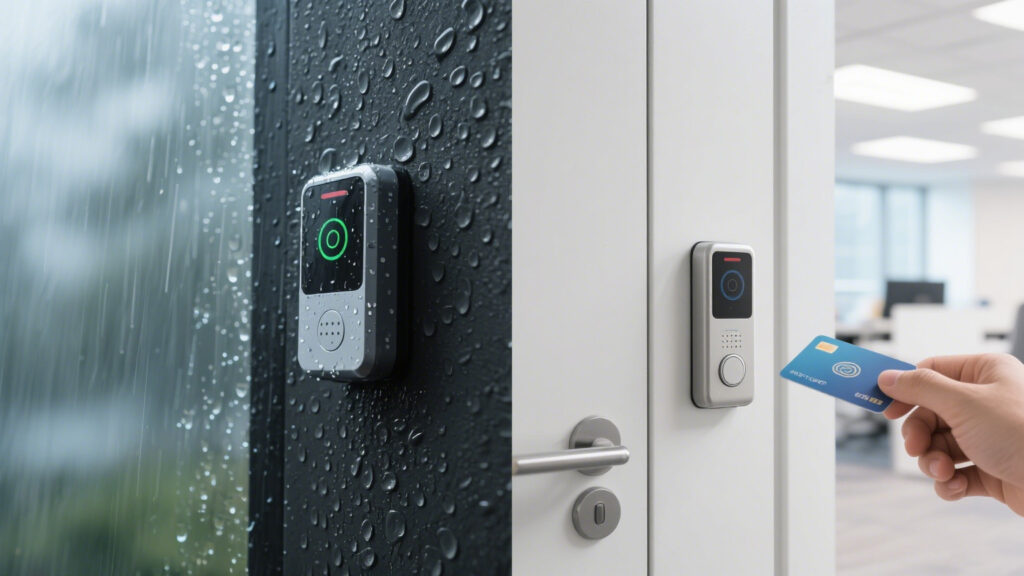
In my lab, the reader opens the door in 200 ms flat. On the warehouse dock? Humidity, salt, metal reflections—delays balloon to over a second. Rain makes tag reads fail 15% of the time. My solution? IP65 readers, waterproof housings, and proper drainage. If you ignore environmental protection, you’re asking for trouble.
Tuning isn’t a click-and-forget task. Here’s my routine:
No datasheet will teach you this stuff—you have to get your hands dirty.
RFID door access isn’t a toy you plug in and forget. It’s messy, it’s environment-sensitive, and it demands patience. But after a few deployments, the mistakes get fewer, the tweaks faster—and that crisp, satisfying “beep” at the door? Totally worth it.
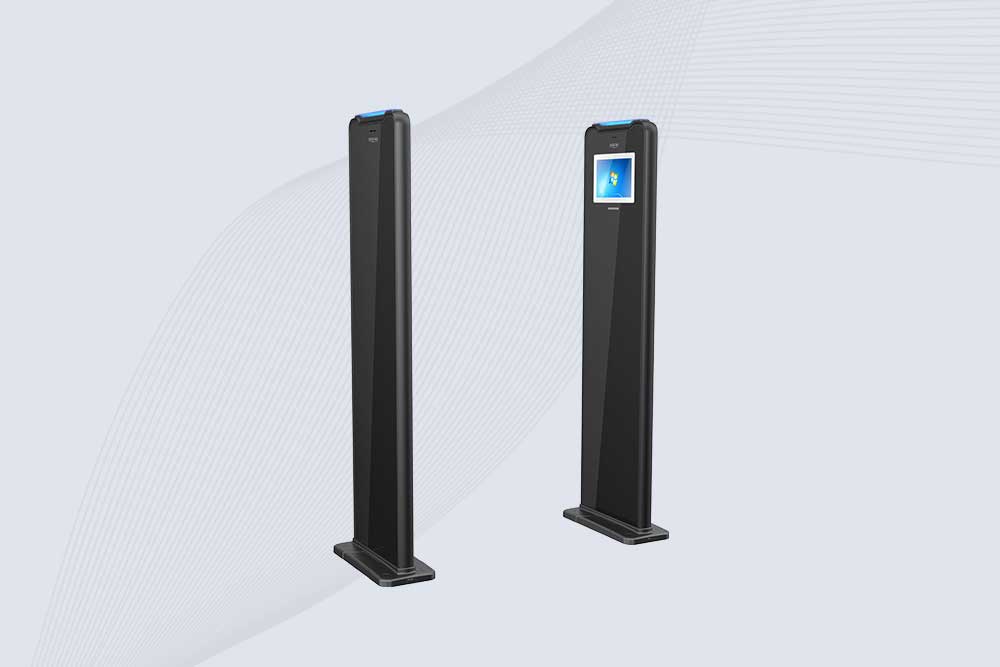
SSD-T4A-P Smart access control with real-time crowd tracking ✔️ AI Tag Filtering for Reduced Misreads SSD-T4A-P supports AI-based tag filtering and up to 6 EPC filtering sets, helping reduce unwanted reads and improve identification accuracy in busy entrances, exits, and retail environments. ✔️ Fast In & Out Detection with Visual & Audio…
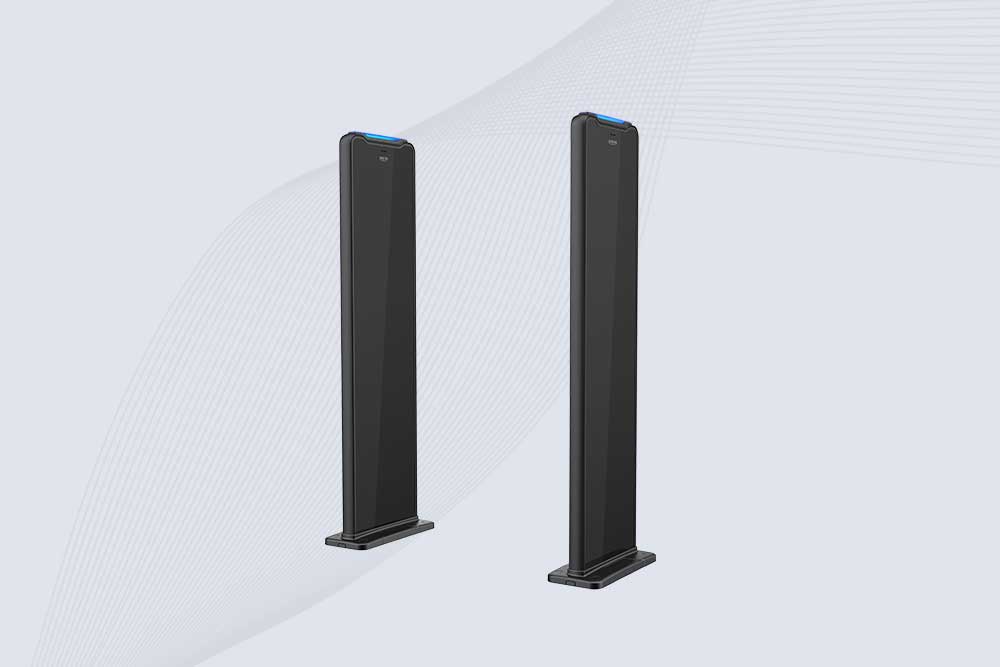
SSD-T4A UHF RFID Gate Reader with 11 dBi antenna, up to 10 m reading distance, AI tag filtering, in/out detection, 300,000 data storage, and TCP/HTTP/MQTT support.
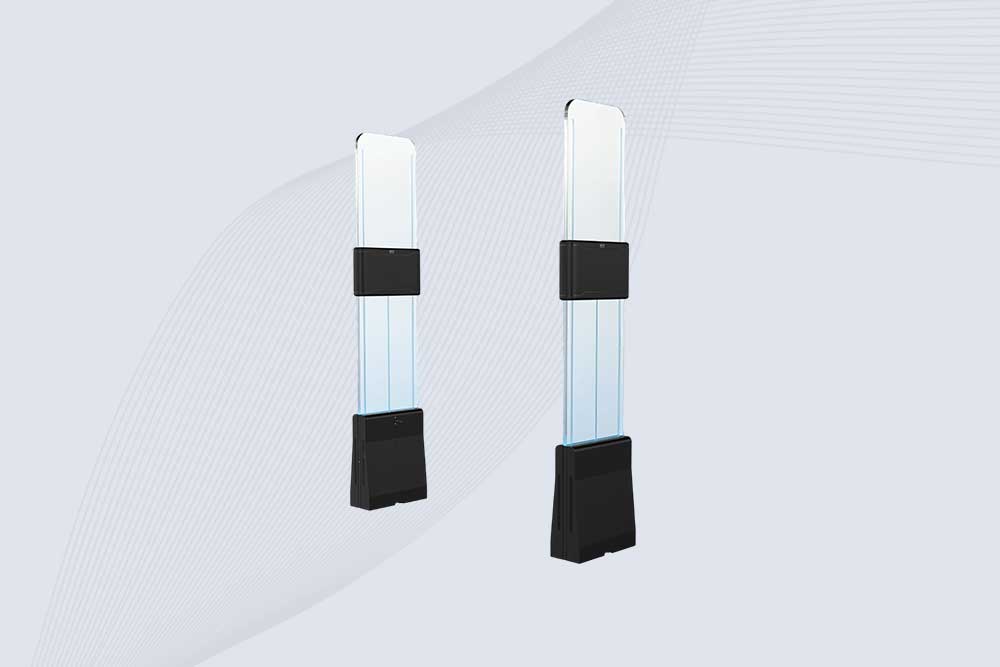
SSD-T2D UHF RFID Gate Reader with 11dBi circular antenna, Impinj E710/X3M1 chipset, up to 10m reading distance, AI tag filtering, in/out detection, and audio-visual alarms.
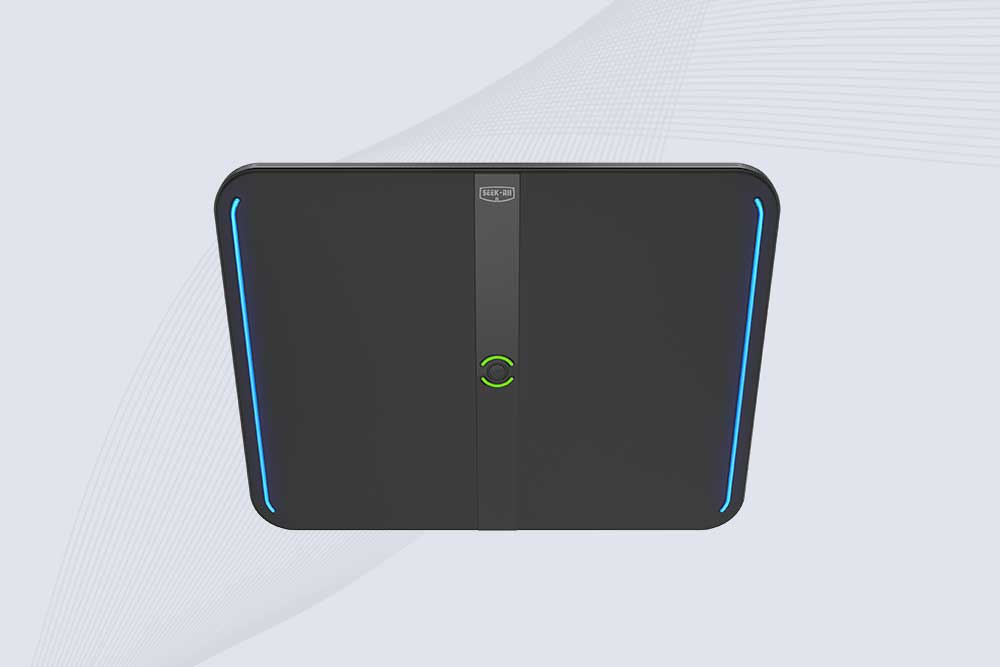
SSD-T1 ✔️ AI-Powered Tag Filtering SSD-T1 supports AI-based tag filtering with up to 6 EPC filtering sets, helping reduce unwanted tag reads and improve identification accuracy in busy retail and access-control environments. ✔️ Reliable In & Out Detection With a 7dBi antenna and a reading range of up to 2.5 meters, SSD-T1 can detect tagged i…
Not sure which RFID reader to buy? Learn how to choose RFID readers by frequency, range, antenna, tags, environment, interfaces and application requirements.
More
E Ration Card Management System with RFID has emerged as a key tool for optimizing food distribution and preventing resource waste
More
Discover the cost of implementing RFID attendance systems in schools, including hardware, software, and long-term savings. Explore Cykeo’s affordable, scalable solutions.
More
Can you read RFID with an iPhone? We cut through the hype: your iPhone's NFC is limited, but here's how to connect external readers for UHF/LF tags in real applications.
More