When you first get a USB UHF RFID reader, you might focus only on the advertised “50 tags/s” speed—only to find it struggles to reach 30 tags/s on the factory floor, requiring you to experiment yourself.
A USB UHF RFID reader sounds like it should be “plug and play,” but in reality, there are always unexpected hurdles: insufficient power, interference overload, or incorrect antenna orientation. This article combines vendor data with my own hands-on experience in both warehouses and labs.
Common Market Solutions
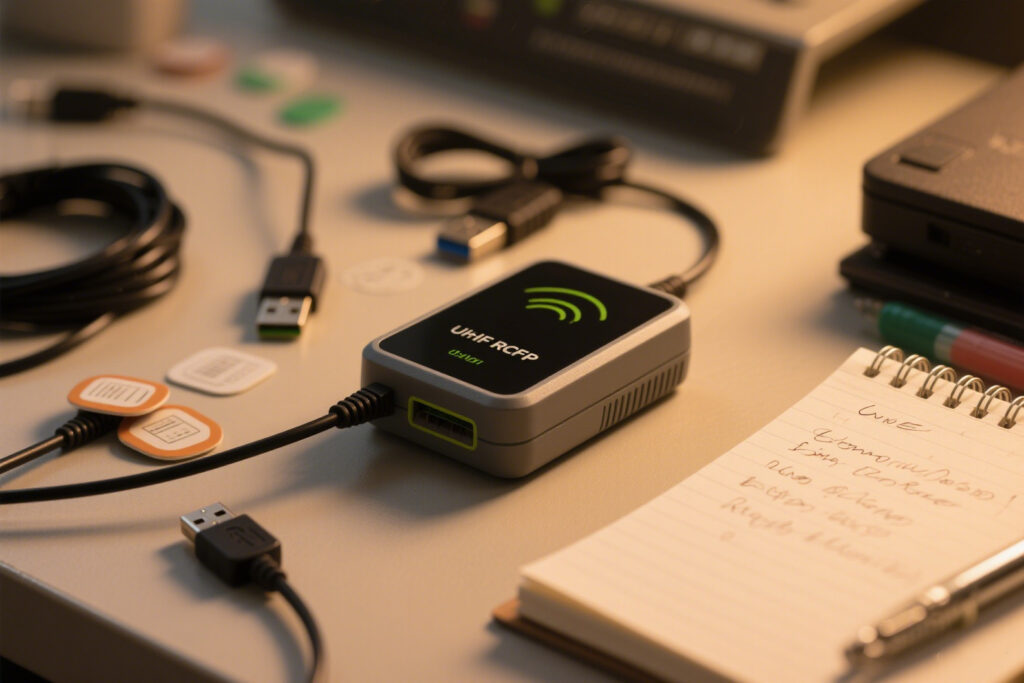
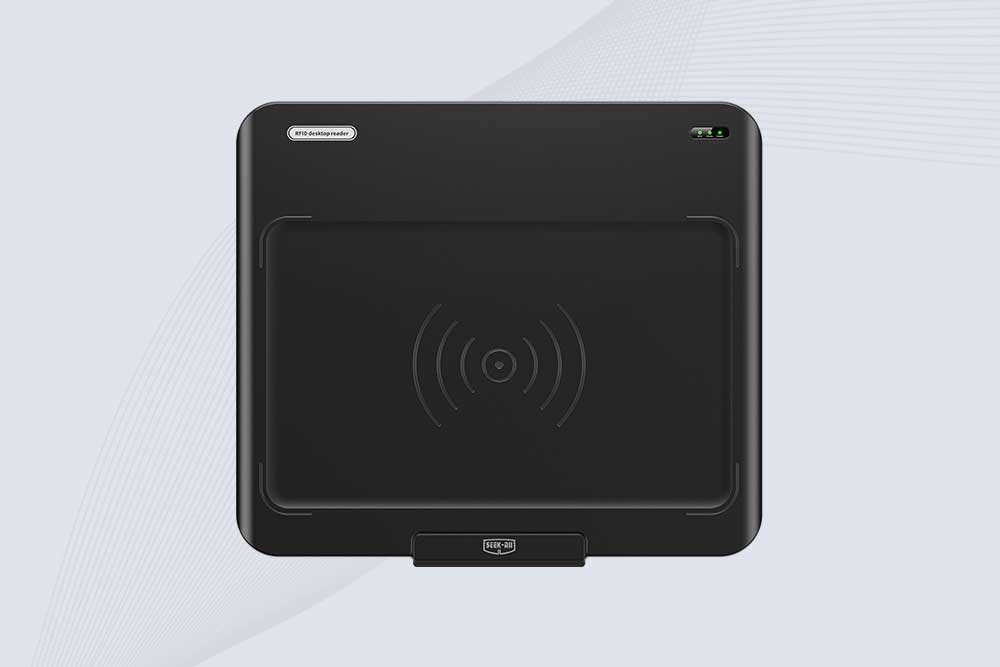
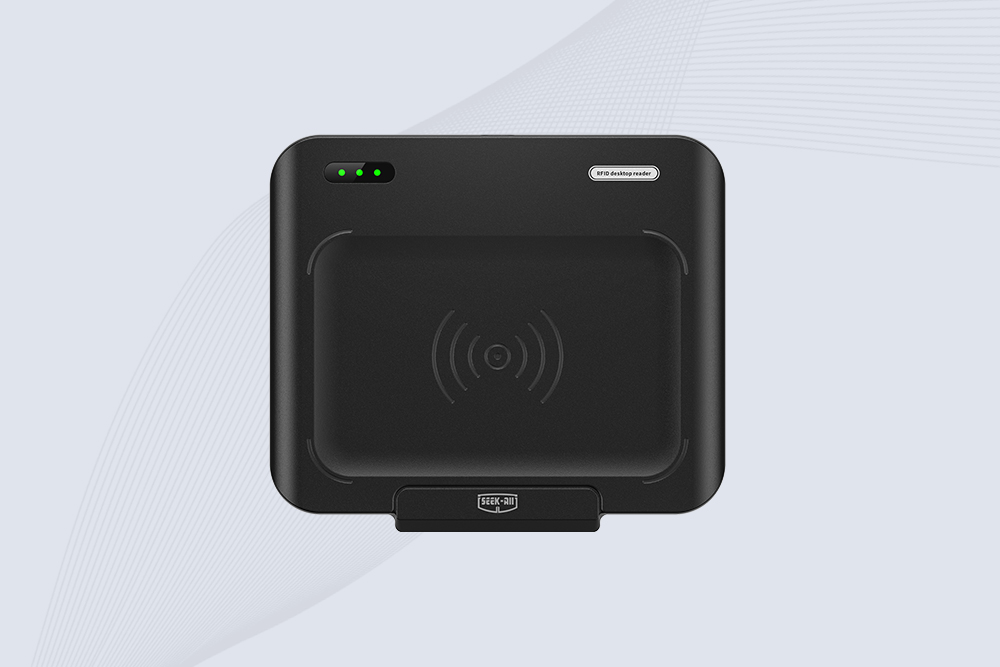
Desktop Readers: Compact and USB-powered, marketed as “no external power required.” Ideal for desktop testing and tag initialization, but limited housing heat dissipation may cause throttling during prolonged full-power operation.
Portable Readers: Offer USB and sometimes Bluetooth/wireless connectivity for mobile testing, but require additional battery management, and stability is lower compared to fixed devices.
Industrial Readers: Usually rack-mounted or housed in metal, strong anti-interference capabilities, suitable for large-scale continuous reading. Volume and price start much higher.
Hands-On Pitfalls
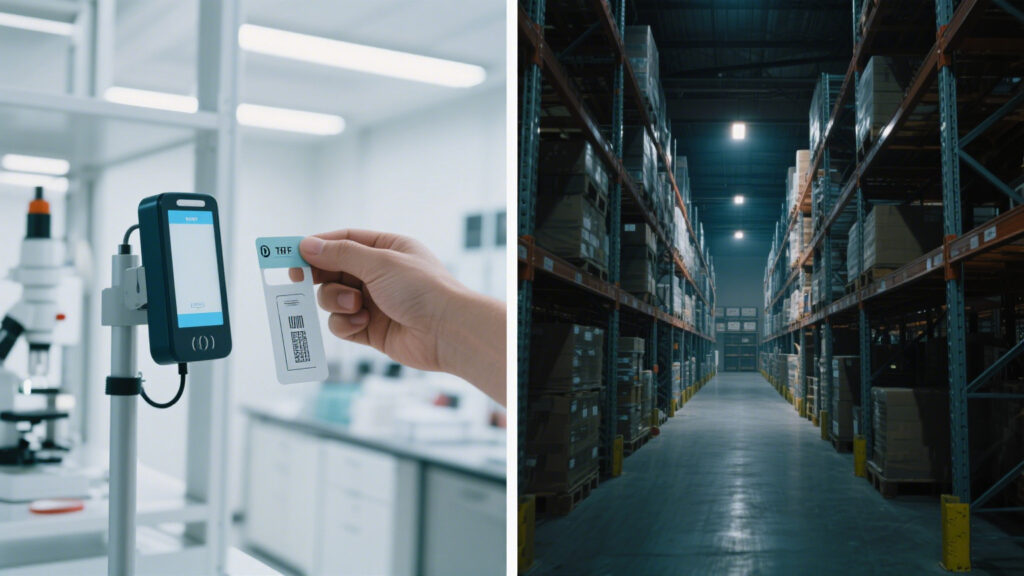
First Test: In a 35 m² lab, the antenna faced metal shelves, and most tags failed to read. I initially thought the device was faulty. Adjusting the angle and adding barriers solved the issue.
Power Adjustment: Reader output ranges from -5 dBm to +30 dBm. Using maximum power initially interfered with nearby phones; reducing to +15 dBm slightly lowered read speed but stabilized performance.
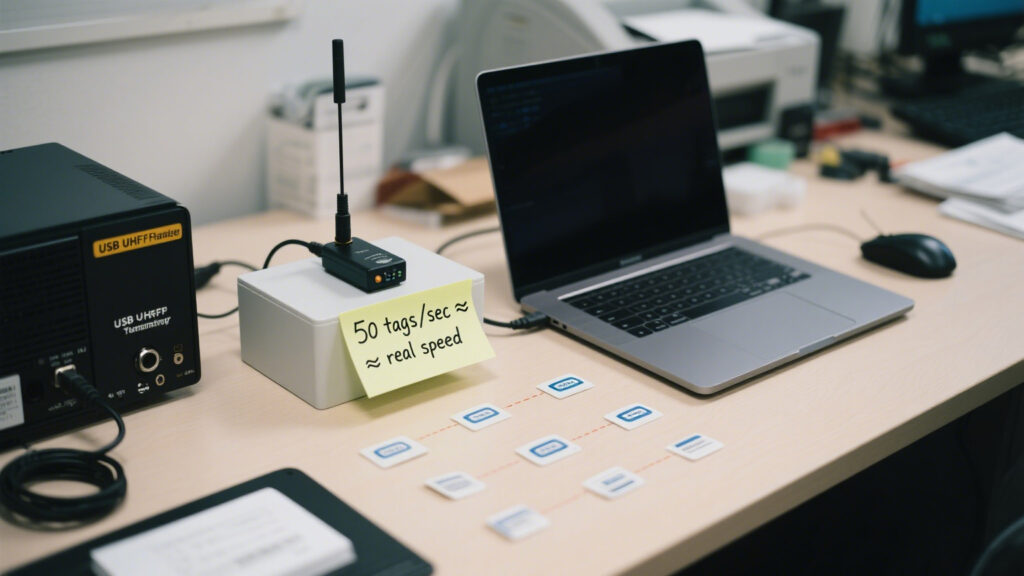
Scenario Numbers: Advertised 50 tags/s; stable lab performance 28 tags/s; in the factory 18–22 tags/s is considered successful.
Takeaway: Table specs are just a starting point—environmental noise, tag orientation, and antenna placement are all critical.
Industry “Hints”
All EPC Gen2-compliant UHF readers can theoretically write tags, but implementation and firmware optimization vary significantly.
Wireless readers without USB are available, but expensive and suited only for specific operations.
Desktop reader “stability” isn’t absolute, especially in spaces with lots of metal and wireless devices.
Execution Checklist
Drivers & APIs: Always install the SDK with drivers that match the exact device model; otherwise, the reader may not be recognized.
Antenna Layout: Built-in antennas read 1–1.2 m; large areas require high-gain external antennas.
Power Tuning: Excessive power can trigger alarms or interference; too low reduces read distance. Adjust gradually based on onsite noise tests.
Tag Orientation: ISO18000-6C tags perform poorly when reversed; maintain consistent orientation during labeling.
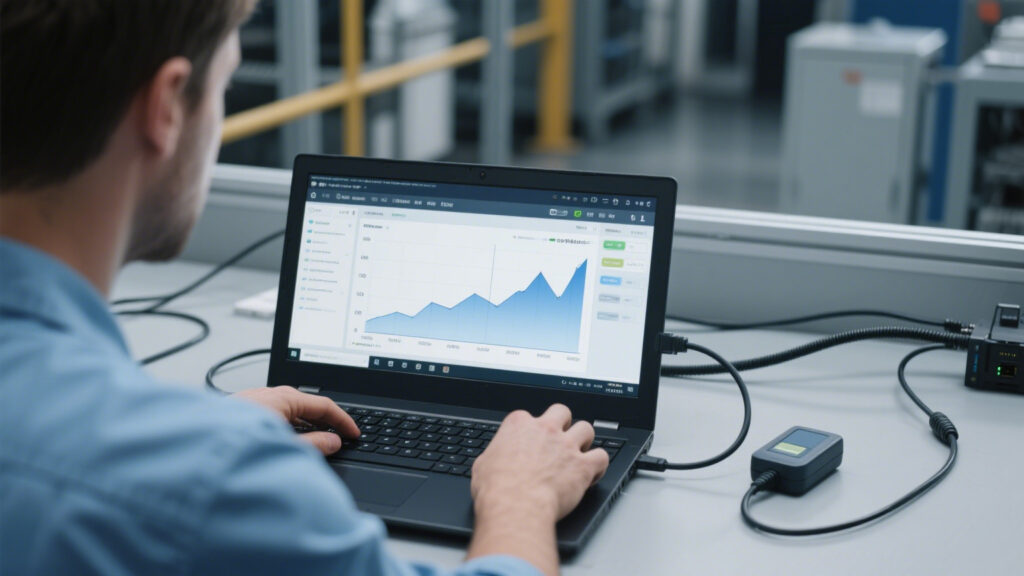
Log Analysis: GUI shows only the surface; communication logs reveal CRC errors and ACK packet loss.
Acknowledging Limits: USB readers are convenient, but antenna tuning and power adjustment make them less “plug and play.” High theoretical performance is rarely achieved—stable 20 tags/s onsite is often satisfying. Even with hardware knowledge, I still needed IT help for driver installation.
Reality Check: If you think specs alone will save you, you haven’t tried reading tags in an 11°C warehouse. Selecting a USB UHF RFID reader is not just about checking datasheets—it requires a mindset ready for “pitfalls” and strong onsite debugging skills to achieve reliable performance in real-world conditions.
SSD-D3AL is a USB-HID UHF RFID reader with 0–30 cm reading, 0–15 cm writing, over 600 tags/s recognition, USB plug-and-play operation and OEM Logo customization.
SSD-D1AL is a compact USB UHF RFID reader with Impinj E710/X3M1 chipset, USB-HID, 600+ tags/s recognition, 4/8/16 antenna support and plug-and-play USB power.
CYKEO CYKEO-D1LA USB RFID Reader is a compact desktop solution with near-field control for precise tag reading and encoding. Powered by USB, supporting ISO 18000-6C, and built for stable batch writing, this usb rfid tag reader fits retail, libraries, offices, and controlled RFID encoding tasks.
Discover how long range RFID scanners help ports automate container tracking, vehicle identification, equipment management, and gate operations. Learn how RFID improves efficiency, reduces delays, and supports modern smart port projects.
Comparing RFID tool cabinets and traditional tool rooms? Learn the real differences in efficiency, control, and cost based on actual industrial use cases.
Discover small tool tracking devices from Cykeo for automated tool management, RFID tracking, secure checkout, and real-time inventory visibility in industrial environments.
Learn how to use rfid for inventory tracking with smart RFID systems. Discover accurate stock visibility, faster counting, and automated inventory control solutions by Cykeo.
 Cykeo RFID IoT Solution Products R&D Manufacturer